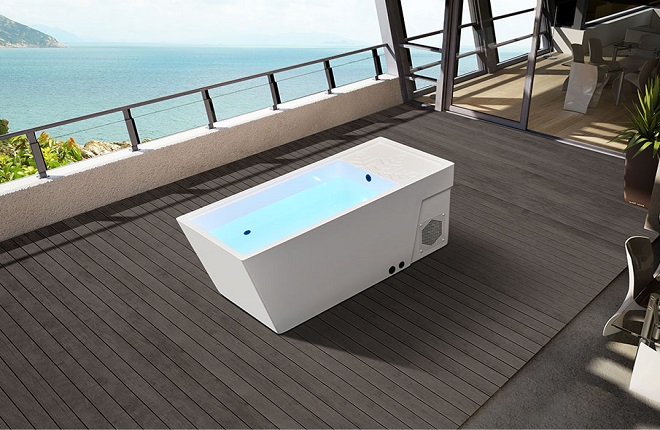
When the leaves start to fall and the air turns crisp, most people pack away their swimsuits and retreat to the warmth of blankets and hot drinks. Me? I head straight for my cold plunge tub. Yes, really. Autumn and winter aren’t excuses to stop plunging—they’re the seasons when the experience gets supercharged. But, trust me, you’ve got to do it right.
First lesson: temperature matters. Just because your backyard water looks like it could freeze a penguin doesn’t mean you should dive in for ten minutes. Most experts suggest keeping the water around 10–15°C (50–59°F). Cold enough to make you squeal, but not enough to send you running for the ER.
Second, think short and sweet. In summer, I might linger for a bit, but in winter, one to three minutes is plenty. The goal is “invigorated,” not “frozen statue.” And don’t be a hero—if you start shivering uncontrollably or feeling dizzy, get out. Bragging rights aren’t worth frostbite.
Third, warm up before and after. I like to do a few squats or push-ups before hopping in, just to get the blood moving. Afterward, I towel off fast and slip into cozy clothes. Bonus tip: nothing beats wrapping up in a hoodie straight out of the dryer.
Fourth, safety isn’t optional. Never plunge alone. You want someone around just in case your “refreshing dip” turns into “unplanned nap.” And if you have heart or circulation issues, talk to your doctor first. Cold water doesn’t mess around.
Here’s the thing: plunging in the colder months feels different—more intense, more rewarding. The contrast between icy water and frosty air adds a dramatic flair that summer just can’t deliver. Plus, it’s a great way to keep your immune system on its toes when sniffle season rolls around. So, while your neighbors sip hot cocoa by the fireplace, you’ll be outside, conquering the cold one plunge at a time. And honestly? Nothing makes that hot cocoa taste better than earning it after a good chill.
Swim Spa Hot Tub Combo: What to Know Before You Buy
Anyone shopping for a swim spa hot tub combo is usually trying to solve two problems at once. They want the swimming lane for exercise, and they want the hot water for recovery, without installing two separate structures in the yard. That single decision, one unit instead of two, changes almost everything about size, plumbing, and daily running costs.
A swim spa hot tub combo works because it splits one shell into zones with different jobs. One side stays cooler and holds a current strong enough to swim against. The other side heats up like a standard hot tub, with jets aimed at the shoulders, back, and legs. The trick is not the concept, which is fairly old, but how well the manufacturer keeps the two zones from fighting each other thermally and hydraulically.
Space is the first driver. A dedicated lap pool plus a separate hot tub can eat up a large portion of a backyard, and not everyone has that kind of footprint. A combo unit compresses both functions into a single excavation or deck footprint, which matters a great deal for townhouses, courtyard homes, and smaller commercial patios.
Cost is the second driver, though it needs a fair caveat. A combo unit is usually cheaper than building a full lap pool and buying a separate spa, but it is not cheap in absolute terms. Buyers are trading two smaller purchases for one larger, more complex piece of equipment.
The third driver is actually behavioral. People who own only a hot tub tend to use it for soaking and little else. Add a swim current, and the same footprint now supports low-impact cardio, joint rehabilitation, and family play, which extends daily use beyond just evening relaxation.
The therapeutic side of a combo unit depends on jet count, jet placement, and water temperature working together, not on any single spec. A tub with dozens of jets but poor placement will feel less effective than one with fewer jets aimed correctly at the neck, lower back, and calves.
Look at how manufacturers describe their hydrotherapy layouts. According to the Fspa Hot Tub series product information, jet counts range from 16 up to 80 across different models, paired with adjustable air flow so users can dial in a gentler or more forceful massage. That range matters because a couple soaking after light stretching wants something very different from an athlete treating sore quads.
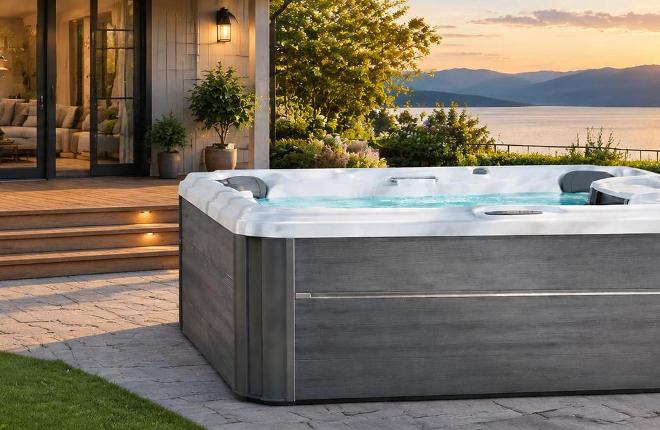
Heater size also shapes the real-world experience. Units in that same series use 2kW to 3kW heaters, which affects how quickly water recovers after the cover comes off on a cold evening. A smaller heater is not necessarily a flaw, but it does mean longer wait times if the tub sits uncovered for extended periods.
Capacity planning for a swim spa hot tub combo should start with who uses it and when, not with the biggest model available. A retired couple soaking most evenings has very different needs than a family of five hosting weekend gatherings.
Consider these practical sizing questions before comparing specific models:
Spa shells built for hydrotherapy commonly range from compact 3-person layouts up to spacious 6-person configurations. A 3-person shell suits a couple or small household with limited deck space, while a 6-person layout better serves families or short-term rental properties where several guests may soak together.
Because "swim spa hot tub combo" covers a wide range of products, it helps to look at how core specifications scale across smaller and larger configurations. The table below reflects the kind of spec range found across the Fspa Hot Tub series product information, useful as a general reference when comparing quotes from any supplier.
| Specification | Compact Configuration | Larger Configuration |
|---|---|---|
| Seating Capacity | 3 adults | 6 adults |
| Approximate Dimensions | 1870 x 1330 x 800mm | 2530 x 2300 x 900mm |
| Heater Output | 2kW | 3kW |
| Jet Count | 16 jets | Up to 80 jets |
| Total System Power | Lower draw | Up to 5.55kW |
| Sanitization Method | Ozone system | Ozone system |
Notice that jet count grows much faster than dimensions do. That is a deliberate design choice, since a larger shell needs proportionally more jets to avoid dead zones where no water pressure reaches the bather.
Water quality management is where a lot of first-time buyers underestimate the ongoing effort. A swim spa hot tub combo holds more water than a standalone hot tub, and that water gets more use, from both swimming and soaking sessions.
Ozone-based sanitization, used across the Fspa Hot Tub series, helps oxidize contaminants and reduces how often chemical shock treatments are needed. It is not a replacement for regular chemical balance testing, but according to the manufacturer it does ease the maintenance burden compared to relying on chlorine or bromine alone. Buyers should still budget time weekly for filter checks, since filtration housing gets more debris load in a dual-use tub than in a soak-only spa.
Pump reliability and shell durability rarely get discussed until something breaks, which is exactly why they deserve attention upfront. A swim current draws far more continuously from the pump than jet cycles do in a standard hot tub, so pump quality carries more weight in a combo unit than in a soak-only model.
Shell material matters too. Marbled acrylic surfaces, common across this product category, resist staining and hold up under both hot soaking water and the more turbulent swim-side currents. A durable shell will not fix a weak pump, but a strong pump paired with a thin or brittle shell will not last either. Both need to be adequate together.
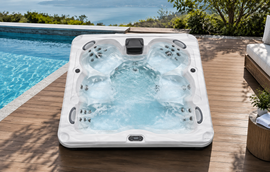
Some models in this category go beyond function and add integrated LED lighting plus built-in audio systems. These features do not change the therapeutic value of the water, but they change how often people actually step outside to use the tub after dark.
A blue-lit interior on a patio at night, paired with a quiet pump and a short playlist, turns a five-minute soak into something people plan their evening around. That psychological pull toward regular use is worth factoring into a purchase decision, even though it rarely shows up on a spec sheet.
Application context shapes which features matter most. A villa or courtyard installation usually prioritizes aesthetics and quiet operation, since neighbors and family are close by. A hotel or B&B installation prioritizes durability and easy maintenance, since staff, not owners, handle upkeep between guest turnovers.
Fitness centers, natatoriums, and physical rehabilitation centers represent a different use case entirely. There, the swim current itself is the primary draw, valued for low-impact resistance training that protects joints during recovery from injury or surgery. The hot tub side becomes a secondary cooldown or therapy zone rather than the main attraction.
Does a swim spa hot tub combo need a separate pump for each zone?
Typically yes. The swim current and the hydrotherapy jets serve different purposes and usually run on separate pump systems, which is part of why total system power in larger units can reach into the 5kW-plus range.
Can one unit really replace both a lap pool and a hot tub?
For casual swimming and joint-friendly resistance exercise, yes. For serious competitive lap training over long distances, a combo unit’s swim lane is shorter than a dedicated pool, so it is a compromise rather than a direct substitute.
How much bigger is a combo unit compared to a standalone hot tub?
Considerably. Standalone hot tubs in this category run from roughly 1870mm to 2530mm in length, but a swim spa hot tub combo needs the additional swim lane length on top of the soaking area, so plan for meaningfully more footprint.
Is ozone sanitization enough on its own?
Ozone systems reduce the sanitization workload, but manufacturers still recommend routine chemical balance checks and filter cleaning as part of standard upkeep.
Choosing the right swim spa hot tub combo comes down to matching household size, available space, and actual use pattern to the specific model, rather than chasing the highest jet count or largest footprint available. A compact 3-person configuration with a 2kW heater suits a couple with limited deck space, while a 6-person layout with a 3kW heater and higher jet count better serves a family or a small hospitality property. Buyers who work through capacity needs, sanitization expectations, and installation space before comparing brands tend to end up far happier with their swim spa hot tub combo than those who buy on size alone.
Small Plunge Bath Options: What to Know Before You Buy
A small plunge bath solves a specific problem: you want the hydrotherapy and relaxation benefits of a spa without dedicating a huge footprint or budget to it. Many homeowners assume a compact soak means giving up features, but that trade-off is smaller than it used to be. This guide walks through what actually matters when comparing models, how sizing affects real-world use, and where the technology has landed for anyone shopping in this category.
Most people searching for a small plunge bath aren’t chasing a trend. They’re working with a balcony, a narrow side yard, or a hotel courtyard where every square meter counts. The math is straightforward: a unit that occupies less area frees up room for seating, landscaping, or simply walking around the deck without bumping into a shell edge.
Water consumption follows the same logic. A smaller basin holds less water, which means lower fill costs and less energy spent heating it back up after a drain and refill. For a backyard oasis or an indoor balcony conversion, that efficiency isn’t a minor perk, it’s often the deciding factor between "yes, we can fit this" and "we’ll need to renovate first."
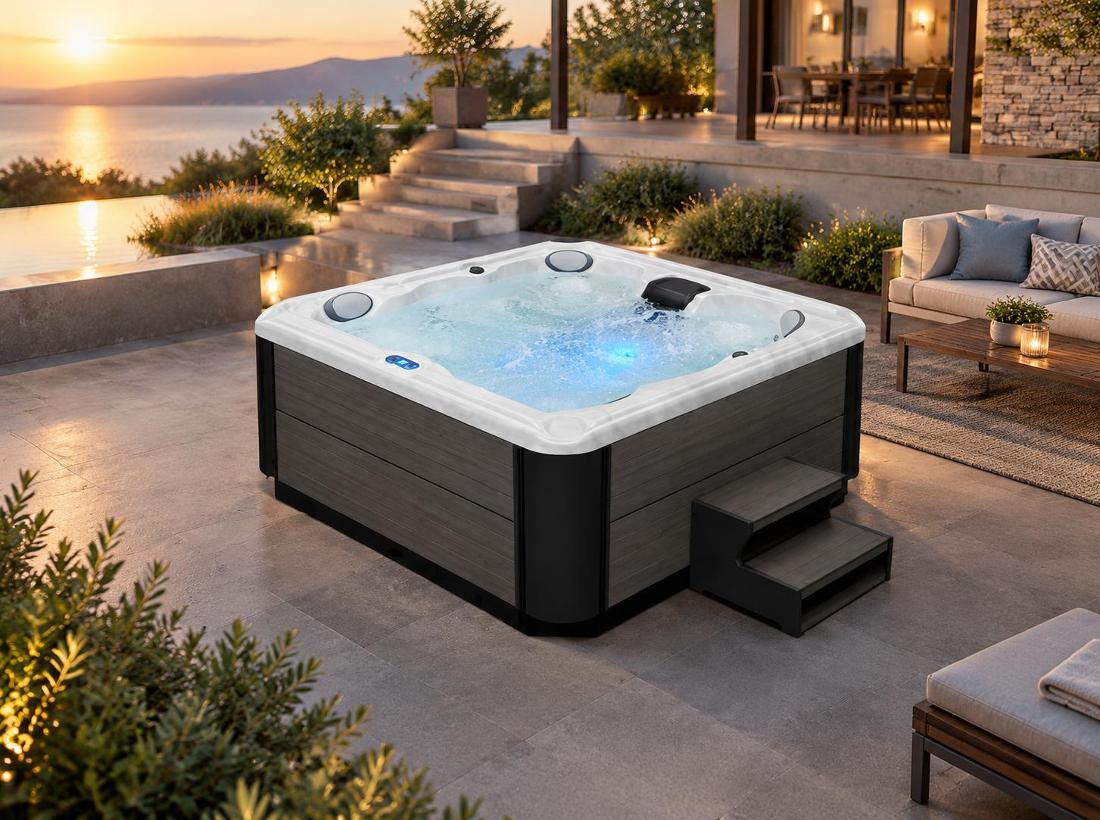
There’s no single industry-wide cutoff for a plunge bath’s dimensions, but the practical range for compact spa pools tends to sit well under the footprint of a full-size swim spa. A unit like the BD-001, at 2100x2100x900mm, sits toward the upper end of what’s still considered space-efficient while comfortably seating six adults according to the manufacturer’s specifications. That’s the balance most buyers are actually after: not the smallest possible tub, but the smallest one that still fits their household or guest count.
Water capacity matters here too. The BD-001 holds around 1000 liters, which is modest compared to a large multi-person swim spa but still enough for a proper hydrotherapy session with room to move your shoulders and legs.
Jet count and pump power get thrown around a lot in product listings, but they only mean something in context. Jet placement across a compact shell can matter as much as total jet count when it comes to how concentrated the pressure feels at each seat. According to the manufacturer’s specifications, the BD-001 uses 31 jets powered by a 2.2kW massage pump, arranged in ergonomic patterns aimed at the back and shoulders.
That’s worth noting because back and shoulder tension is the most common reason people buy a spa in the first place, not general soaking. If your priority is targeted muscle relief rather than a passive warm bath, jet placement matters more than raw jet count.
Shopping by spec sheet alone misses a lot. Comfort in a plunge bath comes down to details that don’t show up in a table:
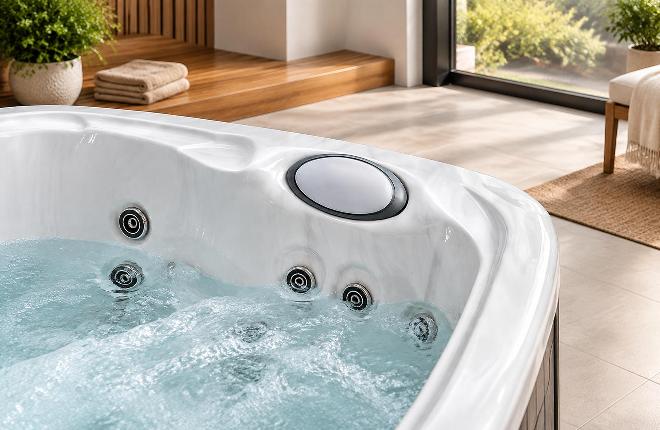
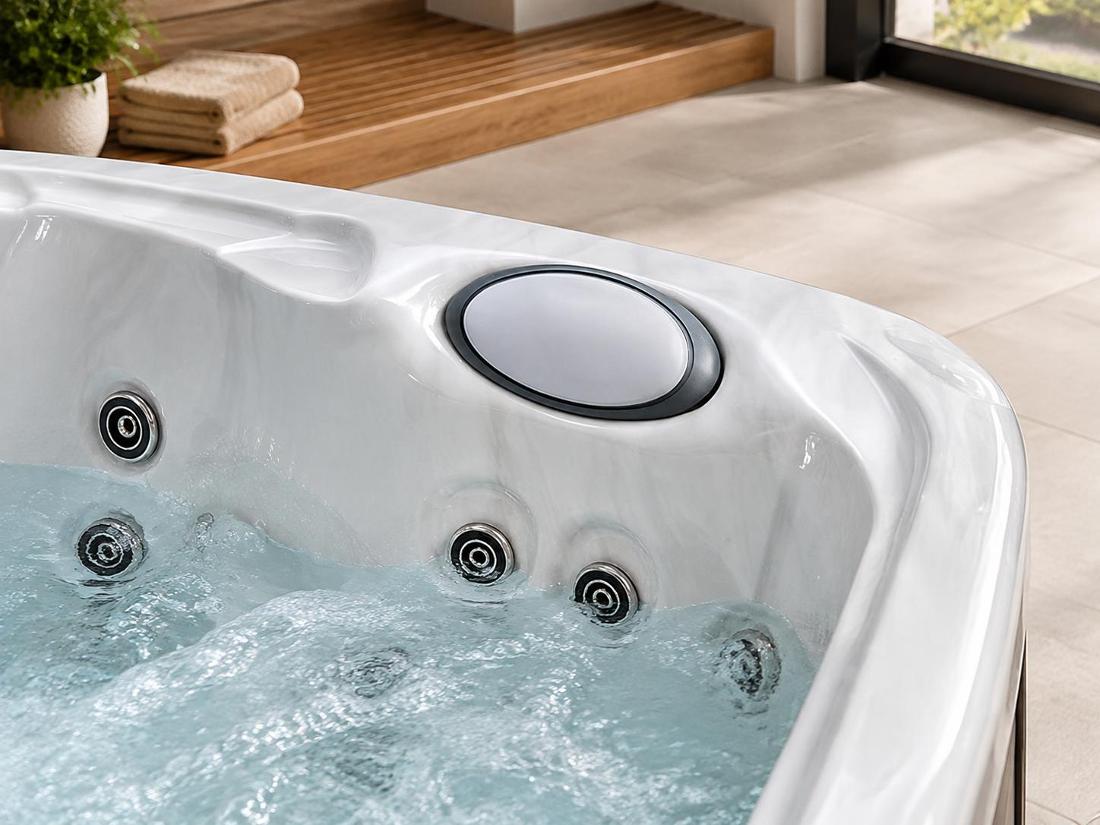
The BD-001, for example, includes four molded headrests and a marble-effect acrylic shell, paired with blue LED lighting built into the base for ambient illumination during evening use.
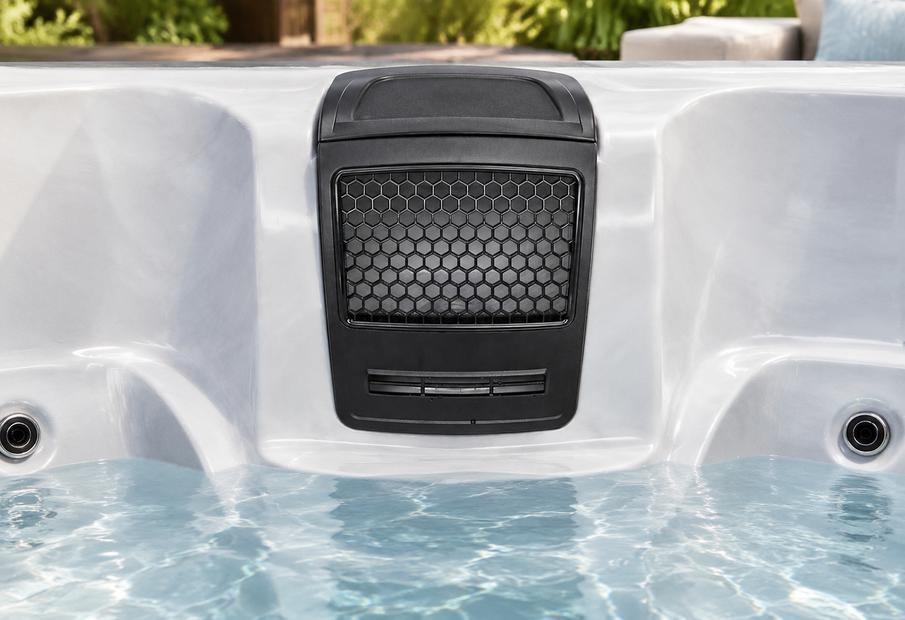
A spa is only as convenient as its control panel. Digital panels with backlit displays let you adjust temperature and pump settings without guessing in the dark, which sounds minor until you’re standing outside in winter trying to read a faded dial. The BD-001’s control interface sits on the rim with a blue backlit display, positioned within reach of the seating area rather than tucked into a side cabinet.
Filtration is the less glamorous half of the equation, but it’s the part that determines how much maintenance you’ll actually do. Per the product specifications, the BD-001 pairs a dedicated filter pump with an ozone system, which the manufacturer states helps keep water clean and reduces reliance on manual chemical dosing. On the BD-001, this comes from a 0.35kW filter pump working alongside the ozone unit, which keeps the water cycling even when the massage jets aren’t running.
When you’re lining up options from different suppliers, it helps to look at the numbers side by side rather than trusting marketing copy. Here’s how the BD-001’s specifications break down as a reference point for what a mid-size compact spa typically offers:
| Specification | Detail |
|---|---|
| Dimensions | 2100 x 2100 x 900mm |
| Seating Capacity | 6 adults |
| Water Capacity | 1000L |
| Net Weight | 268kg |
| Total Power Draw | 5.55kW |
| Massage Pump | 2.2kW |
| Filter Pump | 0.35kW |
| Heater | 3kW |
| Jet Count | 31 |
| Certifications | CE, CTUVus, CB, SAA |
Total power draw is worth flagging to an electrician before installation, since 5.55kW combined load needs to match your circuit capacity rather than being an afterthought.
Plunge baths in this size range show up in a wider variety of settings than people expect. A hotel might install one on an outdoor terrace to give guests a private, high-end retreat without committing space to a full pool. Residential buyers often place a similar unit on an indoor balcony, turning an underused corner of an apartment into a wellness space that doesn’t require stepping outside.
Backyard installations remain the most common scenario, though, largely because a compact footprint means the tub can sit on an existing patio slab without major structural work. For rehabilitation centers and physiotherapy practices, the same compact hydrotherapy setup is used clinically, though those settings generally pair it with professional oversight rather than casual use.
Narrowing down options gets easier once you rank your priorities instead of trying to optimize for everything at once. A practical sequence looks like this:
Skipping the electrical step is the most common mistake. A beautiful compact spa that trips your breaker every time the heater kicks in isn’t actually saving anyone time or hassle.
Does a smaller plunge bath mean weaker hydrotherapy?
Not necessarily. Jet placement and pump power matter more than shell size. A well-designed compact unit can deliver targeted pressure comparable to larger models, particularly for back and shoulder-focused sessions.
How much water does a compact spa typically hold?
It varies by model, but units in this size class often hold somewhere around 1000 liters, noticeably less than a full swim spa, which keeps fill time and heating costs down.
Can a small plunge bath be installed indoors?
Yes, provided the space has adequate ventilation, a proper drainage plan, and flooring rated to handle the unit’s filled weight. Indoor balconies are a common placement for this reason.
What certifications should I check before buying?
Look for regional electrical safety marks like CE, CB, or SAA, along with product-specific testing marks such as CTUVus where applicable to your country’s import requirements.
Choosing a small plunge bath isn’t about settling for less, it’s about matching the unit to how you’ll actually use the space around it. A compact footprint, moderate water capacity, and a well-placed jet system can deliver the same relief a larger spa promises, just without the excess water, energy draw, or wasted deck space. Focus on seating count, electrical load, and filtration needs first, and the right small plunge bath for your patio, balcony, or hotel terrace becomes a much easier call.
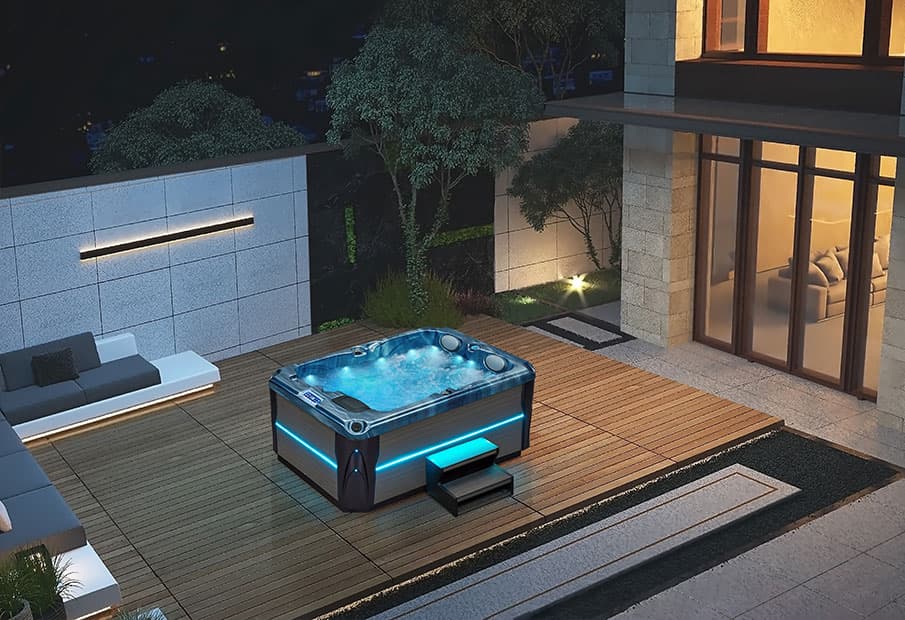
The Fspa BD-011Pro Hot Tub, a 2010x1360x800mm premium spa for 2 adults, combines 7.27kW of power and efficiency with luxurious features like 39 water & 20 air bubble jets, customizable water flow, LED lighting, music speakers, and pillows, making it a stylish and ideal choice for both residential and commercial outdoor relaxation.
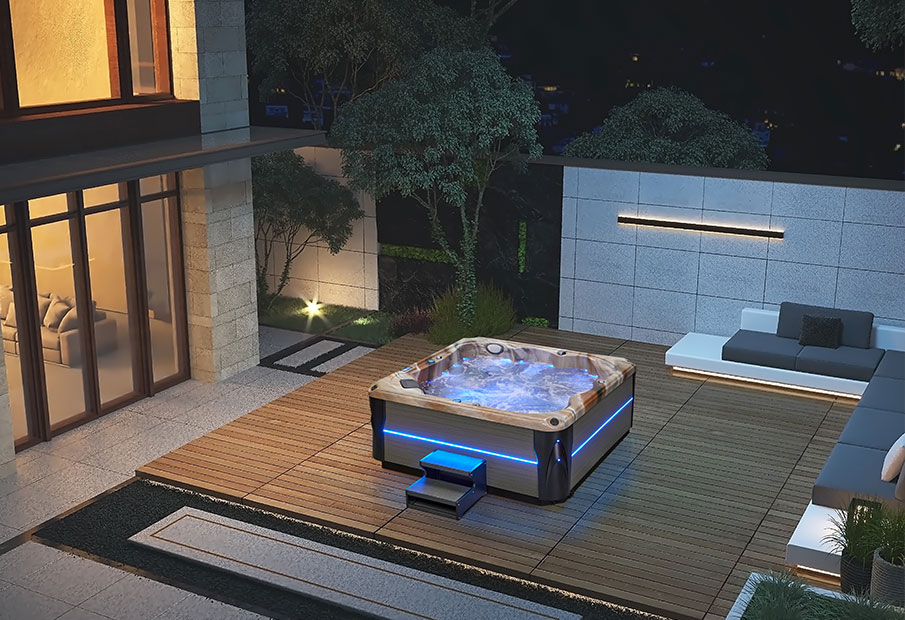
Fspa BD-004Pro Hot Tub, a spacious, powerful, and feature-rich hot tub designed for up to 6 adults, complete with therapeutic massages, clear water circulation, customizable air flow, immersive audio, and sanitization system, ideal for both residential and commercial outdoor settings.
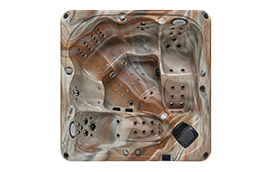
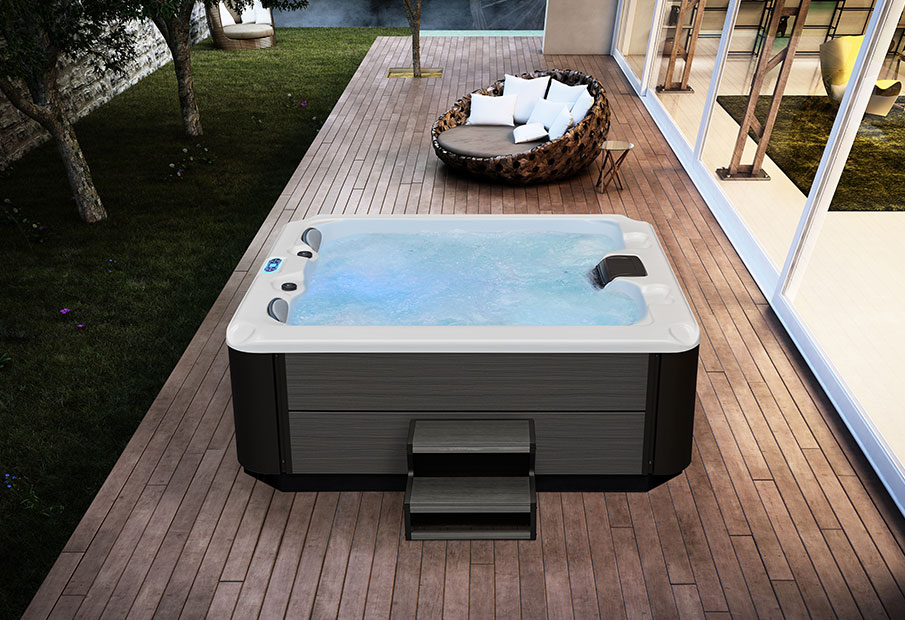
The Fspa BD-014 hot tub, designed for ultimate relaxation and luxury, offers a spacious interior for 4 adults, a powerful 2.2kW massage pump, 35 strategically placed jets, a 3kW heater, calming LED lighting, and an ozone system for clean water, making it the perfect choice for tranquility in your home.
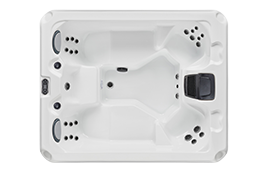
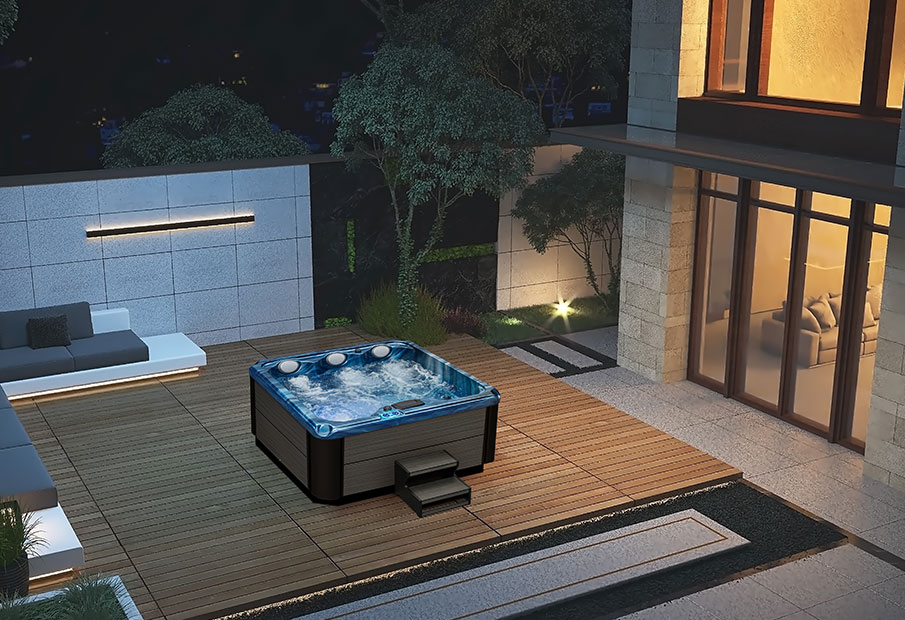
The Fspa BD-013 hot tub, with its spacious design for 6 adults, advanced 2.2kW massage pump with 35 jets, robust 3kW heater, energy-efficient filter pump, ambient LED lighting, and ozone system, offers ultimate relaxation and transforms any space into a private spa retreat, ideal for both residential and commercial use.
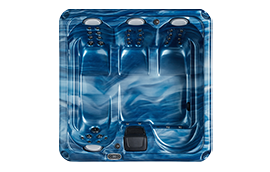
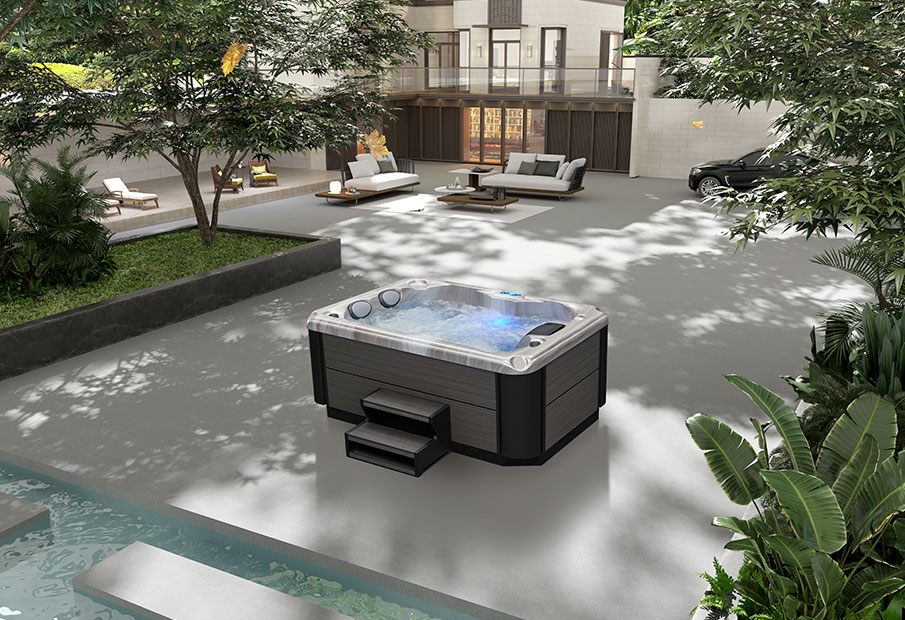
The Fspa BD-015 hot tub, with spacious dimensions for 6 adults, a powerful 2.2kW massage pump, 35 strategic jets, a 3kW heater, serene LED lighting, and a total power of 5.5kW, offers the ultimate experience in relaxation and well-being.
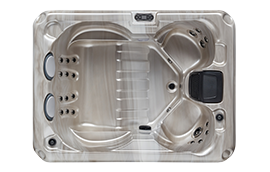
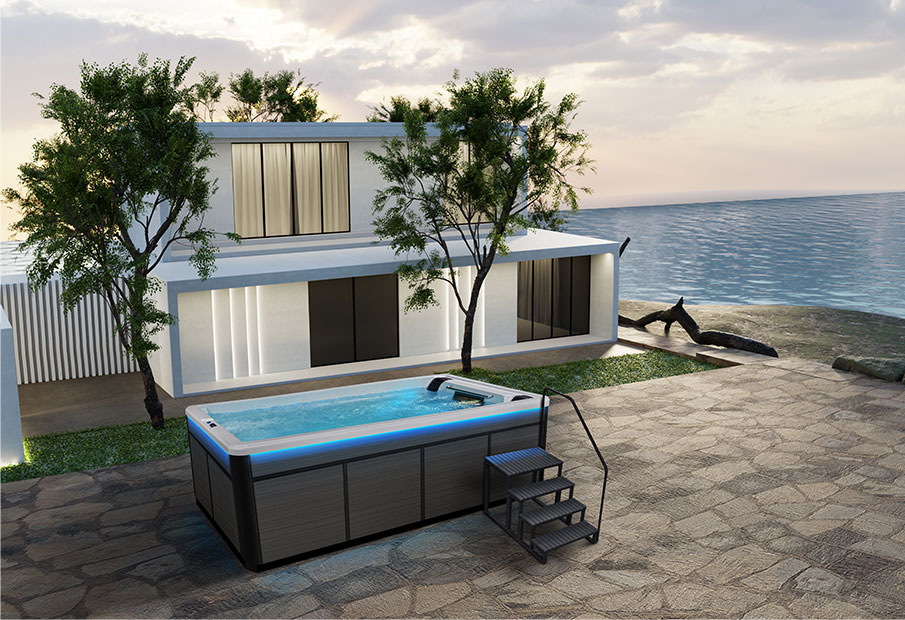
The Infinipool Fspa IP-001Pro is a premium, spacious pool with advanced filtration, ozone sanitization, insulation, and optional accessories, transforming backyards into luxurious oases for swimming, relaxation, and entertainment.
PRODUCTS
INQUIRY
Thank you for your message!Our Chinese New Year holiday from 7th Feb to 28th Feb. Apologise to make your inconvenience so that responses may be delayed during this period. We'll back to you with regular service on 2th March .Thank you for understanding.


