In an increasingly fast-paced world, the yearning for a personal sanctuary, a space to decompress and reconnect, has never been stronger. Enter the sophisticated realm of garden spas, transforming mundane backyards into luxurious retreats. These meticulously engineered aquatic havens offer far more than just warm water; they represent a holistic investment in well-being, an enhancement to property value, and a catalyst for social engagement. Data from recent market analyses indicates a significant surge in demand for outdoor living amenities, with a staggering 35% increase in homeowner investment in backyard enhancements over the past two years, positioning garden spas at the forefront of this trend. They provide an unparalleled fusion of therapeutic hydro-massage, soothing aesthetics, and convenient accessibility, making them an indispensable feature for discerning homeowners seeking to cultivate an environment of ultimate relaxation and rejuvenation. From mitigating daily stress to fostering intimate social gatherings, the integration of a thoughtfully designed garden spa is a testament to a lifestyle prioritizing health, comfort, and sophisticated leisure.
Beyond the surface appeal of shimmering water and ambient lighting lies the profound science of hydrotherapy, a cornerstone of the garden spa experience. The precise application of warm water, buoyant support, and targeted jet massage works synergistically to deliver a spectrum of physiological benefits. Imagine stepping into 38-degree Celsius water, where the body’s natural buoyancy reduces gravitational stress on joints and muscles by up to 90%. This immediate relief is coupled with the vasodilating effects of heat, promoting increased blood flow and accelerating the delivery of oxygen and nutrients to tissues, while simultaneously aiding in the removal of metabolic waste products. The strategically positioned, customizable hydro-jets deliver therapeutic massage, capable of alleviating chronic pain, reducing muscle soreness post-exercise, and significantly lowering stress levels. Studies published in reputable wellness journals frequently highlight the efficacy of regular hydrotherapy sessions in improving sleep quality, enhancing circulation, and even contributing to mental clarity. This isn’t just about relaxation; it’s about active recovery, preventative wellness, and fostering a robust sense of physical and mental equilibrium.
Modern garden spas are marvels of engineering, integrating cutting-edge technology to ensure optimal performance, energy efficiency, and enduring durability. At the heart of every superior spa lies an advanced filtration and sanitation system. Many premium models feature multi-stage filtration, combining skimmers, disposable cartridges, and pleated filters, often supplemented by ozone or UV-C purification systems. These innovations work tirelessly to maintain crystal-clear, hygienic water with minimal chemical input, reducing maintenance burdens by as much as 70% compared to older systems. The heating elements are designed for rapid and efficient temperature attainment, frequently utilizing titanium or Incoloy heaters for corrosion resistance and longevity. Insulation is paramount for energy efficiency; full-foam insulation, a dense thermal barrier filling the cabinet, can reduce heat loss by over 80% compared to partial foam or non-foamed designs, leading to significant reductions in operating costs. Intuitive digital control panels, often touch-screen enabled and Wi-Fi integrated, provide seamless command over temperature, jet intensity, lighting schemes, and even audio systems. Shell materials typically consist of robust acrylic, often reinforced with fiberglass, chosen for its exceptional durability, UV resistance, and stain-proof properties. These technical advancements collectively ensure that a high-quality garden spa is not merely a luxury item, but a sophisticated piece of equipment designed for reliable, long-term therapeutic enjoyment.
Choosing the right garden spa involves understanding the nuances between various manufacturers and their specific offerings. While many brands promise relaxation, a deeper dive into their technical specifications, material quality, and after-sales support reveals crucial distinctions. We’ve compiled a comparative table of leading (hypothetical) manufacturers to highlight key areas of differentiation, assisting you in making an informed decision tailored to your specific needs and preferences. This comparison focuses on common benchmarks that impact both the immediate user experience and the long-term cost of ownership.
| Manufacturer | Model (Example) | Seating Capacity | Jet Count | Heater (kW) | Insulation Rating | Control System | Special Features | Warranty (Shell/Components) |
| SerenityFlow Spas | HydroZen Elite | 5-6 adults | 65 Tri-Zone Jets | 5.5 kW | Full-Foam R-28 | SmartTouch Wi-Fi | Ozone purification, LED perimeter lighting, waterfall | 10-year / 5-year |
| AquaVista Wellness | Oceanic Retreat | 4-5 adults | 50 Hydro-Flex Jets | 4.0 kW | ThermalWrap R-22 | Digital & Bluetooth | UV-C sanitation, built-in sound system, aromatherapy | 7-year / 3-year |
| PacificBloom Retreats | Everest Pro | 7-8 adults | 80 Deep-Tissue Jets | 5.5 kW Dual | ArcticShield R-32 | Intuitive TouchPad | Dual pumps, energy-saving mode, smart cover lift compatible | 12-year / 7-year |
| Zenith Hydrotherapy | Urban Oasis Compact | 2-3 adults | 35 Targeted Jets | 3.0 kW | EcoInsulate R-18 | Basic Digital | Compact design, plug-and-play option, stainless steel jets | 5-year / 2-year |
As illustrated, factors such as insulation levels directly correlate with energy consumption, while jet count and type dictate the variety and intensity of hydro-massage. Control systems vary from basic digital interfaces to advanced Wi-Fi enabled smart platforms offering remote management. Warranty terms also provide a robust indicator of a manufacturer’s confidence in their product’s durability and component quality. This comparative approach ensures a holistic understanding of the value proposition each brand presents, moving beyond initial sticker price to encompass long-term performance and enjoyment.
The beauty of modern garden spas extends far beyond their core functionality; it lies in the vast array of customization options available, allowing homeowners to truly personalize their aquatic sanctuary. This level of bespoke design ensures that your spa seamlessly integrates with your existing landscape and reflects your individual aesthetic and therapeutic preferences. Consider the aesthetic choices: a diverse palette of shell colors, from serene whites and blues to earthy browns and grays, allows for perfect harmony with pool tiling or garden flora. Exterior cabinet finishes, crafted from durable synthetic materials or natural wood, can be selected to match decking, patio furniture, or house siding. Beyond the visual, technological enhancements offer significant personalization. Advanced lighting packages, featuring multi-colored LED perimeter lighting, underwater illumination, and fiber optics, transform the nighttime ambiance. Integrated sound systems, often Bluetooth-enabled, allow for a personalized audio experience, from calming nature sounds to energizing playlists. Smart home integration capabilities mean your spa can be controlled remotely via a smartphone app, adjusting temperature, jets, and lighting before you even step outside. Furthermore, accessories such as ergonomic steps, hydraulic cover lifters, built-in coolers, and even synchronized aromatherapy systems enhance both convenience and the sensory experience. These customization solutions elevate a standard spa into a uniquely tailored wellness destination, reflecting the homeowner’s distinct taste and lifestyle.
The versatility of garden spas makes them suitable for an incredibly diverse range of applications, each showcasing their capacity to enhance lifestyles and properties. In bustling urban environments, a compact two-person spa can transform a modest balcony or small courtyard into a private escape, offering city dwellers a much-needed respite from daily pressures. Imagine unwinding under the stars, just steps from your living room, in a personal haven of tranquility. For suburban homes with expansive backyards, larger family-sized spas become the focal point of outdoor entertaining, providing a convivial space for gatherings, celebrations, and quality time with loved ones. Many homeowners report that a well-integrated spa becomes the social hub of their outdoor living area, fostering stronger family bonds and creating lasting memories. Beyond residential use, boutique hotels and wellness resorts are increasingly incorporating garden spas into their luxury offerings, providing guests with exclusive therapeutic experiences that significantly boost customer satisfaction ratings and differentiate their services. One notable resort in the Cotswolds saw a 25% increase in repeat bookings after installing a series of private outdoor spas, attributing this directly to the enhanced guest experience. Even professional athletes and fitness enthusiasts integrate spas into their recovery routines, leveraging the hydrotherapy benefits for muscle recovery and injury prevention. These diverse applications underscore the enduring appeal and functional adaptability of garden spas, demonstrating their capacity to deliver profound wellness benefits and enhance quality of life across various settings and demographics.
The decision to install a garden spa transcends a simple purchase; it is a strategic investment in holistic well-being, lifestyle enrichment, and even the tangible value of your property. While the immediate allure of hydrotherapy and relaxation is undeniable, the long-term benefits contribute significantly to a healthier, more balanced existence. Regular use of your spa actively combats stress, improves sleep patterns, and alleviates physical discomfort, fostering a proactive approach to personal health management. From a financial perspective, a meticulously maintained, high-quality garden spa can tangibly enhance property value and curb appeal, making your home more attractive in a competitive real estate market. Property evaluators frequently note that well-executed outdoor living spaces, especially those featuring premium amenities like a spa, can add between 5% and 10% to a home’s market value, provided it is thoughtfully integrated. Furthermore, the inherent durability and energy efficiency of modern units translate into manageable operating costs and minimal maintenance requirements over many years. The robust construction and advanced technical features ensure longevity, making it a sustainable enhancement rather than a fleeting luxury. Ultimately, a garden spa represents an ongoing commitment to a lifestyle defined by relaxation, rejuvenation, and social connection. It’s not merely an addition to your home; it’s an investment in your well-being, offering a consistent return in terms of physical comfort, mental serenity, and enhanced enjoyment of life’s precious moments, solidifying its place as an invaluable asset to any discerning homeowner.
Q1: What are the primary benefits of owning a garden spa?
A1: Garden spas offer a multitude of benefits, including stress reduction, improved sleep quality, muscle relaxation, pain relief through hydrotherapy, enhanced circulation, and increased opportunities for social interaction and family bonding. They also contribute to mental clarity and overall well-being.
Q2: How do I choose the right garden spa for my outdoor space?
A2: Consider factors such as available space, desired seating capacity, jet configurations for specific therapeutic needs, energy efficiency (insulation and heater size), filtration system quality, control panel features, and aesthetic options (shell color, cabinet finish). It’s also wise to check manufacturer warranties and local dealer support.
Q3: What kind of maintenance do garden spas require?
A3: Routine maintenance includes checking and balancing water chemistry (pH, alkalinity, sanitizer levels) 2-3 times per week, cleaning filters monthly, draining and refilling the spa water every 3-4 months, and periodically cleaning the spa cover and cabinet. Modern filtration systems can significantly reduce chemical usage.
Q4: What are the typical operating costs of a garden spa?
A4: Operating costs primarily depend on local electricity rates, spa size, insulation quality, usage frequency, and ambient climate. Highly insulated, energy-efficient models can cost between $20-$50 per month on average in temperate climates, though this can vary. Look for models with strong insulation ratings (e.g., R-values) to minimize costs.
Q5: Can garden spas be used year-round, even in colder climates?
A5: Yes, modern garden spas are designed for year-round use. Their advanced insulation systems, robust heaters, and durable covers are engineered to maintain water temperature efficiently, even in freezing conditions. Many users find the experience of a warm spa particularly enjoyable during colder months.
Q6: What’s the difference between a hot tub and a garden spa?
A6: While often used interchangeably, “garden spa” typically implies a more integrated, aesthetically refined outdoor installation designed to complement a landscaped environment. “Hot tub” can refer more generally to any heated, jetted pool. Functionally, they are very similar, both offering hydrotherapy, but “garden spa” often emphasizes design, features, and seamless integration with outdoor living spaces.
Q7: Are there any special installation requirements for a garden spa?
A7: Yes, proper installation is crucial. A garden spa requires a solid, level foundation (concrete slab, reinforced deck, or pavers) capable of supporting its significant weight when filled with water and occupants. Electrical requirements typically involve a dedicated 240V GFCI-protected circuit, professionally installed by a licensed electrician. Plumbing connections are usually not required, as spas are self-contained units filled with a garden hose.
Cold Plunge Tub for Home and Gym: What to Check Before Buying a Compact System
Cold immersion used to mean filling a bathtub with ice or using a simple barrel. Dedicated systems have changed the experience by combining a purpose-built shell with chilling, circulation, filtration, and a cover. That makes temperature management more repeatable and reduces the daily preparation that discourages regular use.
For a home gym, balcony, studio, or boutique fitness space, compact dimensions can be an advantage. A cold plunge for 1 person avoids paying for water volume that will rarely be used by more than one person at a time. It can also simplify placement where floor area, drainage, and access are limited.
A strong chiller specification is useful, but temperature is only one part of a cold plunge. Insulation affects how hard the cooling system has to work. Filtration affects how often the water needs attention. A fitted cover keeps debris out and reduces unwanted heat gain. Controls should be simple enough that the user can check settings without turning each session into a technical task.
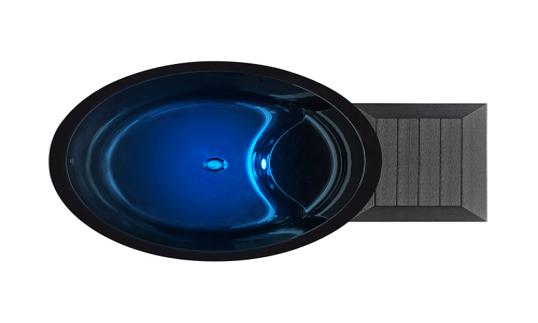
FSPA’s IS-005 is listed for one adult at 1560 x 1150 x 780 mm. The current product page describes an integrated system with a water chiller, filtration, ozone, lighting, insulation, a cover, and an external temperature display. Those features make it a useful reference when comparing a cold plunge system for regular residential use.
An indoor cold plunge spa needs careful thought about ventilation, condensation, floor drainage, and the route used to fill or empty the unit. A beautiful home gym can quickly feel damp if moisture management is ignored. The equipment also needs service clearance and access to an appropriate electrical supply.
An outdoor cold plunge faces different conditions: direct sun, leaves, dust, rain, and large seasonal temperature swings. Shade can reduce heat load in warm climates, while a good cover keeps debris out. Outdoor placement may be simpler structurally, but the base still needs to be level and able to support the filled unit.
Compact does not mean cramped. Entry height, internal seat shape, shoulder room, and the position of drains or fittings affect how natural the immersion feels. Buyers should consider the height of the actual users rather than selecting purely from external dimensions.
When comparing a small cold plunge tub, think about the routine around the tub too. Where will a towel go? Is there a non-slip surface beside it? Can the cover be lifted without moving gym equipment? These small questions matter more in daily use than decorative features that look attractive in photographs.
Many athletes and wellness users include cold immersion in post-training or personal recovery routines, but a product should not be sold as a guaranteed treatment for medical conditions. Comfort, individual tolerance, and appropriate guidance matter. People with health concerns should seek professional advice before adopting extreme cold exposure.
From a purchasing perspective, the best portable cold plunge tub is the one that is easy to prepare, clean, access, and use consistently. Stable temperature control, practical filtration, insulation, and a sensible footprint usually add more long-term value than chasing the most extreme temperature claim.
Water management becomes especially important when several people share a plunge in a gym or hospitality setting. A dedicated filtration and sanitation routine should be matched to the number of users, and operators need a clear schedule for checking water condition, cleaning filters, and refreshing the system. A compact tub may contain less water, but that also means heavy bather use can change water quality quickly. Commercial buyers should therefore plan maintenance around actual daily traffic rather than assuming residential routines will be enough.
Temperature settings should also be treated as a user-controlled parameter rather than a competition to reach the coldest possible number. New users may prefer shorter, milder sessions, while experienced users may choose colder water within safe personal limits. Clear controls and an external temperature display make it easier to know what the water is doing before entry. In shared facilities, posted guidance can help prevent users from copying someone else’s routine without considering their own tolerance.
For procurement teams, the installation brief should include indoor or outdoor location, ambient temperature range, expected sessions per day, access width, drainage, electrical requirements, and desired finish. It is also useful to ask how the chiller and filter can be serviced once the unit is in position. A cold plunge that looks compact from the front may still need ventilation and working clearance around equipment panels. Planning that space early keeps the wellness area neat without making maintenance unnecessarily difficult.
Pre-Canton Fair Preparation Guide for Outdoor Prefabricated Pool Industry
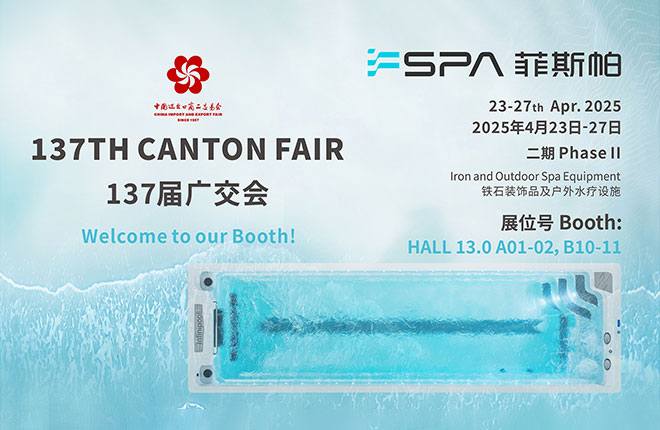
As the 137th Canton Fair (April 23-27, 2025) approaches, outdoor prefabricated pool manufacturers must strategically prepare to maximize visibility and engagement. Key steps include:
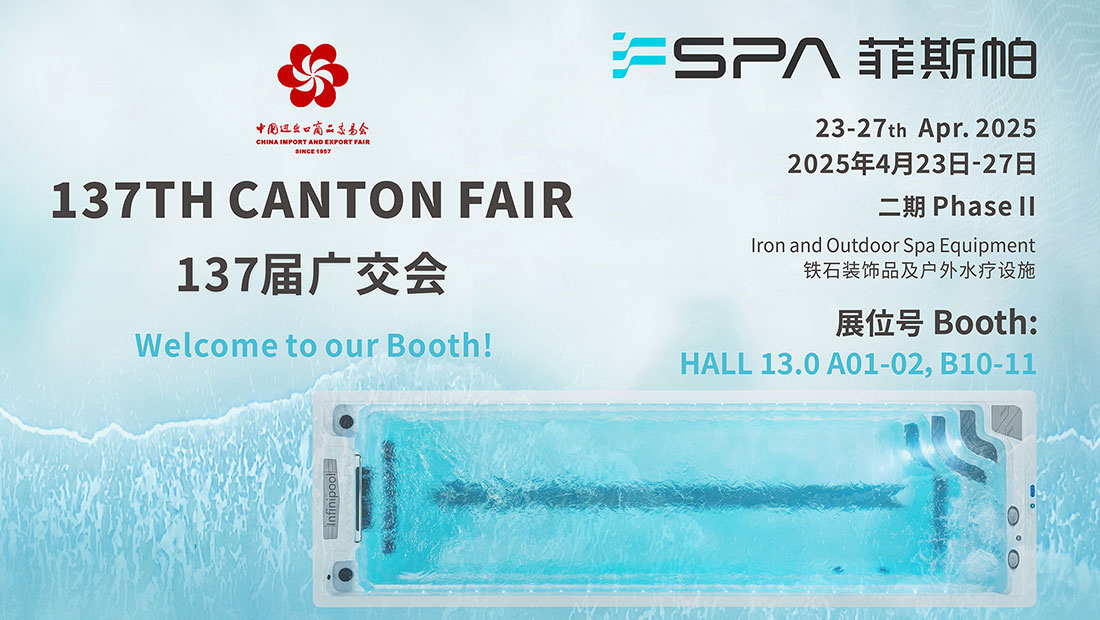
Leverage big data to analyze buyer behavior and trends. Identify high-potential regions and tailor product showcases (e.g., modular pools, eco-friendly designs) to match global demand. Use predictive analytics to optimize inventory and logistics, ensuring seamless delivery to Booth HALL 13.0 A01-02,B10-11.
Highlight cutting-edge offerings such as smart pool systems with IoT integration, energy-efficient filtration, and customizable aesthetics. Prepare interactive demos (e.g., AR/VR simulations of pool installations) to engage attendees. Include multilingual brochures and case studies showcasing global projects.
Create a visually striking booth with dynamic elements like LED water-wave walls and a mini “pool experience zone” for tactile interaction. Train staff to communicate technical USPs (e.g., UV-resistant materials, rapid installation) and cultural narratives, bridging functionality with lifestyle branding.
Pre-ship samples to avoid delays, and ensure compliance with international trade regulations. Certify products for target markets (e.g., CE, ISO standards) and offer on-site consultations for OEM/ODM partnerships.
By merging data insights with creative engagement, exhibitors can transform the Canton Fair into a springboard for global expansion.
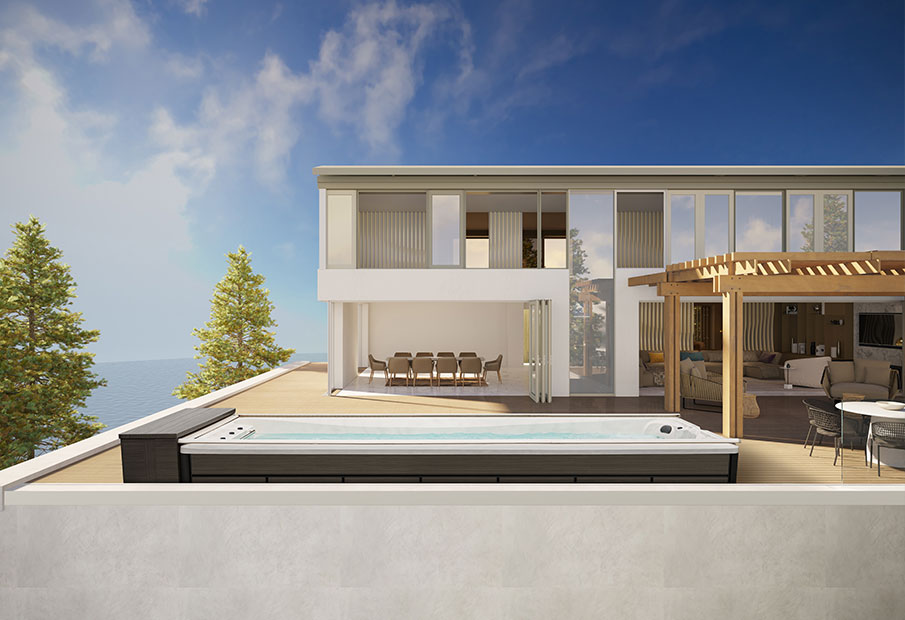
The Infinipool Fspa IP-004 is a luxurious, spacious, and technologically advanced swimming pool.
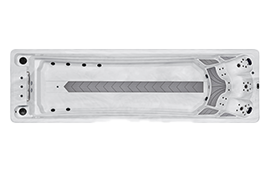
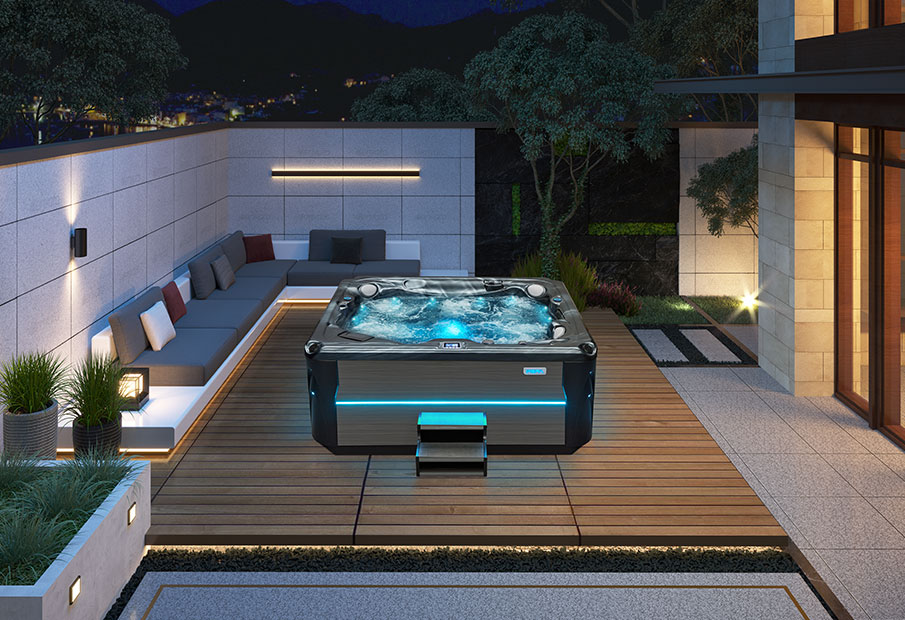
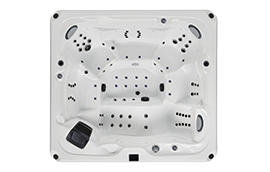
The Fspa BD-005Pro Hot Tub, accommodating up to 6 adults with a spacious 2530x2300x900mm design, boasts robust massage systems, pristine water clarity, an array of premium features, and efficient water sanitization, making it an ideal choice for both residential and commercial outdoor settings.
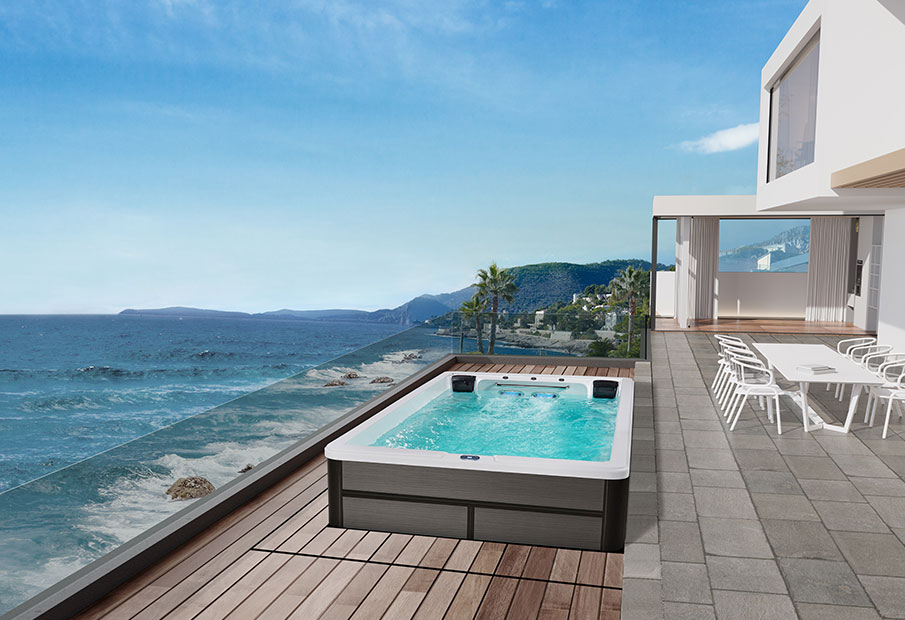
The Infinipool Fspa IP-001 is the ideal choice for anyone seeking a premium swimming experience at home or in a fitness facility.
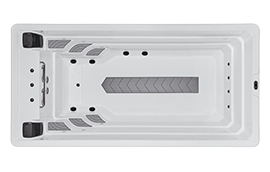
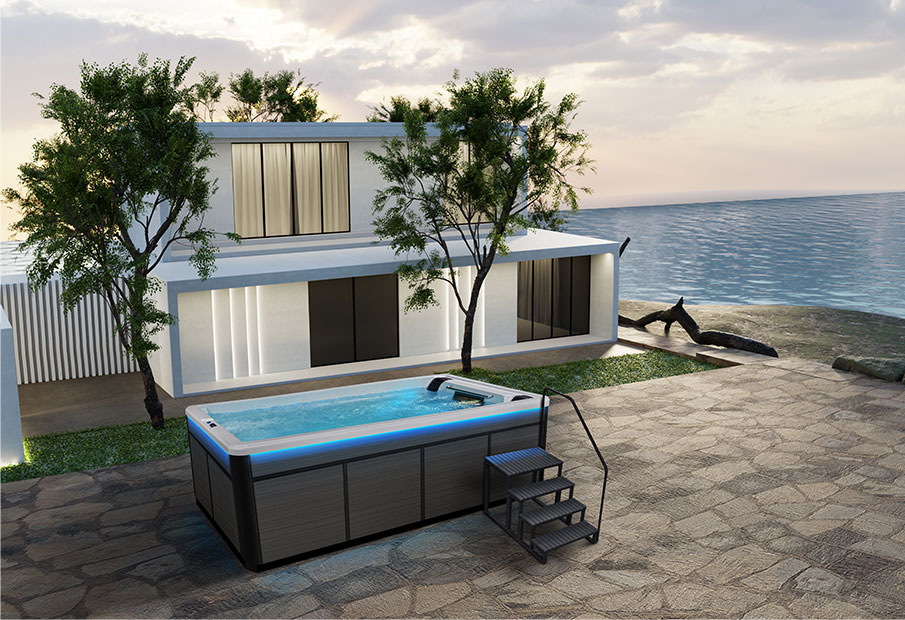
The Infinipool Fspa IP-001Pro is a premium, spacious pool with advanced filtration, ozone sanitization, insulation, and optional accessories, transforming backyards into luxurious oases for swimming, relaxation, and entertainment.
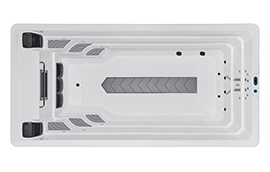
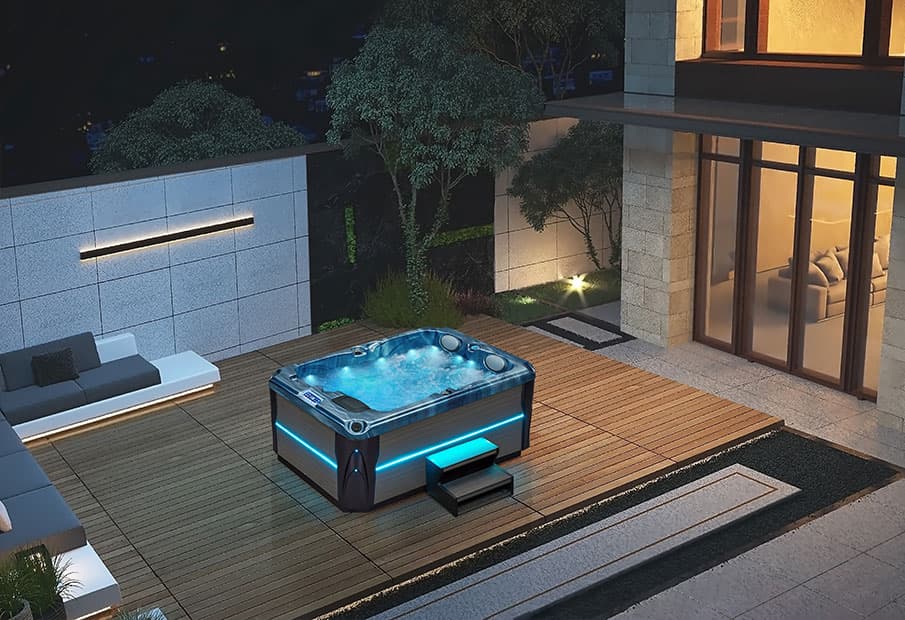
The Fspa BD-011Pro Hot Tub, a 2010x1360x800mm premium spa for 2 adults, combines 7.27kW of power and efficiency with luxurious features like 39 water & 20 air bubble jets, customizable water flow, LED lighting, music speakers, and pillows, making it a stylish and ideal choice for both residential and commercial outdoor relaxation.
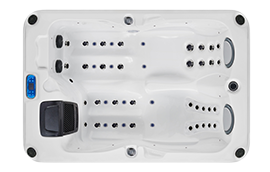
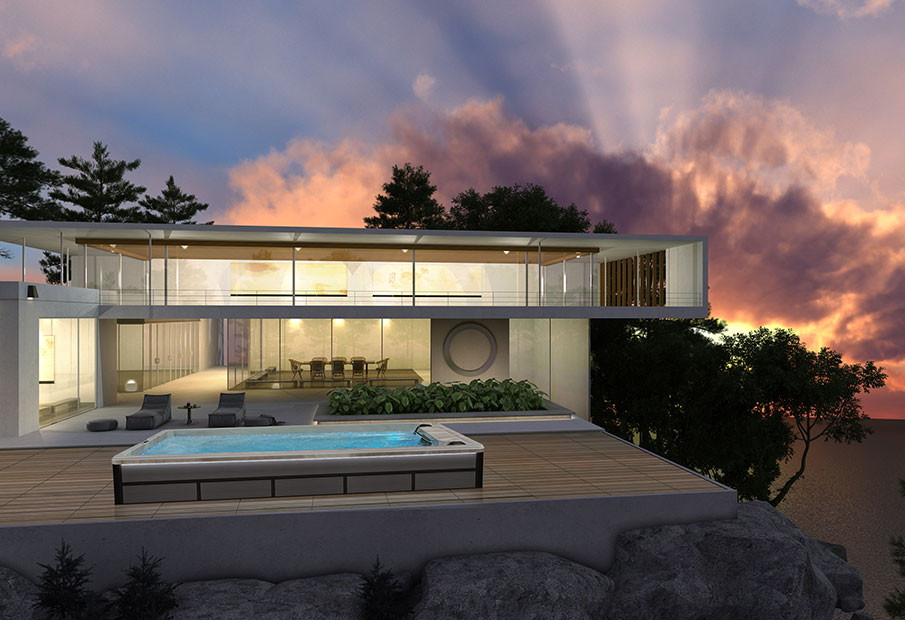
The Infinipool Fspa IP-002Pro is a luxurious and versatile hot tub, featuring a powerful filtration system, 28 massage jets, ozone sanitization, insulation, and optional accessories, designed to provide a soothing and rejuvenating experience in any outdoor space.
PRODUCTS
INQUIRY
Thank you for your message!Our Chinese New Year holiday from 7th Feb to 28th Feb. Apologise to make your inconvenience so that responses may be delayed during this period. We'll back to you with regular service on 2th March .Thank you for understanding.


