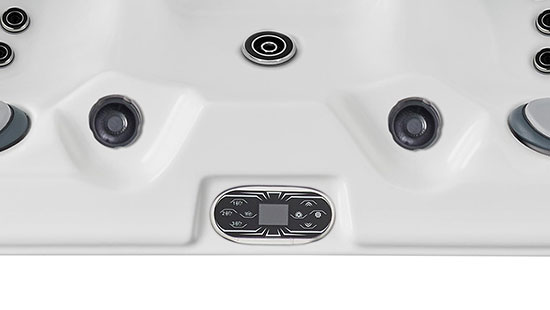
Creating a luxurious outdoor retreat has become a major trend among homeowners who value comfort, wellness, and entertainment. Whether installed beside a garden, deck, or pool area, a modern whirlpool hot tub offers the perfect way to relax after a long day while enhancing the beauty of outdoor living spaces. Today’s spa industry continues to evolve with advanced hydrotherapy systems, energy-efficient technology, and stylish designs that suit every lifestyle.
As one of the growing names in the spa industry, F-SPA focuses on providing high-quality spa products that combine elegant aesthetics with reliable performance. From compact spa units to large family-sized systems, homeowners can now choose from a wide range of options including a backyard hot tub, patio hot tub, and innovative swim spa hot tub designs.
Modern consumers are also paying closer attention to wellness benefits, home value improvement, and outdoor entertainment opportunities. As a result, premium spa products such as swim hot tubs, hot tub pools, and luxury above ground hot tub systems are becoming increasingly popular worldwide.
Outdoor living spaces have become an extension of the modern home, and installing a backyard hot tub is one of the most effective ways to create a private relaxation area. Homeowners appreciate how a spa can transform an ordinary backyard into a luxurious retreat for family gatherings, social events, or personal wellness routines.
A high-quality whirlpool hot tub provides therapeutic massage benefits through advanced hydrotherapy jets that help relieve muscle tension, reduce stress, and improve circulation. Many people use hot tubs as part of their regular wellness routine, especially after exercise or busy workdays.
In addition to functionality, visual design is equally important. A stylish patio hot tub can blend seamlessly with outdoor furniture, landscaping, and deck structures to create a sophisticated outdoor environment. Whether installed in a small urban patio or a large backyard entertainment area, modern spa systems are available in multiple sizes and finishes to match different architectural styles.
Another major trend in the spa industry is the growing demand for above ground hot tub models. These systems offer easier installation, lower construction costs, and more flexibility compared to built-in spa structures. A premium luxury above ground hot tub can deliver the same high-end spa experience while allowing homeowners to relocate or upgrade the unit more easily in the future.
For fitness enthusiasts, a swim spa hot tub combines the benefits of hydrotherapy and aquatic exercise in one system. These versatile spa units provide adjustable water currents that allow users to swim in place, exercise, and relax all within a compact footprint. As space-saving wellness solutions, swim hot tubs are becoming a popular alternative to traditional swimming pools.
F-SPA continues to respond to these market trends by offering modern spa designs that emphasize durability, comfort, and energy efficiency. Their wide range of products allows homeowners to create customized outdoor wellness spaces that suit both practical needs and luxury preferences.
Choosing among different hot tub brands requires careful consideration of quality, performance, maintenance, and long-term value. Homeowners should evaluate several important factors before investing in a spa system.
One of the key advantages of a premium spa with hot tub functionality is the hydrotherapy experience. Advanced jet systems can target specific muscle groups to improve relaxation and physical recovery. Adjustable pressure settings and ergonomic seating designs further enhance comfort during spa sessions.
The best hot tub brands invest heavily in hydrotherapy technology to provide users with personalized massage experiences and improved wellness benefits.
The ideal spa size depends on available outdoor space and intended usage. A compact patio hot tub may be suitable for smaller homes or couples seeking a private retreat, while larger families may prefer spacious hot tub pools that accommodate multiple users comfortably.
A growing number of homeowners are also selecting swim spa hot tub models because they combine swimming, exercise, and hydrotherapy in one multifunctional system.
An above ground hot tub is often easier and faster to install than an in-ground spa system. This flexibility allows homeowners to avoid expensive construction work while still enjoying a luxurious spa experience.
Additionally, a luxury above ground hot tub can be placed on decks, patios, or outdoor entertainment areas with minimal site preparation. This makes it an attractive option for both permanent residences and vacation properties.
Modern hot tub brands now focus heavily on energy-saving insulation systems, efficient heaters, and advanced filtration technology. Energy-efficient spa systems help reduce operating costs while maintaining consistent water temperatures year-round.
Many premium spa with hot tub systems also include automated water treatment and self-cleaning functions, helping homeowners reduce maintenance time and improve overall convenience.
Today’s consumers often view spas as part of a complete outdoor entertainment experience. Combining a backyard hot tub with lighting systems, outdoor kitchens, or lounge seating can significantly increase the comfort and appeal of outdoor living spaces.
F-SPA designs many of its products to integrate naturally into modern outdoor environments while maintaining superior durability and elegant styling.
A whirlpool hot tub provides hydrotherapy massage, stress relief, and muscle relaxation through advanced water jet systems. Many homeowners use it to improve wellness, relaxation, and overall outdoor living comfort.
A backyard hot tub creates a private outdoor retreat where families and friends can relax together. It also enhances property value and improves the overall appearance of outdoor spaces.
Yes, a swim spa hot tub is designed for both relaxation and aquatic fitness. Adjustable water currents allow users to swim in place, perform low-impact exercise, and enjoy hydrotherapy benefits in one compact system.
A luxury above ground hot tub offers easier installation, lower construction costs, and greater flexibility. It delivers many of the same premium features as built-in spas while requiring less permanent modification to the property.
Leading hot tub brands use advanced insulation materials, energy-efficient pumps, and modern heating systems to reduce electricity consumption while maintaining consistent water temperatures and high performance.
Installing a premium whirlpool hot tub is one of the best ways to create a relaxing and luxurious outdoor environment. Whether you are searching for a compact patio hot tub, a multifunctional swim spa hot tub, or spacious hot tub pools for family entertainment, today’s spa market offers a wide range of innovative options.
F-SPA continues to provide stylish and reliable spa solutions designed to meet the growing demand for wellness-focused outdoor living. From elegant luxury above ground hot tub models to advanced swim hot tubs, choosing the right spa system can significantly improve comfort, relaxation, and quality of life for years to come.
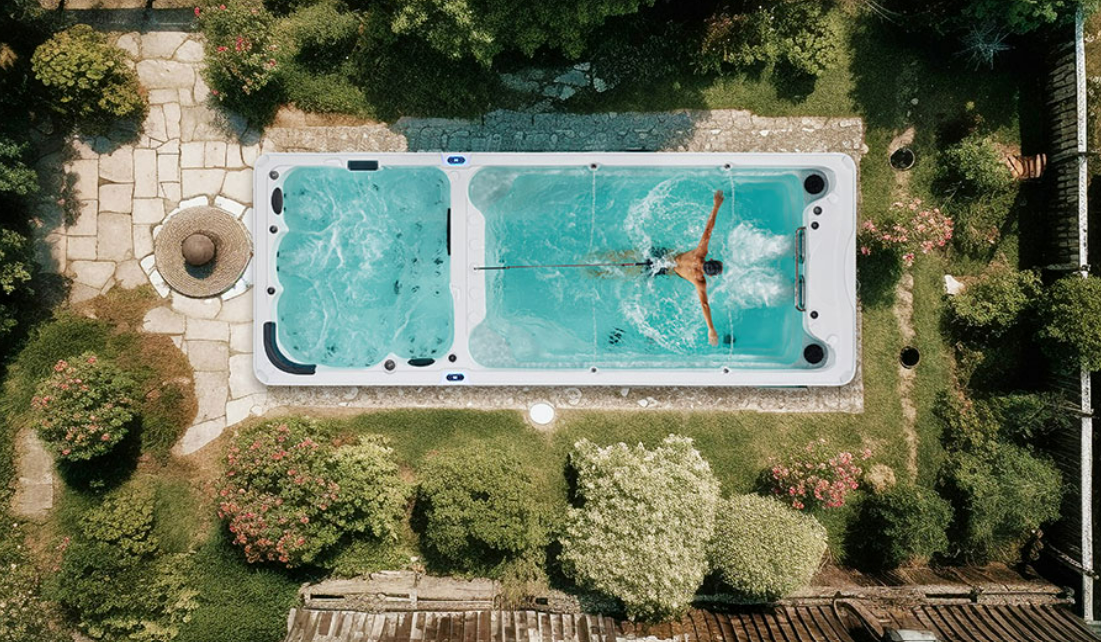
How to Choose an Outdoor Jacuzzi Tub for a Modern Garden Spa
A well-planned outdoor spa begins with the people who will use it. Some buyers want a private place for quiet evening relaxation, while others need a social feature for a villa, hotel, holiday rental, or family garden. Before comparing models, estimate the normal number of users rather than selecting the largest tub available. A compact two-seat design may be ideal for a small patio, but a four-, six-, or eight-seat model can provide more flexibility for gatherings and commercial guest use.
The installation area matters just as much as seating capacity. Measure the access route, foundation, surrounding deck, service clearance, and distance from the electrical connection. An outdoor jacuzzi tub should not be squeezed into a space where technicians cannot reach pumps, filters, or control components. It is also important to leave safe walking space around the spa and plan drainage so rainwater or splash water does not collect near the base.
Shape affects how the spa fits the landscape. Square and rectangular models work well beside modern architecture, while round spas can soften a garden design and encourage face-to-face conversation. The best layout is the one that combines comfortable entry, practical maintenance, and a clear view from the house or hospitality area.
Garden spas are continuously exposed to sunlight, moisture, wind, temperature changes, and airborne debris. For that reason, buyers should look beyond surface appearance and ask how the shell, cabinet, insulation, cover, frame, and plumbing are designed for outdoor use. A smooth acrylic surface can create a premium finish, but the supporting structure and weather protection determine how well the spa performs over time.
The cabinet should complement the surrounding architecture while allowing ventilation and service access. A well-fitted insulated cover helps reduce heat loss, keeps leaves and dust out of the water, and lowers the amount of daily cleaning required. In colder climates, insulation around the shell and pipework becomes especially important because the heating system must work harder to maintain a comfortable water temperature.
Location also changes durability requirements. A spa installed beside the sea may face salt-laden air, while a rooftop or open terrace may receive stronger wind and direct sun. Buyers should tell the supplier where the product will be installed so that materials, electrical components, covers, and packaging can be selected for the project environment.
A jacuzzi spa should deliver a balanced experience rather than simply advertise the highest possible number of jets. Jet position, water flow, pump capacity, seat angle, and user height all influence comfort. Well-placed jets can target the shoulders, back, legs, and feet, while adjustable flow allows different users to choose a gentler or stronger massage. Too many poorly arranged jets may add complexity without improving the experience.
Water care is another major part of ownership. Filtration captures particles, while circulation helps distribute heat and treatment chemicals evenly. Some outdoor spa systems also use ozone or additional sanitation features to support routine water management. These technologies do not remove the need for testing and maintenance, but they can make daily care more convenient when used correctly.
Heating efficiency affects both comfort and operating cost. Buyers should compare heater capacity, insulation, cover quality, climate, frequency of use, and local electricity requirements. A spa that is correctly matched to the local voltage and frequency is easier to install and less likely to require expensive electrical changes after delivery. Confirming these details before production is especially important for international orders.
A two-person spa is suitable for couples, private terraces, compact gardens, and boutique guest rooms. It uses less space and may be easier to integrate into an existing landscape. However, buyers should still check internal legroom, seat depth, entry height, and whether both users can enjoy the jets comfortably at the same time.
A four-person model offers a practical middle ground for many homes. It can host a small group without dominating the entire garden. A six person jacuzzi is better suited to larger families, social entertaining, resorts, and rental properties where several guests may use the spa together. The stated seat count should be treated as a starting point, because lounge seats, body size, and internal shape affect the actual feeling of space.
Commercial buyers should also consider turnover. A model used by hotel guests or wellness-club members may require stronger circulation, clear operating instructions, and a maintenance plan that staff can follow. Residential buyers may place greater emphasis on quiet operation, privacy, lighting, and how naturally the spa fits into the garden.
An experienced outdoor spa tub manufacturer can help buyers move from a general idea to a practical specification. Useful discussions should cover dimensions, seat layout, shell color, cabinet finish, jet configuration, filtration, sanitation, heating, lighting, control system, electrical standard, packaging, and destination requirements. Clear specifications reduce last-minute changes and make sample approval more meaningful.
FSPA presents hot tubs as part of a wider wellness and aquatic-lifestyle range that also includes cold plunges and Infinipool systems. Its website highlights modern design, massage technology, heating, filtration, customization, and products for homes, villas, hotels, fitness facilities, and other projects. For buyers, the value of a supplier lies not only in producing a tub but also in helping coordinate design, manufacturing, quality checks, shipment preparation, and after-sales communication.
The right outdoor jacuzzi is therefore not simply the largest or most expensive model. It is the one that fits the site, user group, climate, electrical system, maintenance ability, and long-term purpose. By cooperating with professional manufacturer Foshan Gaoming Buddy-Tech Co., Ltd, starting with real project conditions and comparing complete product specifications, buyers can create a tailor-made garden spa that matches their space and lifestyle perfectly, operates efficiently all year round, and delivers lasting comfortable enjoyment for many years to come.
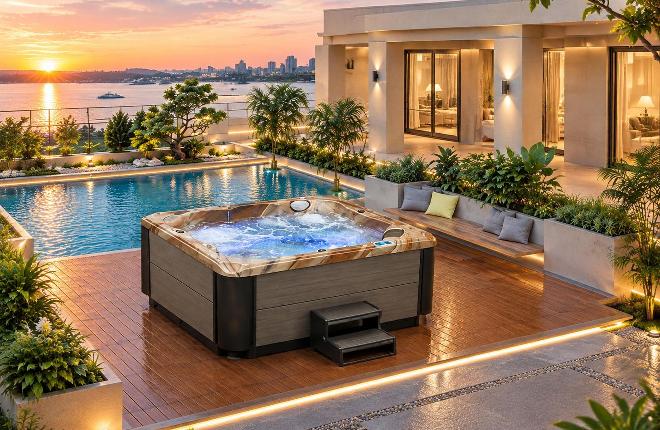
What Drives the Cost of a Swim Spa Pool
Anyone shopping for a swim spa runs into the same wall fast: prices swing wildly between listings, and nobody explains why. The cost of a swim spa pool depends less on brand name and more on what’s inside the shell. Pump horsepower, jet count, insulation quality, and control electronics all pull the price in different directions. A unit that looks identical to a cheaper model on the surface might carry twice the mechanical hardware underneath.
This matters because a swim spa isn’t a single product category. It’s really two products stitched together, a hydrotherapy tub and a compact pool, and the price reflects however that blend gets weighted. Buyers who understand the components stop comparing sticker prices and start comparing value per feature.
The spread in swim spa pricing comes down to five variables that manufacturers rarely list side by side. Size is the obvious one, since a larger shell needs more acrylic, more water, and a bigger structural cabinet to support it. But size alone doesn’t explain a price gap of several thousand dollars between two tubs of similar dimensions.
Power output matters just as much. A compact hot tub built for six people, for instance, might run on a 5.55kW total system split across a massage pump, filter pump, and heater. That kind of layout balances performance against energy draw, and it costs more to engineer correctly than a bare-bones single-pump setup. Jet count follows the same logic. A unit with 35 targeted jets requires more plumbing, more precise molding, and more control valves than one with a dozen.
Then there’s sanitization equipment. Tubs with an integrated ozone system reduce how often owners need to shock the water with chemicals, which lowers long-term upkeep but raises the upfront number. Certifications add cost too, since testing for CE, CB, SAA, or CTUVus standards means the manufacturer absorbed compliance expenses that get passed along. None of these are marketing fluff. They’re line items that show up in the bill of materials.
| Component | What It Affects | Typical Cost Impact |
|---|---|---|
| Shell size and seating capacity | Water volume, footprint, shipping weight | High |
| Pump and heater wattage | Massage strength, heating speed, energy use | High |
| Jet count and placement | Hydrotherapy coverage, targeted relief | Medium |
| Sanitization system (ozone, UV) | Maintenance frequency, chemical costs | Medium |
| Cabinet material and insulation | Durability, heat retention, winter running cost | Medium |
| Control panel and electronics | Ease of use, programmable settings | Low to Medium |
| Certifications (CE, CB, SAA, CTUVus) | Safety compliance, resale confidence | Low |
Reading a spec sheet through this lens changes how a buyer negotiates. A tub priced lower might be cutting insulation thickness rather than jet count, which won’t show up until the first winter electric bill arrives.
Buyers fixate on the purchase number and forget that a swim spa runs almost every day for years. Electricity for heating and pump cycles adds up, and a poorly insulated cabinet loses heat faster, forcing the heater to cycle more often. Water treatment chemicals, filter replacements, and eventual pump repairs all sit on top of that.
A tub built around efficient sanitization, like an integrated ozone system, cuts down on how much chlorine or bromine an owner buys over a year. That’s a real offset against the higher sticker price, not a marketing claim. Consider the total cost this way instead of chasing the lowest quote:
Skipping steps two and three is where budgets blow up. A spa that seems affordable in the ad can end up costing more once a contractor quotes the electrical work needed to support a 5kW or 6kW system.
Location on the property isn’t just a design choice, it’s a cost driver. A villa backyard installation on a wooden deck needs structural verification, since a filled tub with six adults inside can weigh well over a ton once water and bodies are accounted for. A model with a net weight around 317kg empty gives a sense of how much that number climbs once the 1450L of water and occupants are added.
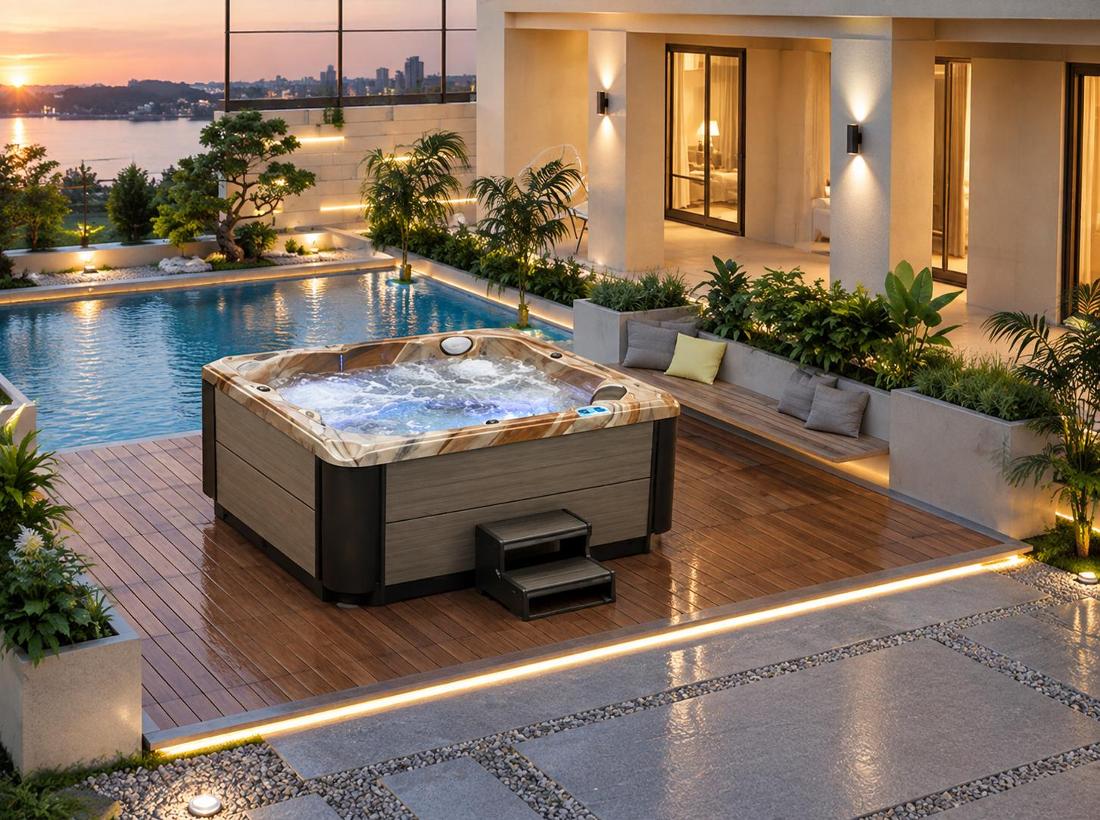
Hotel gyms and rehabilitation centers face a different set of constraints. Indoor placement usually means better climate control, which reduces heating costs, but it raises questions about drainage, ventilation, and floor load ratings that outdoor installs don’t have. Seaside homestays deal with salt air corrosion, which pushes buyers toward cabinets and hardware rated for harsher exposure. Every one of these scenarios nudges the final installed cost in a slightly different direction, even when the tub itself is identical.
Not every added feature is worth the premium, but some earn their keep. Ergonomic seating that follows the body’s natural curve reduces pressure points during longer soaks, which matters for anyone using the tub for recovery rather than casual relaxation. Contoured headrests with cushioned support serve a similar purpose, keeping the neck aligned instead of straining against a hard acrylic edge.
Lighting is where opinions split. Ambient LED lighting positioned along the base of the tub creates a calming visual effect during evening use, and for some owners that atmosphere genuinely improves how relaxing a soak feels. It won’t change the water chemistry or the massage intensity, so buyers chasing therapeutic results shouldn’t pay extra for lighting expecting a physical benefit beyond mood.
Control panels are worth scrutinizing closely, since a glossy touch interface with clear temperature and function readouts saves real frustration compared to a stripped-down dial system. Anyone who’s fumbled with a confusing panel in cold weather understands why this seemingly minor detail carries weight in daily use.
Bigger isn’t automatically better, and it’s rarely cheaper. A six-person capacity tub sitting around 2350x2350mm fits comfortably in a mid-sized backyard or a hotel wellness corner without overwhelming the space. Buyers should work through a short decision process rather than guessing at capacity:
Skipping the electrical check is the most common mistake. A unit with a 3kW heater and 2.2kW massage pump running simultaneously needs a properly rated circuit, and discovering that gap after delivery turns a simple install into a delayed project.
Does a higher jet count always mean better hydrotherapy?
More jets increase coverage across the back, legs, and shoulders, but placement matters more than raw count. A well-positioned set of 35 jets targeting major muscle groups outperforms a higher number scattered without ergonomic planning.
Will an ozone sanitization system replace chemical treatment entirely?
No. Ozone systems reduce how often chemicals are needed and help keep water clearer between treatments, but most manufacturers still recommend periodic chemical balancing rather than eliminating it outright.
Is a heavier tub always more durable?
Not necessarily. Weight often reflects shell thickness and cabinet material, but durability also depends on frame construction and how well the acrylic is supported underneath, which isn’t always visible from spec sheets alone.
Can these tubs run through a full winter outdoors?
Many are designed for year-round outdoor use, but performance depends on insulation quality and the local climate. Extreme cold increases heating cycles regardless of how well-built the cabinet is.
The cost of a swim spa pool only makes sense once every variable, from pump wattage to deck reinforcement, is accounted for rather than judged on the sticker price alone. Buyers who request a full spec sheet, including jet count, total power draw, water capacity, and certification list, avoid the surprise costs that show up after delivery. We’ve found that customers who ask installers for a written electrical and structural checklist before ordering end up with far fewer post-purchase headaches.
Comparing two tubs side by side on paper, rather than by price tag, usually reveals which one actually fits the intended use. A rehabilitation center weighing a compact indoor unit against a resort-style backyard install will land on very different priorities, even if both are shopping within the same general budget. Getting clear on usage pattern first, then matching features to that pattern, is what keeps the cost of a swim spa pool from turning into an ongoing source of regret.
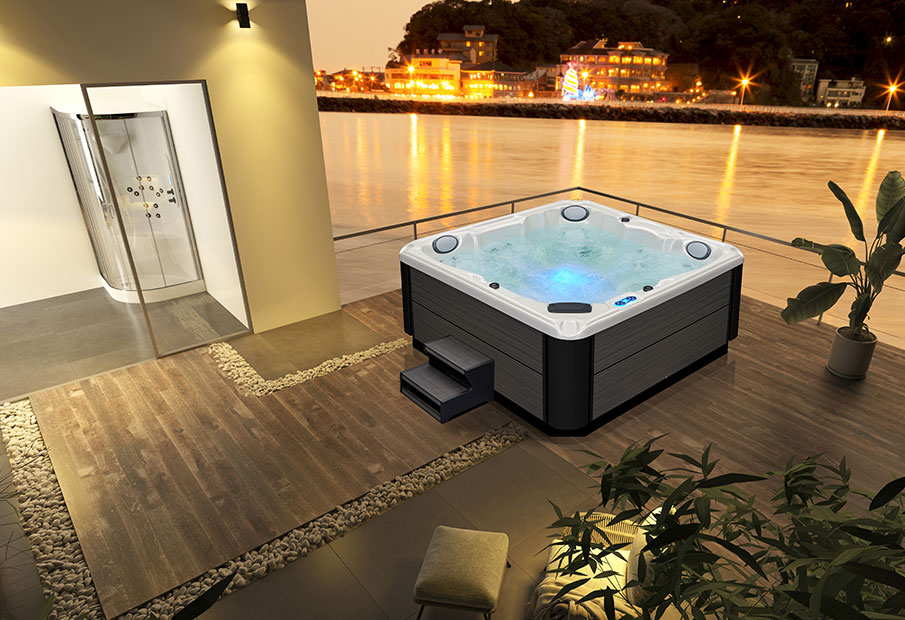
Our premium spa, spacious enough for 5 adults, combines luxury and functionality with a robust control system, high-performance components, advanced filtration and ozone sanitization, 36 jets, adjustable air pillows, and user-friendly controls for ultimate relaxation at home.
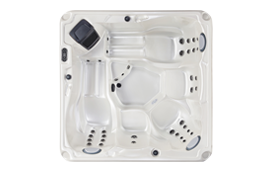
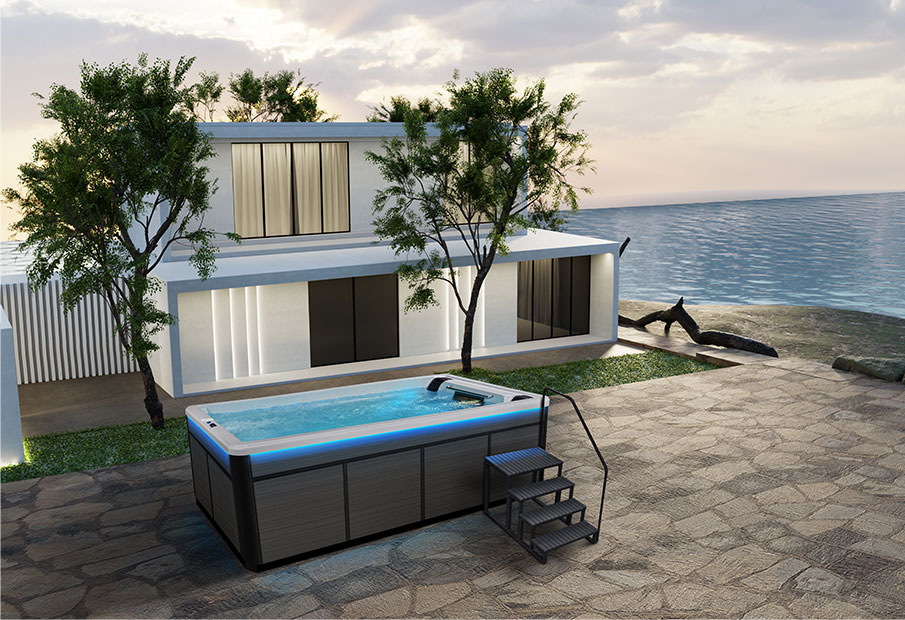
The Infinipool Fspa IP-001Pro is a premium, spacious pool with advanced filtration, ozone sanitization, insulation, and optional accessories, transforming backyards into luxurious oases for swimming, relaxation, and entertainment.
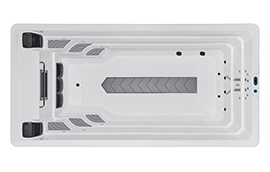
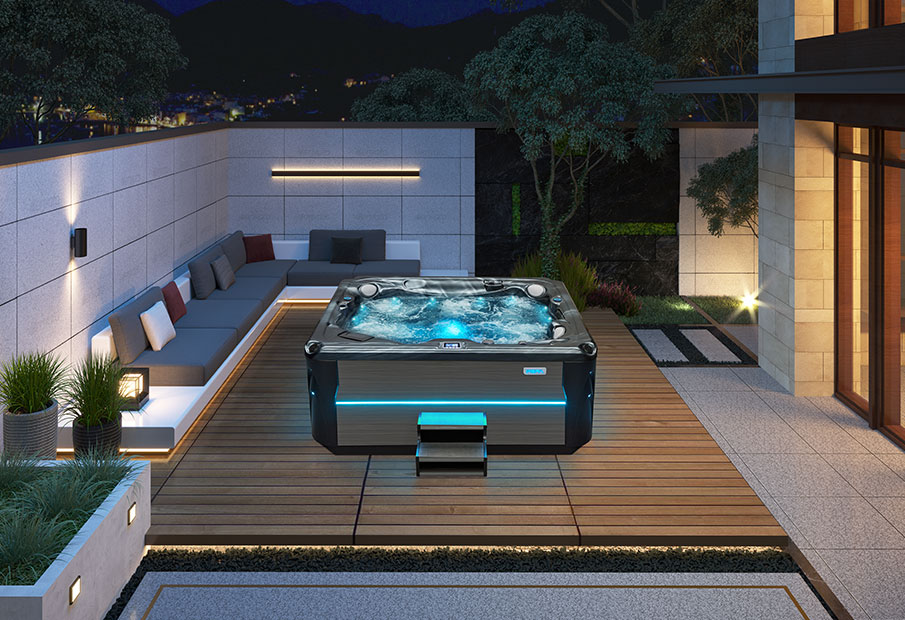
The Fspa BD-005Pro Hot Tub, accommodating up to 6 adults with a spacious 2530x2300x900mm design, boasts robust massage systems, pristine water clarity, an array of premium features, and efficient water sanitization, making it an ideal choice for both residential and commercial outdoor settings.
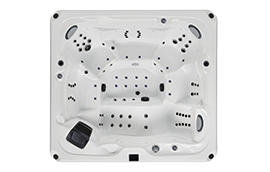
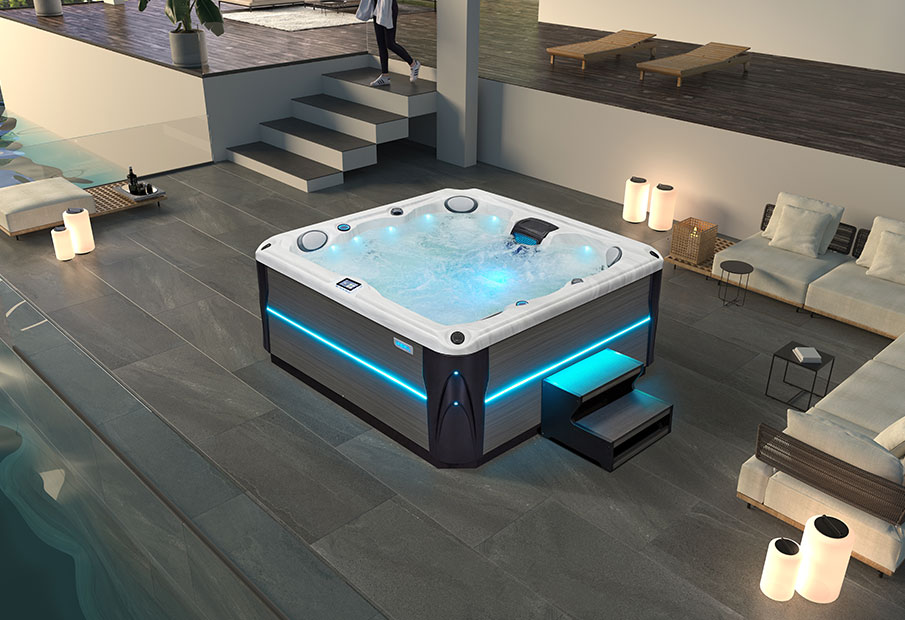
The Fspa BD-001Pro Hot Tub customizable water flow, ozone sanitization, and luxurious features for an unparalleled relaxation experience.
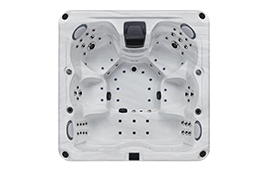
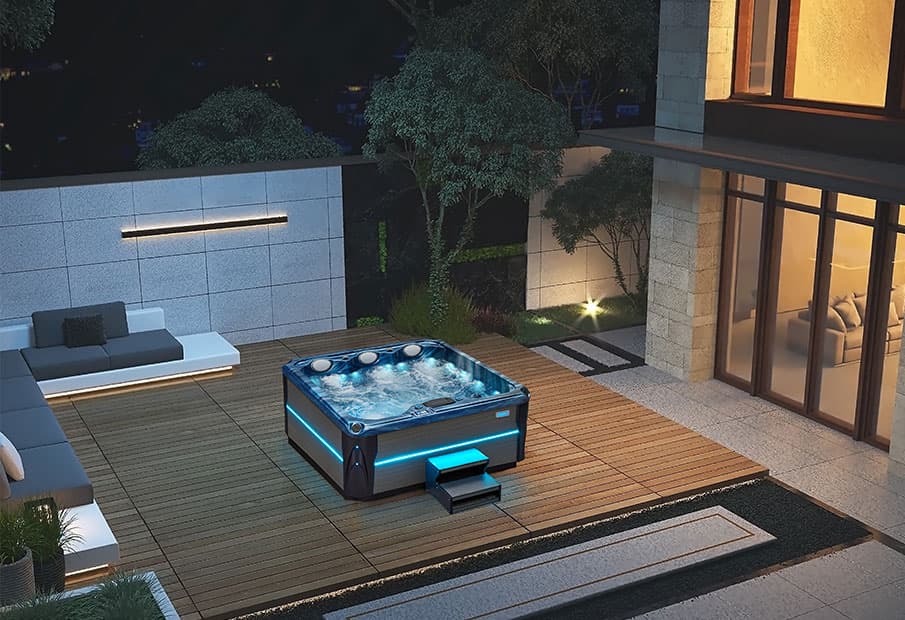
The Fspa BD-013Pro Hot Tub, a spacious and stylish premium spa for residential and commercial use, offers a luxurious and rejuvenating experience with its powerful massage system, pristine water quality, customizable water flow, calming LED lighting, music speakers, and comfort accessories.
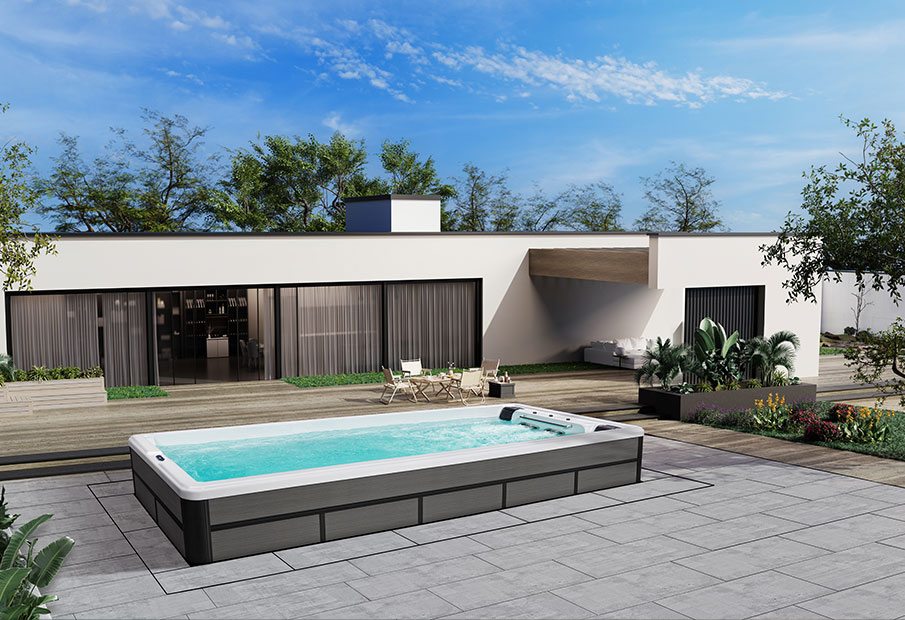
The Infinipool Fspa IP-002 offers a premium swimming experience ideal for residential and commercial use.
PRODUCTS
INQUIRY
Thank you for your message!Our Chinese New Year holiday from 7th Feb to 28th Feb. Apologise to make your inconvenience so that responses may be delayed during this period. We'll back to you with regular service on 2th March .Thank you for understanding.


