A compact patio, side yard, balcony terrace, or small villa courtyard can support a real spa experience, but only if the layout is planned before the equipment is chosen. The first measurement is not the tub itself. It is the route from the gate or doorway to the final position, followed by service clearance, drainage, electrical access, and walking space around the cabinet. A model that technically fits can still be awkward if a technician cannot reach the pump area or the cover has nowhere to open.
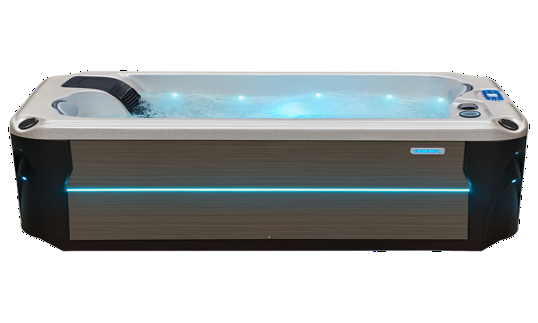
For buyers who want an 2 person jacuzzi tub , a compact footprint can be more useful than extra seats that will rarely be occupied. FSPA’s BD-016Pro is listed for two adults at 1760 x 1180 x 800 mm, which makes it easier to place in restrained residential spaces without turning the whole garden into a spa platform.
Small spas are often compared by the number of jets, but seat geometry has a bigger effect on everyday comfort. A couple may use the same tub very differently: one person might prefer shoulder and upper-back pressure, while the other wants gentler water movement around the legs. Seat depth, foot room, pillow position, and the ability to adjust airflow should therefore be checked alongside the headline jet figure.
The BD-016Pro is presented with 30 water jets and 12 air-bubble jets, plus two pillows and an air adjuster. Those numbers are useful only when the layout fits the body comfortably. For a small jacuzzi tub, a sensible distribution of jets is often preferable to packing more hardware into a limited shell. It also leaves the interior feeling less crowded and easier to enter.
A spa is enjoyable when it is ready at the time you want to use it. That depends on more than heater capacity. Insulation, the cover, circulation habits, ambient temperature, and how often the lid is removed all influence energy use. The BD-016Pro specification includes a 2 kW heater, a dedicated filter pump, a filter, and ozone sanitation support. These systems are the quiet background work of ownership: they are less visible than lighting or massage jets, yet they determine how convenient the tub feels after the novelty wears off.
For an outdoor spa, leaves, dust, rainwater, and seasonal temperature changes also matter. A cover should be easy enough to use every day, and the base area should prevent standing water from collecting around the cabinet. Owners should leave access for routine filter cleaning rather than boxing the spa tightly into decking.
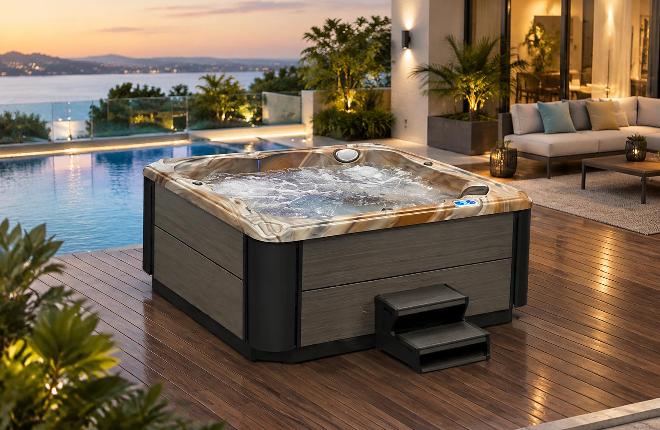
A compact spa can look more expensive when it is integrated into the setting rather than treated as a freestanding appliance. The cabinet color can echo fence panels or decking, while a lighter shell can keep a small corner visually open. Low planting, privacy screening, and warm ambient lighting create separation without making the area feel closed in.
The best two person spa spaces also consider how people arrive and leave the water. A dry step, nearby towel storage, and a place to set a drink are simple details that reduce clutter. If the spa is visible from a living room or bedroom, sightlines are worth checking before installation; the tub should look considered even when it is covered and not in use.
A small spa is particularly suited to couples, individuals, boutique guest rooms, compact rentals, and homeowners who value frequent short sessions rather than large social gatherings. It can also suit buyers who want to preserve most of the garden for planting, dining, or children’s space. The lower water volume of a compact model may simplify day-to-day management, although actual operating cost still depends on climate, insulation, electricity rates, and usage habits.
The practical question is therefore not whether a larger hot tub offers more features. It is whether those extra seats and dimensions improve the way the space will actually be used. A well-planned home jacuzzi for two can feel more private, easier to maintain, and more natural in a modest outdoor setting than a family-size tub squeezed into the same area.
Before requesting a quotation, it is useful to prepare a simple site brief. Include the available footprint, photos of the access route, the distance to the electrical connection, expected user count, and whether the spa will be exposed to full sun, heavy rain, or freezing winter conditions. Those details help a supplier recommend a more realistic configuration than a request based only on exterior size. They also reduce the chance of discovering after delivery that a cover, step, or service panel cannot be used properly.
For buyers comparing several compact models, the final decision can come down to ordinary habits. If the spa will be used most evenings, easy filter access and a convenient cover matter every day. If it will be used mainly on weekends, warm-up planning and insulation may matter more. Thinking through these small routines before purchase usually leads to a better fit than selecting the model with the longest option list.
Acrylic Integrated Swimming Pool Circulation and Massage System Noise Control Technology
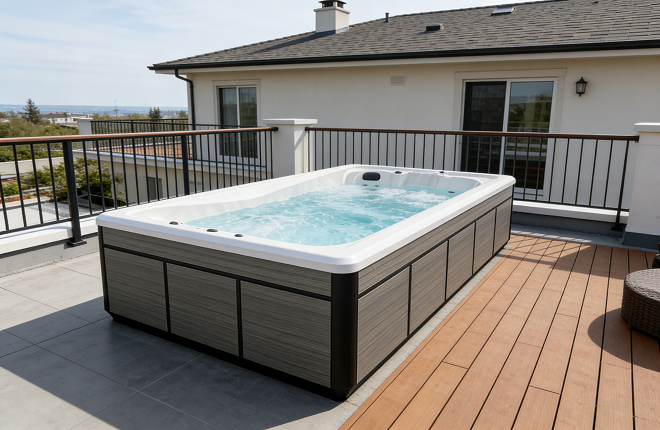
Acrylic integrated pools, celebrated for their sleek design and durability, demand advanced noise control in their circulation and massage systems to ensure a tranquil user experience. Excessive noise often stems from pump vibrations, water turbulence, and mechanical friction, but innovative engineering solutions effectively mitigate these issues.
Firstly,vibration isolationis critical. High-efficiency circulation pumps equipped with rubber dampening mounts or spring-loaded bases minimize mechanical vibrations transmitted to the pool structure. Acoustic enclosures, lined with sound-absorbing materials like foam or mineral wool, further contain pump noise, reducing airborne sound by up to 30 dB. For in-pool massage jets, anti-vibration gaskets and flexible PVC piping prevent vibration transfer to the acrylic shell, a common source of resonant noise.
Secondly,hydraulic optimizationreduces water-related noise. Specially designed impellers with curved blades in circulation pumps minimize turbulence, lowering flow-induced noise. Massage systems employ variable-speed pumps that adjust output based on demand, avoiding the high-pitched hum of constant full-speed operation. Additionally, smooth, gradual pipe bends and oversized manifolds reduce pressure fluctuations, eliminating water hammer and whistling sounds in the plumbing network.
Thirdly,acoustic engineeringof components enhances quiet performance. Brushless DC motors in pumps and blowers operate with less friction than traditional motors, cutting operational noise by 15–20%. Sound-dampening covers for air blowers, used in jet massage systems, absorb high-frequency noise, while insulated ducting ensures quiet air delivery. Acrylic panels themselves, when combined with soundproofing underlays, act as barriers to block noise transmission from equipment rooms to the pool area.
Finally,system integration and testingensure holistic noise reduction. Computer-aided simulations model sound propagation, guiding optimal placement of equipment—such as locating pumps in separate, insulated rooms. Post-installation acoustic testing, measuring noise levels at the pool edge (typically targeting ≤50 dB), verifies compliance with comfort standards.
By combining vibration isolation, hydraulic design, acoustic engineering, and rigorous testing, acrylic integrated pools achieve serene environments where circulation and massage systems operate unobtrusively, enhancing both relaxation and user satisfaction.
What Actually Makes a Swim Spa the Best Value Swim Spa
Shopping for a swim spa usually starts with a spreadsheet of jet counts and horsepower ratings, then quietly turns into a question of trust. Buyers want to know if the unit sitting in a backyard for the next decade will actually earn its price tag, not just look good in a showroom. The phrase "best value swim spa" gets thrown around by nearly every manufacturer, but value is not a marketing label. It is a ratio between what the tub delivers in daily use and what it costs to own over time, including energy bills, water treatment, and the inevitable service call.
This piece breaks down what genuinely separates a well-priced swim spa from an overpriced shell, using a mid-size hydrotherapy tub as a working example. We will look at capacity, jet layout, sanitation systems, and where a unit like this actually fits into a household or a hospitality business, so the decision comes down to facts rather than adjectives.
A low sticker price on a swim spa often hides deferred costs. Thin acrylic shells crack under seasonal temperature swings, undersized pumps struggle to maintain heat, and weak filtration means more chemicals and more manual cleaning. None of that shows up until months after installation.
Real value comes from matching the equipment to the actual use case. A 6-person unit built around a 5.55kW total power draw, for instance, is sized for households that want group soaking without the operating costs of a full lap-swimming spa. That distinction matters because oversizing a system wastes energy, while undersizing it leaves the water lukewarm on a cool evening.
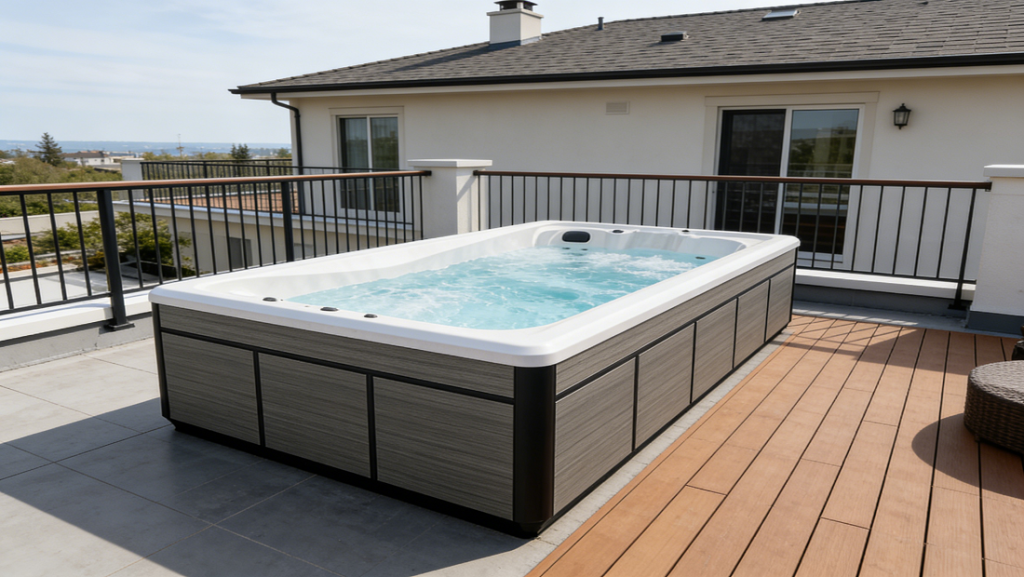
Before comparing jets or lighting, the physical footprint decides whether a swim spa is even viable for a given yard, deck, or gym floor. A compact 6-adult model measuring roughly 2350 x 2350 x 900mm occupies a modest footprint compared to full-length swim spas that can stretch well beyond four meters.
That smaller footprint opens up placement options that longer units cannot use:
Water capacity follows the same logic. At around 1450L, this size class fills and heats faster than larger swim spas, which shortens the wait after a refill and keeps the heater’s 3kW element from running excessively long.
Jet count gets quoted constantly, but placement determines whether those jets actually reach sore muscles or just churn water. A layout built around 35 jets distributed across contoured seating targets the lower back, shoulders, and calves differently at each seat, rather than repeating the same pattern six times.
The seating itself plays an equally large role. Contoured seats and backrests that follow the body’s natural curve keep bathers positioned correctly against the jets instead of sliding out of range, which is a common complaint with flat-bottomed, budget tubs. According to the manufacturer’s product documentation, this model also includes ergonomic headrests and pillow supports intended to help align the spine during longer sessions, a detail aimed at users doing post-exercise recovery rather than a quick dip.
Total system power is where long-term value either holds up or falls apart. This unit runs on a combined 5.55kW load, split across a 2.2kW massage pump, a 0.35kW filter pump, and a 3kW heater. That split matters more than the headline number.
| Component | Power Rating | Function |
|---|---|---|
| Massage Pump | 2.2kW x 1 | Drives the 35 jets |
| Filter Pump | 0.35kW x 1 | Continuous water circulation |
| Heater | 3kW x 1 | Maintains target temperature |
| Total System | 5.55kW | Combined operating load |
Running the filter pump continuously at 0.35kW costs far less than cycling the full massage system all day, which is why most owners run jets in short sessions and let the smaller pump handle circulation between uses. Understanding this split helps buyers estimate electricity costs before installation instead of guessing after the first bill arrives.
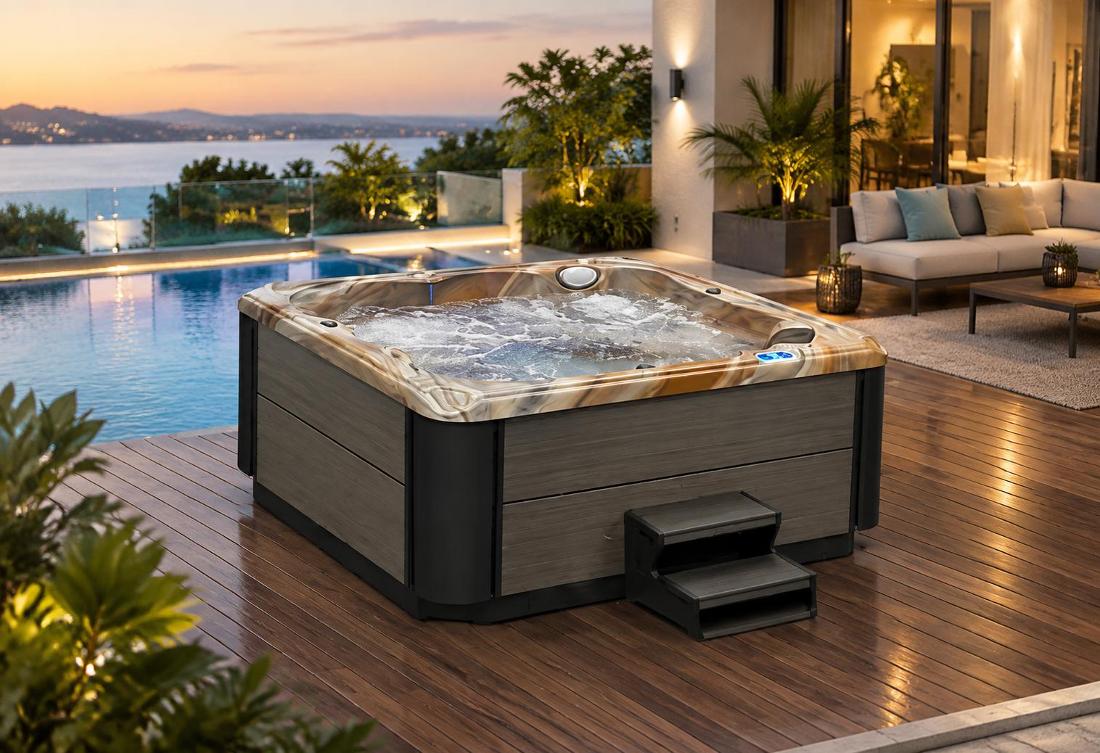
Water chemistry is the least glamorous part of swim spa ownership and the most frequent source of regret. Chlorine-only systems demand constant monitoring, and skipping a week of testing often means cloudy water or a rotten-egg smell that nobody wants near a hot tub.
An integrated ozone sanitization system, as included in this model, works alongside standard sanitizer rather than replacing it entirely. Ozone breaks down organic contaminants in the water before they build up, which reduces how often chemical levels need adjusting and how quickly filters clog. For anyone weighing swim spa cost against swimming pool cost long term, this is one of the few features that directly cuts recurring maintenance time.
Blue LED lighting positioned at the base of the tub is a common addition across the mid-to-premium tier of the market, and it serves a purpose beyond aesthetics. Soft lighting at night makes it easier to gauge water clarity and creates a calmer environment for evening use, which is why hospitality buyers in particular request it for guest-facing installations.
The manufacturer’s materials describe this lighting as part of what they call a "biomagnetic therapy system," a proprietary term specific to their product line. Buyers should treat that label as a branded feature name rather than an independently verified therapeutic mechanism, and evaluate it primarily as ambient lighting with a calming visual effect rather than a clinical treatment.
Application context tells you more about a swim spa’s real-world value than any spec sheet. Three settings come up repeatedly for compact, 6-person hydrotherapy tubs:
Each scenario shares one requirement: the tub needs to be reliable with minimal onsite technical support, since hotels and homestays rarely have a dedicated maintenance team standing by.
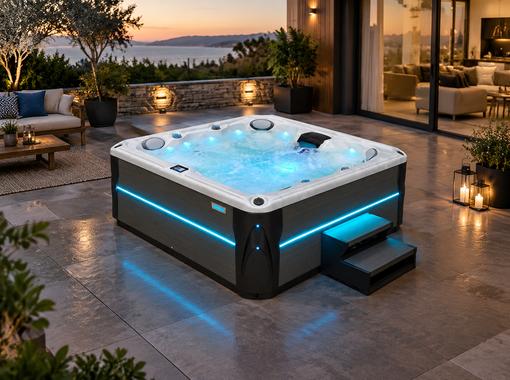
Certification marks get listed on spec sheets constantly, but few buyers know what each one covers. For electrical and safety compliance, look for markings such as CE, CB, SAA, or CTUVus, which indicate the unit has been tested against recognized electrical safety standards in their respective regions.
These certifications confirm electrical and construction safety. They do not verify massage performance, water clarity claims, or how long a shell will last outdoors. Treat them as a baseline requirement rather than a differentiator, since any legitimate manufacturer selling internationally should hold equivalent certification for their target markets.
Narrowing down options gets easier with a short, ordered process rather than comparing every spec side by side:
Does a lower jet count always mean a weaker massage?
Not necessarily. Jet placement and pump pressure matter more than raw count. A well-positioned 35-jet layout can outperform a poorly distributed 60-jet system.
Is ozone sanitization a replacement for chlorine or bromine?
No. Ozone systems reduce the workload on chemical sanitizers by breaking down contaminants faster, but most manufacturers still recommend a low-level chemical sanitizer alongside it.
How much space does a 6-person swim spa actually need?
For a unit sized around 2350 x 2350mm, plan for the footprint plus clearance on at least two sides for panel access during servicing.
Do LED lighting features affect running costs significantly?
LED lighting draws minimal power compared to the heater and pumps, so its impact on the electricity bill is negligible.
Buyers chasing the best value swim spa are better served comparing power draw, sanitation design, and seat ergonomics than chasing the highest jet count or flashiest lighting package. For us, and for most manufacturers building in this mid-size category, the goal is a unit that holds up under daily use without demanding constant attention. That balance, more than any single spec, is what actually defines value in this market.
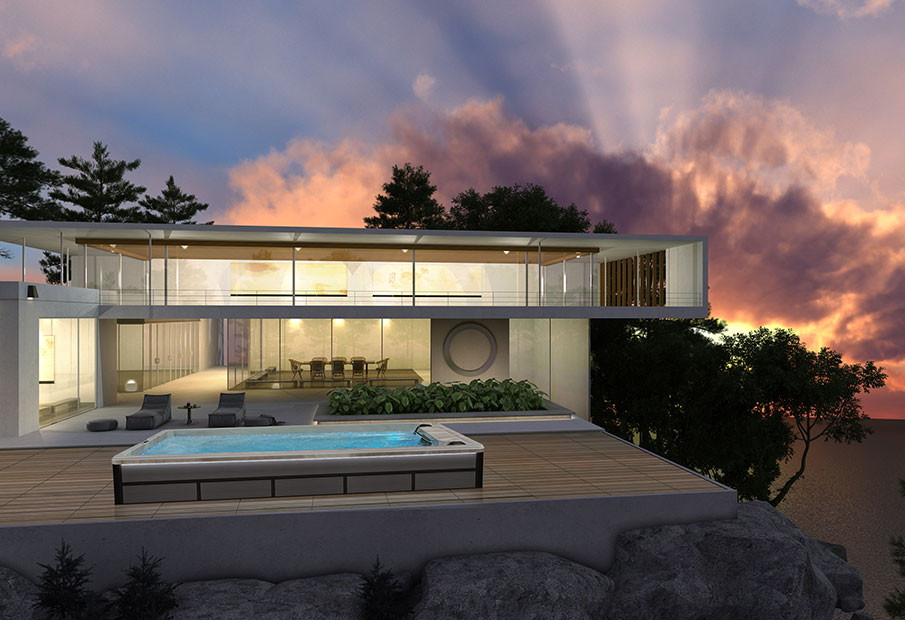
The Infinipool Fspa IP-002Pro is a luxurious and versatile hot tub, featuring a powerful filtration system, 28 massage jets, ozone sanitization, insulation, and optional accessories, designed to provide a soothing and rejuvenating experience in any outdoor space.
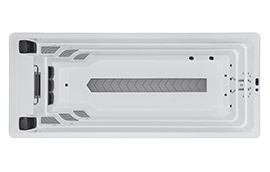
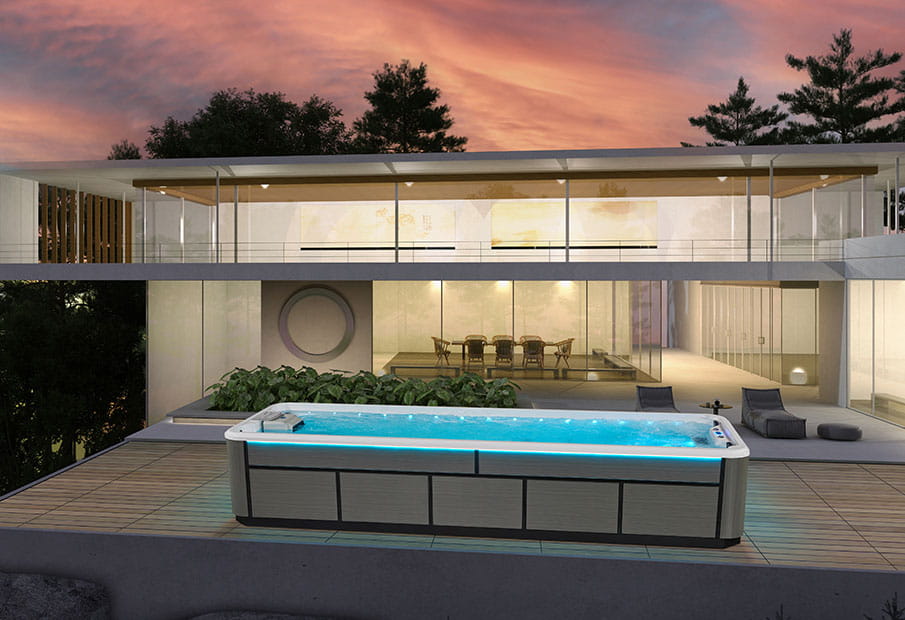
This contemporary infinity pool features dimensions of 7000mm in length, 2200mm in width, and 1335mm in height, highlighting its comprehensive and sophisticated functionality, including a high-efficiency filter pump, a powerful heater, and an advanced ozone system.
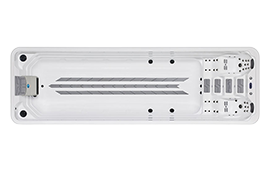
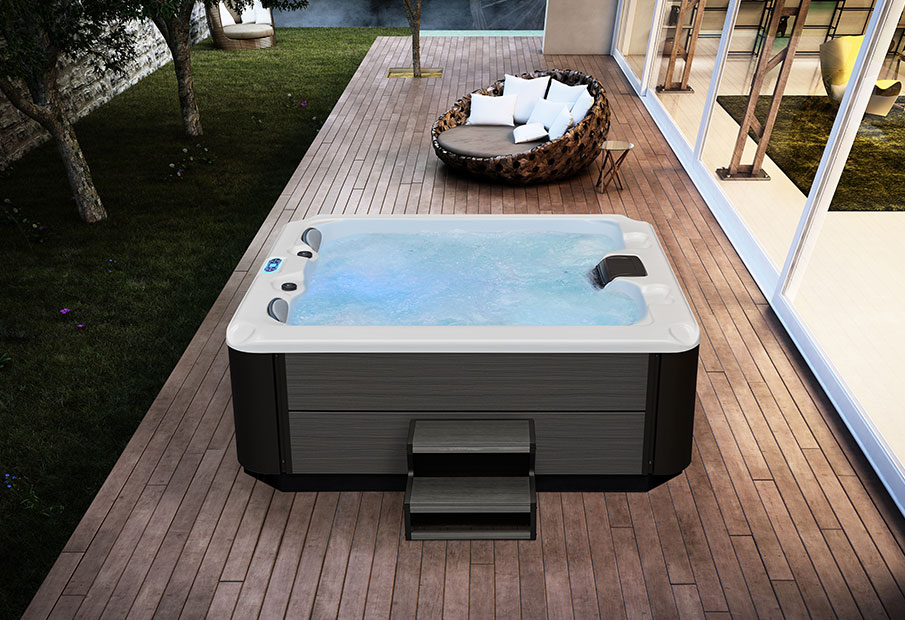
The Fspa BD-014 hot tub, designed for ultimate relaxation and luxury, offers a spacious interior for 4 adults, a powerful 2.2kW massage pump, 35 strategically placed jets, a 3kW heater, calming LED lighting, and an ozone system for clean water, making it the perfect choice for tranquility in your home.
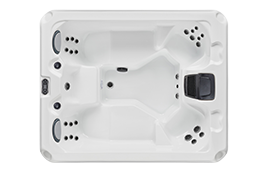
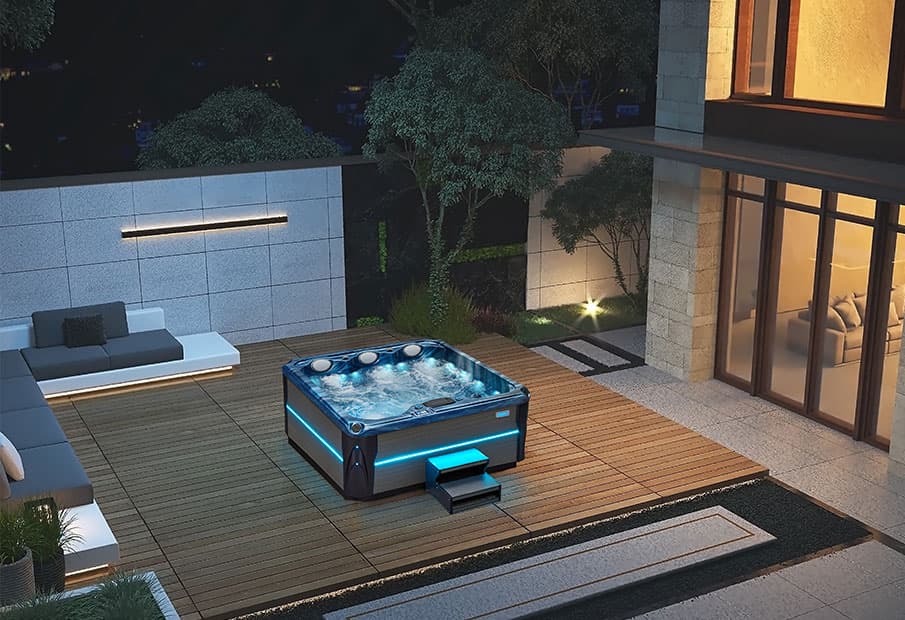
The Fspa BD-013Pro Hot Tub, a spacious and stylish premium spa for residential and commercial use, offers a luxurious and rejuvenating experience with its powerful massage system, pristine water quality, customizable water flow, calming LED lighting, music speakers, and comfort accessories.
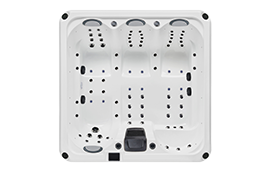
The Fspa BD-020 Hot Tub, designed for 5 adults with spacious dimensions and powered by a 4.85kW system, includes a 1.5kW massage pump, 0.35kW filter pump, 3kW heater, 28 customizable water jets, LED lighting, an ozone sanitation system, and easy maintenance features, providing unparalleled relaxation and comfort.
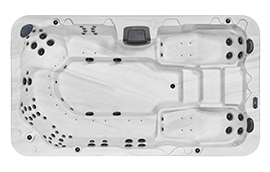
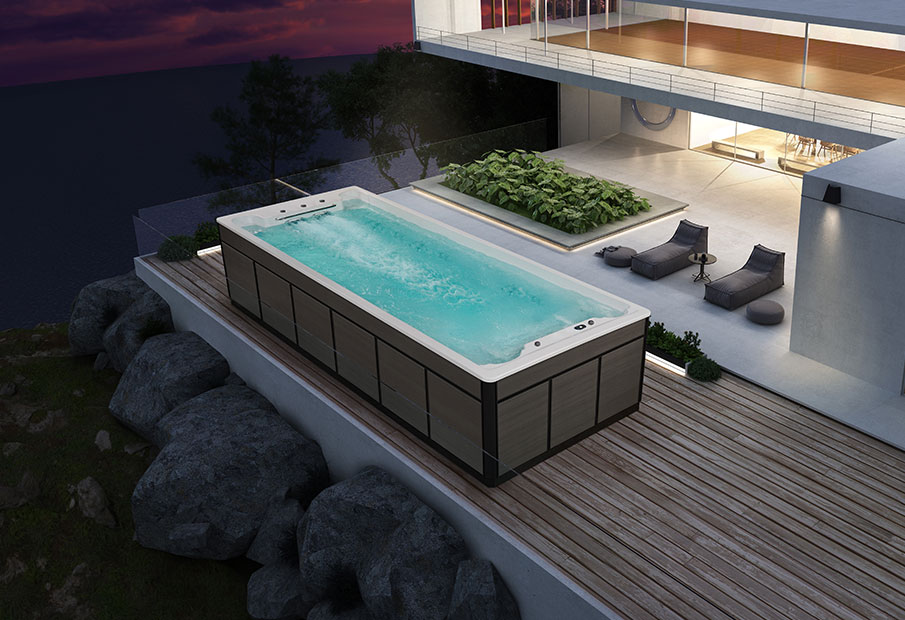
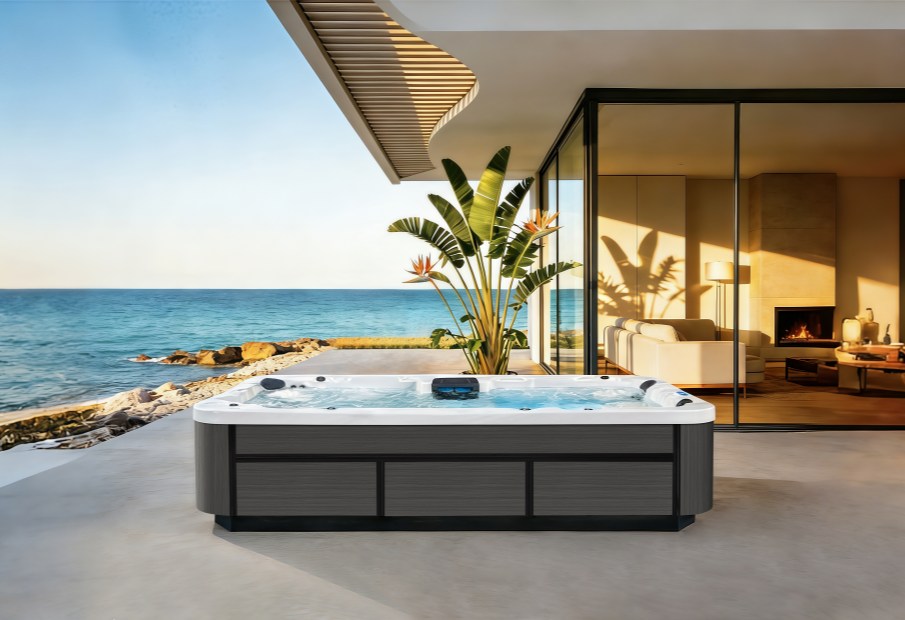
The Infinipool Fspa IP-005, a luxurious 7000mm x 3000mm x 1470mm pool with advanced filtration, multiple jet systems, and optional accessories.
PRODUCTS
INQUIRY
Thank you for your message!Our Chinese New Year holiday from 7th Feb to 28th Feb. Apologise to make your inconvenience so that responses may be delayed during this period. We'll back to you with regular service on 2th March .Thank you for understanding.


