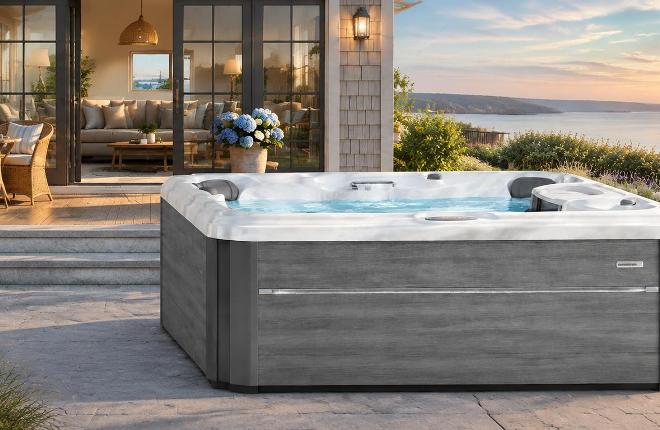
A commercial swim spa sits in an odd category. It is not a lap pool, and it is not a backyard hot tub either. For hotels, fitness centers, and rehabilitation clinics, the right unit has to handle daily use from dozens of different bodies while still delivering the therapeutic warmth guests expect. Getting this decision wrong means either overpaying for capacity nobody uses or underbuying and wearing out equipment within a season.
The stakes are different from a residential purchase. A homeowner might run their spa a few hours a week. A hotel amenity area or a physiotherapy center runs the same unit for ten or twelve hours a day, sometimes longer. That gap in usage intensity is why commercial buyers need to look past marketing photos and into pump ratings, jet counts, and sanitization systems before signing a purchase order.
The core difference is duty cycle. A residential spa heater might run intermittently, warming water back up after occasional use. In a commercial setting, water temperature has to stay stable through back-to-back sessions, sometimes with guests entering and exiting every twenty minutes.
This changes what matters in the spec sheet. Heater wattage, pump durability, and filtration turnover rate move to the top of the list, above cosmetic features like shell color or cabinet finish. A spa that looks identical to a residential model may have a completely different internal build quality once you open the equipment bay.
Water chemistry also behaves differently under heavy rotation. More bathers means more organic load, faster chlorine or ozone demand, and a higher risk of cloudy water if the sanitization system is undersized. This is where ozone-based systems earn their reputation in commercial settings, since they reduce the chemical burden compared to relying on sanitizer alone.
Buyers often size a spa based on peak capacity numbers rather than realistic daily use. A unit rated for six adults looks appealing on paper, but if your facility rarely sees more than three guests at once, that extra shell volume just means more water to heat and filter for no real benefit.
A more useful way to think about sizing:
Units in this category commonly range from compact three-person configurations up to six-person layouts, with footprint dimensions roughly between 1870x1330mm on the small end and 2530x2300mm for the largest family-style shells. Matching the footprint to your actual floor plan matters as much as matching seat count to guest volume.
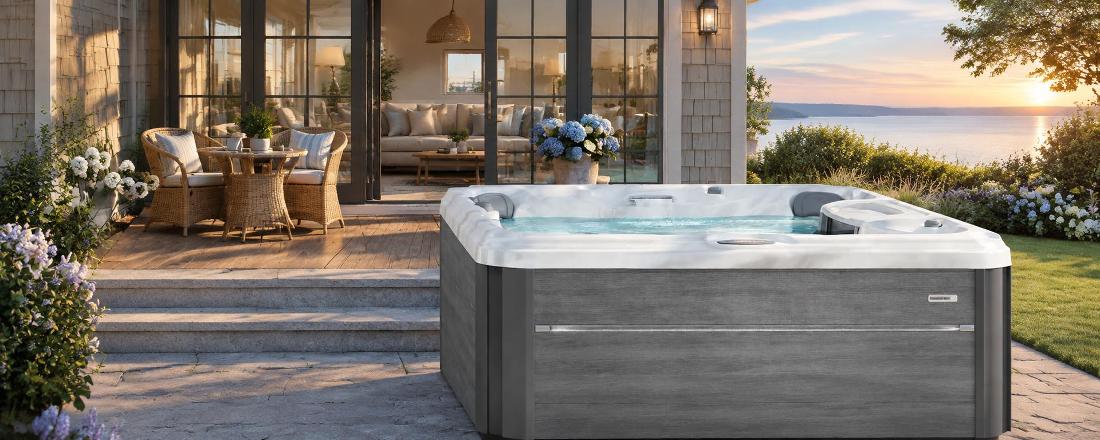
Marketing copy tends to lead with jet count, but jet count alone tells you little about therapeutic quality. What matters more is the balance between water jets and air jets, and whether their placement corresponds to actual muscle groups guests want addressed, like lower back, calves, or shoulders.
The table below outlines the kind of specification range typically found across commercial-grade hot tub and swim spa lineups, useful as a baseline when comparing vendor quotes.
| Specification | Typical Range | Why It Matters for Commercial Use |
|---|---|---|
| Seating capacity | 3 to 6 adults | Determines throughput during peak hours |
| Heater output | 2kW to 3kW | Affects recovery time between sessions |
| Jet count | 16 to 80 jets | Influences perceived massage quality, not just marketing appeal |
| Total system power | Up to 5.55kW | Impacts electrical panel sizing and operating cost |
| Sanitization | Ozone-based systems | Reduces chemical load under heavy bather traffic |
Notice that total system power and heater output are separate line items. A facility manager comparing two units side by side should ask the vendor for both figures independently, since a strong heater paired with a weak pump won’t deliver the circulation needed to keep water clear.
Chlorine alone struggles to keep pace with heavy bather load, especially in enclosed spa environments where organic contaminants build up quickly. That’s the practical case for ozone sanitization systems, which are featured on select models in commercial-oriented spa lineups, including the ozone systems supplied on certain units in the Fspa Hot Tub series. Ozone works by oxidizing contaminants directly in the water, which lightens the burden on chemical sanitizers and can extend the interval between full water changes.
This matters operationally, not just chemically. Fewer chemical top-offs mean less staff time spent on water testing, and a more consistent guest experience since water clarity doesn’t swing as widely between maintenance cycles. For a rehabilitation center or physiotherapy practice, where clients may have sensitive skin or open wounds, cleaner water chemistry isn’t a luxury detail. It’s closer to a baseline requirement.
Some higher-tier models pair the ozone system with a dedicated filtration housing positioned centrally in the shell, which shortens the distance water has to travel before passing through the filter media. Shorter travel distance generally means more filtration passes per hour, though actual turnover rate still depends on pump flow rate and plumbing layout.
The application list for these units is broader than most buyers assume going in. Common commercial and semi-commercial settings include:
Each setting has a different tolerance for downtime. A hotel losing a spa for a week during off-season repairs is an inconvenience. A rehabilitation clinic losing access to warm water therapy can disrupt patient treatment plans that depend on consistent scheduling. That’s a strong argument for prioritizing build quality and component reliability over feature count when the unit serves a clinical or therapeutic function.
Does a higher jet count always mean better hydrotherapy?
Not necessarily. Jet placement, water pressure, and the ratio of water jets to air jets influence therapeutic effect more than raw count. A unit with fewer, well-positioned jets can outperform one with more jets scattered without a clear massage pattern.
How often does water need to be fully replaced in commercial use?
This depends heavily on bather load and sanitization system, so there’s no universal number. Ozone-equipped units generally extend the interval between full drains compared to chlorine-only systems, but facilities should still follow a documented water testing schedule.
Can a residential-grade spa be used in a light commercial setting?
It’s possible for very low-traffic applications, like a small bed-and-breakfast with one or two guests a day, but it’s risky for anything with consistent daily turnover. Pump and heater components rated for residential duty cycles tend to wear out faster under sustained commercial use.
What electrical capacity should a facility plan for?
Total system power for commercial-oriented models can reach up to 5.55kW, so an electrician should confirm panel capacity before installation rather than assuming existing residential wiring will suffice.
Choosing between models ultimately comes down to matching three things: expected daily bather volume, available installation footprint, and the tolerance your facility has for maintenance downtime. A hotel prioritizing guest ambiance might lean toward a model with integrated LED lighting and audio for a more immersive experience, while a rehabilitation center will likely weight sanitization reliability and consistent heat recovery far higher than aesthetic features.
For operators comparing vendors, it helps to request the full spec sheet rather than relying on brochure highlights, since heater wattage, pump flow rate, and filtration turnover rate often reveal more about long-term reliability than jet count or lighting packages. For us, working across both residential and commercial spa lines has shown that the buyers who ask about duty cycle and maintenance intervals upfront tend to have far fewer service calls in year one.
A commercial swim spa is a long-term facility asset, not a seasonal purchase, so it’s worth treating the selection process with the same rigor applied to any other piece of commercial equipment. The right match between capacity, sanitization, and build quality will determine whether the unit becomes a reliable revenue driver or a recurring maintenance headache.
Extra Large Swim Spa: What Six-Person Capacity Means for Your Space and Routine
Shopping for an extra large swim spa usually starts with a simple frustration. Standard hot tubs feel cramped the moment more than three people climb in, and that ruins the point of buying one for a family or a hosting-heavy household. An extra large swim spa solves the crowding problem by giving every seat enough room to actually work, not just exist.
Size alone does not tell the whole story though. The real question is whether a bigger shell translates into a better soak, or just a bigger water bill. That depends on how the jets, pump, and seating layout are engineered together, not just how wide the unit is.
A larger footprint without proportional pump power just spreads thin water pressure over more jets. That’s the trap a lot of buyers fall into: they compare dimensions on a spec sheet and assume bigger numbers mean a better massage.
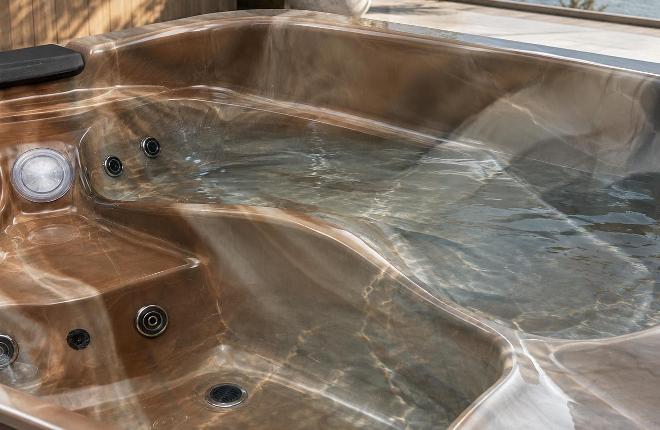
Take the Fspa BD-004 as a reference point. It seats 6 adults in a 2350x2350x900mm shell, but it pairs that footprint with a 2.2kW massage pump feeding 35 jets. The ratio matters more than the raw jet count, because it determines whether jet number ten feels as strong as jet number one.
An extra large swim spa built for six people needs seats that don’t all do the same job. If every seat has an identical jet pattern, you’re paying for size without paying for variety.
The BD-004’s seating follows an ergonomic layout, according to the manufacturer’s product documentation, with contoured backrests and jet placement intended to match the body’s natural curve rather than a flat, generic mold. One corner seat pairs a headrest with a honeycomb-patterned vent grill alongside a jet cluster, which suits someone who wants concentrated pressure on the neck and shoulders after a long shift.
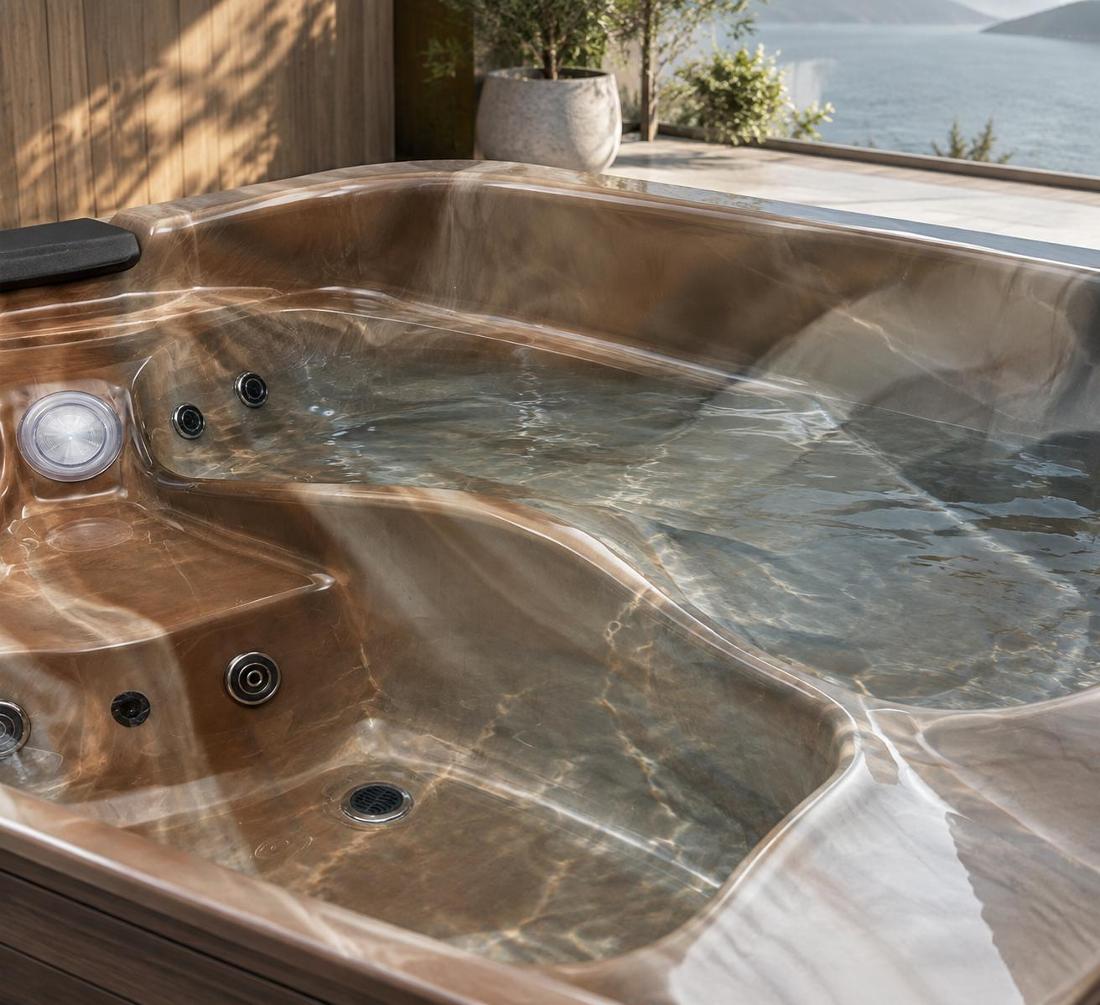
That kind of differentiation is worth checking for in any large-format spa. Ask whether the layout was designed seat-by-seat, or whether it’s just the same mold stretched wider to fit more bodies.
More water means more to sanitize, and that’s where a lot of extra large swim spa owners run into ongoing maintenance headaches. A 1450L tank left untreated for even a day or two in warm weather can turn cloudy fast, especially with six bathers cycling through on weekends.
The BD-004 addresses this with an integrated ozone sanitization system, per the manufacturer, which is intended to reduce the manual chemical dosing that smaller spas without this feature typically require. Ozone systems work by oxidizing organic contaminants in the water, which is a standard water treatment approach rather than a proprietary mechanism.
For buyers comparing options, here’s what to check on any large-capacity unit:
| Specification | Detail |
|---|---|
| Capacity | 6 Adults |
| Dimensions | 2350 x 2350 x 900mm |
| Total Power | 5.55kW |
| Massage Pump | 2.2kW x 1pc |
| Filter Pump | 0.35kW x 1pc |
| Heater | 3kW x 1pc |
| Jet Count | 35pcs |
| Water Capacity | 1450L |
| Net Weight | 317kg |
| Certifications | CE, CTUVus, CB, SAA |
A table like this is useful less for the numbers themselves and more for what they reveal about balance. Notice that the heater at 3kW is the single largest power draw in the system, which means climate matters when planning heat-up time in colder regions.
An extra large swim spa earns its footprint fastest in settings where multiple people need access at once, rather than sitting empty most of the week waiting for a crowd.
Boutique hotels and B&Bs use this capacity differently than a private villa does. In a hotel gym setting, the spa functions as post-workout recovery space for guests rather than a social feature, so turnover and cleaning cycles matter more than ambiance. A seaside homestay, by contrast, leans on the visual and relaxation value, often positioning the unit where guests can soak while looking at the water.
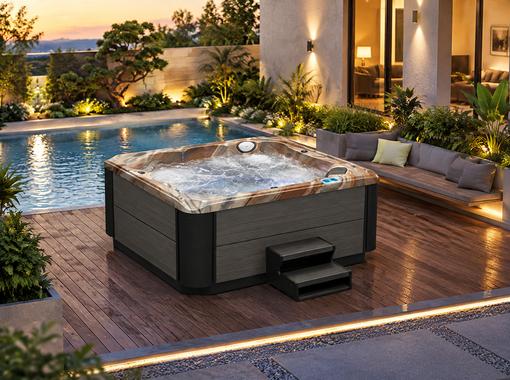
It’s easy to dismiss LED lighting as a cosmetic add-on, but for evening use, it changes how usable the spa actually is once the sun goes down. Bottom-positioned lighting, like the blue LED setup in the BD-004, illuminates the water itself rather than just the cabinet exterior, which matters for anyone using the spa after dark without additional deck lighting.
The manufacturer refers to this as part of a biomagnetic therapy system, a term used in the product’s own marketing materials to describe the ambiance created by the lighting. That’s a subjective wellness framing rather than a measurable physiological claim, so it’s worth treating it as a comfort feature rather than a clinical one.
Does a larger swim spa need a dedicated electrical circuit?
Most units in the 5kW+ range, including the BD-004’s 5.55kW system, require a dedicated circuit sized to local electrical code. Always confirm requirements with a licensed electrician before installation, since this varies by region and utility provider.
Can six people actually use the jets at the same time without losing pressure?
Pressure distribution depends on pump sizing relative to jet count. A 2.2kW pump feeding 35 jets is designed for simultaneous multi-seat use, though individual jet strength may vary slightly by seat position depending on plumbing layout.
Is ozone sanitization a replacement for chemical treatment?
Ozone systems reduce the frequency and volume of chemical dosing needed, but they typically work alongside, not instead of, a baseline sanitizer like bromine or chlorine, depending on local water chemistry.
How much deck reinforcement does a 317kg empty unit need?
Once filled, a 1450L unit will weigh significantly more than its empty net weight, so any deck or patio surface should be checked against combined water, unit, and occupant weight before installation.
Before committing to an extra large swim spa, weigh capacity against how consistently you’ll actually use every seat. A six-person unit makes sense for households that regularly host, or for commercial settings like hotels and wellness centers where multiple users cycle through daily. It makes less sense for a couple who occasionally has guests over, where a smaller two or four-person model would serve just as well without the added footprint and water volume to maintain.
For us, evaluating a large-format spa comes down to whether the engineering, jet layout, pump sizing, and sanitization scale proportionally with the size, rather than just stretching a smaller design wider. An extra large swim spa should feel like six well-designed seats, not six seats sharing pressure meant for two.
Analysis of the Advantages and Disadvantages of Acrylic Integrated Swimming Pools in Europe
From the perspective of European users, acrylic integrated swimming pools are an attractive alternative to traditional concrete or liner pools. They bring several clear advantages, but also some limitations that homeowners need to consider before making a decision.
One of the biggest benefits is visual appeal. European users often value sleek, modern designs, and acrylic delivers exactly that. The glossy finish, rich color options, and seamless structure create a stylish effect that blends well with contemporary homes. Unlike tiled pools, there are no grout lines, which also makes cleaning easier.
Another advantage is the comfort and water quality experience. Acrylic surfaces are smooth and pleasant to the touch, which many users describe as warmer and softer compared to ceramic or concrete. The material resists algae growth and discoloration, meaning the water often looks clearer and more inviting with less maintenance.
A third strength is fast installation. Many European families appreciate that an acrylic one-piece pool can be installed in weeks rather than months. For households in regions with shorter summers—like Germany or Northern Europe—this speed means more time enjoying the pool within the same season.
On the downside, transportation and access can be a real issue. Narrow streets in historic towns, or limited backyard access in urban areas, make delivery and crane installation complicated. Users often report that logistics can add unexpected costs to the project.
Another limitation is size flexibility. Because the pool is delivered as a single piece, it must fit into shipping and transport dimensions. Customers looking for very large or uniquely shaped pools may find that traditional concrete models offer more freedom.
Lastly, price is a factor. Imported acrylic pools are usually more expensive than local concrete or liner options, particularly when shipping and customs are included. While users often agree that the look and comfort justify the cost, it’s not always the most budget-friendly choice.
For European users, acrylic integrated pools stand out for their modern design, smooth comfort, and quick installation. However, challenges with transport, size, and price remain. Ultimately, they are best suited for those who value aesthetics and convenience, and are willing to balance these benefits against practical considerations.
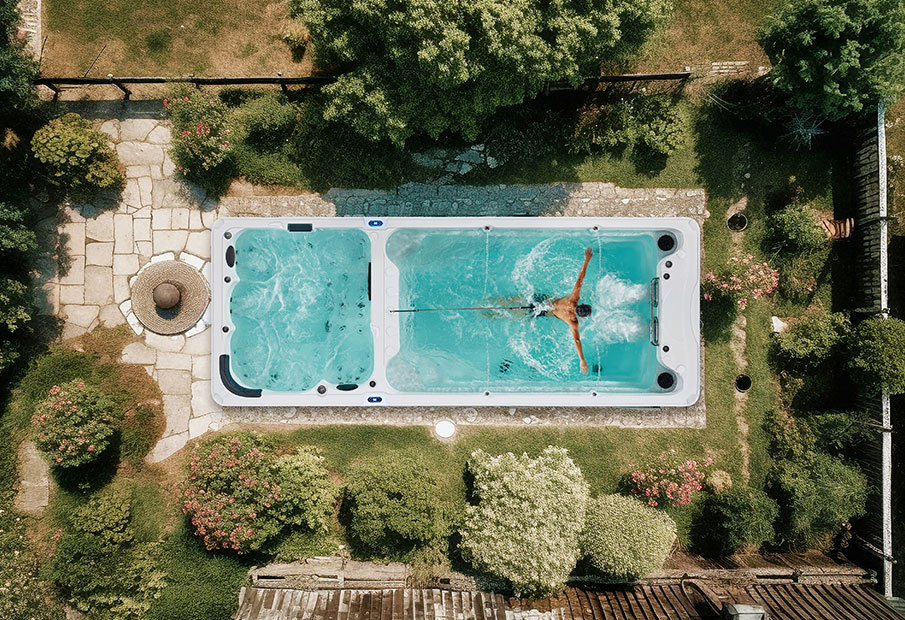
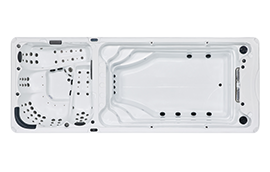
The Infinipool Fspa IP-007 enhances backyard experiences with exceptional performance, style, and a range of optional accessories.
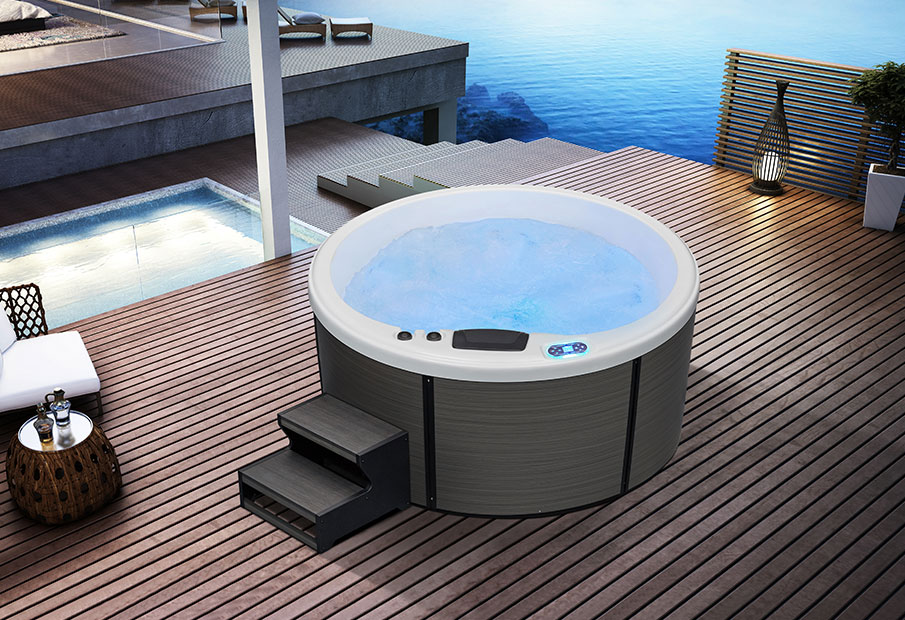
The Fspa BD-017 Hot Tub, accommodating up to 5 adults with spacious dimensions, features a reliable control system, powerful 1.5kW massage pump, 0.35kW filter pump, 3kW heater, 28 customizable water jets, LED lighting, an ozone sanitation system, and a total power of 4.85kW, offering ultimate relaxation and a luxurious soak for any occasion.
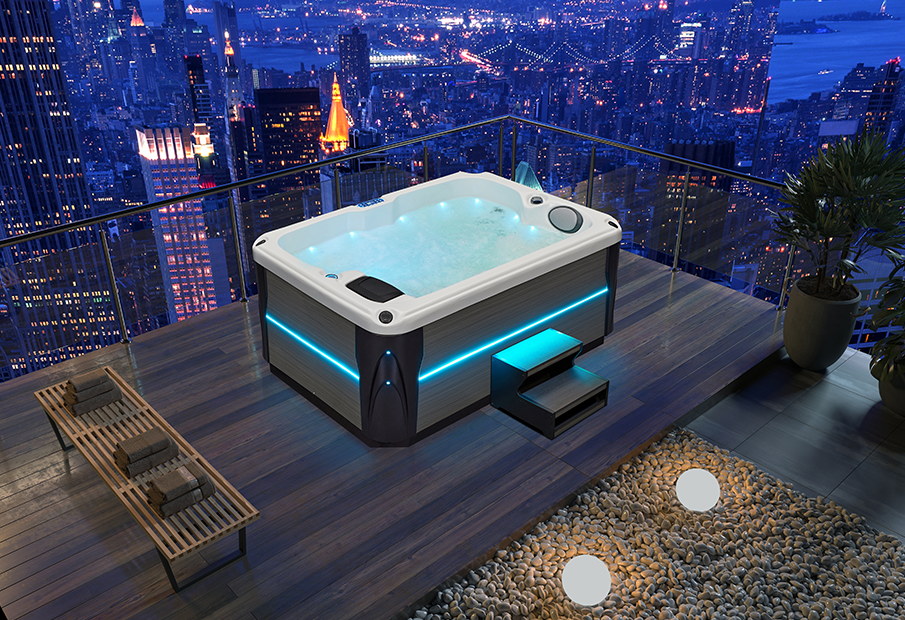
The Fspa BD-002Pro Hot Tub, boasts a powerful massage system, crystal-clear water filtration, customizable water flow, luxurious features, an ozone sanitization system, and immersive audio for the ultimate relaxation experience.
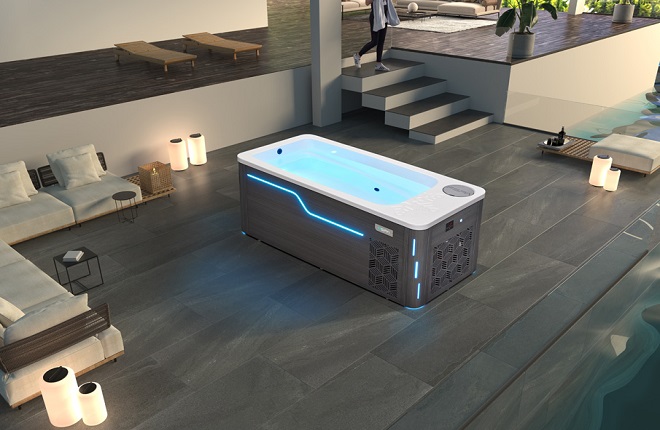
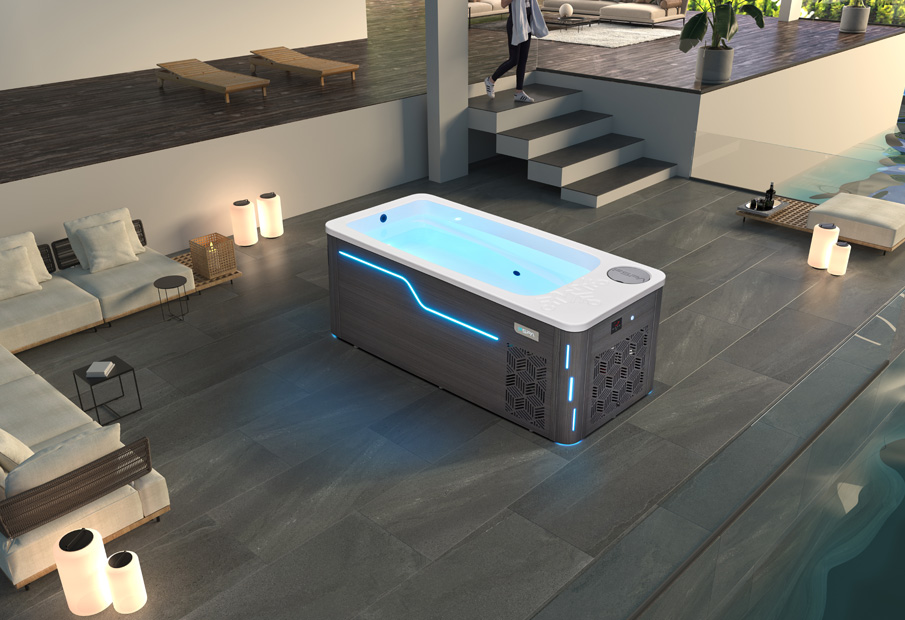
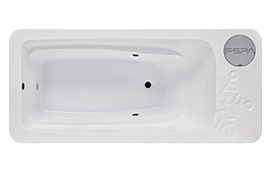
Introducing the Fspa IS-006 Cold Plunge, a spacious and luxurious immersion therapy tub tailored for maximum relaxation and recovery. Measuring 2110mm*950mm*800mm, it offers ample space for a comforting and refreshing dip.
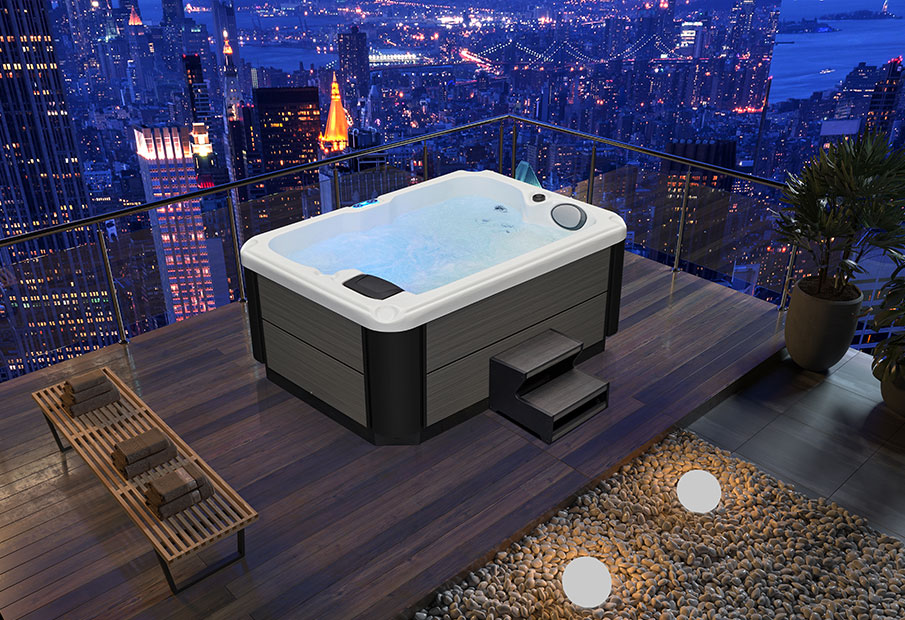
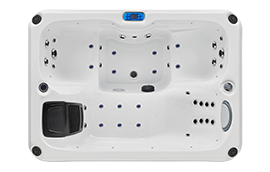
The Fspa BD-002, with its spacious 1870x1330x800mm design for 3 adults, boasts advanced controls, a 1.5kW massage pump, a 0.35kW filter pump, a 2kW heater, 16 water jets, an LED light, a filter, an ozone system, and total 3.85kW power, offering a luxurious and rejuv enating spa experience at home.
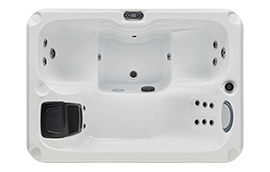
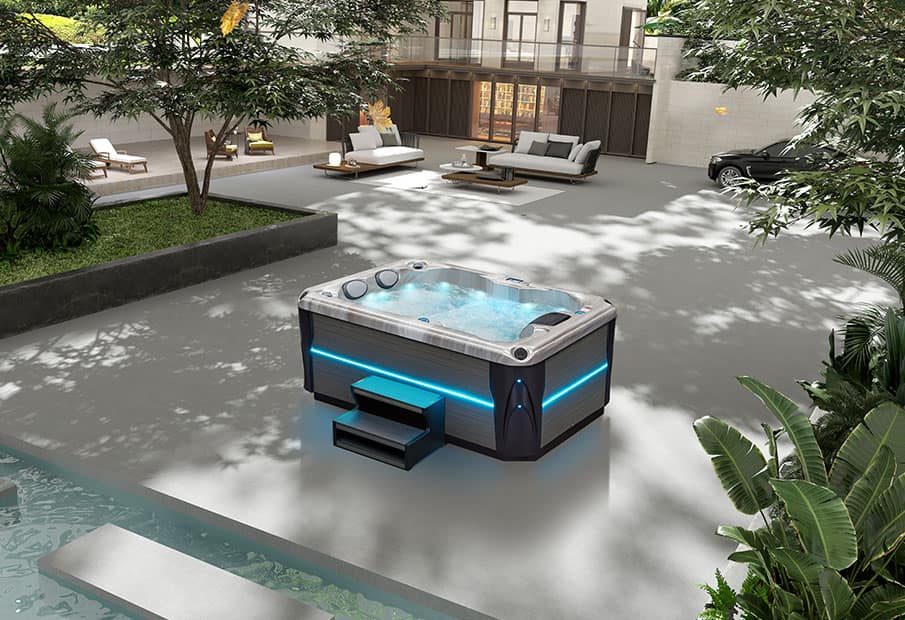
The Fspa BD-015Pro Hot Tub, designed for up to 4 adults, offers ultimate relaxation with its robust control system, invigorating massage features, consistent water temperature, modern amenities, advanced filtration, and suitability for indoor or outdoor use.
PRODUCTS
INQUIRY
Thank you for your message!Our Chinese New Year holiday from 7th Feb to 28th Feb. Apologise to make your inconvenience so that responses may be delayed during this period. We'll back to you with regular service on 2th March .Thank you for understanding.


