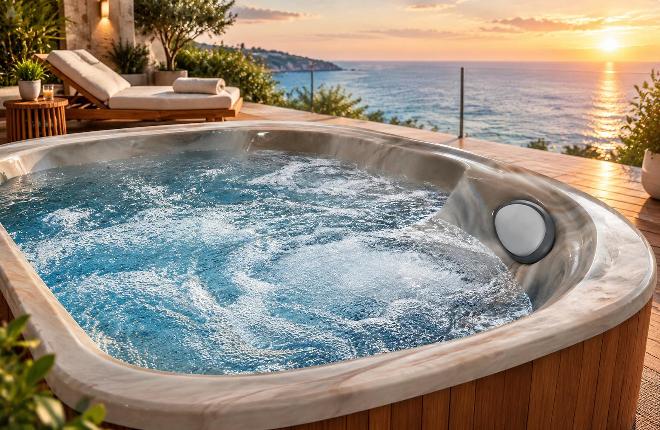
A wellness swim spa sits at an odd intersection. It is not quite a pool, not quite a hot tub, and not quite a gym. For people trying to fold recovery, hydrotherapy, and quiet time into a packed week, that in-between quality is the whole point. This piece looks at what a wellness swim spa actually does for the body, how to judge one against another, and where a compact hydrotherapy unit fits into a home, hotel, or rehabilitation setting.
Most people who search for a wellness swim spa are not shopping for a toy. They are usually dealing with one of three things: chronic muscle tension from work or training, a limited amount of outdoor or indoor space, or a desire to bring a spa-like ritual home instead of scheduling it around a facility’s hours. A full lap pool solves none of those problems efficiently. It takes more water, more square footage, and more upkeep than a household typically wants to commit to.
A compact hydrotherapy unit changes that equation. Instead of building for distance swimming, it builds for repeated, targeted sessions: fifteen or twenty minutes of jet-driven massage, heat, and stillness. That shift matters because recovery from muscle soreness or joint stiffness responds better to consistency than to occasional long sessions. A unit that’s easy to step into daily gets used daily. A pool that requires opening a cover, adjusting chemicals, and committing an hour often does not.
Not all hydrotherapy setups feel the same, and the difference usually comes down to two things: how many jets there are, and where they sit relative to the body. A unit with jets scattered evenly tends to feel diffuse, almost like a light massage through a towel. A unit with jets clustered around the shoulders, lower back, and calves feels more like targeted pressure work.
Take the BD-004, a six-person hydrotherapy unit built around 35 massage jets and a 1,450-liter water capacity. The jet layout follows the seating contours rather than a generic grid, which means pressure lands on the areas people actually complain about after a long day standing or training. The seats and backrests are shaped to follow the body’s natural curves, so the jets don’t have to work as hard to reach the right spot.
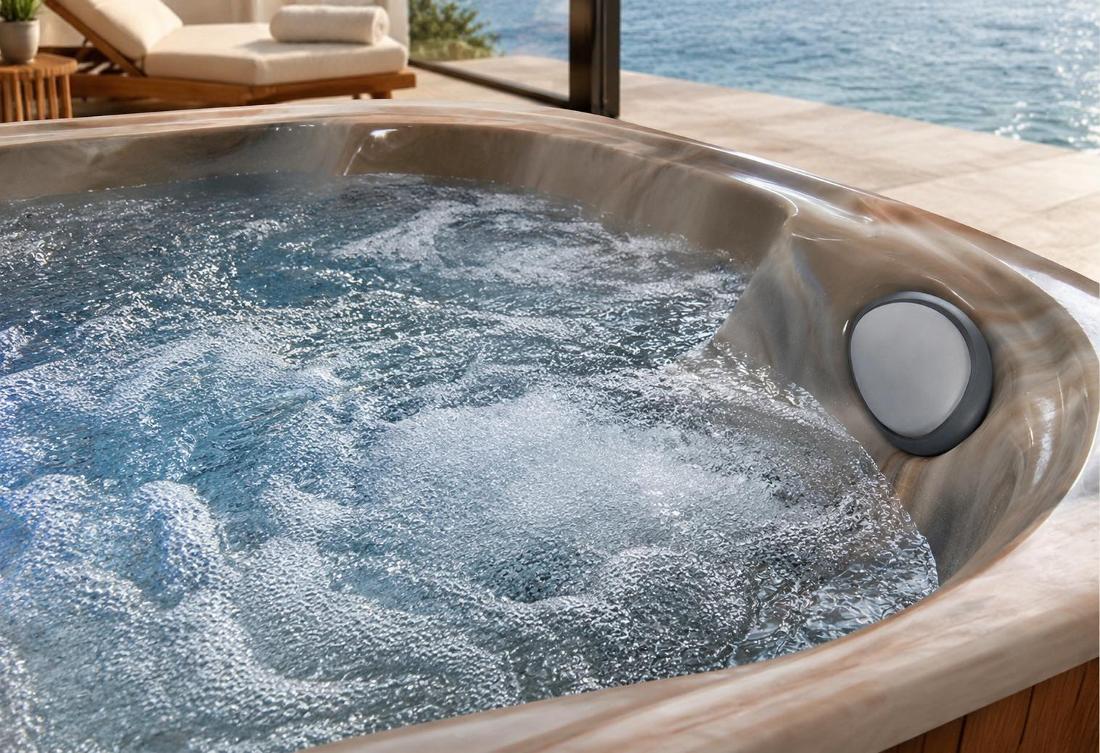
Water volume plays a quieter but equally important role. At 1,450 liters, a unit like this heats faster than a full pool and holds temperature more efficiently, which keeps running costs down without sacrificing the six-person capacity. That balance of volume and jet density is really what separates a wellness-focused hydrotherapy unit from a purely recreational one.
Physical relief is only half the story. The sensory environment around a soak, meaning light, sound, and even the visual texture of the shell, affects how relaxed a person actually feels, and that’s a documented factor in how people rate their own recovery experience. This is where a lot of manufacturers cut corners, treating lighting as decoration rather than function.
The BD-004 places its LED lighting at the bottom of the tub, so the glow comes up through the water rather than glaring from the rim. According to the manufacturer, this bottom-positioned lighting is part of what they describe as a biomagnetic therapy system intended to support a calmer, more immersive atmosphere. That specific therapeutic mechanism is the manufacturer’s own characterization and hasn’t been independently verified, so it’s worth treating as a comfort and ambiance feature rather than a clinical claim.
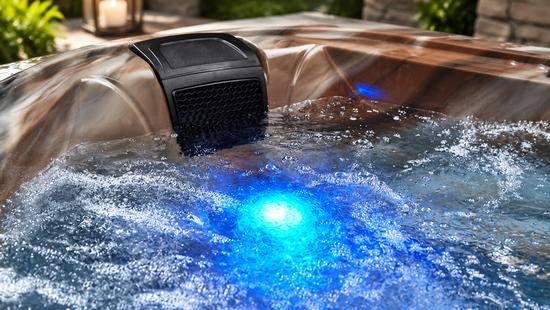
Headrests matter more than most buyers expect going in. A stiff headrest turns a twenty-minute soak into a neck workout. The pillow system on this unit is built for spinal alignment support during use, which sounds minor until you’ve sat in a tub without one and spent the whole session holding your neck up.
When narrowing down options, specifications tell you more than marketing copy does. Here’s how the BD-004’s core numbers break down for anyone comparing units for a home, hotel gym, or recovery space.
| Specification | Detail |
|---|---|
| Capacity | 6 adults |
| Dimensions | 2350 x 2350 x 900mm |
| Total Power | 5.55kW |
| Massage Pump | 2.2kW x 1pc |
| Filter Pump | 0.35kW x 1pc |
| Heater | 3kW x 1pc |
| Jet Count | 35 |
| Water Capacity | 1,450L |
| Net Weight | 317kg |
| Certifications | CE, CTUVus, CB, SAA |
That 5.55kW total draw is worth pausing on. It splits the load between a 2.2kW massage pump, a small 0.35kW filter pump, and a 3kW heater, which run somewhat independently depending on the mode selected. That separation means the filter can keep circulating water quietly overnight without the massage pump or heater kicking in, which keeps standby energy use lower than running everything as one system.
Water chemistry is the part of spa ownership people underestimate before buying and complain about after. Chlorine-only systems demand frequent testing and dosing, and they leave a smell most people associate with public pools rather than home relaxation. An integrated ozone sanitization system, like the one built into the BD-004, reduces how often manual chemical treatment is needed by breaking down organic contaminants as water circulates.
This matters practically for anyone installing a unit in a hotel gym or B&B setting, where staff turnover means maintenance routines can’t rely on one person’s memory. Lower manual upkeep translates directly into lower operating cost and fewer service callbacts, which is often the deciding factor for commercial buyers weighing a wellness swim spa against a traditional hot tub.
Application context changes what "the right unit" even means. A few common scenarios illustrate the range:
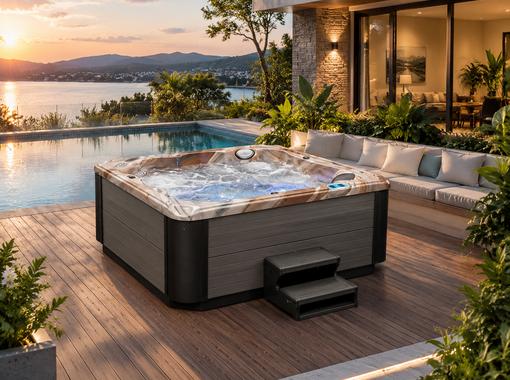
Rehabilitation and physiotherapy centers represent a slightly different case. There, the priority shifts toward consistent, repeatable sessions rather than ambiance, and ergonomic seating becomes less about comfort and more about supporting a patient through a full session without strain.
Buyers often get stuck comparing jet counts as if higher is automatically better. It isn’t. A practical way to narrow the decision:
That sequence keeps the decision grounded in use case rather than spec-sheet comparison shopping, which is where most buyers end up overpaying for features they won’t use.
Does a wellness swim spa need the same chemical maintenance as a swimming pool?
No. Because the water volume is much smaller, dosing and testing happen less frequently. Units with an integrated ozone system reduce manual chemical treatment further, though periodic water changes are still necessary.
Can a compact hydrotherapy unit replace a full swimming pool?
Not for lap swimming or exercise involving distance. It’s built for hydrotherapy, muscle recovery, and relaxation rather than athletic swimming, so the two serve different purposes.
Is outdoor installation different from indoor in terms of upkeep?
Outdoor units face more exposure to debris and temperature swings, so cover use and slightly more frequent filter checks are recommended, though the core maintenance routine stays similar.
How long does it typically take to heat the water?
Heating time depends on the heater’s output relative to water volume and ambient temperature; a 3kW heater paired with a 1,450L capacity, as in the BD-004, is sized to bring water to temperature within a practical window for daily use, though exact timing varies by starting conditions.
A wellness swim spa earns its place in a home or business not through any single feature but through how well its parts work together: jet placement that matches real pain points, water volume that heats efficiently, and sanitization that doesn’t demand constant attention. For manufacturers like us, that means designing hydrotherapy units, such as the BD-004 with its 35-jet layout and 1,450-liter capacity, around how people actually use them, whether that’s a villa backyard soak at sunset or a quick recovery session at a hotel gym. Choosing the right wellness swim spa ultimately comes down to matching those practical details to your own routine, not to whichever spec sheet lists the highest numbers.
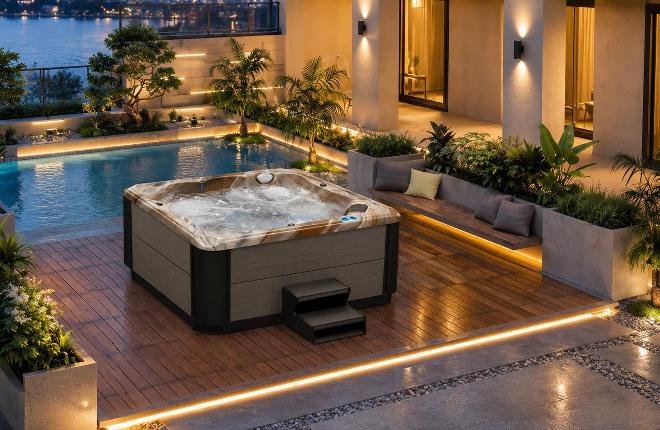
Budget Swim Spa Options: What You Actually Get for the Price
Shopping for a budget swim spa means balancing cost against what the unit can realistically deliver day to day. Many buyers assume "budget" translates to fewer jets or a weaker pump, but the real tradeoffs usually show up in materials, insulation, and control features. Understanding where manufacturers cut costs, and where they don’t, helps you avoid a unit that looks affordable on paper but costs more in energy bills or repairs later. A well-specified 6-person hot tub, like the Fspa BD-004, shows that mid-range pricing doesn’t have to mean stripped-down performance.
Price sensitivity is the top concern for most first-time spa buyers. Villas, boutique hotels, and small wellness centers all want hydrotherapy without committing to a five-figure installation. The good news is that the mid-tier segment has matured, and units in this range now include features that used to be reserved for premium models.
Take jet count and pump power as an example. The BD-004 runs 35 massage jets driven by a 2.2kW massage pump, paired with a separate 0.35kW filter pump and a 3kW heater, for 5.55kW total system power. That’s a meaningful jet-to-power ratio for a 6-person unit, and it suggests the manufacturer sized the pump to the jet load rather than undersizing it to save on the bill of materials.
Before comparing specific models, it helps to know which components actually move the price needle. Four factors tend to matter most:
None of these factors alone determines whether a spa is a good value. A unit with a thick acrylic shell but a weak pump will still feel underpowered. The value comes from how well these components are matched to each other, not from any single spec.
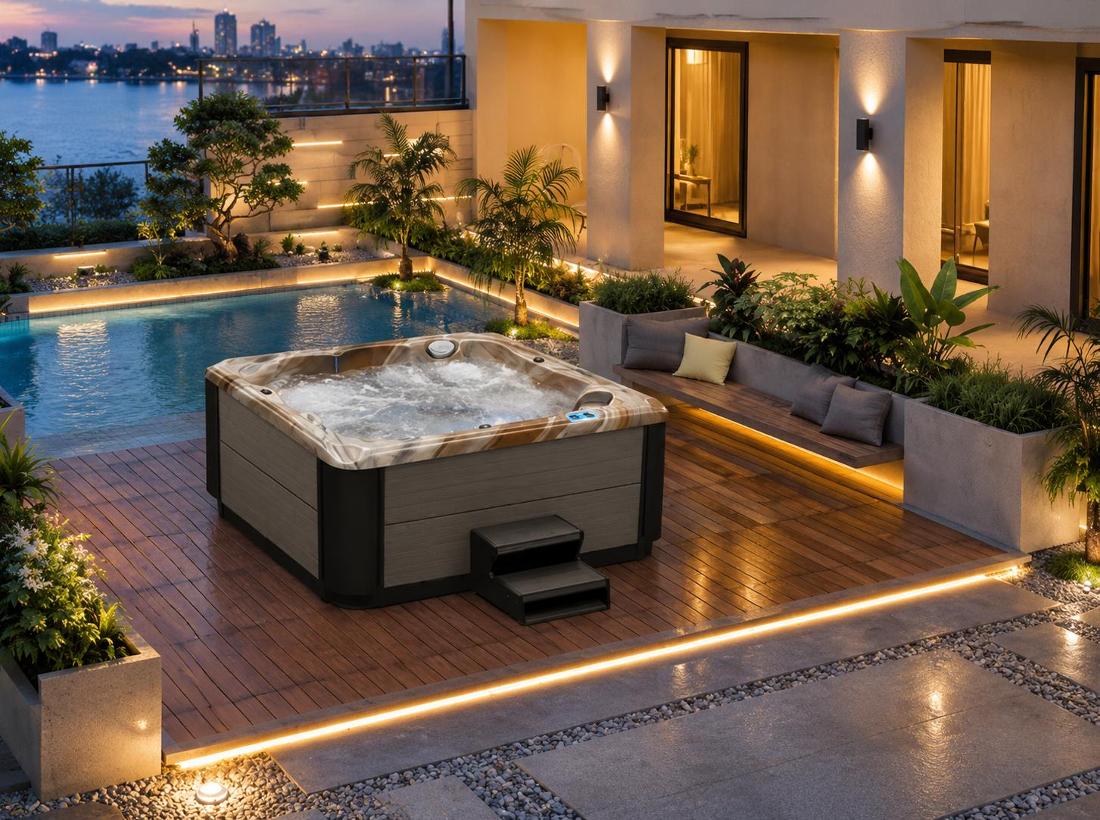
Capacity planning is where many budget-focused buyers get tripped up. Buying too large wastes water and electricity; buying too small means guests wait their turn. For a household or small commercial setting, a 6-person capacity tends to hit the sweet spot between usable space and running cost.
The BD-004, for reference, measures 2350 x 2350 x 900mm and holds 1450 liters of water, with a net weight of 317kg empty. Those numbers matter beyond curiosity. Deck load capacity, doorway clearance during delivery, and even the crane or lift needed for rooftop installations all depend on knowing the empty and filled weight ahead of time.
| Specification | Value |
|---|---|
| Capacity | 6 Adults |
| Dimensions | 2350 x 2350 x 900mm |
| Water Capacity | 1450L |
| Net Weight | 317kg |
| Total Power | 5.55kW |
| Jet Count | 35pcs |
Purchase price only tells half the story. The ongoing cost of chemicals, water changes, and filter replacements often exceeds what buyers expect. This is where sanitization method becomes a budgeting question, not just a health one.
Ozone-based sanitization systems reduce how often you need to shock the water with chlorine, which cuts down on chemical spend over a season. The BD-004 includes an integrated ozone system as part of its water circulation, according to the manufacturer’s product data, which is meant to ease the maintenance burden compared to chlorine-only setups. If you’re comparing two similarly priced spas, ask about sanitization method before you ask about jet count. It affects your monthly costs more than most buyers realize.
It’s tempting to chase the lowest sticker price, but a few comfort-related features tend to pay for themselves in usage satisfaction. Ergonomic seating is one of them. When backrests are contoured to the body rather than flat, users sit longer and get more consistent contact with the jets, which matters for hydrotherapy use in physiotherapy or rehabilitation settings.
The BD-004’s seating and backrests are shaped around the body’s natural curves, with jets and controls positioned for reach and comfort, per the manufacturer. It also includes supportive pillows positioned to help align the spine during a soak, described by the manufacturer as part of its wave propulsion system. For a swim spa or hot tub used daily by hotel guests or rehab patients, these small ergonomic details reduce complaints about arm fatigue or awkward seating angles.
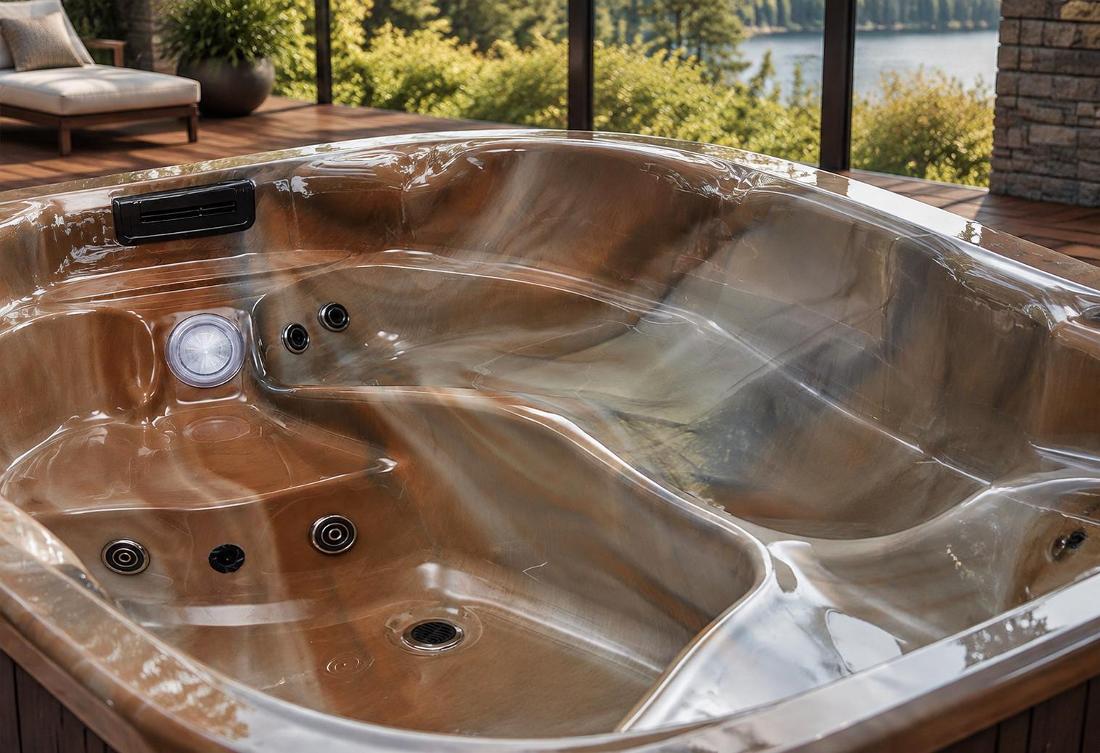
LED lighting is often dismissed as a cosmetic add-on, but it plays a functional role in how a spa is perceived and used at night. Bottom-mounted lighting, positioned below the waterline, creates even illumination through the water rather than harsh spot lighting from above.
The BD-004 uses blue LED lighting positioned at the bottom of the tub, which the manufacturer describes as part of a biomagnetic therapy system intended to support a calming atmosphere. Whether or not this lighting feature has a measurable physiological effect is not something we can verify independently, but the ambient benefit for evening use, especially at hotels or seaside homestays, is straightforward.
A digital control panel might look like an unnecessary upgrade on a budget swim spa, but it often reduces long-term frustration. Analog dials require guesswork on temperature; digital panels display exact readings and let you program heating schedules, which matters if you’re running a spa for guest turnover at a hotel or B&B.
The BD-004 includes one digital control set, backlit and mounted on the tub rim, that displays temperature and function settings. For unattended commercial installations, that kind of visibility reduces the number of service calls related to "the water feels wrong" complaints, since staff can check the actual reading instead of relying on touch.
Matching the spa to its intended use matters more than chasing the lowest price. Here’s a simple decision path:
Does a lower price mean fewer jets or weaker massage performance?
Not necessarily. Price is influenced by materials, cabinet construction, and control system complexity as much as jet count. Some mid-range units, including the BD-004 with its 35 jets, offer jet counts comparable to higher-priced models.
Is ozone sanitization enough on its own?
Ozone systems reduce chemical use and maintenance frequency, but most manufacturers still recommend periodic water testing and occasional chlorine or bromine use to maintain water balance.
Can a budget swim spa be installed indoors?
Many portable units, including 6-person models like the BD-004, are designed for both indoor and outdoor placement, though indoor installation requires attention to ventilation and floor load capacity.
How much does a 6-person spa typically weigh once filled?
Weight varies by model, but as a reference, the BD-004 weighs 317kg empty and holds 1450 liters of water, which adds roughly 1450kg once filled, before accounting for users.
A budget swim spa isn’t about finding the cheapest unit available. It’s about identifying which features matter for your specific setting, whether that’s a villa backyard, a hotel gym, or a seaside homestay, and paying for those without overspending on features you won’t use. Models like the BD-004 illustrate that a reasonably priced 6-person spa can still include ergonomic seating, ozone sanitization, and a capable 5.55kW power system. For us, the goal has always been building units where the specifications match real usage patterns rather than marketing claims. If you’re comparing options, focus on jet-to-pump ratio, sanitization method, and installation weight before price alone, since those three factors will shape your experience with any budget swim spa far more than the number on the price tag.
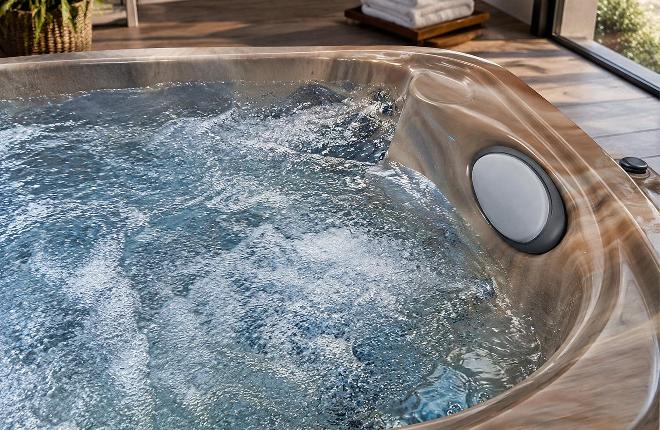
What Drives Dual Swim Spa Cost and How to Budget for One
A dual swim spa splits one shell into two zones, usually a swim lane and a hot tub side, so a household gets exercise and recovery without installing two separate structures. Dual swim spa cost tends to surprise first-time buyers because it folds together plumbing, heating, and jet systems that would otherwise be priced separately. Understanding what actually drives that number helps you avoid paying for capacity or features you won’t use.
A standalone hot tub only needs to heat and circulate water for one purpose: relaxation. A dual swim spa asks the same footprint to also generate current or resistance for swimming, which means a second pump, a different plumbing layout, and often a longer shell. That extra hardware is the main reason dual units sit above single-zone spas in price.
The heater has to work across a larger water volume too. A 6-person hot tub like the BD-004, for reference, holds 1,450 liters and runs on a 3kW heater paired with a 2.2kW massage pump. Scale that up to a dual swim spa’s combined swim-and-soak volume, and you’re often looking at proportionally larger heating and pump capacity, which raises both the purchase price and the monthly electric bill.
Breaking dual swim spa cost into its components makes the number less abstract. Buyers are typically paying for these elements, whether they realize it or not.
None of these are optional extras bolted on to inflate price. They’re structural to how a dual-purpose unit functions, which is why comparing sticker prices without checking these specs leads to bad decisions.
Two spas priced within a few hundred dollars of each other can differ enormously in what they deliver. Before treating price as the deciding factor, line up the actual numbers.
| Spec | Entry-Level Single Zone | Mid-Range Dual Function |
|---|---|---|
| Capacity | 4-6 adults | 6+ adults, split zones |
| Total Power | 3-4kW | 5-6kW |
| Jet Count | 12-20 | 30-40 |
| Water Volume | 800-1,100L | 1,400L+ |
| Sanitization | Chemical only | Ozone-assisted |
A 6-person unit such as the BD-004 draws 5.55kW total, combining a 2.2kW massage pump, a 0.35kW filter pump, and a 3kW heater. That’s a useful reference point even for buyers looking at dual swim spas, since it shows how power draw scales once you add current-generation hardware on top of massage jets.
The unit price on a spec sheet is rarely the final number you pay. Site preparation, electrical work, and delivery logistics can add a meaningful percentage on top, sometimes more than buyers expect going in.
Skipping these steps to save money upfront usually costs more later, either through a cracked foundation or an electrical inspection failure that delays installation.
It helps to look at how individual features translate into real usage rather than treating spec sheets as marketing filler. Ergonomic seating with jet clusters positioned at shoulder, lower back, and calf level, for instance, changes how a soak actually feels compared to jets scattered without regard to body position. On the BD-004, jets are set into contoured seating designed around natural body curves, which is a different engineering approach than simply drilling more holes into a flat wall.
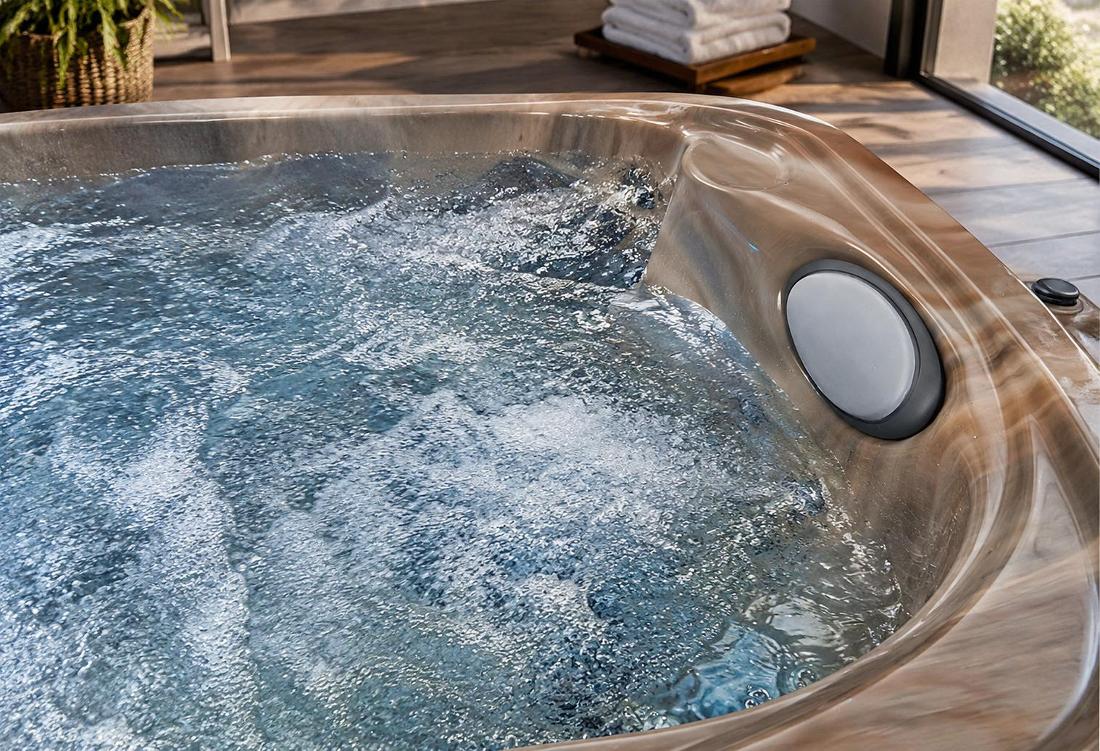
Lighting is another feature that sounds cosmetic but has a documented use case. Ambient LED lighting positioned at the base of the tub is described by manufacturers as supporting a calmer soaking atmosphere, which matters for evening use when harsh lighting works against relaxation. That’s a comfort feature, not a therapeutic claim, and it’s worth treating it that way when comparing spec sheets.
Sanitization is where operating cost quietly adds up over a year. An integrated ozone system reduces how much chlorine or bromine you need to buy and dose manually, which cuts down on weekly maintenance time. It doesn’t eliminate chemical use entirely, but it does reduce the volume, which is a meaningful difference for anyone who has managed a spa through a full season.
Dual swim spa cost only makes sense in context of where the unit will live and who will use it. A few scenarios illustrate how the same core technology gets applied differently.
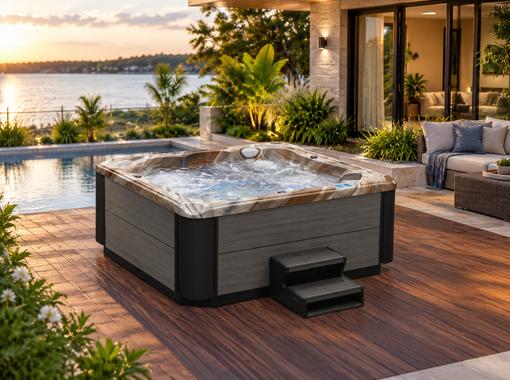
If your household is mainly interested in muscle recovery and social soaking rather than lap swimming, a straight hot tub, like a 6-person model with a strong jet count, may deliver better value than paying for swim-lane hardware you’ll rarely use.
Does a bigger jet count always mean a better spa?
Not necessarily. Jet placement matters as much as raw count. Thirty-five jets arranged ergonomically across contoured seating will outperform a higher count scattered without attention to body position.
Is ozone sanitization a replacement for chemicals?
No. It reduces the chemical dosage needed for water clarity but doesn’t eliminate the need for a sanitizer entirely. Think of it as a maintenance-reducing addition, not a substitute.
How much does electrical draw affect running costs?
A system in the 5-6kW range, running heater and pumps together during active use, will draw noticeably more than a basic 3kW single-zone spa, particularly in colder climates where the heater cycles more often.
Are certifications like CE or SAA worth checking before buying?
Yes. These certifications indicate the unit has been evaluated against recognized electrical and safety standards, which matters given the amount of water and power involved in operation.
Dual swim spa cost isn’t one number, it’s a range shaped by shell size, pump configuration, jet layout, and what your installation site requires before the unit even arrives. Buyers who compare power draw, water volume, and jet placement side by side, rather than sticker price alone, generally end up with a spa that matches their actual routine instead of one that just looked good in a showroom. Whether you land on a full dual swim spa or a high-capacity hot tub built for six, the goal is the same: paying for hardware that fits how the space will actually be used, not just what the spec sheet promises.
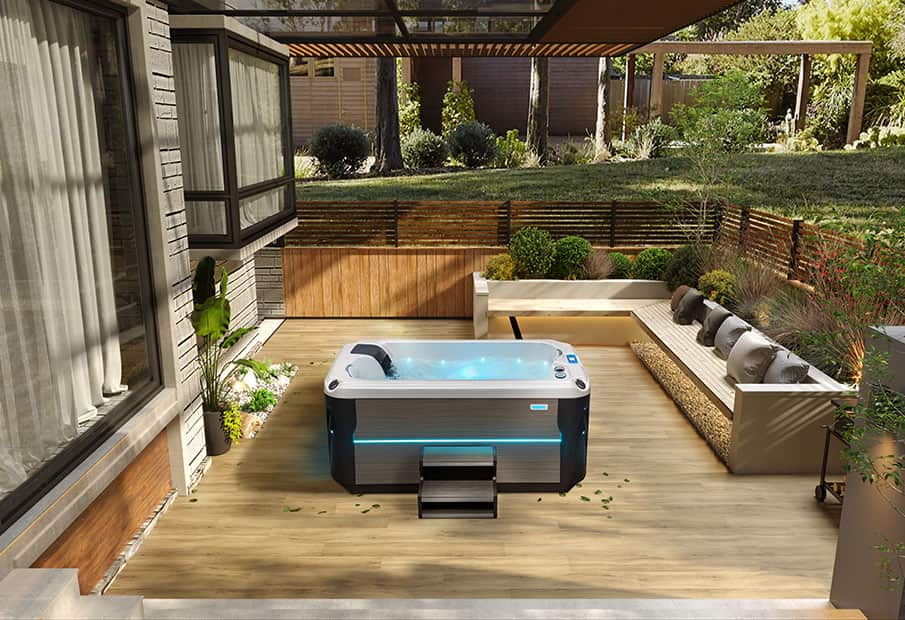
The Fspa BD-016Pro Hot Tub, a compact spa for up to 2 adults, offers a rejuvenating experience with an efficient control system, soothing massage features, consistent water temperature, modern amenities, advanced filtration, and suitability for indoor or outdoor placement.
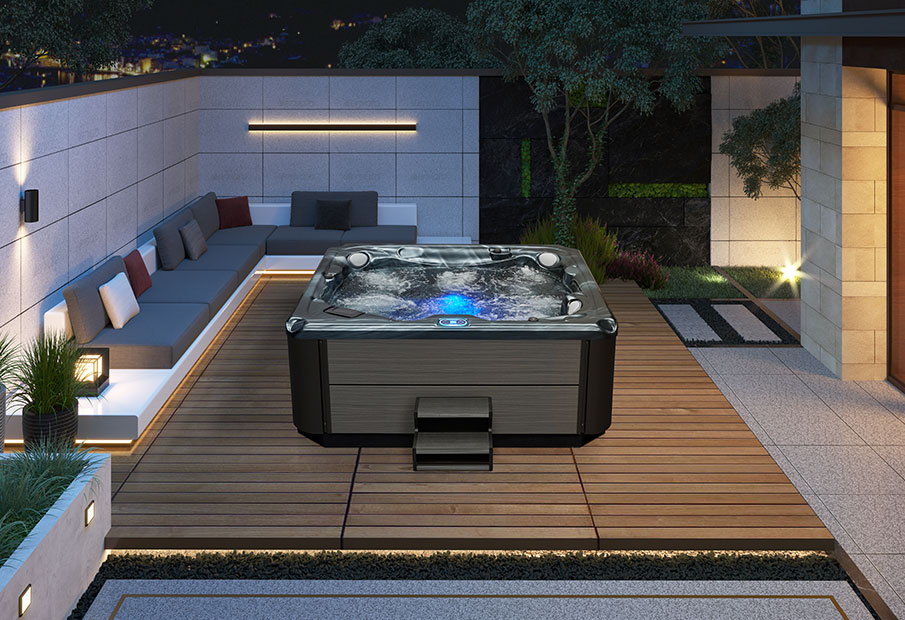
The Fspa BD-005 hot tub, accommodating 6 adults with advanced features including a 2.2kW massage pump, 0.35kW filter pump, 3kW heater, 42 jets, and ozone purification, offers ultimate relaxation in a spacious 2530x2300x900mm pool.
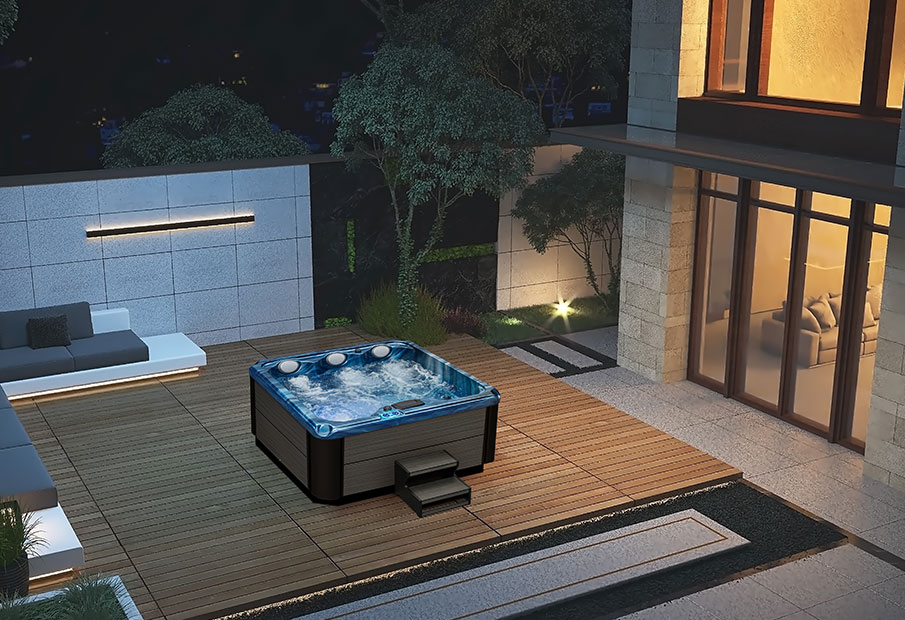
The Fspa BD-013 hot tub, with its spacious design for 6 adults, advanced 2.2kW massage pump with 35 jets, robust 3kW heater, energy-efficient filter pump, ambient LED lighting, and ozone system, offers ultimate relaxation and transforms any space into a private spa retreat, ideal for both residential and commercial use.
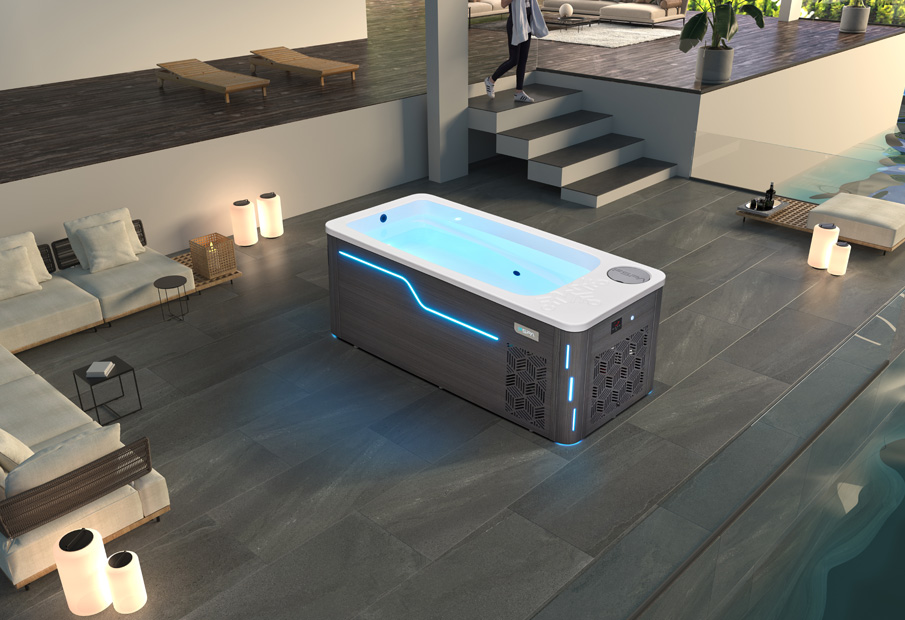
Introducing the Fspa IS-006 Cold Plunge, a spacious and luxurious immersion therapy tub tailored for maximum relaxation and recovery. Measuring 2110mm*950mm*800mm, it offers ample space for a comforting and refreshing dip.
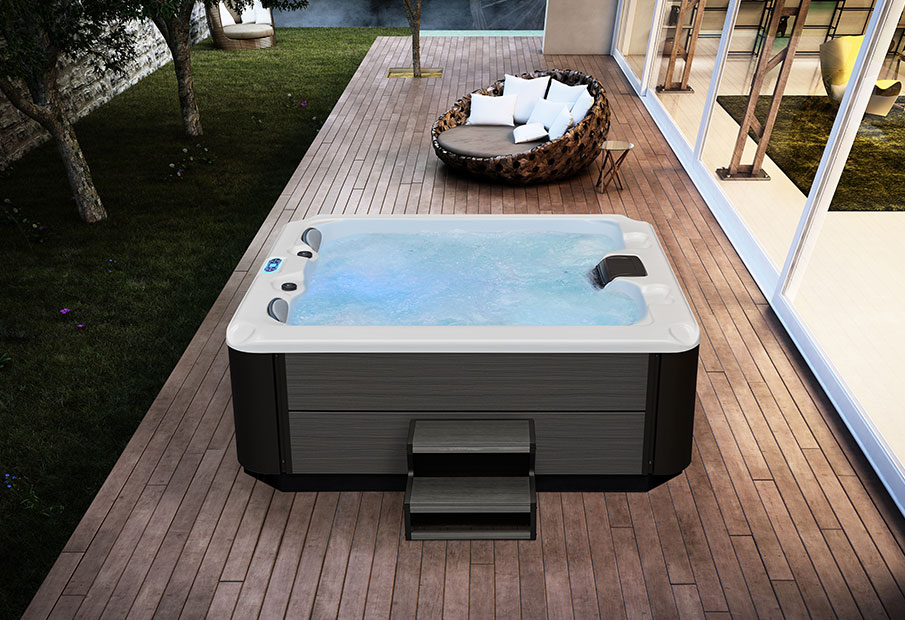
The Fspa BD-014 hot tub, designed for ultimate relaxation and luxury, offers a spacious interior for 4 adults, a powerful 2.2kW massage pump, 35 strategically placed jets, a 3kW heater, calming LED lighting, and an ozone system for clean water, making it the perfect choice for tranquility in your home.
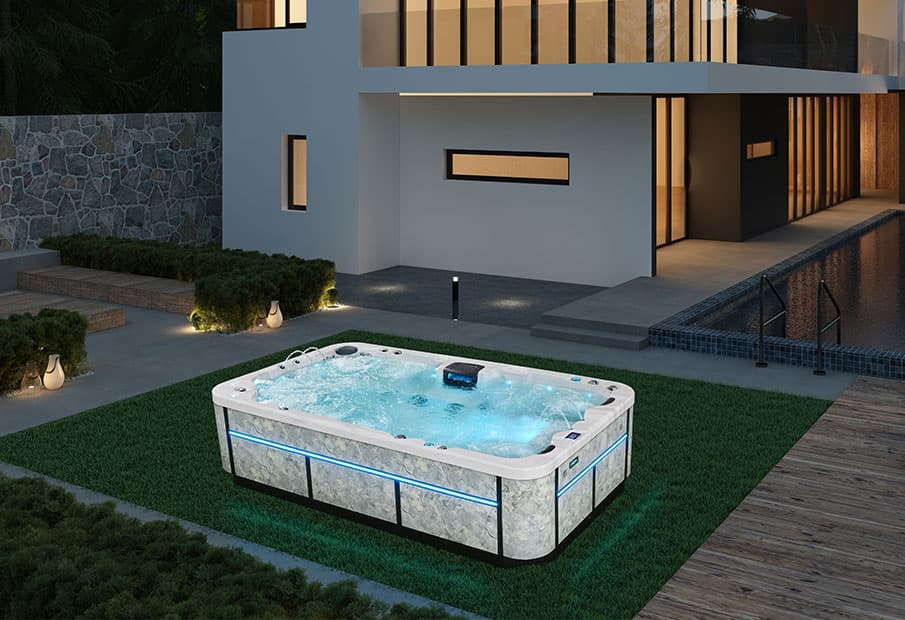
The Fspa BD-020Pro Hot Tub, accommodating up to 9 adults, is a luxurious and therapeutic indoor/outdoor spa featuring a powerful massage system, advanced filtration, modern conveniences, and water features, making it the ultimate choice for relaxation and wellness at home.
PRODUCTS
INQUIRY
Thank you for your message!Our Chinese New Year holiday from 7th Feb to 28th Feb. Apologise to make your inconvenience so that responses may be delayed during this period. We'll back to you with regular service on 2th March .Thank you for understanding.


