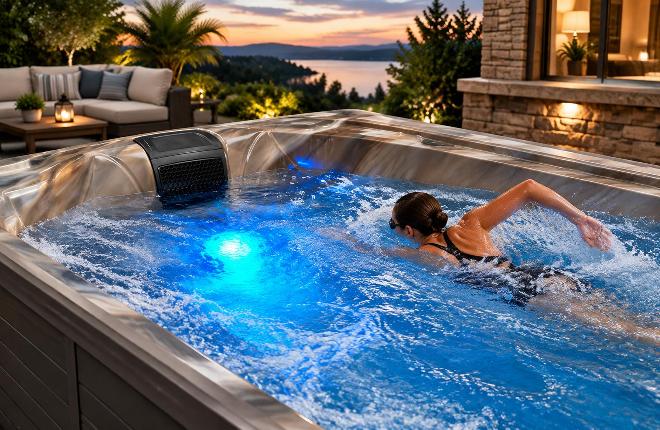
Anyone searching for the best swim spa for swimming already knows the basic pitch. A compact pool with a current generator, built for lap training without the footprint of a full lap pool. What most buyers underestimate is how differently swim spas behave once the jets turn on and a body starts working against real resistance.
A hot tub only needs to hold you still while jets massage sore muscles. A swim spa has to move water fast enough, and evenly enough, that a swimmer can hold a steady stroke for twenty or thirty minutes without drifting into the wall. That is a mechanical problem, not a marketing one, and it shapes almost every spec worth comparing.
Standard hot tubs and plunge pools are engineered around stillness. Jets are positioned to hit specific muscle groups while the bather stays seated. Swimming asks the opposite: a wide, unobstructed lane and a current strong enough to counter a swimmer’s forward motion at a consistent pace.
This is why dedicated swim spas separate their plumbing into distinct zones. One pump handles propulsion, pushing a broad, laminar stream across the swim lane. Another handles filtration and general circulation. Trying to swim in a unit that only has scattered massage jets usually ends in turbulence, not training. The water pushes from too many angles, and the swimmer fights cross-currents instead of a clean flow.
Buyers comparing units often fixate on horsepower alone, but raw power without proper jet placement just creates chop. A well-designed system balances three things at once.
None of these figures matter in isolation. A powerful pump feeding a narrow jet cluster will still feel uneven, the same way a wide jet array with a weak pump produces a current too soft to swim against.
Some manufacturers market hybrid units that combine a swim current with a therapy-focused seating area. It is worth understanding what that trade-off actually costs a buyer.
| Feature | Dedicated Swim Spa | Multi-Function Hot Tub with Jets |
|---|---|---|
| Primary design goal | Continuous current for lap-style swimming | Seated hydrotherapy and relaxation |
| Jet configuration | Wide, wall-mounted propulsion jets | Body-targeted massage jets around seats |
| Typical footprint use | Long, open swim lane | Contoured seating with limited open water |
| Best suited for | Fitness training, rehab exercise | Muscle recovery, ambient soaking |
| Water movement pattern | Directional, laminar current | Localized, multi-angle bubbling |
For households or facilities that want both functions, a hydrotherapy tub with strong massage jets and mood lighting, like the Fspa BD-004, serves a different but complementary purpose. It is not marketed as a swim spa, but it illustrates how a well-engineered hot tub prioritizes recovery over continuous lap training.
The BD-004 is a 6-person portable hot tub built around 35 targeted massage jets and a 5.55kW total power system, according to the manufacturer’s product data. Its role in a wellness setup is recovery-focused rather than exercise-focused, and that distinction matters when planning a space that might eventually include a true swim spa.
Its jet layout, described by the manufacturer as an ergonomic design with contoured seats and strategically placed nozzles, is built for stationary soaking rather than lane swimming. That is a deliberate design choice, not a shortcoming. Post-workout recovery and structured swim training solve different problems, and trying to force one unit to do both usually means compromising on each.
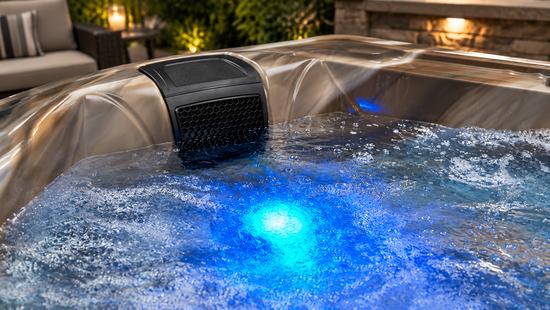
The unit’s bottom-positioned blue LED lighting, referred to in the manufacturer’s materials as a biomagnetic therapy system, is intended to support a calming atmosphere during use. Whether paired with a swim spa or used on its own, this kind of ambient lighting addresses the psychological side of recovery, which matters just as much as the physical side after intense training.
Swim spas and hydrotherapy tubs both require sustained heating, and that is where many buyers get an unpleasant surprise after purchase. A larger water volume takes longer to heat and holds heat longer once warm, which changes the daily running cost.
For reference, the BD-004 holds 1,450 liters of water and runs a 3kW heater alongside a 2.2kW massage pump and a 0.35kW filter pump. Swim spas, which typically hold several times that volume to accommodate a swim lane, need proportionally larger heating and filtration systems. Anyone comparing units side by side should ask for water capacity and heater wattage together, since one number without the other tells an incomplete story about running costs.
Water quality management is where the gap between a well-built unit and a poorly built one becomes obvious within the first few months. Chlorine-only systems demand frequent manual dosing and closer pH monitoring, especially in units that see daily use.
An ozone-based sanitization system, included with the BD-004 according to its specifications, is designed to support water circulation and reduce maintenance effort by supplementing the primary sanitizer. This does not eliminate the need for regular water testing, but it can lessen how often a user needs to intervene manually. For any pool-adjacent product, whether a swim spa or a hydrotherapy tub, asking about the sanitization method upfront saves considerable maintenance time later.
Deciding between a dedicated swim spa, a hydrotherapy tub, or both comes down to a short set of practical questions.
Working through these questions before comparing specific models keeps the decision grounded in actual use rather than in whichever unit has the longest feature list.
Can a hot tub with strong jets replace a swim spa for exercise?
Not reliably. Massage jets are positioned for stationary comfort, while swim spas use wall-mounted propulsion jets designed to generate a steady, directional current for continuous swimming.
Does a larger jet count mean a stronger swim current?
Not necessarily. Jet count affects massage coverage and intensity, but a swim current depends more on pump wattage and how jets are arranged across the swim wall.
How much does water capacity affect daily operating cost?
Significantly. Larger volumes take longer to heat and require more energy to maintain temperature, so heater wattage should always be checked alongside water capacity.
Is ozone sanitization enough on its own?
No. It works alongside, not in place of, a primary sanitizer, and routine water testing and periodic chemical balancing are still required.
The search for the best swim spa for swimming often leads buyers toward units that promise everything at once, fitness, relaxation, and therapy, in a single footprint. In practice, the strongest results come from matching equipment to a clearly defined purpose. A dedicated swim spa earns its place through pump strength and lane geometry, while a hydrotherapy tub like the BD-004 earns its place through jet placement, water sanitization, and recovery-focused design. Buyers who separate these goals before shopping tend to end up with equipment that actually fits how they plan to use it, rather than a compromise that does neither job particularly well.
Swim Spa With Hot Tub Cost: What Actually Drives the Price
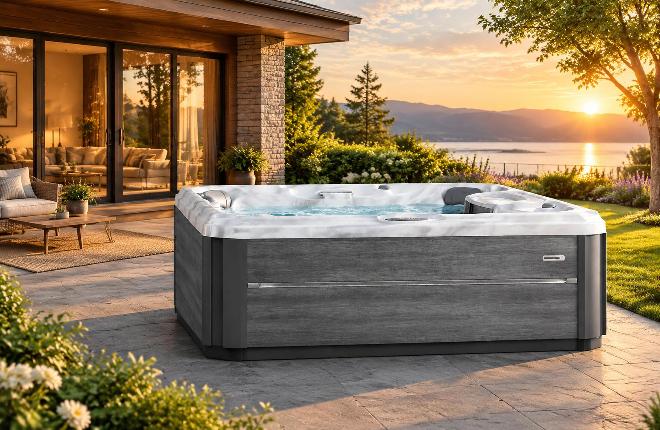
Anyone shopping for a swim spa with hot tub cost in mind quickly discovers the numbers swing wildly. One listing shows a compact unit under a few thousand dollars, another climbs past twenty grand, and neither price tag explains itself. The gap comes down to size, jet count, heating capacity, and how much of the build is engineered for daily use versus occasional dipping. Understanding those variables turns a confusing shopping process into a straightforward decision.
A hot tub built for three adults and a swim spa built for lap swimming are not the same category of purchase, even though both get lumped into spa pricing conversations. Capacity is the first cost driver, and it scales almost linearly with materials, water volume, and pump requirements.
Smaller hot tubs, sized for three to four adults, sit at the lower end because they use less acrylic, fewer jets, and a smaller heater. Larger models built for five or six people require reinforced shells, stronger circulation pumps, and heaters rated up to 3kW just to keep water temperature stable across a bigger volume. That jump in specification is where a big chunk of the price difference lives.
Jet count is often treated as a marketing number, but it correlates directly with plumbing complexity and pump sizing. According to product specifications, jet counts across models range from 16 jets in basic configurations up to 80 water jets in performance-oriented units. Each additional jet zone means more plumbing runs, more precise molding around seating positions, and a pump powerful enough to maintain pressure across the whole system.
Models positioned for targeted hydrotherapy typically add customizable air flow controls alongside water jets, letting users adjust intensity by seating position. That flexibility is genuinely useful for muscle recovery, but it is also a manufacturing step that shows up in the final price. Buyers who mainly want a warm soak, without therapeutic-grade massage, can reasonably skip the highest jet counts and save money without losing the core experience.
Ozone sanitization systems are common in mid-to-upper tier spas, and they matter more than their price tag suggests. Ozone helps break down organic contaminants and reduces the chemical load needed to keep water clear, which lowers ongoing maintenance costs even if it adds slightly to the upfront price.
Buyers comparing a swim spa with hot tub cost across brands should treat sanitization as a long-term expense question, not just an initial one. A unit without efficient sanitization tends to demand more frequent chemical dosing and filter changes, and those costs accumulate over years of ownership. It is one of the few upgrades that pays for itself gradually rather than sitting as a sunk cost.
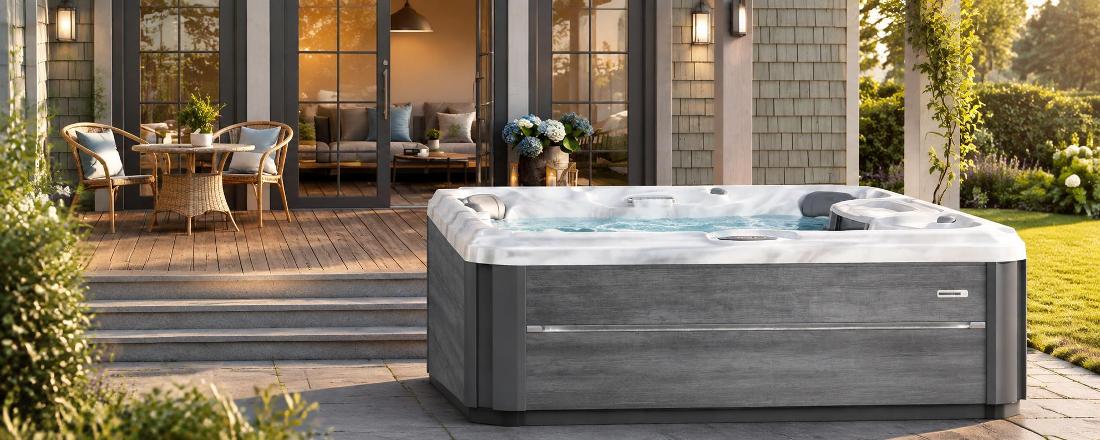
Dimensions matter more than most buyers expect before they start measuring their deck or patio. Compact hot tubs can start around 1870 x 1330 x 800mm, fitting into a modest backyard corner or a balcony. Larger six-person units stretch to roughly 2530 x 2300 x 900mm, which changes the installation math entirely.
Before comparing prices, it helps to walk through a short sequence of decisions:
Skipping this sequence is how buyers end up either overpaying for unused capacity or underestimating installation costs that show up after the unit arrives.
Specification sheets are the most honest way to compare spa pricing, because they strip away branding language and show what you are actually paying for.
| Feature | Compact Model | Mid-Size Model | Large Family Model |
|---|---|---|---|
| Capacity | 3 adults | 4-5 adults | 6 adults |
| Approx. Dimensions | 1870x1330x800mm | 2100x1900x850mm | 2530x2300x900mm |
| Jet Count | 16 jets | 30-42 jets | Up to 80 jets |
| Heater Rating | 2kW | 2.5kW | 3kW |
| Sanitization | Basic filtration | Ozone system | Ozone system |
This kind of table is worth building for any two or three units you are seriously comparing. It exposes whether a lower price reflects genuinely lower specification, or whether one retailer is simply pricing more aggressively for the same build.
Some additions change the experience meaningfully and justify their cost, while others are closer to optional luxury. Integrated LED lighting and audio systems fall into the latter category for most buyers. They create a noticeably more immersive evening soak, but they do not affect water quality, structural durability, or therapeutic value.
On the other hand, robust construction elements, reliable heaters, durable acrylic shells, and properly rated pumps, are not optional extras. They determine how long the unit lasts under regular use. A spa priced well below comparable units often cuts corners here first, since these components are invisible until something fails two or three years into ownership.
A backyard hot tub used by one household several times a week has very different duty-cycle demands than a unit installed at a hotel, wellness center, or rehabilitation facility. Commercial settings run pumps and heaters far more hours per day, so component durability becomes the dominant cost factor rather than aesthetic features.
For residential buyers, application scenarios like villa backyards, courtyards, or home therapeutic recovery generally allow for a mid-range specification without sacrificing daily comfort. Commercial buyers, including hotels, fitness centers, and physiotherapy centers, tend to need the higher-durability tier regardless of price, because downtime for repairs is far more costly than the upfront specification difference. For us, this distinction shapes which configuration we recommend to each type of buyer rather than pushing a single default option.
Does a higher jet count always mean better value?
Not necessarily. Jet count should match how the spa will be used. A household focused on relaxation may get little benefit from 80 jets compared to 30, while someone using the spa for muscle recovery after physical activity may find the extra zones genuinely useful.
Why do two similarly sized spas have different prices?
The difference usually comes from heater rating, pump quality, jet configuration, and sanitization method. Two units can look identical in outer dimensions while differing substantially in what is built underneath the shell.
Is ozone sanitization worth the added cost?
For most owners, yes, since it reduces chemical maintenance over time. Buyers who prioritize the lowest possible upfront price sometimes skip it, but should expect higher recurring maintenance costs as a tradeoff.
How much does capacity affect long-term running cost?
Larger units with bigger heaters and more jets consume more electricity and require more water treatment, so a six-person spa will generally cost more to run than a three-person unit, independent of purchase price.
The real question behind swim spa with hot tub cost comparisons is not which unit is cheapest, but which specification matches actual usage. A couple using the spa for evening relaxation has different needs than a family of six or a boutique hotel adding a wellness amenity.
Buyers who measure their space, define their seating needs honestly, and treat jet count and sanitization as functional decisions rather than marketing checkboxes tend to land on a price that reflects real value. That approach, more than chasing the lowest number on a listing, is what keeps a swim spa with hot tub cost decision from turning into an expensive mismatch a year down the line.
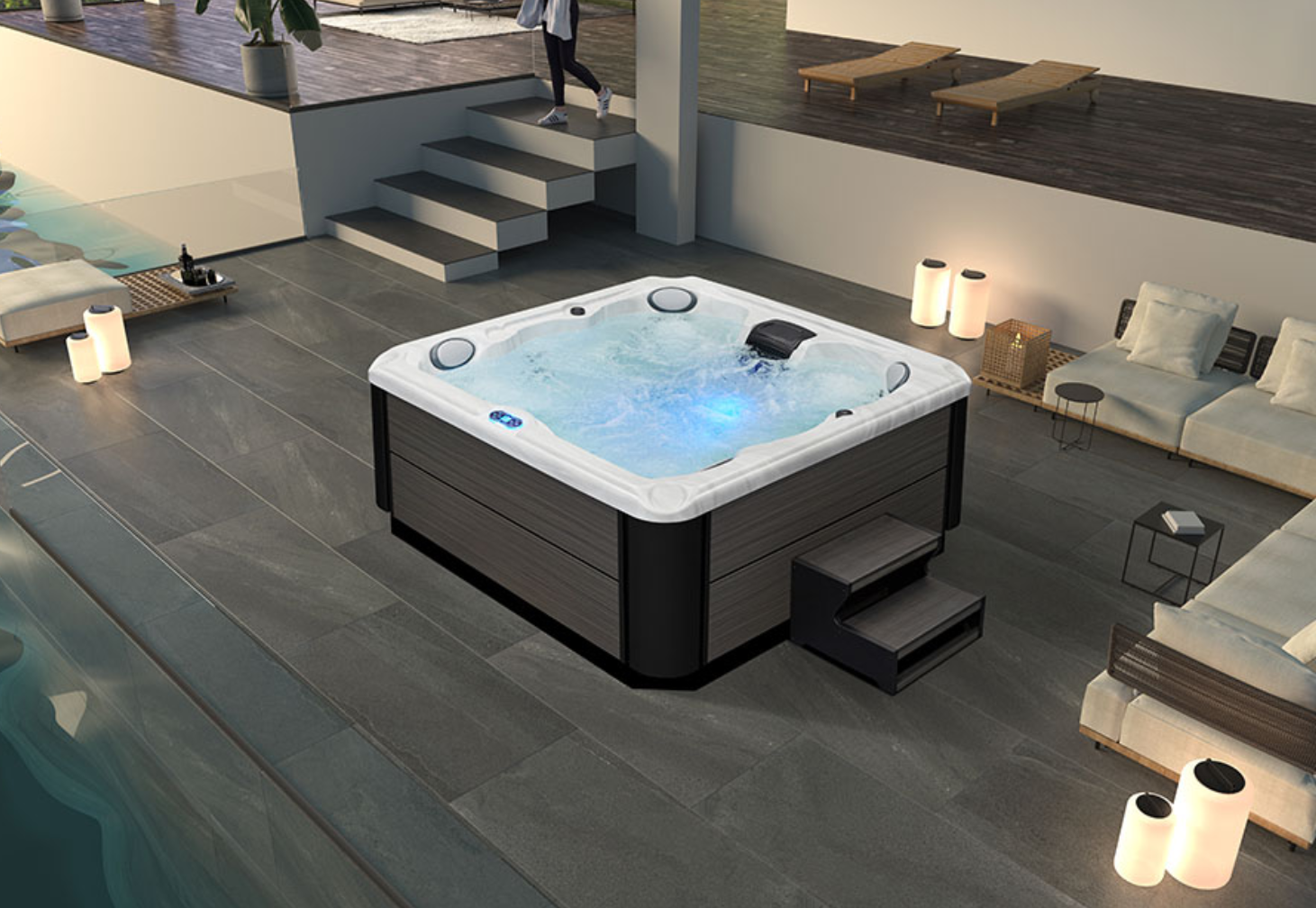
How Modern Hot Tubs Are Transforming Outdoor Leisure and Wellness Spaces
Outdoor living has evolved beyond simple patios, gardens, and swimming pools. Today, homeowners, hotels, resorts, and property developers are creating dedicated spaces for relaxation, wellness, and social activities. Among these additions, hot tubs have become an attractive option because they combine warm-water comfort with a convenient outdoor leisure experience.
From spacious installations designed for group relaxation to compact solutions for private retreats, modern hot tubs can be adapted to a wide range of environments. With the support of an experienced hot tub supplier, buyers can also explore different materials, configurations, heating technologies, and design options to create a more personalized experience.
The role of a hot tub supplier extends beyond manufacturing and delivering a finished product. For residential developments, hotels, resorts, and wellness projects, suppliers can contribute to product selection, technical planning, customization, and installation support.
Modern hot tubs may include advanced heating systems, massage jets, water filtration, LED lighting, digital controls, insulated shells, and energy-saving features. The combination of these components can significantly influence comfort and operating performance.
For commercial projects, consistency is especially important. Hotels and resorts may need multiple units with similar specifications and appearance, while property developers may require customized dimensions or finishes to match a particular architectural concept.
A professional supplier can also help buyers understand technical requirements before installation. Electrical capacity, water treatment, drainage, foundation preparation, equipment access, and ventilation should all be considered during project planning.
After-sales support is another factor that should not be overlooked. Replacement components, maintenance guidance, warranty service, and technical assistance can help keep hot tubs operating efficiently over the long term.
Therefore, choosing a reliable supplier can contribute to the overall success of a wellness or outdoor leisure project rather than simply determining where the equipment is purchased.
Outdoor relaxation is often a social activity, especially in hotels, resorts, villas, and private residences where people want to spend quality time together. Large hot tubs can support this type of experience by providing generous seating and enough space for families, friends, or guests.
A spacious hot tub can become the focal point of an outdoor entertainment area. When combined with comfortable lounge furniture, outdoor lighting, landscaping, and privacy features, it can create an environment suitable for evening gatherings or weekend relaxation.
In hospitality settings, large hot tubs can also increase the appeal of premium accommodation. A private spa area attached to a villa, suite, or vacation rental can provide an additional recreational feature without requiring the extensive space associated with a traditional swimming pool.
The internal configuration is another important consideration. Different seating layouts can create different experiences. Some designs prioritize upright massage seats, while others include lounge positions for users who prefer a more relaxed posture.
Large hot tubs may also support different hydrotherapy experiences through strategically positioned jets. Water pressure, jet placement, seating angles, and temperature control can all affect how comfortable the user feels.
For commercial applications, durability and ease of maintenance become particularly important because the equipment may be used more frequently than a residential unit.
Not every hot tub needs to serve a large group. A small hot tub pool can be designed around personal comfort and quiet relaxation rather than maximum capacity.
For couples or individuals, a compact spa can create a private wellness area where users can unwind after work, enjoy warm water during cooler evenings, or simply take a break from their daily routines.
The smaller format can also encourage more thoughtful outdoor design. Instead of making the hot tub the only feature in the area, homeowners can combine it with plants, wooden decking, comfortable seating, ambient lighting, and decorative screens.
This creates a complete relaxation environment rather than simply placing a spa in an empty outdoor space.
Small hot tub pool models can also be attractive for vacation properties. Owners of short-term rental homes can use compact hot tubs as an additional amenity that makes an outdoor area more appealing to guests.
From a maintenance perspective, a smaller water volume may also be easier to manage, although actual energy and maintenance requirements depend on the equipment, insulation, usage frequency, climate, and water treatment system.
The goal should be to create a balanced installation that delivers comfort without unnecessary complexity.
A mini outdoor hot tub takes the concept of personal wellness even further by focusing on compact design and efficient use of space.
Small terraces, private gardens, balconies with suitable structural support, and compact courtyards may have limited room for large recreational equipment. A mini hot tub can provide an opportunity to introduce a spa experience without completely redesigning the surrounding area.
Design plays an important role in these applications. A compact unit can be integrated into a modern outdoor environment using natural materials, privacy screens, pergolas, or minimalist landscaping.
Weather protection should also be considered. Outdoor hot tubs are exposed to sunlight, rain, wind, and seasonal temperature changes, so appropriate covers and durable exterior materials can help protect the equipment when it is not being used.
For property developers, compact hot tubs may also provide creative options for premium apartments, boutique accommodation, and private outdoor suites. A carefully designed mini outdoor hot tub can add a sense of exclusivity without requiring the footprint of a conventional pool.
Beyond size and appearance, modern hot tubs are increasingly designed around the complete user experience. Heating systems provide consistent water temperature, while massage jets can create different water-flow experiences for various seating positions.
Lighting can also change the atmosphere of an outdoor spa area. Integrated LED systems may provide soft illumination during evening use while contributing to the overall visual design.
Insulation is another important component. A well-insulated hot tub can help reduce heat loss, particularly when combined with an appropriate thermal cover. This can support more efficient operation and help maintain water temperature between uses.
Water filtration and circulation systems are equally important. Maintaining clean and properly treated water improves hygiene and helps protect internal components.
Smart controls are becoming another useful feature. Depending on the product, users may be able to adjust temperature, lighting, jets, or filtration settings through a control panel or connected system.
These features demonstrate that a modern hot tub is more than a heated water container. It is a complete leisure system that combines comfort, technology, design, and wellness.
The growing popularity of outdoor wellness reflects a broader shift toward making residential and commercial spaces more comfortable and enjoyable. A well-designed hot tub can provide a dedicated area for relaxation while also adding value to gardens, terraces, villas, hotels, and resorts.
Large hot tubs can encourage social interaction, while a small hot tub pool may be better suited to personal relaxation. A mini outdoor hot tub can bring similar comfort to compact environments, offering flexibility for properties with limited space.
Behind each successful installation, the right product specifications and technical support are essential. An experienced hot tub supplier can help buyers evaluate construction, features, customization, installation requirements, and long-term maintenance.
Whether the goal is to create a private backyard retreat, a luxury hospitality facility, or a modern wellness area, the right hot tub can turn an ordinary outdoor environment into a more inviting destination for relaxation and everyday enjoyment.
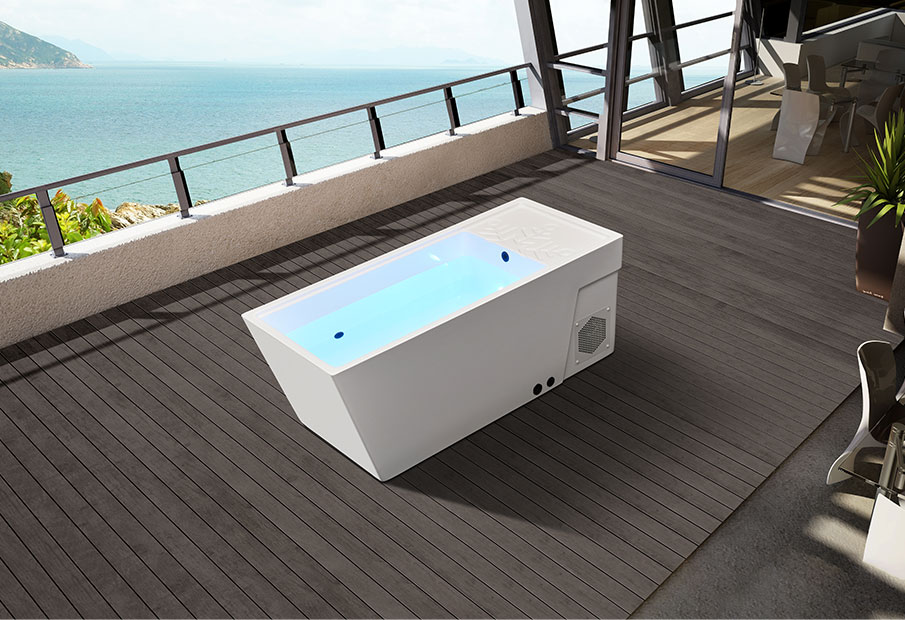
All in design, plug and play, Snowflake pattern, Include filter, circuitpump, Ozone, Ice-blue underwater light, and high-effciency Chilling system.
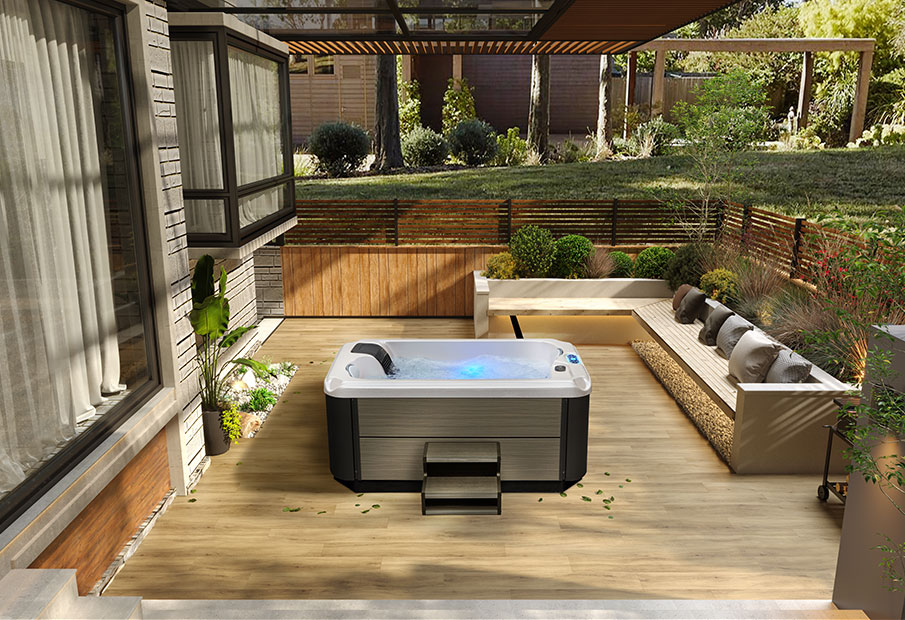
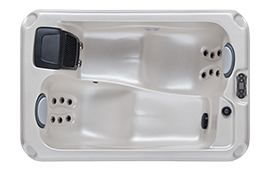
The Fspa BD-016 Hot Tub, designed for 2 adults, offers luxurious comfort with a spacious interior, powerful 1.5kW massage pump, 0.35kW filter pump, 2kW heater, customizable water flow with 14 jets, ozone sanitation, LED lighting, comfortable pillows, and a total power of 3.85kW, providing a tranquil escape for ultimate relaxation.
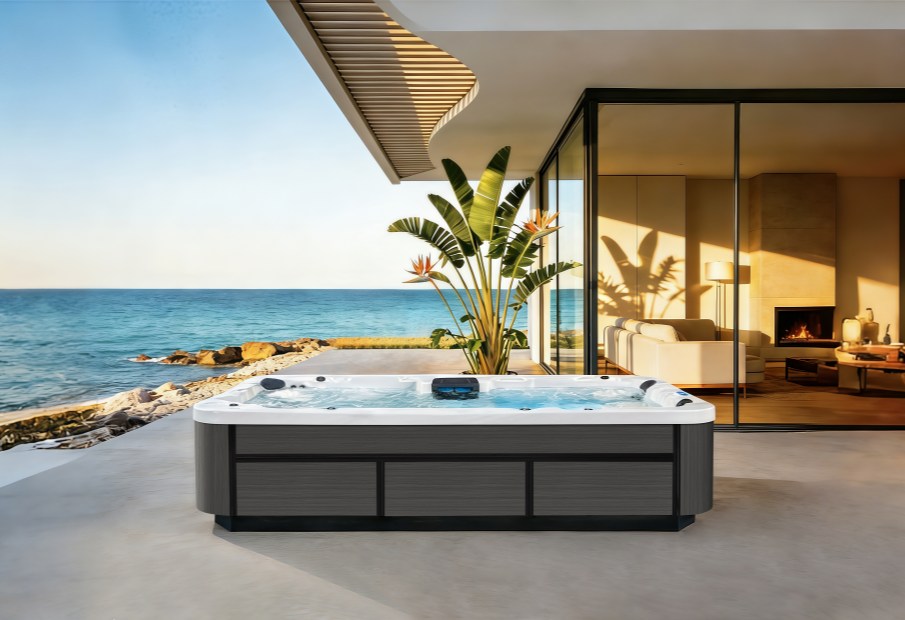
The Fspa BD-020 Hot Tub, designed for 5 adults with spacious dimensions and powered by a 4.85kW system, includes a 1.5kW massage pump, 0.35kW filter pump, 3kW heater, 28 customizable water jets, LED lighting, an ozone sanitation system, and easy maintenance features, providing unparalleled relaxation and comfort.
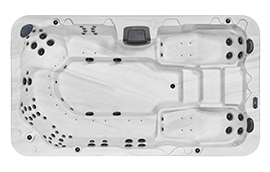
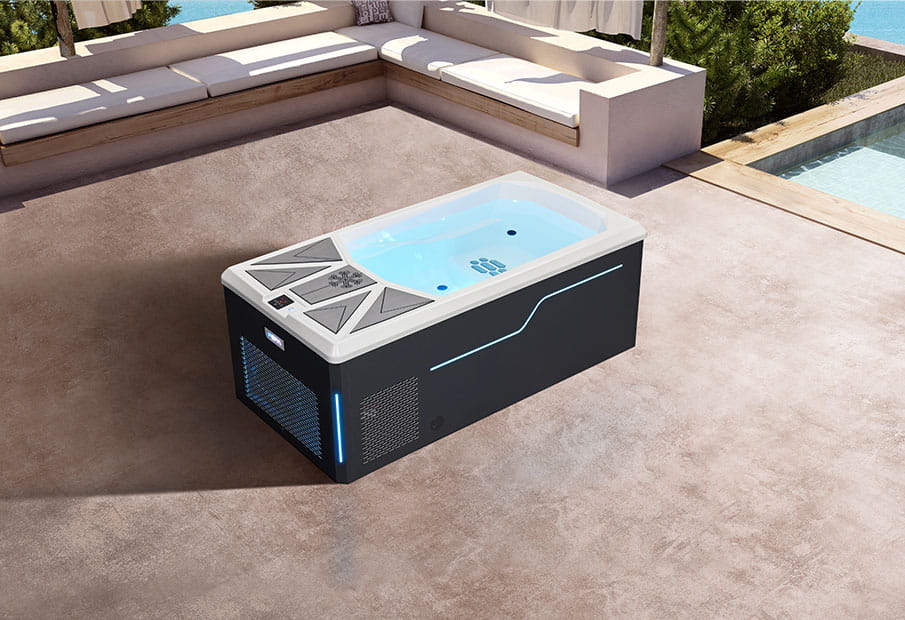
All in one design, plug and play, snowflake pattern, Welcome lights up as you approach Include filter, circuit pump, Ozone, Ice-blue underwater light, and high-efficiency chilling system.
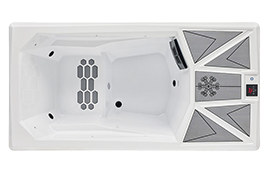
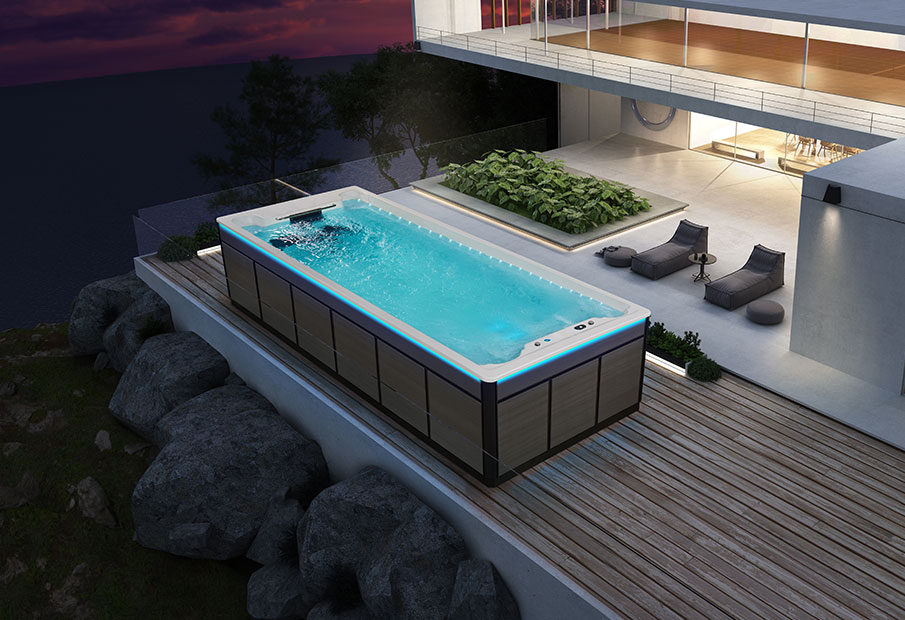
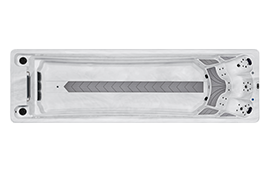
The Infinipool Fspa IP-005Pro is a state-of-the-art, spacious hot tub with advanced features, offering an unparalleled spa retreat for residential and commercial use.
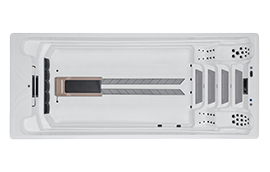
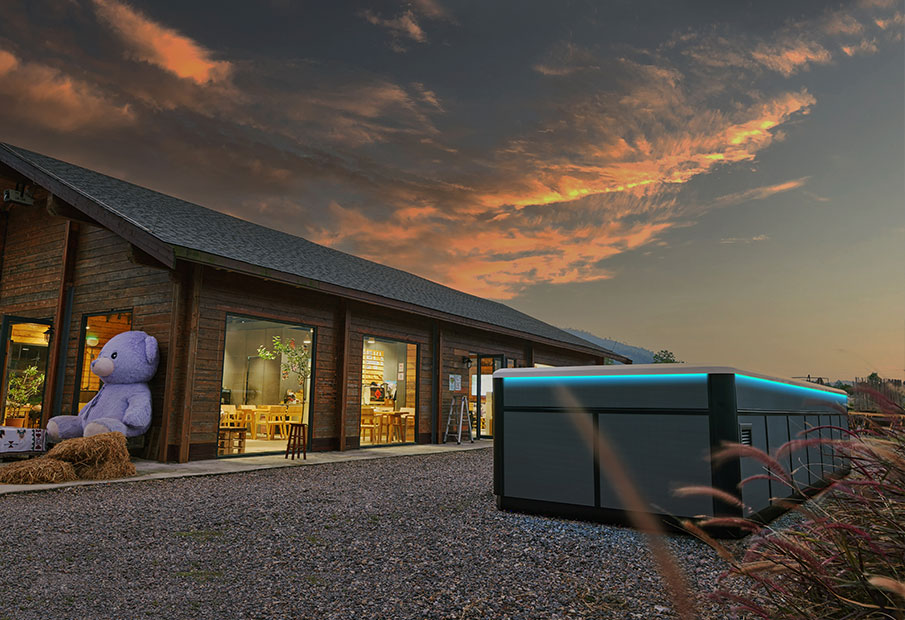
The Infinipool Fspa IP-004Pro is a luxurious, spacious hot tub with advanced features and a luxurious ambiance, perfect for both residential and commercial spa retreats.
PRODUCTS
INQUIRY
Thank you for your message!Our Chinese New Year holiday from 7th Feb to 28th Feb. Apologise to make your inconvenience so that responses may be delayed during this period. We'll back to you with regular service on 2th March .Thank you for understanding.


