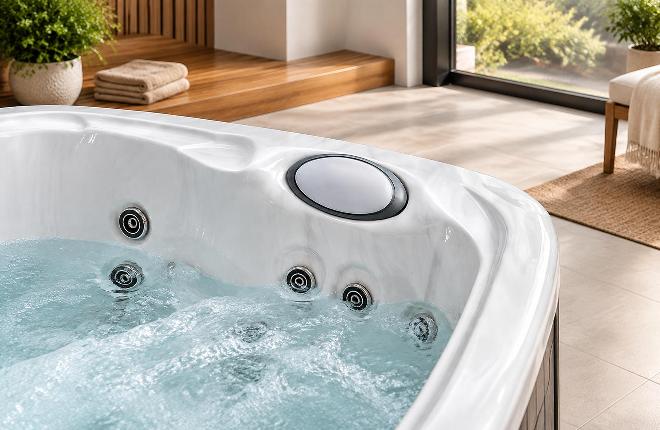
A small plunge bath solves a specific problem: you want the hydrotherapy and relaxation benefits of a spa without dedicating a huge footprint or budget to it. Many homeowners assume a compact soak means giving up features, but that trade-off is smaller than it used to be. This guide walks through what actually matters when comparing models, how sizing affects real-world use, and where the technology has landed for anyone shopping in this category.
Most people searching for a small plunge bath aren’t chasing a trend. They’re working with a balcony, a narrow side yard, or a hotel courtyard where every square meter counts. The math is straightforward: a unit that occupies less area frees up room for seating, landscaping, or simply walking around the deck without bumping into a shell edge.
Water consumption follows the same logic. A smaller basin holds less water, which means lower fill costs and less energy spent heating it back up after a drain and refill. For a backyard oasis or an indoor balcony conversion, that efficiency isn’t a minor perk, it’s often the deciding factor between "yes, we can fit this" and "we’ll need to renovate first."
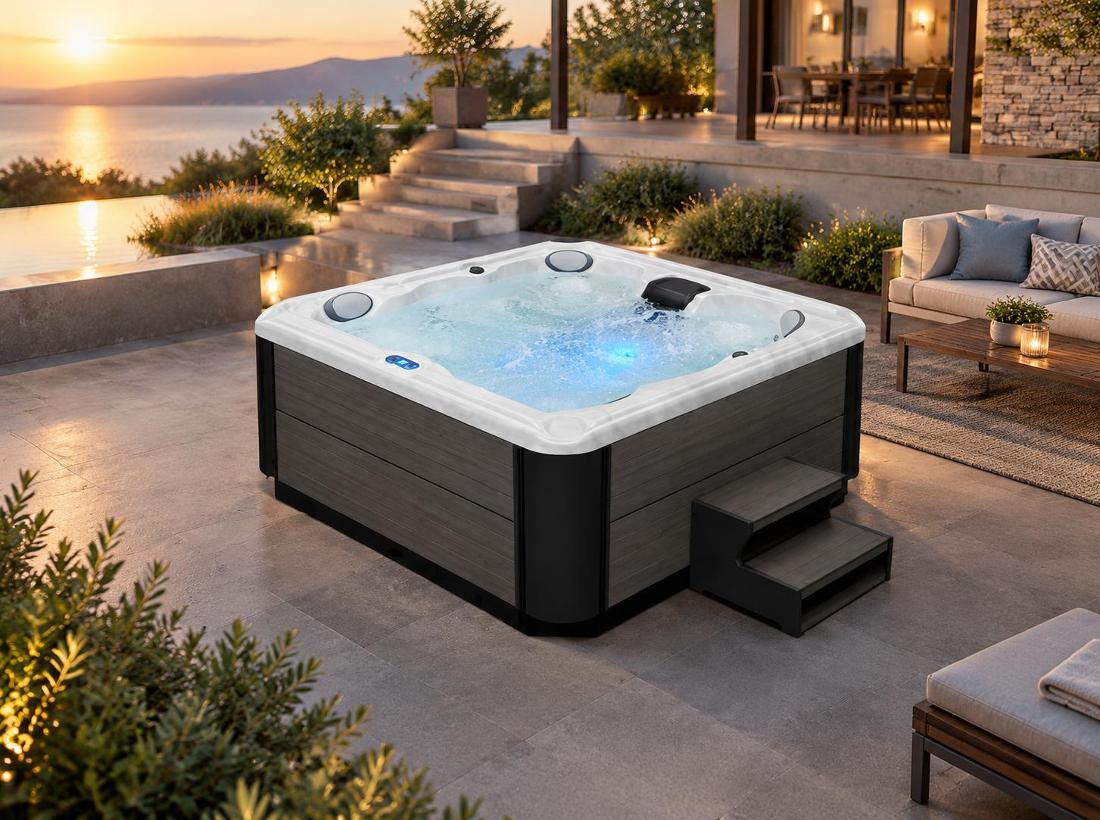
There’s no single industry-wide cutoff for a plunge bath’s dimensions, but the practical range for compact spa pools tends to sit well under the footprint of a full-size swim spa. A unit like the BD-001, at 2100x2100x900mm, sits toward the upper end of what’s still considered space-efficient while comfortably seating six adults according to the manufacturer’s specifications. That’s the balance most buyers are actually after: not the smallest possible tub, but the smallest one that still fits their household or guest count.
Water capacity matters here too. The BD-001 holds around 1000 liters, which is modest compared to a large multi-person swim spa but still enough for a proper hydrotherapy session with room to move your shoulders and legs.
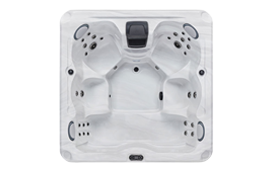
Jet count and pump power get thrown around a lot in product listings, but they only mean something in context. Jet placement across a compact shell can matter as much as total jet count when it comes to how concentrated the pressure feels at each seat. According to the manufacturer’s specifications, the BD-001 uses 31 jets powered by a 2.2kW massage pump, arranged in ergonomic patterns aimed at the back and shoulders.
That’s worth noting because back and shoulder tension is the most common reason people buy a spa in the first place, not general soaking. If your priority is targeted muscle relief rather than a passive warm bath, jet placement matters more than raw jet count.
Shopping by spec sheet alone misses a lot. Comfort in a plunge bath comes down to details that don’t show up in a table:
The BD-001, for example, includes four molded headrests and a marble-effect acrylic shell, paired with blue LED lighting built into the base for ambient illumination during evening use.
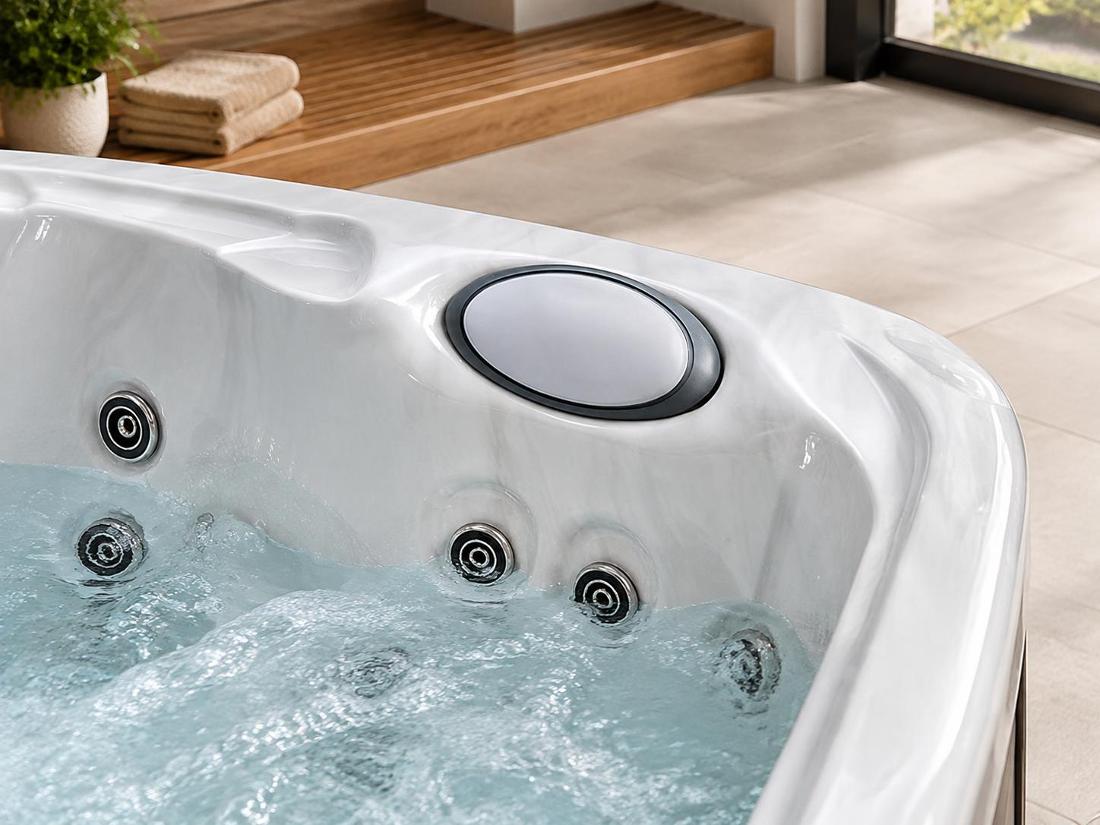
A spa is only as convenient as its control panel. Digital panels with backlit displays let you adjust temperature and pump settings without guessing in the dark, which sounds minor until you’re standing outside in winter trying to read a faded dial. The BD-001’s control interface sits on the rim with a blue backlit display, positioned within reach of the seating area rather than tucked into a side cabinet.
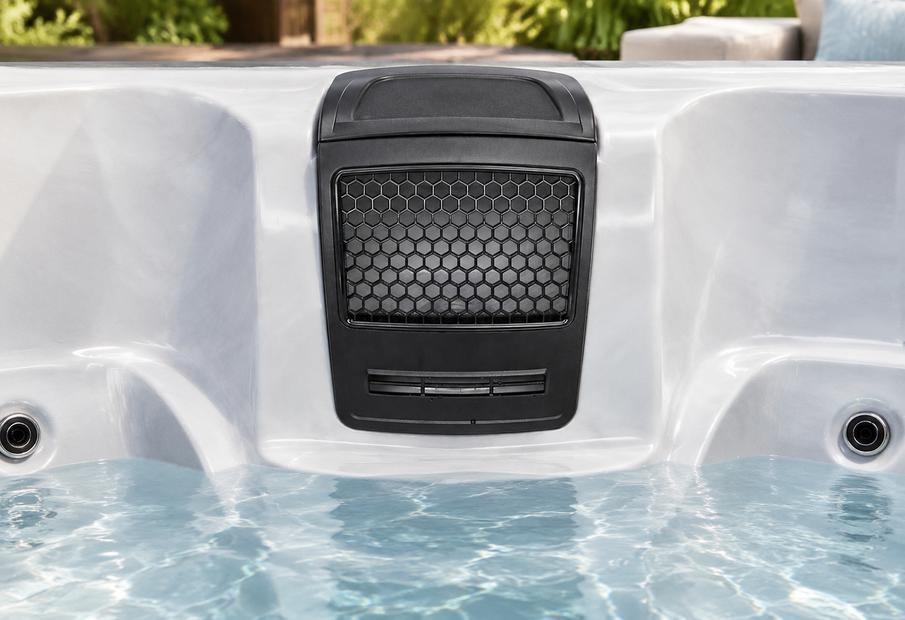
Filtration is the less glamorous half of the equation, but it’s the part that determines how much maintenance you’ll actually do. Per the product specifications, the BD-001 pairs a dedicated filter pump with an ozone system, which the manufacturer states helps keep water clean and reduces reliance on manual chemical dosing. On the BD-001, this comes from a 0.35kW filter pump working alongside the ozone unit, which keeps the water cycling even when the massage jets aren’t running.
When you’re lining up options from different suppliers, it helps to look at the numbers side by side rather than trusting marketing copy. Here’s how the BD-001’s specifications break down as a reference point for what a mid-size compact spa typically offers:
| Specification | Detail |
|---|---|
| Dimensions | 2100 x 2100 x 900mm |
| Seating Capacity | 6 adults |
| Water Capacity | 1000L |
| Net Weight | 268kg |
| Total Power Draw | 5.55kW |
| Massage Pump | 2.2kW |
| Filter Pump | 0.35kW |
| Heater | 3kW |
| Jet Count | 31 |
| Certifications | CE, CTUVus, CB, SAA |
Total power draw is worth flagging to an electrician before installation, since 5.55kW combined load needs to match your circuit capacity rather than being an afterthought.
Plunge baths in this size range show up in a wider variety of settings than people expect. A hotel might install one on an outdoor terrace to give guests a private, high-end retreat without committing space to a full pool. Residential buyers often place a similar unit on an indoor balcony, turning an underused corner of an apartment into a wellness space that doesn’t require stepping outside.
Backyard installations remain the most common scenario, though, largely because a compact footprint means the tub can sit on an existing patio slab without major structural work. For rehabilitation centers and physiotherapy practices, the same compact hydrotherapy setup is used clinically, though those settings generally pair it with professional oversight rather than casual use.
Narrowing down options gets easier once you rank your priorities instead of trying to optimize for everything at once. A practical sequence looks like this:
Skipping the electrical step is the most common mistake. A beautiful compact spa that trips your breaker every time the heater kicks in isn’t actually saving anyone time or hassle.
Does a smaller plunge bath mean weaker hydrotherapy?
Not necessarily. Jet placement and pump power matter more than shell size. A well-designed compact unit can deliver targeted pressure comparable to larger models, particularly for back and shoulder-focused sessions.
How much water does a compact spa typically hold?
It varies by model, but units in this size class often hold somewhere around 1000 liters, noticeably less than a full swim spa, which keeps fill time and heating costs down.
Can a small plunge bath be installed indoors?
Yes, provided the space has adequate ventilation, a proper drainage plan, and flooring rated to handle the unit’s filled weight. Indoor balconies are a common placement for this reason.
What certifications should I check before buying?
Look for regional electrical safety marks like CE, CB, or SAA, along with product-specific testing marks such as CTUVus where applicable to your country’s import requirements.
Choosing a small plunge bath isn’t about settling for less, it’s about matching the unit to how you’ll actually use the space around it. A compact footprint, moderate water capacity, and a well-placed jet system can deliver the same relief a larger spa promises, just without the excess water, energy draw, or wasted deck space. Focus on seating count, electrical load, and filtration needs first, and the right small plunge bath for your patio, balcony, or hotel terrace becomes a much easier call.
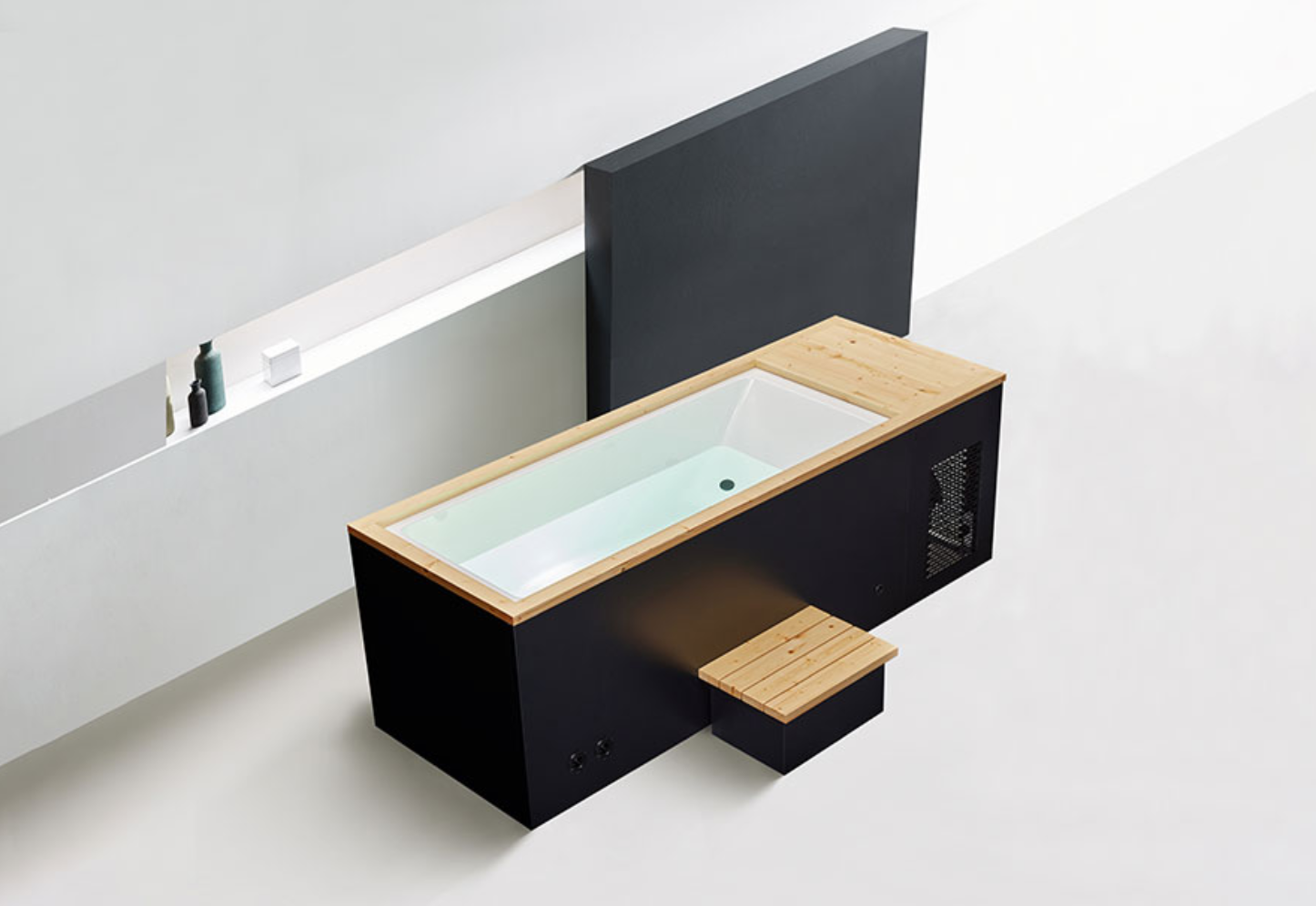
Rectangle Cold Plunge vs. Round Cold Plunge: Which Shape Is Right for Your Home?
Cold plunging has officially gone mainstream. Once reserved for elite athletes and hardcore wellness enthusiasts, cold water immersion is now a staple in home gyms, backyards, and even apartment bathrooms . But before you take the plunge, one of the most important decisions you will face is choosing the right shape for your space and body type. Should you go with a rectangle cold plunge for that sleek, modern look? Or does a round cold plunge better suit your needs?
This guide breaks down everything you need to know about the key differences between rectangular and round cold plunge tubs, from comfort and fit to performance and budget. Whether you are a seasoned athlete or a curious beginner, understanding these distinctions will help you find the perfect cold plunge for your home wellness routine.
Understanding the Different Types of Cold Plunge Systems
Before diving into the shape debate, it helps to understand the broader categories of cold plunge systems available today. The shape of your tub often correlates with its type and intended use.
All-in-One Chiller Systems
These are purpose-built tubs that arrive with integrated cooling, filtration, sanitation, and often app-based temperature control . Models like the Plunge All-In are considered the gold standard, maintaining temperatures as low as 39°F with minimal maintenance . These premium systems often come in rectangular or square designs and are built for daily, set-and-forget use . The global cold plunge tub market was valued at $354.6 million in 2025 and is projected to reach $659.9 million by 2033, reflecting the booming demand for these sophisticated home systems .
Manual Ice Tubs
On the more affordable end, manual ice tubs are simple vessels—often round or rectangular—that require you to add ice before each session . While they lack the convenience of a chiller, they are an excellent entry point for those testing their commitment to cold therapy. Inflatable round models are particularly popular for their portability and low cost .
Retrofit Systems
A third option is a retrofit system, which adds a chiller and filtration to an existing bathtub . This approach reuses the tub shape you already have, but dedicated tubs offer a more tailored cold plunge experience.
Rectangle Cold Plunge: Sleek Design and Full-Body Immersion
If you are drawn to modern aesthetics and want a spa-like experience, a rectangle cold plunge is often the top choice. Rectangular tubs mimic the shape of a standard bathtub, allowing you to stretch out fully during your session.
Comfort and Legroom
The primary advantage of a rectangular design is the generous legroom. Because you can extend your legs straight, a rectangle cold plunge is ideal for taller users or anyone who prefers a horizontal, fully submerged posture . Premium rectangular models like The Plunge are built with acrylic and fiberglass and are designed to fit users up to 6’8″ . Many also feature continuous water circulation and built-in filtration systems, making them suitable for year-round outdoor use .
Performance and Maintenance
High-end rectangular cold plunge systems typically come with powerful chillers, ozone sanitizers, and multi-stage filtration. This means the water stays clean for weeks with minimal effort—just occasional filter cleaning and water testing . The integrated chiller holds the temperature within ±1°F of your target, allowing for consistent recovery protocols . The sleek design and durable materials, such as UV-resistant acrylic, make a rectangle cold plunge a long-term investment in your wellness space.
Round Cold Plunge: Compact Footprint and Portability
On the other hand, a round cold plunge offers distinct advantages for those with limited space or a desire for portability. Round tubs are often more compact, making them a better fit for smaller backyards, patios, or indoor corners.
Space-Saving Design
The circular shape provides a generous water capacity within a smaller footprint. Inflatable round models are especially popular for beginners; they set up in minutes, store easily, and often cost under $600 . The RelaxCube portable ice bath, for example, offers a 116-gallon capacity with a collapsible, lightweight design that you can take to the gym or on camping trips . Its 4-layer insulation system helps maintain cold temperatures even in 90°F heat .
Ergonomics for Shorter Users
While a round cold plunge lacks the full leg extension of a rectangle, it can be more ergonomic for shorter individuals. The curved walls allow you to sit in a more natural, upright position with knees bent comfortably. However, taller users may find that a round tub forces them to tuck their knees inward, which can become uncomfortable over time .
Consider the Octagonal Alternative
Some brands have introduced octagonal shapes as a middle ground. The Freestanding Cold Pod Octagon, for example, uses eight flat panels to create a wider “corner-to-corner” diagonal (44 inches) compared to a standard 60-inch round tub, offering better legroom for users up to 6’5″ . The flat-panel geometry also provides a more comfortable shoulder span for athletic builds .
Rectangle vs. Round Cold Plunge: Which One Should You Choose?
The decision ultimately comes down to your priorities: space, budget, and body type.
Choose a rectangle cold plunge if: You have the floor space, want a permanent installation, value full-body immersion, and are willing to invest in a premium system with integrated chilling and filtration . This is the choice for serious recovery enthusiasts who want set-and-forget convenience.
Choose a round cold plunge if: You are looking for portability, have a limited budget, want to test cold plunging before committing to a larger investment, or need something that stores easily . Round inflatable models are perfect for summer outdoor use and casual wellness seekers.
Consider a retrofit or manual option if: You already have a suitable bathtub and want a more affordable upgrade, or you are disciplined enough to manage ice logistics .
Health Benefits and Safety Considerations for Your Cold Plunge
Regardless of the shape you choose, regular cold plunge sessions offer a range of potential health benefits. According to experts at Cleveland Clinic, cold-water immersion can help ease sore muscles, reduce core body temperature after exercise, and even improve focus and sleep quality . Some studies also suggest that cold exposure may support immune function . As sports medicine physician Dr. Dominic King notes, “Some people get physical, mental and functional benefits from this kind of cold therapy” .
However, always consult your doctor before starting. Cold plunging is not recommended for individuals with high blood pressure, cardiovascular disease, or those who are pregnant . Experts recommend starting with short sessions of 30 seconds to a few minutes and gradually building tolerance . Avoid staying submerged longer than 10-15 minutes to prevent hypothermia . When you exit, warm up gradually with dry clothes and a warm drink, rather than jumping into a hot shower immediately .
Final Thoughts: Take the Cold Plunge with Confidence
Investing in a cold plunge is an investment in your physical recovery and mental resilience. Whether you choose a sleek rectangle cold plunge for a permanent home spa setup or a portable round cold plunge to test the waters, the key is to find a system that fits your space, budget, and routine. With the right choice, you can enjoy the invigorating benefits of cold therapy—reduced inflammation, better sleep, and a daily boost in energy—right in the comfort of your own home .
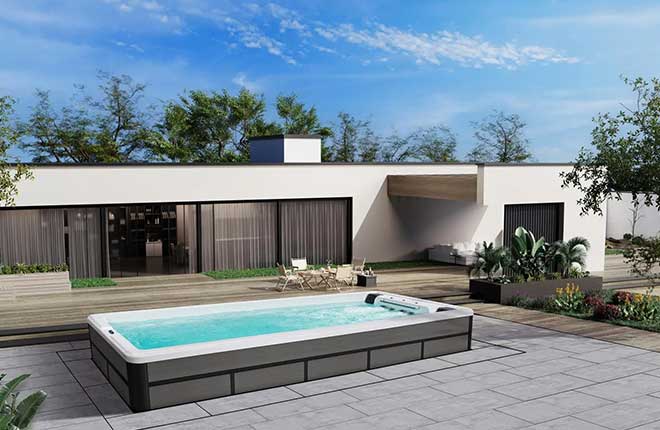
Decoding The Mystery of Outdoor Swim Spas
Swim spas, those intriguing hybrids of swimming pools and hot tubs, often evoke curiosity and questions from the uninitiated. Here’s a humorous take on some quirky questions and their official answers from those in the know:
Q: “So, it’s like a mini swimming pool for giants, right?”
A: “Not exactly! Swim spas are compact pools designed for aquatic exercise and relaxation. They are longer than regular hot tubs but smaller than swimming pools, catering to both swimming and hydrotherapy.”
Q: “Can I use it as a normal bathtub?”
A: “While you technically could, it might be a tad overkill for your evening soak. Swim spas are optimized for fitness and wellness activities, with powerful jets for hydrotherapy and ample space for swimming against a current.”
Q: “Do I need to fill it up with hot water every time I want to swim?”
A: “No need to worry! Swim spas are usually kept at a comfortable temperature year-round. They’re designed for efficiency, with spa covers to retain heat and reduce energy consumption.”
Q: “Is it safe to use outdoors during winter?”
A: “Absolutely! Most swim spas are built to withstand various weather conditions. They’re equipped with robust insulation and heater systems, making them usable even in colder climates. Just imagine a warm swim under the stars!”
Q: “Can I put fish in it, like a giant fish tank?”
A: “That’s an interesting idea, but swim spas are not designed to house marine life. They’re meant for human enjoyment and health benefits, combining the best of swimming pools and hot tubs in one versatile package.”
Q: “Can I use it for scuba diving practice?”
A: “Not quite. Swim spas are shallow compared to regular pools and are primarily for swimming against a current rather than diving. They’re ideal for stationary swimming, aquatic workouts, and relaxing hydrotherapy sessions.”
In conclusion, swim spas are a unique blend of functionality and luxury, perfect for those seeking the benefits of both swimming and hydrotherapy without the space and maintenance demands of a traditional pool. Whether you’re looking to swim laps, soothe sore muscles, or simply relax outdoors, a swim spa could be the perfect addition to your home. If you are interested in it, you can contact us here.
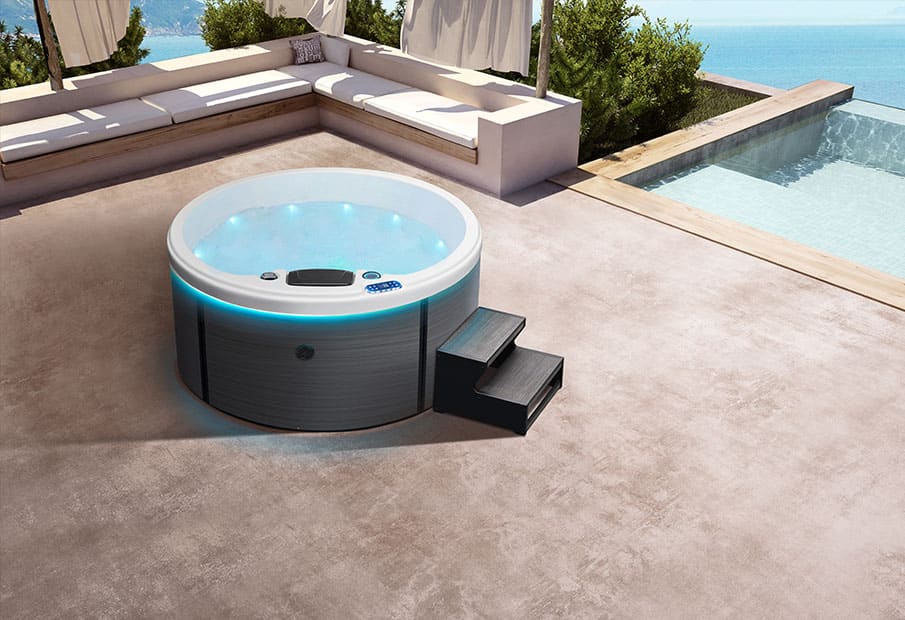
The Fspa BD-018Pro Hot Tub is a stylish, spacious spa for 5 adults, featuring a powerful massage system, modern amenities, and an advanced filtration system for a luxurious, relaxing, and healthy indoor/outdoor retreat.
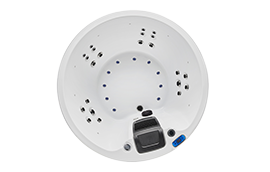
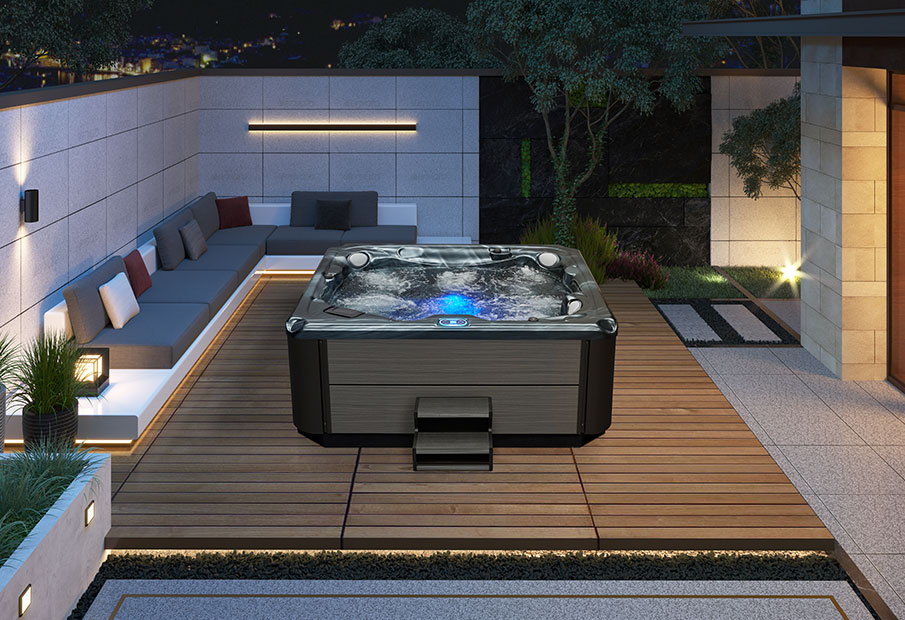
The Fspa BD-005 hot tub, accommodating 6 adults with advanced features including a 2.2kW massage pump, 0.35kW filter pump, 3kW heater, 42 jets, and ozone purification, offers ultimate relaxation in a spacious 2530x2300x900mm pool.
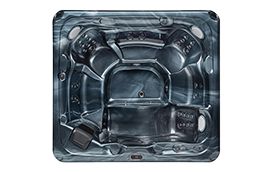
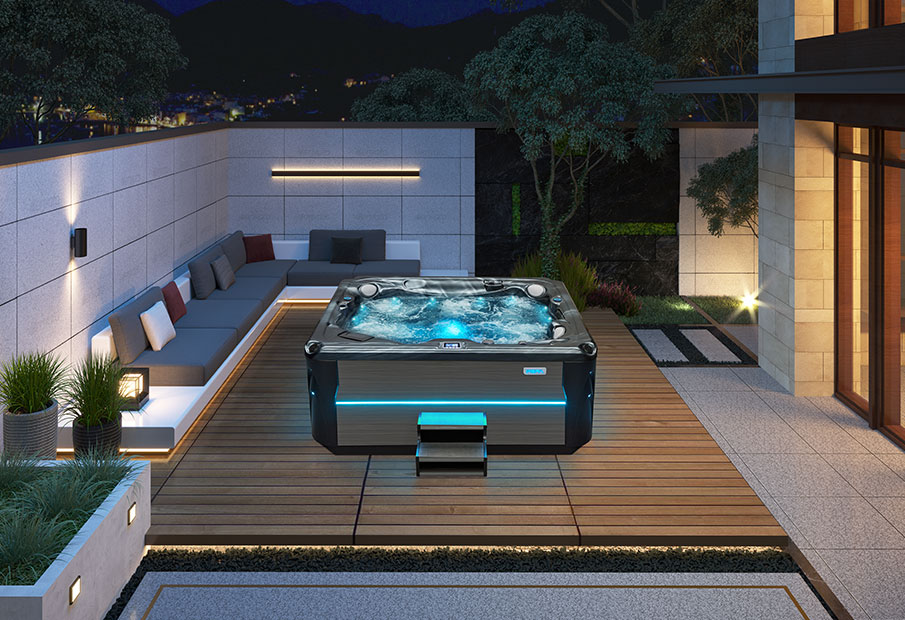
The Fspa BD-005Pro Hot Tub, accommodating up to 6 adults with a spacious 2530x2300x900mm design, boasts robust massage systems, pristine water clarity, an array of premium features, and efficient water sanitization, making it an ideal choice for both residential and commercial outdoor settings.
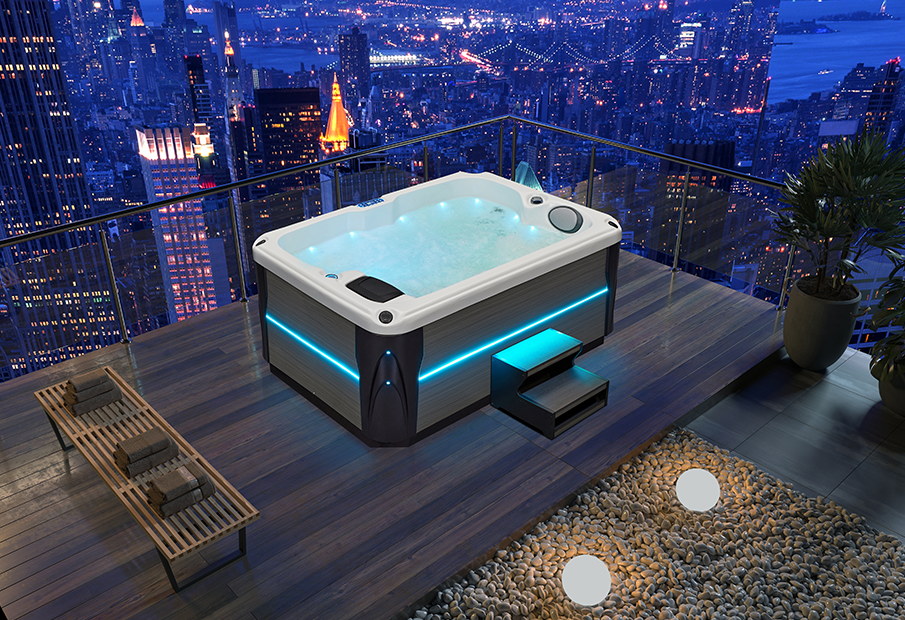
The Fspa BD-002Pro Hot Tub, boasts a powerful massage system, crystal-clear water filtration, customizable water flow, luxurious features, an ozone sanitization system, and immersive audio for the ultimate relaxation experience.
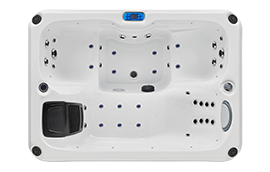
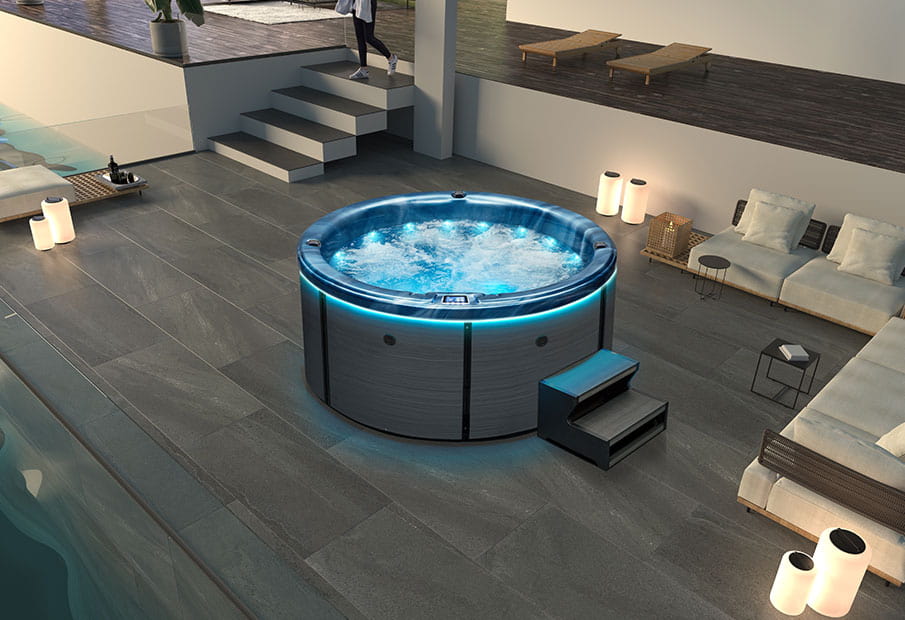
The Fspa BD-009Pro Hot Tub, a compact 2000x900mm spa for up to 6 adults, combines power and efficiency with luxurious features like a 7.97kW system, 50 water & 20 air bubble jets, LED lighting, and music speakers, making it ideal for residential and small commercial spaces.
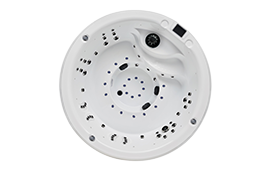
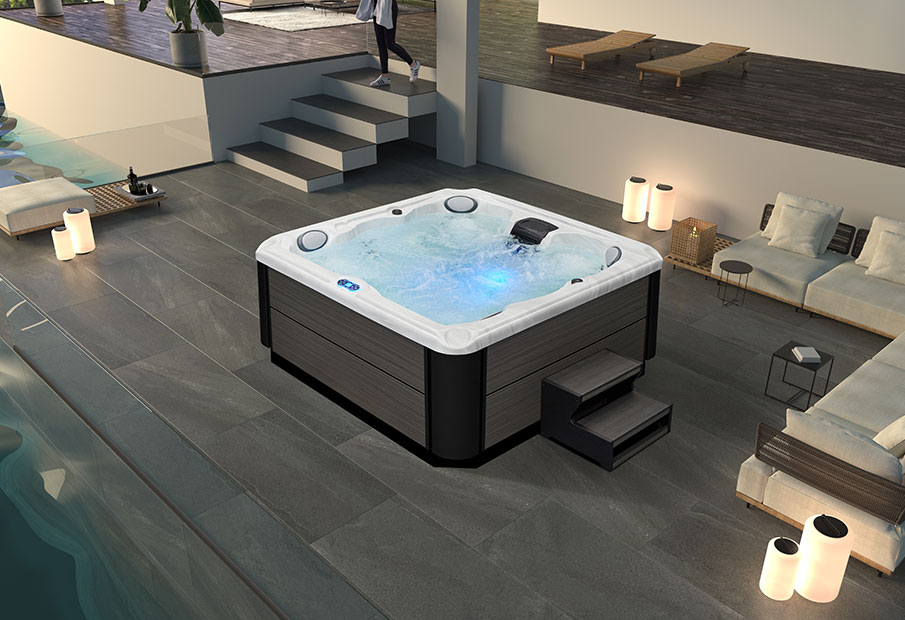
Fspa BD-001, a 2100x2100x900mm spa pool for 6 adults, features a comprehensive control system, powerful pumps, a 3kW heater, advanced filtration, LED lighting, and 31 jets, transforming any space into a luxurious, private oasis.
PRODUCTS
INQUIRY
Thank you for your message!Our Chinese New Year holiday from 7th Feb to 28th Feb. Apologise to make your inconvenience so that responses may be delayed during this period. We'll back to you with regular service on 2th March .Thank you for understanding.


