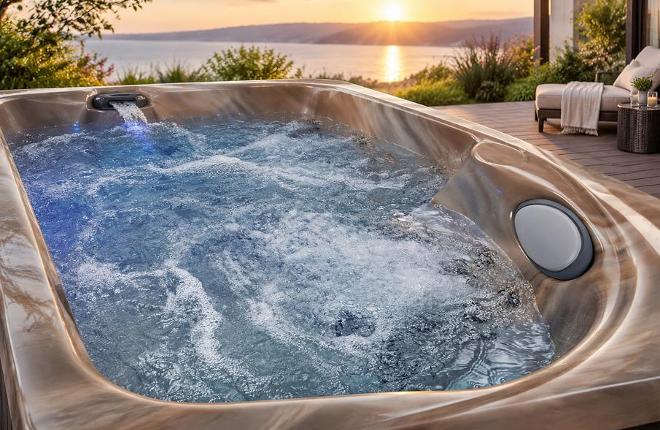
Swim spas sit in a strange middle ground between fitness equipment and medical device, and that ambiguity is exactly why so many buyers ask will health insurance pay for a swim spa before they commit to one. The short answer is that most standard health plans do not cover it, but the longer answer involves a few paths worth understanding before you write it off entirely.
This article walks through why insurers hesitate, when reimbursement is realistic, and how to build a case if you plan to try. It also looks at what a swim spa or hydrotherapy hot tub actually offers physically, since that context matters when you are arguing for medical necessity.
Health insurers classify equipment into two buckets: durable medical equipment and everything else. A swim spa almost always lands in the second bucket. It is expensive, it is not exclusive to medical use, and a healthy person could enjoy it just as easily as someone in physical therapy.
That last point is the sticking point for underwriters. Insurance is built around necessity, not comfort. A wheelchair has no recreational use outside its medical purpose. A hot tub does. Insurers know that distinguishing between a therapeutic soak and a lifestyle purchase is nearly impossible to audit, so the default answer is a flat no.
There is also a cost problem. Durable medical equipment reimbursement lists are built around items in the hundreds or low thousands of dollars. A 6-person hydrotherapy spa, like the kind used for post-workout recovery in hotel gyms or physiotherapy centers, sits well above that range. Insurers rarely stretch benefit categories to cover outliers.
The exception isn’t nonexistent, it’s just narrow. If a physician documents that hydrotherapy is medically necessary for a diagnosed condition, some plans will consider partial reimbursement or allow the purchase through a health savings account.
Conditions that sometimes qualify for this kind of documentation include:
A letter of medical necessity needs specifics. Vague statements like "would benefit from relaxation" get rejected almost every time. The letter should state the diagnosis, why standard treatment options are insufficient, and why hydrotherapy at home is the recommended intervention rather than a supplement to it.
Rather than chasing insurance reimbursement, many buyers find more traction using a Health Savings Account or Flexible Spending Account, provided they secure that same letter of medical necessity first. These accounts operate under IRS rules, not insurance company policy, which makes the approval process more predictable.
The process generally looks like this:
This route does not guarantee approval either, but it shifts the conversation from insurance underwriting to tax-advantaged spending, which tends to have more flexibility for home therapy equipment.
Understanding why a swim spa might qualify for any kind of medical consideration means understanding what warm water immersion and jet massage actually do. This isn’t marketing language, it’s basic physiology that’s been studied for decades.
Warm water increases blood flow to soft tissue and can temporarily reduce the sensation of joint stiffness. Buoyancy reduces the load on joints and the spine, which is why physical therapists often recommend pool-based exercise for patients who cannot tolerate weight-bearing movement. Massage jets add mechanical pressure that can help relax tight muscle groups after physical strain.
A model like the Fspa BD-004, a 6-person portable unit built around 35 targeted massage jets, illustrates how manufacturers design for this kind of use. According to the product’s own specifications, it pairs a 2.2kW massage pump with a 3kW heater and a 0.35kW filtration pump, totaling 5.55kW, which keeps water warm and jets running without excessive energy draw. The unit’s ergonomic seating is contoured to support the body’s natural curves, positioning jets and controls where they’re most useful during a session rather than as an afterthought.
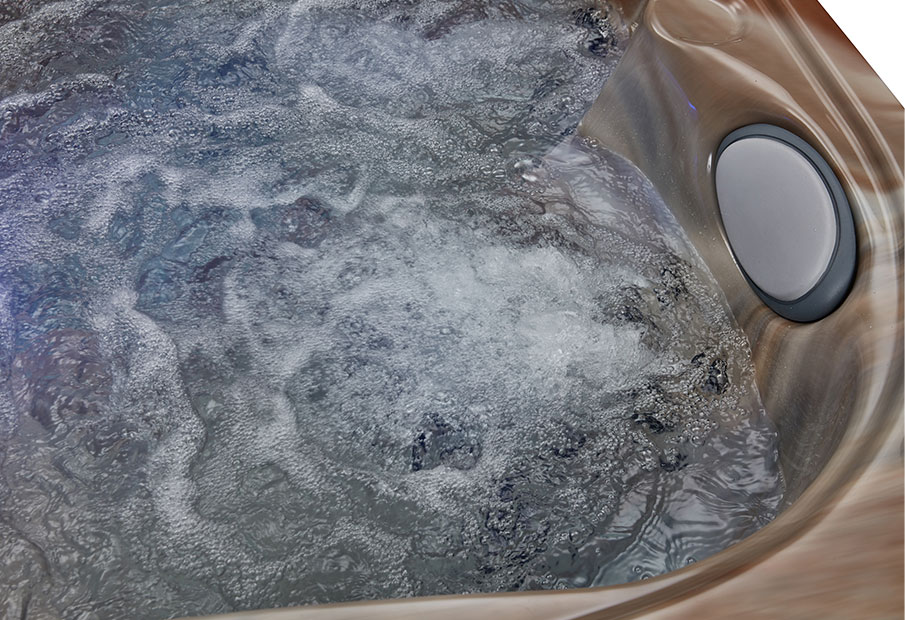
None of this makes a swim spa a medical device in the regulatory sense. But it does explain why a physician might, in specific cases, document hydrotherapy as a legitimate part of a treatment plan rather than dismiss it as recreational.
| Path | Typical Outcome | What’s Required |
|---|---|---|
| Standard health insurance | Rarely approved | Almost never worth pursuing without a rare plan exception |
| Insurance with medical necessity letter | Occasionally partial coverage | Physician documentation, diagnosis, prior treatment history |
| HSA / FSA reimbursement | More commonly approved | Letter of medical necessity, receipts, IRS compliance |
| Out-of-pocket with tax deduction (itemized medical expenses) | Possible if costs exceed IRS threshold | Detailed records, meets 7.5% AGI threshold for medical deductions |
This table isn’t meant to suggest any of these paths are guaranteed. It’s meant to show that the further you move from traditional insurance and toward tax-advantaged or deduction-based routes, the more realistic approval becomes.
If you’re purchasing with a genuine therapeutic goal, the unit itself matters more than it would for a purely recreational buyer. A few practical considerations should guide the decision.
For context, the BD-004 model holds 1,450 liters of water and uses a 3kW heater, which is a reasonable balance for a 6-person unit that needs to maintain consistent temperature during longer sessions. It also carries CE, CTUVus, CB, and SAA certifications, which relate to electrical and safety compliance rather than medical claims, and is worth checking against local installation codes regardless of your intended use.
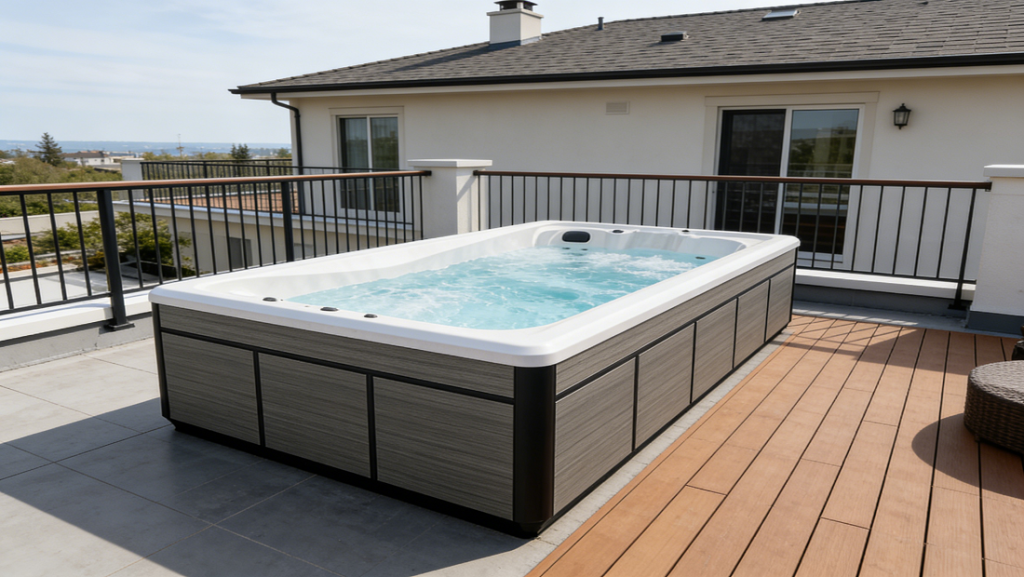
Swim spas and portable hot tubs aren’t confined to backyards. Hotels use them for post-workout recovery in gym facilities, since guests increasingly expect recovery amenities alongside cardio equipment. Wellness-focused vacation rentals along coastlines often position a unit for guests looking to unwind after a day of travel or activity. Villas and private residences use them as a standing feature for evening relaxation, often positioned on a deck or patio where the view becomes part of the experience.
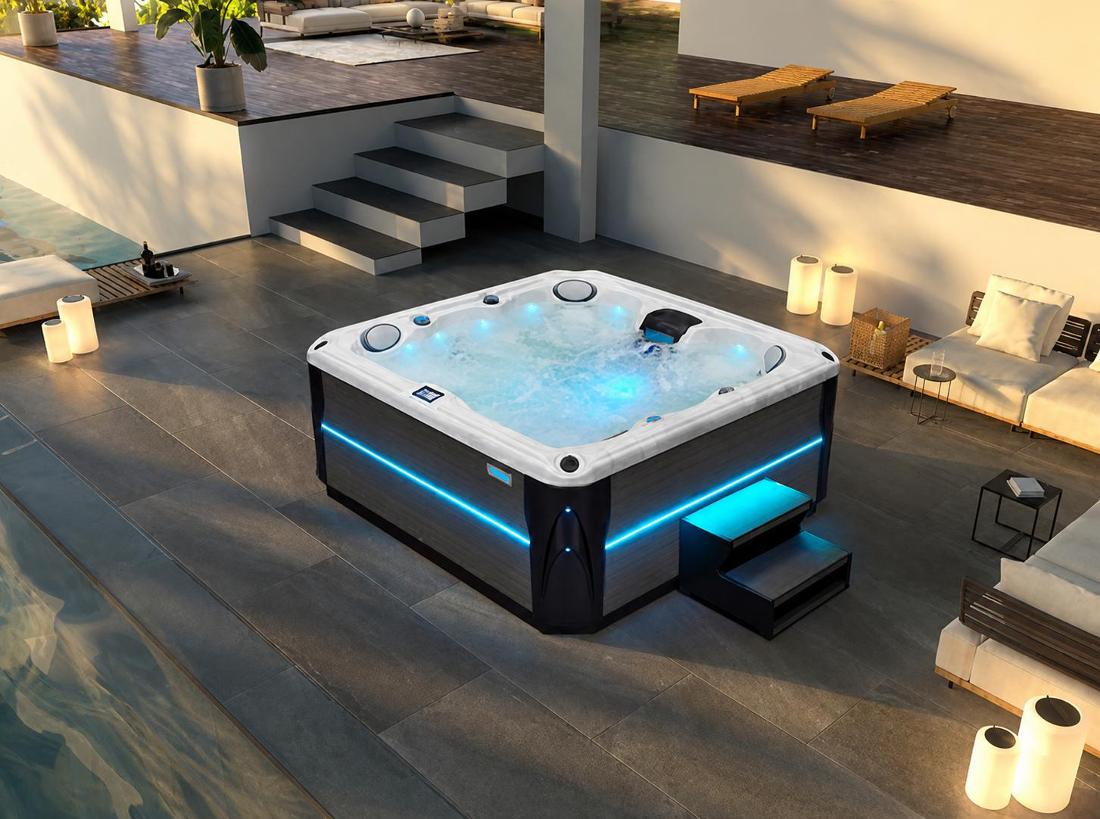
These aren’t medical settings, but they show the split identity that makes insurance coverage complicated in the first place. The same unit serves a hotel guest looking for a nice evening and a person actively managing a musculoskeletal condition. Insurers see the former use case and price accordingly.
Does Medicare cover swim spas or hot tubs?
No. Medicare’s durable medical equipment benefit does not extend to hot tubs or swim spas under any standard circumstance, regardless of diagnosis.
Can I use FSA funds without a letter of medical necessity?
Generally no. Most FSA administrators require documentation for equipment that has both medical and non-medical uses before approving reimbursement.
Is a swim spa the same as a hot tub for insurance purposes?
Insurers typically treat them the same way, since both fall outside standard durable medical equipment categories and both have significant recreational use.
What condition is most likely to get a doctor’s approval for hydrotherapy?
Chronic musculoskeletal conditions with an existing treatment history, such as arthritis or post-surgical rehab, tend to have the strongest case, though approval still varies by physician and plan.
Should I buy before or after getting insurance clarity?
Get the letter of medical necessity and check with your HSA or FSA administrator first. Buying first and seeking reimbursement afterward often leads to denied claims.
If you’re asking will health insurance pay for a swim spa because you’re managing a specific condition, the honest path forward is to start with your physician, not your insurance card. A documented diagnosis and a clear treatment rationale open doors that a direct claim to your insurer will not. For companies like us that manufacture these units for both residential and commercial use, the medical angle is one consideration among several, alongside comfort, maintenance, and how the unit fits into daily life. Insurance coverage for a swim spa remains the exception rather than the rule, but understanding the HSA, FSA, and tax deduction routes gives buyers a realistic shot at recovering some of the cost when the therapeutic need is genuine.
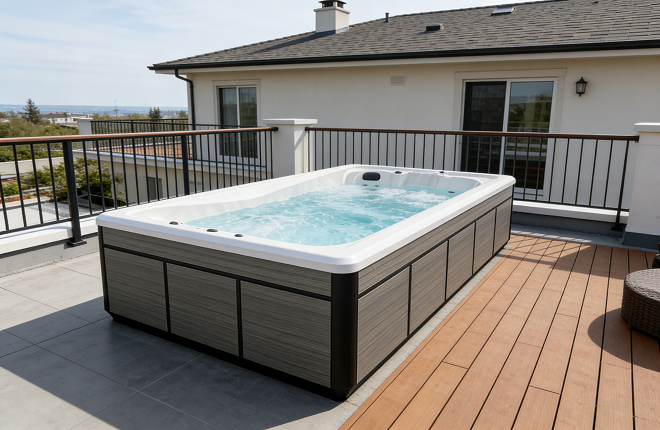
Acrylic Integrated Swimming Pool Circulation and Massage System Noise Control Technology
Acrylic integrated pools, celebrated for their sleek design and durability, demand advanced noise control in their circulation and massage systems to ensure a tranquil user experience. Excessive noise often stems from pump vibrations, water turbulence, and mechanical friction, but innovative engineering solutions effectively mitigate these issues.
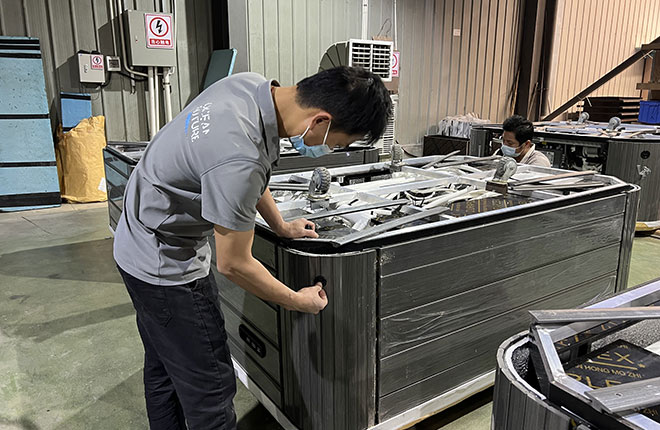
Firstly,vibration isolationis critical. High-efficiency circulation pumps equipped with rubber dampening mounts or spring-loaded bases minimize mechanical vibrations transmitted to the pool structure. Acoustic enclosures, lined with sound-absorbing materials like foam or mineral wool, further contain pump noise, reducing airborne sound by up to 30 dB. For in-pool massage jets, anti-vibration gaskets and flexible PVC piping prevent vibration transfer to the acrylic shell, a common source of resonant noise.
Secondly,hydraulic optimizationreduces water-related noise. Specially designed impellers with curved blades in circulation pumps minimize turbulence, lowering flow-induced noise. Massage systems employ variable-speed pumps that adjust output based on demand, avoiding the high-pitched hum of constant full-speed operation. Additionally, smooth, gradual pipe bends and oversized manifolds reduce pressure fluctuations, eliminating water hammer and whistling sounds in the plumbing network.
Thirdly,acoustic engineeringof components enhances quiet performance. Brushless DC motors in pumps and blowers operate with less friction than traditional motors, cutting operational noise by 15–20%. Sound-dampening covers for air blowers, used in jet massage systems, absorb high-frequency noise, while insulated ducting ensures quiet air delivery. Acrylic panels themselves, when combined with soundproofing underlays, act as barriers to block noise transmission from equipment rooms to the pool area.
Finally,system integration and testingensure holistic noise reduction. Computer-aided simulations model sound propagation, guiding optimal placement of equipment—such as locating pumps in separate, insulated rooms. Post-installation acoustic testing, measuring noise levels at the pool edge (typically targeting ≤50 dB), verifies compliance with comfort standards.
By combining vibration isolation, hydraulic design, acoustic engineering, and rigorous testing, acrylic integrated pools achieve serene environments where circulation and massage systems operate unobtrusively, enhancing both relaxation and user satisfaction.
Technological Advancements in Swimming Pool Factories
Swimming pool factories are at the forefront of technological innovation, constantly exploring new ways to enhance pool performance, efficiency, and user experience.
One of the key areas of technological advancement is in filtration systems. Modern pools utilize advanced filtration technologies to ensure clean and healthy water.
Sand Filters: Traditional sand filters have been improved with more efficient backwashing systems and higher filtration rates.
Cartridge Filters: Offer finer filtration and are easier to maintain than sand filters.
Diatomaceous Earth (DE) Filters: Provide the highest level of filtration, capturing even the smallest particles.
Energy efficiency is a major focus for swimming pool factories. The integration of energy-efficient equipment helps reduce operational costs and environmental impact.
Variable Speed Pumps: Adjust pump speed based on demand, significantly reducing energy consumption.
Solar Heating Systems: Harness solar energy to heat pool water, reducing reliance on fossil fuels.
LED Lighting: Energy-efficient LED lights provide bright, long-lasting illumination while consuming minimal power.
The advent of smart home technology has also made its way into the swimming pool industry. Smart pool technology allows for remote monitoring and control of pool systems, enhancing convenience and efficiency.
Automated Control Systems: Enable remote control of pool pumps, heaters, lights, and other equipment via smartphone apps.
Water Quality Monitoring: Real-time monitoring of water chemistry parameters, ensuring optimal water quality.
Energy Management Systems: Optimize energy usage by scheduling equipment operation during off-peak hours.
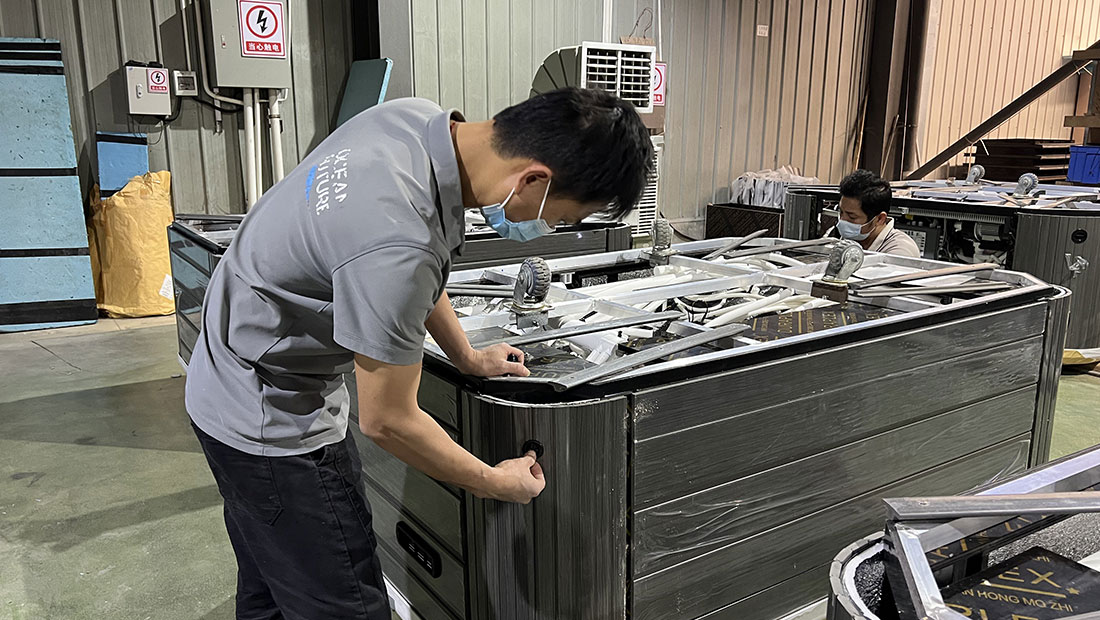
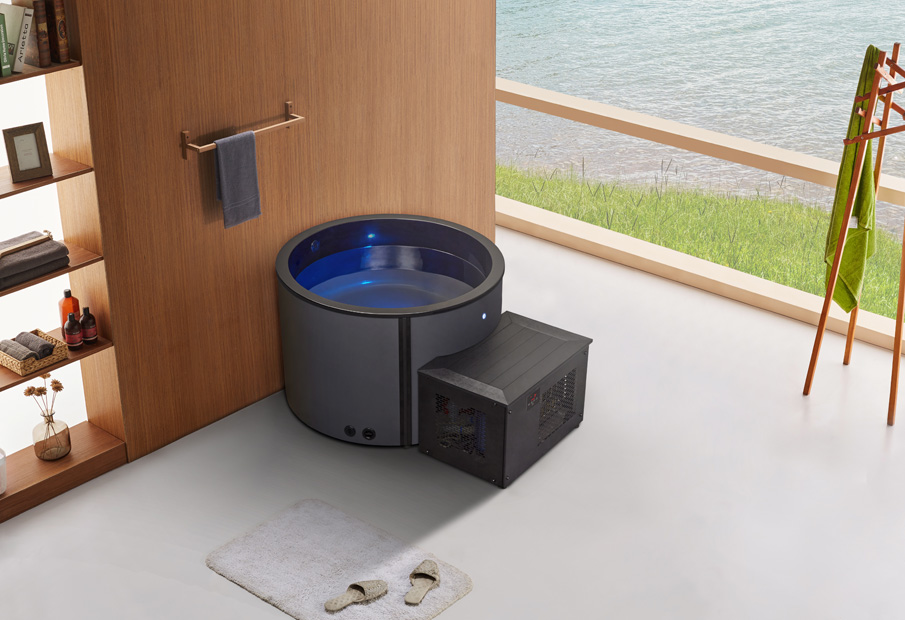
Combined design, plug and play, Include filter, circuit pump, Ozone, Ice-blue underwater light, and high-efficiency Chilling system.
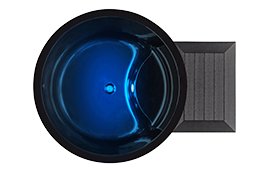
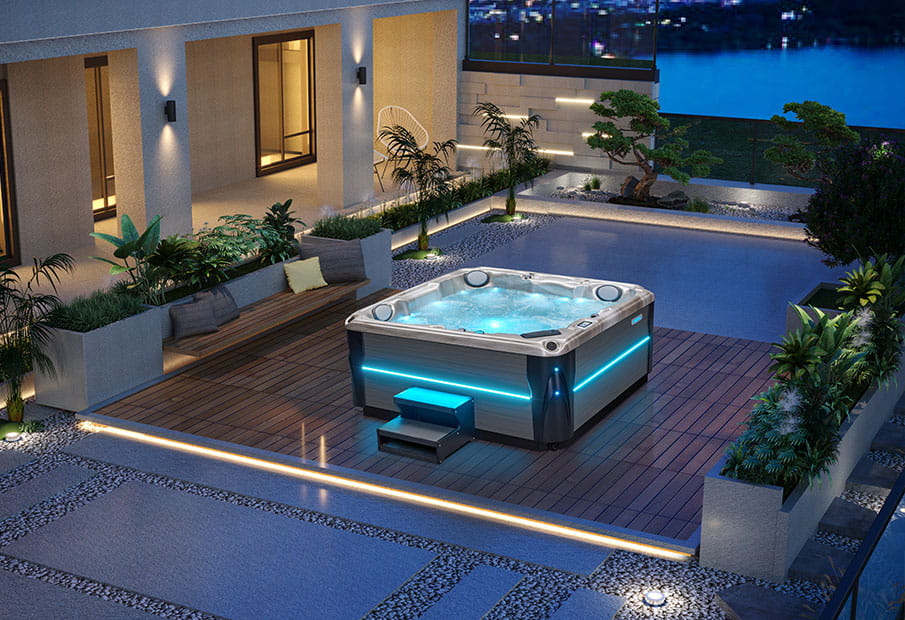
The Fspa BD-006Pro Hot Tub, with its compact spacious design for 5 adults, advanced massage system, 80 water & 18 air bubble jets, efficient heating and filtration, ozone sanitization, and sleek design, offers unparalleled luxury, relaxation, and convenience for both residential and commercial use.
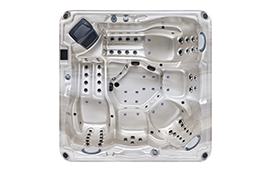
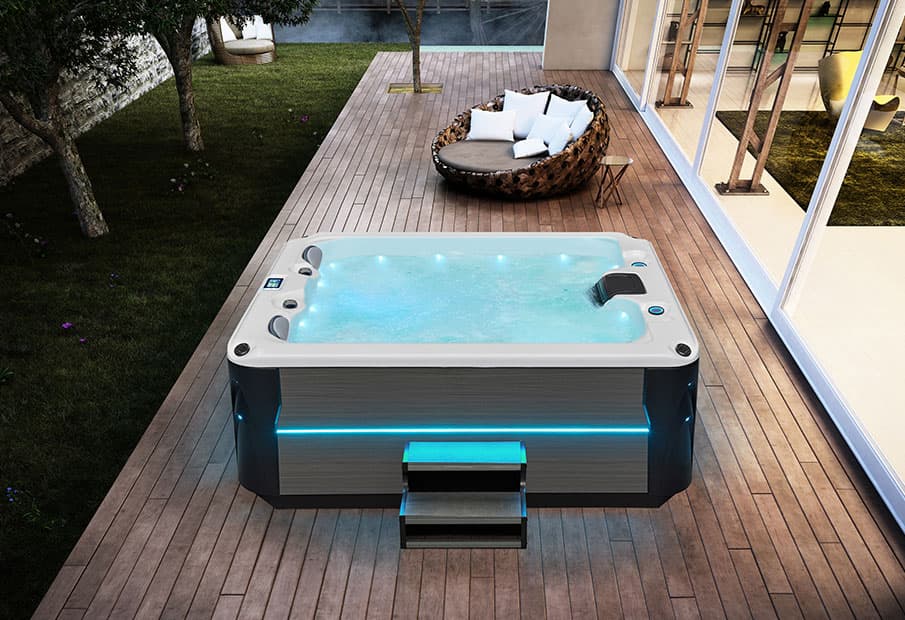
The Fspa BD-014Pro Hot Tub, with its spacious interior for 5 adults, comprehensive control system, powerful massage and filtration features, LED lighting, and speakers, offers a luxurious and therapeutic spa experience perfect for indoor or outdoor relaxation.
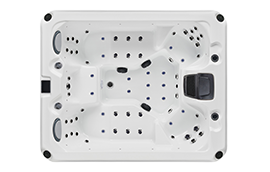
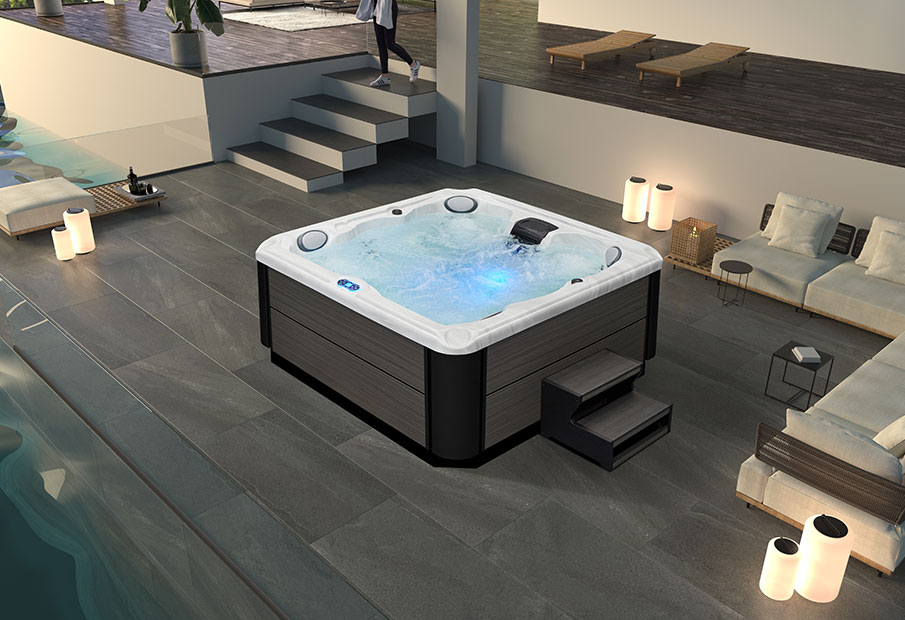
Fspa BD-001, a 2100x2100x900mm spa pool for 6 adults, features a comprehensive control system, powerful pumps, a 3kW heater, advanced filtration, LED lighting, and 31 jets, transforming any space into a luxurious, private oasis.
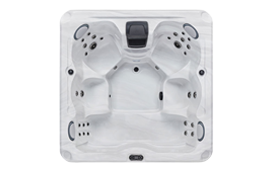
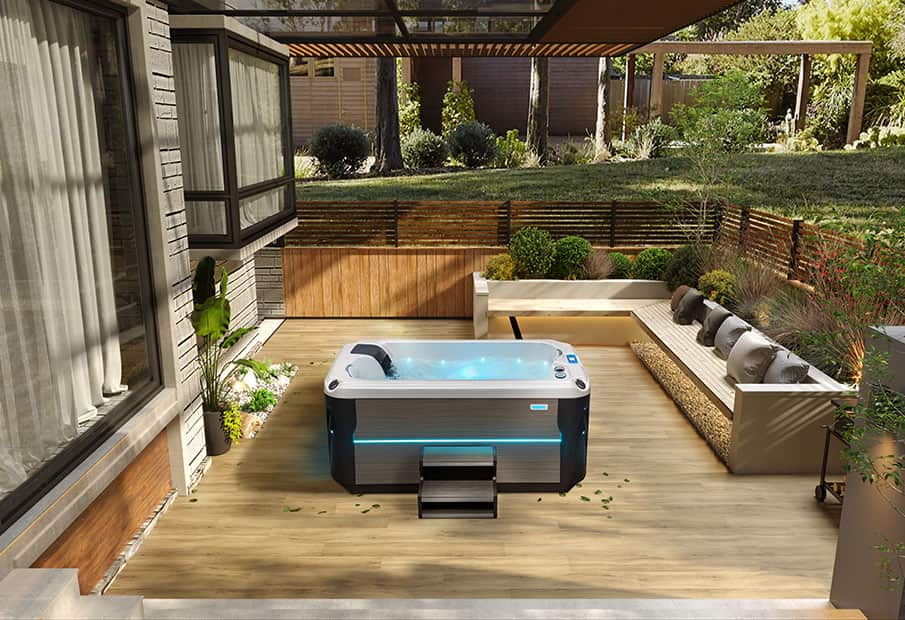
The Fspa BD-016Pro Hot Tub, a compact spa for up to 2 adults, offers a rejuvenating experience with an efficient control system, soothing massage features, consistent water temperature, modern amenities, advanced filtration, and suitability for indoor or outdoor placement.
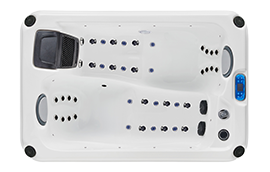
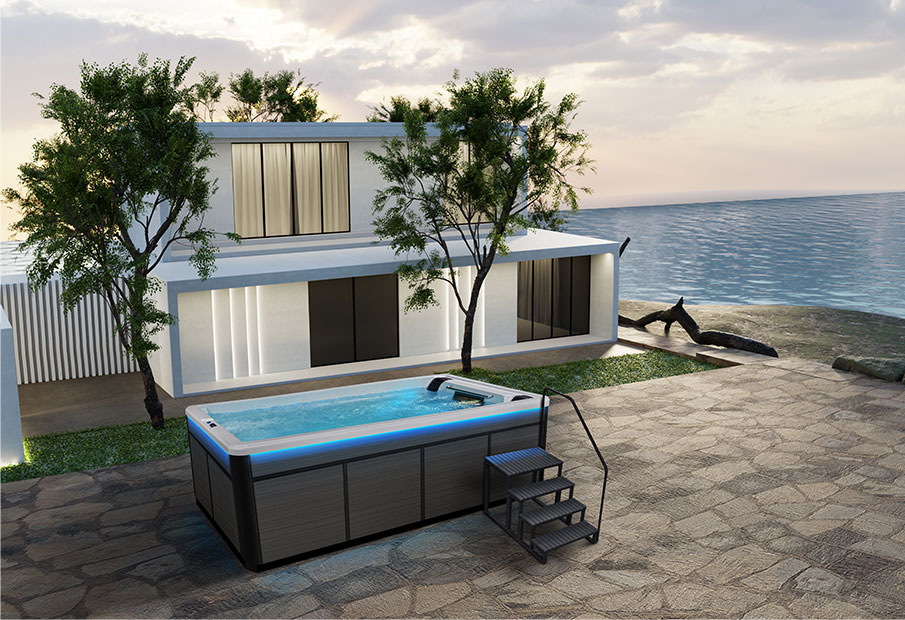
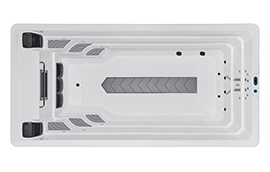
The Infinipool Fspa IP-001Pro is a premium, spacious pool with advanced filtration, ozone sanitization, insulation, and optional accessories, transforming backyards into luxurious oases for swimming, relaxation, and entertainment.
PRODUCTS
INQUIRY
Thank you for your message!Our Chinese New Year holiday from 7th Feb to 28th Feb. Apologise to make your inconvenience so that responses may be delayed during this period. We'll back to you with regular service on 2th March .Thank you for understanding.


