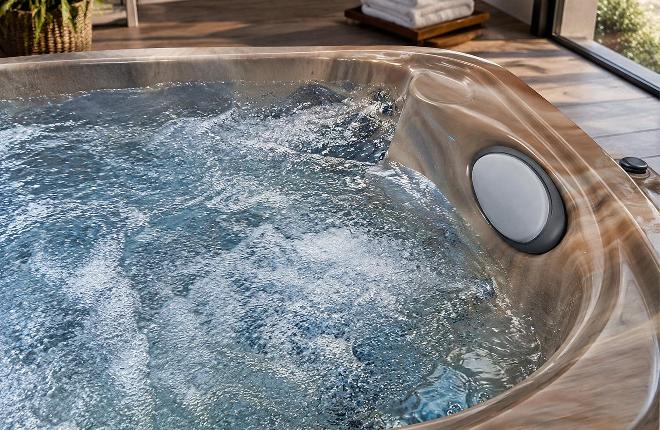
A dual swim spa splits one shell into two zones, usually a swim lane and a hot tub side, so a household gets exercise and recovery without installing two separate structures. Dual swim spa cost tends to surprise first-time buyers because it folds together plumbing, heating, and jet systems that would otherwise be priced separately. Understanding what actually drives that number helps you avoid paying for capacity or features you won’t use.
A standalone hot tub only needs to heat and circulate water for one purpose: relaxation. A dual swim spa asks the same footprint to also generate current or resistance for swimming, which means a second pump, a different plumbing layout, and often a longer shell. That extra hardware is the main reason dual units sit above single-zone spas in price.
The heater has to work across a larger water volume too. A 6-person hot tub like the BD-004, for reference, holds 1,450 liters and runs on a 3kW heater paired with a 2.2kW massage pump. Scale that up to a dual swim spa’s combined swim-and-soak volume, and you’re often looking at proportionally larger heating and pump capacity, which raises both the purchase price and the monthly electric bill.
Breaking dual swim spa cost into its components makes the number less abstract. Buyers are typically paying for these elements, whether they realize it or not.
None of these are optional extras bolted on to inflate price. They’re structural to how a dual-purpose unit functions, which is why comparing sticker prices without checking these specs leads to bad decisions.
Two spas priced within a few hundred dollars of each other can differ enormously in what they deliver. Before treating price as the deciding factor, line up the actual numbers.
| Spec | Entry-Level Single Zone | Mid-Range Dual Function |
|---|---|---|
| Capacity | 4-6 adults | 6+ adults, split zones |
| Total Power | 3-4kW | 5-6kW |
| Jet Count | 12-20 | 30-40 |
| Water Volume | 800-1,100L | 1,400L+ |
| Sanitization | Chemical only | Ozone-assisted |
A 6-person unit such as the BD-004 draws 5.55kW total, combining a 2.2kW massage pump, a 0.35kW filter pump, and a 3kW heater. That’s a useful reference point even for buyers looking at dual swim spas, since it shows how power draw scales once you add current-generation hardware on top of massage jets.
The unit price on a spec sheet is rarely the final number you pay. Site preparation, electrical work, and delivery logistics can add a meaningful percentage on top, sometimes more than buyers expect going in.
Skipping these steps to save money upfront usually costs more later, either through a cracked foundation or an electrical inspection failure that delays installation.
It helps to look at how individual features translate into real usage rather than treating spec sheets as marketing filler. Ergonomic seating with jet clusters positioned at shoulder, lower back, and calf level, for instance, changes how a soak actually feels compared to jets scattered without regard to body position. On the BD-004, jets are set into contoured seating designed around natural body curves, which is a different engineering approach than simply drilling more holes into a flat wall.
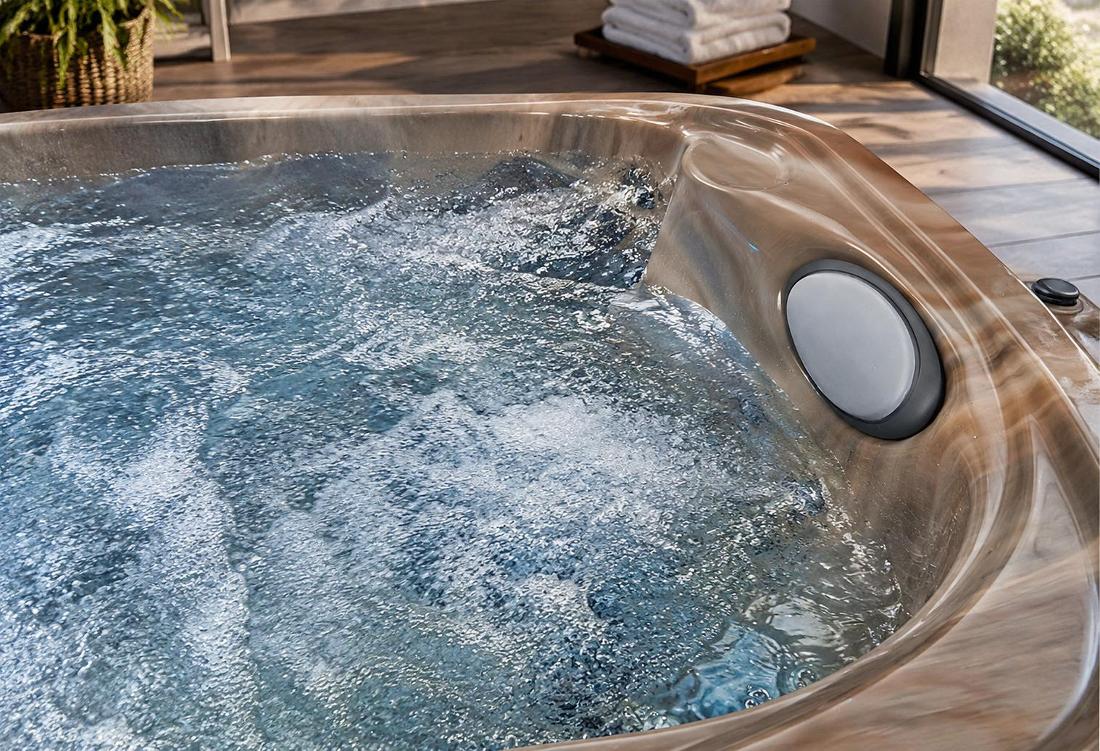
Lighting is another feature that sounds cosmetic but has a documented use case. Ambient LED lighting positioned at the base of the tub is described by manufacturers as supporting a calmer soaking atmosphere, which matters for evening use when harsh lighting works against relaxation. That’s a comfort feature, not a therapeutic claim, and it’s worth treating it that way when comparing spec sheets.
Sanitization is where operating cost quietly adds up over a year. An integrated ozone system reduces how much chlorine or bromine you need to buy and dose manually, which cuts down on weekly maintenance time. It doesn’t eliminate chemical use entirely, but it does reduce the volume, which is a meaningful difference for anyone who has managed a spa through a full season.
Dual swim spa cost only makes sense in context of where the unit will live and who will use it. A few scenarios illustrate how the same core technology gets applied differently.
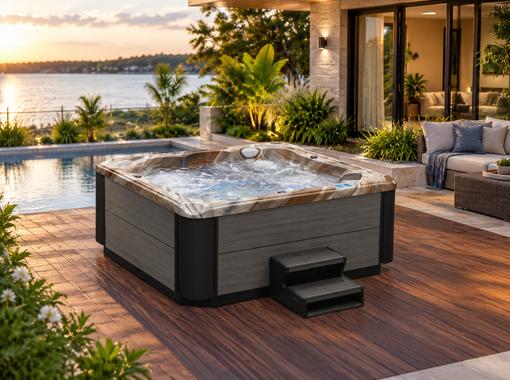
If your household is mainly interested in muscle recovery and social soaking rather than lap swimming, a straight hot tub, like a 6-person model with a strong jet count, may deliver better value than paying for swim-lane hardware you’ll rarely use.
Does a bigger jet count always mean a better spa?
Not necessarily. Jet placement matters as much as raw count. Thirty-five jets arranged ergonomically across contoured seating will outperform a higher count scattered without attention to body position.
Is ozone sanitization a replacement for chemicals?
No. It reduces the chemical dosage needed for water clarity but doesn’t eliminate the need for a sanitizer entirely. Think of it as a maintenance-reducing addition, not a substitute.
How much does electrical draw affect running costs?
A system in the 5-6kW range, running heater and pumps together during active use, will draw noticeably more than a basic 3kW single-zone spa, particularly in colder climates where the heater cycles more often.
Are certifications like CE or SAA worth checking before buying?
Yes. These certifications indicate the unit has been evaluated against recognized electrical and safety standards, which matters given the amount of water and power involved in operation.
Dual swim spa cost isn’t one number, it’s a range shaped by shell size, pump configuration, jet layout, and what your installation site requires before the unit even arrives. Buyers who compare power draw, water volume, and jet placement side by side, rather than sticker price alone, generally end up with a spa that matches their actual routine instead of one that just looked good in a showroom. Whether you land on a full dual swim spa or a high-capacity hot tub built for six, the goal is the same: paying for hardware that fits how the space will actually be used, not just what the spec sheet promises.
Exploring Personal Comfort: From Indoor Wellness to Solo Hot Tub Designs
A modern indoor hot tub has become a popular home upgrade for people seeking daily relaxation, stress relief, and hydrotherapy benefits without leaving their living space. Unlike outdoor installations, indoor models provide privacy, convenience, and year-round usability regardless of weather conditions. They are often integrated into bathrooms, spa rooms, or private wellness areas, making them a premium choice for urban living.
For individuals who prioritize personal relaxation, a one person hot tub offers a compact and highly efficient solution. Designed specifically for solo use, these tubs focus on comfort, water pressure control, and space-saving design. A 1 person hot tub is essentially the same concept, providing a dedicated spa experience tailored to individual needs such as muscle recovery, meditation, or stress relief.
Another variation, the single person hot tub, emphasizes privacy and full-body hydrotherapy in a compact format. These models are especially popular among apartment owners or individuals with limited space who still want to enjoy the benefits of a spa experience at home.
While indoor options are ideal for privacy and convenience, indoor hot tubs in general come in a wide range of sizes and designs. From minimalist modern styles to luxury spa installations, they allow homeowners to create a personal wellness zone that enhances daily comfort and relaxation.
Beyond indoor installations, many homeowners are investing in outdoor wellness environments such as a backyard hot tub. These systems transform ordinary outdoor spaces into private relaxation retreats. Whether placed near a garden, deck, or pool area, they create a natural connection between comfort and nature.
A patio hot tub is another popular choice, especially for homes with limited backyard space. Installed on patios or terraces, these hot tubs provide easy access, stylish design integration, and a relaxing atmosphere for both individuals and small gatherings. They are often chosen for their convenience and ability to enhance outdoor aesthetics without requiring major landscaping changes.
While indoor spa systems focus on privacy and year-round usability, outdoor options like backyard hot tub and patio hot tub emphasize lifestyle enhancement and social relaxation. Many homeowners choose to combine both indoor and outdoor setups to create a complete wellness experience.
A one person hot tub, 1 person hot tub, or single person hot tub is typically installed indoors, but compact outdoor versions are also available for patios or private garden corners. These systems are energy-efficient and easy to maintain, making them suitable for users who want flexibility in placement.
When selecting between indoor and outdoor spa systems, it is important to consider space, budget, and usage frequency. An indoor hot tub is ideal for daily relaxation and privacy, while a backyard hot tub or patio hot tub is better suited for social interaction and outdoor leisure.
For individuals, a one person hot tub, 1 person hot tub, or single person hot tub offers unmatched efficiency and personal comfort. These compact models require less water, less energy, and minimal maintenance, making them cost-effective in the long run.
Meanwhile, larger indoor hot tubs or outdoor installations provide shared experiences and are often chosen by families or homeowners who enjoy entertaining guests. Regardless of size, modern hot tub systems are designed to deliver hydrotherapy benefits such as stress relief, improved circulation, and muscle relaxation.
Ultimately, the right choice depends on lifestyle needs and available space. Whether selecting a compact solo spa or a larger social setup, each option contributes to improved wellness and home comfort.
From compact personal units to full outdoor installations, today’s spa market offers solutions for every lifestyle. Whether you choose an indoor hot tub for privacy, a one person hot tub or single person hot tub for personal relaxation, or a backyard hot tub and patio hot tub for outdoor enjoyment, each option provides unique benefits in comfort and wellness. By carefully selecting between indoor hot tubs and outdoor models, homeowners can create a balanced and personalized relaxation environment that enhances both daily life and long-term well-being.
An indoor hot tub provides year-round privacy, convenience, and controlled environment relaxation, making it ideal for daily wellness use.
Yes, a one person hot tub, 1 person hot tub, or single person hot tub is perfect for compact spaces and offers efficient solo hydrotherapy benefits.
A backyard hot tub is typically installed in garden or open yard spaces, while a patio hot tub is designed for terraces or paved outdoor areas.
Yes, indoor hot tubs are designed for frequent use and provide consistent hydrotherapy benefits when properly maintained.
Yes, a single person hot tub uses less water and energy compared to larger models, making it a cost-effective and eco-friendly option.
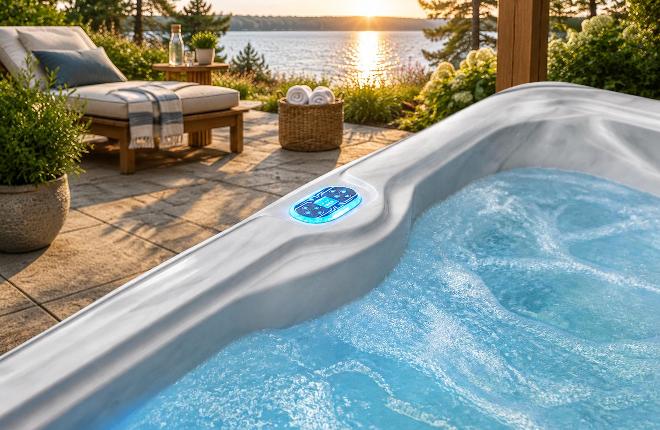
The Science Behind a World Record Cold Plunge and What It Means for Home Recovery
A world record cold plunge sounds like an extreme feat reserved for athletes chasing headlines. But the physiology behind it explains something far more practical: why cold exposure has become a mainstream recovery tool. Understanding what happens to the body during record-setting cold immersion helps ordinary users set realistic goals, avoid injury, and choose equipment that actually supports safe, repeatable cold therapy at home.
Record attempts in cold water immersion typically measure either duration in near-freezing water or full-body submersion time in ice baths under supervised conditions. These events are usually documented by organizations like Guinness World Records, with strict protocols for water temperature, medical monitoring, and verification.
For most people, though, the number that matters isn’t a record time. It’s a sustainable routine. Elite cold exposure athletes train for years to tolerate extended immersion, and their bodies adapt through repeated, gradual exposure rather than a single dramatic attempt. Trying to replicate record-length sessions without that conditioning is where injuries happen.
Cold water immersion triggers a rapid physiological cascade. Skin receptors detect the temperature drop and send signals that cause blood vessels to constrict, redirecting blood toward the body’s core. Heart rate and breathing rate spike almost immediately.
This response, often called the cold shock response, is strongest in the first 60 to 90 seconds of immersion. It’s also the most dangerous window for untrained individuals, since involuntary gasping can lead to water inhalation if the face is submerged. Record holders spend months acclimating their bodies to blunt this reflex before attempting long-duration sessions.
Once past the initial shock, the body shifts into a longer adaptation phase. Circulation patterns stabilize, and many users report a sense of calm alertness. This is the phase most home cold plunge routines are designed around, not the extreme edge that record attempts push toward.
People searching for cold plunge world record information are often curious about extremes, but the underlying appeal usually comes back to recovery, mental clarity, or muscle soreness relief. It helps to separate the two goals clearly.
Once this distinction is clear, the equipment question becomes less about extremes and more about what supports a routine someone can actually stick with.
A record-chasing cold water event and a backyard recovery routine share the same starting ingredient: reliable, consistent water conditions. Without stable temperature control, users either undershoot the benefit or push themselves into genuinely risky territory without realizing it.
This is where spa and hydrotherapy equipment designed for controlled temperature and filtration becomes relevant, even outside the cold plunge conversation specifically. Many outdoor spa units, including hydrotherapy-focused models, are built around digital control panels that let users monitor and adjust water temperature precisely rather than guessing.
Take a hydrotherapy spa like the BD-001 as an example of how this control layer works in practice. According to the manufacturer’s specifications, it uses a blue-lit digital control panel for temperature monitoring, paired with a 3kW heater and a dedicated 0.35kW filter pump with ozone filtration to keep water clean between sessions. While this particular unit is built for warm hydrotherapy rather than cold immersion, the underlying principle, precise digital temperature control, is exactly what separates a safe recovery routine from guesswork.
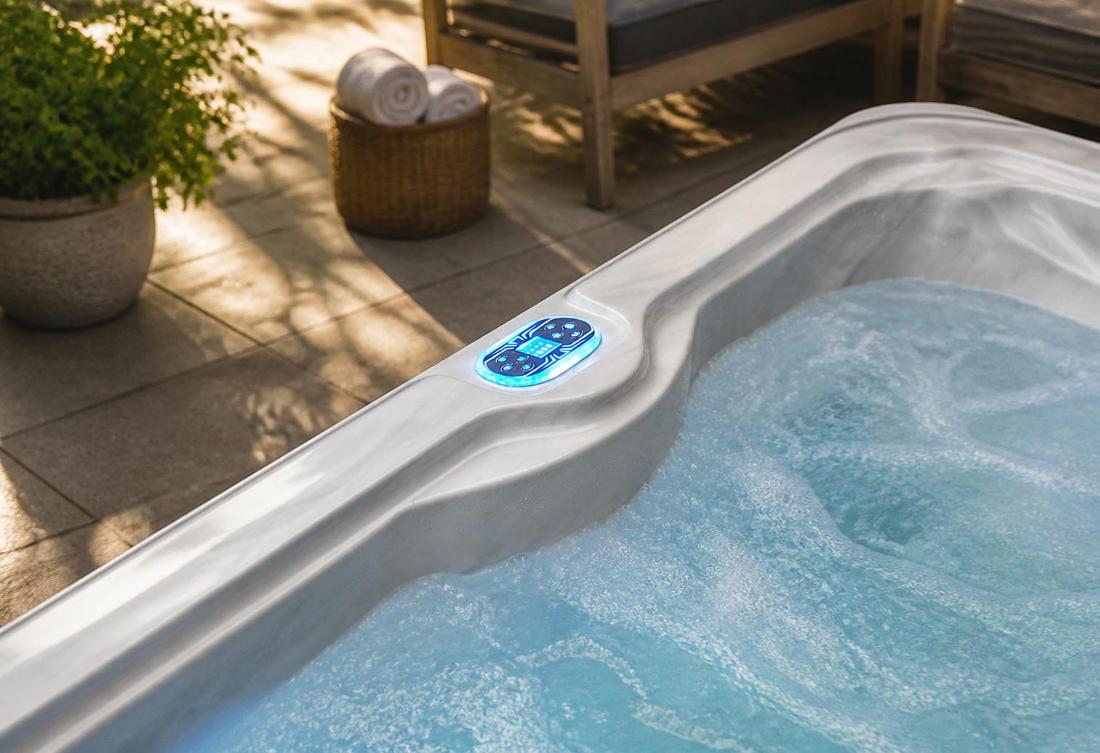
Cold exposure rarely works in isolation. Athletes who attempt cold water endurance records often pair their training with contrast therapy, alternating between cold immersion and warm hydrotherapy to manage circulation and muscle recovery. This contrast approach is grounded in basic vascular response, not a proprietary technique.
For home users, this often means owning or accessing both a cold plunge setup and a warm hydrotherapy spa. The warm side of that equation benefits from jet-based massage systems that target sore muscles after intense cold exposure or physical training.
A unit like the BD-001 illustrates this with its 31-jet hydrotherapy system driven by a 2.2kW massage pump, described by the manufacturer as designed to relieve muscle tension across the back and shoulders. According to the manufacturer’s specifications, the seating layout accommodates up to 6 adults, with 4 integrated pillows positioned to support the neck and align the spine during use.
| Feature | Specification |
|---|---|
| Dimensions | 2100 x 2100 x 900mm |
| Capacity | 6 Adults |
| Water Capacity | 1000L |
| Jets | 31pcs |
| Massage Pump | 2.2kW |
| Heater | 3kW |
| Filter Pump | 0.35kW |
| Certifications | CE, CTUVus, CB, SAA |
For someone building a full recovery routine around cold exposure, having a warm hydrotherapy option nearby makes the contrast therapy portion far easier to sustain consistently.
Choosing between cold plunge equipment and hydrotherapy spa units depends heavily on how someone plans to use them. A few questions help narrow the decision.
Answering these honestly prevents an expensive mismatch, like buying a large social hydrotherapy spa when the real goal was solitary cold immersion training, or the reverse.
Is it safe to try to break a cold plunge world record without training? No. Documented record attempts involve extensive acclimation and medical supervision. Attempting extended cold immersion without that preparation carries real risk, including hypothermia and cardiac stress.
How does hydrotherapy support cold exposure routines? Warm hydrotherapy, using jet systems and heated water, helps manage the vasodilation phase after cold exposure, supporting circulation and easing muscle tightness through contrast therapy.
What should I look for in a hydrotherapy spa if I already do cold plunges? Focus on precise digital temperature control, adequate jet coverage for the muscle groups you train, and filtration systems like ozone treatment that keep water hygienic between uses.
Do I need a large spa if I only use it for personal recovery? Not necessarily. Sizing should match how many people will use it and available outdoor or balcony space, not just record-chasing ambitions.
The appeal of a world record cold plunge lies in what it reveals about the body’s limits, but very few people need to approach those limits to benefit from cold therapy. What matters more is consistency, proper acclimation, and pairing cold exposure with adequate warm recovery support.
For households or facilities serious about building this kind of routine, whether at a fitness center, wellness retreat, or private backyard, having both cold immersion and hydrotherapy equipment on hand turns an occasional cold plunge attempt into a genuinely sustainable recovery habit, one grounded in physiology rather than spectacle.
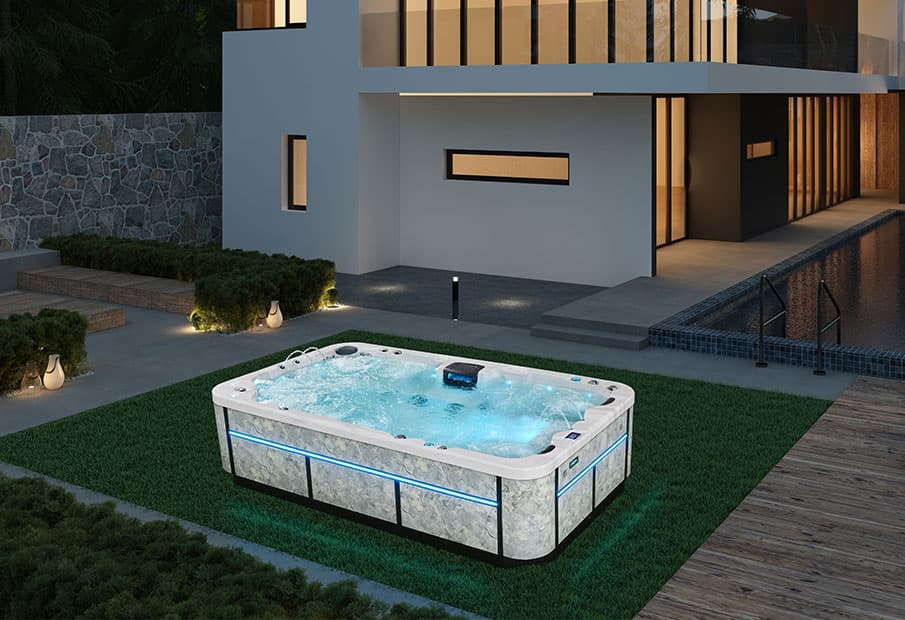
The Fspa BD-020Pro Hot Tub, accommodating up to 9 adults, is a luxurious and therapeutic indoor/outdoor spa featuring a powerful massage system, advanced filtration, modern conveniences, and water features, making it the ultimate choice for relaxation and wellness at home.
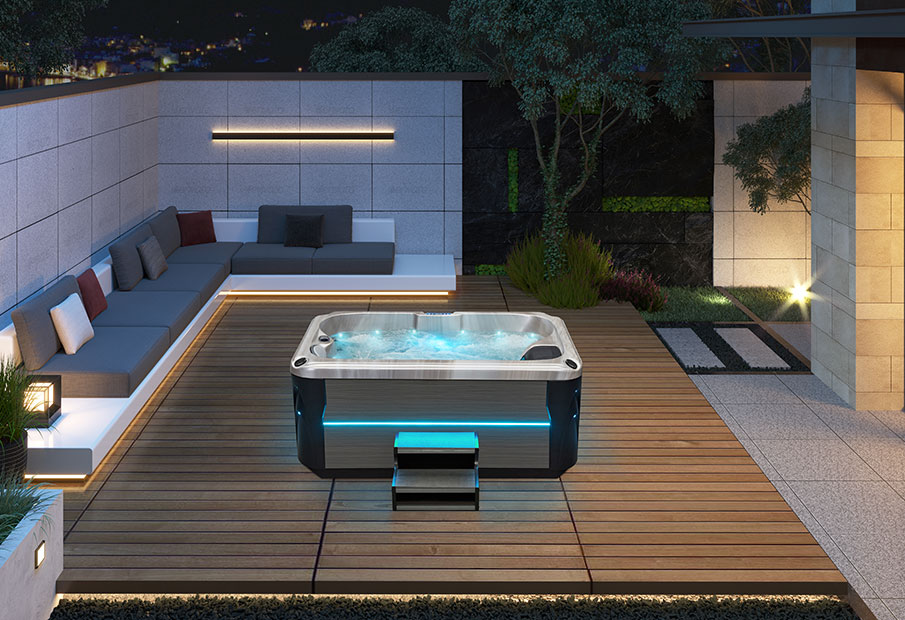
The Fspa BD-003Pro Hot Tub, offers ultimate relaxation with a robust 1.85kW massage system, pristine water filtration, 28 water & 14 air bubble jets, customizable air flow, ozone sanitization, 4 speakers, and a sleek design perfect for outdoor settings.
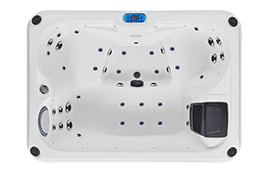
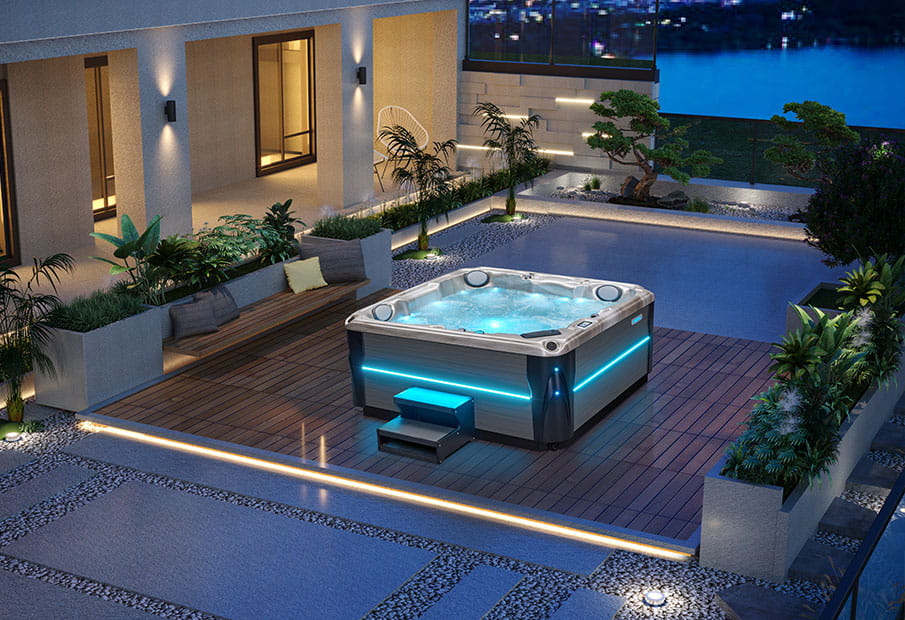
The Fspa BD-006Pro Hot Tub, with its compact spacious design for 5 adults, advanced massage system, 80 water & 18 air bubble jets, efficient heating and filtration, ozone sanitization, and sleek design, offers unparalleled luxury, relaxation, and convenience for both residential and commercial use.
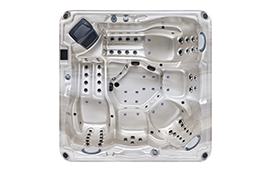
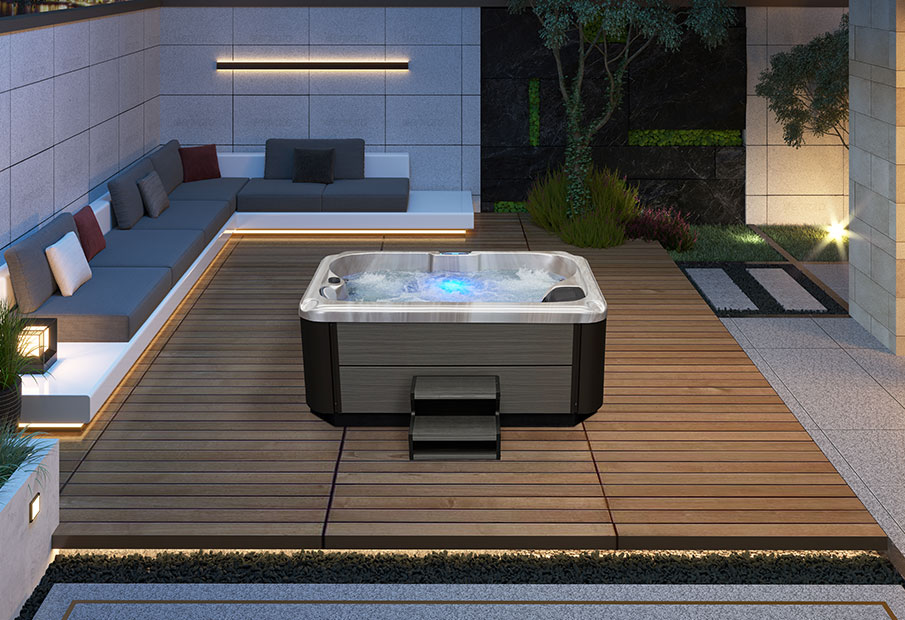
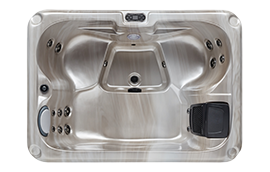
Our luxurious Fspa BD-003 spa tub, designed for 3 adults with ample space (1870x1330x800mm), features a comprehensive control system, powerful massage pump, gentle filter pump, temperature control, clean water filter, LED lighting, 16 massage jets, and sanitation ozone system, offering a perfect therapeutic escape for you and your loved ones.
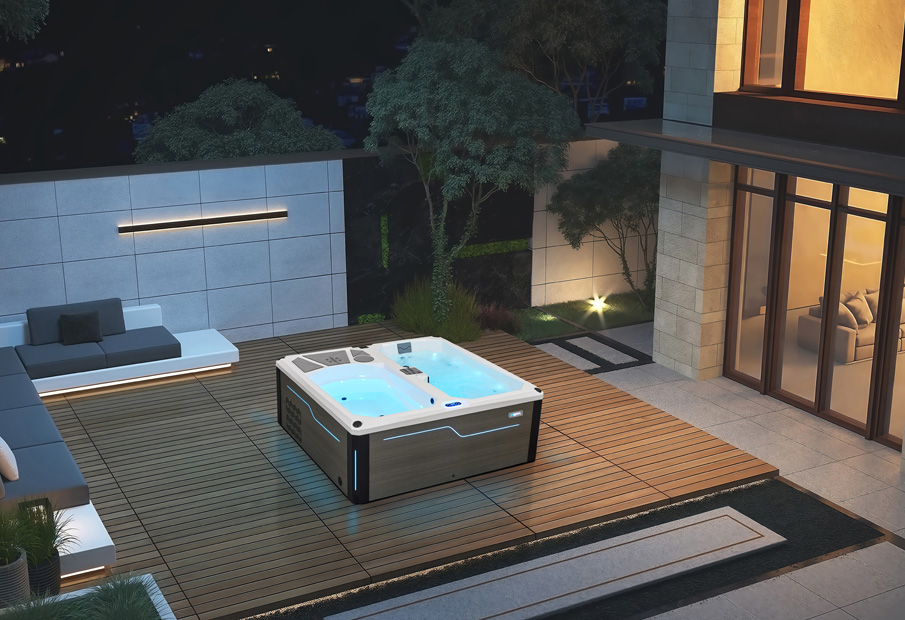
Welcome lights up as you approach, All in one design, plug and play, snowflake pattern, Include filter, circuit pump, Ozone, ice-blue underwater light, and high-efficiency chilling system.
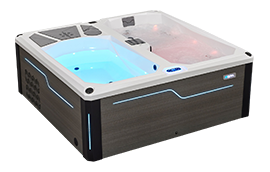
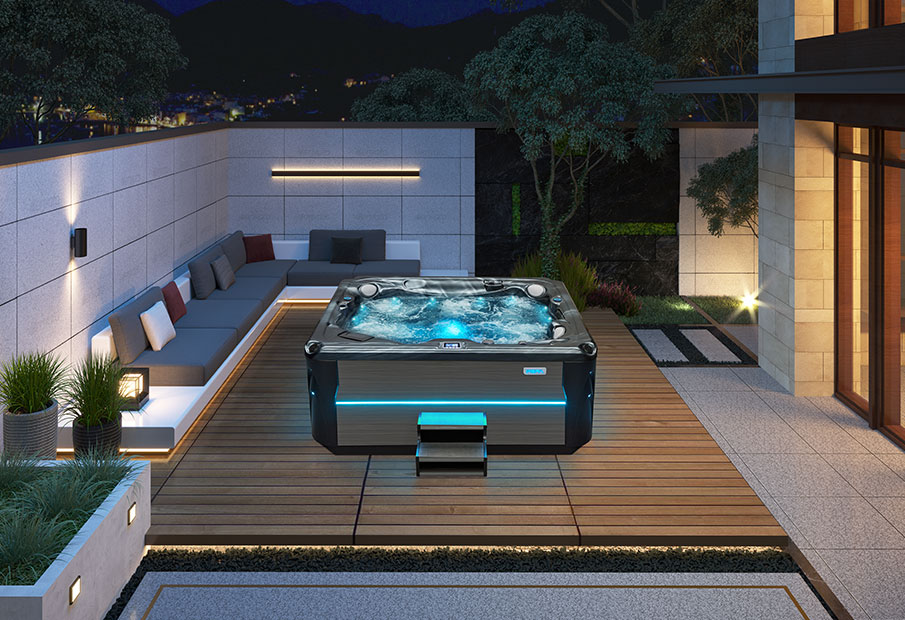
The Fspa BD-005Pro Hot Tub, accommodating up to 6 adults with a spacious 2530x2300x900mm design, boasts robust massage systems, pristine water clarity, an array of premium features, and efficient water sanitization, making it an ideal choice for both residential and commercial outdoor settings.
PRODUCTS
INQUIRY
Thank you for your message!Our Chinese New Year holiday from 7th Feb to 28th Feb. Apologise to make your inconvenience so that responses may be delayed during this period. We'll back to you with regular service on 2th March .Thank you for understanding.


