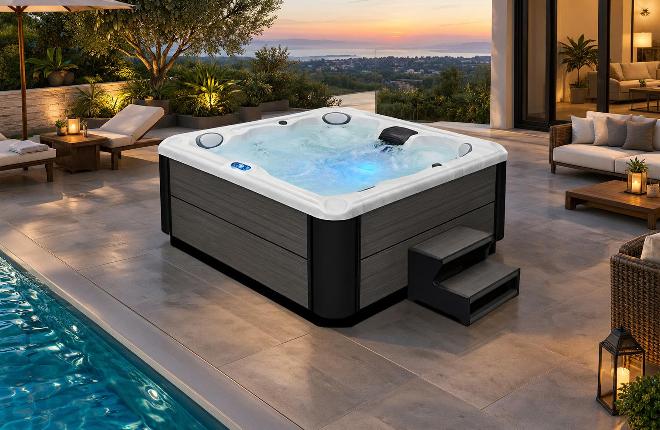
Cold weather changes how a hot tub behaves, and a winter outdoor spa only rewards owners who understand that shift. Heaters work harder, covers matter more, and water chemistry drifts faster than most people expect. Whether you already own a spa or are weighing one for the season ahead, knowing what winter demands will save you money and frustration.
Heat loss accelerates once air temperature drops well below the water temperature. A spa sitting at 38°C in freezing air loses heat through the shell, the cover seams, and any exposed plumbing far faster than it would in milder weather. This is simple thermodynamics, not a flaw in the equipment.
That heat loss puts direct pressure on the heater and pump cycle. Most residential units use heaters in the 2kW to 3kW range, and in winter these run longer and more often just to hold a set temperature. Owners who don’t account for this sometimes assume something is broken when really the system is just working against a bigger temperature gap.
Wind adds another variable that’s easy to underestimate. A spa positioned in an open, exposed yard will shed heat faster than one tucked near a wall or fence line. Something as simple as a windbreak can measurably reduce how often the heater cycles on.
Not every hot tub is equally suited to sub-zero nights. Shell insulation, cabinet sealing, and pump quality all affect how a unit holds up once temperatures fall consistently below freezing.
When comparing options for winter use, a few technical points are worth checking before purchase:
| Feature | Why It Matters in Winter |
|---|---|
| Heater output (2kW–3kW) | Determines recovery speed after cover is opened |
| Total system power (up to 5.55kW) | Affects how pumps and heater run together without tripping circuits |
| Jet count (16 to 80 jets) | More jets mean more plumbing runs that need freeze protection |
| Capacity (3 to 6 adults) | Larger volume holds heat longer once warmed |
| Shell construction | Durable, well-sealed shells resist heat loss and cold-cracking |
Fspa’s hot tub lineup, for instance, ranges from compact 3-person models suited to a couple sharing a quiet balcony soak, up to 6-person family spas built for longer winter gatherings. The larger units, with their bigger water volume, tend to hold temperature more steadily between heating cycles, simply because there’s more thermal mass resisting the cold.
Picking the right size and spot isn’t just about aesthetics. It directly affects running cost and comfort once the weather turns. A few practical steps help narrow the decision:
Getting these decisions right before installation avoids costly retrofits once the first cold front arrives.
Cold air holds less moisture, and steam rising off a heated spa can evaporate quickly in dry winter conditions, which may concentrate dissolved minerals and disinfectant byproducts faster than in summer. That means water testing shouldn’t be skipped just because it’s cold outside.
Ozone-based sanitization systems, which are integrated into several Fspa models, help offset this by continuously treating water without relying solely on manual chemical dosing. According to the product documentation, this ozone treatment supports clearer water and reduces the frequency of manual chemical top-ups, which matters when cold weather already makes maintenance visits less appealing.
Still, ozone systems don’t eliminate the need for periodic manual checks. pH drift, in particular, tends to be more noticeable in winter because top-off water (often colder tap water) can shift balance more abruptly than warmer seasonal refills.
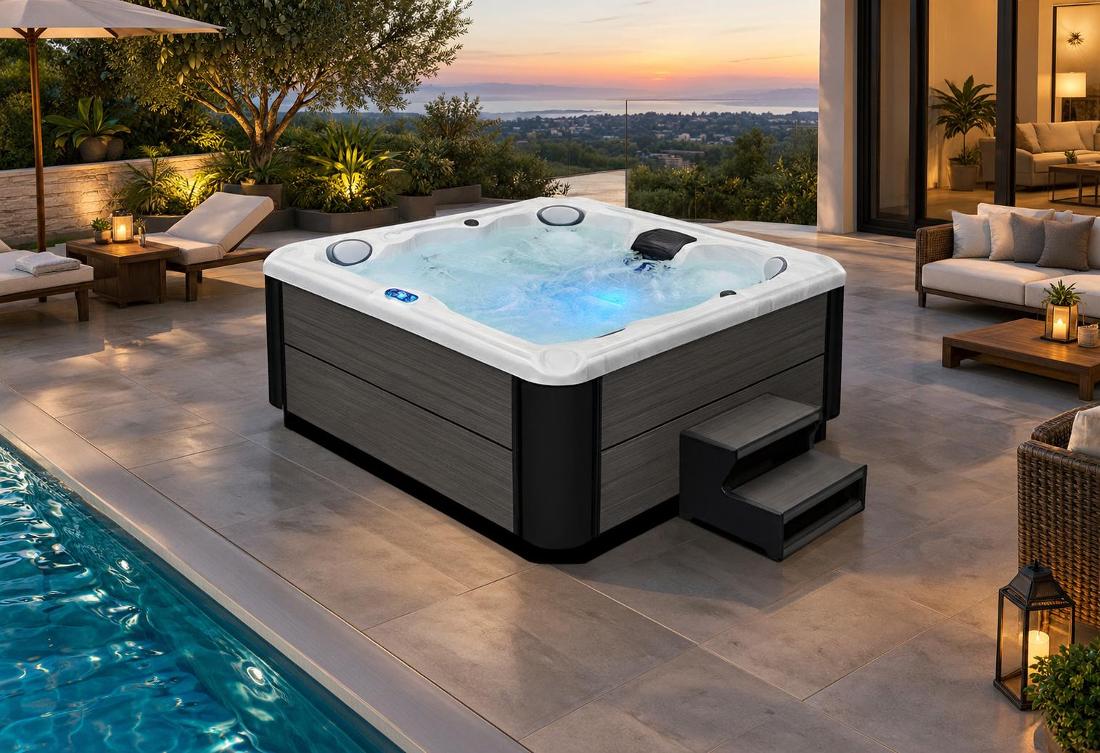
A spa cover does more work in winter than any other component besides the heater itself. It’s the main barrier against heat loss, and a poorly sealed or waterlogged cover can noticeably raise heating costs.
Owners should watch for a few warning signs that a cover is underperforming:
None of these issues are unique to any one brand. They’re mechanical realities of foam-core covers exposed to freeze-thaw cycles. Wiping snow off promptly, rather than letting it compact into ice, extends cover life meaningfully.
Cabinet panels also deserve a look. Durable, weather-resistant shells and panel materials matter more in climates with hard freezes, since repeated expansion and contraction from temperature swings stresses seams and fittings over time.
Within the Fspa lineup, standard and Pro-tier models differ mainly in jet density, lighting, and control features rather than core heating capability. For someone deciding what actually matters for winter use, it helps to separate cosmetic upgrades from functional ones.
None of these differences change the underlying physics of heat loss. They shape comfort and convenience, not whether the spa can handle cold weather at all.
One common misunderstanding involves how long a spa takes to reach temperature after being opened in cold weather. Opening the cover on a freezing day releases stored heat quickly, and recovery time depends on ambient temperature, wind, and heater output.
A 2kW heater will simply take longer to recover lost heat than a 3kW unit, all else equal. This isn’t a defect; it’s a straightforward function of thermal load versus heating capacity. Owners expecting instant reheating regardless of heater size are working from an unrealistic baseline.
Minimizing cover-open time, and using a floating thermal blanket under the hard cover where compatible, are simple habits that reduce how hard the heater has to work to recover.
Does a hot tub need to be drained in winter if it’s not being used?
Not necessarily. Many manufacturers recommend keeping the system running and heated through freeze cycles rather than draining it, since standing water in idle plumbing risks freeze damage. If a spa will sit unused for an extended period, follow the manufacturer’s specific winterization procedure rather than draining it without guidance.
Will snow damage the spa shell or cabinet?
Occasional snow accumulation isn’t typically harmful if it’s cleared before it compacts into ice, but prolonged weight on a cover, or ice buildup in cabinet vents, can stress seals over time.
Is ozone sanitization enough on its own in winter?
Ozone systems reduce, but don’t eliminate, the need for periodic water testing. Cold, dry air changes evaporation rates and can shift chemical balance faster than expected.
Does a bigger spa cost more to heat in winter?
Generally yes, in absolute terms, since more water volume requires more energy to heat initially. However, larger volumes also hold temperature more steadily between cycles, which can offset some of that cost over time.
Cold weather doesn’t have to be a liability for hot tub owners. It’s simply a different set of conditions that reward attentive maintenance and sensible equipment choices. Heater sizing, cover condition, placement, and water chemistry all interact, and understanding those relationships turns winter from a challenge into just another season of regular use.
For anyone weighing a new purchase or troubleshooting an existing setup, the underlying goal stays the same: match the equipment and habits to the climate rather than fighting against it. A well-placed, well-maintained winter outdoor spa, whether a compact 3-person unit or a larger 6-person model, can perform reliably through the coldest months when these basics are respected.
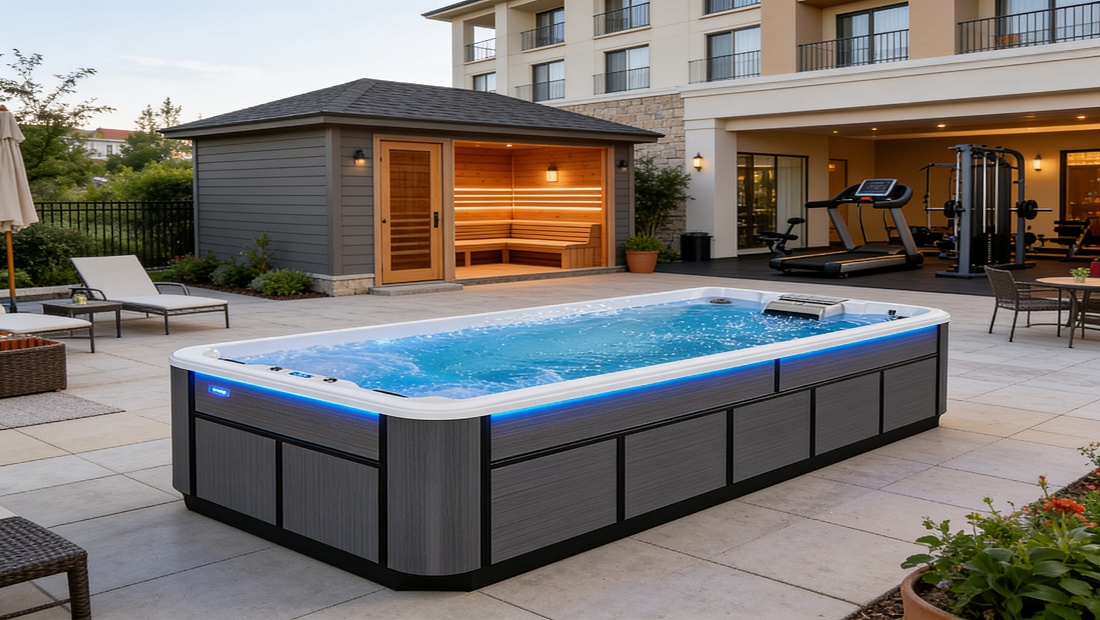
Designing a Premium Outdoor Relaxation Space with Modern Spa Concepts
In recent years, homeowners have increasingly invested in creating private wellness environments that combine comfort, aesthetics, and hydrotherapy benefits. A luxury outdoor jacuzzi has become a centerpiece of this trend, offering a high-end relaxation experience right in the backyard. These systems are designed with advanced hydro jets, ergonomic seating, and temperature control features that transform any outdoor area into a personal spa retreat.
One of the most popular design styles today is the round outdoor jacuzzi, which provides a balanced water flow and encourages social interaction among users. Its circular layout creates a natural gathering space, making it ideal for families or small groups who want to enjoy a shared relaxation experience.
For those who prefer versatile installation options, a jacuzzi for outside use is an excellent choice. These models are engineered to withstand outdoor conditions such as temperature changes, UV exposure, and moisture, ensuring long-term durability while maintaining comfort and performance.
When looking for wellness solutions, many buyers start by exploring outdoor tubs for sale, which come in various sizes, materials, and feature sets. These tubs range from simple soaking designs to advanced hydrotherapy systems with LED lighting, massage jets, and smart controls.
For small families or compact outdoor spaces, an outdoor 4 person spa is often the most practical option. It provides enough seating for intimate gatherings while maintaining efficient energy consumption and space-saving design. This makes it a popular choice for patios, balconies, and small gardens.
At the higher end of the market, a luxury jacuzzi outdoor system delivers a premium spa experience with enhanced durability, advanced filtration systems, and customizable jet configurations. These models are designed for homeowners who prioritize long-term comfort and aesthetic appeal.
Modern homeowners are also increasingly attracted to the modern outdoor spa, which integrates sleek design elements, energy-efficient technology, and smart controls. These spas often blend seamlessly with contemporary outdoor architecture, making them both functional and visually appealing.
When evaluating investment decisions, understanding outdoor spa cost is essential. Pricing varies depending on size, material quality, brand reputation, and feature complexity. Entry-level models are more affordable, while high-end luxury spas with advanced hydrotherapy systems can represent a significant investment but offer long-term value in comfort and durability.
For larger households or hospitality settings, a 6 person outdoor jacuzzi provides the perfect solution. It allows multiple users to enjoy the spa simultaneously without compromising comfort, making it ideal for social gatherings, vacation homes, or family entertainment spaces.
Selecting the right spa requires balancing lifestyle needs, space availability, and budget considerations. A luxury outdoor jacuzzi or luxury jacuzzi outdoor model is best suited for users seeking premium comfort and long-term durability. These systems often include advanced hydrotherapy functions that support relaxation, stress relief, and muscle recovery.
If space is limited, a round outdoor jacuzzi or outdoor 4 person spa can provide an efficient yet enjoyable solution. These designs maximize seating comfort while minimizing spatial requirements.
For those focused on outdoor installation flexibility, a jacuzzi for outside ensures reliable performance under various weather conditions, while modern outdoor spa designs enhance the overall aesthetic of outdoor living spaces.
Budget planning is also crucial, and evaluating outdoor spa cost helps buyers choose a model that aligns with both financial expectations and long-term usage needs. Whether opting for a compact unit or a 6 person outdoor jacuzzi, the right choice should enhance both lifestyle quality and property value.
From compact family units to high-end wellness installations, the outdoor spa market offers a wide range of options for every lifestyle. Whether you are considering a luxury outdoor jacuzzi, a practical outdoor 4 person spa, or a spacious 6 person outdoor jacuzzi, each option delivers unique benefits in relaxation, design, and functionality. By carefully evaluating features, space, and outdoor spa cost, homeowners can create a personalized outdoor retreat that enhances comfort, health, and everyday living quality.
A luxury outdoor jacuzzi offers advanced hydrotherapy jets, premium materials, and enhanced comfort, making it ideal for long-term relaxation and wellness at home.
Yes, a round outdoor jacuzzi is designed for equal seating distribution, making it perfect for social gatherings and family use.
When exploring outdoor tubs for sale, consider size, material quality, jet systems, insulation, and energy efficiency to ensure long-term satisfaction.
The outdoor spa cost varies widely depending on size and features, ranging from affordable entry-level models to high-end luxury systems with advanced technology.
Yes, a 6 person outdoor jacuzzi is ideal for families or group use, providing spacious seating and a comfortable shared spa experience.
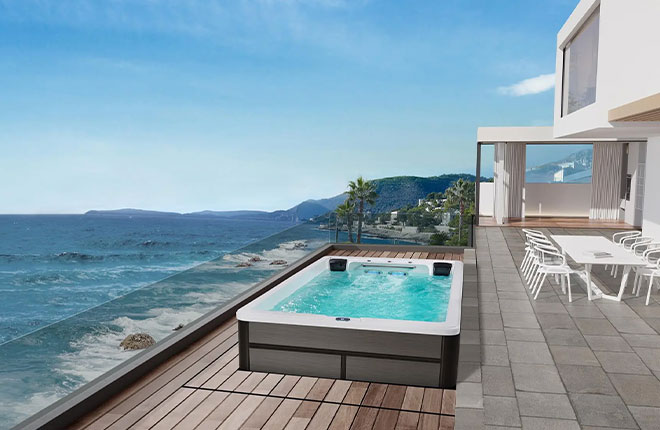
Global Popularity of Swim Spas: Where They Thrive Around the World
Swim spas have emerged as a popular choice for aquatic enthusiasts and wellness seekers alike, offering a unique blend of fitness and relaxation benefits in a compact package. These versatile units have garnered widespread popularity across several countries and regions, catering to diverse climates and lifestyles.
United States: In the United States, swim spas have found a strong foothold, particularly in states with varying climates such as California, Florida, and Texas. They appeal to homeowners looking for a year-round swimming solution without the space requirements of a traditional pool. The versatility of swim spas also fits well with the American emphasis on health and fitness.
Australia: Known for its outdoor lifestyle, Australia has embraced swim spas as a practical alternative to traditional pools. They are particularly popular in urban areas where space is limited and in regions with warm climates like Queensland. Australians appreciate the dual functionality of swim spas for exercise and relaxation.
United Kingdom: Despite the unpredictable weather, swim spas have gained popularity in the UK. They provide a compact swimming solution suitable for both exercise and leisure. Their appeal lies in offering a year-round aquatic experience without the extensive space and maintenance demands of a full-sized pool.
Canada: In Canada, where the climate varies greatly from region to region, swim spas have become increasingly popular. They allow Canadians to enjoy swimming and hydrotherapy year-round, even in colder climates. Swim spas are valued for their compact size and ability to provide therapeutic benefits at home.
Scandinavian Countries: Countries like Sweden, Norway, and Denmark have embraced swim spas as well. They offer a practical solution for enjoying warm water activities outdoors, even in colder climates. Swim spas are popular in both residential settings and spa resorts, catering to the wellness-oriented Scandinavian lifestyle.
New Zealand: Similar to Australia, New Zealand has seen an uptick in the popularity of swim spas. They appeal to homeowners seeking a versatile aquatic solution that combines fitness and relaxation benefits. Swim spas are valued for their compact design and ability to complement the outdoor lifestyle.
Japan: In densely populated urban areas of Japan, swim spas have gained traction among individuals seeking a space-efficient aquatic experience. They offer a compact alternative to traditional pools and appeal to those interested in fitness and hydrotherapy benefits at home.
Swim spas continue to evolve with advanced features such as adjustable current speeds, ergonomic seating, and integrated hydrotherapy jets, making them attractive to a global audience. Their popularity across various countries and regions underscores a growing trend towards compact, multifunctional aquatic solutions that cater to diverse needs and lifestyles. As more people prioritize health, fitness, and relaxation at home, swim spas are likely to remain a popular choice worldwide. If you want to customize a swim spa, you can choose FSPA Swim Spa.
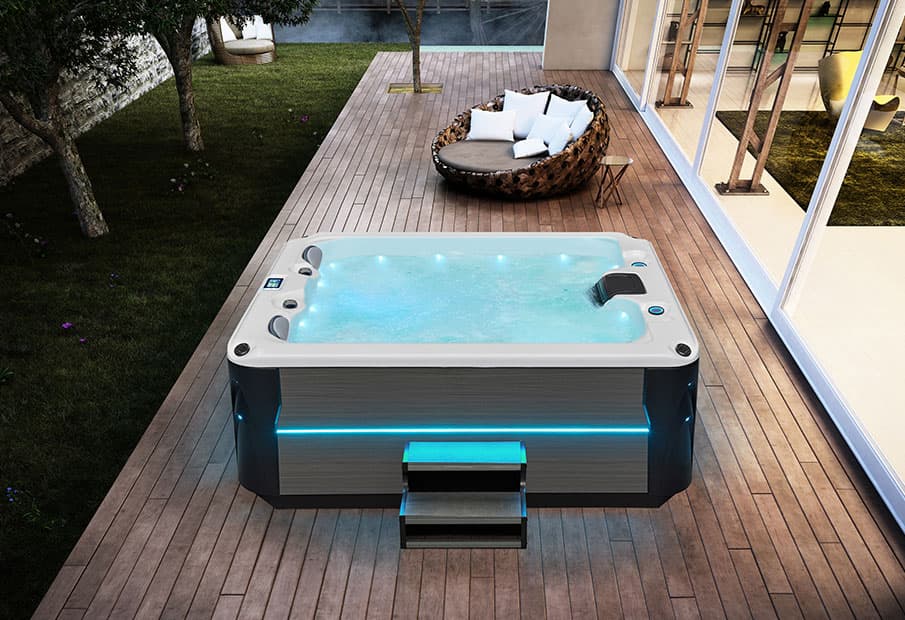
The Fspa BD-014Pro Hot Tub, with its spacious interior for 5 adults, comprehensive control system, powerful massage and filtration features, LED lighting, and speakers, offers a luxurious and therapeutic spa experience perfect for indoor or outdoor relaxation.
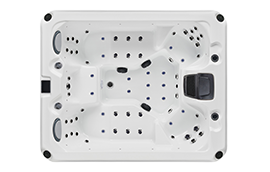
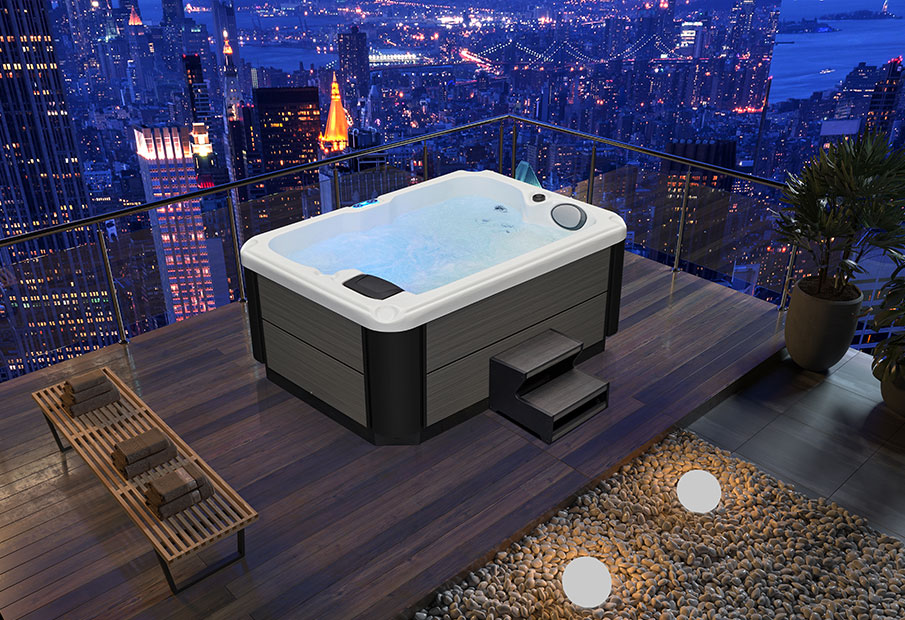
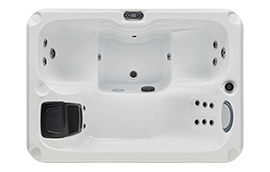
The Fspa BD-002, with its spacious 1870x1330x800mm design for 3 adults, boasts advanced controls, a 1.5kW massage pump, a 0.35kW filter pump, a 2kW heater, 16 water jets, an LED light, a filter, an ozone system, and total 3.85kW power, offering a luxurious and rejuv enating spa experience at home.
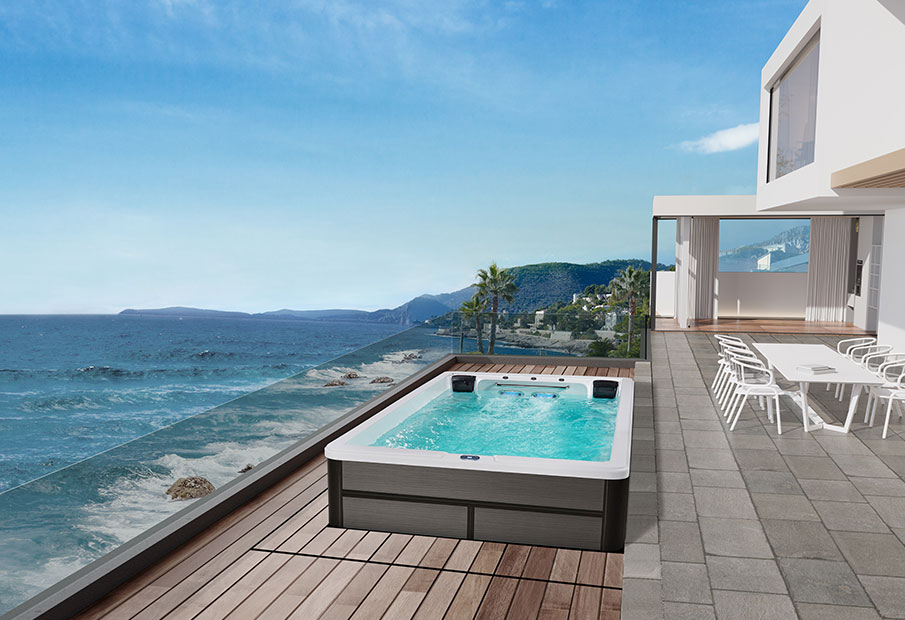
The Infinipool Fspa IP-001 is the ideal choice for anyone seeking a premium swimming experience at home or in a fitness facility.
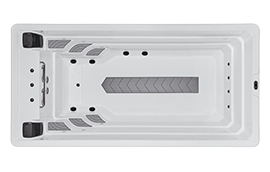
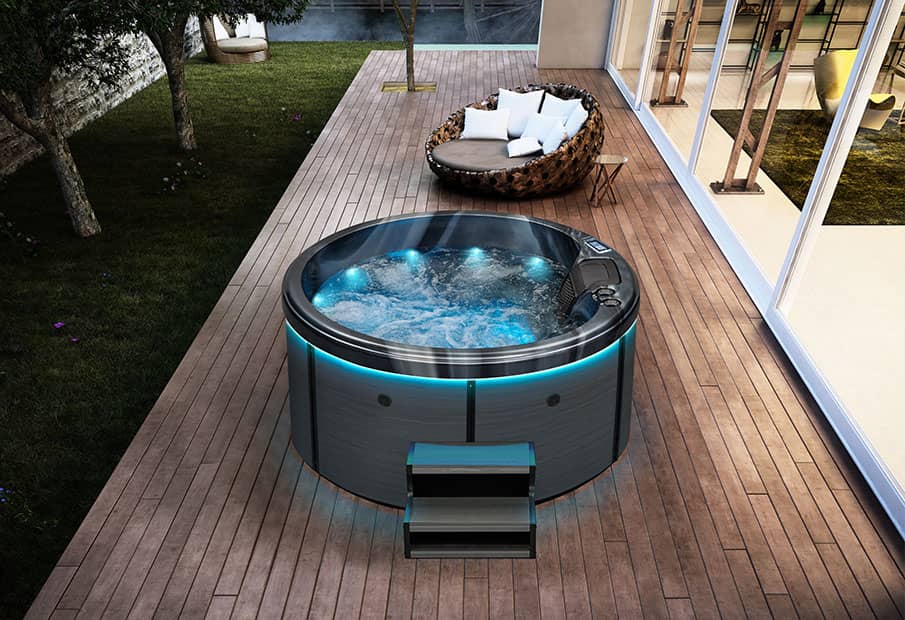
The Fspa BD-017Pro Hot Tub, spacious enough for 5 adults, offers a serene and rejuvenating experience with advanced controls, powerful massage and filtration systems, modern amenities, and suitability for indoor or outdoor use.
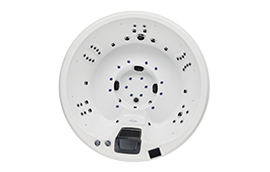
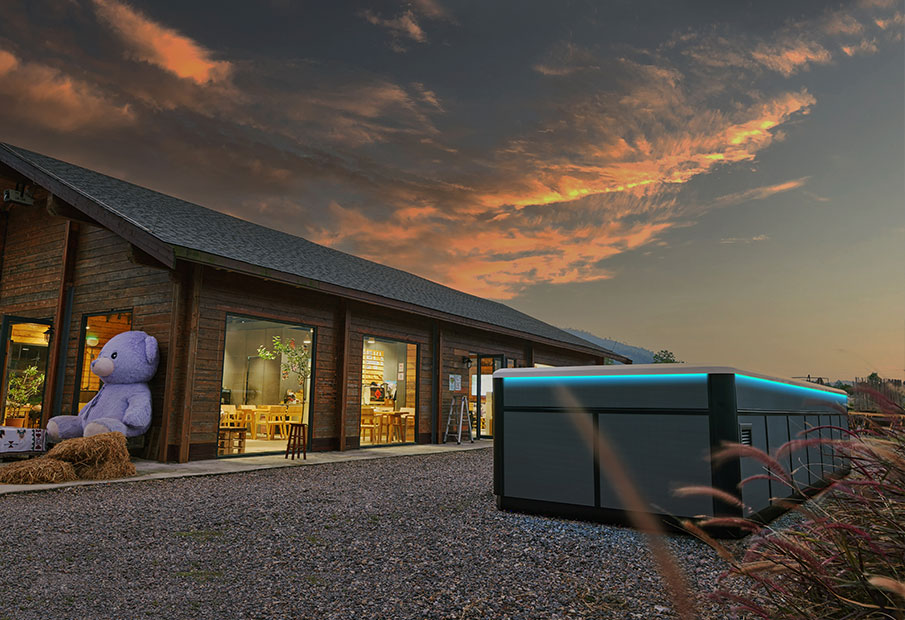
The Infinipool Fspa IP-004Pro is a luxurious, spacious hot tub with advanced features and a luxurious ambiance, perfect for both residential and commercial spa retreats.
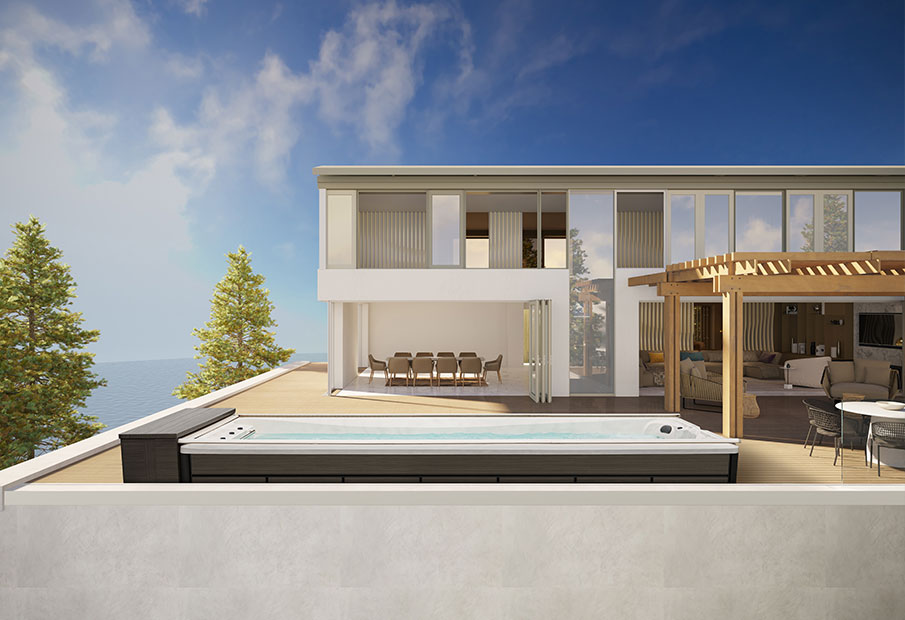
The Infinipool Fspa IP-004 is a luxurious, spacious, and technologically advanced swimming pool.
PRODUCTS
INQUIRY
Thank you for your message!Our Chinese New Year holiday from 7th Feb to 28th Feb. Apologise to make your inconvenience so that responses may be delayed during this period. We'll back to you with regular service on 2th March .Thank you for understanding.


