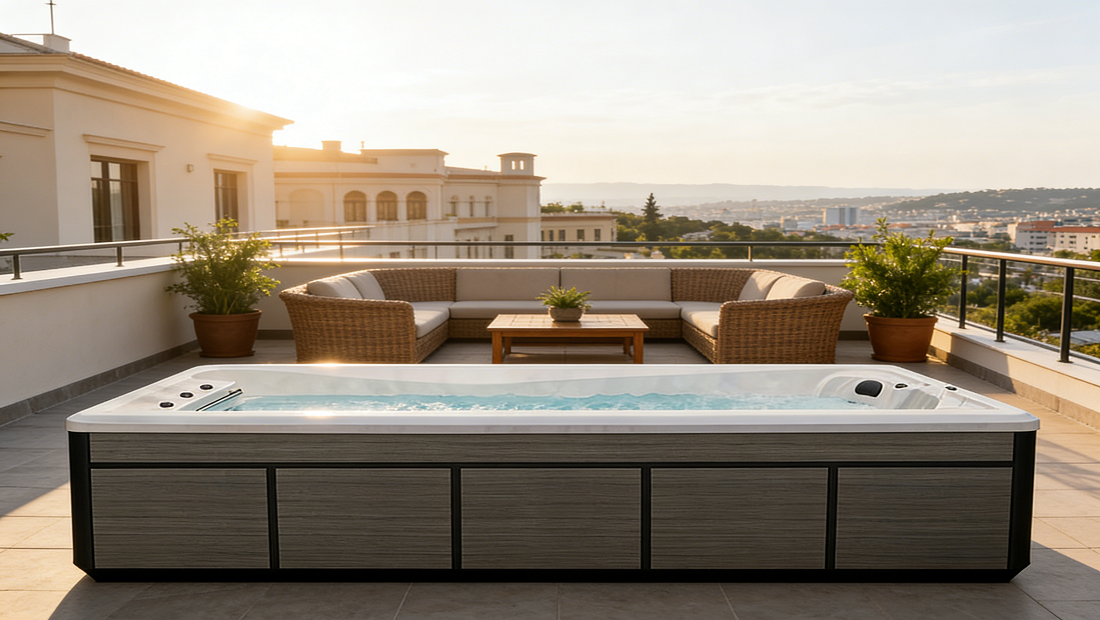
Cold therapy has become one of the most popular wellness trends for athletes, fitness enthusiasts, and homeowners looking to improve recovery and relaxation. Today, modern cold plunge systems are designed to be more affordable, compact, and environmentally friendly than ever before. Whether you are searching for a cheap cold plunge for personal wellness or a portable option for flexible use, there are many innovative products available on the market.
Companies like F-SPA are helping customers enjoy premium cold therapy experiences with energy-saving technology, stylish designs, and user-friendly features. From compact tubs to sustainable ice bath systems, cold plunge solutions now fit a wide range of budgets and lifestyles.
One of the main reasons cold therapy has become more accessible is the availability of smaller and simpler systems. A 1 person cold plunge is perfect for individuals who want a private and relaxing recovery experience at home. These smaller tubs are ideal for apartments, patios, home gyms, and wellness rooms because they require less space and less water.
Many homeowners also prefer a single cold plunge because it is easier to maintain and more energy efficient. Smaller plunge tubs can cool water faster and typically consume less electricity than larger systems. F-SPA offers several compact designs that combine modern aesthetics with practical functionality for everyday use.
Another important feature consumers look for is convenience. An easy setup cold plunge allows users to begin their wellness routine quickly without complicated installation. Many modern plunge tubs are designed with plug-and-play systems, simple drainage features, and lightweight structures for easy positioning.
For customers with limited space, a mini cold plunge can provide an excellent solution. Despite its compact size, a mini plunge tub can still deliver the benefits of cold water therapy, including improved circulation, reduced muscle soreness, and mental refreshment. These smaller models are becoming especially popular among urban homeowners and personal fitness users.
Mobility is another key advantage in modern cold therapy products. A portable cold plunge tub gives users flexibility to move the system between indoor and outdoor spaces depending on weather and personal preference. Portable systems are also useful for sports teams, training facilities, and temporary wellness setups.
Sustainability is becoming increasingly important in the wellness industry. Many buyers now prefer products that combine performance with environmental responsibility. An eco-friendly ice bath helps reduce water and electricity consumption while still maintaining stable cooling performance.
Modern insulation materials and advanced filtration systems help improve efficiency and reduce waste. F-SPA continues to develop sustainable cold therapy products that support both wellness goals and environmentally conscious living.
An energy-efficient cold plunge is especially valuable for long-term use. Efficient cooling systems help reduce operational costs while maintaining consistent water temperature. This makes cold therapy more affordable and practical for daily routines.
Consumers searching for a cheap cold plunge often assume lower prices mean lower quality, but many affordable systems now include advanced features such as efficient temperature control, durable materials, and easy maintenance. By choosing an energy-saving plunge tub, users can enjoy lower operating costs over time while still receiving the full benefits of cold water therapy.
Portable and compact systems also contribute to sustainability because they generally use less water and require less energy to maintain. Whether selecting a 1 person cold plunge or a mini cold plunge, buyers can now find eco-conscious options that balance performance, affordability, and convenience.
F-SPA provides a wide range of cold plunge products designed for both personal and commercial applications. From lightweight portable tubs to premium insulated systems, customers can choose solutions that fit their space, budget, and recovery needs.
A cheap cold plunge provides affordable access to cold therapy benefits such as muscle recovery, improved circulation, stress reduction, and relaxation.
A 1 person cold plunge is compact, easy to maintain, and ideal for personal wellness routines in smaller spaces.
Yes. An easy setup cold plunge is designed for quick installation and simple operation, making it ideal for first-time users.
An eco-friendly ice bath uses energy-saving cooling systems, efficient insulation, and sustainable materials to reduce environmental impact.
An energy-efficient cold plunge lowers electricity costs, maintains stable temperatures, and supports long-term affordable wellness use.
Cold therapy is becoming more convenient, affordable, and sustainable for modern consumers. Whether you need a portable cold plunge tub, a single cold plunge, or a compact and energy-efficient cold plunge, there are many solutions available to fit different lifestyles and budgets. With innovative designs and eco-conscious technology, companies like F-SPA continue to make cold plunge wellness more accessible for homes, gyms, and wellness spaces worldwide.
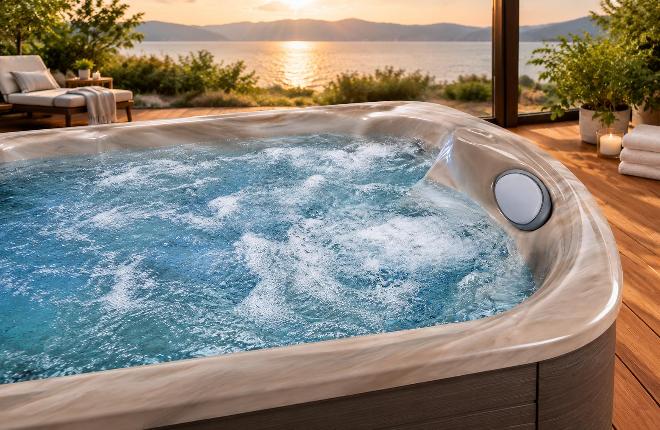
Affordable Swim Spas: What to Know Before You Buy
Shopping for affordable swim spas usually starts with a simple question: how much comfort can you get without paying for features you’ll never use. The market is full of oversized units marketed as "must-haves," yet most households only need a compact, reliable spa that fits their space and budget. Understanding what actually drives cost, and what doesn’t, makes the search far less confusing.
This guide breaks down the practical factors behind pricing, performance, and long-term value, using a real-world 6-person portable spa as a reference point throughout.
Price differences between spas rarely come down to brand name alone. They’re tied to jet count, pump wattage, shell material, and how the cabinet is built. A unit with 35 jets and a 5.55kW system, for instance, sits in a different cost bracket than a basic 10-jet model with a single small pump.
Bigger price tags don’t always mean better performance either. Some manufacturers add jets purely for marketing appeal, without balancing pump capacity to support them. That mismatch can leave water pressure feeling weak even in a spa that looks impressive on paper.
The more useful comparison is between total power output and jet count together, since that ratio tells you whether the massage experience will actually feel strong once the water is running.
A spa’s sticker price is only part of the equation. Ongoing costs like water treatment, heating, and pump maintenance matter just as much over a five or ten year span. This is where sanitization systems come into play.
Spas equipped with an integrated ozone system, like the BD-004 model referenced here, are designed to reduce the manual chemical maintenance that eats into weekly routines. Ozone works alongside standard sanitizers to keep water circulation cleaner between full changes, which in turn can lower the frequency of costly water replacement.
Here’s what tends to influence value the most over time:
Before comparing jet counts or lighting features, capacity and footprint decide whether a spa even fits your plan. A 6-person spa measuring roughly 2350 x 2350 x 900mm needs a stable, load-rated surface, whether that’s a reinforced deck or a concrete pad.
Weight matters more than most buyers expect. An empty shell weighing around 317kg becomes significantly heavier once filled with roughly 1450 liters of water and occupied by users. Skipping a structural check before installation is one of the most common and costly mistakes in this category.
Consider these placement scenarios before finalizing a decision:
Not all jets are created equal, and jet count alone won’t tell you how a spa performs. What matters is how jets are positioned relative to the body and how much pump power supports them.
In the BD-004, for example, 35 jets are distributed across an ergonomic shell where seats and backrests are contoured to match natural body curves. According to the manufacturer’s product data, jet placement was designed around these contours rather than added uniformly across the shell, which is intended to concentrate pressure on areas like the lower back and shoulders.
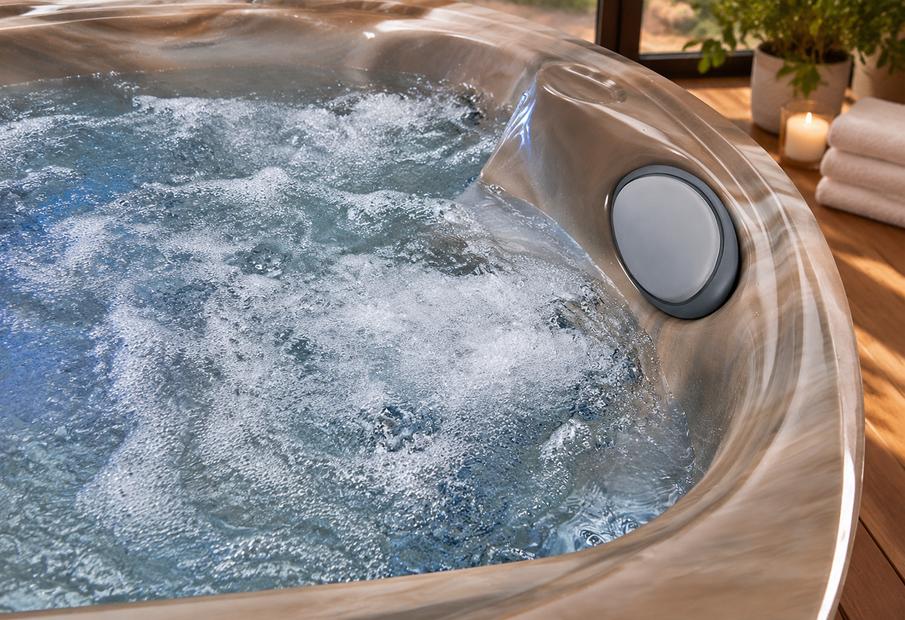
The headrest design also plays a supporting role here. The manufacturer describes a pillow system intended to help align the spine during use, which pairs with jet placement to reduce strain on the neck during longer soaks.
When narrowing down options, a side-by-side spec comparison saves time and avoids relying on marketing language alone.
| Specification | BD-004 Reference Spec | Why It Matters |
|---|---|---|
| Capacity | 6 Adults | Determines footprint and social use case |
| Total Power | 5.55kW | Balances massage strength with energy draw |
| Massage Pump | 2.2kW x 1pc | Drives jet pressure and water flow |
| Filter Pump | 0.35kW x 1pc | Maintains circulation without taxing the main pump |
| Heater | 3kW x 1pc | Affects heat-up speed and running cost |
| Jet Count | 35pcs | Distributed across ergonomic seating zones |
| Water Capacity | 1450L | Impacts fill time and chemical dosing |
| Net Weight | 317kg | Critical for structural placement planning |
| Certifications | CE, CTUVus, CB, SAA | Indicates electrical and safety compliance |
Tables like this are useful specifically because they strip away adjectives and let the numbers speak for themselves, which is often the fastest way to compare affordable swim spas across brands.
Underwater lighting is frequently dismissed as a cosmetic add-on, but it does serve a functional purpose beyond appearance. Bottom-positioned LED lighting, as used in the BD-004’s design, is intended to create a calmer visual environment during evening use, which can make longer soaks feel less clinical and more restorative.
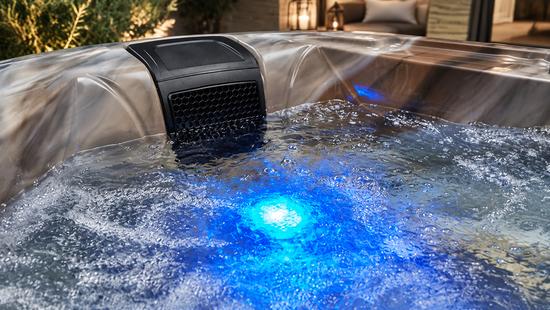
That said, lighting should never be the deciding factor in a purchase. It’s a comfort layer that sits on top of core performance metrics like pump wattage and jet distribution, not a replacement for them.
Ozone sanitization reduces manual chemical dosing, but it doesn’t eliminate maintenance altogether. Filters still need regular rinsing, and water chemistry should be checked on a consistent schedule regardless of what sanitization system is installed.
Buyers researching affordable swim spas sometimes assume "low maintenance" means "no maintenance," which leads to disappointment within the first few months of ownership. Setting realistic expectations upfront, including a basic weekly filter check and periodic water testing, prevents most common performance complaints down the line.
Does a lower price mean lower water quality control?
Not necessarily. Price is driven more by pump size, jet count, and cabinet materials than by sanitization technology. A mid-range spa can still include an integrated ozone system.
How much space does a 6-person spa actually need?
Beyond the unit’s footprint of roughly 2350 x 2350mm, you’ll need clearance for the cabinet access panel and a stable, level surface rated for the combined weight of the shell, water, and occupants.
Are more jets always better?
No. Jet count only matters when paired with sufficient pump power. A spa with fewer, well-placed jets and a properly sized pump can outperform a unit with more jets and a weaker motor.
What certifications should I look for?
CE, CB, and SAA are commonly referenced marks tied to electrical safety testing in different regions. Confirm which certifications apply to your local market before purchasing.
Choosing among affordable swim spas comes down to matching real household needs with a spec sheet that holds up under scrutiny. Capacity, pump-to-jet ratio, and sanitization method matter far more than lighting effects or cabinet color.
For us, and for most manufacturers producing intelligent outdoor spa units for villas, hotels, and wellness spaces, the goal of an affordable swim spa isn’t the lowest price tag. It’s the combination of dependable pump performance, manageable maintenance, and a footprint that fits real-world installations without forcing unnecessary compromises.
Choosing a Compact Swim Spa Without Sacrificing Hydrotherapy Power
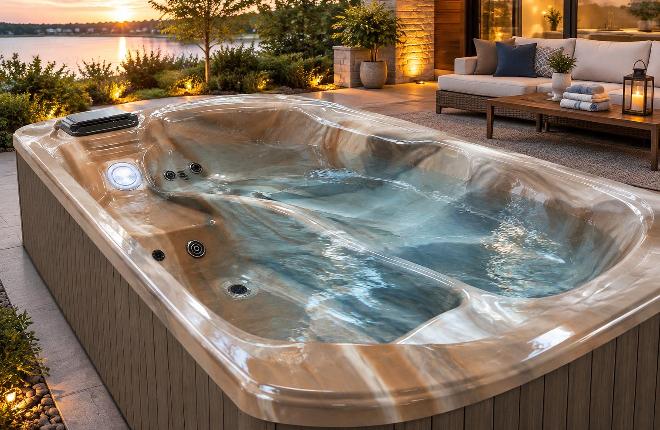
A compact swim spa sounds like a contradiction. Swim spas are supposed to be long, roomy things that eat up half a backyard, while "compact" usually means smaller pumps, fewer jets, and a shallower soak. That trade-off is exactly what stops a lot of villa owners, boutique hotel operators, and small-space homeowners from buying one at all. The good news is that footprint and performance aren’t tied together the way they used to be. Units like the Fspa BD-004 pack a 6-person capacity, 35 massage jets, and a 5.55kW system into a 2350x2350x900mm shell, proving that a smaller print doesn’t have to mean a smaller experience.
Most people don’t choose a compact spa because they want less. They choose it because a deck, a rooftop terrace, or a hotel courtyard has a hard limit measured in square meters. A traditional long-format swim spa simply won’t clear a gate or fit against a property line in a dense urban lot.
There’s also a structural reality that gets overlooked: weight and water volume. A near-square footprint like 2350x2350mm distributes load differently than a long rectangular shell, which can make retrofit installations on existing decks or reinforced balconies easier to plan around. At 317kg dry and 1450L of water capacity, the loaded weight still needs proper support, but the smaller footprint gives installers more flexibility in tight corners.
Buyers often assume shrinking the shell means shrinking the jet count or gutting the massage pump. That assumption doesn’t hold up well against current mid-size portable hot tub designs. The BD-004, for example, keeps a 2.2kW massage pump and 35 jets despite its relatively tight footprint, so the hydrotherapy intensity per seat doesn’t drop just because the overall unit is smaller.
What does change is the swim lane. A genuine swim-against-current spa needs length to generate a usable current channel, and no compact unit will replicate that. If lap-style swimming is the primary goal, a compact swim spa is the wrong category. If the goal is hydrotherapy, muscle recovery, and a shared soak for family or guests, compact hot tub-style units solve the space problem without touching the therapy quality.
Marketing pages love to highlight jet count, but a few other numbers matter more for real-world planning. Here’s a breakdown using the BD-004 as a reference point for what a mid-size, 6-person unit typically involves.
| Specification | Value | Why It Matters |
|---|---|---|
| Capacity | 6 Adults | Determines shell size vs. group use |
| Dimensions | 2350x2350x900mm | Fits tighter decks than rectangular swim spas |
| Total Power | 5.55kW | Combined draw for pumps and heater |
| Massage Pump | 2.2kW x 1 | Drives jet pressure and flow |
| Filter Pump | 0.35kW x 1 | Runs continuously for water clarity |
| Heater | 3kW x 1 | Affects heat-up time and running cost |
| Jet Count | 35 | Coverage across seating positions |
| Water Capacity | 1450L | Impacts fill time and chemical dosing |
| Net Weight | 317kg | Relevant for deck load calculations |
Electricians and installers will look at that 5.55kW total power figure first, since it dictates circuit sizing long before anyone talks about jet placement or LED colors.
Jet count gets attention, but jet placement is what actually determines comfort. According to the manufacturer’s product documentation, the BD-004 uses contoured seats and backrests designed to follow the body’s natural curves, with jets and controls positioned around those contours rather than scattered evenly across the shell. That’s a meaningful distinction. A tub with jets aimed at flat, generic seating wastes pressure on areas of the back that don’t need it.
The same documentation describes a headrest and pillow system intended to support neck and spine alignment during use, which matters most on longer soaks. Anyone who’s sat in a hot tub for twenty minutes with a stiff, unsupported headrest knows how quickly that turns from relaxing to annoying.
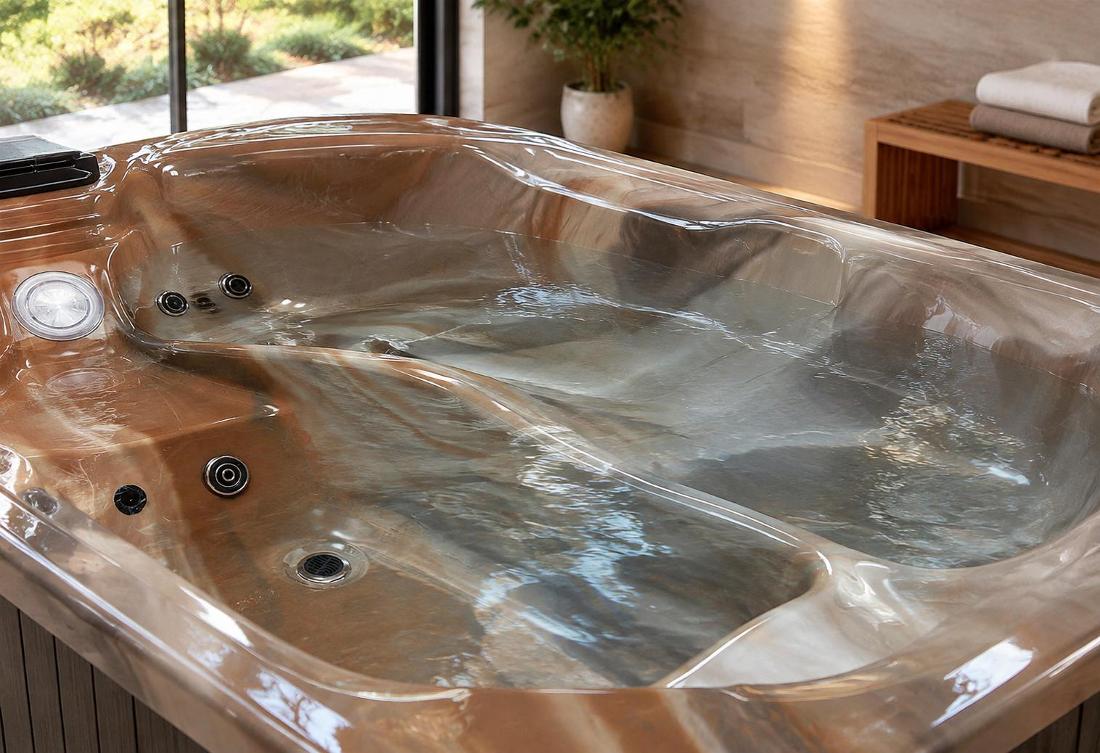
Every spa owner eventually asks the same question: how much time will this eat up every week? Chlorine-only systems demand frequent testing and dosing, especially in warmer climates where bacteria growth accelerates. An integrated ozone sanitization system, like the one built into the BD-004, works alongside the filtration pump to reduce the chemical load needed to keep water clear, which in turn cuts down on manual maintenance tasks.
This matters more for commercial-adjacent settings than most buyers realize. A boutique hotel gym or a bed-and-breakfast can’t have staff testing water chemistry twice a day. Lower maintenance overhead isn’t a luxury feature in those settings, it’s an operating cost line item.
Bottom-mounted blue LED lighting shows up in a lot of spa marketing as a mood feature, and it is that. But it also changes when and how people actually use the unit. A softly lit tub at night gets used for longer sessions and later in the evening than an unlit one, simply because visibility and ambiance both improve. In seaside homestays or villa backyards where the spa doubles as a nighttime social space, that lighting difference shows up directly in usage patterns, not just in photos.
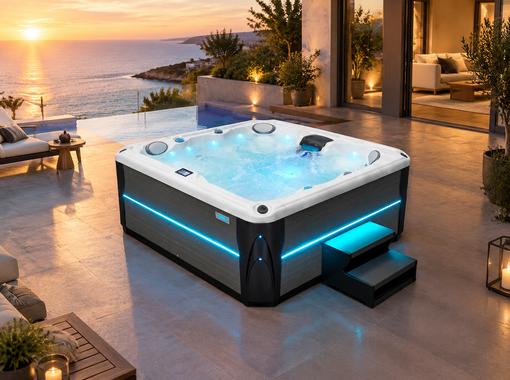
Different environments put different demands on a compact swim spa, and the right fit depends on how the space is actually used day to day.
Electrical certifications matter more with spas than with most other outdoor equipment, because you’re combining water, high voltage, and unsupervised residential use. The BD-004 carries CE, CTUVus, CB, and SAA certifications, which cover different regional electrical safety standards across Europe, North America, and Australia. Buyers importing units internationally should confirm which certifications apply to their destination market, since a certification valid in one region doesn’t automatically transfer to another.
Does a compact swim spa still fit 6 people comfortably?
Yes, but comfort depends on seat contouring, not just headcount. A 6-person rating on a 2350x2350mm shell works because seating is arranged around the perimeter with individual jet zones, not because six people are crammed into open water.
How much does a 5.55kW system cost to run?
Running cost depends heavily on local electricity rates and how often the heater cycles, since the 3kW heater is the largest single draw. Well-insulated cabinets reduce heat loss and lower the frequency of heater cycling.
Can this replace a lap pool?
No. A compact hydrotherapy spa is built for soaking and massage, not swimming against current. Buyers wanting exercise-focused swim spas need a longer, current-generating unit instead.
Is ozone sanitization a replacement for chemicals entirely?
Ozone systems reduce chemical demand but typically work alongside, not instead of, a baseline sanitizer. Water testing is still recommended on a regular schedule.
The appeal of a compact swim spa isn’t that it does everything a full-length swim spa does in less space. It’s that it solves a narrower, more common problem: giving a household, hotel, or wellness facility real hydrotherapy value when a large-format spa simply won’t fit. For us, working with manufacturers who prioritize seat ergonomics, adequate pump power, and proper certification has shown that footprint reduction and therapeutic quality aren’t opposing goals. Anyone shopping this category should weigh jet placement, water capacity, and sanitization design against the actual space and use case, rather than chasing the smallest possible compact swim spa on the market.
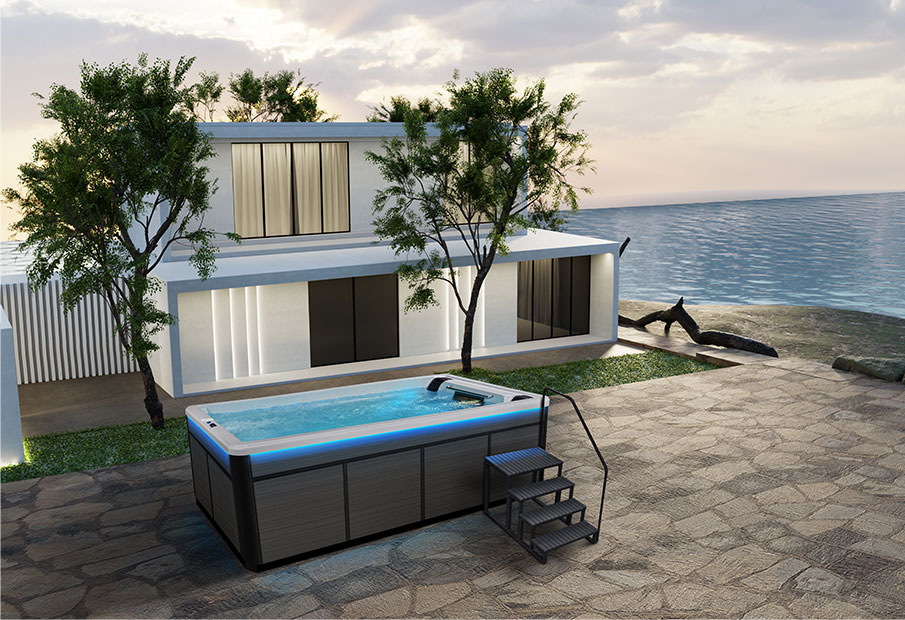
The Infinipool Fspa IP-001Pro is a premium, spacious pool with advanced filtration, ozone sanitization, insulation, and optional accessories, transforming backyards into luxurious oases for swimming, relaxation, and entertainment.
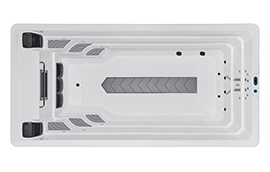
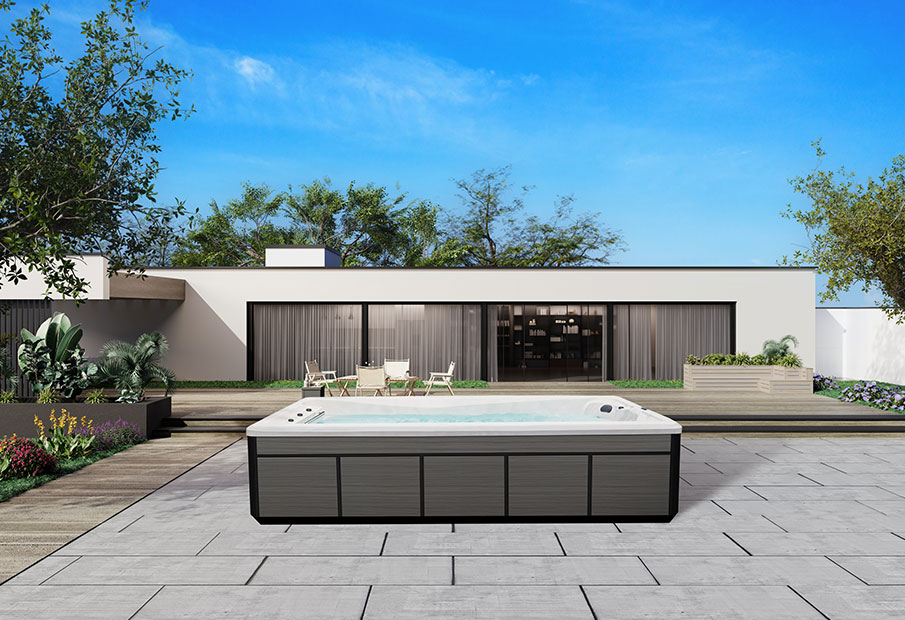
The Infinipool Fspa IP-003 provides a superior swimming experience in both residential and commercial settings.
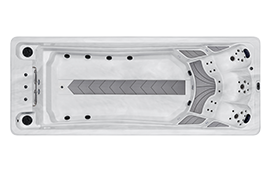
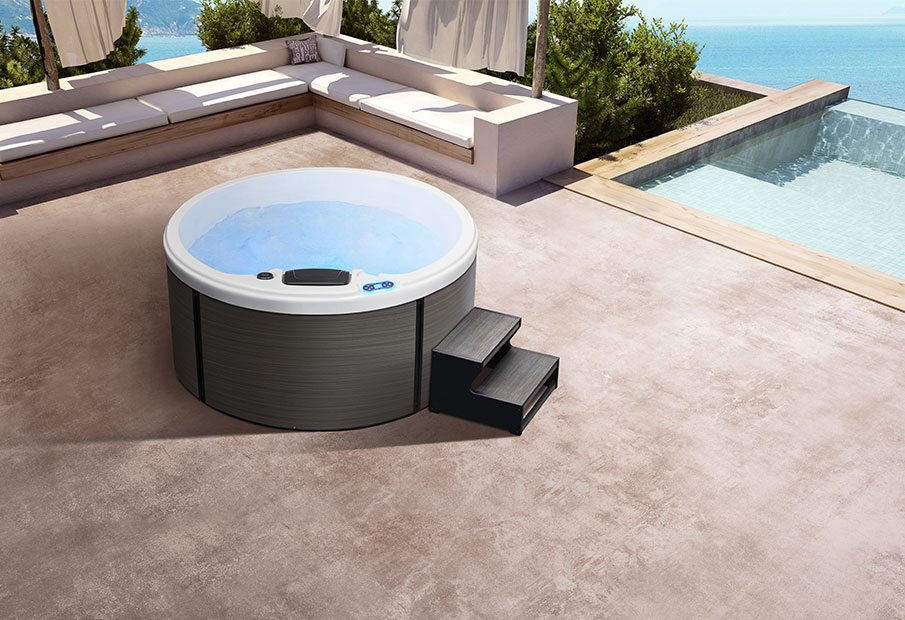
The Fspa BD-018 Hot Tub, designed for 2 adults with spacious dimensions, features a robust control system, 1.5kW massage pump, 0.35kW filter pump, 2kW heater, 14 customizable water jets, LED lighting, ozone sanitation, and a total power of 3.85kW, providing exceptional comfort and relaxation for a luxurious and rejuvenating soak.
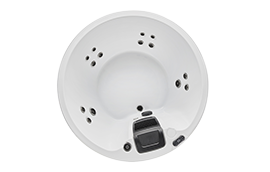
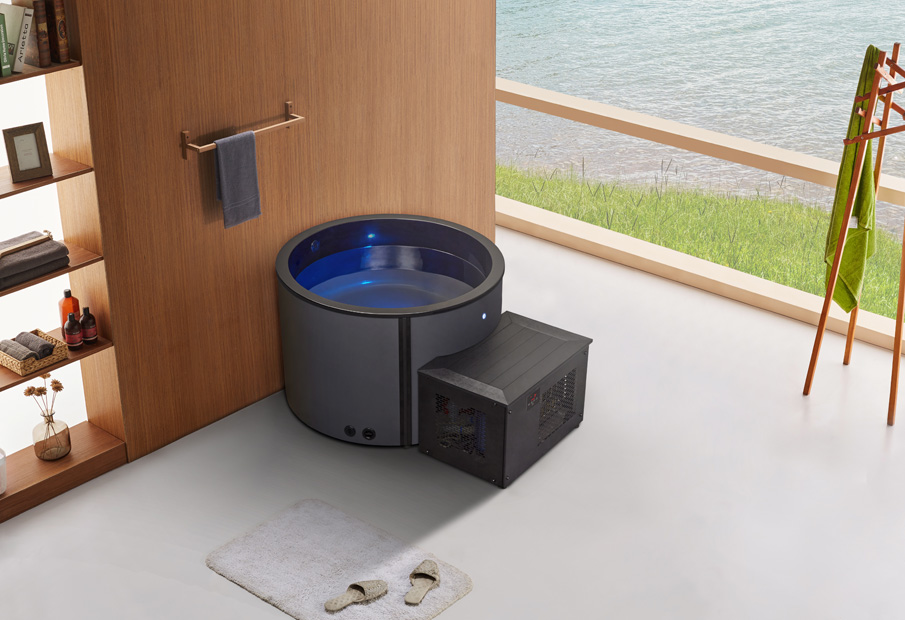
Combined design, plug and play, Include filter, circuit pump, Ozone, Ice-blue underwater light, and high-efficiency Chilling system.
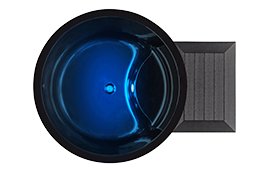
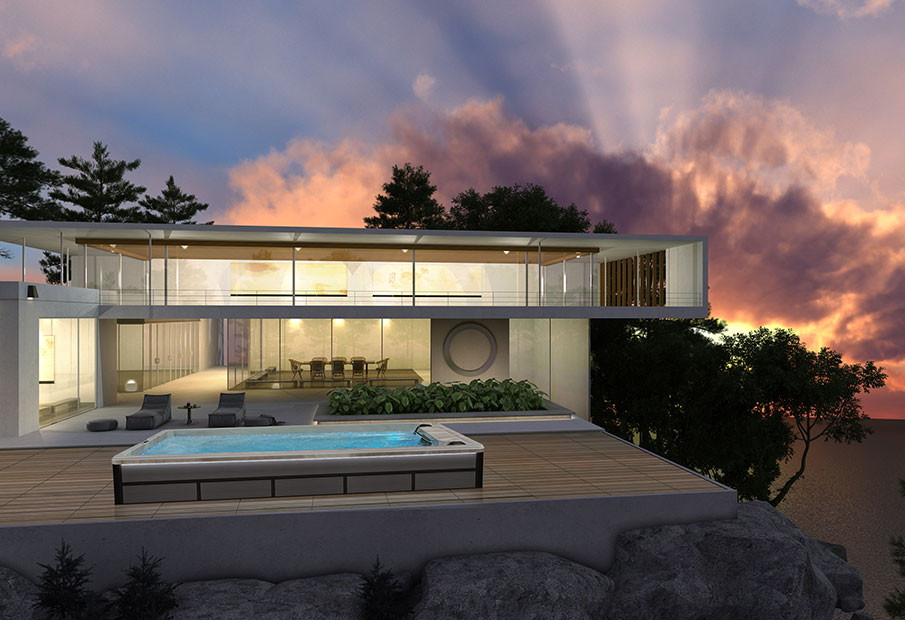
The Infinipool Fspa IP-002Pro is a luxurious and versatile hot tub, featuring a powerful filtration system, 28 massage jets, ozone sanitization, insulation, and optional accessories, designed to provide a soothing and rejuvenating experience in any outdoor space.
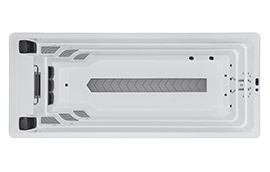
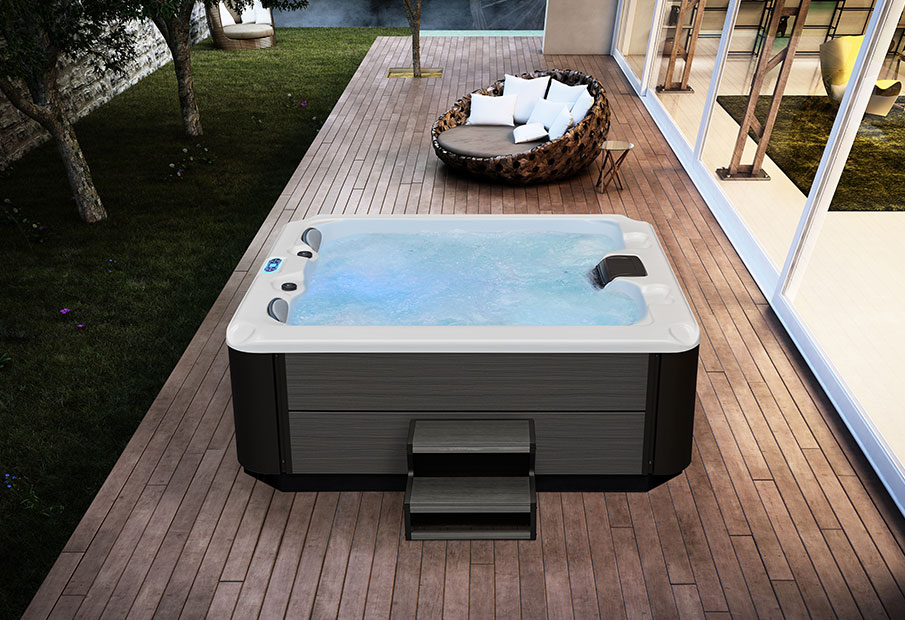
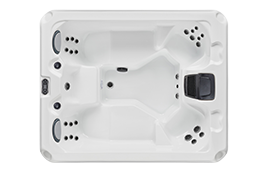
The Fspa BD-014 hot tub, designed for ultimate relaxation and luxury, offers a spacious interior for 4 adults, a powerful 2.2kW massage pump, 35 strategically placed jets, a 3kW heater, calming LED lighting, and an ozone system for clean water, making it the perfect choice for tranquility in your home.
PRODUCTS
INQUIRY
Thank you for your message!Our Chinese New Year holiday from 7th Feb to 28th Feb. Apologise to make your inconvenience so that responses may be delayed during this period. We'll back to you with regular service on 2th March .Thank you for understanding.


