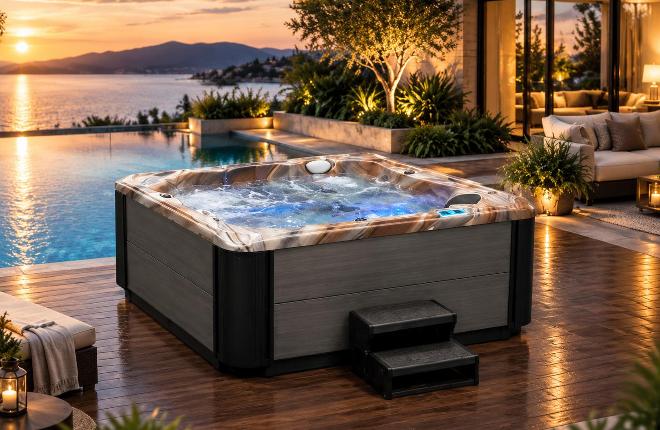
Aquatic swim spa prices vary more than most shoppers expect, and the reason rarely comes down to brand name alone. Jet count, pump configuration, shell material, and certification standards all shift the final number. Understanding what sits behind the price tag helps you avoid overpaying for features you won’t use, or underpaying for a unit that can’t handle daily use.
This guide breaks down the real cost drivers behind swim spas and portable hot tubs, using concrete specifications rather than vague claims. Whether you’re outfitting a villa backyard, a boutique hotel gym, or a rehabilitation center, the goal is the same: match the spec sheet to the actual use case.
Walk into any spa retailer and you’ll see quotes ranging from a few thousand dollars to well over twenty thousand. That spread isn’t arbitrary. It reflects differences in pump wattage, seating capacity, water volume, and the sanitization method built into the unit.
A 6-person unit with a 5.55kW total power draw, for instance, needs a heavier-duty electrical setup than a 2-person soaking tub. The heater alone in a mid-size unit can run at 3kW, and the massage pump often adds another 2kW or more on top of that. Every kilowatt has a cost implication, both upfront and on your monthly utility bill.
Certifications also factor into price. Units carrying CE, CB, SAA, or CTUVus marks have passed third-party electrical and safety testing, which adds to manufacturing cost but reduces risk for commercial buyers who need documentation for insurance or local code compliance.
Before comparing quotes, it helps to know which specifications actually move the needle on cost. The list below covers the variables that consistently separate budget units from premium ones.
None of these features are decorative. Each one answers a specific question about how the spa will perform under real, repeated use.
To ground this in something concrete rather than abstract percentages, consider the specification profile of a typical 6-person hydrotherapy spa built for both residential and light commercial use, such as the BD-004 model from our lineup.
| Specification | Value |
|---|---|
| Capacity | 6 Adults |
| Dimensions | 2350 x 2350 x 900 mm |
| Total Power | 5.55 kW |
| Massage Pump | 2.2 kW x 1 |
| Filter Pump | 0.35 kW x 1 |
| Heater | 3 kW x 1 |
| Jet Count | 35 |
| Net Weight | 317 kg |
| Water Capacity | 1450 L |
| Certifications | CE, CTUVus, CB, SAA |
This spec sheet illustrates why aquatic swim spa prices in the mid-to-upper range reflect real engineering trade-offs rather than markup. A 317kg empty weight means the deck or patio underneath needs to support well over a ton once filled and occupied, which is a structural consideration many first-time buyers overlook until installation day.
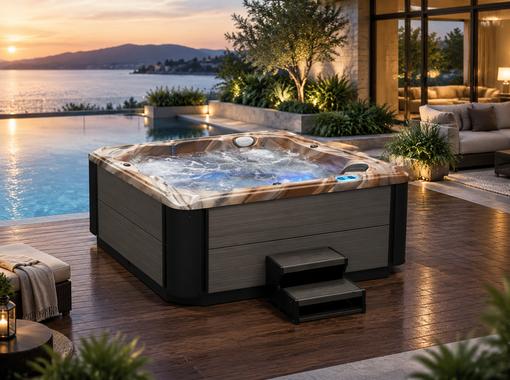
Price isn’t only about raw power output. The way a spa is contoured inside matters just as much for whether people actually use it regularly. According to the manufacturer’s product documentation, the BD-004 uses an ergonomic seating design, with backrests shaped to follow the body’s natural curve and jets positioned where they’re most effective rather than evenly spaced for symmetry.
Headrests on models like this often include a padded, contoured pillow system intended to support the neck and upper spine during longer soaks. This kind of detail rarely shows up on a spec sheet, but it’s the difference between a spa that gets used twice and forgotten, and one that becomes part of a weekly recovery routine.
Lighting is another area where small choices carry functional weight beyond aesthetics. Bottom-mounted LED lighting, as described in the BD-004’s product documentation, is positioned to create a calming visual effect through the water rather than glaring directly at bathers. This kind of ambient lighting is common in spas marketed for relaxation-focused use, alongside more performance-oriented hydrotherapy jets.
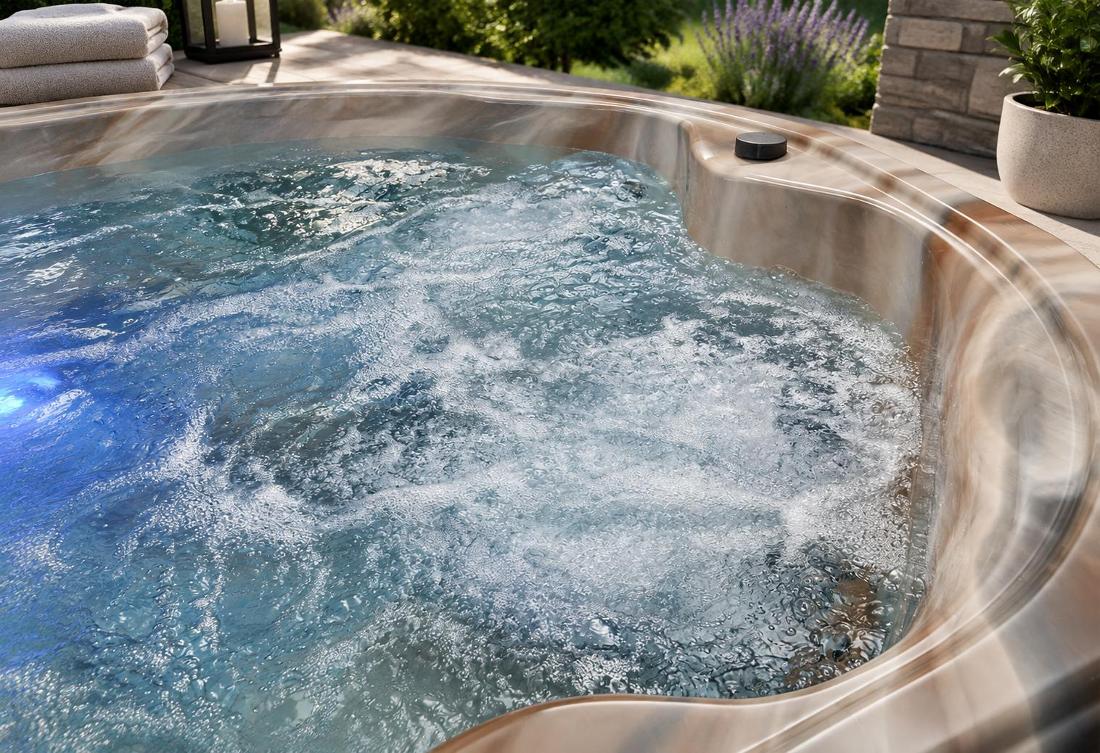
Not every property needs the same configuration. A hotel gym has different demands than a private villa courtyard, and the right spa for one context may be the wrong choice for another.
Matching the spa to its setting isn’t just about looks. It directly affects how long the unit lasts and how much you’ll spend on maintenance over its lifespan.
The sticker price of a swim spa is only part of the total cost. Electrical work, structural reinforcement, and water treatment all add up, and skipping these steps is a common way buyers end up with unexpected bills later.
Most units in the 5kW-plus power range require a dedicated circuit, which often means an electrician needs to run new wiring, particularly for outdoor installations. Structural support matters just as much: a filled 6-person spa can weigh well over 1,700 kg once water and occupants are factored in, so decks and patios need to be rated accordingly before installation.
Water treatment costs also vary by system type. A unit with an integrated ozone sanitization system, as included in the BD-004’s documentation, is designed to reduce the frequency of manual chemical treatment, which can lower recurring costs over time compared to a chlorine-only system. That said, ozone systems don’t eliminate the need for periodic water testing and occasional shock treatment.
Does a higher jet count always mean a better hydrotherapy experience?
Not necessarily. Jet placement and pump power matter as much as raw count. A well-positioned set of 35 jets driven by an adequately sized pump can outperform a unit with more jets but weaker water pressure.
Are certified units always more expensive than uncertified ones?
Generally yes, since certification testing adds cost to the manufacturing process. However, for commercial installations, certifications like CE, CB, or SAA are often a requirement for insurance or local permitting, making the added cost a practical necessity rather than an optional upgrade.
How much does electrical setup add to the total cost?
This varies by location and existing infrastructure, but a dedicated circuit for a 5kW-plus spa typically requires professional electrical work, which should be budgeted separately from the unit price itself.
Can a swim spa be installed indoors?
Many portable hot tub models, including 6-person units designed for both indoor and outdoor placement, can be installed indoors provided there’s adequate ventilation, drainage, and structural support for the weight.
Aquatic swim spa prices ultimately come down to matching specifications to actual needs rather than chasing the highest jet count or the lowest sticker price. A unit built for a busy hotel gym has different priorities than one meant for quiet backyard soaks under the stars.
For us, that means offering a range of configurations, from ozone sanitization to ergonomic seating layouts, so buyers across hospitality, wellness, and residential markets can find a spec sheet that fits their actual usage pattern rather than a generic default. Before comparing aquatic swim spa prices across suppliers, take the time to map your power supply, structural capacity, and intended use case. That groundwork will tell you far more about value than the price tag alone.
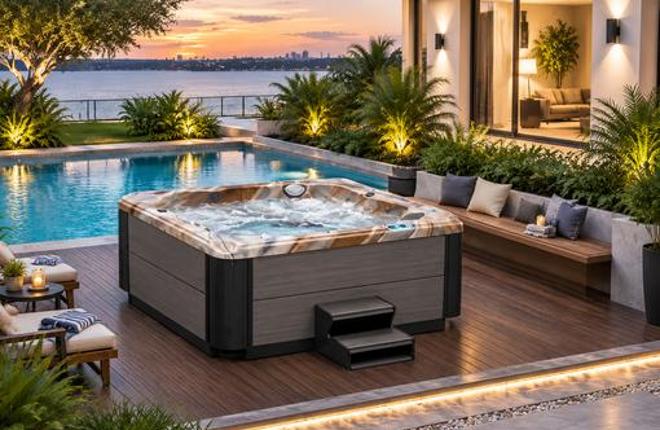
What Determines Exercise Swim Spa Cost: A Practical Buyer’s Guide
Anyone researching exercise swim spa cost quickly discovers a wide price spread across the market. That range exists for real reasons tied to size, jet count, power draw, and build quality. Understanding those variables helps you avoid overpaying for features you won’t use, or underbuying a unit that can’t handle daily hydrotherapy sessions.
A swim spa priced at the low end often cuts corners on pump capacity or jet placement, while premium units invest in ergonomic shell design and stronger heating elements. The gap isn’t marketing spin, it’s mechanical.
Three factors drive most of the cost difference:
None of these are wasted spend if you actually use the features daily. They become wasted spend if your household soaks twice a month.
People fixate on the sticker price, but that’s only half the exercise swim spa cost equation. The other half shows up on your electric bill and pool chemical shelf.
A 6-person spa with a 3kW heater and 2.2kW massage pump, for instance, draws meaningfully more power under active use than a smaller 4-person unit with a single 1.5kW pump. If you’re running jets for 30-45 minutes daily, that difference compounds over a year.
| Cost Factor | Typical Range | What Drives It |
|---|---|---|
| Unit purchase price | Varies by capacity, jets, materials | Size, pump/heater power, shell finish |
| Electricity (heating + pumps) | Depends on climate and usage frequency | Insulation quality, heater wattage, sessions per week |
| Water treatment | Ongoing, modest if system is efficient | Sanitization method, water volume, change frequency |
| Installation | One-time, site-dependent | Deck reinforcement, electrical hookup, delivery access |
Sanitization method matters more than most buyers realize. Some spas rely on integrated ozone systems to keep water circulating cleanly, which can reduce how often you need to shock the water with chemicals manually. That’s a maintenance-time saving, not just a chemical-cost saving, and it’s worth asking about specifically when comparing models.
Capacity is where a lot of buyers overspend or underspend. A 6-person spa built around 1450L of water and a 2350x2350mm footprint makes sense for a household that regularly hosts, or for a hotel gym expecting rotating guests. A single-user hydrotherapy routine doesn’t need that volume, and heating nearly a thousand extra liters daily adds cost without adding benefit.
Think through your actual scenario before comparing prices:
The BD-004, as one example of this commercial-capacity category, seats 6 adults within a 2350x2350x900mm footprint, running on a 5.55kW total system split across a 2.2kW massage pump, 0.35kW filter pump, and 3kW heater. That power distribution reflects a design built for sustained multi-user sessions rather than occasional solo dips, which is exactly the tradeoff to weigh against your own usage pattern.
Jet count gets quoted like a spec sheet bragging point, but placement matters more than raw numbers. Thirty-five jets clustered around ergonomic seating positions, as in the BD-004 model, are meant to target back, leg, and shoulder pressure points rather than scatter water randomly.
Ergonomic shell contouring is the part buyers often skip past, yet it directly affects whether jets land where your muscles actually need pressure. A seat molded to follow the body’s natural curve keeps you positioned correctly during a session, so the jets stay aligned with targeted muscle groups instead of drifting as you shift.
Some models also include supportive headrest or pillow elements intended to help align the spine and ease neck tension during longer soaks. If your primary goal is post-exercise muscle recovery rather than general relaxation, ask specifically how a model’s jet layout and seating geometry support that use case, since not every "massage spa" is engineered the same way.
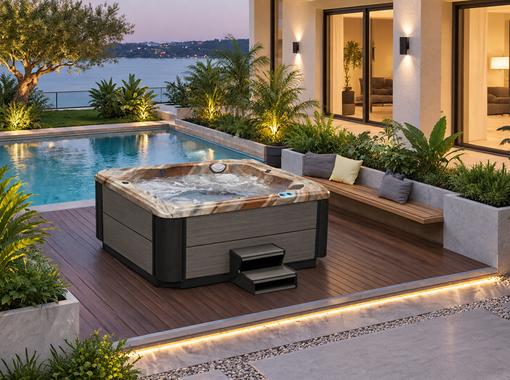
LED lighting inside a spa shell isn’t purely decorative. Bottom-positioned lighting, like the blue LED system in the BD-004, changes how the space feels during evening use, which matters if part of your goal is winding down mentally, not just physically.
Whether that’s worth extra cost depends on when you’ll actually use the spa. Daytime-only users get little value from lighting upgrades. Evening or nighttime soakers, especially in outdoor installations, often find that ambiance meaningfully improves how relaxing a session feels.
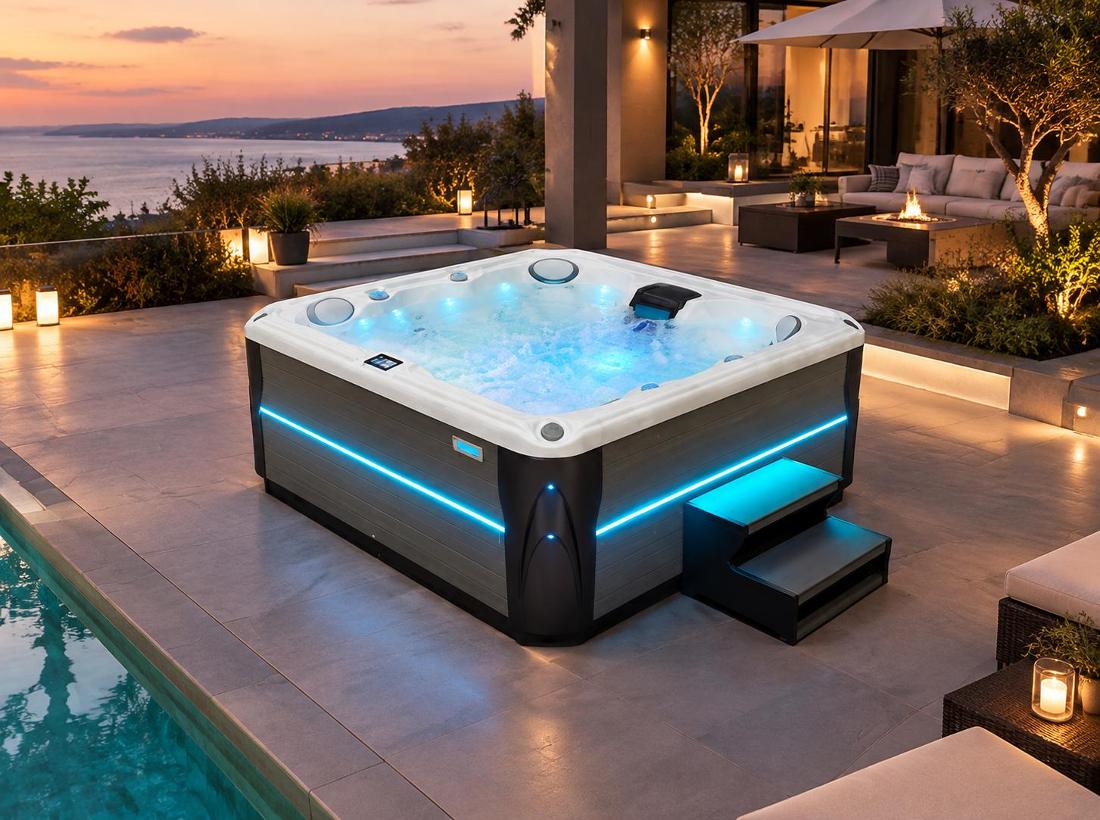
The unit price rarely includes everything. A 6-person spa weighing over 300kg empty, and considerably more once filled with 1450L of water, needs a deck or foundation rated to handle that load safely. Skipping a structural check is the most common installation mistake.
Budget for these often-overlooked items separately from the spa itself:
Does a higher jet count always mean a better spa?
Not necessarily. Jet placement and pump power matter more than raw count. A well-designed 35-jet system targeting specific muscle groups can outperform a poorly arranged 50-jet layout on a weaker pump.
Will an ozone sanitization system lower my ongoing costs?
It can reduce how often you need to manually treat the water, which saves time and some chemical expense, though it doesn’t eliminate water treatment entirely.
Is a 6-person spa overkill for a couple?
For daily two-person use, a smaller unit usually makes more sense financially. Larger capacity only pays off if you regularly host guests or run a commercial setting like a hotel gym or B&B.
Do certifications affect price?
Units carrying certifications like CE, CTUVus, CB, or SAA often cost more upfront because compliance testing adds to manufacturing overhead, but they confirm the unit meets recognized electrical and safety standards for your region.
Exercise swim spa cost isn’t one number, it’s a combination of purchase price, energy draw, water treatment, and installation readiness that shifts depending on how you’ll actually use the unit. A hotel gym running guest rotations all day has a different cost equation than a backyard installation used twice a week. Match capacity and power specs to your real usage pattern first, then compare purchase prices within that category, rather than shopping by sticker price alone. That approach, more than any single spec, is what keeps long-term exercise swim spa cost predictable and worth the investment.
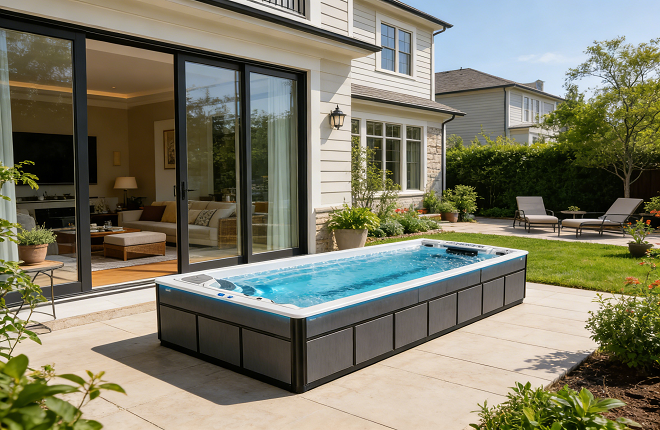
How Acrylic Swimming Pools Open Up New Possibilities for Modern Residential Design
Acrylic pools have emerged as a transformative element in contemporary residential architecture, offering unparalleled design flexibility and aesthetic innovation. Unlike traditional concrete or fiberglass alternatives, acrylic’s transparency and structural versatility unlock spatial possibilities that blend functionality with artistic expression, redefining how homeowners interact with water and light.
A key advantage lies in acrylic’s optical clarity, which creates the illusion of weightlessness. Floor-to-ceiling acrylic walls or submerged windows dissolve barriers between indoor and outdoor spaces, allowing natural light to cascade through living areas while offering unobstructed views of underwater activity. This seamless integration fosters a sense of openness, making even compact yards feel expansive. For example, a lower-level acrylic pool adjacent to a living room can serve as a dynamic focal point, with rippling water patterns projected onto walls, turning static interiors into ever-changing environments.
Structurally, acrylic’s strength and moldability enable bold, custom shapes—from sleek infinity edges to curved or free-form designs—that complement modern architectural styles. Its lightweight nature also permits installations in unconventional locations, such as rooftop terraces or elevated platforms, where traditional materials would be impractical. Additionally, acrylic retains heat more efficiently than concrete, reducing energy costs for heating and extending swimming seasons, aligning with sustainable design principles.
Beyond aesthetics, acrylic pools enhance sensory experiences. The material’s sound-dampening properties muffle splashes, creating a tranquil atmosphere, while its non-porous surface resists algae growth, minimizing maintenance. Homeowners can further customize their pools with LED lighting systems, which illuminate the water and acrylic panels, transforming outdoor spaces into immersive nightscapes for entertainment.
In essence, acrylic pools transcend their utilitarian purpose, acting as sculptural elements that elevate residential design. By merging transparency, durability, and creativity, they offer homeowners a unique way to integrate water into their living environments, blurring the boundaries between art, architecture, and everyday life. As modern homes increasingly prioritize innovation and connection with nature, acrylic pools stand at the forefront of this design revolution, proving that functionality and beauty can coexist harmoniously.
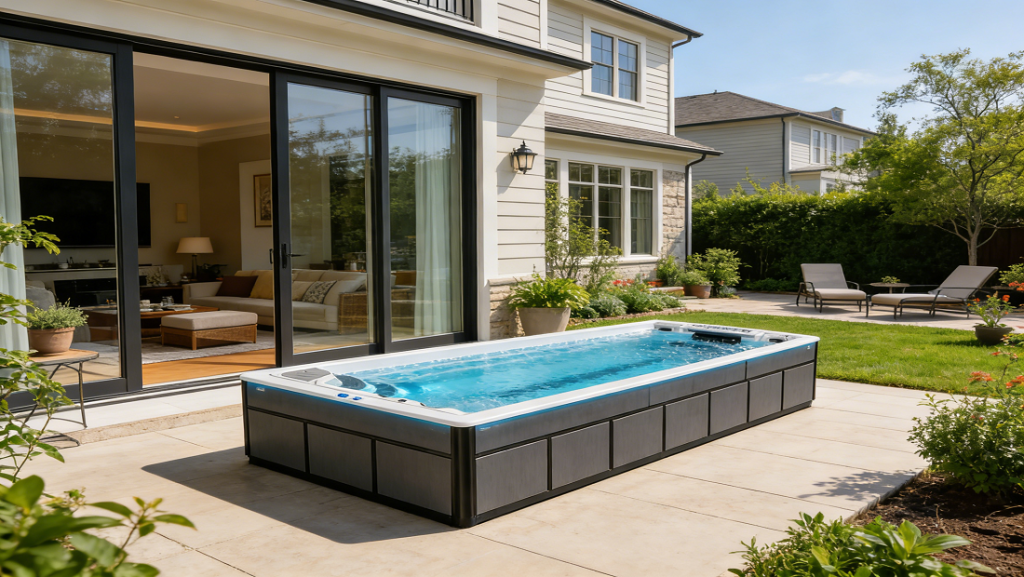
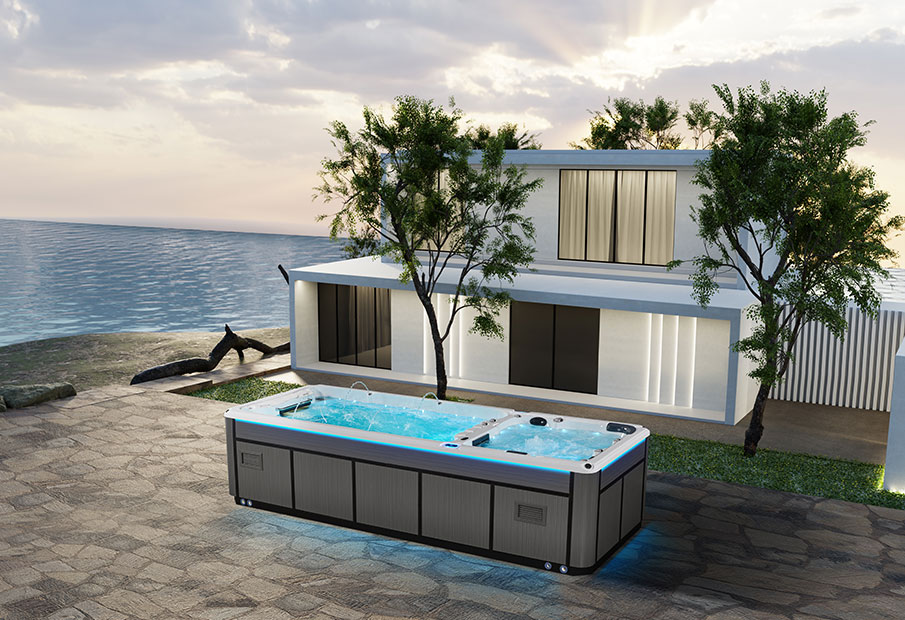
The Infinipool Fspa IP-007Pro is a versatile, luxurious hot tub and swim spa combo, featuring dual systems and customizable options for a complete spa and aquatic therapy experience.
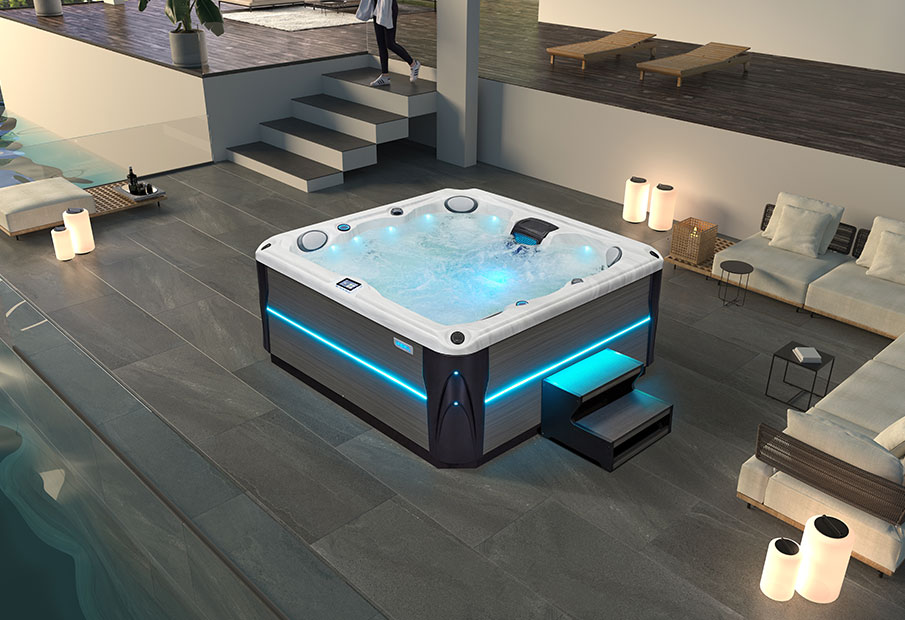
The Fspa BD-001Pro Hot Tub customizable water flow, ozone sanitization, and luxurious features for an unparalleled relaxation experience.
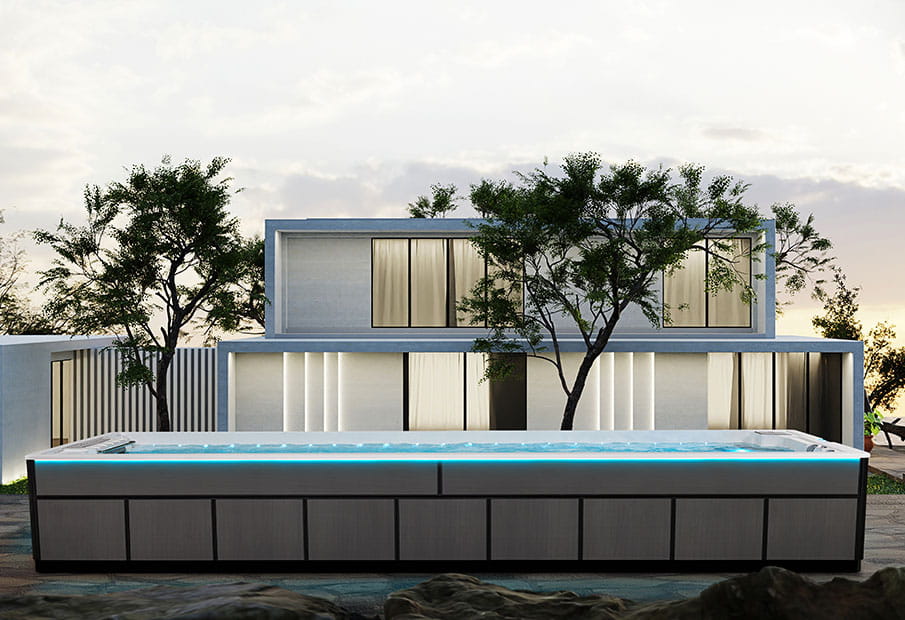
This product is a comprehensive and advanced swimming pool system, equipped with a range of features including a 9950mm x 3000mm x 1430mm size, a powerful Infinipool swimming system of 11kW, multiple water pumps, heaters, filters, and jets for a superior swimming and therapeutic experience, totaling 16.95kW in power, with optional enhancements like energy-saving covers and a 10Hp heat pump available.
The Fspa BD-009Pro Hot Tub, a compact 2000x900mm spa for up to 6 adults, combines power and efficiency with luxurious features like a 7.97kW system, 50 water & 20 air bubble jets, LED lighting, and music speakers, making it ideal for residential and small commercial spaces.
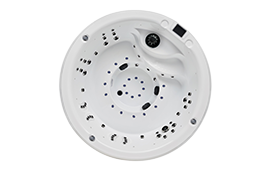
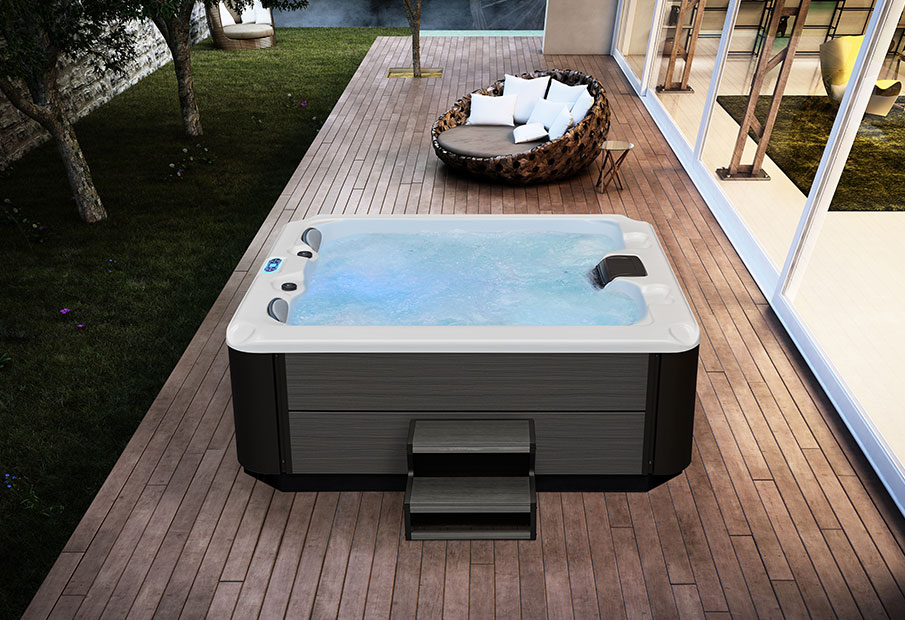
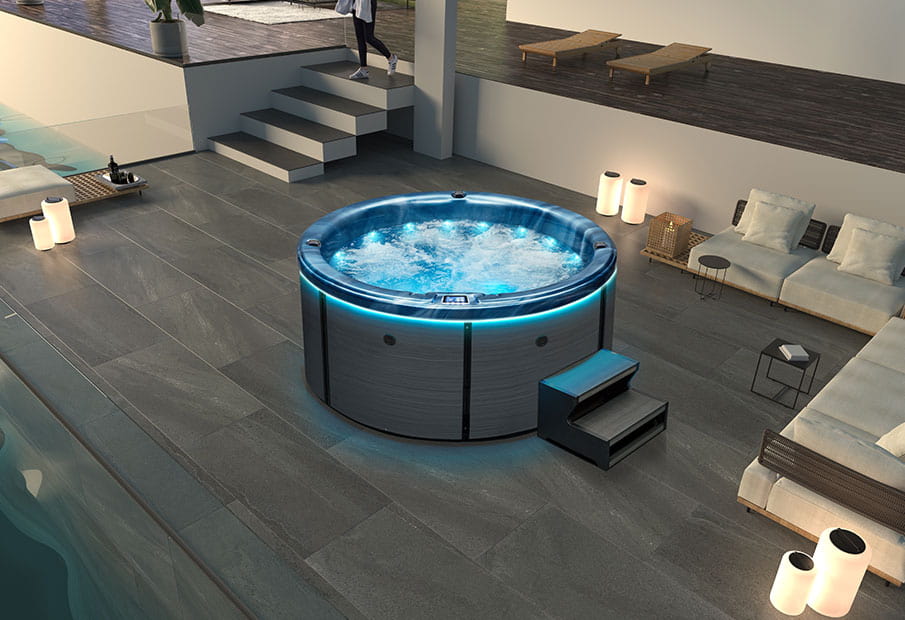
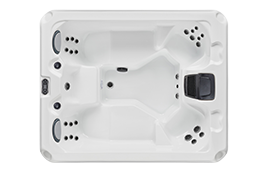
The Fspa BD-014 hot tub, designed for ultimate relaxation and luxury, offers a spacious interior for 4 adults, a powerful 2.2kW massage pump, 35 strategically placed jets, a 3kW heater, calming LED lighting, and an ozone system for clean water, making it the perfect choice for tranquility in your home.
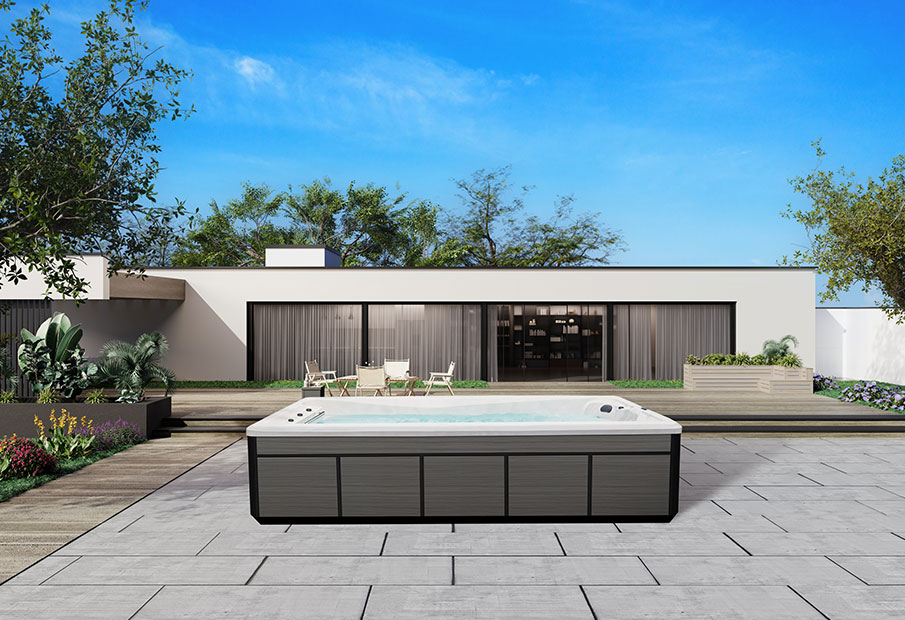
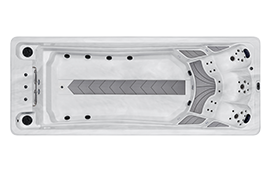
The Infinipool Fspa IP-003 provides a superior swimming experience in both residential and commercial settings.
PRODUCTS
INQUIRY
Thank you for your message!Our Chinese New Year holiday from 7th Feb to 28th Feb. Apologise to make your inconvenience so that responses may be delayed during this period. We'll back to you with regular service on 2th March .Thank you for understanding.


