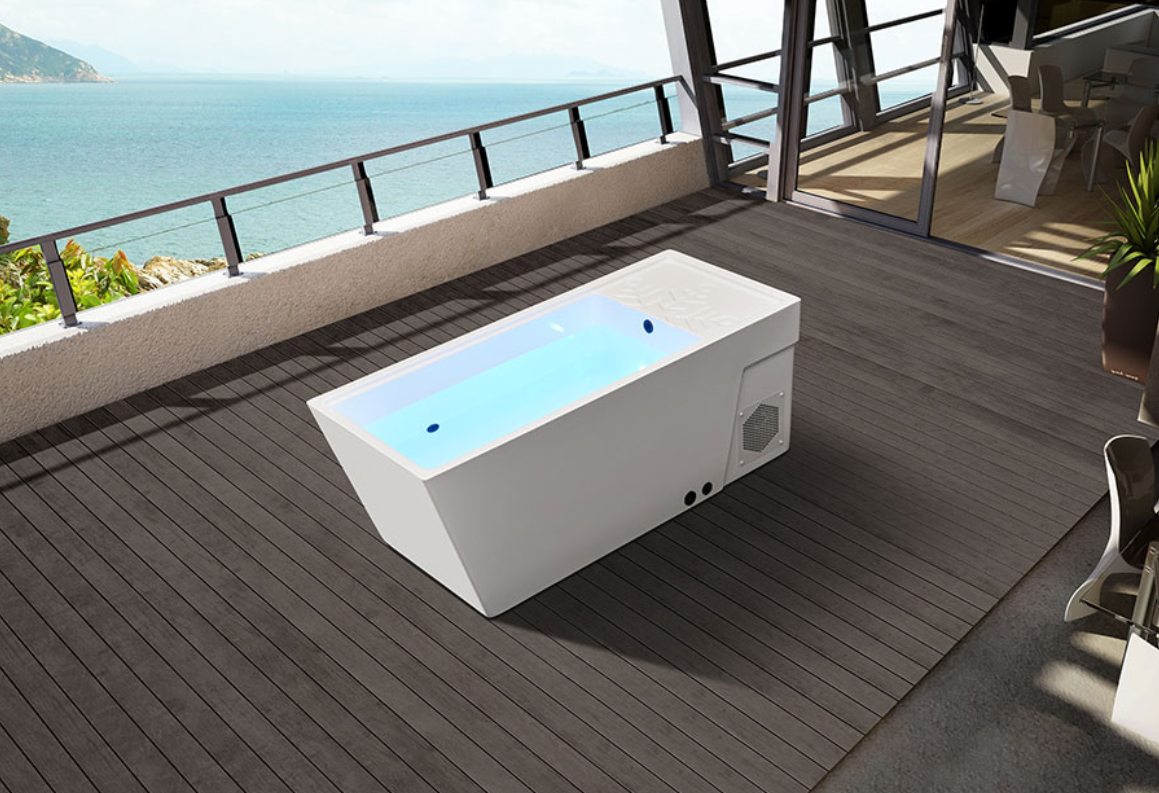
Wellness is no longer limited to traditional gyms, spas, or fitness centers. Cold-water immersion has become an increasingly popular part of recovery and personal wellness routines, with cold plunge systems offering a convenient way to incorporate controlled cold-water exposure into everyday life.
As interest in wellness grows, consumers are also becoming more conscious of how the products they purchase affect energy consumption, water usage, materials, and the environment. This has encouraged manufacturers to develop cold plunge systems that combine practical performance with more responsible resource management.
Choosing a cold plunge is therefore no longer simply about achieving low water temperatures. Buyers may also consider insulation, cooling efficiency, water circulation, filtration, construction materials, and the overall environmental impact of the product.
An eco-friendly cold plunge is designed with greater attention to resource efficiency and environmental considerations throughout its use. Instead of focusing only on cooling performance, an environmentally responsible system considers how energy, water, materials, and maintenance requirements affect its overall footprint.
One important factor is the construction of the plunge itself. Durable materials can help extend product service life and reduce the need for frequent replacement. A longer-lasting product can potentially reduce material consumption over time, particularly when components are designed to be repaired or replaced individually rather than requiring the entire unit to be discarded.
Water management is another important consideration. Cold plunge systems are typically filled with a fixed volume of water that can be maintained through circulation and filtration. Effective filtration can help users keep the water cleaner for longer periods, potentially reducing unnecessary draining and refilling.
Manufacturers may also incorporate insulated walls, covers, and efficient circulation systems into an eco-friendly cold plunge. These features can help maintain stable water conditions while reducing unnecessary energy or water consumption.
For consumers interested in sustainable living, these characteristics can make a cold plunge a more responsible addition to a home wellness routine without sacrificing everyday convenience.
An eco-conscious cold plunge takes sustainability into account not only during operation but also when selecting materials and designing the product.
Material durability is particularly important for equipment that is continuously exposed to water, moisture, temperature changes, and cleaning processes. Strong and corrosion-resistant materials can help protect the structure and reduce premature deterioration.
A well-designed product can also make maintenance more manageable. Easy-to-access filters, replaceable components, and practical drainage systems can help users perform routine maintenance without replacing major components unnecessarily.
Packaging is another area where manufacturers can make a difference. Responsible packaging design may reduce excessive materials while still providing adequate protection during transportation. For products shipped internationally, optimizing packaging volume can also improve transportation efficiency.
An eco-conscious approach can extend to manufacturing processes as well. Manufacturers may consider material utilization, production efficiency, waste reduction, and responsible sourcing when developing their products.
For buyers, however, sustainability claims should be evaluated carefully. Rather than relying solely on terms such as “green” or “eco,” it is useful to examine specific product characteristics, including material durability, insulation performance, energy consumption, component lifespan, and maintenance requirements.
In this way, an eco-conscious cold plunge becomes part of a broader approach to responsible product design rather than simply a marketing label.
Cooling water to a low temperature requires energy, making efficiency an important consideration for regular users. An energy-efficient cold plunge is designed to minimize unnecessary power consumption while maintaining the desired water temperature.
Insulation plays an important role in this process. Without sufficient insulation, heat from the surrounding environment can continuously enter the water, forcing the cooling system to work harder. A properly insulated tank can reduce heat transfer and help maintain temperature more efficiently.
A high-quality thermal cover can provide another layer of protection when the cold plunge is not being used. By limiting exposure to ambient heat, the cover can help reduce the workload placed on the cooling system.
The cooling unit itself is equally important. Efficient compressors and temperature-control systems can adjust operation according to actual water conditions rather than running continuously at maximum capacity. Intelligent temperature management can therefore contribute to more efficient operation.
The surrounding environment also affects energy consumption. A cold plunge installed in direct sunlight or a very hot location may require more cooling than one positioned in a shaded, well-ventilated area.
For users who plan to operate their plunge frequently, energy efficiency should be considered alongside purchase price. A slightly higher initial investment in better insulation or efficient cooling technology may provide value over a longer period through reduced operating requirements.
Energy is only one part of the sustainability equation. Water management can also influence the environmental performance of a cold plunge.
Regularly replacing large quantities of water can increase consumption, particularly for users who operate their plunge frequently. A reliable filtration and circulation system can help maintain water quality between water changes.
Water treatment requirements should also be considered carefully. Users should follow the manufacturer’s recommendations for filtration, cleaning, sanitation, and water replacement rather than adopting a one-size-fits-all maintenance schedule.
Keeping the plunge covered when it is not in use can also help reduce contamination from leaves, dust, insects, and other outdoor debris. Cleaner water may require less frequent maintenance and can help reduce unnecessary water replacement.
Proper maintenance is essential as well. Dirty filters or poorly maintained circulation systems may force equipment to work harder and can reduce overall efficiency. Regular cleaning and timely replacement of consumable components can help the system operate as intended.
These simple practices demonstrate that sustainability depends not only on product design but also on how the equipment is used and maintained.
When evaluating an eco-friendly cold plunge, buyers should look beyond the initial purchase price and consider the product’s complete operating lifecycle.
Durability should be one of the first considerations. A reliable structure and high-quality components can help extend the product’s usable life. Energy consumption is another major factor, particularly for people who plan to use the plunge several times per week.
Buyers should also examine insulation, cooling technology, filtration, water circulation, and temperature controls. Products that are designed for straightforward maintenance can make it easier to keep the system operating efficiently.
An eco-conscious cold plunge can be particularly appealing to consumers who want wellness equipment that aligns with broader sustainability goals. Meanwhile, an energy-efficient cold plunge can help address the practical issue of ongoing electricity consumption.
Ultimately, the most sustainable cold plunge is not necessarily the one with the most features. It is the system that provides the required performance while using resources responsibly, lasting for a long time, and remaining practical to maintain.
As cold-water wellness continues to develop, sustainability is likely to become an increasingly important part of product design. By considering energy efficiency, water management, durable materials, and responsible maintenance, consumers can enjoy the benefits of a modern cold plunge while making more thoughtful choices for long-term use.
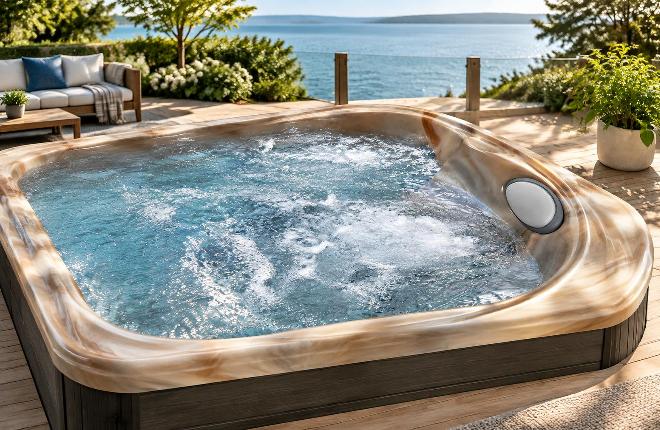
Understanding the Sizes of Swim Spas Before You Buy
Choosing among the many sizes of swim spas is rarely just about square footage. It’s about how many people will use the water at once, whether the unit fits your patio or deck, and how much power your home can realistically supply. Get the sizing wrong and you either overpay for capacity you never use, or you cram too many jets and too little water into a space that can’t cool down properly between soaks.
A swim spa isn’t just a bigger hot tub. Once you cross into six or eight person territory, the footprint, water volume, and electrical draw all scale together, and ignoring one of them creates problems later. Homeowners often measure their deck space but forget to check water capacity against local water costs, or they pick a large shell without confirming their electrical panel can handle a 5kW+ heater and pump combination running simultaneously.
Dimensions also affect how the unit feels to use. A tub sized for six adults, like a unit measuring roughly 2350 x 2350 x 900mm, needs its seating arranged so nobody’s knees knock into the person across from them. That’s a layout problem as much as a size problem.
Most portable spas fall into a few practical capacity bands. Matching the band to your actual usage pattern, rather than the maximum number you might theoretically fit, saves money and reduces wasted water heating.
| Capacity | Typical Footprint | Best Suited For |
|---|---|---|
| 2-3 person | Under 1.8m x 1.8m | Couples, small balconies, urban condos |
| 4-5 person | Around 2.0m x 2.0m | Small families, guest rooms, B&Bs |
| 6 person | Around 2.35m x 2.35m | Families, hotel gyms, villa backyards |
| 7-8 person | Over 2.4m x 2.4m | Group entertaining, resorts, wellness centers |
A 6-person unit sits in a sweet spot for a lot of buyers. It’s large enough for a family soak or a small gathering, but it doesn’t demand the reinforced decking or oversized electrical service that 8-person swim spas often require.
Water capacity is the number people skip past, but it drives your ongoing costs more than any other spec. A 6-person spa holding around 1450 liters needs a heater strong enough to bring that volume up to temperature without taking half a day. In the BD-004, that job falls to a 3kW heater paired with a 2.2kW massage pump and a 0.35kW filter pump, totaling 5.55kW of system power.
That balance matters because undersized heating relative to water volume means longer wait times and higher standby energy use. Oversized heating relative to a small shell wastes capacity you paid for. Manufacturers size these components together for a reason, so buyers comparing tubs should look at power-to-volume ratio, not just the headline wattage number.
Jet count tends to get thrown around as a marketing number, but it only means something in context of the shell size. Thirty-five jets spread across a 6-person shell gives each seat a distinct massage zone, covering shoulders, lower back, and calves without jets overlapping into dead zones. The same jet count crammed into a smaller 4-person shell would feel cluttered, and spread across an 8-person shell might leave some seats undercovered.
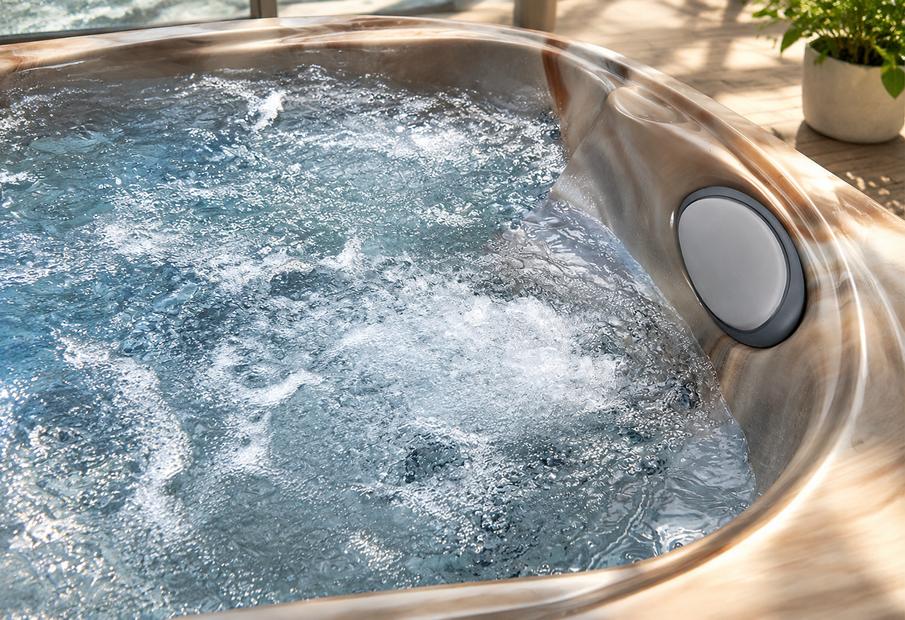
Seating layout and jet placement are engineered together in models like the BD-004, where ergonomic seats and backrests are contoured to match the body’s natural curves, with jets positioned to line up with those seated positions rather than scattered evenly across the shell wall.
Bigger swim spas mean heavier loads. A 6-person unit with a net weight around 317kg becomes considerably heavier once filled with 1450 liters of water and occupied by people, easily exceeding a ton in total load. That’s a structural question for anyone planning to install on an elevated deck rather than a ground-level slab or reinforced patio.
Before committing to a size, it helps to walk through a short checklist:
Skipping any of these steps is how buyers end up with a spa sitting in a driveway because it won’t fit through the side gate.
Different settings call for different footprints, and thinking through the setting first often narrows the size decision faster than comparing spec sheets. A hotel gym looking to offer post-workout recovery for guests benefits from a 6-person layout that can handle rotating small groups throughout the day without long refill or reheat delays.
A villa backyard has more room to work with, so the size decision leans more on aesthetics and how the unit functions as a focal point for evening use. A seaside homestay balances both concerns, needing a size that fits a scenic deck while still comfortable enough for guests unwinding after a day of travel.
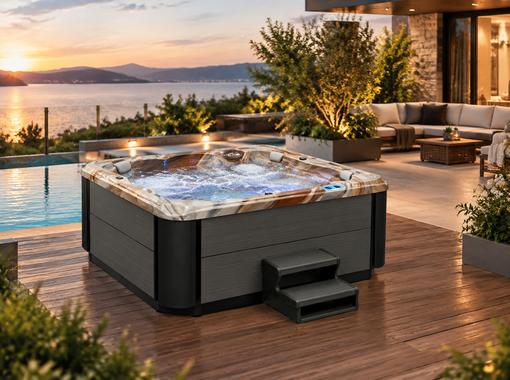
Not every feature grows proportionally with tub size. An ozone sanitization system, for instance, is sized to the water volume rather than the seat count, so a 6-person spa with 1450 liters needs an ozone system rated for that volume regardless of how many jets or seats surround it. Skimping here to save cost on a larger tub tends to show up later as cloudier water and more frequent chemical dosing.
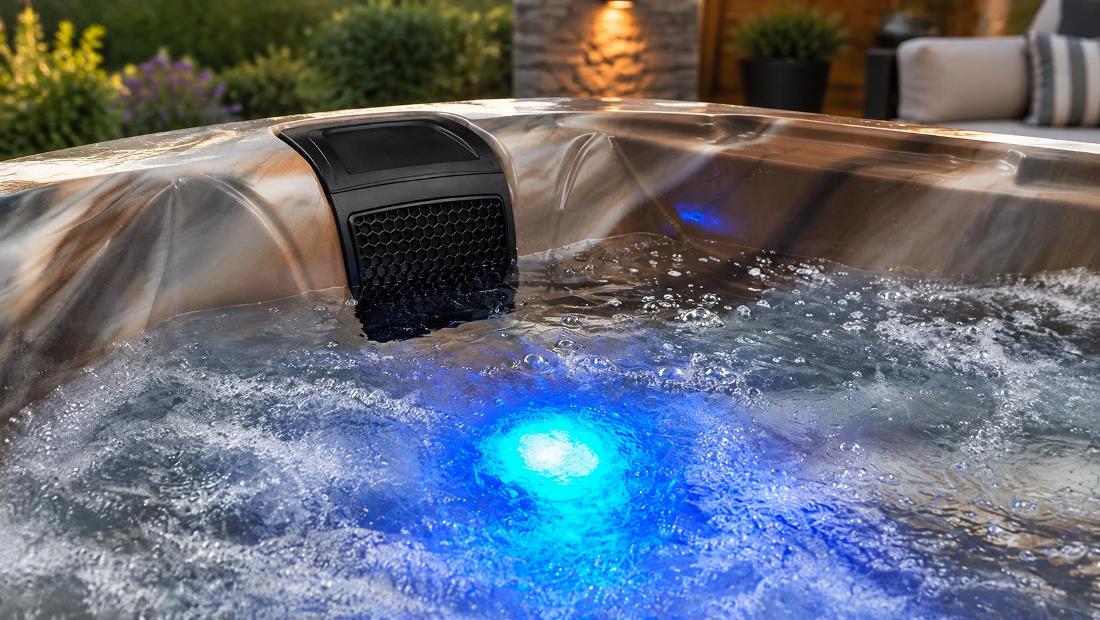
LED lighting placed at the bottom of the shell works similarly. Fspa’s BD-004 uses bottom-positioned blue LED lighting, according to the product’s own documentation, to create a calming atmosphere during evening use. Whether that’s a 4-person or 6-person shell, the lighting’s job is ambiance, not a function that needs to scale with capacity.
Does a bigger swim spa always use more electricity?
Generally yes, since larger water volumes need more heating power to maintain temperature. But the increase isn’t always dramatic if the unit’s pump and heater are properly matched to its water capacity.
Can a 6-person spa realistically fit 6 adults comfortably?
It depends on seat design. Ergonomically contoured seating, like the layout in the BD-004, helps fit stated capacity without forcing awkward knee or shoulder positioning between adjacent seats.
Is a smaller swim spa cheaper to run long-term?
Usually, since less water volume means less energy to heat and maintain. But a smaller unit run constantly by a large household may cost more overall than a right-sized larger unit used efficiently.
What certifications should I check regardless of size?
Look for recognized electrical and safety certifications such as CE, CB, or SAA, which apply to the equipment regardless of how many people the spa seats.
Sizing a swim spa isn’t a single measurement problem, it’s a combination of deck space, water volume, power draw, and how many people will realistically use it together. For us, and for most manufacturers building 6-person units like the BD-004, the goal is balancing those factors so the spa performs well without demanding oversized infrastructure from the buyer.
Walking through capacity, footprint, and structural requirements before ordering saves the headache of returns or costly deck reinforcements later. Whatever range of sizes of swim spas you’re considering, matching the unit to your actual usage pattern, rather than the largest number you can afford, tends to produce the better long-term outcome.
Luxury Living Elevated: Creating Personal Wellness Spaces with Pools and Hot Tubs
Home wellness has evolved far beyond traditional self-care, reflecting a rising desire for comfort, luxury, and restorative design within residential environments. As homeowners increasingly prioritize experiences over possessions, features such as pools with hot tubs, spa-inspired interiors, and sensory outdoor retreats are becoming hallmark indicators of modern living. Beyond aesthetics, these installations offer proven wellness benefits—including hydrotherapy, enhanced relaxation, and deeper family connection—making them highly sought after in premium real estate and home renovation projects.
This wellness-driven shift has also pushed manufacturers and industry organizations like FSPA (Florida Swimming Pool Association) to elevate standards for design, installation, and long-term safety. Through curated craftsmanship, technical expertise, and a commitment to innovation, FSPA continues to support homeowners and builders in achieving high-performance aquatic environments that blend beauty with functionality.
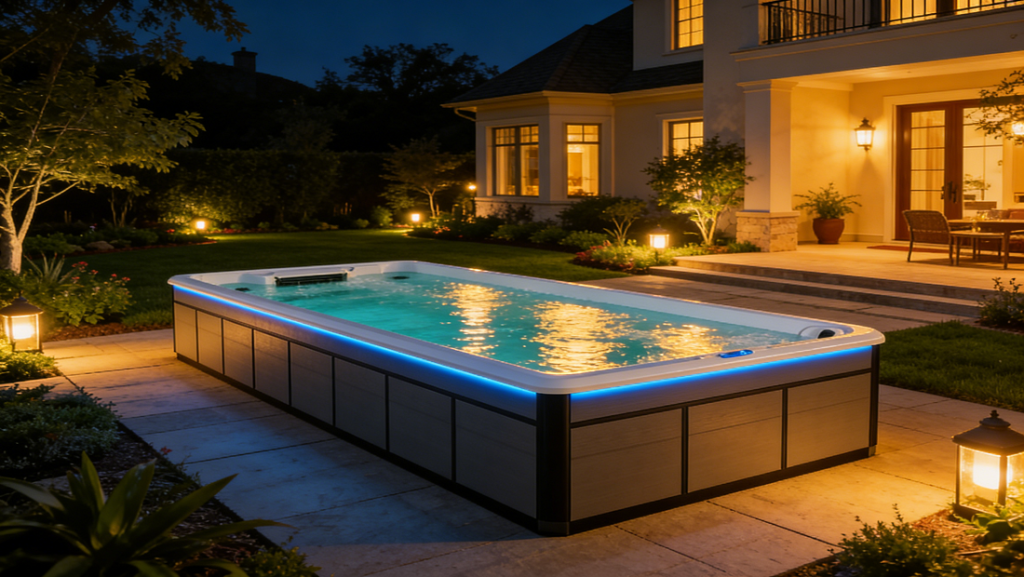
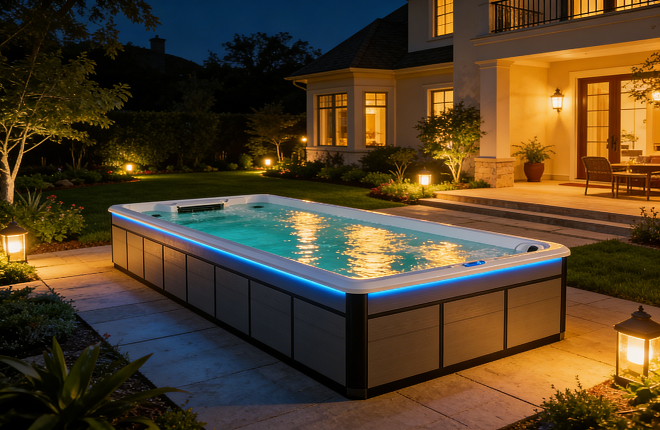
One of the most notable trends shaping outdoor architecture is the integration of pools with hot tubs. This layout allows homeowners to transition from energizing swims to soothing hydrotherapy without compromising space or style. With a carefully planned approach, these spaces become multi-season hubs for leisure, fitness, and family enjoyment.
A growing number of homeowners are also turning toward compact configurations, like the corner hot tub, which offers convenience and space efficiency without sacrificing comfort. Whether installed indoors as part of a bathroom spa or outdoors beside a landscaped pool deck, the corner hot tub can transform previously unused square footage into a high-value relaxation zone.
In luxury-focused projects, designers are also favoring the fluid lines and clean geometry of the modern hot tub. Characterized by refined finishes, ergonomic seating, LED accents, and smart temperature control, today’s modern hot tub designs pair wellness functionality with contemporary visual appeal. These enhancements align perfectly with upscale architectural styles, enabling seamless integration into minimalist villas, Scandinavian-style homes, and Mediterranean courtyards.
Homeowners seeking family-focused comfort frequently invest in home hot tubs to improve daily living routines. Used for morning resets, post-work decompression, or weekend social gatherings, home hot tubs represent a long-term lifestyle upgrade rather than a seasonal indulgence. As hydrotherapy research expands, so does awareness around benefits such as reduced muscle tension, improved circulation, and targeted stress relief. Combined with the right poolscape, these features enhance mental well-being and elevate everyday rituals into meaningful relaxation moments.
For those who entertain often, the best 5 person hot tub layouts offer the ideal balance between social seating and private comfort. Configured to support multiple users without overcrowding, the best 5 person hot tub is perfectly sized for families, small groups, or couples seeking enhanced lounging space. With thoughtful placement beside a pool or garden path, it encourages year-round outdoor lifestyle habits that nurture connection and enjoyment.
As these premium amenities become more accessible, FSPA plays an essential role in guiding builders, contractors, and consumers through informed decision-making. By supporting education, providing regulatory insights, and ensuring reputable industry standards, FSPA helps homeowners invest confidently in aquatic installations that deliver long-term wellness and operational durability.
While visual luxury enhances the appeal of outdoor spa spaces, true value lies in the physical and mental wellness benefits they deliver. Hydrotherapy—central to all home hot tubs and integrated pools with hot tubs—is scientifically linked to improved sleep, reduced anxiety, and enhanced physical recovery. Warm-water immersion relaxes muscles, stimulates blood flow, and releases tension, creating tangible improvements for athletes, office workers, and individuals with circulation challenges.
The ergonomic seating of today’s modern hot tub design further supports targeted back and leg massage through strategically positioned jets. These technological advances allow homeowners to personalize routine hydrotherapy sessions without visiting a spa or clinic—building consistent wellness habits at home.
Spatial design also plays a crucial role in supporting relaxation. Natural materials, ambient lighting, and calming landscaping can enhance the sensory impact of a corner hot tub installation placed beside a pool or garden. Designers frequently recommend integrating privacy screens, pergolas, and greenery to create sheltered environments that encourage quiet reflection and emotional reset.
For families, the best 5 person hot tub offers an inclusive relaxation space that fosters bonding while promoting healthier lifestyle choices. Instead of relying on digital entertainment, children and adults alike can unwind in warm water surrounded by nature, stars, or morning sunlight—depending on the rhythm of household schedules.
The presence of FSPA-backed contractors ensures that installations not only look beautiful but also comply with structural, safety, and performance benchmarks. From energy-efficient heating systems to responsible water management solutions, FSPA encourages sustainable practices that align with environmental awareness and modern living standards.
As demand for wellness-focused home environments continues to rise, investments in pools with hot tubs, corner hot tub layouts, modern hot tub architecture, and premium home hot tubs show no sign of slowing. These installations reflect a lifestyle built around restoration, elegance, and intentional well-being—qualities deeply valued in luxury residential design. The best 5 person hot tub provides an ideal blend of comfort and social connection, rounding out the spectrum of hydrotherapy solutions available to discerning homeowners.
With the support of industry leaders like FSPA, homeowners can confidently transform their living spaces into private wellness resorts grounded in craftsmanship, safety, and long-term performance. Whether embracing minimalist luxury, creating a family-friendly retreat, or exploring innovative materials and smart controls, the future of home relaxation is already here—waiting to be shaped by thoughtful design.
If you’re ready to elevate your lifestyle and craft a personal wellness sanctuary, now is the perfect time to explore custom aquatic environments that combine sophistication, therapeutic benefits, and timeless comfort.
Combining pools with hot tubs allows homeowners to enjoy both fitness and relaxation in one integrated environment. It maximizes space, provides year-round usability, and enhances outdoor leisure experiences.
Yes. The corner hot tub is ideal for compact areas because it fits neatly into architectural recesses, balconies, or patio corners without sacrificing comfort or seating capacity.
A modern hot tub typically includes ergonomic seating, sleek styling, LED lighting, and smart temperature control. Its minimalist presentation complements contemporary architecture while improving functionality.
Not necessarily. Home hot tubs can be installed indoors or outdoors depending on ventilation, flooring materials, and moisture considerations. Indoor installations can create spa-like environments year-round.
The best 5 person hot tub offers ergonomic seating for multiple users, powerful hydrotherapy jets, durable construction, and efficient insulation—making it perfect for family relaxation and social use.
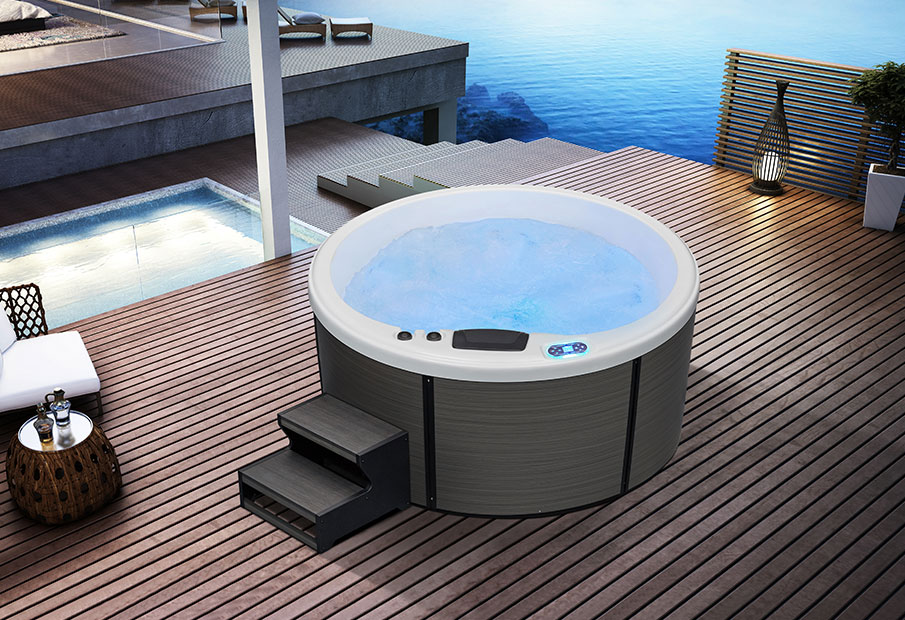
The Fspa BD-017 Hot Tub, accommodating up to 5 adults with spacious dimensions, features a reliable control system, powerful 1.5kW massage pump, 0.35kW filter pump, 3kW heater, 28 customizable water jets, LED lighting, an ozone sanitation system, and a total power of 4.85kW, offering ultimate relaxation and a luxurious soak for any occasion.
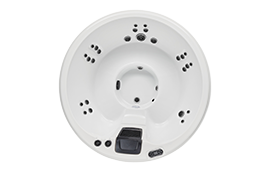
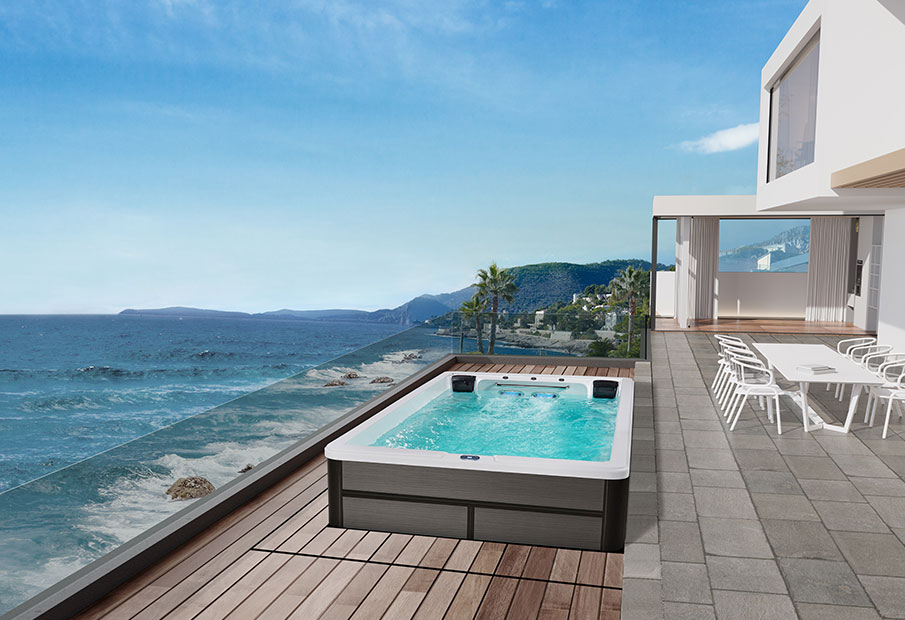
The Infinipool Fspa IP-001 is the ideal choice for anyone seeking a premium swimming experience at home or in a fitness facility.
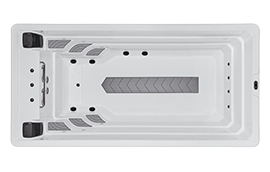
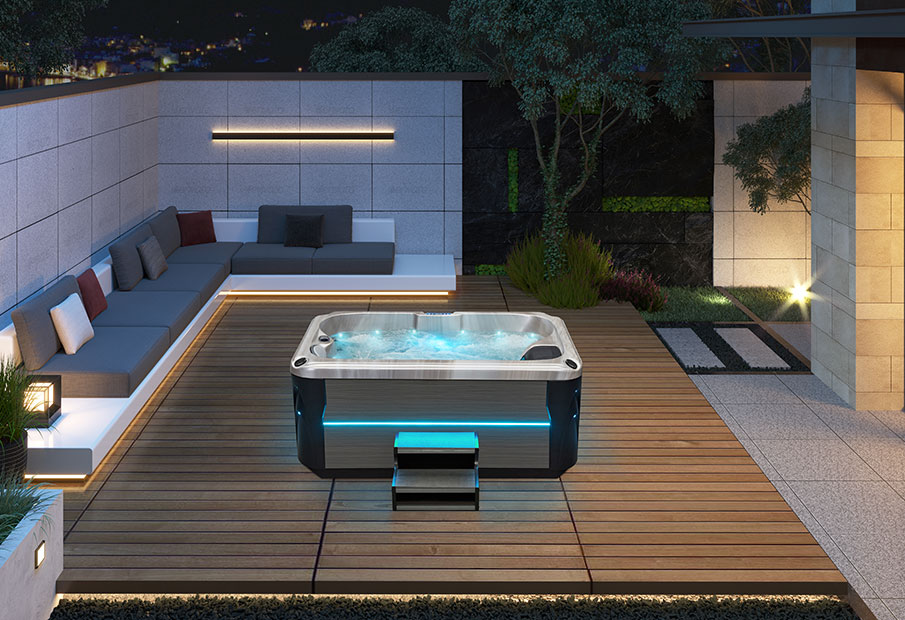
The Fspa BD-003Pro Hot Tub, offers ultimate relaxation with a robust 1.85kW massage system, pristine water filtration, 28 water & 14 air bubble jets, customizable air flow, ozone sanitization, 4 speakers, and a sleek design perfect for outdoor settings.
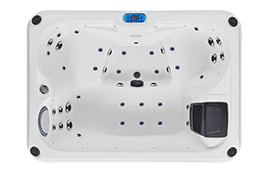
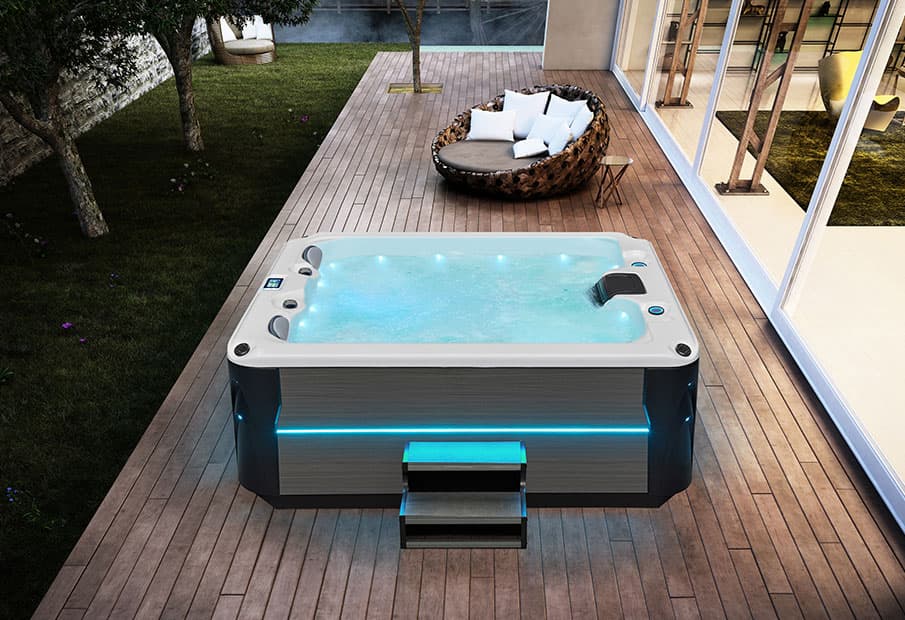
The Fspa BD-014Pro Hot Tub, with its spacious interior for 5 adults, comprehensive control system, powerful massage and filtration features, LED lighting, and speakers, offers a luxurious and therapeutic spa experience perfect for indoor or outdoor relaxation.
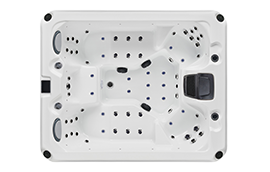
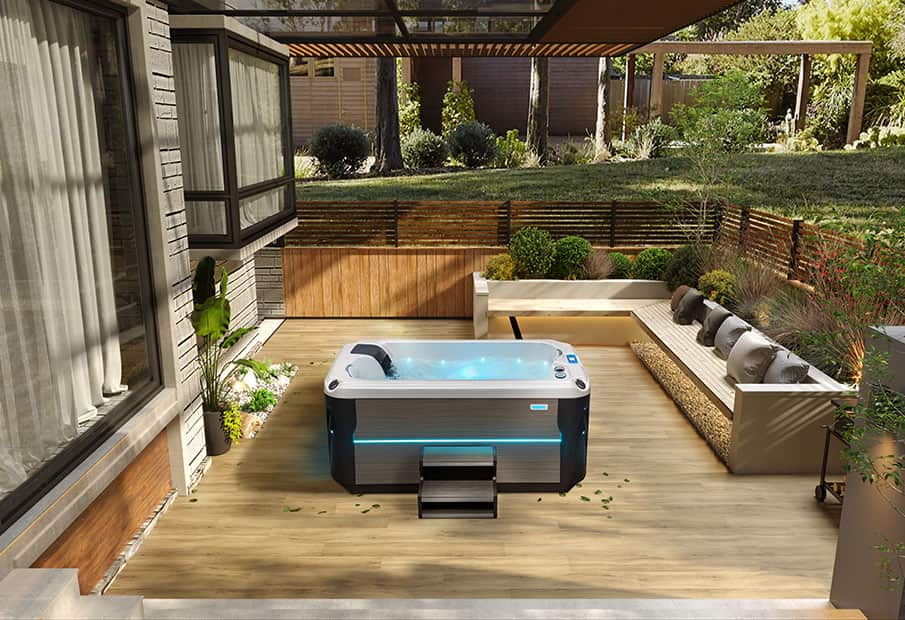
The Fspa BD-016Pro Hot Tub, a compact spa for up to 2 adults, offers a rejuvenating experience with an efficient control system, soothing massage features, consistent water temperature, modern amenities, advanced filtration, and suitability for indoor or outdoor placement.
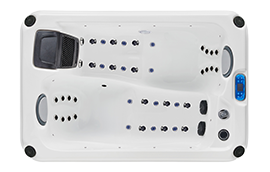
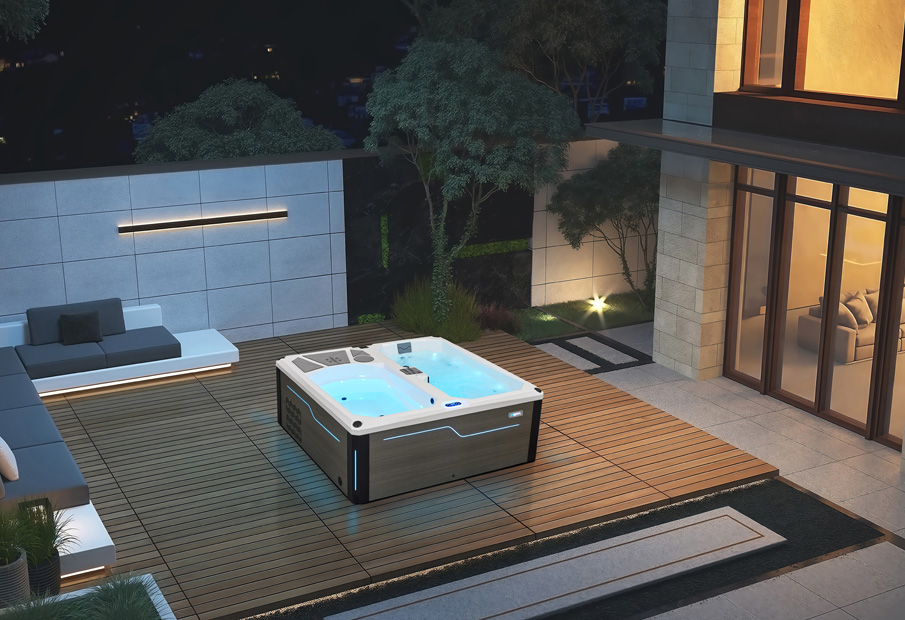
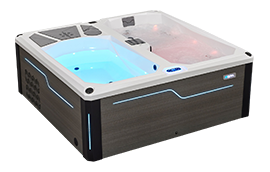
Welcome lights up as you approach, All in one design, plug and play, snowflake pattern, Include filter, circuit pump, Ozone, ice-blue underwater light, and high-efficiency chilling system.
PRODUCTS
INQUIRY
Thank you for your message!Our Chinese New Year holiday from 7th Feb to 28th Feb. Apologise to make your inconvenience so that responses may be delayed during this period. We'll back to you with regular service on 2th March .Thank you for understanding.


