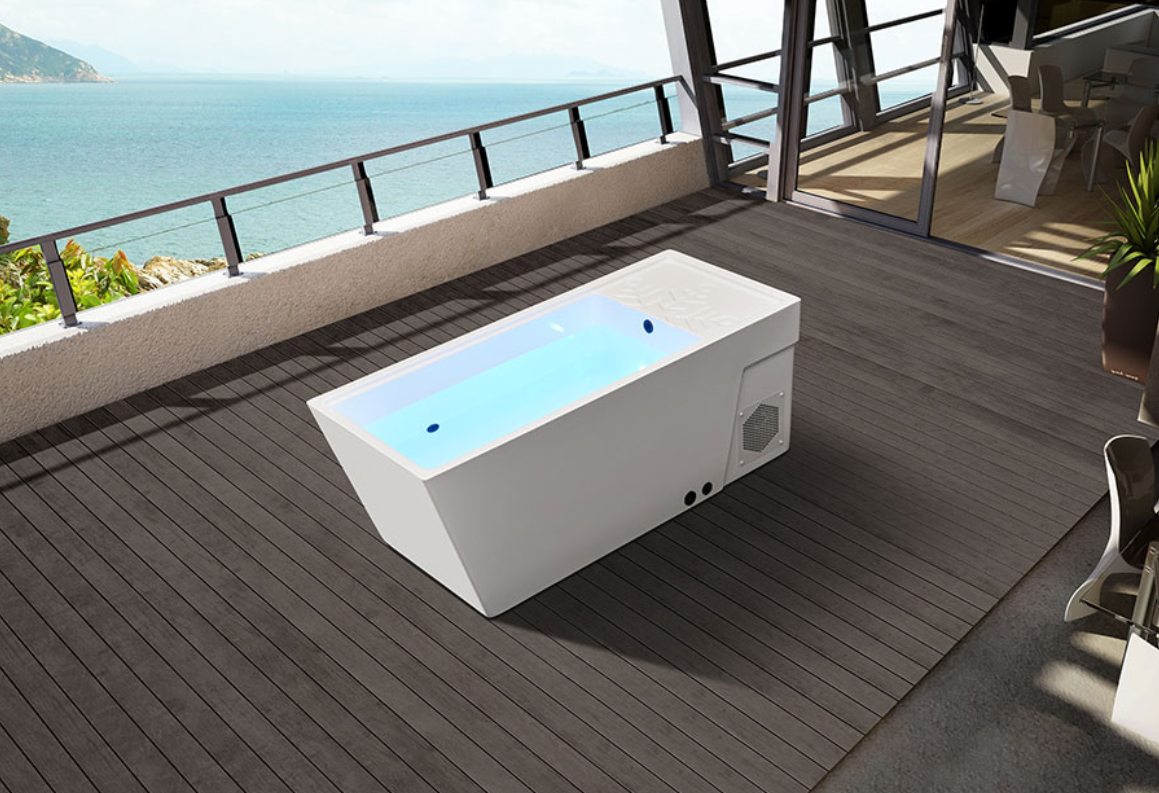
Wellness is no longer limited to traditional gyms, spas, or fitness centers. Cold-water immersion has become an increasingly popular part of recovery and personal wellness routines, with cold plunge systems offering a convenient way to incorporate controlled cold-water exposure into everyday life.
As interest in wellness grows, consumers are also becoming more conscious of how the products they purchase affect energy consumption, water usage, materials, and the environment. This has encouraged manufacturers to develop cold plunge systems that combine practical performance with more responsible resource management.
Choosing a cold plunge is therefore no longer simply about achieving low water temperatures. Buyers may also consider insulation, cooling efficiency, water circulation, filtration, construction materials, and the overall environmental impact of the product.
An eco-friendly cold plunge is designed with greater attention to resource efficiency and environmental considerations throughout its use. Instead of focusing only on cooling performance, an environmentally responsible system considers how energy, water, materials, and maintenance requirements affect its overall footprint.
One important factor is the construction of the plunge itself. Durable materials can help extend product service life and reduce the need for frequent replacement. A longer-lasting product can potentially reduce material consumption over time, particularly when components are designed to be repaired or replaced individually rather than requiring the entire unit to be discarded.
Water management is another important consideration. Cold plunge systems are typically filled with a fixed volume of water that can be maintained through circulation and filtration. Effective filtration can help users keep the water cleaner for longer periods, potentially reducing unnecessary draining and refilling.
Manufacturers may also incorporate insulated walls, covers, and efficient circulation systems into an eco-friendly cold plunge. These features can help maintain stable water conditions while reducing unnecessary energy or water consumption.
For consumers interested in sustainable living, these characteristics can make a cold plunge a more responsible addition to a home wellness routine without sacrificing everyday convenience.
An eco-conscious cold plunge takes sustainability into account not only during operation but also when selecting materials and designing the product.
Material durability is particularly important for equipment that is continuously exposed to water, moisture, temperature changes, and cleaning processes. Strong and corrosion-resistant materials can help protect the structure and reduce premature deterioration.
A well-designed product can also make maintenance more manageable. Easy-to-access filters, replaceable components, and practical drainage systems can help users perform routine maintenance without replacing major components unnecessarily.
Packaging is another area where manufacturers can make a difference. Responsible packaging design may reduce excessive materials while still providing adequate protection during transportation. For products shipped internationally, optimizing packaging volume can also improve transportation efficiency.
An eco-conscious approach can extend to manufacturing processes as well. Manufacturers may consider material utilization, production efficiency, waste reduction, and responsible sourcing when developing their products.
For buyers, however, sustainability claims should be evaluated carefully. Rather than relying solely on terms such as “green” or “eco,” it is useful to examine specific product characteristics, including material durability, insulation performance, energy consumption, component lifespan, and maintenance requirements.
In this way, an eco-conscious cold plunge becomes part of a broader approach to responsible product design rather than simply a marketing label.
Cooling water to a low temperature requires energy, making efficiency an important consideration for regular users. An energy-efficient cold plunge is designed to minimize unnecessary power consumption while maintaining the desired water temperature.
Insulation plays an important role in this process. Without sufficient insulation, heat from the surrounding environment can continuously enter the water, forcing the cooling system to work harder. A properly insulated tank can reduce heat transfer and help maintain temperature more efficiently.
A high-quality thermal cover can provide another layer of protection when the cold plunge is not being used. By limiting exposure to ambient heat, the cover can help reduce the workload placed on the cooling system.
The cooling unit itself is equally important. Efficient compressors and temperature-control systems can adjust operation according to actual water conditions rather than running continuously at maximum capacity. Intelligent temperature management can therefore contribute to more efficient operation.
The surrounding environment also affects energy consumption. A cold plunge installed in direct sunlight or a very hot location may require more cooling than one positioned in a shaded, well-ventilated area.
For users who plan to operate their plunge frequently, energy efficiency should be considered alongside purchase price. A slightly higher initial investment in better insulation or efficient cooling technology may provide value over a longer period through reduced operating requirements.
Energy is only one part of the sustainability equation. Water management can also influence the environmental performance of a cold plunge.
Regularly replacing large quantities of water can increase consumption, particularly for users who operate their plunge frequently. A reliable filtration and circulation system can help maintain water quality between water changes.
Water treatment requirements should also be considered carefully. Users should follow the manufacturer’s recommendations for filtration, cleaning, sanitation, and water replacement rather than adopting a one-size-fits-all maintenance schedule.
Keeping the plunge covered when it is not in use can also help reduce contamination from leaves, dust, insects, and other outdoor debris. Cleaner water may require less frequent maintenance and can help reduce unnecessary water replacement.
Proper maintenance is essential as well. Dirty filters or poorly maintained circulation systems may force equipment to work harder and can reduce overall efficiency. Regular cleaning and timely replacement of consumable components can help the system operate as intended.
These simple practices demonstrate that sustainability depends not only on product design but also on how the equipment is used and maintained.
When evaluating an eco-friendly cold plunge, buyers should look beyond the initial purchase price and consider the product’s complete operating lifecycle.
Durability should be one of the first considerations. A reliable structure and high-quality components can help extend the product’s usable life. Energy consumption is another major factor, particularly for people who plan to use the plunge several times per week.
Buyers should also examine insulation, cooling technology, filtration, water circulation, and temperature controls. Products that are designed for straightforward maintenance can make it easier to keep the system operating efficiently.
An eco-conscious cold plunge can be particularly appealing to consumers who want wellness equipment that aligns with broader sustainability goals. Meanwhile, an energy-efficient cold plunge can help address the practical issue of ongoing electricity consumption.
Ultimately, the most sustainable cold plunge is not necessarily the one with the most features. It is the system that provides the required performance while using resources responsibly, lasting for a long time, and remaining practical to maintain.
As cold-water wellness continues to develop, sustainability is likely to become an increasingly important part of product design. By considering energy efficiency, water management, durable materials, and responsible maintenance, consumers can enjoy the benefits of a modern cold plunge while making more thoughtful choices for long-term use.
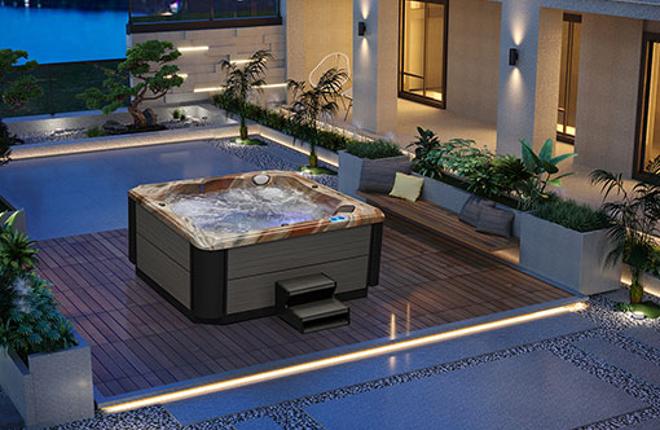
What Drives Above Ground Swim Spa Cost and How to Budget Wisely
Anyone comparing prices online quickly notices how wide the range is. Above ground swim spa cost depends on size, jet count, pump configuration, and insulation quality, not just brand labels. Understanding these variables helps buyers avoid overpaying for features they won’t use, or underbuying a unit that can’t handle daily demand from a family or a commercial guest rotation.
A six-person spa with 35 jets and a 5.55kW system draws more power and material than a compact two-seat unit. Manufacturing cost scales with water capacity, acrylic shell size, and pump horsepower. A spa built to hold 1450 liters of water, for instance, needs a sturdier cabinet frame and a heater rated to bring that volume up to temperature without long wait times.
Jet count matters too, but not in a straight line. Adding jets increases pump load, which means the massage pump has to work harder or a second pump gets added. The BD-004 model uses a 2.2kW massage pump paired with a separate 0.35kW filter pump, splitting the workload so filtration keeps running even when the jets are idle. That kind of layered pump design costs more upfront but tends to reduce strain on any single component over years of use.
Certifications also factor into price. Units carrying CE, CB, SAA, or CTUVus marks have gone through electrical and safety testing that adds to production cost. Buyers shopping only by sticker price sometimes skip this detail, then run into compliance issues when installing near a pool deck or in a rental property.
It helps to separate the spa’s price into functional categories rather than treating it as one number. Here’s how the main cost drivers typically break down:
| Cost Factor | What It Affects | Why It Matters |
|---|---|---|
| Shell size and seating capacity | Base unit price | Larger tubs need more acrylic, structural bracing |
| Pump and heater wattage | Energy use, performance | Higher wattage heats water faster, costs more to run |
| Jet count and placement | Massage intensity | More jets mean more plumbing and pump demand |
| Cabinet material | Weather resistance, longevity | Wood-grain panels vs basic finishes affect durability |
| Sanitization system | Ongoing maintenance cost | Ozone systems reduce chemical use over time |
| Control system | Ease of use | Digital panels add manufacturing cost but simplify operation |
Looking at it this way, someone furnishing a hotel gym recovery area might prioritize pump durability and sanitization over seat count. A homeowner planning quiet evening soaks might care more about lighting ambiance and ergonomic seating than raw jet numbers.
Where the spa goes affects cost indirectly, through electrical work, decking, and structural support. A wooden deck built to hold a 317kg empty shell, plus 1450 liters of water at roughly one kilogram per liter, needs to support close to a ton and a half once occupants step in. Skipping this calculation is one of the more common mistakes first-time buyers make.
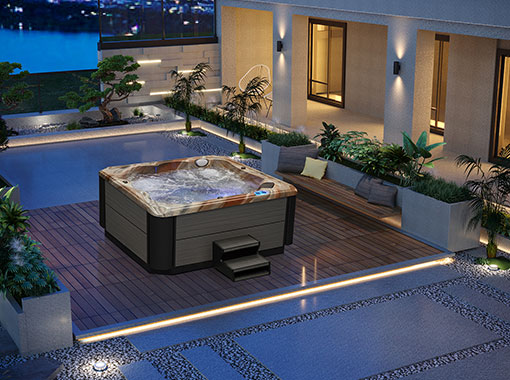
Villa backyards, seaside homestays, and hotel fitness centers each bring different structural and electrical demands. A seaside property may need corrosion-resistant fittings given salt air exposure. A hotel gym setting usually runs the spa longer hours daily, which puts more emphasis on pump reliability and filtration efficiency than on aesthetic lighting.
Consider these placement factors before finalizing a budget:
Purchase price is only part of the equation. Water treatment, electricity, and occasional part replacement add up over the years a spa stays in service. According to the manufacturer’s product documentation, the BD-004 uses an integrated ozone sanitization system intended to reduce the amount of chemical treatment needed and ease overall maintenance. That kind of system, when present, can lower recurring costs compared to spas relying solely on manual chemical dosing.
Filtration also plays into running costs. A dedicated 0.35kW filter pump running separately from the massage pump means water can stay clean without needing the full system powered on constantly. That’s a meaningful distinction for anyone trying to estimate monthly electricity draw, since running a 2.2kW massage pump around the clock would be wasteful and unnecessary for most households.
Heater wattage is another line item worth watching. A 3kW heater bringing over a thousand liters up to soaking temperature takes time, and running it during off-peak electricity hours can meaningfully reduce utility bills in regions with time-of-use pricing.
Buying more spa than you need is a common way budgets get wasted. Someone using the spa mainly for quiet solo relaxation doesn’t need six-person capacity or 35 jets running full blast every session. On the other hand, a boutique hotel or B&B expecting multiple guests daily benefits from higher capacity and robust pump systems, since underbuilt equipment wears out faster under frequent use.
The product documentation describes ergonomic seating contoured to support the body’s natural posture, along with supportive headrest pillows intended to help align the spine during use. Features like these matter more in settings where guests soak for extended periods, such as physiotherapy or rehabilitation-focused applications, compared to quick, casual use.
Lighting is another area where preference diverges. Blue LED lighting positioned at the base of the tub, as included in this model, creates a calming visual effect that appeals to buyers focused on ambiance. That said, lighting has no bearing on massage performance, so buyers chasing therapeutic value over atmosphere shouldn’t let LED features drive their decision.
Does a higher jet count always mean better massage quality?
Not necessarily. Jet placement and pump power matter as much as raw count. A well-positioned set of jets targeting the back, calves, and shoulders can outperform a higher jet count spread thinly across a shell.
Is a portable above ground spa cheaper to run than an in-ground pool with spa features?
Generally yes, since above ground units use less water and cover a smaller footprint, which reduces heating and chemical costs. This is one reason the category appeals to buyers with limited yard space or renters who can’t install permanent structures.
Do certifications like CE or SAA add real value, or are they just paperwork?
They indicate the unit passed electrical and safety testing relevant to the regions those marks apply to. For anyone installing near water or renting the property out, this isn’t just paperwork, it affects insurance and code compliance.
Should I prioritize capacity or power efficiency when comparing models?
It depends on use frequency. A spa used daily by a family or commercial guests benefits from checking total wattage and pump separation, since that affects both performance consistency and electricity bills over time.
Settling on the right spa comes down to matching structural specs, power draw, and feature set to how the unit will actually be used, not to the longest features list on a spec sheet. A six-person unit with a 5.55kW system, separated massage and filter pumps, and ozone sanitization, like the configuration described in the BD-004’s documentation, suits settings with frequent or extended use, such as hotel recovery areas or busy vacation rentals.
For quieter residential use, a smaller footprint with fewer jets may deliver better value without paying for capacity that sits unused most of the year. Either way, understanding above ground swim spa cost means looking past the sticker price toward pump wattage, water capacity, certification coverage, and how those numbers align with daily habits. Buyers who work through that checklist tend to end up with equipment that fits their space, their budget, and their actual soaking routine, rather than a spa that looks impressive in a showroom but underperforms at home.
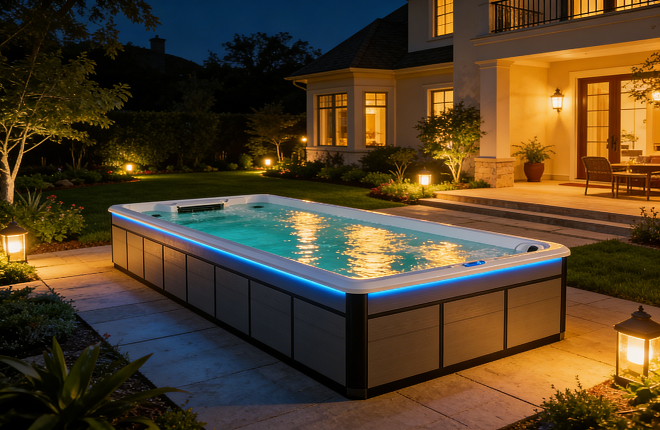
Relax and Entertain with a 4 Person Hot Tub
Transforming your backyard or home into a personal retreat is easy with a 4 person hot tub. Ideal for families, couples, or small groups, these spas provide a luxurious hydrotherapy experience while promoting relaxation, wellness, and social enjoyment. From compact four person hot tub models to premium 4 man hot tub designs, there’s a perfect option for any home or outdoor space. With so many options, understanding hot tub cost and exploring the best hot tubs ensures you select a model that fits both your lifestyle and budget.
Selecting the right 4 person hot tub requires careful consideration of size, features, and intended use. A four person hot tub is designed to comfortably accommodate multiple users while offering ergonomic seating and targeted jets for hydrotherapy. Compact models fit smaller backyards or patios, while larger 4 man hot tub designs provide a more spacious and luxurious experience.
When looking for the best rated hot tubs, it’s important to compare features such as adjustable jets, seating arrangements, energy efficiency, and ease of maintenance. Premium models often include LED lighting, digital controls, and customizable massage settings, enhancing both comfort and therapeutic benefits.
For homeowners interested in 4 person hot tub or four person hot tub options, trusted suppliers like fspa provide guidance to help select the ideal model. Whether you want a spa primarily for relaxation, social gatherings, or hydrotherapy, professional advice ensures the best fit for your space and lifestyle. Considering hot tub cost alongside features allows you to make a well-informed investment without compromising quality.
In addition to outdoor models, some 4 man hot tub designs are suitable for indoor installation, providing year-round relaxation in a private setting. With a wide selection of the best hot tubs, it’s easy to find a spa that complements your home’s aesthetic and meets your personal preferences.
Owning a 4 person hot tub offers numerous benefits for physical and mental well-being. Hydrotherapy in a four person hot tub or 4 man hot tub helps reduce stress, improve circulation, relieve muscle tension, and support overall wellness. Regular use can also aid recovery after exercise, alleviate minor aches, and promote better sleep.
For social gatherings, a 4 person hot tub becomes a centerpiece for entertaining. Whether hosting friends or enjoying a quiet evening with family, the space and comfort of a four person hot tub create an inviting and relaxing environment. Even compact models offer the same hydrotherapy benefits as larger units, making them suitable for intimate settings.
Investing in one of the best hot tubs also enhances property value and outdoor aesthetics. Modern 4 man hot tub designs are made from durable materials, combine advanced technology with ergonomic seating, and are designed for both comfort and longevity. By exploring hot tub cost and comparing models through trusted suppliers like fspa, homeowners can find a high-quality spa that provides lasting satisfaction and a luxurious experience.
Whether you choose a 4 person hot tub, four person hot tub, or 4 man hot tub, owning a hot tub is a lifestyle upgrade that combines wellness, relaxation, and entertainment. It’s an investment in comfort, health, and social enjoyment, offering daily indulgence for years to come.
A 4 person hot tub is more than a luxury—it’s a versatile home and outdoor investment that promotes wellness, relaxation, and social enjoyment. With a variety of options, from compact four person hot tub units to spacious 4 man hot tub designs, homeowners can find the perfect spa for their backyard or home. Exploring hot tub cost and comparing features of the best hot tubs and best rated hot tubs ensures you make an informed choice that fits your lifestyle and budget. Trusted suppliers like fspa provide high-quality 4 person hot tub models and expert guidance, guaranteeing a safe, comfortable, and luxurious spa experience. Upgrade your home today and enjoy the ultimate in relaxation with a four person hot tub.
A 4 person hot tub is designed to comfortably accommodate up to four users, providing ergonomic seating, hydrotherapy jets, and a shared relaxation experience. It differs from smaller hot tubs by offering more space and seating for social or family use.
Yes, many 4 man hot tub models are suitable for indoor installation, offering year-round hydrotherapy benefits in a private setting while saving outdoor space.
Trusted suppliers like fspa provide a wide range of best rated hot tubs, including 4 person hot tub, four person hot tub, and 4 man hot tub options, with expert advice to help select the right model.
A four person hot tub offers stress relief, improved circulation, muscle relaxation, and better sleep. It also serves as a social hub for family or friends and enhances the aesthetic and value of your home.
The hot tub cost varies depending on size, features, materials, and technology. Comparing models and consulting trusted suppliers like fspa helps you find a 4 person hot tub that balances quality, features, and budget.
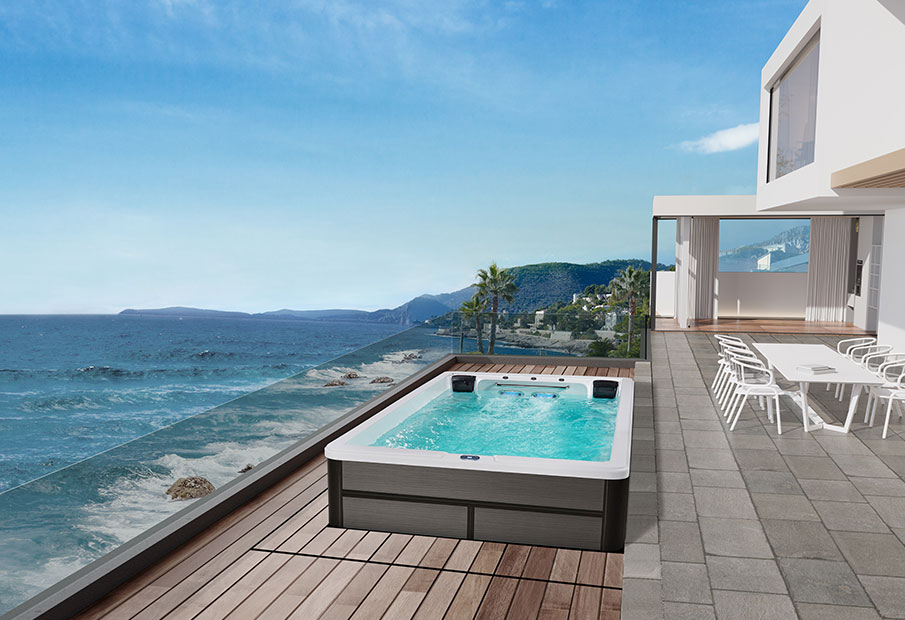
The Infinipool Fspa IP-001 is the ideal choice for anyone seeking a premium swimming experience at home or in a fitness facility.
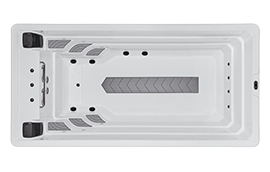
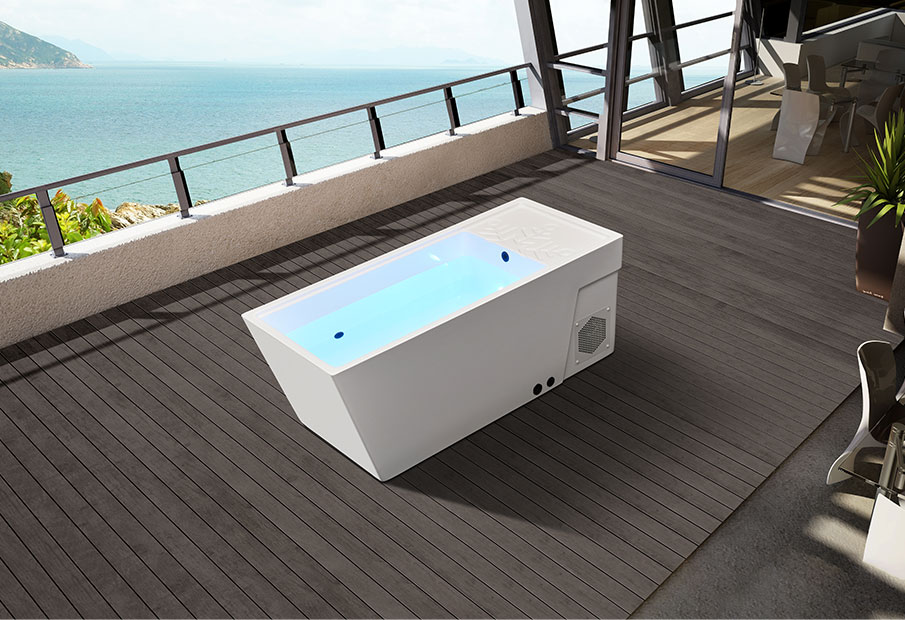
All in design, plug and play, Snowflake pattern, Include filter, circuitpump, Ozone, Ice-blue underwater light, and high-effciency Chilling system.
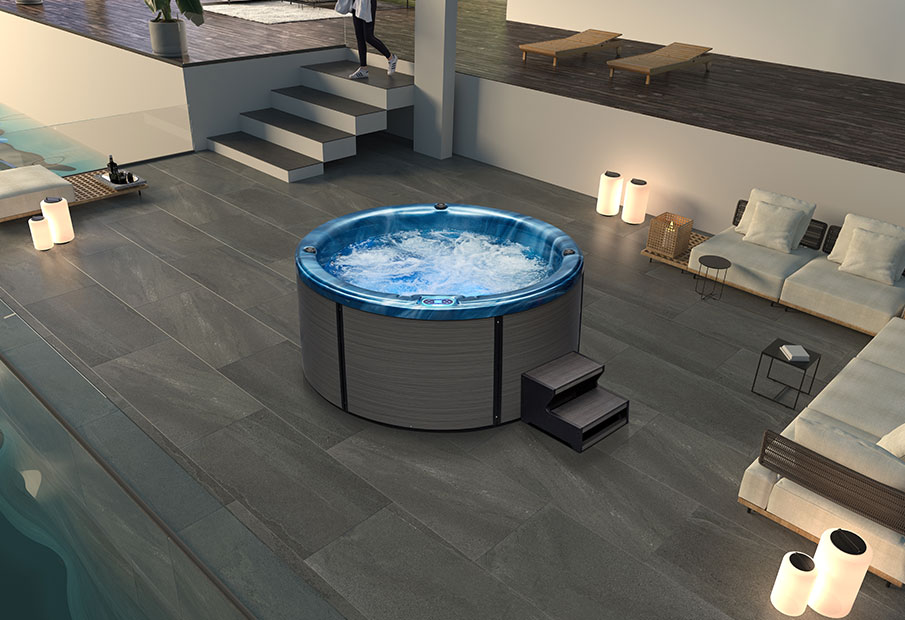
The Fspa BD-009 hot tub, designed for style and functionality, offers unparalleled comfort for up to 6 adults with its spacious size, robust control system, powerful pumps, consistent water temperature, strategic jet placement, and enhanced ambiance and water quality features.
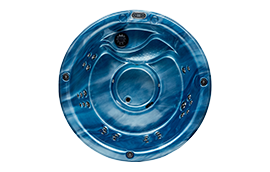
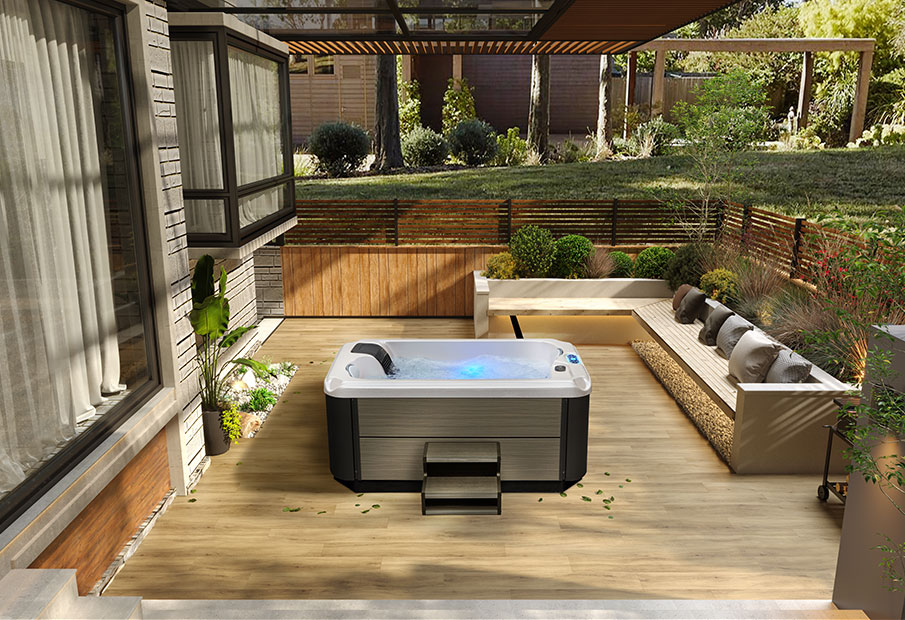
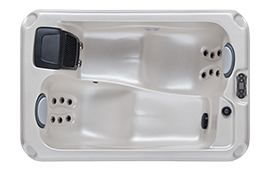
The Fspa BD-016 Hot Tub, designed for 2 adults, offers luxurious comfort with a spacious interior, powerful 1.5kW massage pump, 0.35kW filter pump, 2kW heater, customizable water flow with 14 jets, ozone sanitation, LED lighting, comfortable pillows, and a total power of 3.85kW, providing a tranquil escape for ultimate relaxation.
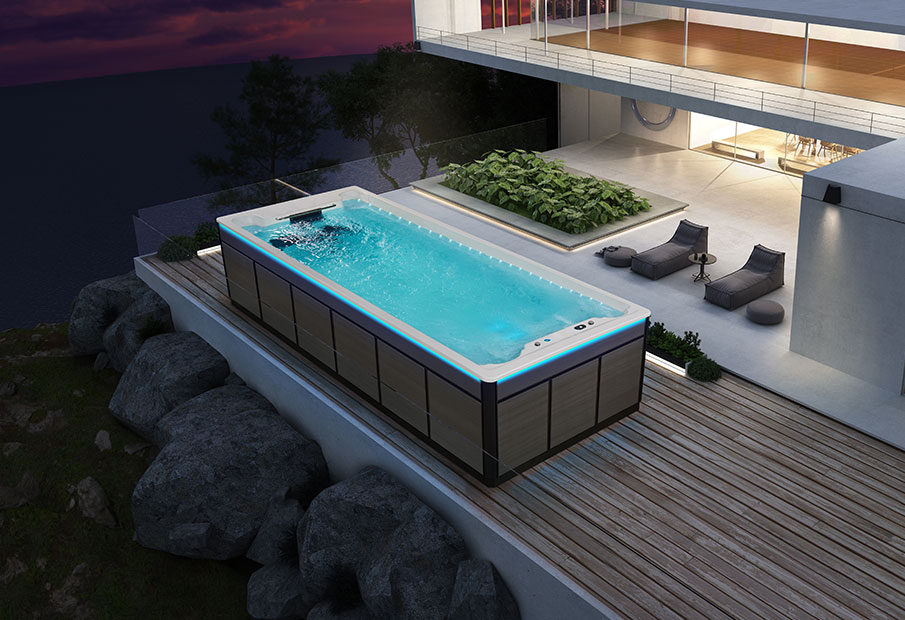
The Infinipool Fspa IP-005Pro is a state-of-the-art, spacious hot tub with advanced features, offering an unparalleled spa retreat for residential and commercial use.
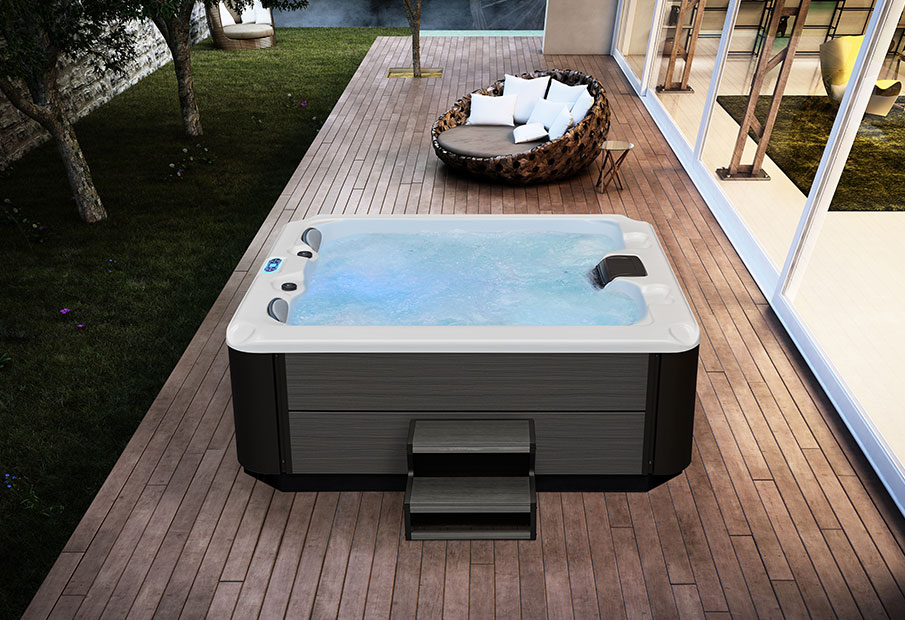
The Fspa BD-014 hot tub, designed for ultimate relaxation and luxury, offers a spacious interior for 4 adults, a powerful 2.2kW massage pump, 35 strategically placed jets, a 3kW heater, calming LED lighting, and an ozone system for clean water, making it the perfect choice for tranquility in your home.
PRODUCTS
INQUIRY
Thank you for your message!Our Chinese New Year holiday from 7th Feb to 28th Feb. Apologise to make your inconvenience so that responses may be delayed during this period. We'll back to you with regular service on 2th March .Thank you for understanding.


