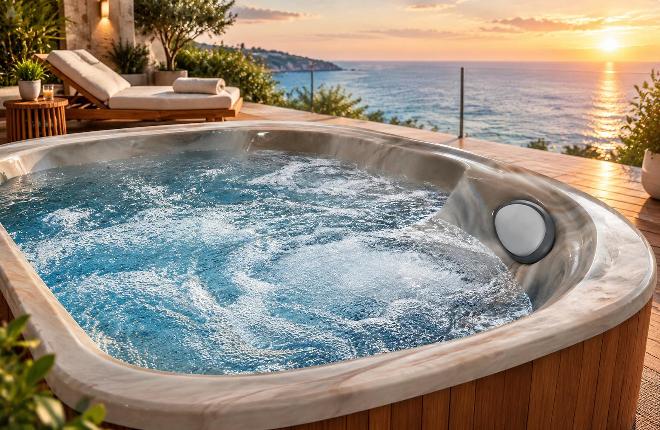
A wellness swim spa sits at an odd intersection. It is not quite a pool, not quite a hot tub, and not quite a gym. For people trying to fold recovery, hydrotherapy, and quiet time into a packed week, that in-between quality is the whole point. This piece looks at what a wellness swim spa actually does for the body, how to judge one against another, and where a compact hydrotherapy unit fits into a home, hotel, or rehabilitation setting.
Most people who search for a wellness swim spa are not shopping for a toy. They are usually dealing with one of three things: chronic muscle tension from work or training, a limited amount of outdoor or indoor space, or a desire to bring a spa-like ritual home instead of scheduling it around a facility’s hours. A full lap pool solves none of those problems efficiently. It takes more water, more square footage, and more upkeep than a household typically wants to commit to.
A compact hydrotherapy unit changes that equation. Instead of building for distance swimming, it builds for repeated, targeted sessions: fifteen or twenty minutes of jet-driven massage, heat, and stillness. That shift matters because recovery from muscle soreness or joint stiffness responds better to consistency than to occasional long sessions. A unit that’s easy to step into daily gets used daily. A pool that requires opening a cover, adjusting chemicals, and committing an hour often does not.
Not all hydrotherapy setups feel the same, and the difference usually comes down to two things: how many jets there are, and where they sit relative to the body. A unit with jets scattered evenly tends to feel diffuse, almost like a light massage through a towel. A unit with jets clustered around the shoulders, lower back, and calves feels more like targeted pressure work.
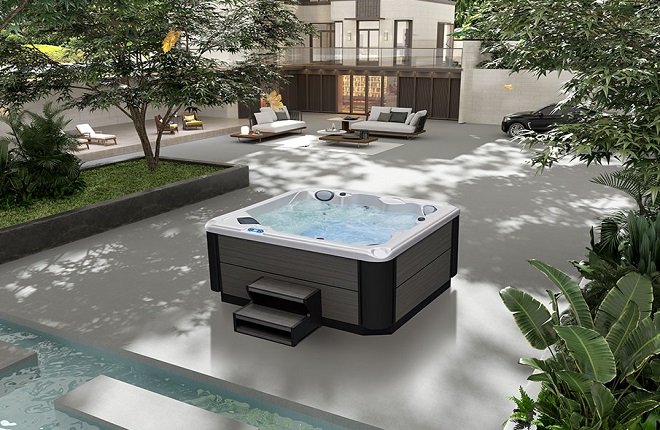
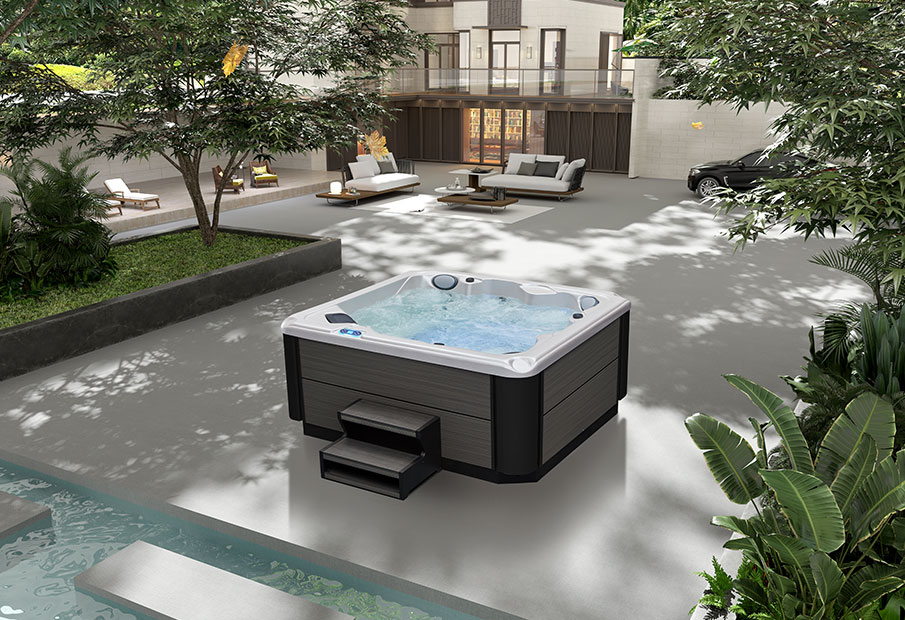
Take the BD-004, a six-person hydrotherapy unit built around 35 massage jets and a 1,450-liter water capacity. The jet layout follows the seating contours rather than a generic grid, which means pressure lands on the areas people actually complain about after a long day standing or training. The seats and backrests are shaped to follow the body’s natural curves, so the jets don’t have to work as hard to reach the right spot.
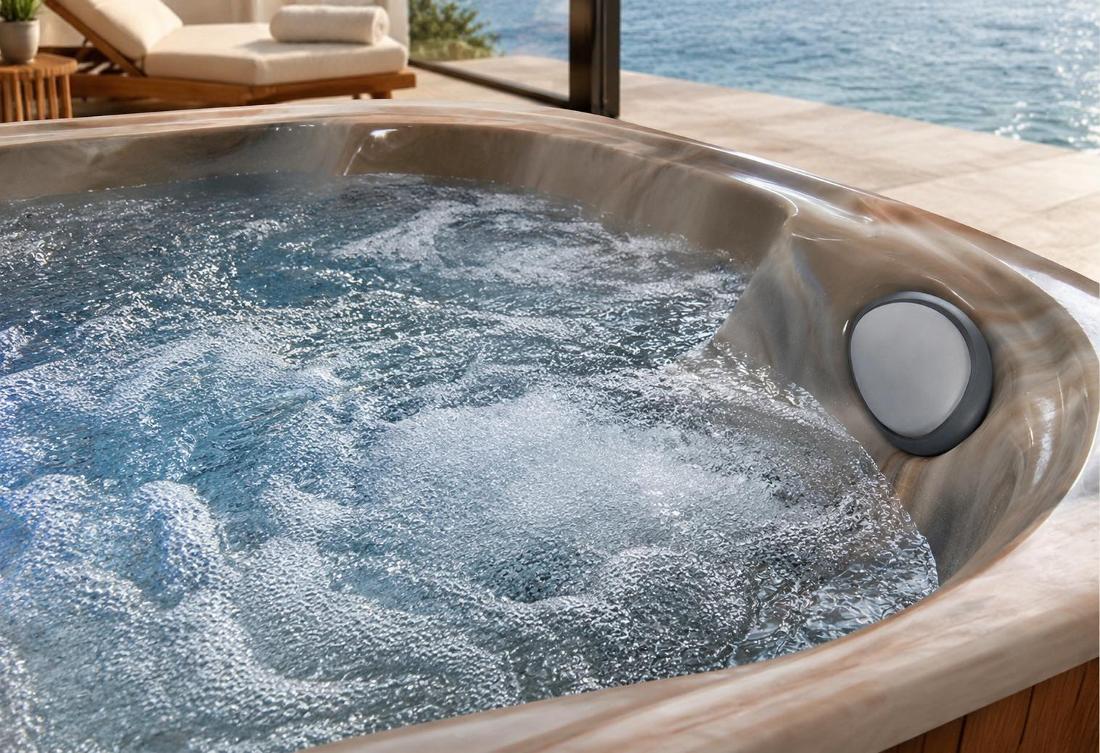
Water volume plays a quieter but equally important role. At 1,450 liters, a unit like this heats faster than a full pool and holds temperature more efficiently, which keeps running costs down without sacrificing the six-person capacity. That balance of volume and jet density is really what separates a wellness-focused hydrotherapy unit from a purely recreational one.
Physical relief is only half the story. The sensory environment around a soak, meaning light, sound, and even the visual texture of the shell, affects how relaxed a person actually feels, and that’s a documented factor in how people rate their own recovery experience. This is where a lot of manufacturers cut corners, treating lighting as decoration rather than function.
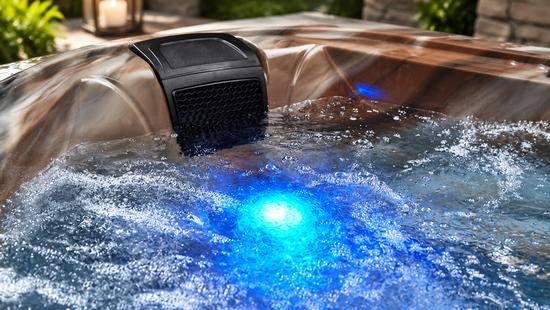
The BD-004 places its LED lighting at the bottom of the tub, so the glow comes up through the water rather than glaring from the rim. According to the manufacturer, this bottom-positioned lighting is part of what they describe as a biomagnetic therapy system intended to support a calmer, more immersive atmosphere. That specific therapeutic mechanism is the manufacturer’s own characterization and hasn’t been independently verified, so it’s worth treating as a comfort and ambiance feature rather than a clinical claim.
Headrests matter more than most buyers expect going in. A stiff headrest turns a twenty-minute soak into a neck workout. The pillow system on this unit is built for spinal alignment support during use, which sounds minor until you’ve sat in a tub without one and spent the whole session holding your neck up.
When narrowing down options, specifications tell you more than marketing copy does. Here’s how the BD-004’s core numbers break down for anyone comparing units for a home, hotel gym, or recovery space.
| Specification | Detail |
|---|---|
| Capacity | 6 adults |
| Dimensions | 2350 x 2350 x 900mm |
| Total Power | 5.55kW |
| Massage Pump | 2.2kW x 1pc |
| Filter Pump | 0.35kW x 1pc |
| Heater | 3kW x 1pc |
| Jet Count | 35 |
| Water Capacity | 1,450L |
| Net Weight | 317kg |
| Certifications | CE, CTUVus, CB, SAA |
That 5.55kW total draw is worth pausing on. It splits the load between a 2.2kW massage pump, a small 0.35kW filter pump, and a 3kW heater, which run somewhat independently depending on the mode selected. That separation means the filter can keep circulating water quietly overnight without the massage pump or heater kicking in, which keeps standby energy use lower than running everything as one system.
Water chemistry is the part of spa ownership people underestimate before buying and complain about after. Chlorine-only systems demand frequent testing and dosing, and they leave a smell most people associate with public pools rather than home relaxation. An integrated ozone sanitization system, like the one built into the BD-004, reduces how often manual chemical treatment is needed by breaking down organic contaminants as water circulates.
This matters practically for anyone installing a unit in a hotel gym or B&B setting, where staff turnover means maintenance routines can’t rely on one person’s memory. Lower manual upkeep translates directly into lower operating cost and fewer service callbacts, which is often the deciding factor for commercial buyers weighing a wellness swim spa against a traditional hot tub.
Application context changes what "the right unit" even means. A few common scenarios illustrate the range:
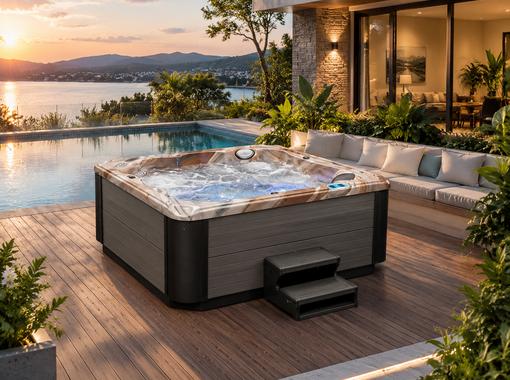
Rehabilitation and physiotherapy centers represent a slightly different case. There, the priority shifts toward consistent, repeatable sessions rather than ambiance, and ergonomic seating becomes less about comfort and more about supporting a patient through a full session without strain.
Buyers often get stuck comparing jet counts as if higher is automatically better. It isn’t. A practical way to narrow the decision:
That sequence keeps the decision grounded in use case rather than spec-sheet comparison shopping, which is where most buyers end up overpaying for features they won’t use.
Does a wellness swim spa need the same chemical maintenance as a swimming pool?
No. Because the water volume is much smaller, dosing and testing happen less frequently. Units with an integrated ozone system reduce manual chemical treatment further, though periodic water changes are still necessary.
Can a compact hydrotherapy unit replace a full swimming pool?
Not for lap swimming or exercise involving distance. It’s built for hydrotherapy, muscle recovery, and relaxation rather than athletic swimming, so the two serve different purposes.
Is outdoor installation different from indoor in terms of upkeep?
Outdoor units face more exposure to debris and temperature swings, so cover use and slightly more frequent filter checks are recommended, though the core maintenance routine stays similar.
How long does it typically take to heat the water?
Heating time depends on the heater’s output relative to water volume and ambient temperature; a 3kW heater paired with a 1,450L capacity, as in the BD-004, is sized to bring water to temperature within a practical window for daily use, though exact timing varies by starting conditions.
A wellness swim spa earns its place in a home or business not through any single feature but through how well its parts work together: jet placement that matches real pain points, water volume that heats efficiently, and sanitization that doesn’t demand constant attention. For manufacturers like us, that means designing hydrotherapy units, such as the BD-004 with its 35-jet layout and 1,450-liter capacity, around how people actually use them, whether that’s a villa backyard soak at sunset or a quick recovery session at a hotel gym. Choosing the right wellness swim spa ultimately comes down to matching those practical details to your own routine, not to whichever spec sheet lists the highest numbers.
A Day at FSPA: Explore the Outdoor Hot Tub Paradise as a Guest
The crisp morning air in Gaoming , Foshan, carried a hint of greenery as I pulled up to FSPA’s factory gate—my first visit to the brand I’d researched for months to find the perfect outdoor hot tub for my villa. As a buyer who values both quality and aesthetics, I’d heard FSPA’s acrylic products stood out, but seeing them up close felt like stepping into a world where functionality meets luxury.
My tour began in the brand showcase hall, where natural light streamed through floor-to-ceiling windows, illuminating a stunning lineup of product .There were compact hot tubs designed for cozy backyard gatherings, sleek swim spas that doubled as fitness spaces, and spacious outdoor pools—their acrylic surfaces glistening like polished marble.
What impressed me most was the attention to user comfort: the hot tubs featured ergonomic seats that hugged the body, adjustable jets positioned to target tight muscles, and hidden LED strips that cast soft, warm light after dark. When I ran my hand over the acrylic, it felt smooth yet sturdy—nothing like the flimsy materials I’d seen in cheaper models.
The staff explained that FSPA uses high-quality, UV-resistant acrylic, built to withstand years of sun, rain, and heavy use. “We test each batch for scratch resistance and color fastness,” they said, pulling out a sample that had been exposed to harsh weather for two years—still as vibrant as new.
Next, we headed to the production workshop, a 30,000-square-meter space where order and precision reigned. Unlike chaotic factories I’d visited before, FSPA’s floor was spotless, with each station labeled clearly: acrylic cutting, thermoforming, assembly, and quality control.
I watched as workers used computer-controlled machines to mold an acrylic hot tub shell, heating the material to an exact temperature to avoid bubbles or uneven edges. At the quality check station, a technician ran a digital caliper along every curve, ensuring measurements matched the design down to 0.1mm.
“Every product goes through three inspections before leaving the factory,” the guide told me. I even saw a team testing a hot tub’s water circulation system, running it for 24 hours straight to check for leaks—a level of thoroughness that made me trust FSPA’s craftsmanship even more.
The day’s highlight was the outdoor demonstration area, tucked away among palm trees and potted flowers. Several hot tubs were filled with warm, bubbling water, and I couldn’t resist slipping into one. The jets kicked in gently, easing the tension in my shoulders, and the water stayed consistently warm—no sudden drops in temperature like in the hot tub I’d owned before.
As I relaxed, the staff brought over refreshments and talked me through customization options: I could choose the acrylic color to match my backyard decor, add a built-in sound system, or even opt for a smart control panel that let me adjust settings from my phone. By the time I climbed out, I’d already jotted down the model number I wanted.
As I drove back, I thought about how FSPA had turned a simple factory visit into a memorable experience. It wasn’t just the beautiful products—it was the care in every step, from the materials they chose to the way they listened to my needs. For anyone looking for an outdoor hot tub that’s built to last and designed to delight, FSPA isn’t just a factory—it’s a place where “paradise” is crafted with purpose. I left knowing my backyard would soon have the perfect centerpiece—and that I’d found a brand I could rely on for years to come.
The Science Behind a World Record Cold Plunge and What It Means for Home Recovery
A world record cold plunge sounds like an extreme feat reserved for athletes chasing headlines. But the physiology behind it explains something far more practical: why cold exposure has become a mainstream recovery tool. Understanding what happens to the body during record-setting cold immersion helps ordinary users set realistic goals, avoid injury, and choose equipment that actually supports safe, repeatable cold therapy at home.
Record attempts in cold water immersion typically measure either duration in near-freezing water or full-body submersion time in ice baths under supervised conditions. These events are usually documented by organizations like Guinness World Records, with strict protocols for water temperature, medical monitoring, and verification.
For most people, though, the number that matters isn’t a record time. It’s a sustainable routine. Elite cold exposure athletes train for years to tolerate extended immersion, and their bodies adapt through repeated, gradual exposure rather than a single dramatic attempt. Trying to replicate record-length sessions without that conditioning is where injuries happen.
Cold water immersion triggers a rapid physiological cascade. Skin receptors detect the temperature drop and send signals that cause blood vessels to constrict, redirecting blood toward the body’s core. Heart rate and breathing rate spike almost immediately.
This response, often called the cold shock response, is strongest in the first 60 to 90 seconds of immersion. It’s also the most dangerous window for untrained individuals, since involuntary gasping can lead to water inhalation if the face is submerged. Record holders spend months acclimating their bodies to blunt this reflex before attempting long-duration sessions.
Once past the initial shock, the body shifts into a longer adaptation phase. Circulation patterns stabilize, and many users report a sense of calm alertness. This is the phase most home cold plunge routines are designed around, not the extreme edge that record attempts push toward.
People searching for cold plunge world record information are often curious about extremes, but the underlying appeal usually comes back to recovery, mental clarity, or muscle soreness relief. It helps to separate the two goals clearly.
Once this distinction is clear, the equipment question becomes less about extremes and more about what supports a routine someone can actually stick with.
A record-chasing cold water event and a backyard recovery routine share the same starting ingredient: reliable, consistent water conditions. Without stable temperature control, users either undershoot the benefit or push themselves into genuinely risky territory without realizing it.
This is where spa and hydrotherapy equipment designed for controlled temperature and filtration becomes relevant, even outside the cold plunge conversation specifically. Many outdoor spa units, including hydrotherapy-focused models, are built around digital control panels that let users monitor and adjust water temperature precisely rather than guessing.
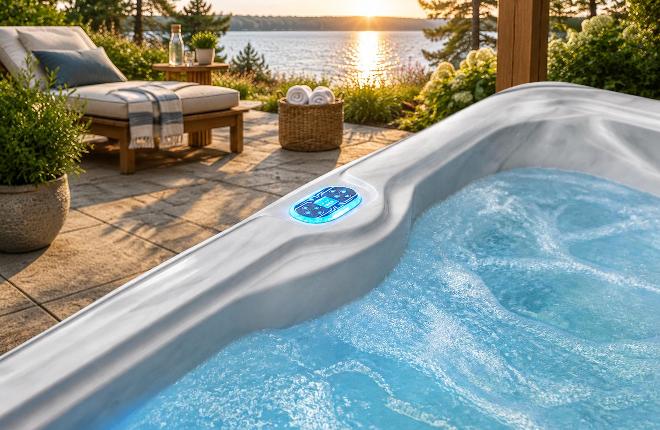
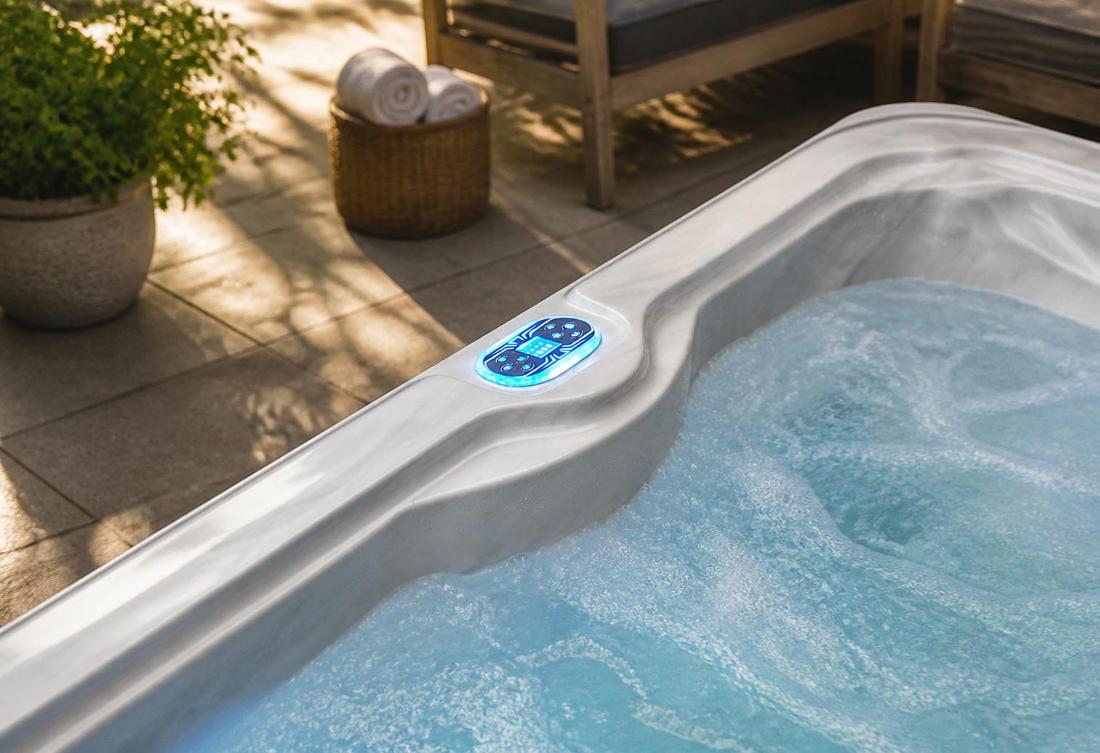
Take a hydrotherapy spa like the BD-001 as an example of how this control layer works in practice. According to the manufacturer’s specifications, it uses a blue-lit digital control panel for temperature monitoring, paired with a 3kW heater and a dedicated 0.35kW filter pump with ozone filtration to keep water clean between sessions. While this particular unit is built for warm hydrotherapy rather than cold immersion, the underlying principle, precise digital temperature control, is exactly what separates a safe recovery routine from guesswork.
Cold exposure rarely works in isolation. Athletes who attempt cold water endurance records often pair their training with contrast therapy, alternating between cold immersion and warm hydrotherapy to manage circulation and muscle recovery. This contrast approach is grounded in basic vascular response, not a proprietary technique.
For home users, this often means owning or accessing both a cold plunge setup and a warm hydrotherapy spa. The warm side of that equation benefits from jet-based massage systems that target sore muscles after intense cold exposure or physical training.
A unit like the BD-001 illustrates this with its 31-jet hydrotherapy system driven by a 2.2kW massage pump, described by the manufacturer as designed to relieve muscle tension across the back and shoulders. According to the manufacturer’s specifications, the seating layout accommodates up to 6 adults, with 4 integrated pillows positioned to support the neck and align the spine during use.
| Feature | Specification |
|---|---|
| Dimensions | 2100 x 2100 x 900mm |
| Capacity | 6 Adults |
| Water Capacity | 1000L |
| Jets | 31pcs |
| Massage Pump | 2.2kW |
| Heater | 3kW |
| Filter Pump | 0.35kW |
| Certifications | CE, CTUVus, CB, SAA |
For someone building a full recovery routine around cold exposure, having a warm hydrotherapy option nearby makes the contrast therapy portion far easier to sustain consistently.
Choosing between cold plunge equipment and hydrotherapy spa units depends heavily on how someone plans to use them. A few questions help narrow the decision.
Answering these honestly prevents an expensive mismatch, like buying a large social hydrotherapy spa when the real goal was solitary cold immersion training, or the reverse.
Is it safe to try to break a cold plunge world record without training? No. Documented record attempts involve extensive acclimation and medical supervision. Attempting extended cold immersion without that preparation carries real risk, including hypothermia and cardiac stress.
How does hydrotherapy support cold exposure routines? Warm hydrotherapy, using jet systems and heated water, helps manage the vasodilation phase after cold exposure, supporting circulation and easing muscle tightness through contrast therapy.
What should I look for in a hydrotherapy spa if I already do cold plunges? Focus on precise digital temperature control, adequate jet coverage for the muscle groups you train, and filtration systems like ozone treatment that keep water hygienic between uses.
Do I need a large spa if I only use it for personal recovery? Not necessarily. Sizing should match how many people will use it and available outdoor or balcony space, not just record-chasing ambitions.
The appeal of a world record cold plunge lies in what it reveals about the body’s limits, but very few people need to approach those limits to benefit from cold therapy. What matters more is consistency, proper acclimation, and pairing cold exposure with adequate warm recovery support.
For households or facilities serious about building this kind of routine, whether at a fitness center, wellness retreat, or private backyard, having both cold immersion and hydrotherapy equipment on hand turns an occasional cold plunge attempt into a genuinely sustainable recovery habit, one grounded in physiology rather than spectacle.
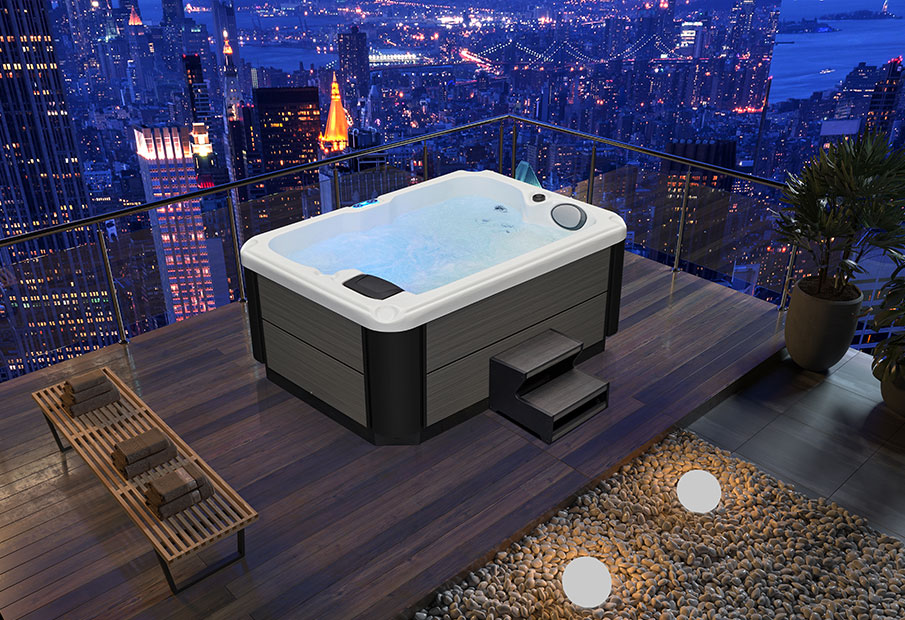
The Fspa BD-002, with its spacious 1870x1330x800mm design for 3 adults, boasts advanced controls, a 1.5kW massage pump, a 0.35kW filter pump, a 2kW heater, 16 water jets, an LED light, a filter, an ozone system, and total 3.85kW power, offering a luxurious and rejuv enating spa experience at home.
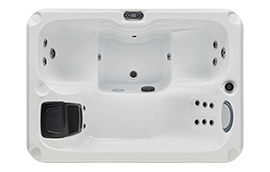
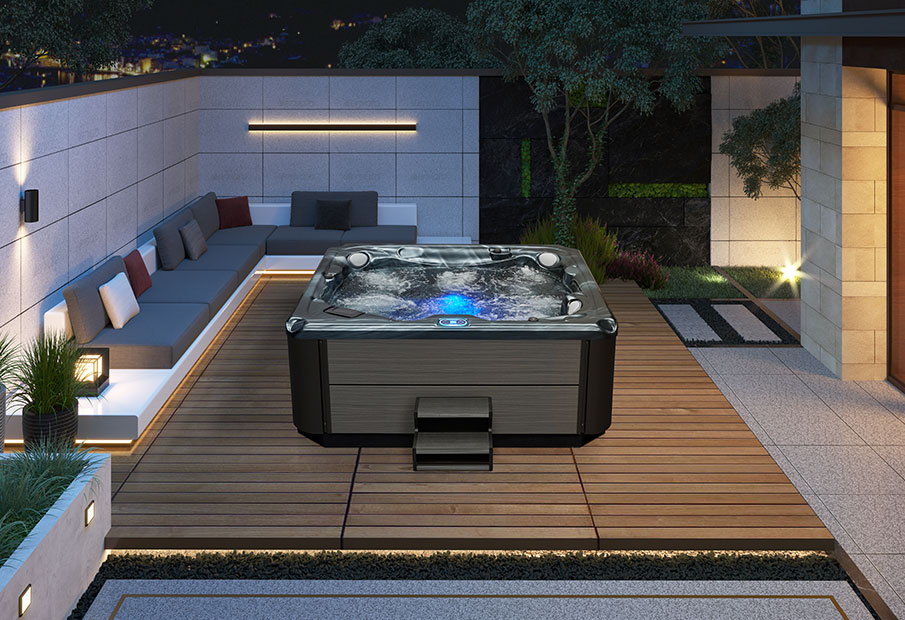
The Fspa BD-005 hot tub, accommodating 6 adults with advanced features including a 2.2kW massage pump, 0.35kW filter pump, 3kW heater, 42 jets, and ozone purification, offers ultimate relaxation in a spacious 2530x2300x900mm pool.
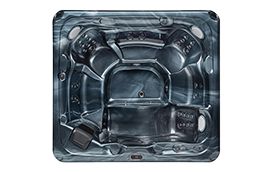
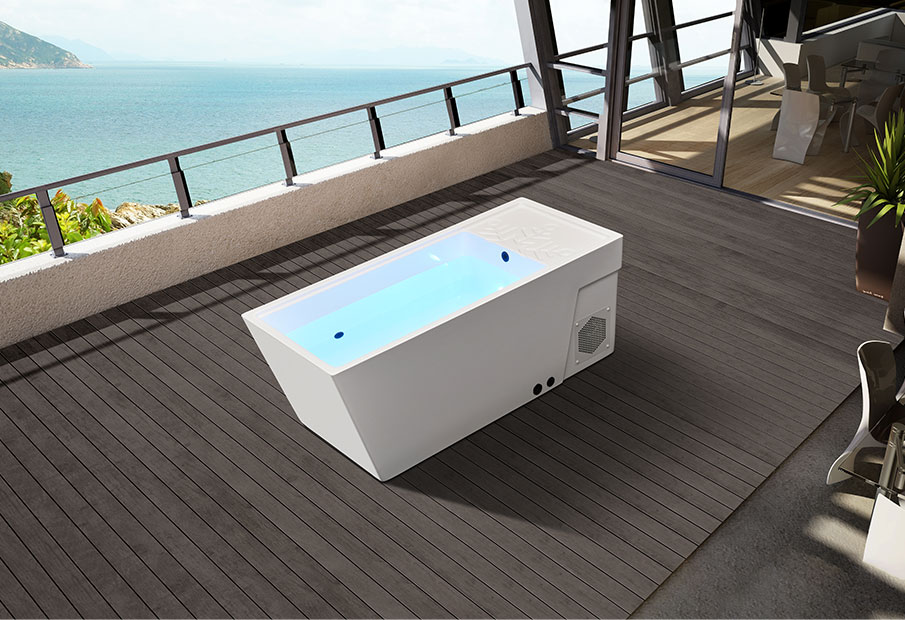
All in design, plug and play, Snowflake pattern, Include filter, circuitpump, Ozone, Ice-blue underwater light, and high-effciency Chilling system.
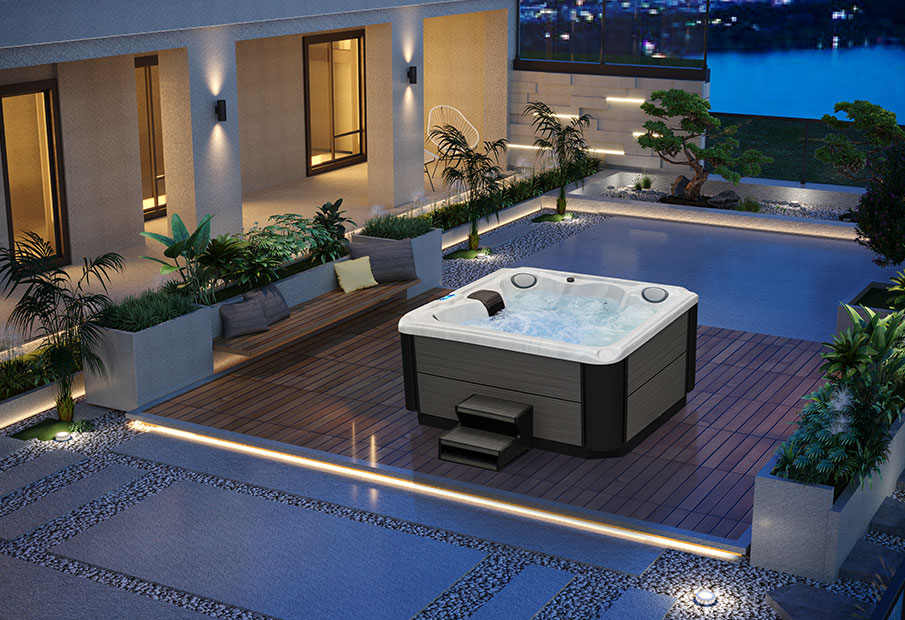
The Fspa BD-008 hot tub, with its spacious design for 6 adults, advanced control system, powerful massage pump, 3kW heater, high-efficiency filter, 35 strategic jets, LED lighting, adjustable features, and ozone sanitation, offers a luxurious and therapeutic spa experience at home, suitable for both residential and commercial settings.
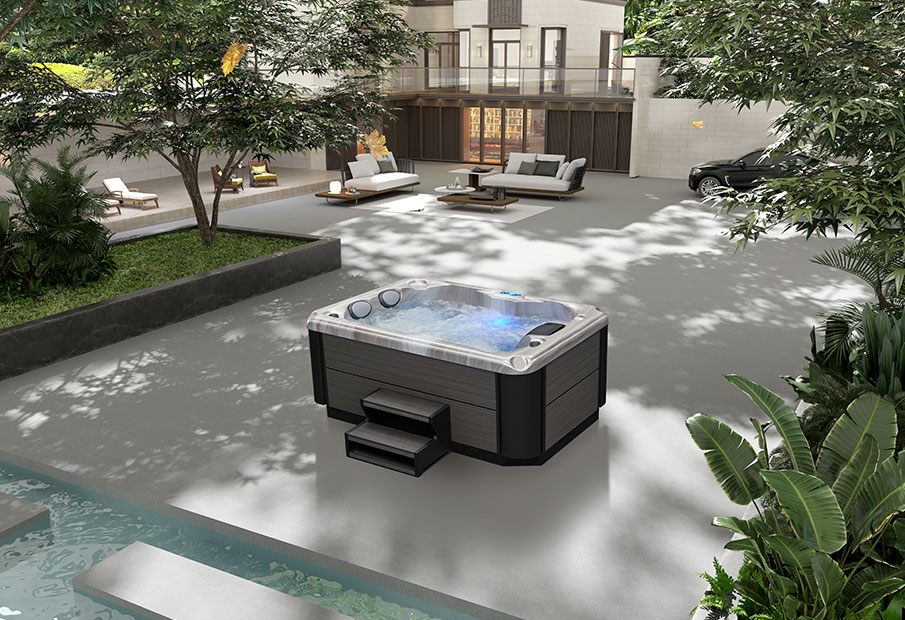
The Fspa BD-015 hot tub, with spacious dimensions for 6 adults, a powerful 2.2kW massage pump, 35 strategic jets, a 3kW heater, serene LED lighting, and a total power of 5.5kW, offers the ultimate experience in relaxation and well-being.
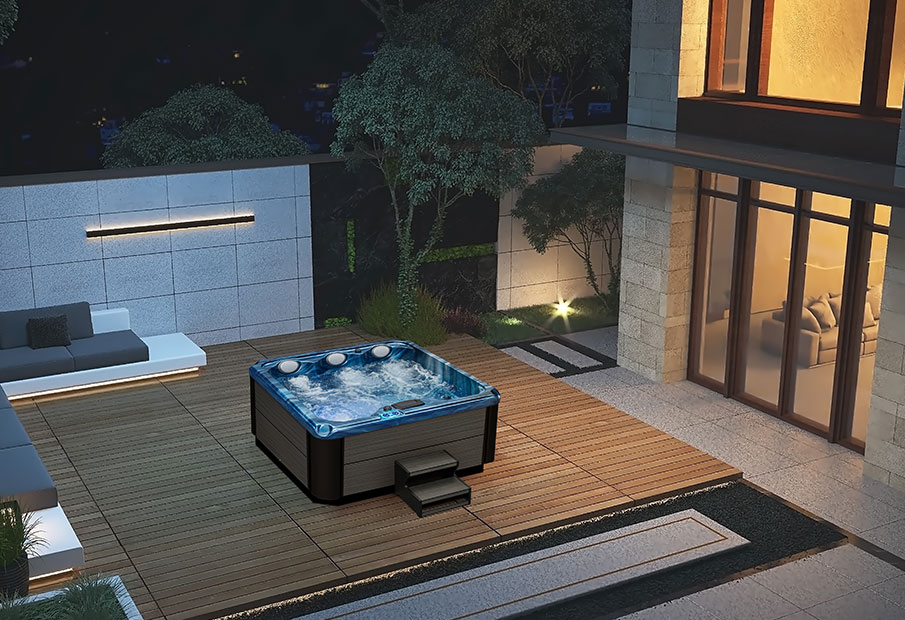
The Fspa BD-013 hot tub, with its spacious design for 6 adults, advanced 2.2kW massage pump with 35 jets, robust 3kW heater, energy-efficient filter pump, ambient LED lighting, and ozone system, offers ultimate relaxation and transforms any space into a private spa retreat, ideal for both residential and commercial use.
PRODUCTS
INQUIRY
Thank you for your message!Our Chinese New Year holiday from 7th Feb to 28th Feb. Apologise to make your inconvenience so that responses may be delayed during this period. We'll back to you with regular service on 2th March .Thank you for understanding.


