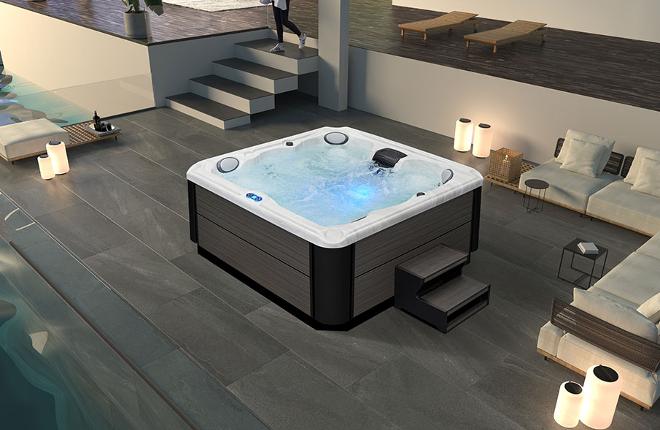
A 3 seater swim spa sounds like a contradiction at first. Most swim spas are built for lap swimming, which usually means a long, narrow tank meant for one or two people moving against a current. But a growing number of buyers want something different: a compact hydrotherapy pool that still seats a small group comfortably, without the footprint of a full lap pool. That’s really what people mean when they search for a 3 seater swim spa. They’re not necessarily chasing swim training. They want a plunge-and-soak setup that fits a small backyard, a balcony, or a boutique hotel courtyard, while still holding a few people at once.
This distinction matters because it changes what you should be shopping for. If your priority is seated hydrotherapy for two or three people rather than swimming laps, you’re really shopping in the compact spa pool category, and dimensions, jet layout, and seating ergonomics matter more than swim current strength.
Traditional swim spas run anywhere from 4 to 6 meters long, built around a propulsion system strong enough to generate a swimmable current. A 3 seater configuration, by contrast, is closer to a hot tub with a compact footprint, sized for a handful of people rather than continuous swimming. Manufacturers use the term loosely, so it pays to check the actual dimensions rather than the label.
Take a unit like the BD-001 as a reference point. It measures 2100 x 2100 x 900mm, a square footprint rather than an elongated rectangle, and seats up to 6 adults. That’s larger than a strict 3 seater, but it illustrates the category well: compact enough for a patio or indoor balcony, yet built around seated hydrotherapy instead of lap swimming. If you’re specifically hunting for a 3 seater swim spa, expect something in a similar or slightly smaller footprint, with fewer jets and a lighter total power draw.
Space is usually the deciding factor. A full-length swim spa needs a dedicated slab, often reinforced, plus clearance for equipment access. A 3 seater unit fits scenarios where that kind of commitment isn’t practical.
In each case, the buyer is trading swim distance for placement flexibility and lower water and energy consumption. That’s not a downgrade, it’s a different design goal.
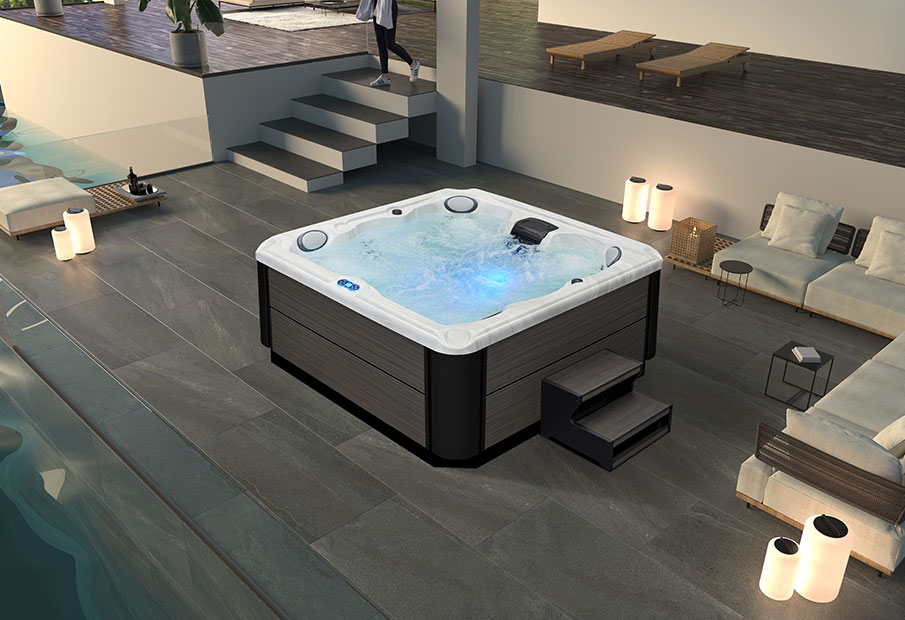
When you’re comparing compact swim spas or spa pools marketed toward small households, four numbers tell you most of what you need to know: footprint, water capacity, total power draw, and jet count. Everything else is largely a comfort layer built on top of those basics.
| Specification | BD-001 Reference Value | Why It Matters |
|---|---|---|
| Dimensions | 2100 x 2100 x 900mm | Determines whether it fits a patio, balcony, or indoor nook |
| Capacity | 6 adults | Sets realistic expectations for group use |
| Water Capacity | 1000L | Affects fill time, heating time, and water treatment volume |
| Total Power | 5.55kW | Rough guide to electrical circuit requirements |
| Heater | 3kW | Determines how quickly water reaches target temperature |
| Massage Pump | 2.2kW | Drives jet pressure and hydrotherapy intensity |
| Filter Pump | 0.35kW | Runs continuously to keep water clear between uses |
| Jets | 31pcs | More jets generally means more targeted massage zones |
| Net Weight | 268kg (empty) | Relevant for balcony or deck load calculations |
A smaller footprint reduces the water volume, which in turn reduces heating time and running cost, so a genuine 3 seater setup will generally draw less total power than the figures above.
Jet count gets thrown around as a marketing number, but placement is what determines whether hydrotherapy actually feels effective. In the BD-001, the 31 jets are arranged around an ergonomic seating layout, concentrated at points that correspond to the back, shoulders, and calves rather than scattered evenly across the shell. That’s the difference between a spa that just bubbles and one that targets muscle groups people actually complain about after a long day.
For a 3 seater configuration, expect a proportionally smaller jet count, but the same design logic should apply: jets clustered near the lumbar region and shoulder blades, not just decorative bubble jets along the floor. If a listing only advertises "high jet count" without describing placement, that’s worth asking the supplier about directly.
Seating comfort compounds the jet layout. Integrated headrests, like the four contoured pillows on the BD-001, support the neck and help align the spine while seated, which matters more in a compact spa where seating positions are fixed and can’t be adjusted the way they might be in a longer swim spa.
Smaller water volume sounds like an advantage, and it mostly is, but it also means water quality can shift faster if filtration isn’t sized correctly. A 1000L tank has less dilution capacity than a 4000L swim spa, so a dedicated filter pump running continuously, paired with an ozone system, becomes more important rather than less.
The BD-001 uses a 0.35kW filter pump alongside ozone treatment to manage this. That combination is fairly standard across the spa category, and it’s worth confirming on any compact unit you’re considering, since skipping continuous filtration in a small water volume tends to show up quickly as cloudiness or odor.
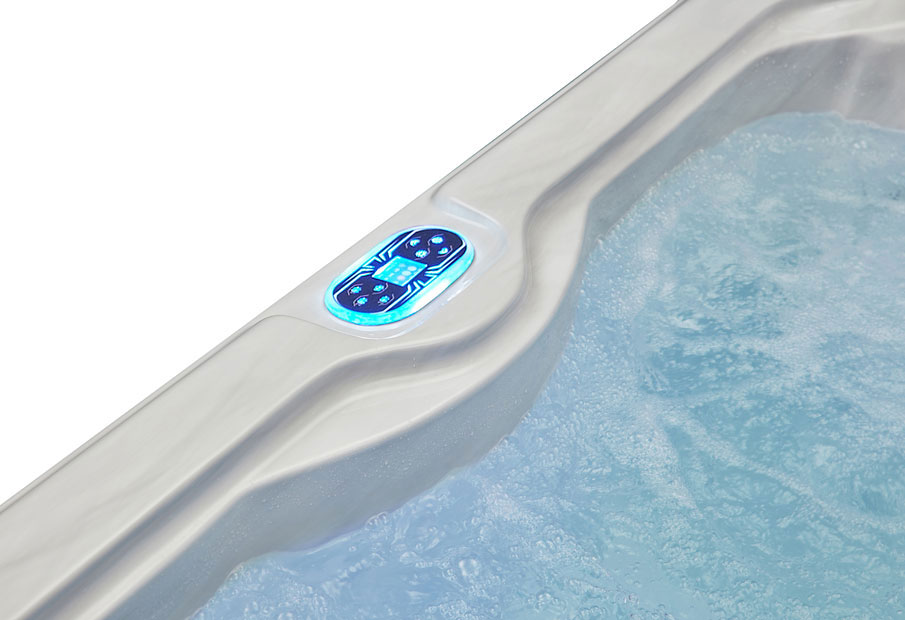
A digital control panel with clear temperature readout matters more on a compact unit than people expect, mainly because these spas often get used daily rather than occasionally. The BD-001’s blue-lit panel allows temperature monitoring and system management directly from the rim, which removes the guesswork of manual dial systems still found on older or budget units.
Ambient lighting, including LED and biomagnetic bottom lighting in the case of the BD-001, is sometimes dismissed as a cosmetic add-on. In practice, it affects usability after dark, particularly for hotel courtyards or evening residential use where the spa doubles as a lighting feature for the surrounding deck.
Before comparing brands or prices, work through the placement questions first. They eliminate most of the guesswork.
Is a 3 seater swim spa the same as a hot tub?
Functionally, they overlap significantly. The main difference is often marketing terminology rather than engineering. A compact spa marketed as a "swim spa" typically still relies on jets for hydrotherapy rather than a swim current, putting it closer to a hot tub in practical use.
Can a 3 seater swim spa be installed indoors?
Yes, provided the floor can support the filled weight and there’s adequate ventilation and drainage access. Indoor balconies and sunrooms are common placements for compact units precisely because of their smaller footprint.
How long does it take to heat the water?
Heating time depends on tank volume and heater wattage. A 1000L tank with a 3kW heater will heat considerably faster than a full-size swim spa with several times the water volume, which is one practical advantage of choosing a compact configuration.
Do smaller spas need less maintenance?
Not necessarily less effort, but different attention. Smaller water volumes can shift in quality faster, so consistent filtration and regular water testing matter just as much, if not more, than in larger units.
The right choice between a full-length swim spa and a compact 3 seater swim spa comes down to how the space will actually be used day to day, not how it looks on a spec sheet. Buyers who want seated hydrotherapy, group relaxation, and a footprint that fits a patio, balcony, or boutique courtyard are better served by compact configurations built around jet placement and seating comfort. For us, and for most manufacturers building in this category, the goal is matching tank size, power draw, and filtration capacity to realistic household or hospitality use, rather than pushing buyers toward more capacity than their space or budget can support. Measuring the space, checking the electrical setup, and confirming certifications will do more for long-term satisfaction than any single feature on a brochure.
How to Choose an Outdoor Jacuzzi Tub for a Modern Garden Spa
A well-planned outdoor spa begins with the people who will use it. Some buyers want a private place for quiet evening relaxation, while others need a social feature for a villa, hotel, holiday rental, or family garden. Before comparing models, estimate the normal number of users rather than selecting the largest tub available. A compact two-seat design may be ideal for a small patio, but a four-, six-, or eight-seat model can provide more flexibility for gatherings and commercial guest use.
The installation area matters just as much as seating capacity. Measure the access route, foundation, surrounding deck, service clearance, and distance from the electrical connection. An outdoor jacuzzi tub should not be squeezed into a space where technicians cannot reach pumps, filters, or control components. It is also important to leave safe walking space around the spa and plan drainage so rainwater or splash water does not collect near the base.
Shape affects how the spa fits the landscape. Square and rectangular models work well beside modern architecture, while round spas can soften a garden design and encourage face-to-face conversation. The best layout is the one that combines comfortable entry, practical maintenance, and a clear view from the house or hospitality area.
Garden spas are continuously exposed to sunlight, moisture, wind, temperature changes, and airborne debris. For that reason, buyers should look beyond surface appearance and ask how the shell, cabinet, insulation, cover, frame, and plumbing are designed for outdoor use. A smooth acrylic surface can create a premium finish, but the supporting structure and weather protection determine how well the spa performs over time.
The cabinet should complement the surrounding architecture while allowing ventilation and service access. A well-fitted insulated cover helps reduce heat loss, keeps leaves and dust out of the water, and lowers the amount of daily cleaning required. In colder climates, insulation around the shell and pipework becomes especially important because the heating system must work harder to maintain a comfortable water temperature.
Location also changes durability requirements. A spa installed beside the sea may face salt-laden air, while a rooftop or open terrace may receive stronger wind and direct sun. Buyers should tell the supplier where the product will be installed so that materials, electrical components, covers, and packaging can be selected for the project environment.
A jacuzzi spa should deliver a balanced experience rather than simply advertise the highest possible number of jets. Jet position, water flow, pump capacity, seat angle, and user height all influence comfort. Well-placed jets can target the shoulders, back, legs, and feet, while adjustable flow allows different users to choose a gentler or stronger massage. Too many poorly arranged jets may add complexity without improving the experience.
Water care is another major part of ownership. Filtration captures particles, while circulation helps distribute heat and treatment chemicals evenly. Some outdoor spa systems also use ozone or additional sanitation features to support routine water management. These technologies do not remove the need for testing and maintenance, but they can make daily care more convenient when used correctly.
Heating efficiency affects both comfort and operating cost. Buyers should compare heater capacity, insulation, cover quality, climate, frequency of use, and local electricity requirements. A spa that is correctly matched to the local voltage and frequency is easier to install and less likely to require expensive electrical changes after delivery. Confirming these details before production is especially important for international orders.
A two-person spa is suitable for couples, private terraces, compact gardens, and boutique guest rooms. It uses less space and may be easier to integrate into an existing landscape. However, buyers should still check internal legroom, seat depth, entry height, and whether both users can enjoy the jets comfortably at the same time.
A four-person model offers a practical middle ground for many homes. It can host a small group without dominating the entire garden. A six person jacuzzi is better suited to larger families, social entertaining, resorts, and rental properties where several guests may use the spa together. The stated seat count should be treated as a starting point, because lounge seats, body size, and internal shape affect the actual feeling of space.
Commercial buyers should also consider turnover. A model used by hotel guests or wellness-club members may require stronger circulation, clear operating instructions, and a maintenance plan that staff can follow. Residential buyers may place greater emphasis on quiet operation, privacy, lighting, and how naturally the spa fits into the garden.
An experienced outdoor spa tub manufacturer can help buyers move from a general idea to a practical specification. Useful discussions should cover dimensions, seat layout, shell color, cabinet finish, jet configuration, filtration, sanitation, heating, lighting, control system, electrical standard, packaging, and destination requirements. Clear specifications reduce last-minute changes and make sample approval more meaningful.
FSPA presents hot tubs as part of a wider wellness and aquatic-lifestyle range that also includes cold plunges and Infinipool systems. Its website highlights modern design, massage technology, heating, filtration, customization, and products for homes, villas, hotels, fitness facilities, and other projects. For buyers, the value of a supplier lies not only in producing a tub but also in helping coordinate design, manufacturing, quality checks, shipment preparation, and after-sales communication.
The right outdoor jacuzzi is therefore not simply the largest or most expensive model. It is the one that fits the site, user group, climate, electrical system, maintenance ability, and long-term purpose. By cooperating with professional manufacturer Foshan Gaoming Buddy-Tech Co., Ltd, starting with real project conditions and comparing complete product specifications, buyers can create a tailor-made garden spa that matches their space and lifestyle perfectly, operates efficiently all year round, and delivers lasting comfortable enjoyment for many years to come.
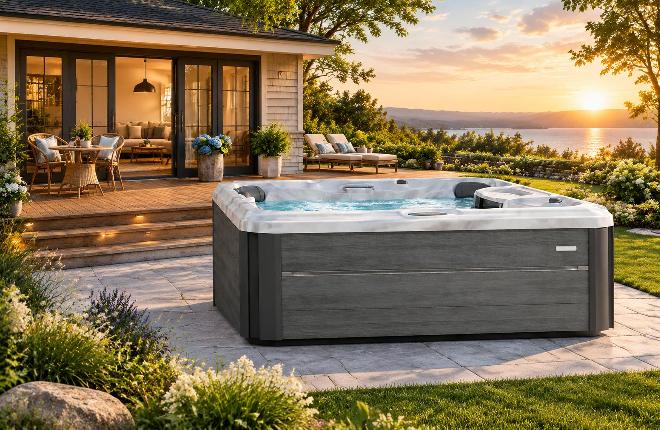
Best Swim Spa Hot Tub Combo: A Buyer’s Guide to Choosing the Right Unit
Finding the best swim spa hot tub combo starts with a simple question: what do you actually want from your backyard? Some people want a lap lane for morning exercise. Others just want a hot soak after a long week. The tricky part is that "swim spa hot tub combo" gets used loosely online, and it helps to separate marketing language from what these units actually do before you spend money on one.
This guide breaks down what these combo units are, how they differ from standard hot tubs, and what specifications actually matter when you compare models. We will also look at the kind of hydrotherapy and sanitization features that separate a decent spa from one that holds up for years.
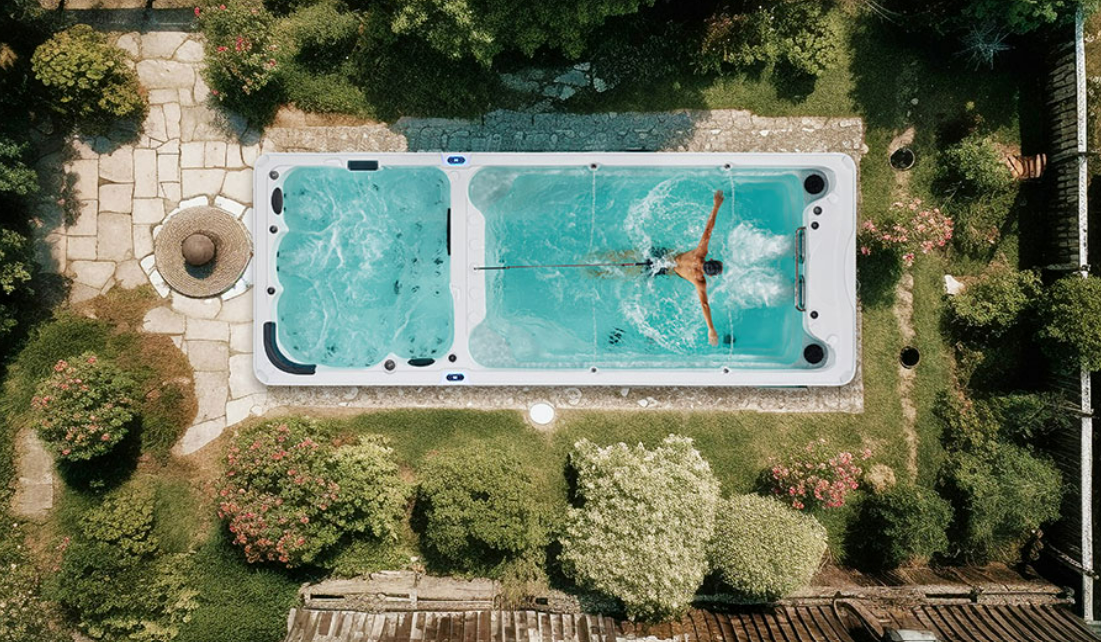
A true swim spa is a long, pool-like vessel with a current generated by jets or a paddlewheel, letting a swimmer move against resistance without covering ground. A hot tub, by contrast, is built for stationary soaking, with seats, headrests, and massage jets arranged around a compact shell.
The term "combo" usually points to one of two things. Either it is a genuine dual-zone unit with a swim lane on one end and a soaking area on the other, or it is a smaller multi-person hot tub marketed as offering enough room to stretch out and move. Knowing which one you are shopping for matters, because the price and footprint differences are significant.
If your priority is hydrotherapy, muscle recovery, and social soaking rather than swimming laps, a well-built hot tub with strong jet coverage may serve you better than a hybrid swim spa. That is the category we will focus on here, since it is where most residential buyers actually land after comparing options.
Manufacturers love to advertise big jet numbers, but raw count tells you less than placement. A tub with jets clustered around the lower back, calves, and feet will feel more targeted than one that spreads the same number of jets evenly and thinly.
Within the Fspa Hot Tub lineup, jet counts range from 16 in the compact BD-003 model up to 80 in larger Pro configurations, giving buyers a spread from focused, budget-friendly relief to full-body coverage. The advanced hydrotherapy systems combine water jets with adjustable air flow, which lets you dial in pressure depending on whether you want a firm deep-tissue feel or a gentler ripple.
Consider these three factors before counting jets:
A tub with fewer, well-placed jets often outperforms one with double the jets scattered without a clear massage pattern in mind.
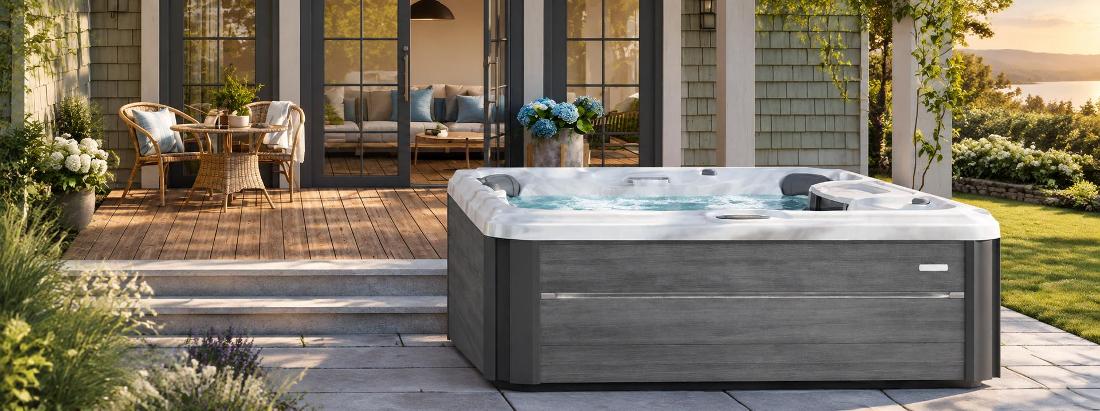
Capacity is where most buyers either overspend or underbuy. A 3-person tub suits a couple or a small patio, but it becomes cramped fast if guests are involved. A 6-person model, on the other hand, demands more deck space and a stronger electrical setup, so it is worth measuring your installation area before falling for a larger showroom unit.
The Fspa lineup spans from compact 3-person shells around 1870x1330mm up to 2530x2300mm units built for six adults. That range matters because dimensions translate directly into water volume, and water volume affects both heating time and monthly running cost.
Here is a simplified way to think about sizing:
| Household Size | Recommended Capacity | Typical Use Case |
|---|---|---|
| 1-2 people | 3-4 person tub | Daily soaking, small patios |
| 3-4 people | 4-5 person tub | Family use, moderate deck space |
| 5+ people or frequent guests | 5-6 person tub | Entertaining, larger backyards |
Choosing based on how you will actually use the spa, rather than the biggest model in a catalog, keeps both installation costs and energy bills in a reasonable range.
Heater wattage decides how quickly your spa reaches a comfortable temperature and how well it holds that heat during colder months. Smaller units in this category run on 2kW heaters, while larger, jet-heavy models step up to 3kW, with total system power reaching as high as 5.55kW when pumps and auxiliary systems are included.
This is not a spec to gloss over. A 2kW heater on a small tub will feel adequate in mild climates, but the same heater struggling against a 6-person shell in a cold region will leave you waiting hours for a proper soak. If you live somewhere with real winters, matching heater output to tub volume is not optional, it is the difference between a spa you use weekly and one that sits idle from November to March.
Electrical capacity at your home also plays a role here. Larger systems drawing more total power may require a dedicated circuit, so it is worth confirming your home’s setup before ordering a high-wattage model.
Anyone who has owned a hot tub knows the maintenance conversation eventually turns to chemicals. Chlorine and bromine work, but they demand constant monitoring, and skin sensitivity to strong sanitizer levels is a common complaint.
Ozone sanitization systems, integrated into the Fspa hot tub range, oxidize contaminants in the water and reduce how much chemical sanitizer you need to add manually. Ozone does not replace sanitizer entirely, but it lightens the workload and tends to leave water feeling cleaner between full chemical treatments. This matters most for people who use their spa several times a week and do not want water testing to become a second job.
Regular filter cleaning still matters regardless of sanitization method. Ozone reduces organic buildup, but it will not compensate for a filter that never gets rinsed.
Build quality in spa design shows up through specific components rather than vague promises. The elements that actually determine how long a spa lasts include:
According to the product specifications, the Fspa hot tub series incorporates high-performance pumps, reliable heaters, and shells designed with longevity in mind. As with any spa purchase, asking about warranty terms on pumps and heaters specifically, rather than the shell alone, gives you a clearer picture of expected lifespan.
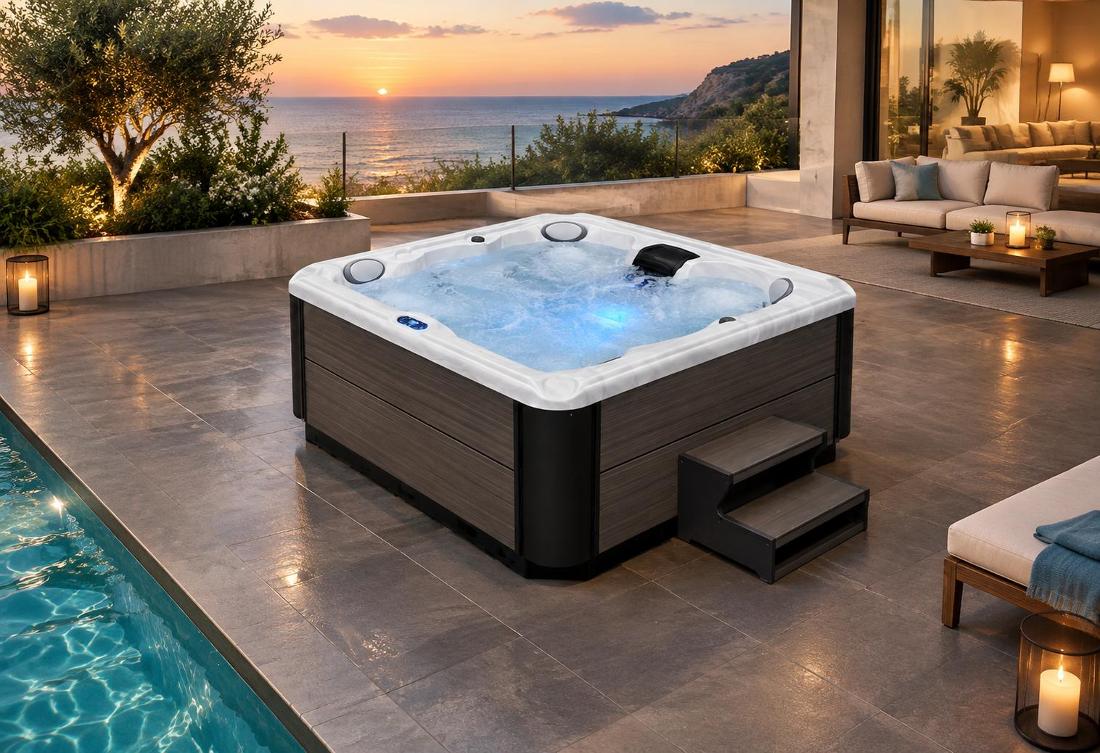
Not every buyer cares about mood lighting, but for those who do, select models in this lineup include integrated LED lighting and audio systems built into the shell. These features do not affect hydrotherapy performance, but they change how the spa functions socially, particularly for evening use or entertaining guests.
If ambiance features matter to you, check whether lighting is a fixed color or adjustable, and whether audio is truly integrated or just a Bluetooth speaker mount. The difference affects both price and long-term satisfaction.
Does a bigger hot tub always mean better hydrotherapy?
Not necessarily. A larger shell spreads jets over more surface area, which can dilute massage intensity unless jet density scales proportionally. Compact models with concentrated jet zones sometimes deliver a stronger therapeutic feel than oversized units.
Can I install one of these spas indoors?
Many models suit both indoor and outdoor placement, but indoor installation requires attention to ventilation and moisture control, since these units generate steam and humidity during use.
How often does the water need to be fully changed?
Even with ozone sanitization, most spas need a full water change every three to four months, depending on usage frequency and chemical balance.
Is a swim spa hot tub combo worth it if I only plan to soak, not swim?
If swimming laps is not a priority, a well-configured multi-person hot tub with strong jet coverage typically offers better value than paying for swim-lane length you will not use.
The best swim spa hot tub combo for one household is not the best fit for another, and that comes down to how the spa gets used week to week. Someone recovering from athletic training needs different jet placement than a retired couple looking for a quiet evening soak.
Before comparing brands or models, walk through your own use case:
Answering these honestly narrows the field faster than scrolling through spec sheets. We manufacture the Fspa Hot Tub series with this kind of range in mind, from compact 3-person units to full 6-person Pro models, so households at different stages can find a configuration suited to their space and routine.
Ultimately, choosing among swim spa and hot tub combo options is less about chasing the highest jet count or the flashiest lighting package, and more about matching capacity, heating power, and hydrotherapy design to how you actually live. Get that match right, and the spa earns its place in your backyard for years rather than becoming an expensive fixture you rarely use.
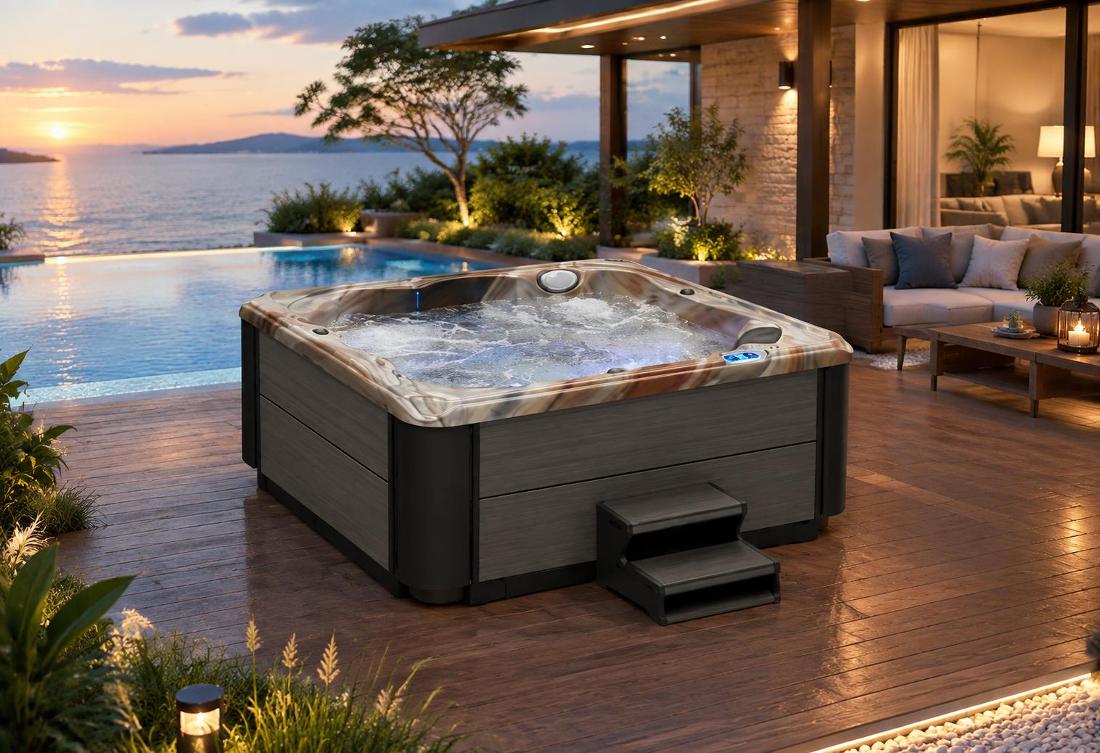
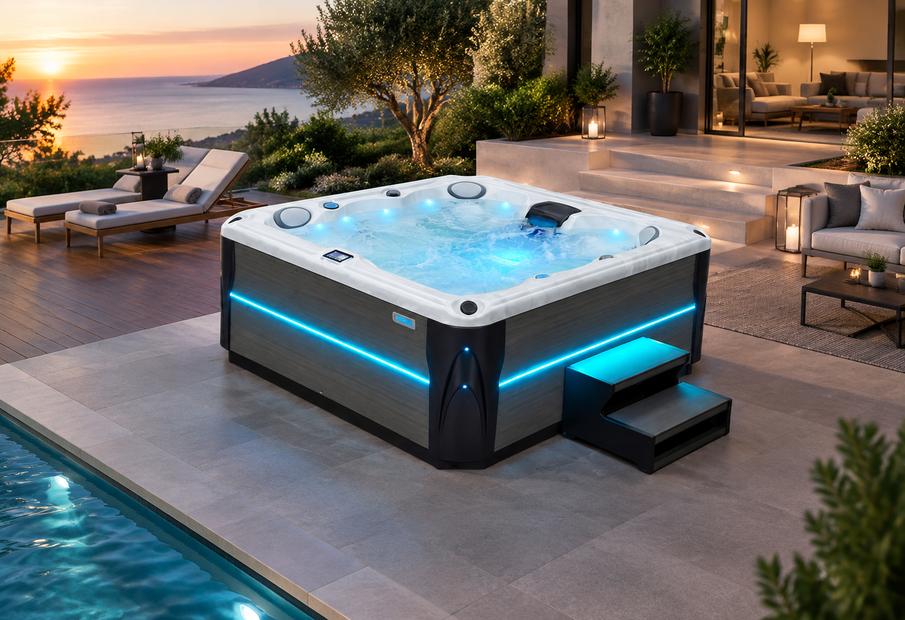
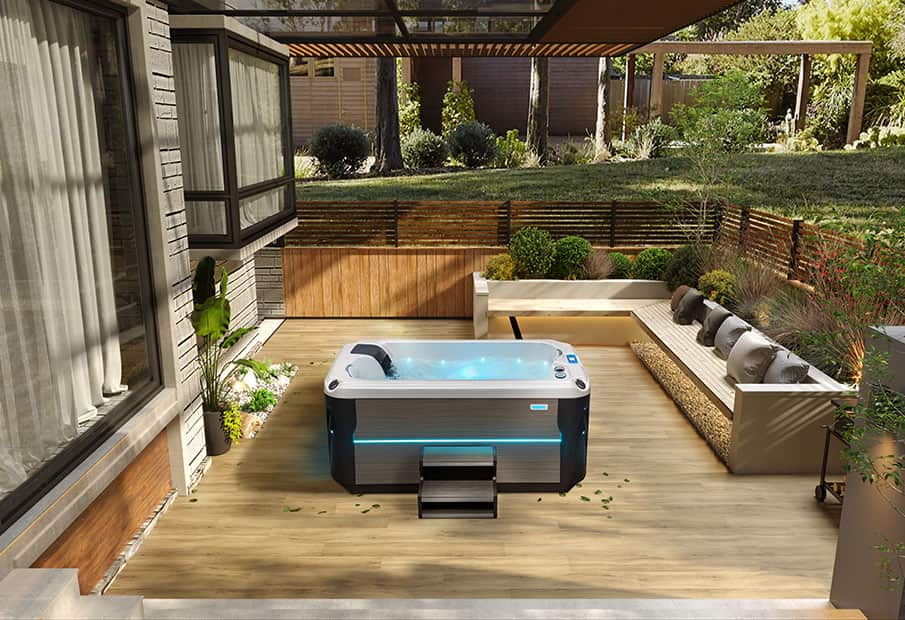
The Fspa BD-016Pro Hot Tub, a compact spa for up to 2 adults, offers a rejuvenating experience with an efficient control system, soothing massage features, consistent water temperature, modern amenities, advanced filtration, and suitability for indoor or outdoor placement.
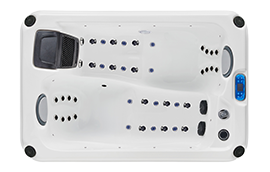
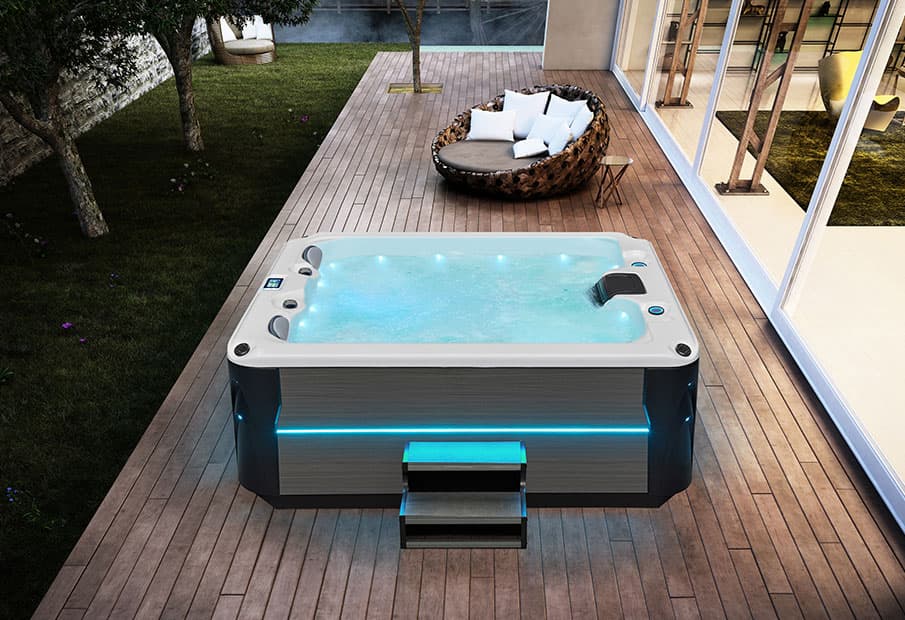
The Fspa BD-014Pro Hot Tub, with its spacious interior for 5 adults, comprehensive control system, powerful massage and filtration features, LED lighting, and speakers, offers a luxurious and therapeutic spa experience perfect for indoor or outdoor relaxation.
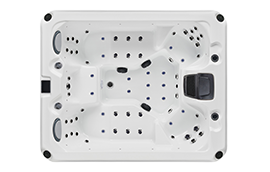
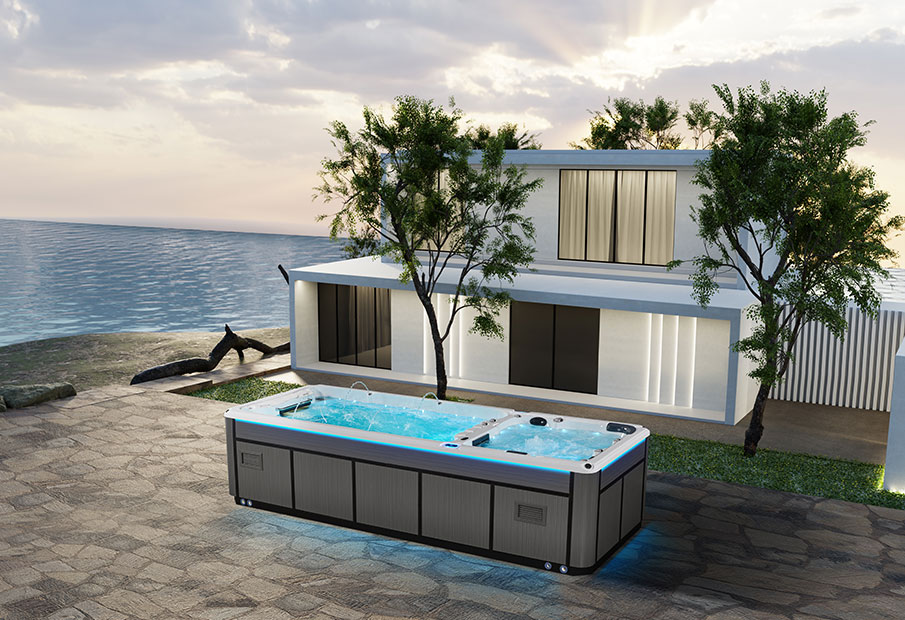
The Infinipool Fspa IP-007Pro is a versatile, luxurious hot tub and swim spa combo, featuring dual systems and customizable options for a complete spa and aquatic therapy experience.
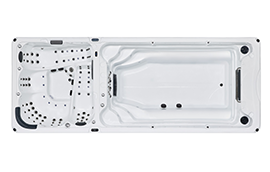
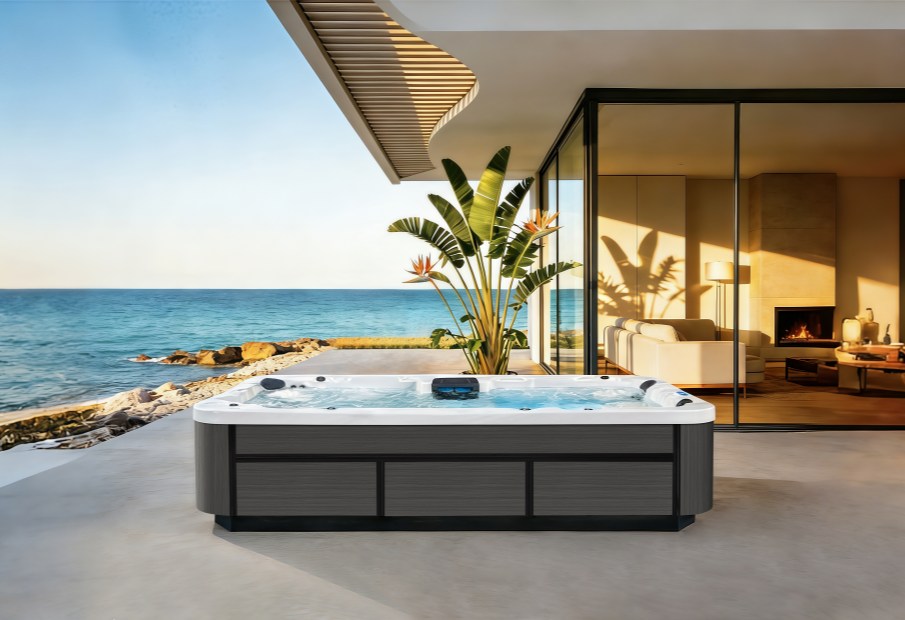
The Fspa BD-020 Hot Tub, designed for 5 adults with spacious dimensions and powered by a 4.85kW system, includes a 1.5kW massage pump, 0.35kW filter pump, 3kW heater, 28 customizable water jets, LED lighting, an ozone sanitation system, and easy maintenance features, providing unparalleled relaxation and comfort.
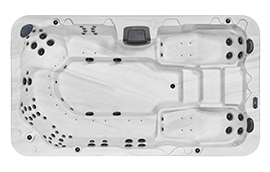
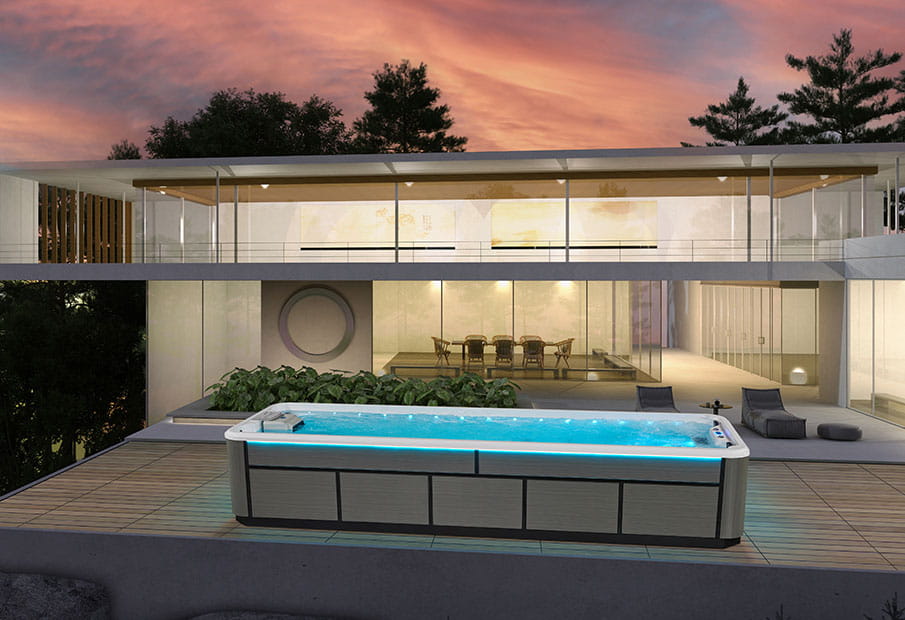
This contemporary infinity pool features dimensions of 7000mm in length, 2200mm in width, and 1335mm in height, highlighting its comprehensive and sophisticated functionality, including a high-efficiency filter pump, a powerful heater, and an advanced ozone system.
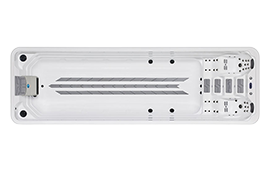
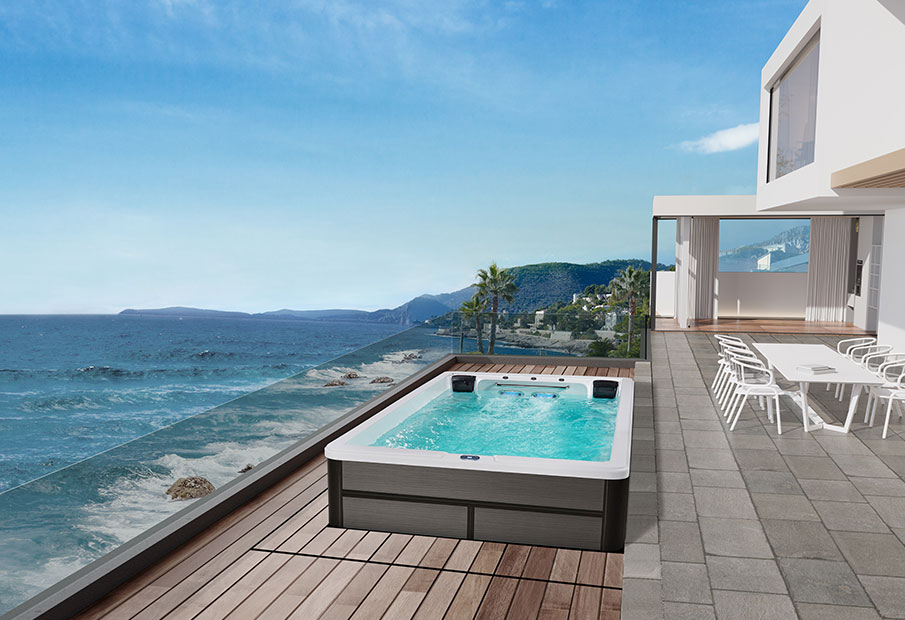
The Infinipool Fspa IP-001 is the ideal choice for anyone seeking a premium swimming experience at home or in a fitness facility.
PRODUCTS
INQUIRY
Thank you for your message!Our Chinese New Year holiday from 7th Feb to 28th Feb. Apologise to make your inconvenience so that responses may be delayed during this period. We'll back to you with regular service on 2th March .Thank you for understanding.


