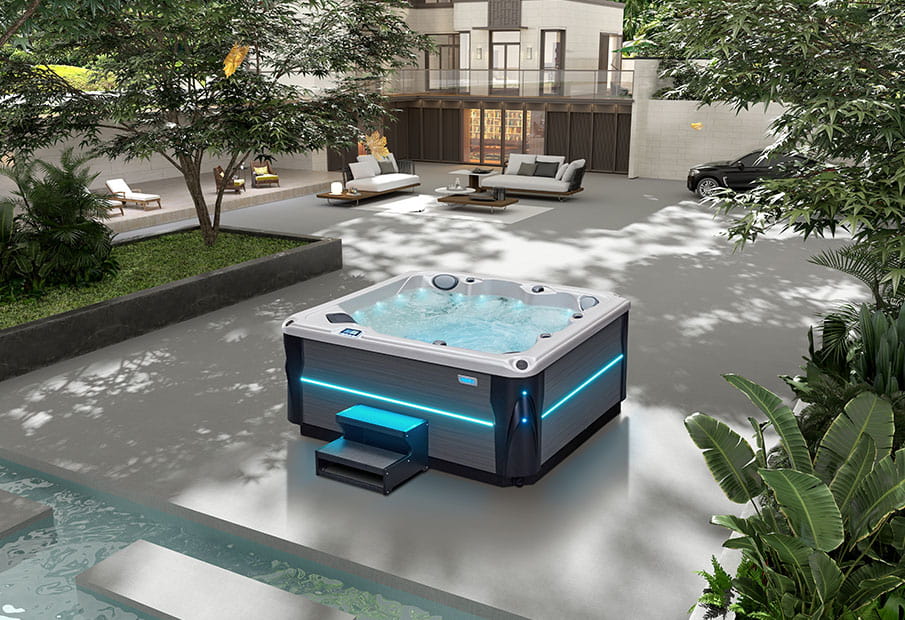
A hot tub is more than a luxury feature—it is an investment in relaxation, wellness, and lifestyle enhancement. For homeowners exploring options such as cheap hot tubs or a spacious 6 person hot tub, the decision often comes down to balancing comfort, quality, and long-term value. Rather than focusing solely on numbers, modern buyers are increasingly interested in durability, performance, and the overall ownership experience.
Understanding the true cost of a hot tub goes beyond the initial purchase. It includes comfort, energy efficiency, ease of maintenance, and how well the hot tub fits into your daily life. When chosen correctly, a hot tub becomes a long-term wellness solution that enhances both physical health and home enjoyment.
The term cheap hot tubs is often associated with affordability, but for a brand-focused buyer, “cheap” should mean cost-effective, not low quality. A well-designed hot tub delivers excellent hydrotherapy, reliable performance, and lasting materials, ensuring value over time.
Instead of focusing on short-term savings, it is more important to evaluate construction quality, insulation, and jet performance. High-quality shells, durable frames, and efficient heating systems contribute significantly to long-term satisfaction. A thoughtfully engineered hot tub reduces maintenance needs and improves energy efficiency, helping homeowners enjoy consistent performance year after year.
When considering the cost of a hot tub, long-term ownership factors matter most. Energy-efficient insulation minimizes heat loss, while advanced filtration systems maintain clean water with minimal effort. These features help ensure that even hot tubs positioned as cheap hot tubs still deliver premium comfort and reliability without unnecessary compromise.
Another key aspect of value is comfort. Ergonomic seating, balanced jet placement, and intuitive controls elevate the soaking experience. A hot tub should feel inviting every time it is used, whether for stress relief after work or relaxation with family and friends.
For many households, a 6 person hot tub represents the ideal balance between capacity and practicality. It offers enough space for social gatherings while remaining suitable for everyday use. Whether installed in a backyard, patio, or wellness area, a 6 person hot tub provides flexibility for both personal relaxation and shared experiences.
From a design perspective, a 6 person hot tub often includes varied seating layouts, allowing users to enjoy different hydrotherapy positions. Loungers, upright seats, and corner benches accommodate different body types and relaxation preferences. This versatility makes the hot tub suitable for couples, families, or guests.
In terms of perceived cost of a hot tub, a larger model like a 6 person hot tub can offer strong value. Instead of upgrading later, homeowners benefit from having ample space from the beginning. This reduces the need for future replacements and ensures the hot tub remains useful as lifestyle needs evolve.
A 6 person hot tub also enhances the social and emotional value of a home. It becomes a focal point for connection—whether for quiet evening conversations, weekend relaxation, or shared wellness routines. This emotional return is often just as important as any technical feature.
Modern 6 person hot tubs are designed with efficiency in mind. Advanced insulation, smart temperature controls, and optimized jet systems ensure that performance remains consistent without unnecessary energy consumption. These design choices help maintain comfort while supporting sustainable long-term use.
Choosing the right hot tub is about more than affordability—it is about finding the perfect balance between comfort, space, and long-term value. While terms like cheap hot tubs and cost of a hot tub often attract attention, the true value lies in thoughtful design, durable materials, and a satisfying daily experience.
A well-crafted 6 person hot tub offers flexibility, comfort, and lasting enjoyment for both individuals and groups. By focusing on quality, efficiency, and usability rather than short-term savings, homeowners can invest in a hot tub that enhances wellness, relaxation, and lifestyle for years to come.
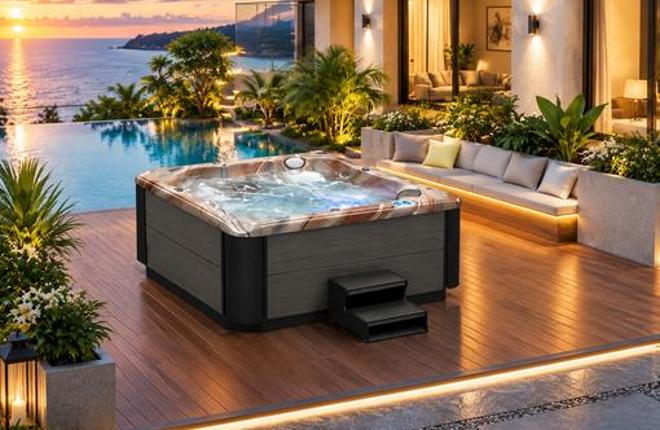
What to Look for in Top Swim Spas Before You Buy
Shopping for a swim spa usually starts with a simple question: do you want exercise, relaxation, or both? That question shapes almost every decision after it. The top swim spas on the market manage to blend a counter-current swim channel with the seating and jets of a traditional hot tub, but the balance between those two functions varies a lot between models. Some units lean hard into fitness, with strong propulsion and a stripped-down soak zone. Others, like portable hot tubs designed primarily for hydrotherapy, skip the swim lane entirely and put all their engineering into massage performance and seating comfort. Knowing which category actually fits your household saves you from buying more (or less) machine than you need.
The term gets used loosely in marketing, which causes confusion at the research stage. A true swim spa has a jet or paddle system strong enough to generate a swimmable current, usually paired with a longer shell. A hydrotherapy spa, by contrast, is built around stationary seating and jet clusters aimed at specific muscle groups. Neither is objectively better. It depends on whether your priority is cardiovascular movement or recovery and relaxation.
This distinction matters because the two categories draw from different engineering priorities. A swim current pulls power from a dedicated propulsion pump, while a therapy-focused unit spreads its output across many smaller jets. Once you know which experience you’re actually shopping for, the spec sheet becomes much easier to read.
Placement constraints eliminate options faster than any feature comparison. Swim spas tend to run long, often eight feet or more, because current generation needs distance to feel useful. That length rules them out for tight balconies or narrow side yards. A hydrotherapy-style unit with a compact footprint, closer to a square shape than a lap pool, fits into far more settings.
Consider how the unit will actually get used before measuring the deck:
Matching the footprint to the actual use case is a bigger factor in satisfaction than jet count or horsepower.
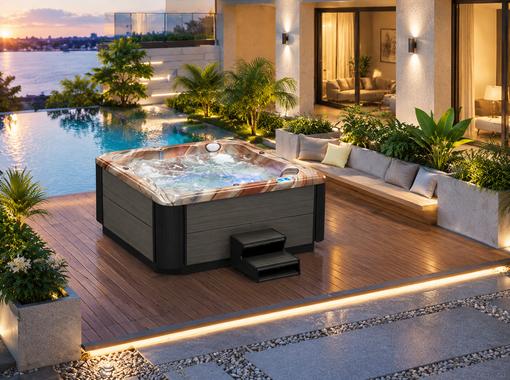
Jet count gets thrown around as a headline number, but distribution matters more than the total. A unit with jets clustered around the shoulders, lower back, and calves addresses the areas that actually tighten up after a workout or a long day standing. The Fspa BD-004, for example, uses 35 jets spread across a 6-person layout, with chrome-rimmed nozzles positioned at the seats and headrest zones rather than bunched in one area.
Ergonomic seating amplifies whatever the jets are doing. If the backrest doesn’t match the curve of your spine, water pressure alone won’t deliver much relief, because your body keeps shifting to find a comfortable angle. Contoured seats that keep the shoulders and hips aligned let the jets hit the same pressure points consistently, which is really the point of hydrotherapy in the first place.
Neck and shoulder tension responds differently than lower back tension, so headrest design deserves its own look. Some models pair the headrest with a molded, cushioned pillow section intended to support spinal alignment during a long soak. According to the manufacturer, the BD-004’s pillow system falls into this category, aiming to keep the neck supported rather than left to float unsupported against a hard shell edge.
Nobody buys a spa because they’re excited about water maintenance, yet it’s the single biggest source of long-term frustration if the sanitization system is weak. Chlorine-only systems work, but they demand frequent testing and can leave a chemical smell that undercuts the relaxation the spa was bought for in the first place.
An integrated ozone system reduces that burden by helping oxidize contaminants as water circulates, which typically means less manual dosing and a milder odor profile. The BD-004 includes this type of system as standard, positioning it as a lower-maintenance option compared to units that rely entirely on manual chemical balancing. That said, ozone systems supplement rather than replace basic water testing. Regular pH checks still matter, no matter how automated the sanitization hardware is.
Spec sheets look intimidating because they mix electrical, mechanical, and capacity figures without much context. Breaking them into categories makes comparison shopping far less painful.
| Specification | BD-004 Example | Why It Matters |
|---|---|---|
| Capacity | 6 Adults | Determines realistic household or guest use |
| Dimensions | 2350 x 2350 x 900mm | Confirms it fits the intended deck or patio space |
| Total Power | 5.55kW | Indicates combined electrical draw for planning circuits |
| Massage Pump | 2.2kW x 1pc | Drives jet pressure and overall massage intensity |
| Filter Pump | 0.35kW x 1pc | Runs continuously for water circulation and clarity |
| Heater | 3kW x 1pc | Affects how quickly the spa reaches target temperature |
| Jet Count | 35pcs | Reflects coverage across seating zones, not just raw power |
| Water Capacity | 1450L | Impacts fill time and ongoing water treatment volume |
| Net Weight | 317Kg | Relevant for deck load calculations, especially raised decks |
Electrical planning deserves particular attention before installation day. A 5.55kW total draw generally requires a dedicated circuit sized by a licensed electrician, not a standard household outlet. Skipping this step is one of the more common and avoidable installation mistakes.
Safety certifications rarely make it into the exciting part of a buying decision, but they’re one of the few objective ways to filter out poorly built units. CE and CB marks indicate a product has been evaluated against recognized electrical and safety standards, while SAA certification specifically applies to the Australian and New Zealand markets. CTUVus coverage extends similar recognition to the US and Canadian markets. The BD-004 carries CE, CTUVus, CB, and SAA certification, according to product documentation, which gives buyers in several regions a documented safety baseline to check against rather than relying on marketing claims alone.
LED lighting inside the shell often gets dismissed as a cosmetic add-on, but it plays a real role in how the spa gets used after dark. Bottom-mounted LED lighting, positioned beneath the waterline, creates a soft glow that reads as calming rather than clinical, which matters for anyone using the spa specifically to wind down in the evening. The BD-004’s lighting sits low in the shell for this reason, aiming to set a relaxed tone rather than function as a bright accent feature.
Timing matters too. A unit intended for evening use in a backyard or on a hotel patio benefits from lighting that’s visible from a distance, turning the spa into a small landmark on the property after sunset rather than something only noticed up close.
Do all swim spas include a lap-swimming current?
No. Some products marketed under the swim spa umbrella are actually hydrotherapy-focused hot tubs without a dedicated current system. Always check whether the model has a propulsion or paddle system before assuming it supports laps.
How much space does a 6-person unit really need?
Beyond the footprint itself, plan for clearance around the cabinet for maintenance access and confirm the deck or patio can support the filled weight, which for the BD-004 reaches roughly 1450L of water plus the 317Kg shell weight.
Is ozone sanitization a replacement for chemical treatment?
It reduces the workload but doesn’t eliminate the need for periodic water testing. Think of it as lowering maintenance frequency rather than removing maintenance entirely.
What’s the difference between a therapy spa and a swim spa in terms of installation?
Therapy-focused units, being more compact, generally have simpler footing and deck requirements. Longer swim spas often need reinforced or extended decking, which adds to installation planning and cost.
Choosing among the top swim spas and adjacent hydrotherapy models comes down to matching the unit’s actual strengths to your daily routine rather than chasing the longest feature list. A hotel gym and a quiet villa backyard have almost nothing in common in terms of use pattern, even though both might land on the same shortlist of products. For us, that’s the core of the decision: capacity, jet placement, certification coverage, and footprint should all point toward the same use case before a purchase decision gets made. Buyers who work through those points methodically, rather than reacting to a single standout spec, tend to end up far more satisfied with whichever unit they choose from the current lineup of top swim spas.
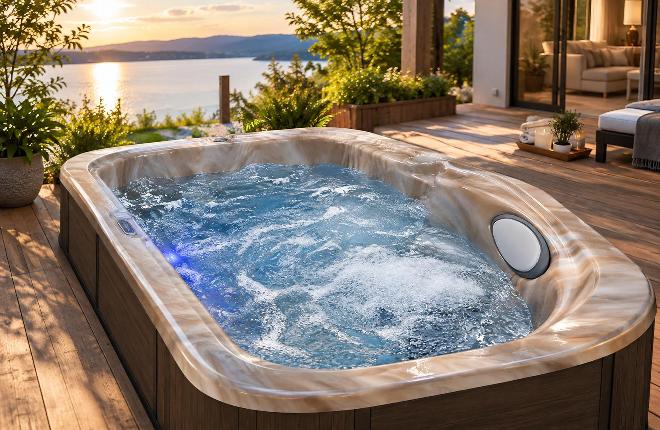
What to Look for in the Best Rated Swim Spas
Shopping for a swim spa usually starts with one nagging question: does this thing actually deliver on comfort, or is it just another oversized tub with a marketing sticker? Anyone comparing the best rated swim spas quickly realizes the differences aren’t cosmetic. Jet count, pump power, water volume, and seating geometry all shape how the unit feels after ten minutes versus after an hour. This guide walks through the mechanical and ergonomic details that separate a genuinely well-rated swim spa from one that just looks good in a showroom photo.
Marketing copy loves to shout jet numbers, but raw count tells you almost nothing about how a spa actually performs. What matters is placement relative to the muscle groups people actually want treated: lower back, calves, shoulders, feet.
A unit like the BD-004, for example, spreads 35 massage jets across six seating positions, each positioned to target specific pressure points rather than clustered for visual effect. That distinction is the difference between a spa that soothes and one that just splashes.
Before comparing spec sheets, ask these questions:
The BD-004 runs on a 2.2kW massage pump paired with a 3kW heater and 0.35kW filter pump, totaling 5.55kW. That balance matters. Undersized pumps starve jets of pressure once more than a couple seats are active, which is a common complaint with cheaper units that advertise high jet counts but skimp on pump capacity.
Water volume directly affects two things people rarely think about until the bills arrive: heating cost and turnover time. A larger tub isn’t automatically better if the heater struggles to keep pace.
The BD-004 holds 1,450 liters, a mid-range volume for a 6-person unit, matched to its 3kW heater. That ratio keeps warm-up times reasonable without demanding an oversized electrical circuit most homes don’t have installed.
| Spec | BD-004 Value | Why It Matters |
|---|---|---|
| Water Capacity | 1,450L | Balances heat retention with fill/drain practicality |
| Heater | 3kW | Sized to match volume, avoiding excessive warm-up wait |
| Total Power | 5.55kW | Fits standard residential electrical setups |
| Net Weight | 317kg | Relevant for deck load calculations |
Anyone installing on a raised deck or balcony should check the dry weight plus full water weight against local structural load limits. This is one of those details installers mention and buyers forget, right up until the contractor asks for it.
Water chemistry maintenance is the part of spa ownership nobody enjoys, which is exactly why sanitization method belongs high on any comparison checklist. Chlorine-only systems work, but they demand more frequent manual dosing and monitoring.
Units equipped with an integrated ozone system, like the BD-004, reduce that burden by continuously treating circulating water, which cuts down on how often chemical levels need adjusting. Ozone doesn’t replace sanitizer entirely, but it lowers the workload significantly for owners who don’t want water testing to become a weekly chore.
For hospitality settings — hotel gyms, B&Bs, rehabilitation centers — this matters even more. Staff turnover means maintenance knowledge doesn’t always transfer cleanly, so a system that’s more forgiving of inconsistent upkeep protects both water quality and guest experience.
Seat contouring is the single most under-discussed spec in swim spa shopping, yet it’s often what determines whether someone uses the spa daily or lets it sit idle after the first month.
Ergonomic seating should follow the body’s natural curve rather than forcing a flat, generic mold. The BD-004’s seats and backrests are shaped to support natural posture, with jets and controls positioned so users don’t have to twist or lean to reach either.
Headrest design deserves separate attention. According to the product specifications, the BD-004 pairs a contoured headrest with a supportive pillow system intended to help align the spine and ease neck strain during extended soaks.
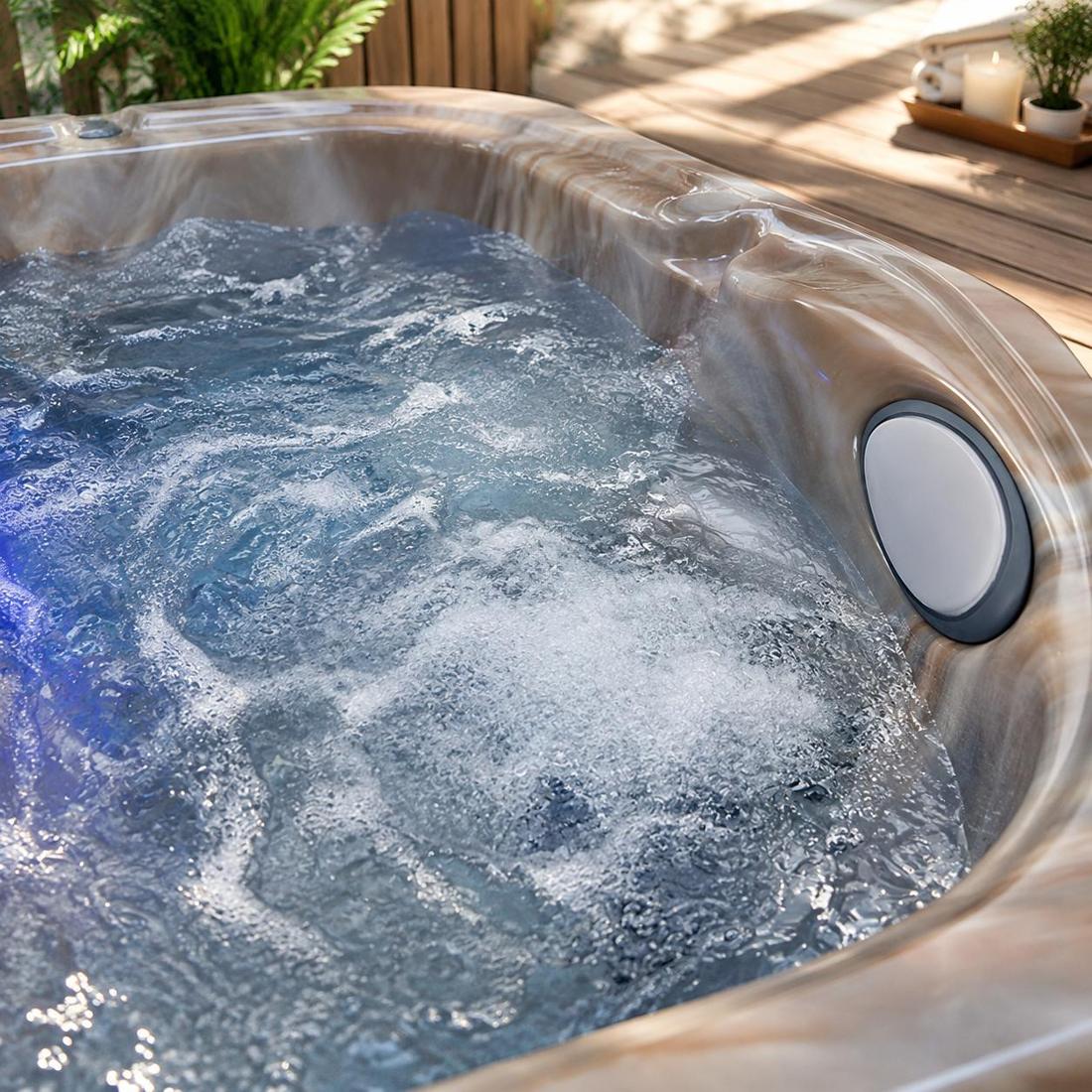
LED lighting gets dismissed as a gimmick, but it plays a real role in the relaxation experience, particularly for evening use. Bottom-positioned lighting, rather than surface-mounted strips, diffuses light through the water itself, creating a softer glow instead of glare.
The BD-004 uses blue LED lighting positioned at the base of the shell, described in the product materials as part of a biomagnetic therapy system intended to support a calming atmosphere during use. Whether that qualifies as therapeutic in a clinical sense isn’t something to overstate; what’s fair to say is that dim, indirect lighting is generally associated with easier relaxation compared to harsh overhead light.
Not every setting calls for the same configuration, and this is where buyers often overspend or underspend relative to actual need.
Matching the unit to its actual use case avoids the common mistake of buying based on showroom appeal alone, then discovering the spa doesn’t suit daily operational demands.
Certifications don’t measure comfort or performance quality, but they do confirm baseline electrical and safety compliance, which matters more than most buyers realize until something goes wrong.
The BD-004 carries CE, CTUVus, CB, and SAA certifications. These indicate the unit has passed relevant electrical safety and quality testing standards recognized in their respective regions. For anyone installing outdoors or near water, this isn’t a checkbox to skip past. It’s a baseline confirming the electrical system was tested by an independent body rather than just self-certified by the manufacturer.
Does jet count alone indicate quality?
No. Pump power relative to jet count matters more. A spa with fewer, well-placed jets backed by adequate pump capacity outperforms one with more jets and an undersized pump.
How often does ozone sanitization still require chemical dosing?
Ozone systems reduce but don’t eliminate the need for sanitizer. Owners still need to monitor water chemistry periodically, just less frequently than chlorine-only setups.
Is a 6-person spa oversized for residential use?
Not necessarily. Water capacity and footprint (the BD-004 measures 2350x2350x900mm) fit standard deck and patio dimensions in many villa and backyard settings.
What’s the practical difference between indoor and outdoor placement?
Outdoor installations need to account for weather exposure on cabinet panels and structural load on decking, while indoor placement requires attention to ventilation and floor drainage.
For buyers narrowing down the best rated swim spas, the real evaluation happens below the surface specs: pump-to-jet ratio, seat ergonomics, sanitization method, and whether the unit’s size actually matches its intended setting. Our manufacturing background, spanning intelligent outdoor spa and swimming pool production across a facility of more than 60,000 square meters, has shown that the units earning genuine repeat satisfaction are the ones built around these functional details rather than showroom flash. Whether the goal is a backyard retreat or a hotel recovery space, the same principle holds: performance data and ergonomic design tell a more reliable story than any single marketing claim, and that’s ultimately what separates the best rated swim spas from the rest.
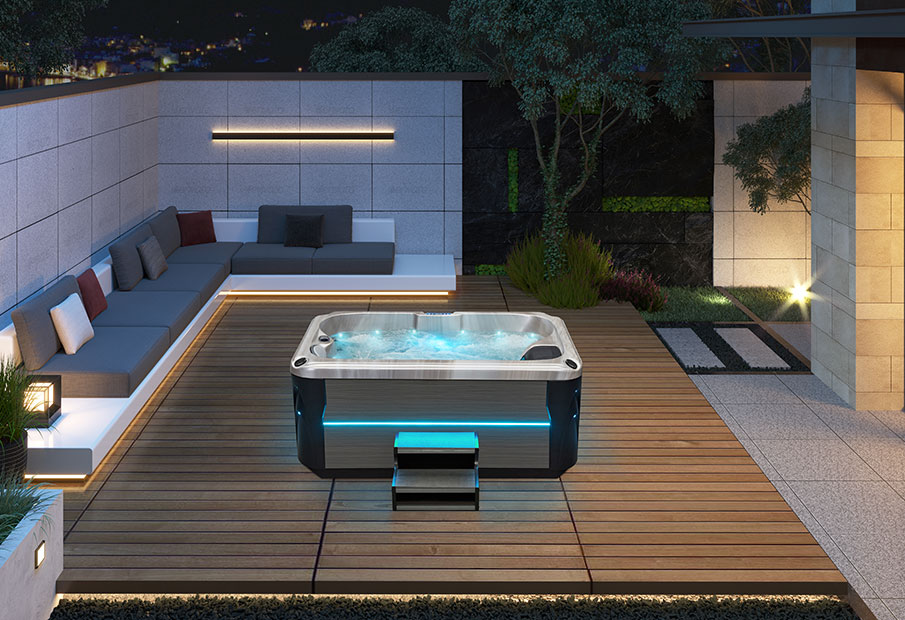
The Fspa BD-003Pro Hot Tub, offers ultimate relaxation with a robust 1.85kW massage system, pristine water filtration, 28 water & 14 air bubble jets, customizable air flow, ozone sanitization, 4 speakers, and a sleek design perfect for outdoor settings.
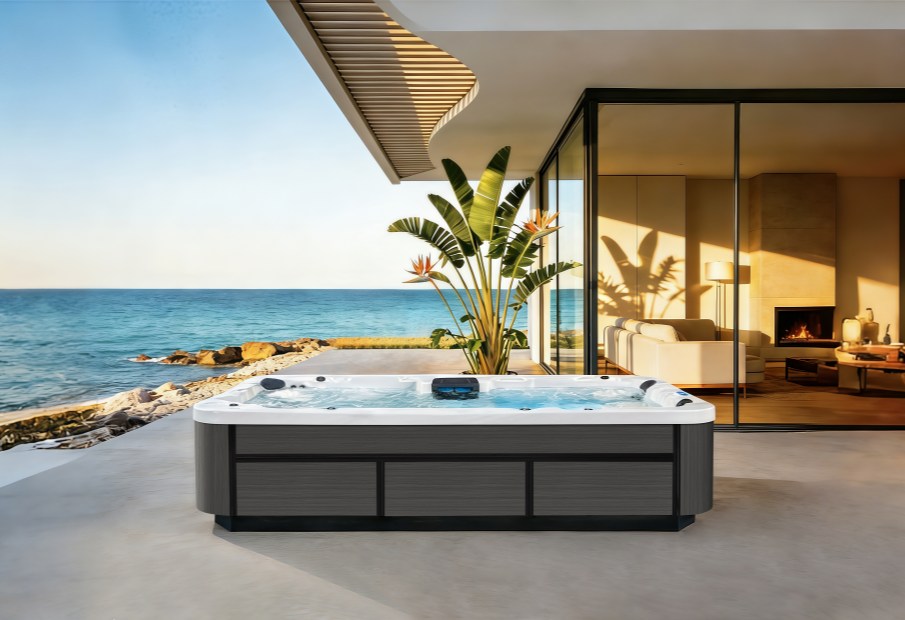
The Fspa BD-020 Hot Tub, designed for 5 adults with spacious dimensions and powered by a 4.85kW system, includes a 1.5kW massage pump, 0.35kW filter pump, 3kW heater, 28 customizable water jets, LED lighting, an ozone sanitation system, and easy maintenance features, providing unparalleled relaxation and comfort.
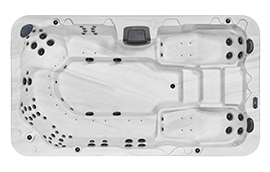
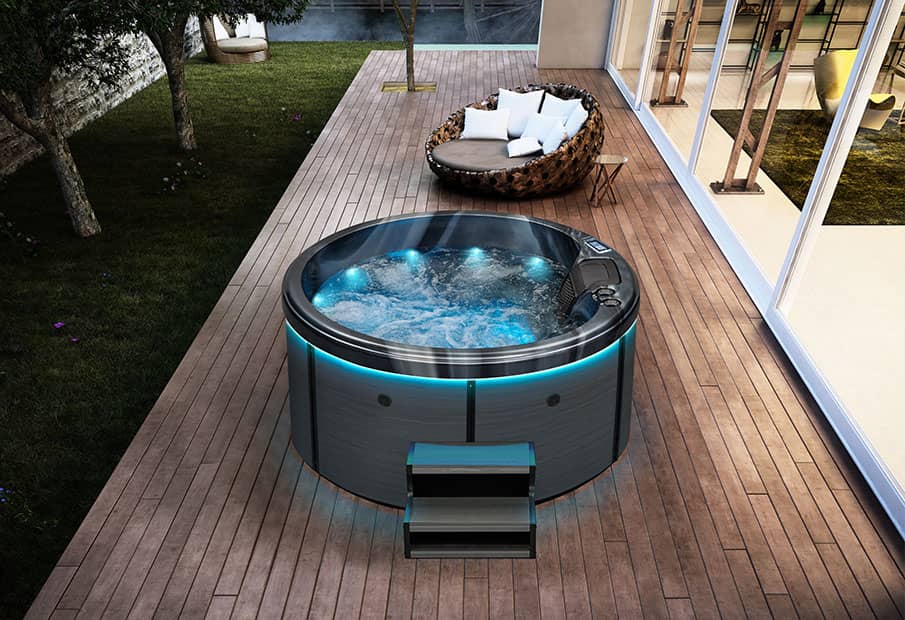
The Fspa BD-017Pro Hot Tub, spacious enough for 5 adults, offers a serene and rejuvenating experience with advanced controls, powerful massage and filtration systems, modern amenities, and suitability for indoor or outdoor use.
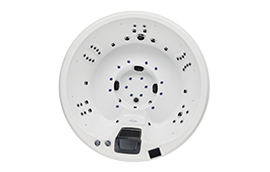
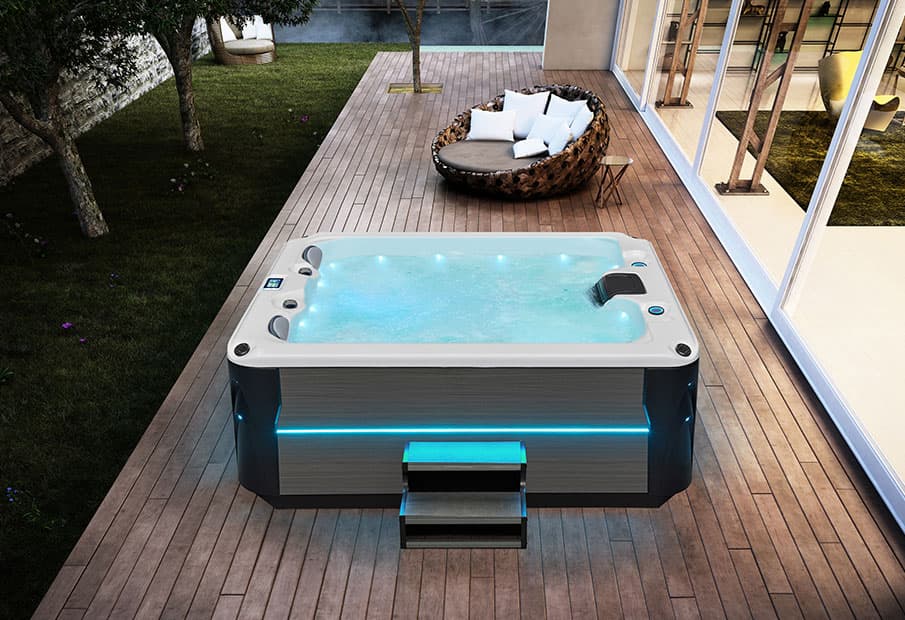
The Fspa BD-014Pro Hot Tub, with its spacious interior for 5 adults, comprehensive control system, powerful massage and filtration features, LED lighting, and speakers, offers a luxurious and therapeutic spa experience perfect for indoor or outdoor relaxation.
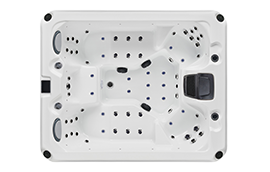
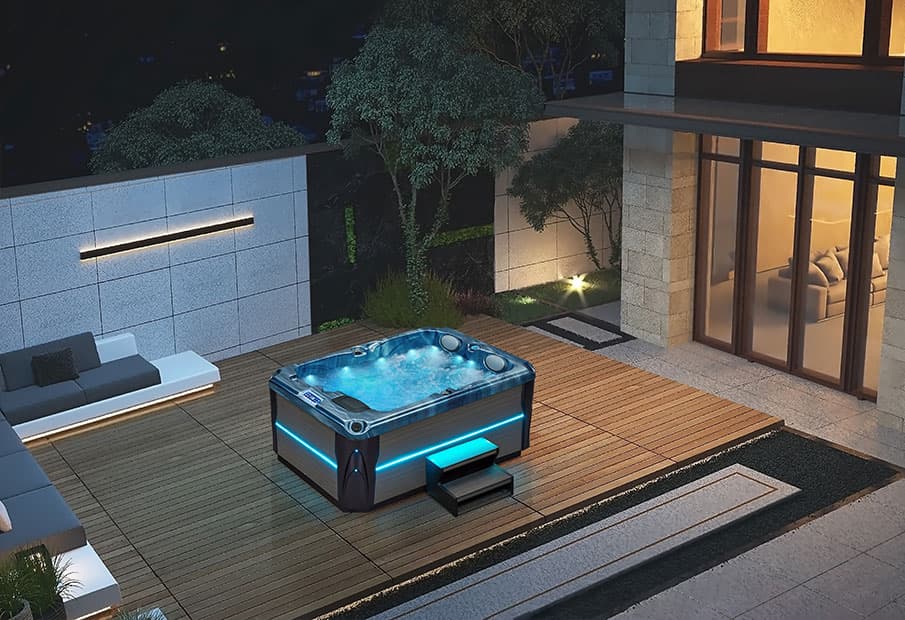
The Fspa BD-011Pro Hot Tub, a 2010x1360x800mm premium spa for 2 adults, combines 7.27kW of power and efficiency with luxurious features like 39 water & 20 air bubble jets, customizable water flow, LED lighting, music speakers, and pillows, making it a stylish and ideal choice for both residential and commercial outdoor relaxation.
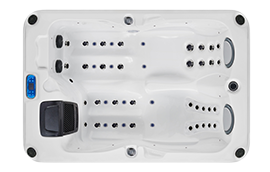
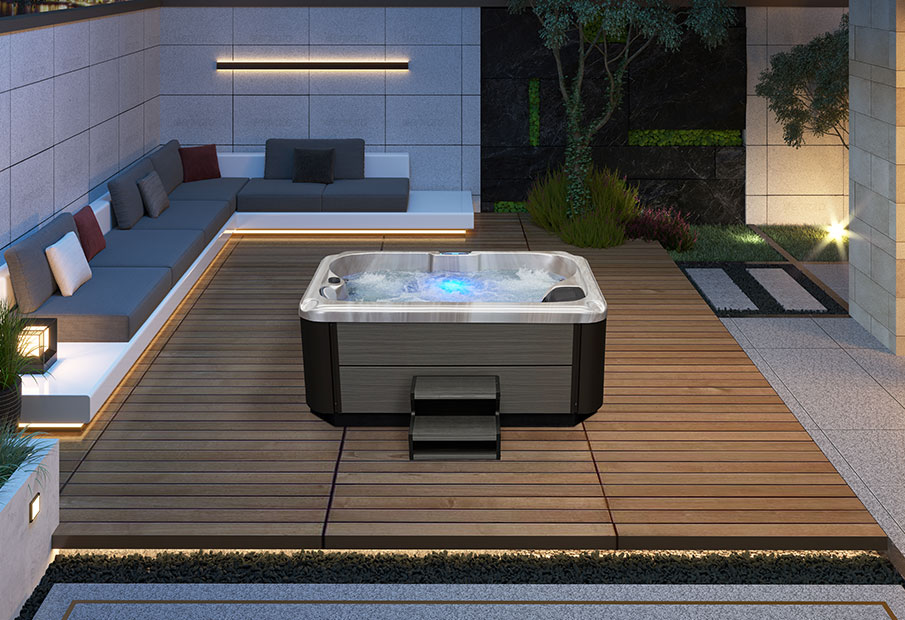
Our luxurious Fspa BD-003 spa tub, designed for 3 adults with ample space (1870x1330x800mm), features a comprehensive control system, powerful massage pump, gentle filter pump, temperature control, clean water filter, LED lighting, 16 massage jets, and sanitation ozone system, offering a perfect therapeutic escape for you and your loved ones.
PRODUCTS
INQUIRY
Thank you for your message!Our Chinese New Year holiday from 7th Feb to 28th Feb. Apologise to make your inconvenience so that responses may be delayed during this period. We'll back to you with regular service on 2th March .Thank you for understanding.


