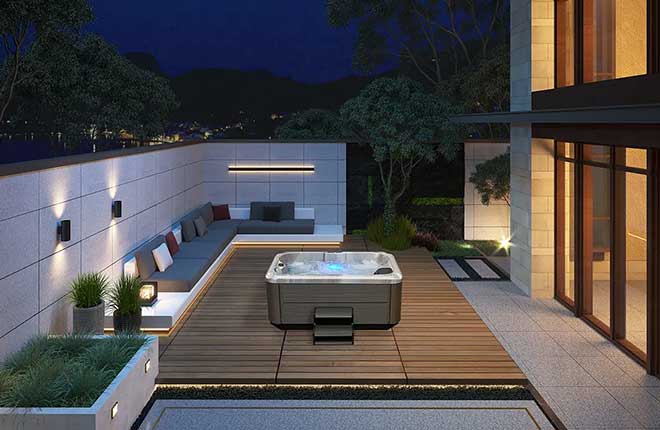
Regular water replacement is essential for maintaining the cleanliness and hygiene of your hot tub. Every three months, when it’s time to change the water, it’s also an opportunity to perform thorough cleaning and maintenance tasks to ensure your hot tub remains in optimal condition. Here’s a guide on what to do during the water replacement process:
1. Draining the Hot Tub: Begin by draining the hot tub completely. Use the drain valve or pump system according to manufacturer instructions. Allow all the water to drain out completely to prepare for cleaning.
2. Cleaning the Interior: Once drained, thoroughly clean the interior surfaces of the hot tub. Use a non-abrasive, mild cleaner suitable for acrylic material. Avoid harsh chemicals that could damage the surface. Scrub the walls, seats, and floor to remove any buildup of oils, dirt, and residue.
3. Cleaning Filters: Remove and clean the hot tub filters. Rinse them thoroughly with water to remove debris and buildup. If necessary, soak the filters in a filter cleaning solution recommended by the manufacturer to remove oils and minerals. Rinse again and allow them to dry completely before reinstalling.
4. Inspecting and Cleaning Jets: Check the jets for any clogs or debris. Use a small brush or a specialized jet cleaner tool to clean out any buildup inside the jet nozzles. This ensures the jets function properly and provide effective hydrotherapy during use.
5. Checking and Refilling Chemicals: Before refilling the hot tub with fresh water, check and adjust the water chemistry. Test the pH and sanitizer levels using a reliable test kit. Balance the pH to the recommended range (typically 7.2 – 7.6) and adjust sanitizer levels (chlorine, bromine) as needed to ensure safe and clean water for bathing.
6. Refilling the Hot Tub: Once cleaning and chemical adjustments are complete, refill the hot tub with fresh water. Use a clean garden hose and allow the tub to fill to the appropriate level, typically above the jets. Avoid using hot water from the tap as it can affect water chemistry and foam formation.
7. Running the System: After refilling, run the hot tub system to circulate the water and ensure proper mixing of chemicals. Allow the system to run for at least 15-30 minutes to achieve proper water circulation and filtration.
8. Final Checks: Finally, perform a final check of water chemistry levels to confirm they are within recommended ranges. Adjust as necessary. Inspect the hot tub cover, clean it if needed, and ensure it is properly secured to maintain water temperature and cleanliness.
Regularly scheduled water changes and thorough cleaning not only extend the life of your hot tub but also ensure a safe and enjoyable soaking experience. By following these steps every three months, you can maintain clean, clear water and a well-functioning hot tub for years to come.
Rectangular Pools with Spa: Choosing a Layout That Actually Works
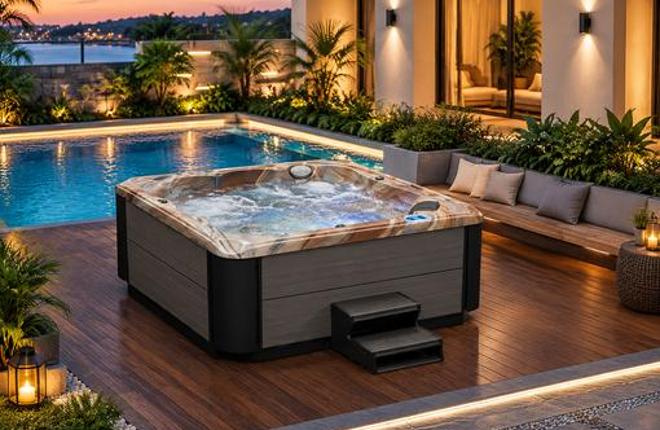
Rectangular pools with spa combinations remain the most requested layout among homeowners, hoteliers, and wellness operators for one simple reason: geometry solves problems that curved shells cannot. A rectangular footprint stacks cleanly against property lines, fits standard deck materials without custom cuts, and leaves a defined corner or end for a spa module. This guide breaks down how to plan that pairing, what technical factors matter, and where a portable spa unit fits into the equation when a built-in isn’t practical.
A straight-edged pool gives designers a fixed reference line. That matters more than it sounds. Curved pools force a spa into an awkward tangent, often wasting deck space around the seam. Rectangles avoid that entirely.
Placing the spa at one narrow end creates a natural flow: laps in the long axis, soak at the short end. This layout also simplifies plumbing runs, since straight pipe paths between filtration equipment and the spa jets reduce friction loss compared to curved routing. For contractors working on tight lots, that efficiency translates into shorter install timelines and fewer custom fittings.
There’s also a psychological angle worth mentioning. Rectangular geometry reads as calm and orderly, which is part of why hotels and spas gravitate toward it. A homeowner soaking after a long day doesn’t need visual noise; a clean edge against water does more for relaxation than an elaborate shape ever could.
Not every rectangular pool project has room, budget, or structural approval for a poured-in-place spa. Retrofitting an existing rectangular pool with a built-in spa often means breaking concrete, rerouting plumbing, and waiting weeks for curing. That’s a lot of disruption for a feature meant to add relaxation.
This is where a standalone portable hot tub earns its place. Positioned at the end of a rectangular pool deck, a unit like the Fspa BD-004 delivers the soaking experience without touching the pool’s structure. It ties into the same outdoor space visually while staying completely independent mechanically, which matters if the pool ever needs resurfacing or plumbing work later.
Before adding a spa element next to a rectangular pool, it helps to know what a mid-size unit actually offers on paper. Below is a breakdown of a 6-person configuration, the size most commonly paired with residential rectangular pools.
| Specification | Detail |
|---|---|
| Capacity | 6 adults |
| Dimensions | 2350 x 2350 x 900 mm |
| Total power draw | 5.55 kW |
| Massage pump | 2.2 kW x 1 |
| Filter pump | 0.35 kW x 1 |
| Heater | 3 kW x 1 |
| Jet count | 35 |
| Water capacity | 1450 L |
| Net weight | 317 kg |
| Certifications | CE, CTUVus, CB, SAA |
That jet count and pump split matter for a practical reason. A dedicated 2.2 kW massage pump keeps hydrotherapy pressure separate from filtration, so water clarity doesn’t suffer while jets are running. Homeowners who’ve dealt with underpowered spas know the frustration of weak jets whenever the filter cycle kicks in; separating the two circuits avoids that entirely.
Deciding where a spa unit sits relative to the pool shape isn’t just aesthetic. It affects deck traffic, sightlines, and even electrical routing. A few placement patterns work consistently well:
Each approach has tradeoffs. End-cap placement looks the most integrated but requires more careful deck leveling. Separated zones sacrifice visual unity for easier maintenance access, since a technician can reach the equipment bay without stepping around pool furniture.
Jet count gets quoted often, but it’s not the only spec that determines comfort. Seat contouring, lighting, and water treatment all shape the actual experience once someone steps in.
The BD-004, for example, uses ergonomically contoured seats and backrests designed to follow the body’s natural curve, which reduces pressure points during longer soaks. Headrests use a padded pillow design intended to support neck alignment, a detail that sounds minor until you’ve sat in a spa with a flat, unsupported rim.
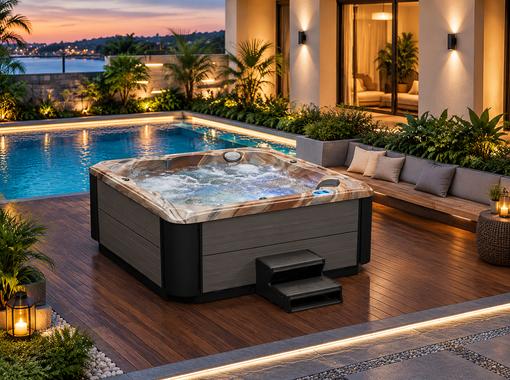
Lighting plays a role too, though more for ambiance than function. Bottom-mounted blue LED lighting, as used in this model, creates a calm visual tone rather than a functional therapeutic effect. It’s worth being clear about that distinction: LED lighting sets mood, while jet placement and pump power handle the actual massage performance.
Running a rectangular pool and a spa side by side doubles the water chemistry work unless the spa handles part of it independently. This is where sanitization method matters more than people expect during initial planning.
An integrated ozone system, included in the BD-004, is designed to support water circulation and cleanliness, which according to the product specifications can reduce how often chlorine or bromine levels need manual adjustment. That’s a meaningful convenience for a hotel gym or a B&B where staff turnover means maintenance routines can’t rely on specialized knowledge every shift.
For homeowners, the practical benefit is fewer weekend hours spent testing water. Pools already demand regular monitoring; a spa that manages part of its own sanitization removes one more recurring task from the list.
Does a spa next to a rectangular pool need its own separate filtration system?
Yes, in nearly all portable spa setups. The spa’s pump and heater run independently from the pool’s circulation, which is actually a benefit — it means one system going down for service doesn’t shut off the other.
Can a portable spa be installed on the same deck as an in-ground rectangular pool without structural changes?
Generally yes, provided the deck surface can support the unit’s filled weight. A 6-person spa with 1450 L of water plus a 317 kg shell adds meaningful load, so checking deck rating before installation is a reasonable step.
Is a rectangular pool shape better for lap swimming when paired with a spa?
Rectangular shapes do provide a straighter, unobstructed swim path compared to freeform designs, which is part of why fitness centers and natatoriums favor them even before a spa is added to the plan.
How much power does a typical spa add to a property’s electrical load?
A unit in the 5.55 kW range, like the BD-004, needs a dedicated circuit sized appropriately by a licensed electrician. This is separate from the pool pump’s circuit and should be planned during the same electrical review.
Different environments call for different priorities when selecting a spa to pair with a rectangular pool. A villa backyard benefits most from a visually integrated end-cap placement, since the setting already emphasizes calm and privacy. A hotel gym, by contrast, prioritizes recovery function over aesthetics, making jet configuration and durability the deciding factors over lighting or shell finish.
A seaside homestay sits somewhere in between: guests want the view as much as the soak, so placement near a rail or open sightline outweighs strict alignment with the pool’s rectangle. Recognizing which category a property falls into before shopping specs saves time and avoids overpaying for features that won’t get used.
Choosing rectangular pools with spa add-ons comes down to matching structural reality with how the space will actually be used. A straight-edged pool gives flexibility that curved designs don’t, and a well-specified portable spa, whether it’s a compact two-person unit or a 6-person model like the BD-004, extends that flexibility without demanding structural changes to the existing pool. For us, having worked across villa, hotel, and homestay installations, the pattern holds consistently: plan the spa’s placement around real usage first, then let the rectangular geometry do the organizing work it’s naturally suited for.
Why Temperature-Controlled Hot Tubs with Filtration Systems are So Popular?
In recent years, temperature-controlled hot tubs equipped with advanced filtration systems have surged in popularity. Here’s a look at what makes these modern marvels so appealing:
Firstly, the allure lies in their ability to maintain a consistent temperature. Unlike traditional tubs that require constant heating adjustments, these hot tubs come with precise temperature controls. This feature ensures that whether it’s a chilly winter evening or a balmy summer night, the water is always at the perfect temperature for relaxation and rejuvenation.
Moreover, the inclusion of efficient filtration systems is a game-changer. These systems ensure that the water remains clean and clear, free from impurities and bacteria. This not only enhances the safety and hygiene of the hot tub but also reduces the need for frequent water changes, making maintenance significantly easier.
Another reason for their popularity is their therapeutic benefits. Many modern hot tubs are designed with hydrotherapy in mind, incorporating powerful jets that provide soothing massages to relax muscles and relieve tension. The combination of warm water and massaging jets offers a therapeutic experience that can alleviate stress and promote overall well-being.
Furthermore, these hot tubs are designed for convenience and energy efficiency. They often come with insulated covers that help retain heat, reducing energy consumption and operational costs. This makes them not only environmentally friendly but also more economical to operate compared to older models.
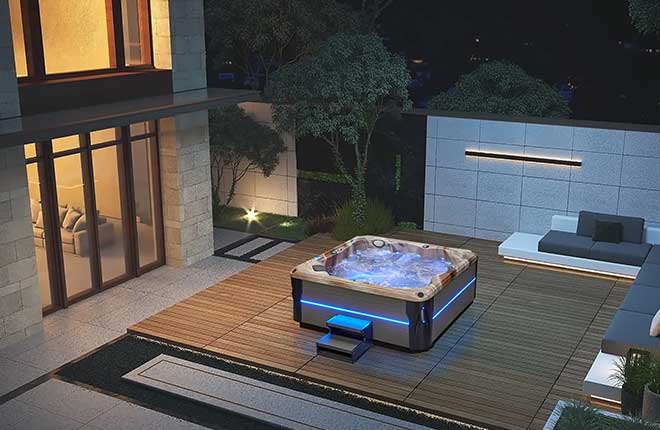
Additionally, the aesthetic appeal cannot be overlooked. Modern hot tubs are available in a variety of designs and sizes to complement different outdoor settings and personal preferences. Whether integrated into a backyard oasis or installed on a rooftop terrace, they add a touch of luxury and relaxation to any environment.
In conclusion, the growing popularity of temperature-controlled hot tubs with filtration systems can be attributed to their convenience, therapeutic benefits, energy efficiency, and aesthetic appeal. As more people prioritize wellness and seek ways to unwind at home, these innovative hot tubs have become a coveted feature for enhancing leisure time and promoting a healthier lifestyle.
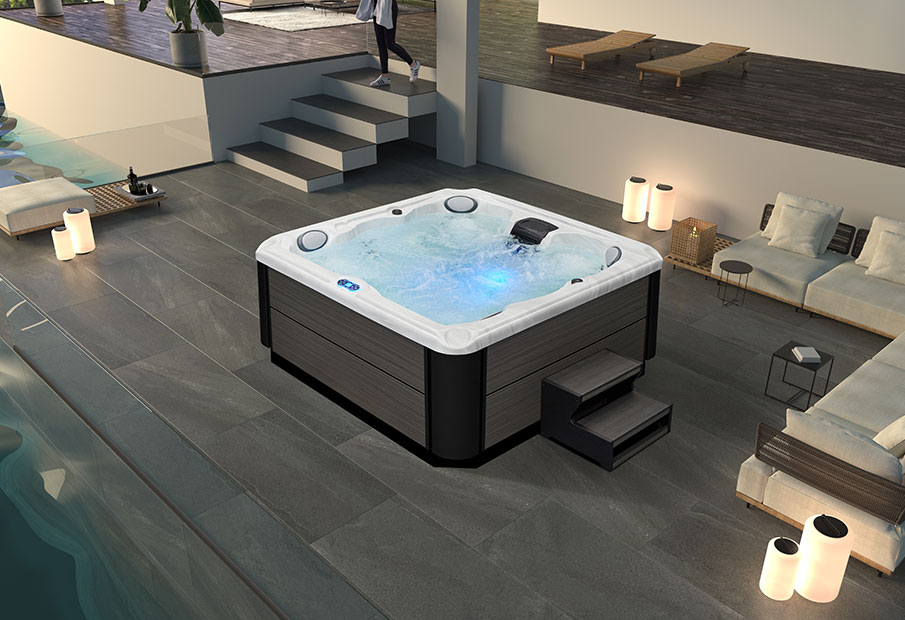
Fspa BD-001, a 2100x2100x900mm spa pool for 6 adults, features a comprehensive control system, powerful pumps, a 3kW heater, advanced filtration, LED lighting, and 31 jets, transforming any space into a luxurious, private oasis.
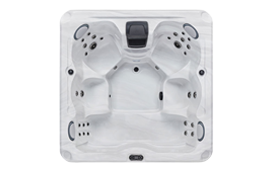
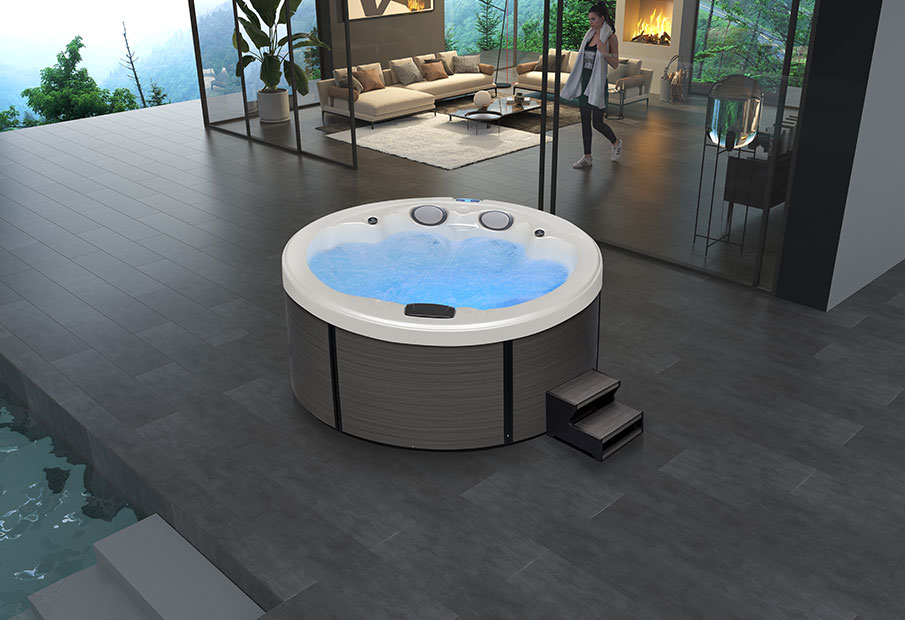
The Fspa BD-010 hot tub, crafted for ultimate comfort and style, offers spacious accommodations for up to 6 adults, robust controls, powerful pumps, pristine water quality, targeted hydrotherapy, ambient lighting, and advanced water purification, making it perfect for both residential and commercial relaxation.
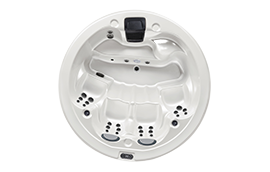
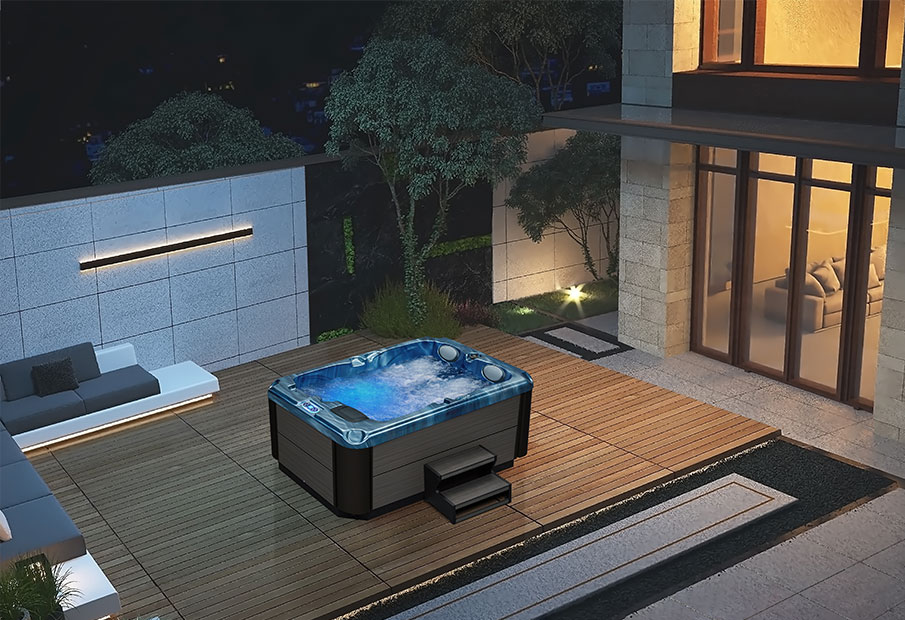
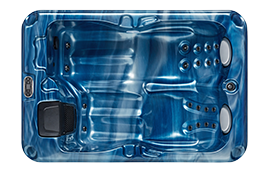
The Fspa BD-011 hot tub, designed for luxurious relaxation, offers a spacious interior for 6 adults, powerful pumps and heater, strategic jet placement, soothing LED lighting, adjustable features, and easy maintenance, making it the ultimate choice for both residential and commercial use.
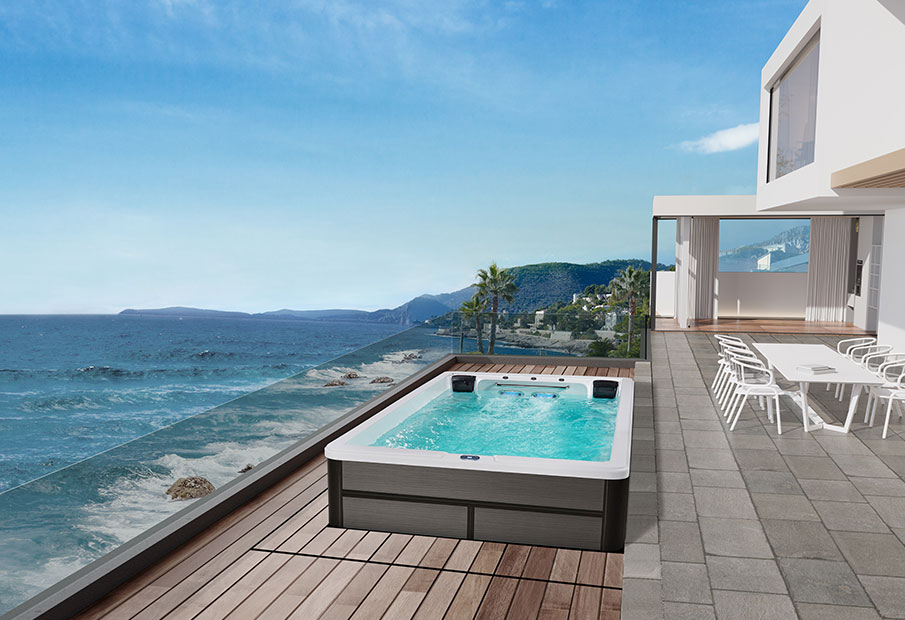
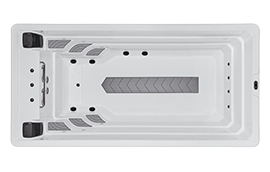
The Infinipool Fspa IP-001 is the ideal choice for anyone seeking a premium swimming experience at home or in a fitness facility.
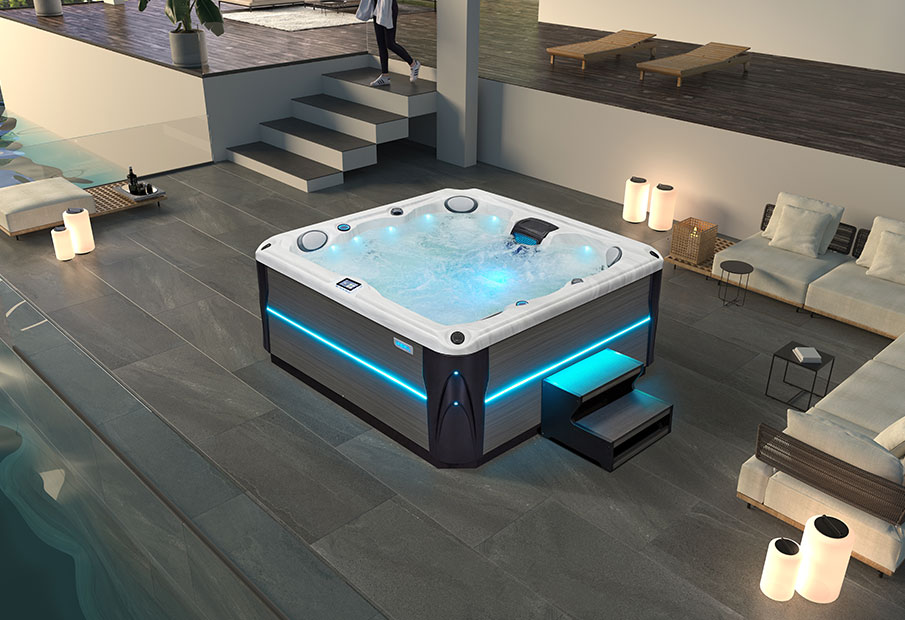
The Fspa BD-001Pro Hot Tub customizable water flow, ozone sanitization, and luxurious features for an unparalleled relaxation experience.
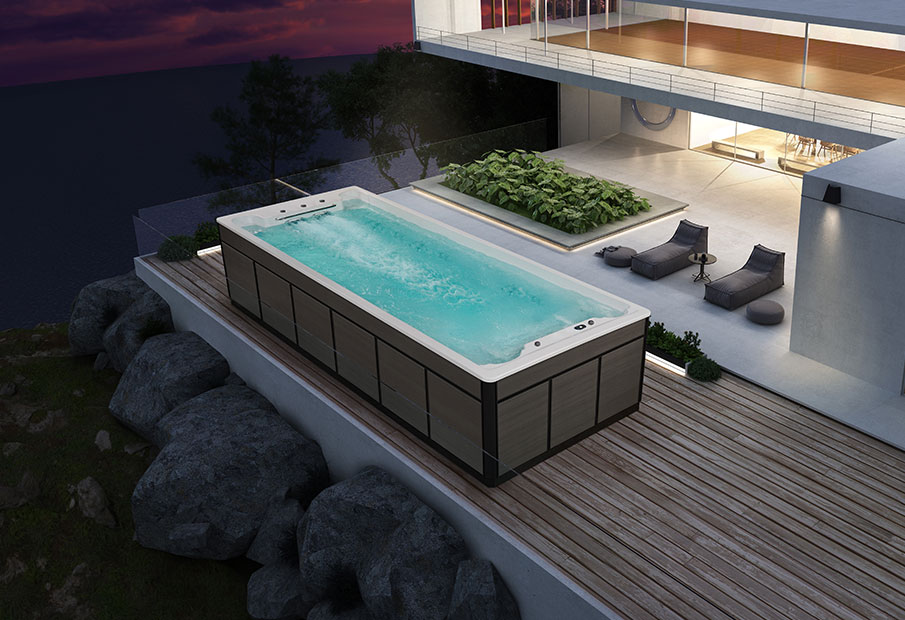
The Infinipool Fspa IP-005, a luxurious 7000mm x 3000mm x 1470mm pool with advanced filtration, multiple jet systems, and optional accessories.
PRODUCTS
INQUIRY
Thank you for your message!Our Chinese New Year holiday from 7th Feb to 28th Feb. Apologise to make your inconvenience so that responses may be delayed during this period. We'll back to you with regular service on 2th March .Thank you for understanding.


