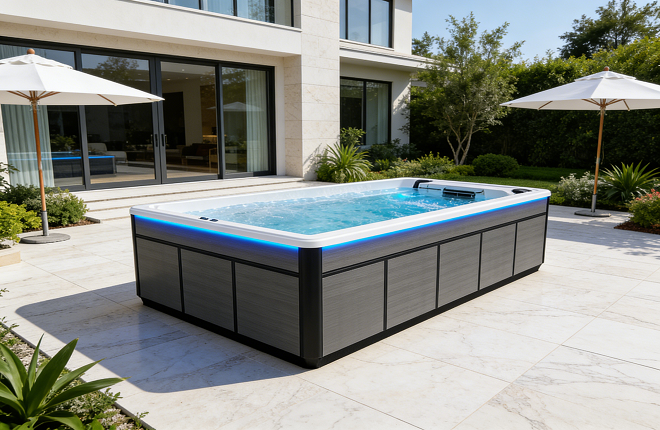
The production of acrylic integrated swimming pools begins with tailored design and material selection. Engineers collaborate with clients to analyze site dimensions, usage scenarios, and aesthetic preferences, creating 3D models using CAD software. High-quality cast acrylic sheets (minimum thickness 15mm) are chosen for their superior impact resistance, UV stability, and transparency, ensuring durability and visual clarity.
Next, the acrylic sheets undergo precision cutting and thermoforming. Computer-controlled cutting machines slice the material into designated shapes with tolerances within ±0.5mm. For curved sections, sheets are heated to 160-180°C in ovens, then molded using custom jigs under controlled pressure (3-5 bar) to achieve seamless, watertight contours. Reinforcement rings and support structures are integrated during this phase to enhance structural integrity.
Assembly and quality inspection follow. Thermoformed components are bonded using specialized acrylic adhesives, cured at 50°C for 24 hours to form molecularly fused joints. Each pool undergoes rigorous testing: water pressure tests (1.2x operating pressure for 48 hours), leak detection via ultrasonic scanning, and surface finish checks to ensure no scratches or optical distortions.
Finally, logistics and on-site installation complete the process. Pools are packaged in shock-absorbent crates with custom foam padding, transported via climate-controlled vehicles to prevent material stress. On-site, a professional team positions the pool using laser leveling tools, connects filtration systems, and conducts final water circulation tests. Client training on maintenance protocols ensures long-term performance, marking the successful delivery of a premium acrylic swimming pool solution.
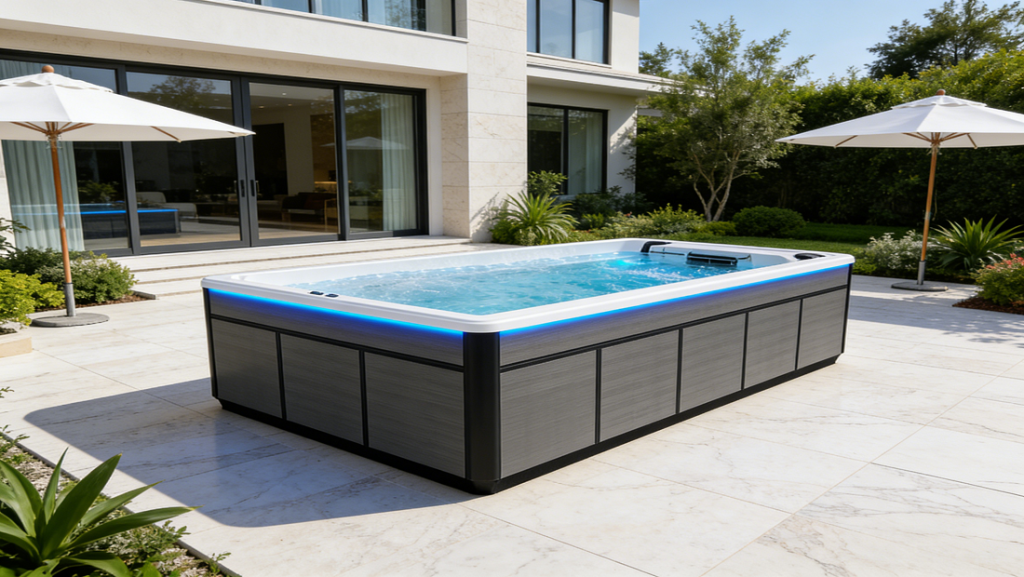
What a Basic Swim Spa Actually Delivers for Everyday Use
Shopping for a basic swim spa usually starts with one question: do you need a pool, a hot tub, or something that quietly does both? That confusion is fair. The category sits in a gray zone between backyard leisure and functional hydrotherapy, and marketing language rarely clears things up. A basic swim spa, at its core, is a compact hydrotherapy unit built for soaking, muscle recovery, and short bursts of aquatic exercise, without the footprint or plumbing complexity of a full pool.
For homeowners with limited yard space, or hospitality operators trying to add a wellness amenity without a construction permit headache, this distinction matters. The right unit solves a real problem: getting warm water therapy and light exercise into a space that a traditional pool simply cannot occupy.
"Basic" doesn’t mean stripped down or underpowered. It means the unit focuses on core hydrotherapy functions rather than swim-lane length or built-in fitness resistance systems found in larger swim spas. A basic swim spa, in practice, behaves closer to a high-capacity hot tub than a lap pool substitute.
This matters when comparing specs sheets. A unit like the Fspa BD-004, for example, seats six adults and runs 35 massage jets off a 5.55kW system, which places it firmly in the hydrotherapy category rather than the swim-training category. Buyers expecting continuous swimming often end up disappointed, not because the product underperforms, but because they misjudged the category from the start.
Jet count gets thrown around as a marketing number, but it correlates directly with how a massage feels across different seating zones. More jets spread across more seats means less waiting for a turn, which matters for families or small groups using the spa together.
Power draw tells a parallel story. A basic swim spa with a 2.2kW massage pump paired with a 3kW heater and a smaller 0.35kW filter pump balances performance against running cost. That configuration keeps water circulating and heated without demanding a dedicated high-amperage circuit that some larger swim spas require.
| Component | Typical Basic Swim Spa Spec | Why It Matters |
|---|---|---|
| Massage Pump | ~2.2kW | Drives jet pressure and consistency |
| Filter Pump | ~0.35kW | Keeps water clean between uses |
| Heater | ~3kW | Maintains soak temperature efficiently |
| Jet Count | 30–40pcs | Determines coverage across seats |
| Capacity | 4–6 adults | Fits small groups without oversizing the unit |
Chlorine-based upkeep is the default assumption most first-time buyers carry over from pool ownership. It’s not always accurate for this category. Many basic swim spa units, including the BD-004, integrate an ozone sanitization system that reduces how often chemicals need manual dosing.
Ozone doesn’t replace all water treatment, but it does cut down the maintenance burden considerably. For a hotel gym or a short-term rental property, that difference translates directly into staff hours saved. Nobody wants a maintenance technician testing water chemistry three times a week for a six-person spa tucked into a guest amenity space.
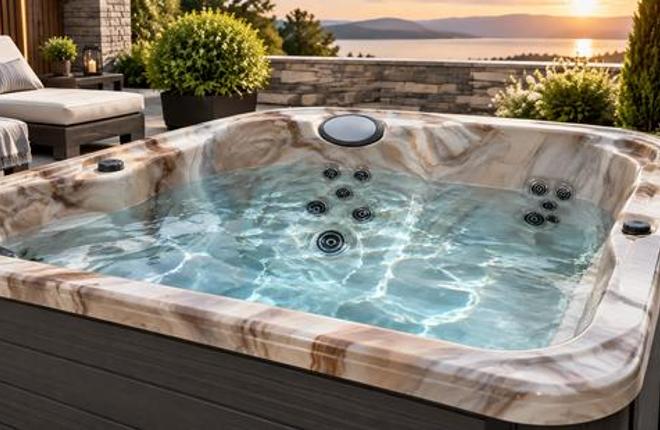
A spa with flat, unshaped seating gets uncomfortable after ten minutes, no matter how strong the jets are. Ergonomic seat contouring, paired with jet placement tuned to shoulder and lower back zones, is what actually keeps someone soaking for thirty minutes instead of five.
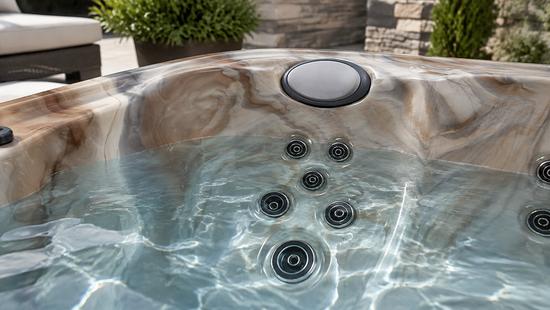
The BD-004’s seating layout, according to its product documentation, follows this contoured approach, with jets positioned to align with the body’s natural curve rather than scattered evenly across the shell. Headrests with cushioned padding support the neck specifically, which matters most during longer sessions rather than a quick five-minute dip.
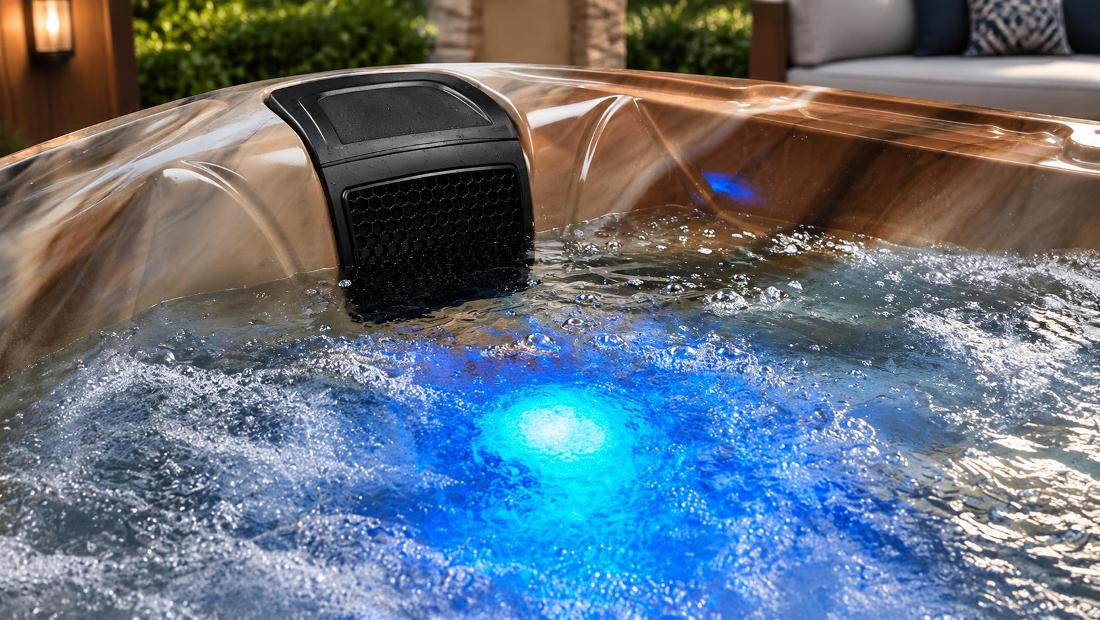
LED lighting inside a spa gets dismissed as a cosmetic add-on, but there’s a practical case for it too. Bottom-mounted lighting, positioned below the waterline, helps users see jet placement and depth clearly during nighttime use, which reduces the awkward fumbling that happens in a dark tub.
The BD-004 documentation describes a blue LED lighting feature positioned at the bottom of the shell to create a calmer visual environment during use. Whether the calming effect is measurable or simply perceptual is beside the point. Reduced visual harshness at night is a legitimate quality-of-life improvement for evening soaks.
Application context shapes which features matter most. A boutique hotel gym cares about fast turnover and low chemical odor near guest areas. A backyard villa installation cares about aesthetics and how the unit looks against landscaping at night. A seaside homestay cares about weather resistance and a view-friendly footprint.
Common placement scenarios include:
Each context pulls different priorities to the top, which is why spec sheets alone rarely tell the full story.
Dimensions decide whether a unit fits a deck, a patio corner, or a dedicated pool room. A six-person basic swim spa typically measures somewhere around 2.3 by 2.3 meters, standing roughly 900mm tall, with a water capacity near 1,450 liters and a dry weight in the 300kg range before filling.
Before purchasing, it helps to walk through a short sequence of practical checks:
Skipping the weight-and-deck step is the most common installation mistake. A filled six-person spa easily exceeds a ton in total load, and not every wooden deck was built with that in mind.
Is a basic swim spa the same as a hot tub?
Not exactly. It shares hydrotherapy features like heated water and massage jets, but a swim spa typically has a larger footprint and higher water capacity to accommodate more users or light aquatic movement, rather than lap swimming.
Do these units require special electrical wiring?
Most run on dedicated circuits sized to the combined pump and heater load. A qualified electrician should confirm circuit requirements before installation, since draw varies by model.
How often does the water need to be changed?
This depends on usage frequency and sanitization method. Ozone-equipped systems generally extend the interval between full water changes compared to chemical-only maintenance, though regular water testing is still recommended.
Can a basic swim spa be installed indoors?
Yes, provided the floor can support the filled weight and adequate ventilation exists to manage humidity and evaporation.
The right basic swim spa isn’t the one with the highest jet count on paper. It’s the one whose power draw, seating capacity, and sanitization method match how often and where it will actually get used. A hotel amenity room has different priorities than a quiet backyard corner.
We work across manufacturing and product development to build hydrotherapy units suited to both hospitality and residential settings, covering everything from villa installations to rehabilitation-focused facilities. For anyone comparing options, the practical advice holds steady: measure the space, confirm the electrical load, and match the sanitization system to how much hands-on maintenance you’re actually willing to do. A basic swim spa earns its place in a backyard or facility not through spec sheet numbers alone, but through fitting quietly into daily routines without becoming another maintenance chore.
Choosing a Small Swim Spa Hot Tub Combo for Tight Outdoor Spaces
A small swim spa hot tub combo solves a problem that shows up the moment a homeowner starts measuring their backyard: there usually isn’t room for a full lap pool and a separate hot tub. Space, water use, and installation cost all push people toward a single unit that does both jobs. This guide breaks down what actually matters when comparing compact swim spa combos, so the decision is based on how the unit performs rather than how it looks in a brochure photo.
Traditional pools need excavation, a large footprint, and a lot of water just to fill. A combo unit changes that math. Because it’s self-contained and sits above or partially below grade, it needs a fraction of the space a conventional pool requires, and it uses less water to operate.
That matters most for three groups of buyers:
The tradeoff is that a compact combo won’t replace a 25-meter lap pool. It replaces the need for two separate structures by combining resistance-swim or hydrotherapy function with a soaking hot tub in one shell.
The term gets used loosely, so it’s worth defining. A genuine combo unit typically splits into two zones within a single acrylic shell: a deeper, jet-equipped area for hydrotherapy or light aquatic exercise, and a seated area for hot tub soaking. Some smaller units lean almost entirely toward the hot tub side, with the "swim spa" framing referring to current-based resistance rather than open swim lanes.
That distinction changes what you should ask before buying:
Getting the terminology straight upfront avoids the common letdown of buying something marketed as a "swim spa" that turns out to be a large hot tub with a footwell.
Jet count and placement determine whether a unit feels like therapy or just warm water. Compact hot tub combos in this category range from around 16 jets in entry models up to 80 in larger configurations, with placement typically mapped to the neck, lower back, calves, and feet.
Air flow customization matters as much as jet count. A system that lets you adjust the air-to-water ratio gives a softer, more diffuse massage for relaxation, or a firmer, more targeted stream for muscle recovery after exercise. This flexibility is particularly relevant for physiotherapy or rehabilitation use, where the same unit might serve both a light soak and a more targeted session for a specific muscle group.
Capacity is the first practical filter, since it eliminates units that simply won’t fit the intended use case. Compact combos in this segment generally run from 3-person tubs up to 6-person family-sized spas, with footprints ranging roughly from 1870 x 1330mm on the small end to 2530 x 2300mm for larger units.
| Capacity | Typical Footprint | Best Fit For |
|---|---|---|
| 3 adults | ~1870 x 1330 x 800mm | Balconies, small courtyards, couples |
| 5 adults | ~2100–2300mm range | Family backyards, B&B guest amenities |
| 6 adults | ~2530 x 2300 x 900mm | Larger households, hotel or resort use |
A 3-person unit fits on a balcony where a 6-person spa physically cannot go, but it won’t work for a family that wants everyone soaking at once. Matching capacity to actual daily use, not aspirational entertaining, keeps the footprint reasonable and the running costs proportional to real usage.
Heater size directly affects how quickly the unit reaches temperature and how it performs in colder climates. According to the product documentation, units in this class typically use 2kW to 3kW heaters, with total system power draw reaching up to 5.55kW when jets, pumps, and lighting run together.
A few practical implications follow from this:
Buyers in commercial settings, such as fitness centers or wellness resorts, tend to prioritize faster recovery time. Residential buyers in mild climates can often get by with a smaller heater and lower ongoing energy draw.
Ozone sanitization systems are common in this product category and work by using ozone gas to oxidize contaminants in the water, reducing the chemical load needed to keep water clear. This matters for a small swim spa hot tub combo specifically because the water volume is smaller and more concentrated than a full pool, so contaminant buildup happens faster without adequate treatment.
According to the product documentation, integrated ozone systems are paired with the filtration housing to maintain water clarity between full chemical treatments. This doesn’t eliminate the need for periodic sanitizer or pH balancing, but it does reduce how often manual dosing is required, which is a meaningful convenience for a compact spa expected to see daily use.
A hot tub combo runs almost continuously once installed, since the water stays heated and circulating even between sessions. That constant duty cycle puts real stress on the pump and heater, so shell material and component quality matter more here than in appliances used intermittently.
Buyers should ask about:
Manufacturers building for both residential and commercial markets, including hotel and rehabilitation center installations, generally design components toward continuous-use durability rather than occasional weekend use, since commercial clients demand it.
Some models add integrated LED lighting and audio systems, turning the soak into more of a sensory experience than a purely functional one. This isn’t a core performance factor, but it does affect how the unit gets used day to day. A backyard combo with interior LED lighting gets used more often after dark, extending the practical hours of use, particularly relevant for households with limited daytime access to the space.
For commercial installations like hotel amenities or wellness centers, ambient lighting also plays into the guest experience, which factors into satisfaction scores even when it has no bearing on water therapy itself.
Does a small combo unit actually provide swim exercise, or just hot tub soaking?
It depends on the model. Units with counter-current jet systems provide resistance for swim-in-place exercise, while smaller hot-tub-focused combos are built primarily for soaking and hydrotherapy rather than lap swimming.
How much water does a compact combo use compared to a standard pool?
Because the shell is sized for a handful of people rather than a full pool volume, water consumption is significantly lower, which also reduces the ongoing cost of heating and chemical treatment.
Can these units run year-round in colder climates?
Many are designed for continuous outdoor use, but heater capacity and shell insulation vary by model, so it’s worth confirming the specific unit’s rated performance in freezing conditions before installing.
Do I need a dedicated electrical circuit?
Given that total system power can reach up to 5.55kW, most installations require a dedicated circuit sized to the unit’s specifications. Checking this before purchase avoids installation delays.
How often does ozone sanitization replace manual chemical treatment?
Ozone systems reduce the frequency of chemical dosing but don’t eliminate the need for periodic sanitizer and pH balancing altogether.
The right small swim spa hot tub combo depends on three overlapping factors: available footprint, expected capacity, and whether the primary use case leans toward exercise or relaxation. A courtyard installation for two adults has different priorities than a hotel amenity meant to handle rotating guests throughout the day.
For us, having built compact spa and swimming pool units across a range of sizes for both residential backyards and commercial settings like fitness centers and rehabilitation clinics, the pattern is consistent: buyers who size the unit to their actual daily use, rather than the largest model available, end up happier with the purchase long-term. A well-matched small swim spa hot tub combo delivers real hydrotherapy value and everyday convenience without demanding the space, water, or maintenance burden of a full pool and separate spa.
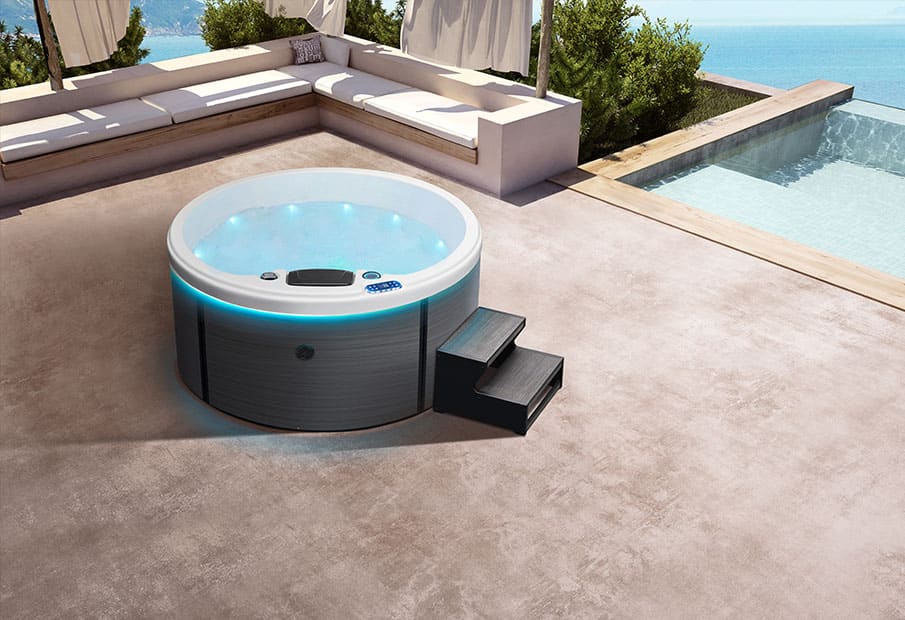
The Fspa BD-018Pro Hot Tub is a stylish, spacious spa for 5 adults, featuring a powerful massage system, modern amenities, and an advanced filtration system for a luxurious, relaxing, and healthy indoor/outdoor retreat.
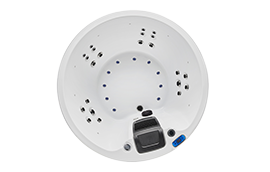
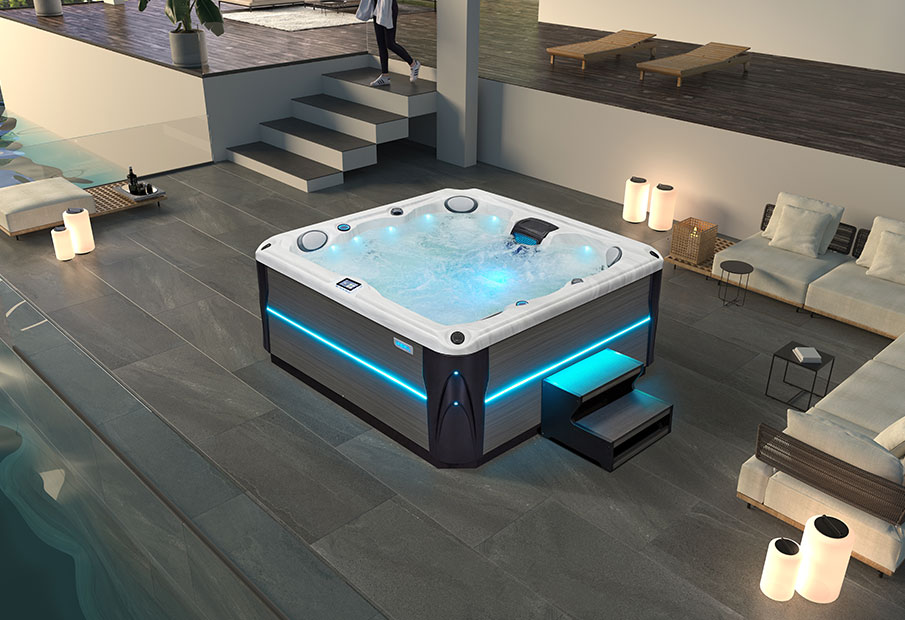
The Fspa BD-001Pro Hot Tub customizable water flow, ozone sanitization, and luxurious features for an unparalleled relaxation experience.
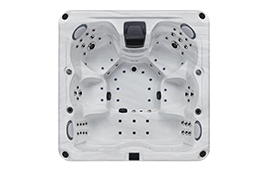
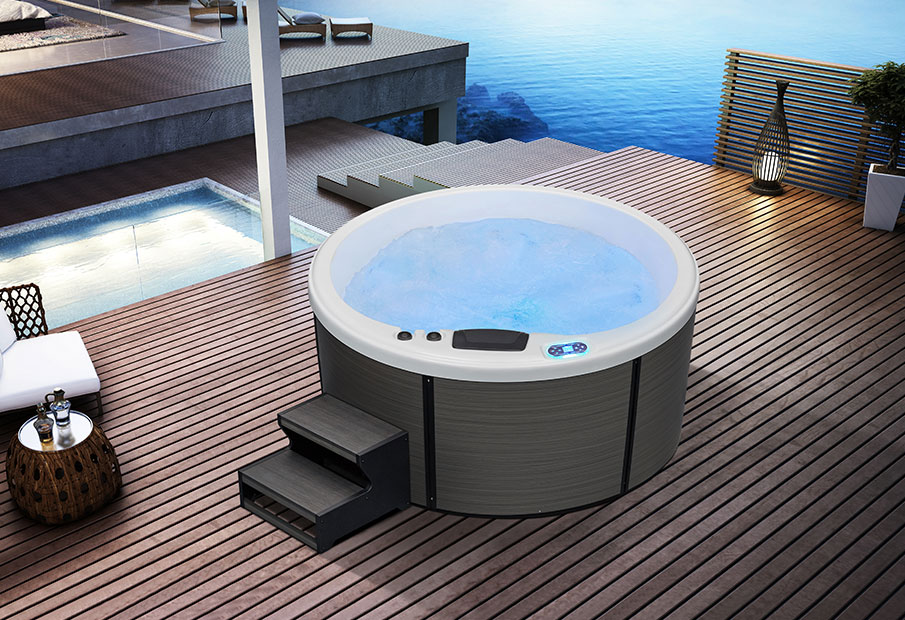
The Fspa BD-017 Hot Tub, accommodating up to 5 adults with spacious dimensions, features a reliable control system, powerful 1.5kW massage pump, 0.35kW filter pump, 3kW heater, 28 customizable water jets, LED lighting, an ozone sanitation system, and a total power of 4.85kW, offering ultimate relaxation and a luxurious soak for any occasion.
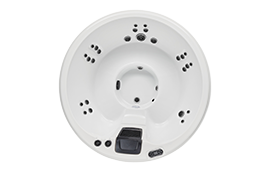
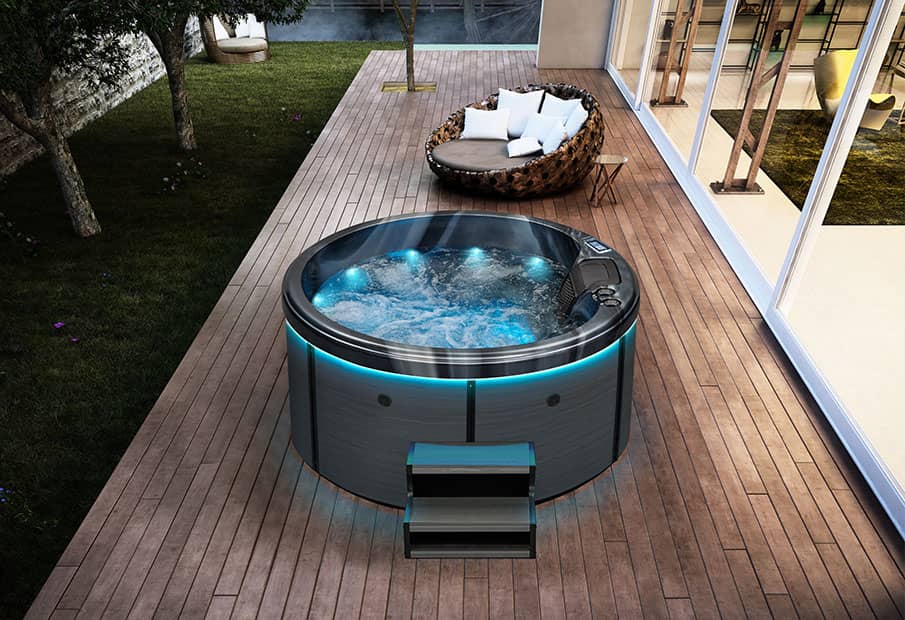
The Fspa BD-017Pro Hot Tub, spacious enough for 5 adults, offers a serene and rejuvenating experience with advanced controls, powerful massage and filtration systems, modern amenities, and suitability for indoor or outdoor use.
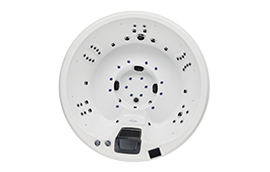
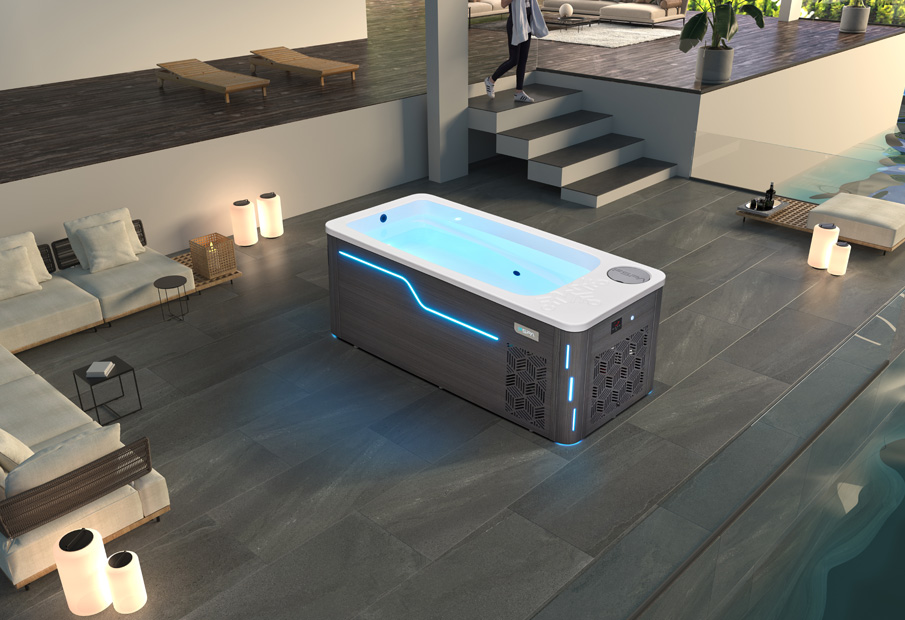
Introducing the Fspa IS-006 Cold Plunge, a spacious and luxurious immersion therapy tub tailored for maximum relaxation and recovery. Measuring 2110mm*950mm*800mm, it offers ample space for a comforting and refreshing dip.
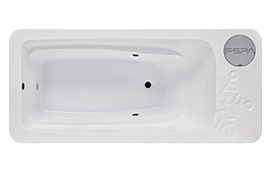
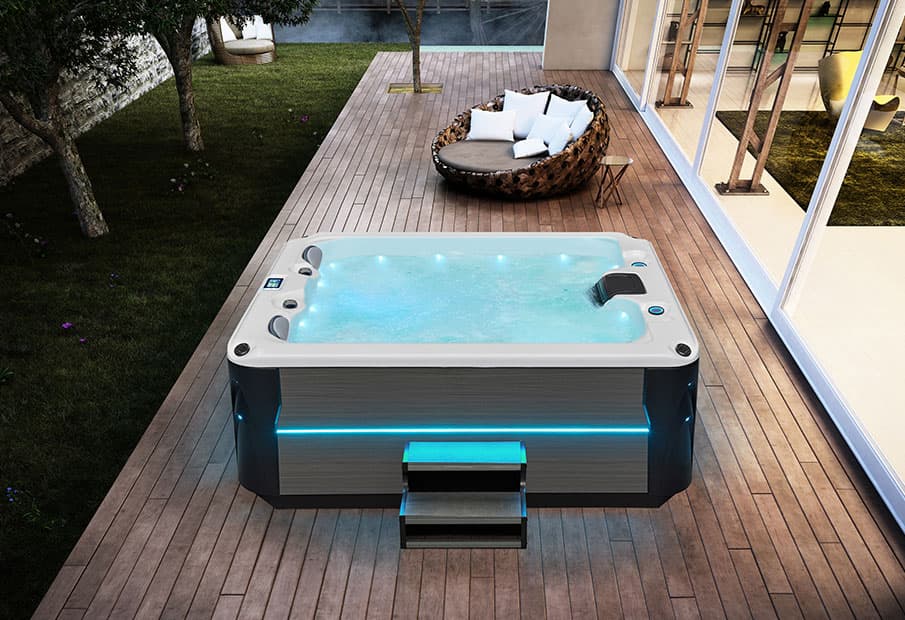
The Fspa BD-014Pro Hot Tub, with its spacious interior for 5 adults, comprehensive control system, powerful massage and filtration features, LED lighting, and speakers, offers a luxurious and therapeutic spa experience perfect for indoor or outdoor relaxation.
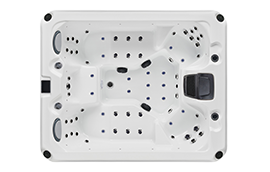
PRODUCTS
INQUIRY
Thank you for your message!Our Chinese New Year holiday from 7th Feb to 28th Feb. Apologise to make your inconvenience so that responses may be delayed during this period. We'll back to you with regular service on 2th March .Thank you for understanding.


