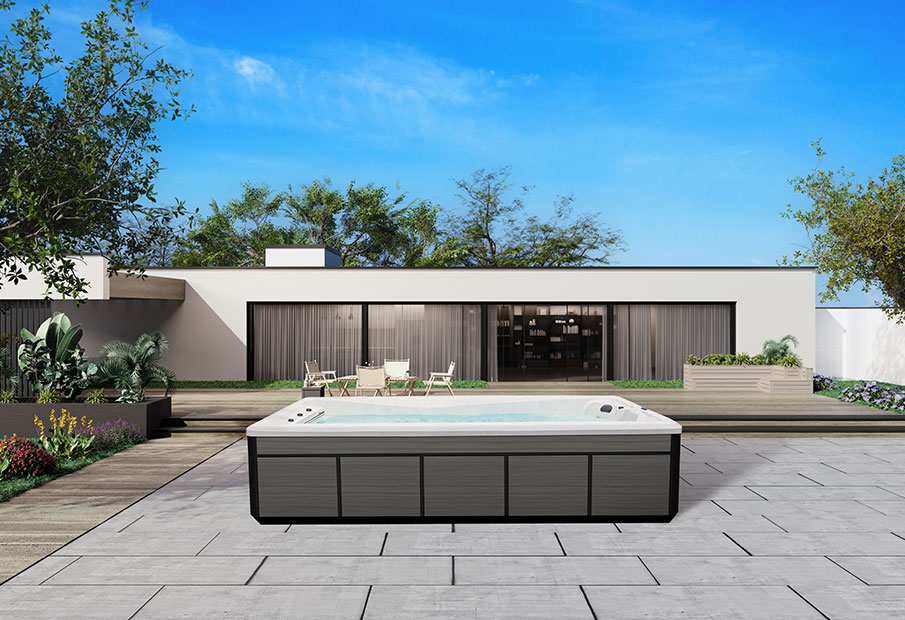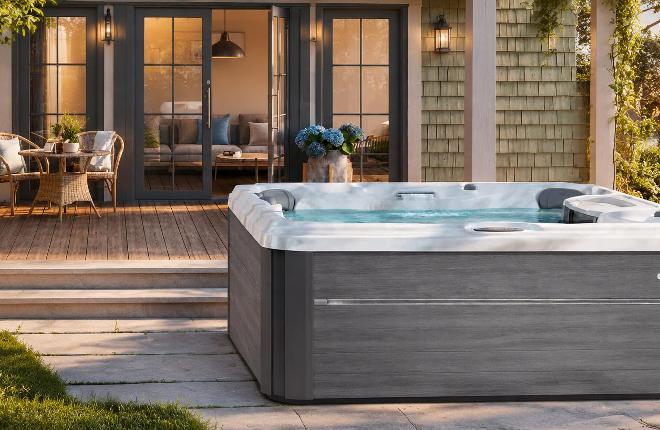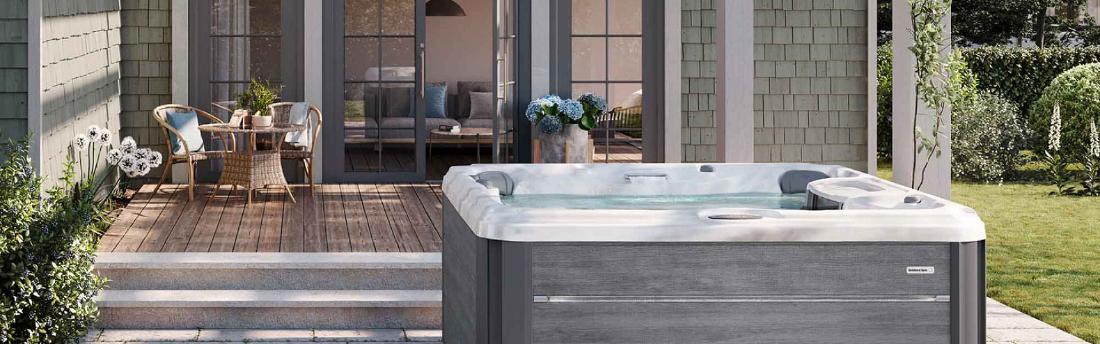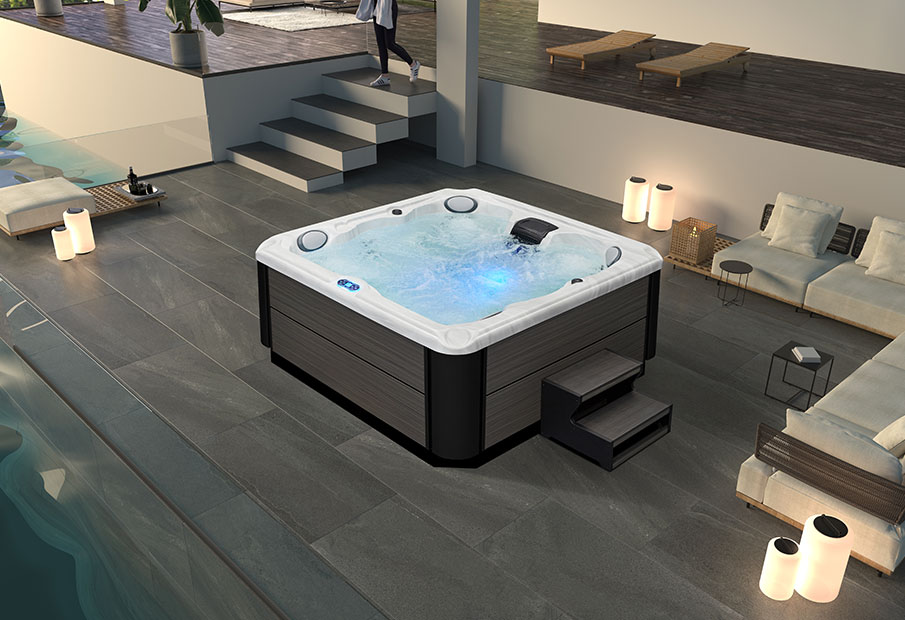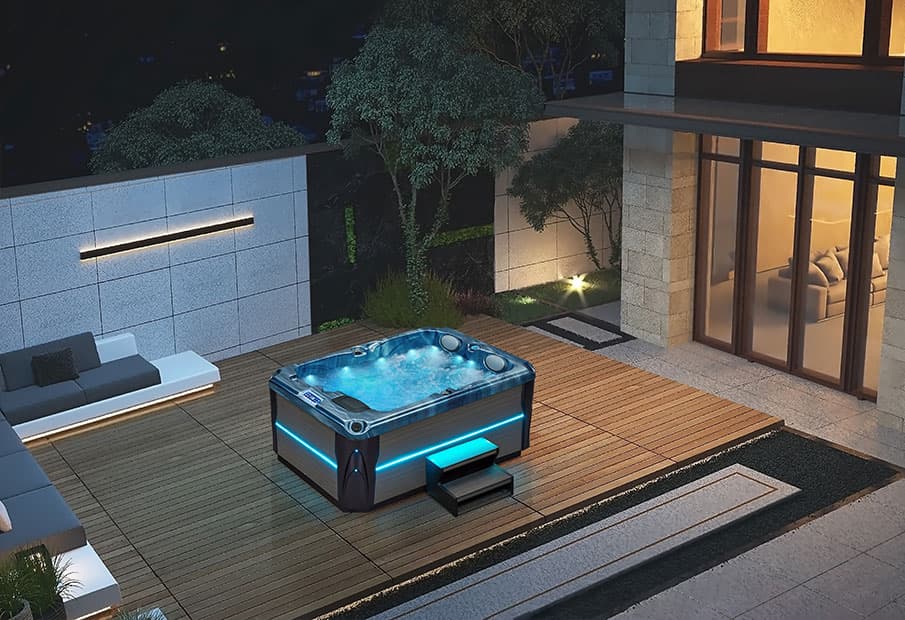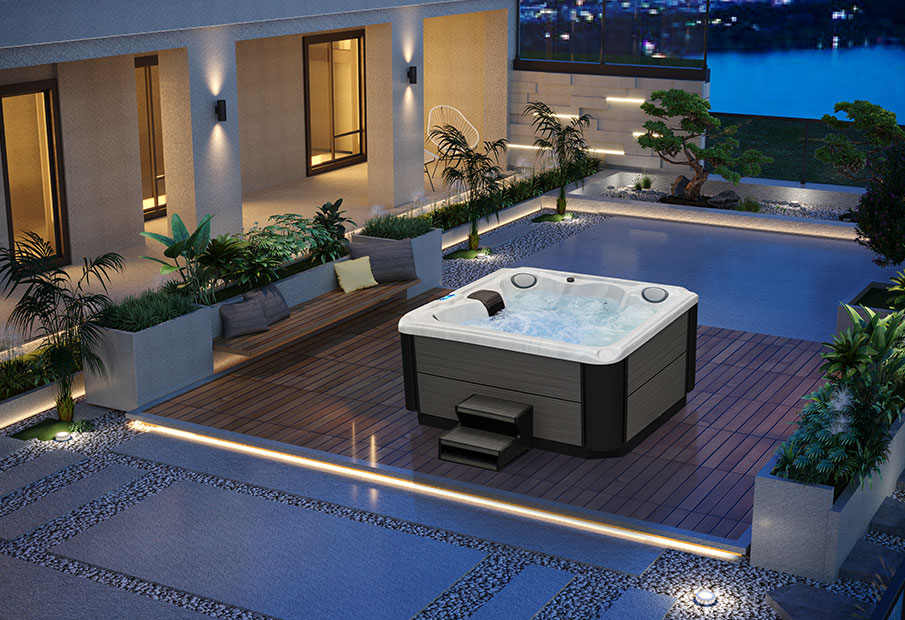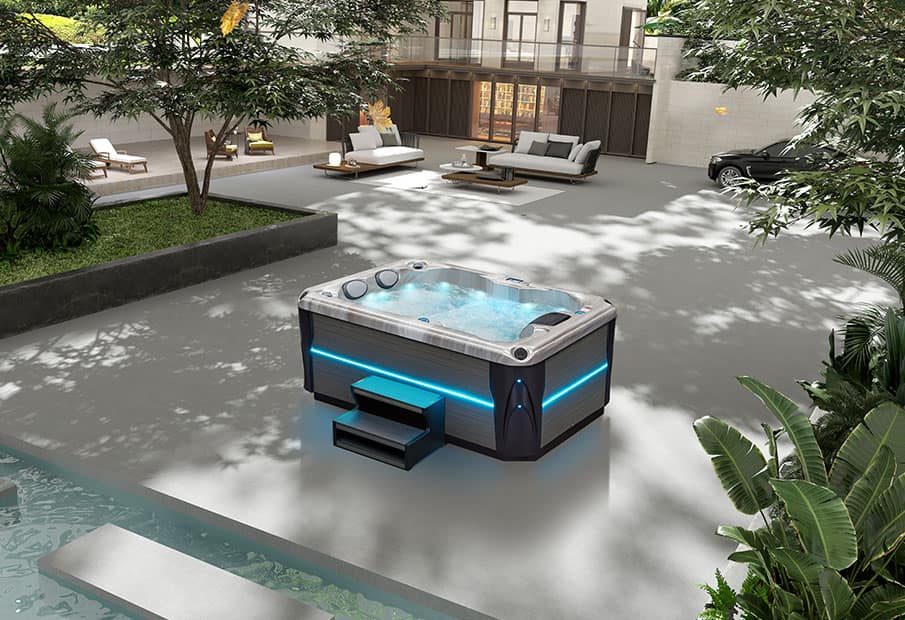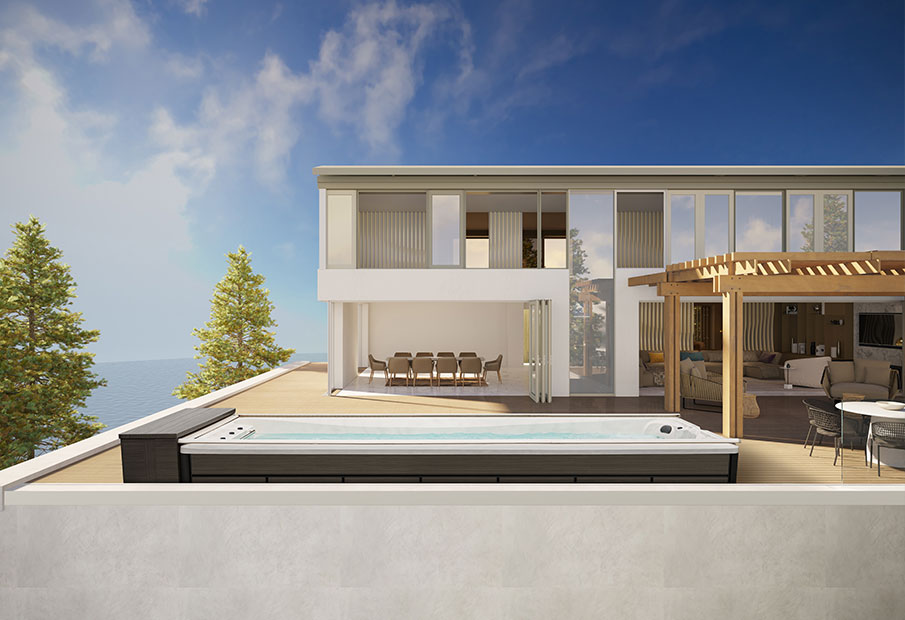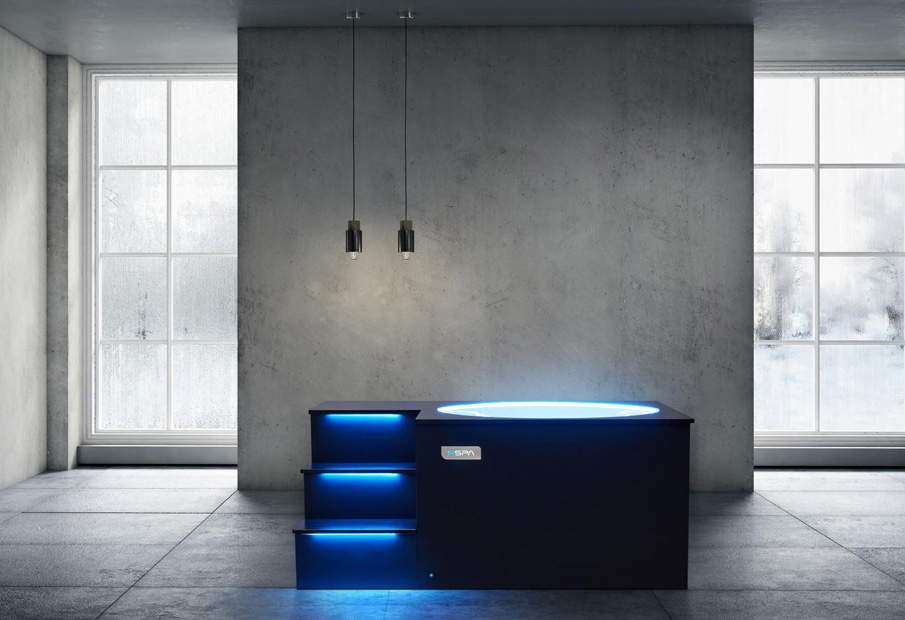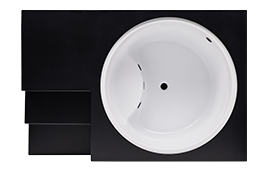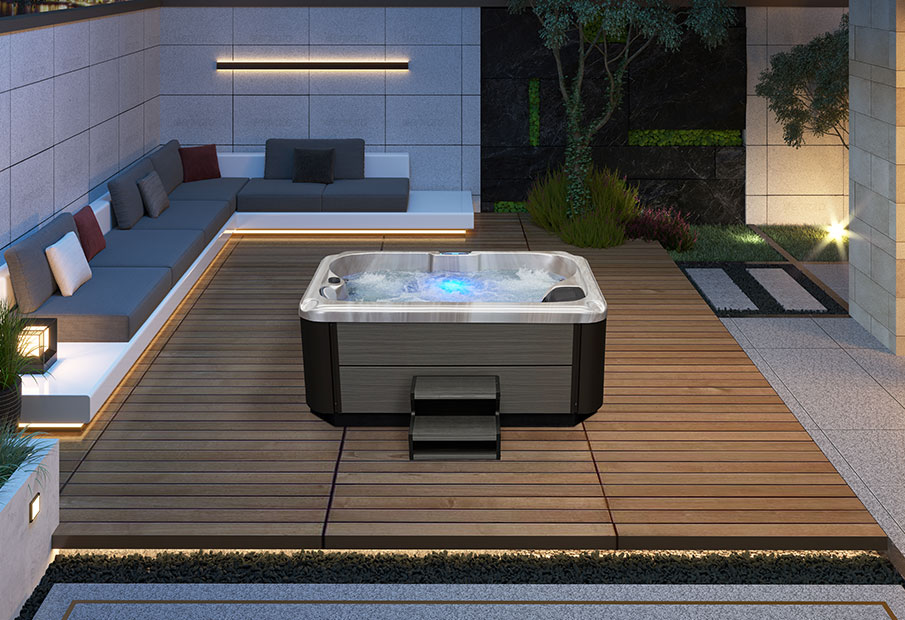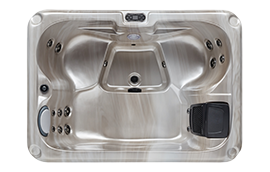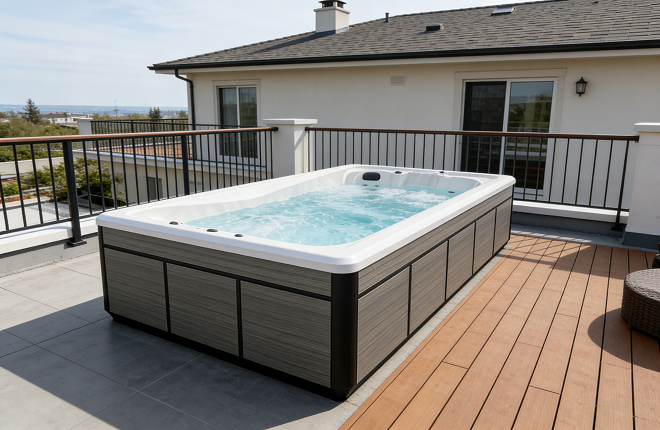
Modern homeowners are increasingly seeking ways to combine fitness, relaxation, and luxury in their living spaces. An endless spa pool offers the perfect solution, merging the benefits of a swimming pool, spa, and jacuzzi into one seamless experience. FSPA, a leading provider of premium aquatic solutions, has been designing innovative hot tub with endless swimming pool systems and elegant infinity edge jacuzzi setups that redefine home wellness.
Whether your goal is to improve physical fitness, enjoy hydrotherapy, or create a stunning backyard retreat, an endless spa pool can elevate your lifestyle. In this article, we explore the advantages of these multifunctional aquatic systems, design considerations, and the unique expertise FSPA brings to homeowners.
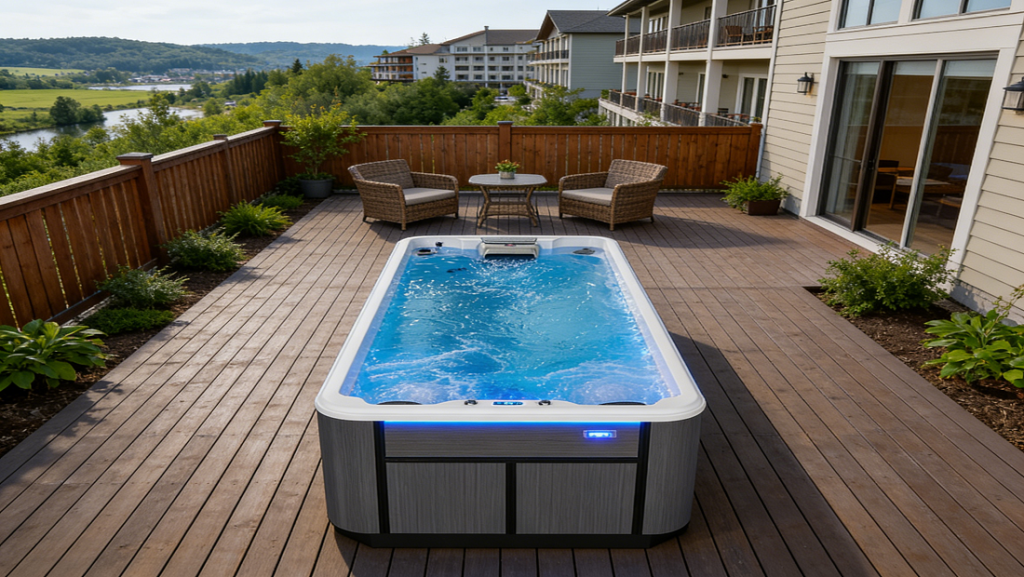
An endless spa pool offers a unique combination of continuous swimming, relaxation, and hydrotherapy benefits that traditional pools and hot tubs cannot match.
One of the standout features of an endless spa pool is its ability to provide a continuous swimming experience. Unlike traditional pools, which are limited by size, a hot tub with endless swimming pool uses advanced water currents to allow swimmers to swim in place without turning. This provides a full-body workout in a compact space, making it ideal for fitness enthusiasts, swimmers in training, or anyone seeking low-impact cardiovascular exercise.
The adjustable water flow allows you to customize resistance levels, from gentle rehabilitation exercises to intense swim workouts. A hot tub with endless swimming pool combines the convenience of a spa with the functionality of a swim training pool, creating a versatile fitness solution for your home.
Beyond fitness, an infinity edge jacuzzi offers exceptional hydrotherapy benefits. Heated water, strategically positioned jets, and ergonomic seating help relax muscles, improve circulation, and reduce stress. Whether you want to unwind after a long day or recover from physical activity, an infinity edge jacuzzi provides spa-level comfort in a private, convenient setting.
An endless spa pool merges the benefits of continuous swimming with hydrotherapy. This dual functionality allows homeowners to switch seamlessly between fitness and relaxation, offering a complete wellness experience in one installation.
Unlike outdoor pools that depend on seasonal conditions, an endless spa pool can be designed for indoor or climate-controlled outdoor use. Advanced heating, insulation, and energy-efficient circulation pumps maintain optimal water temperature and comfort throughout the year. FSPA ensures that every hot tub with endless swimming pool installation provides consistent, reliable wellness, regardless of weather conditions.
For homeowners with limited space, an endless spa pool provides the luxury of a full-sized pool and jacuzzi without requiring an expansive footprint. The sleek design of an infinity edge jacuzzi integrates seamlessly into modern interiors and outdoor spaces alike, creating a visually stunning focal point. FSPA specializes in designing endless spa pool systems that maximize both functionality and aesthetics, enhancing the overall appeal of your home.
When considering an endless spa pool or hot tub with endless swimming pool, selecting the right company is crucial. FSPA has established a reputation for designing premium aquatic systems that combine innovation, durability, and luxury.
Every home is unique, and FSPA tailors every endless spa pool project to meet the specific needs of the homeowner. From compact indoor hot tub with endless swimming pool designs to expansive outdoor infinity edge jacuzzi setups, FSPA ensures that each installation fits your space, lifestyle, and aesthetic preferences.
Homeowners can choose swim current intensity, jet placement, seating arrangements, and finishing materials, creating an endless spa pool that perfectly complements their home environment.
FSPA’s hot tub with endless swimming pool systems feature cutting-edge swim current technology, precise water temperature control, and energy-efficient circulation systems. These innovations ensure a smooth, consistent swimming experience, optimal hydrotherapy benefits, and minimal maintenance requirements.
An infinity edge jacuzzi designed by FSPA offers seamless integration of swimming and spa features, providing a luxurious and versatile wellness solution that adapts to any lifestyle.
Investing in an endless spa pool is a long-term decision, and FSPA prioritizes durability and safety. High-quality, corrosion-resistant materials and eco-friendly insulation ensure that every installation is built to last. Whether you choose a hot tub with endless swimming pool or an infinity edge jacuzzi, you can trust that FSPA’s craftsmanship delivers both beauty and longevity.
FSPA emphasizes both performance and aesthetics. Every endless spa pool is designed to integrate harmoniously with its surroundings, whether it’s an indoor wellness area or a landscaped outdoor space. This ensures that your infinity edge jacuzzi enhances your living environment while providing maximum wellness benefits.
FSPA goes beyond simply providing aquatic systems—they create holistic wellness experiences. Each endless spa pool promotes a balance of physical activity, hydrotherapy, and relaxation, offering homeowners a private sanctuary for health and rejuvenation.
An endless spa pool is the ultimate fusion of fitness, hydrotherapy, and luxury, offering unmatched versatility and convenience for any home. Whether you are interested in a hot tub with endless swimming pool for year-round exercise, an infinity edge jacuzzi for relaxation, or a fully integrated wellness solution, these installations elevate both lifestyle and home aesthetics. FSPA provides expertise in design, premium materials, and advanced technology to ensure that your endless spa pool delivers lasting performance, comfort, and elegance. By choosing FSPA, homeowners gain a private, multifunctional aquatic retreat dedicated to wellness, relaxation, and luxury living.
Q1: What is an endless spa pool?
A: An endless spa pool is a combination of a swimming pool and spa system that allows continuous swimming through adjustable water currents, while also providing hydrotherapy and relaxation features.
A: A hot tub with endless swimming pool combines heated spa jets with swim current technology, enabling both fitness training and hydrotherapy in one compact installation.
A: Yes. With advanced heating, insulation, and energy-efficient circulation systems, an infinity edge jacuzzi provides comfort and wellness regardless of the season.
A: FSPA specializes in custom-designed endless spa pool and hot tub with endless swimming pool systems, offering advanced technology, premium materials, and expert design for a durable and luxurious installation.
A: Absolutely. Endless spa pools and infinity edge jacuzzi systems are designed to maximize functionality in a compact footprint while providing the benefits of both a swimming pool and a spa.
Invitation of FSPA in The 2026 POOL & SPA Show
Get ready to dive into the future of pool and spa innovations! The much-anticipated POOL & SPA Show, powered by the Northeast Spa and Pool Association, is just around the corner, and we are thrilled to invite you to be part of this spectacular event.

Mark your calendars for January 27–29, 2026, and make your way to the Atlantic City Convention Center in New Jersey, U.S.A. This is your golden opportunity to explore the latest trends, products, and technologies that are shaping the industry. We are especially excited to welcome you at Booth #3056, where FSPA will showcase its premium range of products and solutions. FSPA has always been synonymous with quality and innovation, and this year is no different.
Whether you’re a professional in the industry or a pool and spa enthusiast, this event promises insights and experiences you won’t want to miss. For more information, visit our homepage or contact us via WhatsApp at +86 18144708213. You can also email us at e-mail to: [email protected]. See you at the show!
As someone who’s bought two acrylic swim spas for vacation homes in Spain and the U.S. over the past five years, I’ve learned the hard way that international swim spa shopping isn’t just about picking a style or size—ignoring voltage, frequency, and socket differences can turn a dream backyard upgrade into a costly headache. These details might seem small, but they make or break whether your spa works safely, efficiently, or at all once it’s installed.
My first mistake happened with my Spanish villa’s spa. I ordered a model I loved from a global supplier without double-checking electrical specs, assuming “universal” meant it would fit. When the installer arrived, he pointed out Spain uses 230V voltage and 50Hz frequency, while the spa was calibrated for the U.S.’ 120/240V and 60Hz. Plugging it in would’ve fried the heating element and pumps.
We had to wait three weeks for the supplier to send a custom electrical kit—delaying use and adding extra fees. After that, I made it a rule to confirm specs upfront. The U.S. home’s spa went smoothly because I asked: I learned most U.S. residential setups use 240V for larger spas (to power strong jets and fast heating) and 120V for smaller ones, plus 60Hz frequency that keeps motors running steadily.
Japan’s even trickier, I later found out from a friend—some regions use 100V at 50Hz, others 60Hz, so you need to specify the exact city to avoid mismatches.
Sockets are another easy pitfall. In Spain, the plugs are Type F—round, with two pins and a grounding clip—while the U.S. uses Type A/B (flat pins, grounded or ungrounded). My first spa came with a U.S.-style plug, which didn’t fit Spain’s outlets.
Even if you use an adapter, it’s not a fix: adapters only change the plug shape, not the power flowing through it. For my U.S. spa, I also had to confirm the socket’s amp capacity—my spa draws 30A, so a standard 15A household socket would’ve overheated.
The supplier helped me share my home’s electrical panel details with their team, who then sent a compatible cord and even recommended a local electrician to upgrade the outlet.
The solution, I’ve found, is simple: talk to your supplier early and often. Don’t just ask “Will this work in [country]?”—get specific. Share your home’s voltage (you can find it on your utility bill or by checking a wall outlet), frequency (most countries stick to 50Hz or 60Hz), and socket type (a quick online search for your country’s plug type works).
Good suppliers, like the one I used for my second spa, will adjust the spa’s internal components—swapping out heating elements, calibrating motors, or changing cords—to match your region. They might even send diagrams to share with your electrician, so installation goes off without a hitch.
Buying a swim spa internationally should be exciting, not stressful. By focusing on these electrical details and communicating clearly with your supplier, you can skip the delays and extra costs—and start enjoying your spa as soon as it arrives.

A Day at FSPA: Explore the Outdoor Hot Tub Paradise as a Guest
The crisp morning air in Gaoming , Foshan, carried a hint of greenery as I pulled up to FSPA’s factory gate—my first visit to the brand I’d researched for months to find the perfect outdoor hot tub for my villa. As a buyer who values both quality and aesthetics, I’d heard FSPA’s acrylic products stood out, but seeing them up close felt like stepping into a world where functionality meets luxury.
My tour began in the brand showcase hall, where natural light streamed through floor-to-ceiling windows, illuminating a stunning lineup of product .There were compact hot tubs designed for cozy backyard gatherings, sleek swim spas that doubled as fitness spaces, and spacious outdoor pools—their acrylic surfaces glistening like polished marble.
What impressed me most was the attention to user comfort: the hot tubs featured ergonomic seats that hugged the body, adjustable jets positioned to target tight muscles, and hidden LED strips that cast soft, warm light after dark. When I ran my hand over the acrylic, it felt smooth yet sturdy—nothing like the flimsy materials I’d seen in cheaper models.
The staff explained that FSPA uses high-quality, UV-resistant acrylic, built to withstand years of sun, rain, and heavy use. “We test each batch for scratch resistance and color fastness,” they said, pulling out a sample that had been exposed to harsh weather for two years—still as vibrant as new.
Next, we headed to the production workshop, a 30,000-square-meter space where order and precision reigned. Unlike chaotic factories I’d visited before, FSPA’s floor was spotless, with each station labeled clearly: acrylic cutting, thermoforming, assembly, and quality control.
I watched as workers used computer-controlled machines to mold an acrylic hot tub shell, heating the material to an exact temperature to avoid bubbles or uneven edges. At the quality check station, a technician ran a digital caliper along every curve, ensuring measurements matched the design down to 0.1mm.
“Every product goes through three inspections before leaving the factory,” the guide told me. I even saw a team testing a hot tub’s water circulation system, running it for 24 hours straight to check for leaks—a level of thoroughness that made me trust FSPA’s craftsmanship even more.
The day’s highlight was the outdoor demonstration area, tucked away among palm trees and potted flowers. Several hot tubs were filled with warm, bubbling water, and I couldn’t resist slipping into one. The jets kicked in gently, easing the tension in my shoulders, and the water stayed consistently warm—no sudden drops in temperature like in the hot tub I’d owned before.
As I relaxed, the staff brought over refreshments and talked me through customization options: I could choose the acrylic color to match my backyard decor, add a built-in sound system, or even opt for a smart control panel that let me adjust settings from my phone. By the time I climbed out, I’d already jotted down the model number I wanted.
As I drove back, I thought about how FSPA had turned a simple factory visit into a memorable experience. It wasn’t just the beautiful products—it was the care in every step, from the materials they chose to the way they listened to my needs. For anyone looking for an outdoor hot tub that’s built to last and designed to delight, FSPA isn’t just a factory—it’s a place where “paradise” is crafted with purpose. I left knowing my backyard would soon have the perfect centerpiece—and that I’d found a brand I could rely on for years to come.

Unveiling the Strengths of FSPA Swim Spa Factory: A Journey from Design to Delivery
As a loyal customer who has partnered with FSPA for over three years and ordered acrylic swim spas for my resort chain across Southeast Asia, I’ve witnessed firsthand how this industry-trade integrated factory turns ideas into exceptional products. Every visit to their Gaoming facility deepens my trust—and it all starts with their thoughtful design process.
Unlike some factories that stick to rigid templates, FSPA’s design team listens intently to client needs. When I requested a 12-meter outdoor swim spa tailored for tropical climates (with extra shade features and anti-slip steps), they delivered 3D renderings within a week, adjusting details until it aligned perfectly with my resort’s aesthetic and functional demands.
Their ability to blend practicality (like space-saving layouts for small resorts) with luxury (such as customizable LED lighting and ergonomic seating) sets their designs apart. FSPA’s approach is not about mass production—it’s about turning client ideas into elegant, functional realities.
Quality begins with materials, and FSPA never cuts corners here. During my last tour, their procurement manager walked me through the raw material warehouse, where stacks of acrylic sheets from Germany’s top supplier sat neatly labeled. “We only use UV-resistant and impact-proof acrylic,” he explained—something I’ve verified over time: my earliest FSPA swim spas, installed two years ago, still have glossy surfaces without a single crack, even under daily exposure to intense sunlight.
They also source stainless steel for jets and pumps from trusted Taiwanese vendors, ensuring components hold up against saltwater (critical for my beachfront resorts) and heavy use.
Stepping into FSPA’s 30,000-square-meter production workshop feels like watching a well-choreographed show. Each station—from acrylic thermoforming to assembly—follows strict SOPs. What impresses me most is their “one-worker-one-station” accountability system—each employee signs off on their task, making it easy to trace any issues (though I’ve never needed to).
FSPA’s craftsmanship shines in the little details. From smooth, hand-polished edges to precisely angled hydrotherapy jets (15° for shoulders, 30° for lower back), every component is engineered for performance, comfort, and safety.
FSPA’s delivery process is a masterclass in efficiency—vital for a business like mine that can’t afford delays. As an industry-trade integrated factory, they handle everything in-house: from custom crating (each swim spa is wrapped in foam and placed in wooden frames) to logistics coordination.
When I needed 10 swim spas delivered to my Bali resort last year, they synchronized the shipment with my renovation timeline and even adjusted the delivery date when my contractors hit a delay. Beyond delivery, their installation guides and responsive after-sales support ensure a smooth experience from start to finish.
Over the years, I’ve considered other swim spa suppliers, but FSPA’s end-to-end excellence—from design that listens, materials that last, production that’s precise, craftsmanship that cares, and delivery that delivers—keeps me coming back. For anyone seeking a reliable long-term partner in the swim spa industry, FSPA stands out as the clear choice.

Why More Isn’t Always Better When It Comes to Hot Tub Massage Jets?
When shopping for a hot tub, it’s easy to be drawn to models boasting the highest number of massage jets. At first glance, more jets seem to promise a deeper, more customized, and more luxurious experience. But as someone who has owned and tested multiple spas, I’ve learned that jet count alone is a misleading metric. In reality, the quality, placement, and performance of those jets matter far more than the quantity.
A hot tub with an excessive number of jets but an underpowered pump is like having a dozen faucets running on low water pressure—none of them will feel satisfying. The pump is the heart of the system; it’s what delivers the force and volume of water needed to create a therapeutic massage. If the pump can’t keep up, those 50 or 60 jets will produce little more than a weak, bubbly stream. You’re left with a lukewarm soak rather than a targeted, muscle-relieving hydrotherapy session.
Furthermore, thoughtful jet placement is crucial. A few well-positioned jets targeting key muscle groups—like the lower back, glutes, neck, and calves—are infinitely more valuable than dozens of jets placed randomly where they don’t provide meaningful contact. Everyone soaks differently; some prefer a deep tissue massage on their shoulders, while others need relief for tired legs.
A quality tub offers adjustable, directional jets in strategic zones, allowing you to personalize the experience. A high jet count often looks impressive on a spec sheet, but if half of them are in spots that don’t align with your body, they’re essentially decorative.
There’s also the practical side to consider: energy efficiency and maintenance. More jets require a more powerful pump and more complex plumbing, which inevitably leads to higher energy consumption. Your electricity bill will reflect that. Additionally, each jet is a potential point for leaks or future maintenance.
Simpler systems with fewer, high-quality jets are often more reliable and cheaper to operate in the long run. Ultimately, the goal of a hot tub is relaxation and therapy, not to win a numbers game.
When you test a tub, close your eyes and focus on how it feels. Does the pressure meet your needs? Can you direct the flow where you want it? That’s what truly matters. Don’t be swayed by marketing that promises “the most jets.” Instead, look for a balanced system designed for performance, comfort, and efficiency. Your back—and your wallet—will thank you.

Affordable Cold Plunge Solutions for Personal Wellness and Small Spaces
Cold plunge therapy has become one of the most popular wellness trends for homeowners, athletes, and busy professionals seeking recovery, energy, and stress relief. What was once limited to luxury spas and elite training centers is now available in practical home models designed for smaller spaces and personal use.
Today’s buyers are searching for products that combine compact size, reliable cooling, and budget-friendly pricing. Whether you are comparing a cheap cold plunge price, looking for a small round cold plunge, or searching for a mini cold plunge for sale, there are many options that make cold therapy more accessible than ever.
FSPA offers modern cold plunge systems designed for comfort, durability, and everyday convenience. From a mini indoor cold plunge to a personal cold plunge built for solo recovery, choosing the right model can help transform your daily wellness routine.
Many people want the benefits of cold immersion therapy but do not have room for a large spa or pool-sized system. This has created strong demand for smaller cold plunge products that fit apartments, patios, home gyms, and private wellness rooms.
A small round cold plunge is especially popular because of its space-saving design. The circular shape can fit efficiently into corners, balconies, or compact outdoor areas while still allowing full-body immersion. It also offers a clean, modern appearance that works well in contemporary homes.
For users who prefer interior convenience, a mini indoor cold plunge is an ideal solution. These compact systems are designed for bathrooms, basements, home gyms, or spa rooms. They often include quiet chillers, easy drainage systems, and insulated construction that supports year-round use.
Buyers seeking portability and affordability often search for a mini cold plunge for sale because these units can provide an entry point into cold therapy without requiring a major renovation or high budget.
Another major trend is the rise of the personal cold plunge. Designed for one user, these products focus on comfort, efficient energy use, and practical daily sessions. They are ideal for people who want regular recovery after workouts or a refreshing start to the day.
With more options available, selecting the right cold plunge tub for sale requires balancing budget, available space, and desired features.
Many first-time buyers begin by searching for a cheap cold plunge price. While affordability matters, the lowest upfront cost is not always the best investment. Quality insulation, reliable cooling systems, and durable materials can reduce maintenance and replacement costs over time.
A low-cost product with poor performance may become more expensive later through repairs, inefficient power use, or limited lifespan.
Before purchasing any cold plunge tub for sale, carefully measure your available area. A small round cold plunge may be perfect for patios or narrow wellness rooms, while a mini indoor cold plunge can fit in compact residential spaces.
If your home has limited access points such as tight staircases or narrow doorways, smaller units may also simplify installation.
A personal cold plunge is ideal if only one person will use the system regularly. Single-user units usually cost less than larger family-sized models and can be more energy efficient.
They also heat or cool water faster, making them practical for daily use.
Some buyers need a unit tailored to exact dimensions or style preferences. A small custom cold plunge tub can be built to fit unique patios, apartment wellness rooms, luxury bathrooms, or designer outdoor spaces.
Customization may include shell color, exterior finish, control placement, insulation level, and size adjustments. FSPA helps customers create personalized cold plunge systems that match both functional and design goals.
The best cold plunge tub for sale should include easy cleaning systems, reliable filtration, and user-friendly controls. These features make ownership more enjoyable and encourage regular use.
FSPA focuses on premium cold plunge solutions for modern living spaces. Whether customers want a mini cold plunge for sale, a stylish small round cold plunge, or a small custom cold plunge tub, FSPA combines quality manufacturing with elegant design.
Customers value:
For buyers comparing a cheap cold plunge price, FSPA offers strong long-term value through dependable performance rather than short-term compromises.
Cold plunge therapy is no longer limited to large luxury spas. Today’s compact systems make it possible for almost anyone to enjoy the benefits of cold immersion at home.
Whether you need a small round cold plunge for a patio, a mini indoor cold plunge for daily convenience, a personal cold plunge for solo recovery, or a small custom cold plunge tub tailored to your space, there are practical options available.
While many shoppers begin with a search for a cheap cold plunge price, the smartest purchase balances affordability with quality and reliability. If you are exploring a cold plunge tub for sale, FSPA offers premium solutions designed for comfort, performance, and lasting satisfaction.
When searching for a cheap cold plunge price, compare insulation, cooling technology, warranty, and materials. FSPA focuses on delivering long-term value rather than only low upfront cost.
Yes, a small round cold plunge is excellent for patios, balconies, compact gardens, and smaller wellness rooms because it uses space efficiently.
A mini cold plunge for sale should offer reliable temperature control, strong insulation, easy maintenance, and a size that fits your available space.
Yes, a mini indoor cold plunge can work well in apartments if drainage, flooring support, ventilation, and access paths are properly considered.
A small custom cold plunge tub is ideal when you need exact sizing, premium finishes, or a design that matches your home style. FSPA provides custom options for personal wellness spaces.
The Transformative Power of a Jacuzzi Spa: Health and Wellness Redefined
In an increasingly demanding world, the quest for personal well-being has never been more paramount. Amidst a plethora of wellness solutions, the jacuzzi spa stands out as a sanctuary, offering a profound blend of therapeutic hydrotherapy and unparalleled relaxation. It’s more than just a luxurious amenity; it’s a dedicated investment in daily physical and mental rejuvenation, a private retreat accessible whenever the need arises. The impact on quality of life is significant, with empirical data consistently demonstrating its benefits. For instance, recent market analysis indicates a staggering 15% increase in consumer interest in home wellness products over the past three years, with hydrotherapy systems leading this growth. A 2022 study published in the Journal of Physical Therapy Science highlighted that regular hydrotherapy sessions, characteristic of a high-quality jacuzzi spa experience, can reduce perceived stress levels by up to 28% and improve sleep quality by an average of 20% in participants experiencing moderate chronic pain. This isn’t merely anecdotal evidence; it reflects a tangible shift towards proactive health management, where the convenience and efficacy of personal hydrotherapy play a pivotal role. The strategic placement of powerful jets, combined with precisely controlled water temperature, creates an environment conducive to muscle relaxation, improved circulation, and profound mental tranquility. Investing in a premium jacuzzi spa transcends simple indulgence; it is a conscious decision to foster a healthier, more balanced lifestyle, transforming mundane evenings into invigorating therapeutic rituals that address both the physical tolls of the day and the mental burdens of modern living, solidifying its status as an indispensable component of contemporary home wellness.
Behind the inviting warmth and soothing jets of a premium spa lies a formidable array of advanced engineering designed for optimal performance, efficiency, and longevity. The technical advantages begin with the core hydrotherapy system. High-performance, customizable jet arrays are paramount, often featuring dozens of jets strategically positioned to target specific muscle groups, from deep tissue massage to invigorating pulsating streams. Modern spas boast variable-speed pumps, allowing users to precisely control jet intensity, thereby conserving energy while still delivering robust therapeutic effects. Filtration and sanitation systems represent another critical engineering triumph. Beyond standard cartridge filters, many leading models incorporate advanced UV-C purification, ozone generation, or even salt-water chlorination systems, dramatically reducing the need for chemical additives and ensuring crystal-clear, hygienic water with minimal effort. This multi-stage approach to water treatment can eliminate up to 99.9% of bacteria and viruses, a significant advantage over rudimentary systems. Insulation technology is also highly sophisticated. High-density, closed-cell foam insulation, often combined with full-foam injection around the shell and plumbing, drastically minimizes heat loss, leading to substantial energy savings—up to 40% compared to poorly insulated models. Control systems have evolved into intuitive, intelligent interfaces, often touch-screen enabled and Wi-Fi compatible, allowing users to manage temperature, jets, lighting, and even schedule maintenance routines remotely via smartphone applications. Furthermore, the structural integrity and durability are underpinned by robust frames, typically constructed from pressure-treated lumber or galvanized steel, and durable acrylic shells reinforced with fiberglass, guaranteeing years of consistent performance even in challenging outdoor environments. These integrated technical marvels ensure that a top-tier spa delivers not just relaxation, but a highly efficient, reliable, and profoundly therapeutic experience.
| Feature/Manufacturer | Manufacturer A (Premium) | Manufacturer B (Mid-Range) | Manufacturer C (Value) |
| Typical Jet Count | 40-60+ (Therapeutic Focus) | 30-50 (Balanced Massage) | 20-35 (Standard Relaxation) |
| Shell Material | Multi-layered Acrylic with Bio-Lok coating | High-gloss Acrylic with DuraBond reinforcement | Standard Acrylic |
| Insulation Type | Full-Foam & Perma-Panel Cabinet | Perimeter Foam & Thermal Blanket | Partial Foam & Basic Wrap |
| Water Purification | Ozone + UV-C + MicroFilter | Ozone + Cartridge Filter | Cartridge Filter (Optional Ozone) |
| Control System | Smart Touchscreen with Wi-Fi App | Digital Topside Control | Button Topside Control |
| Warranty (Shell/Components) | 10 Years / 5 Years | 7 Years / 3 Years | 5 Years / 1-2 Years |
| Energy Efficiency Rating | Excellent (Low kWh/day) | Good (Moderate kWh/day) | Standard (Higher kWh/day) |
The spa market is rich with manufacturers, each offering distinct designs, technological innovations, and value propositions. Selecting the right one requires a discerning eye, evaluating not just initial cost but long-term performance, energy efficiency, and post-purchase support. Leading brands differentiate themselves through proprietary jet technologies, advanced insulation techniques, and cutting-edge water purification systems. Understanding these distinctions is crucial for making an informed decision that aligns with individual needs and priorities. For instance, some manufacturers excel in ergonomic design, creating seating that perfectly cradles the body, while others focus on hyper-efficient heating systems or innovative smart-home integration. The materials used for the shell, cabinet, and plumbing also vary significantly, impacting durability and aesthetics. Acrylic shells are standard, but the thickness and quality of the acrylic, along with the fiberglass reinforcement, can differ. Cabinetry might range from synthetic, maintenance-free materials to natural wood options requiring periodic sealing. Warranty coverage is another critical factor, often reflecting a manufacturer’s confidence in their product’s build quality. Pumps, heaters, and the shell typically have different warranty periods, which can range from one year for electrical components to five or ten years for the shell structure. Below is a comparative overview of key features across representative manufacturers, highlighting their competitive advantages and typical offerings:
This comparison underscores that while all offer hydrotherapy, the engineering depth, integrated technologies, and long-term operating costs vary significantly. Consumers should weigh these factors carefully against their budget and desired user experience.
The modern spa experience is no longer a one-size-fits-all proposition; advanced customization allows buyers to craft a truly personalized oasis that reflects their aesthetic preferences and therapeutic needs. This extends far beyond merely choosing a shell color. Starting with the aesthetic, consumers can select from an extensive palette of acrylic shell finishes, ranging from classic whites and blues to sophisticated marbled or granite-effect patterns, influencing the water’s perceived hue and the overall ambiance. Cabinetry options are equally diverse, including maintenance-free synthetic materials that mimic natural wood or stone, composite panels designed for extreme durability, or even genuine cedar and redwood for a truly natural look, each available in various stains and finishes. Beyond visual appeal, the therapeutic experience can be profoundly customized. Jet configurations are highly modular, allowing for targeted arrangements of different jet types—directional, rotary, pulsating, and air-infused—to address specific pain points or muscle groups. Some manufacturers even offer interchangeable jet inserts, providing ultimate flexibility. Lighting systems have evolved from simple single-color bulbs to sophisticated LED chromotherapy, allowing users to select from a spectrum of colors or dynamic light shows to enhance mood and promote relaxation. Integrated sound systems, often Bluetooth-enabled, can transform the spa into an immersive auditory experience, while optional accessories like cascading waterfalls, aromatherapy infusion systems, and even integrated cool-down seats further elevate the sensory journey. For the tech-savvy, smart home integration capabilities are increasingly common, allowing voice control or seamless operation through existing home automation platforms. This level of granular customization ensures that each spa is not just a product, but a bespoke sanctuary, meticulously tailored to the owner’s unique vision of luxury, wellness, and personal retreat, making it an extension of their lifestyle rather than merely an addition to their backyard.
The versatility of a well-engineered spa extends its utility far beyond typical backyard leisure, finding successful application in a multitude of residential, commercial, and therapeutic settings. In residential contexts, beyond simple relaxation, spas become central to family life, fostering connection, offering a unique venue for entertaining, and serving as a consistent component of daily health routines. Homeowners report significant improvements in sleep patterns and chronic pain management through consistent use. Consider the case of a retired couple in Arizona who, struggling with arthritis, integrated a therapeutic spa into their daily routine. After six months, they reported a 40% reduction in joint stiffness and a notable decrease in reliance on over-the-counter pain medication, transforming their quality of life. Commercially, spas are proving to be invaluable assets. High-end hotels and resorts leverage them to enhance guest experiences, often featuring them in luxury suites or dedicated wellness zones. A boutique hotel in Napa Valley saw a 25% increase in repeat bookings after installing a series of private two-person spas in their premium accommodations, directly correlating the uplift to guest satisfaction surveys praising the added amenity. Fitness centers and sports rehabilitation clinics also widely adopt advanced spas for post-workout recovery and injury therapy. Athletes utilize the hydrotherapy benefits for muscle soreness, reducing recovery times and improving overall performance. One prominent collegiate sports program implemented a cold plunge alongside a traditional hot spa, reporting a 15% faster return-to-play rate for athletes recovering from soft tissue injuries compared to traditional methods. Furthermore, the burgeoning sector of vacation rentals frequently highlights the presence of a private spa as a key differentiator, often leading to higher occupancy rates and premium pricing. These diverse applications underscore that a spa is not a niche product, but a highly adaptable wellness solution, consistently delivering tangible benefits and enhancing value across a broad spectrum of real-world scenarios, making it a compelling investment for varied environments and user needs.
The landscape of hydrotherapy is continuously evolving, driven by technological advancements and a deeper understanding of wellness science. The future of spas promises even greater integration with smart home ecosystems, enhanced energy efficiency, and more personalized therapeutic experiences. Expect to see further refinement in artificial intelligence and machine learning applications that monitor usage patterns, water chemistry, and even individual biometric data (via wearables) to proactively adjust filtration cycles, chemical dosing, and water temperature. This predictive maintenance will simplify ownership and optimize energy consumption. Furthermore, the development of eco-friendly materials will accelerate, with manufacturers exploring sustainable shell composites, recycled cabinet materials, and more efficient heating technologies, potentially including solar or geothermal integration as standard options. Advanced sensor technology will likely lead to real-time health monitoring capabilities within the spa itself, perhaps measuring heart rate, oxygen saturation, or even basic stress indicators, allowing for personalized hydrotherapy programs that adapt to the user’s immediate physiological state. Imagine a spa that can suggest a specific jet pattern or water temperature based on your heart rate variability after a stressful day. Noise reduction technologies will also become more sophisticated, allowing for quieter operation and deeper immersion. The development of ‘dry’ hydrotherapy options, utilizing water jets without full immersion, may also emerge for niche applications. Telehealth integration could also play a role, allowing therapists to remotely monitor and adjust prescribed hydrotherapy routines for rehabilitation patients. As these innovations mature, spas will transform from luxurious wellness tools into intelligent, interconnected health platforms, offering unparalleled levels of customization, efficiency, and proactive well-being management, further cementing their role as integral components of a holistic health-conscious lifestyle. This continuous pursuit of innovation ensures that the benefits of hydrotherapy will remain at the forefront of personal wellness technology.
A jacuzzi spa represents a significant investment in personal well-being, and maximizing its longevity and enjoyment hinges on consistent care, adherence to manufacturer guidelines, and proactive maintenance. The foundation of a long-lasting spa experience is proper water chemistry. Regular testing and balancing of pH, alkalinity, and sanitizer levels prevent damage to components, ensure clean water, and protect user health. Filters require periodic cleaning and replacement—typically monthly cleaning and annual replacement—to maintain optimal filtration efficiency. The spa cover, often overlooked, is a crucial component for heat retention and keeping debris out; inspecting it for tears and applying UV protectant extends its life and preserves energy efficiency. Beyond routine tasks, scheduling professional servicing annually can catch potential issues before they escalate, prolonging the life of pumps, heaters, and control systems. Draining and refilling the spa water every 3-4 months, depending on usage, is also vital for fresh, clean hydrotherapy. Understanding your warranty terms and registering your product ensures that any unexpected issues are covered. By embracing these simple yet critical maintenance practices, owners can protect their investment and ensure their jacuzzi spa consistently delivers years of unparalleled relaxation and therapeutic benefits. This commitment to care translates directly into continued enjoyment, optimal performance, and the peace of mind that comes from a well-maintained, ready-to-use personal sanctuary, truly maximizing the return on your wellness investment for the foreseeable future.
Here are some professional FAQs about jacuzzi spas:
What is the average lifespan of a high-quality jacuzzi spa?
A high-quality jacuzzi spa, with proper maintenance and care, typically has a lifespan of 10 to 20 years. Key factors influencing longevity include the quality of materials, consistent water chemistry management, and adherence to manufacturer-recommended service schedules.
How much does a jacuzzi spa cost to operate monthly?
The monthly operating cost of a jacuzzi spa can vary significantly based on factors such as local electricity rates, spa insulation quality, usage frequency, climate, and temperature settings. On average, owners can expect to pay anywhere from $20 to $60 per month for electricity, plus an additional $10-$30 for water treatment chemicals.
What is the difference between a hot tub and a jacuzzi spa?
While often used interchangeably, “Jacuzzi” is a specific brand name renowned for pioneering jetted hydrotherapy. “Hot tub” is a generic term referring to any large tub filled with heated water used for soaking or hydrotherapy. A Jacuzzi spa is a specific type of hot tub, recognized for its advanced jet systems and often superior build quality.
What type of foundation is required for a jacuzzi spa installation?
A jacuzzi spa requires a solid, level foundation capable of supporting its significant weight when filled with water and occupants. Common suitable foundations include a reinforced concrete pad, a properly constructed deck or patio designed for heavy loads, or a compacted gravel base.
How often should I change the water in my jacuzzi spa?
It is generally recommended to drain and refill your jacuzzi spa water every 3 to 4 months, depending on usage frequency and the effectiveness of your sanitation system. Regular water changes ensure optimal water quality and prevent chemical imbalances that can accumulate over time.
Can a jacuzzi spa be used year-round in cold climates?
Yes, modern jacuzzi spas are designed with advanced insulation and robust heating systems that allow for comfortable year-round use even in cold climates. Proper installation, a high-quality insulated cover, and ensuring the spa is energy-efficient are key to minimizing operating costs in winter.
What are the primary health benefits of regular jacuzzi spa use?
Regular jacuzzi spa use offers numerous health benefits, including relief from muscle soreness and joint pain through hydrotherapy massage, improved blood circulation, reduced stress and anxiety, enhanced sleep quality, and a general sense of relaxation and well-being. The warm water buoyancy also alleviates pressure on joints.
The Fspa BD-011 hot tub, designed for luxurious relaxation, offers a spacious interior for 6 adults, powerful pumps and heater, strategic jet placement, soothing LED lighting, adjustable features, and easy maintenance, making it the ultimate choice for both residential and commercial use.
The Fspa BD-017 Hot Tub, accommodating up to 5 adults with spacious dimensions, features a reliable control system, powerful 1.5kW massage pump, 0.35kW filter pump, 3kW heater, 28 customizable water jets, LED lighting, an ozone sanitation system, and a total power of 4.85kW, offering ultimate relaxation and a luxurious soak for any occasion.
The Fspa BD-010 hot tub, crafted for ultimate comfort and style, offers spacious accommodations for up to 6 adults, robust controls, powerful pumps, pristine water quality, targeted hydrotherapy, ambient lighting, and advanced water purification, making it perfect for both residential and commercial relaxation.
The Fspa BD-009Pro Hot Tub, a compact 2000x900mm spa for up to 6 adults, combines power and efficiency with luxurious features like a 7.97kW system, 50 water & 20 air bubble jets, LED lighting, and music speakers, making it ideal for residential and small commercial spaces.
The Fspa BD-010Pro Hot Tub, combines power (8.47kW) and efficiency with luxurious features such as 54 water & 18 air bubble jets, customizable water flow, LED lighting, music speakers, and pillows, making it ideal for both residential and commercial outdoor settings.
The Fspa BD-001Pro Hot Tub customizable water flow, ozone sanitization, and luxurious features for an unparalleled relaxation experience.
INQUIRY
Thank you for your message!Our Chinese New Year holiday from 7th Feb to 28th Feb. Apologise to make your inconvenience so that responses may be delayed during this period. We'll back to you with regular service on 2th March .Thank you for understanding.