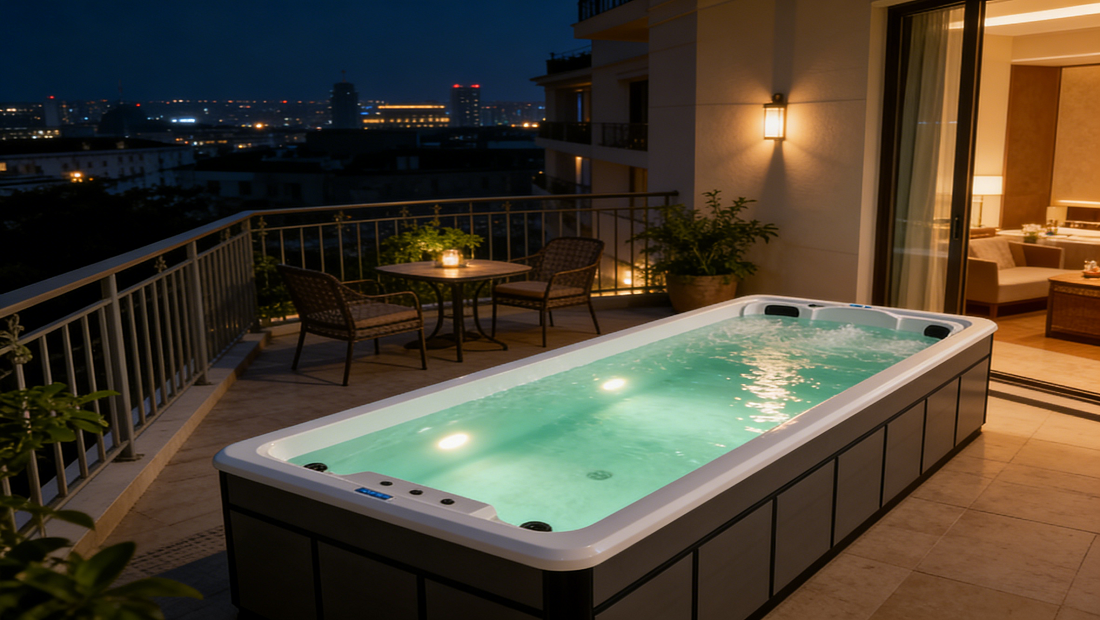
The concept of aquatic wellness has evolved beyond traditional pools and hot tubs. Today, a swim spa infinity pool or infinity jacuzzi pool offers a luxurious and functional solution for fitness, therapy, and relaxation. These advanced systems combine the endless swim benefits of a infinity training pool with the comfort and hydrotherapy features of a spa, creating a versatile wellness environment for any space.
FSPA, a leading provider of premium aquatic solutions, specializes in infinity pools and spas that blend ergonomic design, innovative engineering, and aesthetic appeal. Whether installed indoors or outdoors, an infinity pool with spa allows homeowners and wellness enthusiasts to enjoy continuous swimming, resistance training, and hydrotherapy in one integrated system.
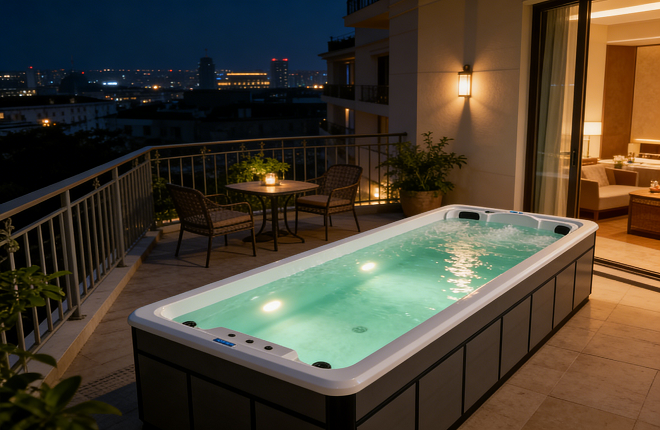
An infinity swim spa combines a continuous water flow system with spa functionality, providing both exercise and relaxation. Unlike conventional pools, these systems allow users to swim continuously in a compact space, offering a low-impact workout that enhances cardiovascular health, builds muscle tone, and improves overall endurance.
The infinity pool hot tub integrates hydrotherapy features, including adjustable jets and ergonomic seating, creating a spa-like experience while maintaining the benefits of a continuous swim. This dual functionality makes it ideal for both fitness and leisure, supporting recovery, relaxation, and stress relief.
For those focused on training and performance, the infinity training pool is a standout feature. Adjustable water currents simulate open-water swimming, allowing swimmers to customize resistance levels to match their skill, speed, and exercise goals. Whether for professional athletes or recreational users, these systems offer a highly efficient workout in a controlled environment.
FSPA ensures that every infinity spa pool delivers consistent water flow, quiet operation, and intuitive controls. Their engineering focuses on smooth, adjustable currents that maintain proper swimming posture and reduce strain on joints, making these pools suitable for all ages and fitness levels.
The infinity pool and hot tub combination is particularly versatile. Users can enjoy resistance swimming, hydrotherapy, and relaxation in one system, making it an ideal solution for homeowners, wellness centers, and professional training facilities. By combining exercise and leisure in a single footprint, these pools maximize utility while minimizing space requirements.
Modern infinity pools and spas are more than just luxurious amenities—they are comprehensive wellness tools. Adjustable current systems, temperature control, and ergonomic seating allow for a fully customized aquatic experience. Whether swimming laps in a swim spa infinity pool or relaxing in an infinity jacuzzi pool, users can enjoy the benefits of aquatic exercise alongside hydrotherapy.
Infinity pool with spa designs often feature dual zones: one for continuous swimming and one for relaxation. This separation ensures that users can perform low-impact exercise without interruption while also enjoying spa benefits such as massage jets and heated seating.
Outdoor installations of infinity pools and spas offer the added benefit of natural surroundings, combining the soothing sounds and sights of water with resistance swimming. Indoor infinity swim spas provide year-round access, regardless of weather, while maintaining a compact and aesthetically pleasing design.
FSPA’s systems are engineered with durability, energy efficiency, and user comfort in mind. Smooth water circulation, advanced filtration, and precise current control make infinity swim spa systems safe, reliable, and enjoyable for long-term use. By integrating wellness, fitness, and luxury into one system, FSPA allows users to experience the full potential of aquatic health.
For homeowners or wellness professionals exploring infinity pools and spas, these solutions provide an ideal balance of function and design. The combination of resistance swimming, hydrotherapy, and ergonomic comfort makes infinity spa pool systems an investment in both health and lifestyle.
Investing in an infinity swim spa or infinity pool hot tub provides a unique blend of exercise, therapy, and relaxation in a single, elegant system. These pools offer continuous swimming, resistance training, and hydrotherapy in one versatile solution, making them ideal for both indoor and outdoor installations.
FSPA, a leader in premium aquatic wellness, ensures that every swim spa infinity pool is engineered for performance, durability, and user comfort. By combining innovative engineering, ergonomic design, and intuitive controls, FSPA’s infinity pools and spas deliver a safe, enjoyable, and highly effective aquatic experience.
Whether for professional training, home wellness, or recreational enjoyment, FSPA’s infinity pool with spa systems transform aquatic fitness and relaxation into a seamless, luxurious experience. By prioritizing quality, longevity, and user satisfaction, these systems provide long-term value while enhancing health, lifestyle, and overall well-being.
An infinity swim spa is a pool system with adjustable water currents that allows continuous swimming in a compact space while also providing spa-like hydrotherapy features.
An infinity pool hot tub combines resistance swimming with relaxation features such as massage jets and heated seating, allowing both exercise and leisure in one system.
Yes, infinity training pools feature adjustable currents that simulate open-water swimming, making them suitable for athletes and swimmers seeking targeted training.
4.What are the benefits of a swim spa infinity pool?
A swim spa infinity pool provides low-impact resistance exercise, hydrotherapy for muscle recovery, stress relief, and the convenience of continuous swimming in a compact footprint.
Yes, FSPA offers indoor endless swimming pools and infinity jacuzzi pools designed for indoor installation, allowing year-round access and space-efficient aquatic wellness.ace-efficient aquatic wellness.
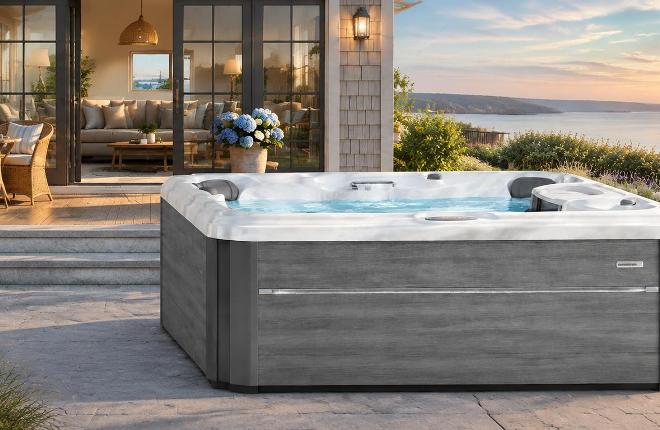
Choosing a Commercial Swim Spa: Specs, Fit, and Long-Term Costs
A commercial swim spa sits in an odd category. It is not a lap pool, and it is not a backyard hot tub either. For hotels, fitness centers, and rehabilitation clinics, the right unit has to handle daily use from dozens of different bodies while still delivering the therapeutic warmth guests expect. Getting this decision wrong means either overpaying for capacity nobody uses or underbuying and wearing out equipment within a season.
The stakes are different from a residential purchase. A homeowner might run their spa a few hours a week. A hotel amenity area or a physiotherapy center runs the same unit for ten or twelve hours a day, sometimes longer. That gap in usage intensity is why commercial buyers need to look past marketing photos and into pump ratings, jet counts, and sanitization systems before signing a purchase order.
The core difference is duty cycle. A residential spa heater might run intermittently, warming water back up after occasional use. In a commercial setting, water temperature has to stay stable through back-to-back sessions, sometimes with guests entering and exiting every twenty minutes.
This changes what matters in the spec sheet. Heater wattage, pump durability, and filtration turnover rate move to the top of the list, above cosmetic features like shell color or cabinet finish. A spa that looks identical to a residential model may have a completely different internal build quality once you open the equipment bay.
Water chemistry also behaves differently under heavy rotation. More bathers means more organic load, faster chlorine or ozone demand, and a higher risk of cloudy water if the sanitization system is undersized. This is where ozone-based systems earn their reputation in commercial settings, since they reduce the chemical burden compared to relying on sanitizer alone.
Buyers often size a spa based on peak capacity numbers rather than realistic daily use. A unit rated for six adults looks appealing on paper, but if your facility rarely sees more than three guests at once, that extra shell volume just means more water to heat and filter for no real benefit.
A more useful way to think about sizing:
Units in this category commonly range from compact three-person configurations up to six-person layouts, with footprint dimensions roughly between 1870x1330mm on the small end and 2530x2300mm for the largest family-style shells. Matching the footprint to your actual floor plan matters as much as matching seat count to guest volume.
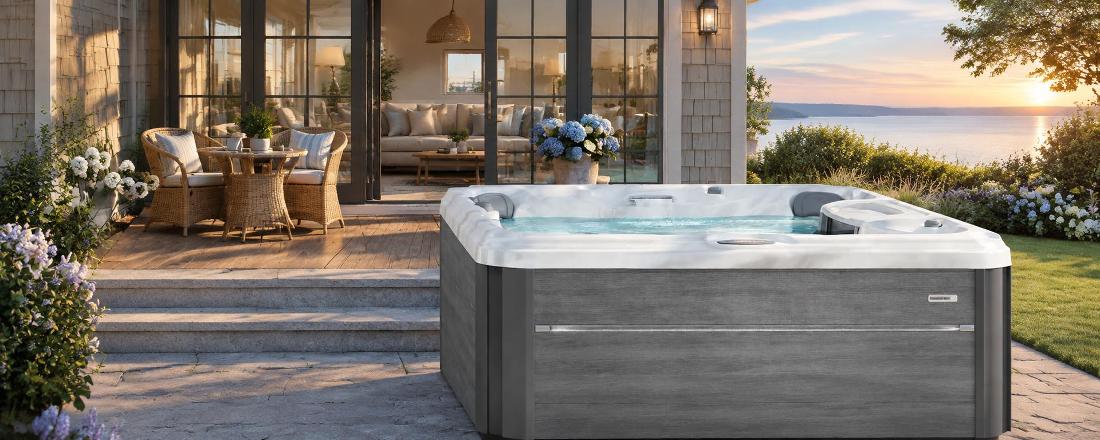
Marketing copy tends to lead with jet count, but jet count alone tells you little about therapeutic quality. What matters more is the balance between water jets and air jets, and whether their placement corresponds to actual muscle groups guests want addressed, like lower back, calves, or shoulders.
The table below outlines the kind of specification range typically found across commercial-grade hot tub and swim spa lineups, useful as a baseline when comparing vendor quotes.
| Specification | Typical Range | Why It Matters for Commercial Use |
|---|---|---|
| Seating capacity | 3 to 6 adults | Determines throughput during peak hours |
| Heater output | 2kW to 3kW | Affects recovery time between sessions |
| Jet count | 16 to 80 jets | Influences perceived massage quality, not just marketing appeal |
| Total system power | Up to 5.55kW | Impacts electrical panel sizing and operating cost |
| Sanitization | Ozone-based systems | Reduces chemical load under heavy bather traffic |
Notice that total system power and heater output are separate line items. A facility manager comparing two units side by side should ask the vendor for both figures independently, since a strong heater paired with a weak pump won’t deliver the circulation needed to keep water clear.
Chlorine alone struggles to keep pace with heavy bather load, especially in enclosed spa environments where organic contaminants build up quickly. That’s the practical case for ozone sanitization systems, which are featured on select models in commercial-oriented spa lineups, including the ozone systems supplied on certain units in the Fspa Hot Tub series. Ozone works by oxidizing contaminants directly in the water, which lightens the burden on chemical sanitizers and can extend the interval between full water changes.
This matters operationally, not just chemically. Fewer chemical top-offs mean less staff time spent on water testing, and a more consistent guest experience since water clarity doesn’t swing as widely between maintenance cycles. For a rehabilitation center or physiotherapy practice, where clients may have sensitive skin or open wounds, cleaner water chemistry isn’t a luxury detail. It’s closer to a baseline requirement.
Some higher-tier models pair the ozone system with a dedicated filtration housing positioned centrally in the shell, which shortens the distance water has to travel before passing through the filter media. Shorter travel distance generally means more filtration passes per hour, though actual turnover rate still depends on pump flow rate and plumbing layout.
The application list for these units is broader than most buyers assume going in. Common commercial and semi-commercial settings include:
Each setting has a different tolerance for downtime. A hotel losing a spa for a week during off-season repairs is an inconvenience. A rehabilitation clinic losing access to warm water therapy can disrupt patient treatment plans that depend on consistent scheduling. That’s a strong argument for prioritizing build quality and component reliability over feature count when the unit serves a clinical or therapeutic function.
Does a higher jet count always mean better hydrotherapy?
Not necessarily. Jet placement, water pressure, and the ratio of water jets to air jets influence therapeutic effect more than raw count. A unit with fewer, well-positioned jets can outperform one with more jets scattered without a clear massage pattern.
How often does water need to be fully replaced in commercial use?
This depends heavily on bather load and sanitization system, so there’s no universal number. Ozone-equipped units generally extend the interval between full drains compared to chlorine-only systems, but facilities should still follow a documented water testing schedule.
Can a residential-grade spa be used in a light commercial setting?
It’s possible for very low-traffic applications, like a small bed-and-breakfast with one or two guests a day, but it’s risky for anything with consistent daily turnover. Pump and heater components rated for residential duty cycles tend to wear out faster under sustained commercial use.
What electrical capacity should a facility plan for?
Total system power for commercial-oriented models can reach up to 5.55kW, so an electrician should confirm panel capacity before installation rather than assuming existing residential wiring will suffice.
Choosing between models ultimately comes down to matching three things: expected daily bather volume, available installation footprint, and the tolerance your facility has for maintenance downtime. A hotel prioritizing guest ambiance might lean toward a model with integrated LED lighting and audio for a more immersive experience, while a rehabilitation center will likely weight sanitization reliability and consistent heat recovery far higher than aesthetic features.
For operators comparing vendors, it helps to request the full spec sheet rather than relying on brochure highlights, since heater wattage, pump flow rate, and filtration turnover rate often reveal more about long-term reliability than jet count or lighting packages. For us, working across both residential and commercial spa lines has shown that the buyers who ask about duty cycle and maintenance intervals upfront tend to have far fewer service calls in year one.
A commercial swim spa is a long-term facility asset, not a seasonal purchase, so it’s worth treating the selection process with the same rigor applied to any other piece of commercial equipment. The right match between capacity, sanitization, and build quality will determine whether the unit becomes a reliable revenue driver or a recurring maintenance headache.
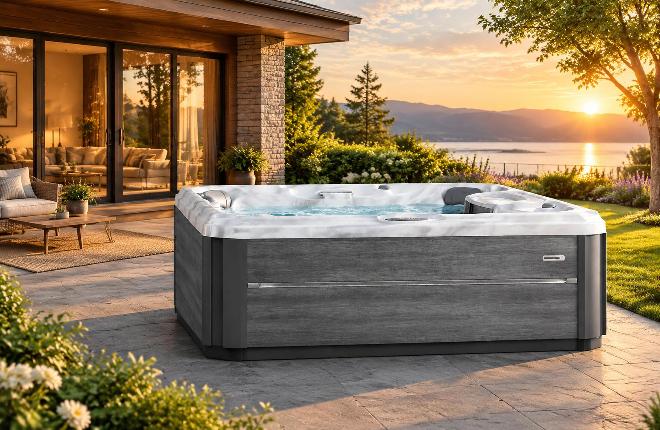
Swim Spa With Hot Tub Cost: What Actually Drives the Price
Anyone shopping for a swim spa with hot tub cost in mind quickly discovers the numbers swing wildly. One listing shows a compact unit under a few thousand dollars, another climbs past twenty grand, and neither price tag explains itself. The gap comes down to size, jet count, heating capacity, and how much of the build is engineered for daily use versus occasional dipping. Understanding those variables turns a confusing shopping process into a straightforward decision.
A hot tub built for three adults and a swim spa built for lap swimming are not the same category of purchase, even though both get lumped into spa pricing conversations. Capacity is the first cost driver, and it scales almost linearly with materials, water volume, and pump requirements.
Smaller hot tubs, sized for three to four adults, sit at the lower end because they use less acrylic, fewer jets, and a smaller heater. Larger models built for five or six people require reinforced shells, stronger circulation pumps, and heaters rated up to 3kW just to keep water temperature stable across a bigger volume. That jump in specification is where a big chunk of the price difference lives.
Jet count is often treated as a marketing number, but it correlates directly with plumbing complexity and pump sizing. According to product specifications, jet counts across models range from 16 jets in basic configurations up to 80 water jets in performance-oriented units. Each additional jet zone means more plumbing runs, more precise molding around seating positions, and a pump powerful enough to maintain pressure across the whole system.
Models positioned for targeted hydrotherapy typically add customizable air flow controls alongside water jets, letting users adjust intensity by seating position. That flexibility is genuinely useful for muscle recovery, but it is also a manufacturing step that shows up in the final price. Buyers who mainly want a warm soak, without therapeutic-grade massage, can reasonably skip the highest jet counts and save money without losing the core experience.
Ozone sanitization systems are common in mid-to-upper tier spas, and they matter more than their price tag suggests. Ozone helps break down organic contaminants and reduces the chemical load needed to keep water clear, which lowers ongoing maintenance costs even if it adds slightly to the upfront price.
Buyers comparing a swim spa with hot tub cost across brands should treat sanitization as a long-term expense question, not just an initial one. A unit without efficient sanitization tends to demand more frequent chemical dosing and filter changes, and those costs accumulate over years of ownership. It is one of the few upgrades that pays for itself gradually rather than sitting as a sunk cost.
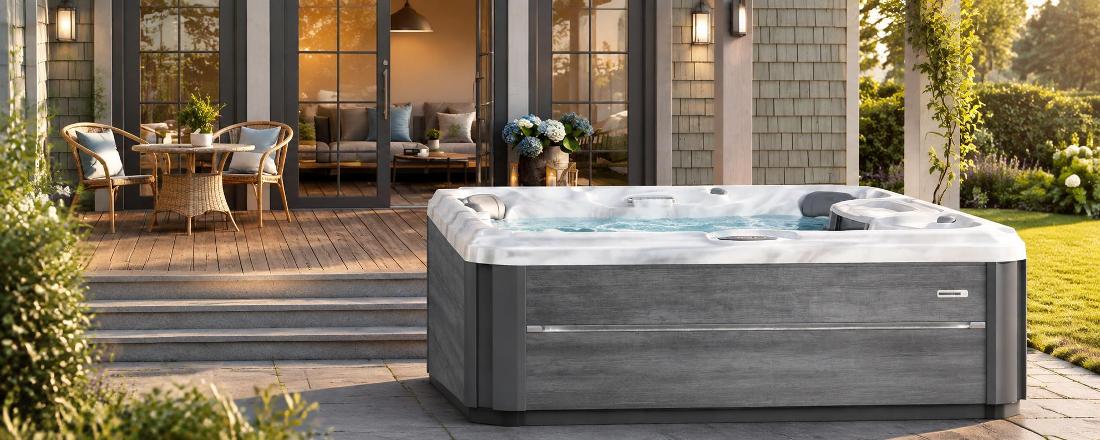
Dimensions matter more than most buyers expect before they start measuring their deck or patio. Compact hot tubs can start around 1870 x 1330 x 800mm, fitting into a modest backyard corner or a balcony. Larger six-person units stretch to roughly 2530 x 2300 x 900mm, which changes the installation math entirely.
Before comparing prices, it helps to walk through a short sequence of decisions:
Skipping this sequence is how buyers end up either overpaying for unused capacity or underestimating installation costs that show up after the unit arrives.
Specification sheets are the most honest way to compare spa pricing, because they strip away branding language and show what you are actually paying for.
| Feature | Compact Model | Mid-Size Model | Large Family Model |
|---|---|---|---|
| Capacity | 3 adults | 4-5 adults | 6 adults |
| Approx. Dimensions | 1870x1330x800mm | 2100x1900x850mm | 2530x2300x900mm |
| Jet Count | 16 jets | 30-42 jets | Up to 80 jets |
| Heater Rating | 2kW | 2.5kW | 3kW |
| Sanitization | Basic filtration | Ozone system | Ozone system |
This kind of table is worth building for any two or three units you are seriously comparing. It exposes whether a lower price reflects genuinely lower specification, or whether one retailer is simply pricing more aggressively for the same build.
Some additions change the experience meaningfully and justify their cost, while others are closer to optional luxury. Integrated LED lighting and audio systems fall into the latter category for most buyers. They create a noticeably more immersive evening soak, but they do not affect water quality, structural durability, or therapeutic value.
On the other hand, robust construction elements, reliable heaters, durable acrylic shells, and properly rated pumps, are not optional extras. They determine how long the unit lasts under regular use. A spa priced well below comparable units often cuts corners here first, since these components are invisible until something fails two or three years into ownership.
A backyard hot tub used by one household several times a week has very different duty-cycle demands than a unit installed at a hotel, wellness center, or rehabilitation facility. Commercial settings run pumps and heaters far more hours per day, so component durability becomes the dominant cost factor rather than aesthetic features.
For residential buyers, application scenarios like villa backyards, courtyards, or home therapeutic recovery generally allow for a mid-range specification without sacrificing daily comfort. Commercial buyers, including hotels, fitness centers, and physiotherapy centers, tend to need the higher-durability tier regardless of price, because downtime for repairs is far more costly than the upfront specification difference. For us, this distinction shapes which configuration we recommend to each type of buyer rather than pushing a single default option.
Does a higher jet count always mean better value?
Not necessarily. Jet count should match how the spa will be used. A household focused on relaxation may get little benefit from 80 jets compared to 30, while someone using the spa for muscle recovery after physical activity may find the extra zones genuinely useful.
Why do two similarly sized spas have different prices?
The difference usually comes from heater rating, pump quality, jet configuration, and sanitization method. Two units can look identical in outer dimensions while differing substantially in what is built underneath the shell.
Is ozone sanitization worth the added cost?
For most owners, yes, since it reduces chemical maintenance over time. Buyers who prioritize the lowest possible upfront price sometimes skip it, but should expect higher recurring maintenance costs as a tradeoff.
How much does capacity affect long-term running cost?
Larger units with bigger heaters and more jets consume more electricity and require more water treatment, so a six-person spa will generally cost more to run than a three-person unit, independent of purchase price.
The real question behind swim spa with hot tub cost comparisons is not which unit is cheapest, but which specification matches actual usage. A couple using the spa for evening relaxation has different needs than a family of six or a boutique hotel adding a wellness amenity.
Buyers who measure their space, define their seating needs honestly, and treat jet count and sanitization as functional decisions rather than marketing checkboxes tend to land on a price that reflects real value. That approach, more than chasing the lowest number on a listing, is what keeps a swim spa with hot tub cost decision from turning into an expensive mismatch a year down the line.
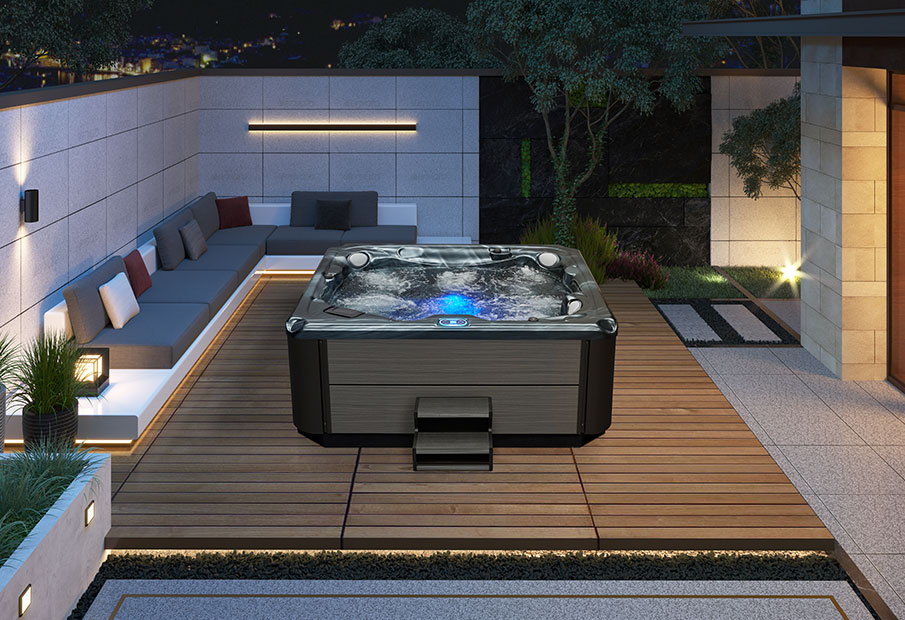
The Fspa BD-005 hot tub, accommodating 6 adults with advanced features including a 2.2kW massage pump, 0.35kW filter pump, 3kW heater, 42 jets, and ozone purification, offers ultimate relaxation in a spacious 2530x2300x900mm pool.
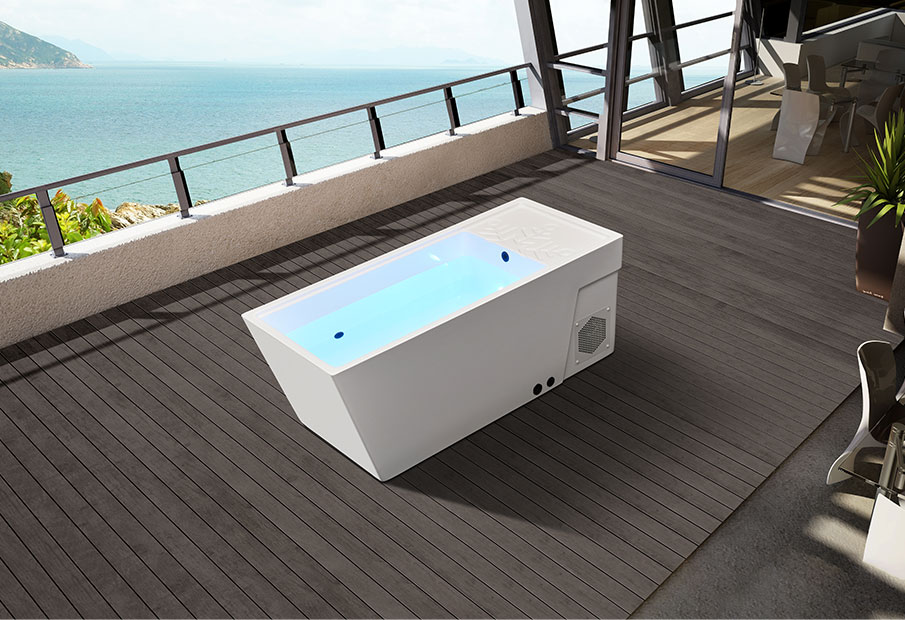
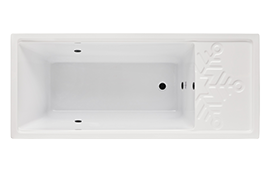
All in design, plug and play, Snowflake pattern, Include filter, circuitpump, Ozone, Ice-blue underwater light, and high-effciency Chilling system.
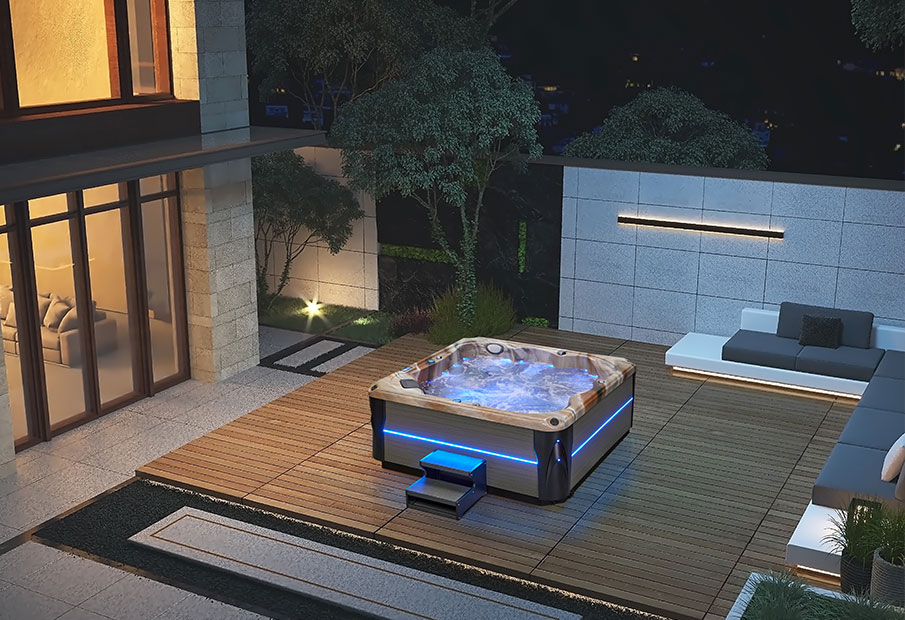
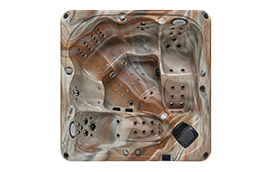
Fspa BD-004Pro Hot Tub, a spacious, powerful, and feature-rich hot tub designed for up to 6 adults, complete with therapeutic massages, clear water circulation, customizable air flow, immersive audio, and sanitization system, ideal for both residential and commercial outdoor settings.
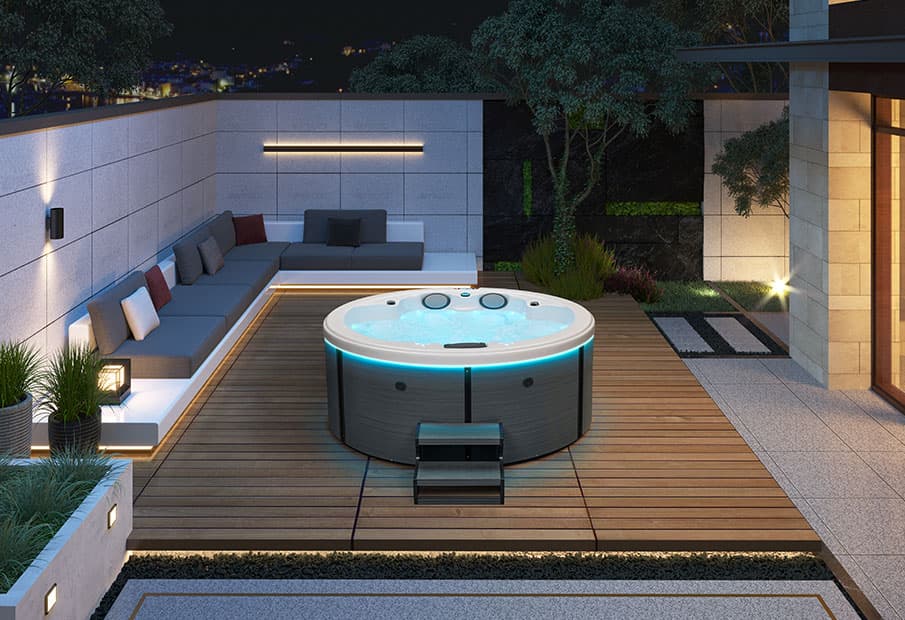
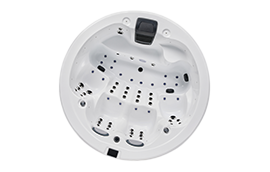
The Fspa BD-010Pro Hot Tub, combines power (8.47kW) and efficiency with luxurious features such as 54 water & 18 air bubble jets, customizable water flow, LED lighting, music speakers, and pillows, making it ideal for both residential and commercial outdoor settings.
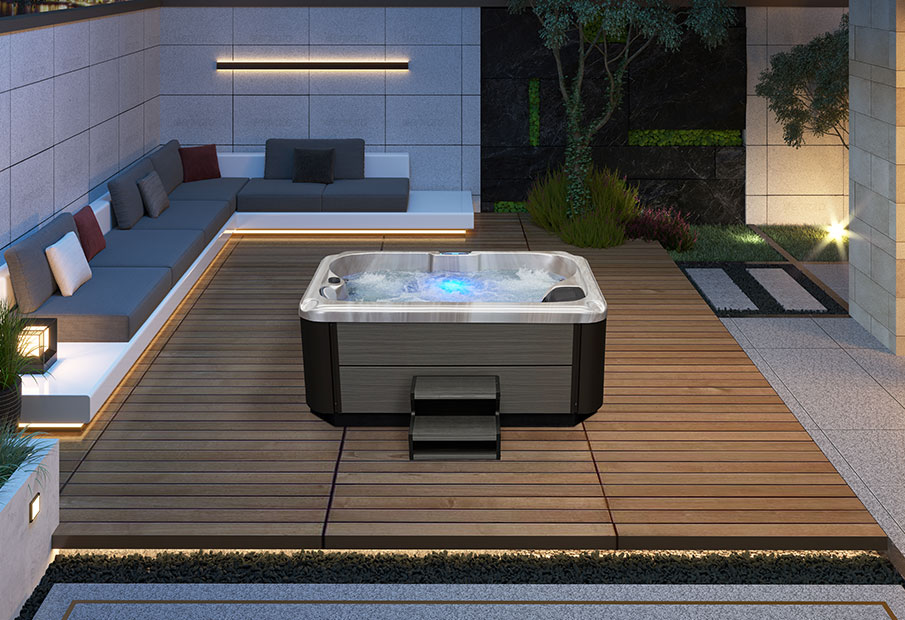
Our luxurious Fspa BD-003 spa tub, designed for 3 adults with ample space (1870x1330x800mm), features a comprehensive control system, powerful massage pump, gentle filter pump, temperature control, clean water filter, LED lighting, 16 massage jets, and sanitation ozone system, offering a perfect therapeutic escape for you and your loved ones.
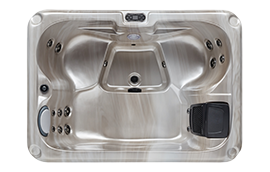
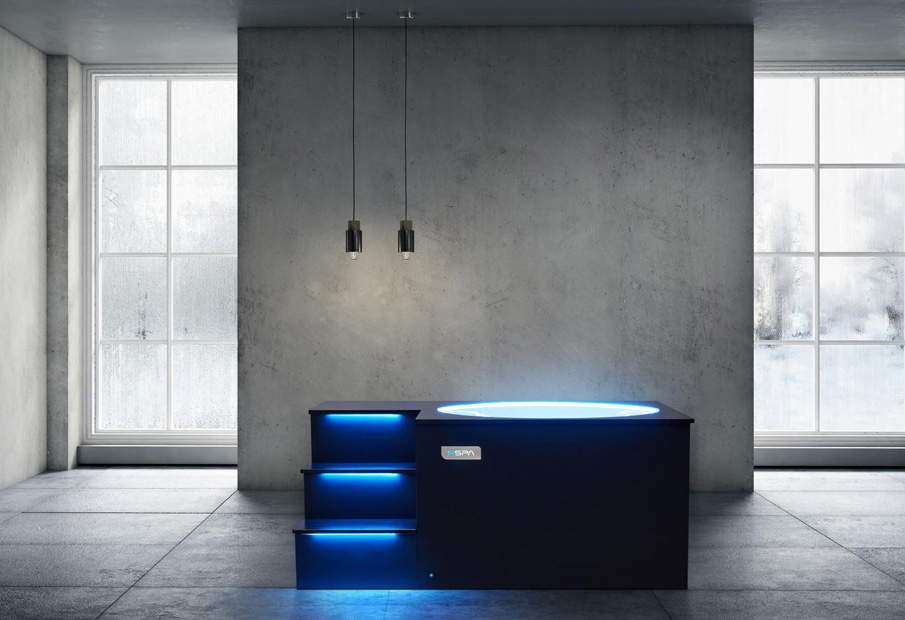
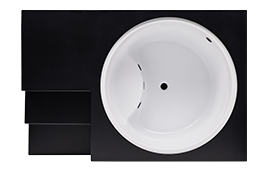
Appearance Black color, Step in expediently ice blue ambient lighting, Water chiller system, filter, Ozone and light.
PRODUCTS
INQUIRY
Thank you for your message!Our Chinese New Year holiday from 7th Feb to 28th Feb. Apologise to make your inconvenience so that responses may be delayed during this period. We'll back to you with regular service on 2th March .Thank you for understanding.


