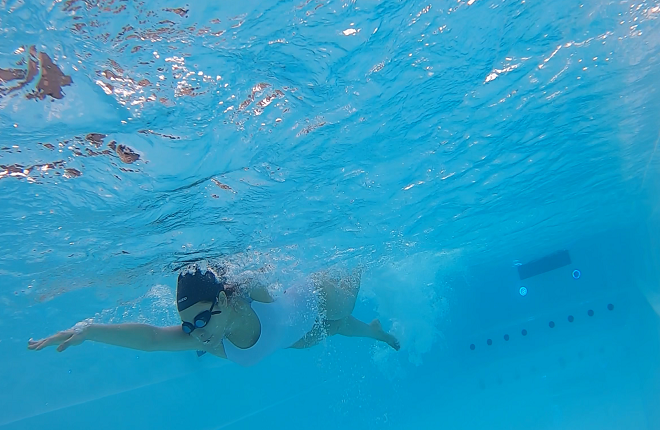
As a professional athlete, I’ve tried just about every recovery method under the sun—stretching, massages, compression gear, you name it. But one routine I’ve stuck with, not just for recovery but for overall health, is cold water bathing. What started as a way to reduce soreness after tough training sessions has turned into something that also helps me feel more resilient against illness.
There’s a growing body of research, both in Europe and in Asia, showing that regular cold water exposure can stimulate the immune system. The science is fascinating: when you plunge into cold water, your body immediately kicks into thermoregulation mode. Blood vessels constrict, circulation is redirected, and stress hormones like norepinephrine surge.
This response doesn’t just wake you up—it may also activate immune cells that help defend against infections. Some studies even suggest fewer colds and respiratory infections among people who practice cold water immersion consistently.
From my own perspective, the benefits go beyond the science on paper. During long seasons filled with travel and heavy training, staying healthy is just as important as staying fit. Cold water baths give me that extra edge—almost like a reset button for my body.
They help me adapt better to stress, recover faster, and, in my experience, I catch fewer seasonal bugs than I used to.
That said, cold exposure is not something to take lightly. For anyone considering it, the key is gradual adaptation. Start with short dips—maybe 30 to 60 seconds—and slowly increase as your tolerance builds. Always listen to your body, and if you have heart or circulation issues, get medical advice first.
In the end, cold water baths aren’t just for athletes chasing performance. They can be a practical tool for anyone looking to boost resilience, support immune health, and challenge the body in a safe, controlled way. For me, the ice bath has become more than a recovery tool—it’s part of my lifestyle, keeping me strong both on and off the field.
What a Resistance Swim Spa Actually Does for Your Home Fitness Routine
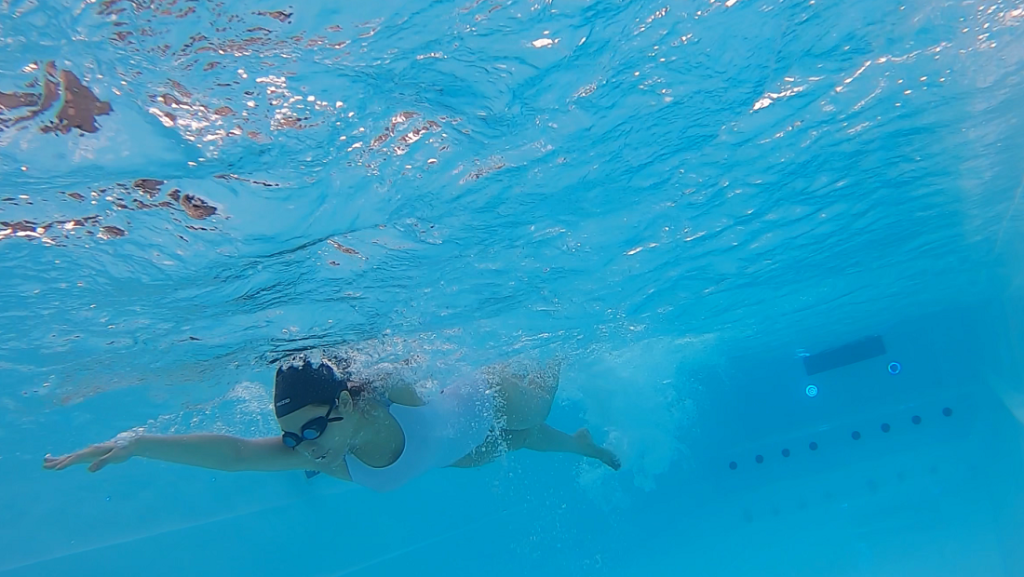
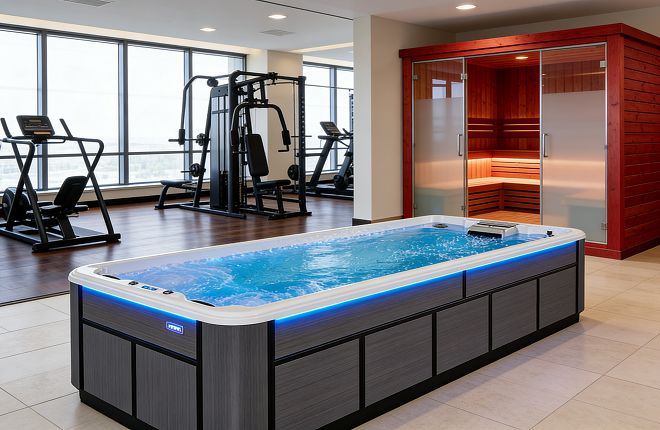
A resistance swim spa solves a problem most backyard pools never address: how do you swim laps without a lap pool? Instead of building a 25-meter trench in your yard, a swim spa generates a controlled current, letting you swim in place inside a compact footprint. That single mechanical difference changes who can realistically own a home water fitness setup, and why the category keeps growing among people who want exercise, not just soaking.
The appeal isn’t purely about space. Traditional pools demand months of excavation, permits, and a maintenance routine that scales with volume. A resistance swim spa condenses that into something closer to a large spa install, while still delivering the cardiovascular workout swimmers actually want. Understanding how that current works, and where it fits your property, matters more than most marketing copy suggests.
Most residential lots simply can’t accommodate a proper lap pool. A 25-meter pool needs roughly 800 to 1,000 square feet of surface area, plus setback clearances that many suburban and urban lots don’t have.
A swim spa unit, by contrast, typically measures somewhere between 12 and 20 feet in length. That’s a fraction of the footprint, and it opens up options like:
This is why swim spas show up so often in villa backyards, boutique hotels, and seaside homestays. The physical constraint is real, and the product category exists specifically to answer it.
The mechanism is simple in concept, even if the engineering behind it isn’t. A pump system pushes water through jets positioned at one end of the spa, creating a steady counter-current. You swim against that current, and the water resistance replaces the need for physical distance.
This matters for a specific reason: swimming performance depends on sustained resistance, not distance covered. In a lap pool, you generate your own resistance by pushing through still water. In a swim spa, the machine generates it for you, at an adjustable intensity. That adjustability is actually an advantage over open lap swimming, since you can dial the current up for interval training or down for rehabilitation work, without needing to change your stroke technique.
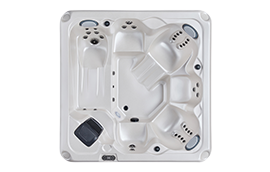
It’s worth noting that swim current systems and hydrotherapy massage jets are functionally different things, even though they sometimes sit in the same unit. Massage jets, like the 35 targeted jets built into a hydrotherapy-focused spa such as the Fspa BD-004, are designed for targeted muscle relief while seated, not for generating a swimming current. Buyers shopping specifically for lap-style resistance swimming should confirm the unit includes a dedicated counter-current swim system, since not every "swim spa" on the market actually has one.
This distinction trips up a lot of first-time buyers, so it’s worth spelling out clearly. Some products marketed loosely under the "swim spa" umbrella are actually multi-person hydrotherapy tubs, built for seated massage rather than active swimming.
| Feature | Resistance Swim Spa | Hydrotherapy Spa (e.g. BD-004 style) |
|---|---|---|
| Primary function | Counter-current swimming | Seated massage therapy |
| Typical capacity | 1-2 active swimmers | 6 adults seated |
| Jet placement | Concentrated at one end for current | Distributed around seating for targeted massage |
| Water depth | Deeper, for full-body swimming | Shallower, seat-height focused |
| Best for | Cardio training, lap practice | Muscle recovery, relaxation |
Neither approach is better in absolute terms. They solve different problems. If your goal is cardiovascular conditioning or swim technique practice, you need dedicated counter-current resistance. If your goal is post-workout recovery or general relaxation, a hydrotherapy unit with multiple massage jets, ozone sanitization, and ergonomic seating is the more appropriate fit.
A unit like the BD-004, for instance, is built around six-person seating, 35 massage jets, and a 5.55kW total system that includes a 2.2kW massage pump, a 0.35kW filter pump, and a 3kW heater. That configuration is optimized for shared relaxation, not lap swimming. Recognizing which category a product actually belongs to prevents a costly mismatch between expectation and use.
Not every household needs a swim current system, but several groups get disproportionate value from one:
For the second and third groups especially, a swim spa often ends up replacing a gym membership rather than supplementing one. The math is straightforward once you account for years of membership fees against a one-time equipment cost, though installation, electrical, and ongoing water maintenance still need to factor into that comparison.
Choosing between swim spa types shouldn’t be a guessing game. A short checklist keeps the decision grounded in actual use rather than showroom appeal.
Skipping step one is the single most common regret buyers report. A beautifully built hydrotherapy spa will not satisfy someone who wanted to train for a triathlon in their backyard.
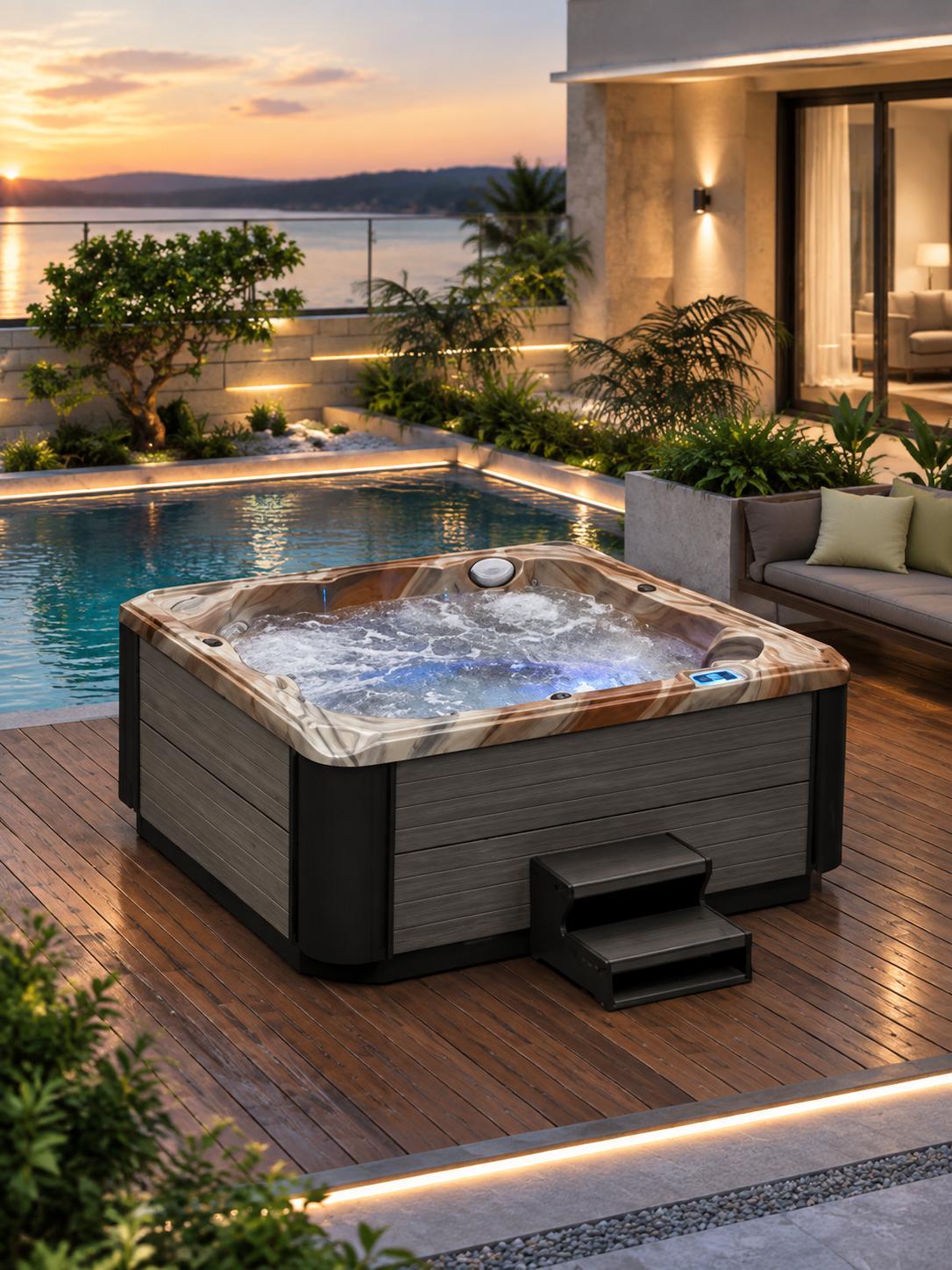
Placement affects more than aesthetics. Outdoor installations, whether on a wooden deck, stone patio, or villa backyard, need to account for weather exposure, drainage, and structural load, since a filled unit carrying over a thousand liters of water is considerably heavier than it looks empty.
Indoor installations, common in hotel gyms and rehabilitation centers, shift the concern toward ventilation and humidity control instead. A hotel gym setup, for example, benefits from the recovery function of a hydrotherapy unit after workouts, but that same room needs adequate airflow to manage the moisture a large water feature generates continuously.
Seaside homestays present a middle case. The relaxation value is high, given the view and ambiance, but salt air accelerates wear on exposed metal components, making cabinet material and hardware finish more relevant to longevity than in an inland setting.
Nobody enjoys thinking about sanitization systems until the water turns cloudy. Ozone-based sanitization, built into units like the BD-004, reduces the chemical load needed to keep water clean, which in turn reduces the frequency of manual maintenance tasks.
That said, ozone systems supplement rather than replace basic water care. Filter pumps still need regular cleaning, and water chemistry should be checked on a routine schedule regardless of what sanitization technology sits behind the scenes. Treating an ozone system as a substitute for any maintenance is a common misunderstanding, and one that shortens equipment lifespan when left uncorrected.
Does a resistance swim spa provide the same workout as swimming in a full-length pool?
It provides a comparable cardiovascular workout for stroke practice and endurance training, since the resistance is adjustable and continuous. It does not replicate open-water turns, diving, or true distance swimming.
Can a hydrotherapy spa like the BD-004 also function as a swim spa?
No. Units built around seated massage jets and six-person capacity, such as the BD-004 with its 35-jet layout, are designed for hydrotherapy relaxation rather than counter-current swimming.
How much space does a typical swim spa installation require?
Considerably less than a lap pool, though exact footprint varies by manufacturer and model. Always check full unit dimensions, including cabinet width, before finalizing a location.
Do these systems work outdoors year-round?
Many units are rated for both indoor and outdoor use, but cold-climate installations should confirm heating capacity and insulation are adequate for winter operation.
What certifications should I look for when comparing units?
Look for recognized electrical and safety certifications such as CE, CB, SAA, or CTUVus, which confirm the unit has been independently tested against established safety standards.
The decision ultimately comes down to matching the equipment to the actual activity you want. A resistance swim spa serves swimmers and rehabilitation users who need sustained current-based training in a limited footprint. A hydrotherapy-focused unit, built around multiple massage jets and comfortable seating, serves a different goal entirely: recovery, relaxation, and shared use among family or guests.
For us, and for manufacturers across this space, the responsibility is making that distinction clear before a customer commits to an installation. Whether the end goal is triathlon training in a converted side yard or a quiet recovery soak after a hotel gym session, getting the category right from the start saves both money and disappointment. A resistance swim spa is a genuine solution to the space problem that keeps so many people from swimming regularly, but only when the buyer confirms it’s actually built for that purpose.
How to Choose the Right Plug-In Hot Tub for Your Home
Creating a backyard or indoor relaxation space has never been easier thanks to modern plug in hot tubs. These convenient spas offer the perfect combination of comfort, therapy, and ease of installation. Whether you are looking for a compact rectangular hot tub or a big hot tub to entertain family and friends, understanding the options available through trusted hot tub dealers can help you make the right investment. fspa provides expert guidance on selecting the ideal hot tub, including insights on features, size, and the benefits of owning the biggest hot tub possible for your space.
A plug in hot tub is designed for convenience and accessibility. Unlike traditional hot tubs that may require specialized plumbing or electrical connections, plug-in models only need a standard power outlet, making them perfect for homeowners who want a hassle-free installation. This flexibility allows them to be placed indoors or outdoors, on patios, decks, or even in enclosed wellness spaces.
For those considering a rectangular hot tub, the shape offers a sleek, modern look that integrates well with decks and landscaped areas. Rectangular designs often maximize seating and legroom, allowing more users to enjoy the spa comfortably. While compact in appearance, these tubs are engineered for full hydrotherapy, featuring strategically placed jets that target sore muscles and improve circulation.
If you want to accommodate multiple people or host gatherings, a big hot tub provides ample space and comfort. These larger models are designed for families or social use, making them perfect for backyard entertainment. The biggest hot tub available can seat multiple adults comfortably, featuring deep soaking areas, advanced jet systems, and optional features such as LED lighting, waterfalls, and ergonomic seating.
When choosing a plug in hot tub, working with reliable hot tub dealers is crucial. Experienced dealers can provide advice on sizing, features, and maintenance, helping you select a spa that meets both your space and lifestyle requirements. fspa emphasizes that selecting the right dealer ensures proper installation, warranty support, and ongoing service for your investment.
Additionally, plug-in hot tubs are energy-efficient and cost-effective. They use standard electrical outlets and typically consume less energy than larger, hardwired models. Whether you opt for a rectangular hot tub or a big hot tub, energy efficiency and ease of use make plug-in models an attractive option for many homeowners.
Rectangular hot tubs are highly versatile and designed for both therapeutic use and social enjoyment. Their straight edges allow them to fit neatly against walls or decking, providing a modern, minimalist aesthetic. Many models include multiple jets, ergonomic seating, and built-in filtration systems that simplify maintenance while delivering a premium spa experience.
A big hot tub offers similar benefits but on a larger scale. Larger models allow for group relaxation, hydrotherapy, and family use. They often include adjustable jets, customizable seating, and advanced heating systems, ensuring consistent water temperature and maximum comfort. Some of the biggest hot tubs on the market can accommodate six or more people, making them the ultimate choice for entertaining or large families.
When selecting a plug in hot tub, consider your lifestyle and space. Smaller homes or apartments may benefit from a compact rectangular design, while larger backyards can accommodate a big hot tub or even the biggest hot tub available. Working with knowledgeable hot tub dealers ensures that you select the right model for your intended use.
Another key factor is maintenance. Modern rectangular hot tubs and big hot tubs often feature automated cleaning systems, energy-efficient heaters, and easy-to-use controls. This reduces the time and effort required to maintain clean, safe water while preserving the spa’s longevity. fspa recommends choosing a plug-in model that balances size, features, and convenience for long-term satisfaction.
Finally, a plug in hot tub can transform any space into a private wellness retreat. Whether placed on a deck, patio, or inside a wellness room, these spas provide hydrotherapy benefits that reduce stress, improve circulation, and promote overall relaxation. With a variety of options from trusted hot tub dealers, homeowners can enjoy the luxury of a personal spa with minimal installation challenges.
A plug in hot tub is an excellent investment for homeowners seeking convenience, comfort, and wellness. Whether you choose a rectangular hot tub for a sleek design or a big hot tub to entertain family and friends, these spas offer versatile options for any space. The biggest hot tub models provide ample seating, advanced features, and luxury experiences, while compact options maximize hydrotherapy benefits in smaller spaces.
By consulting with reputable hot tub dealers and exploring top-quality models through fspa, homeowners can ensure a long-lasting, enjoyable spa experience. A well-chosen plug-in hot tub transforms your backyard or indoor space into a personal retreat, delivering relaxation, social enjoyment, and wellness benefits for years to come.
A plug in hot tub is a spa that operates using a standard electrical outlet, allowing easy installation and placement indoors or outdoors without specialized wiring.
Rectangular hot tubs offer a modern aesthetic, ergonomic seating, and efficient use of space, making them ideal for both indoor and outdoor installations.
A big hot tub can comfortably seat four or more adults and often includes deep soaking areas, multiple jets, and advanced heating systems. The biggest hot tub models may accommodate six or more people.
Trusted hot tub dealers provide high-quality models, installation support, warranty service, and guidance on choosing the right spa for your space and needs.
Yes, modern plug in hot tubs, including big hot tubs, offer full hydrotherapy benefits, energy efficiency, and advanced features similar to larger hardwired spas.
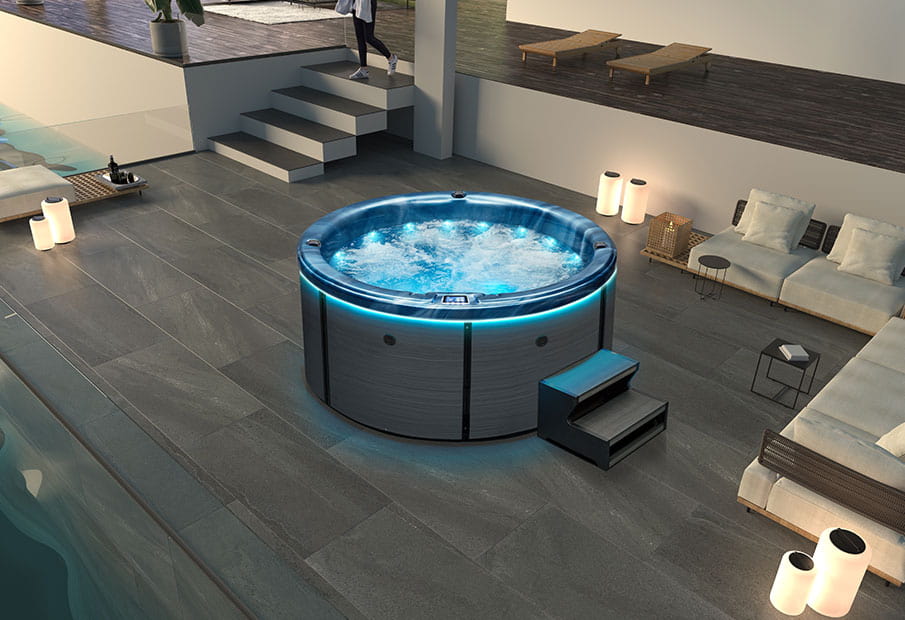
The Fspa BD-009Pro Hot Tub, a compact 2000x900mm spa for up to 6 adults, combines power and efficiency with luxurious features like a 7.97kW system, 50 water & 20 air bubble jets, LED lighting, and music speakers, making it ideal for residential and small commercial spaces.
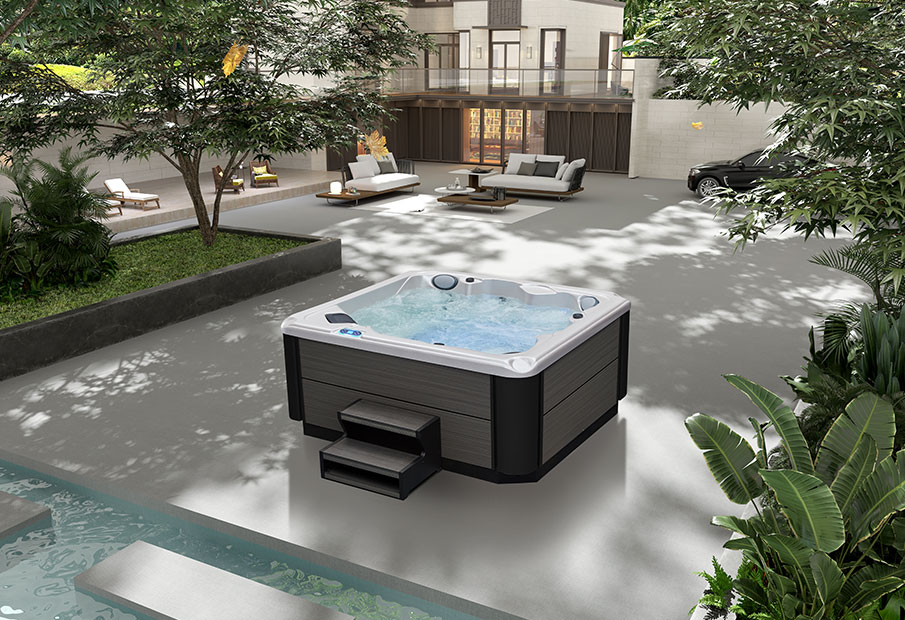
Our Fspa BD-007 Hot tub, measuring 2160x2160x900mm and accommodating 5 adults, combines luxury and comfort with a robust control system, powerful massage jets, sanitized water, ambient LED lighting, adjustable pillows, and energy efficiency, making it perfect for wellness enthusiasts in both residential and commercial settings.
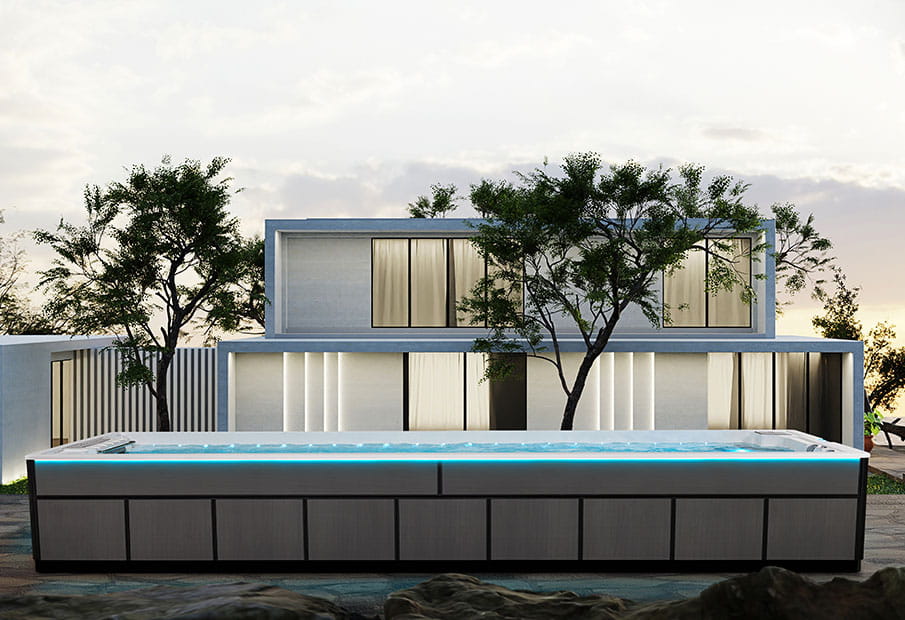
This product is a comprehensive and advanced swimming pool system, equipped with a range of features including a 9950mm x 3000mm x 1430mm size, a powerful Infinipool swimming system of 11kW, multiple water pumps, heaters, filters, and jets for a superior swimming and therapeutic experience, totaling 16.95kW in power, with optional enhancements like energy-saving covers and a 10Hp heat pump available.
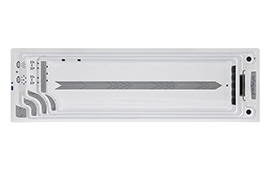
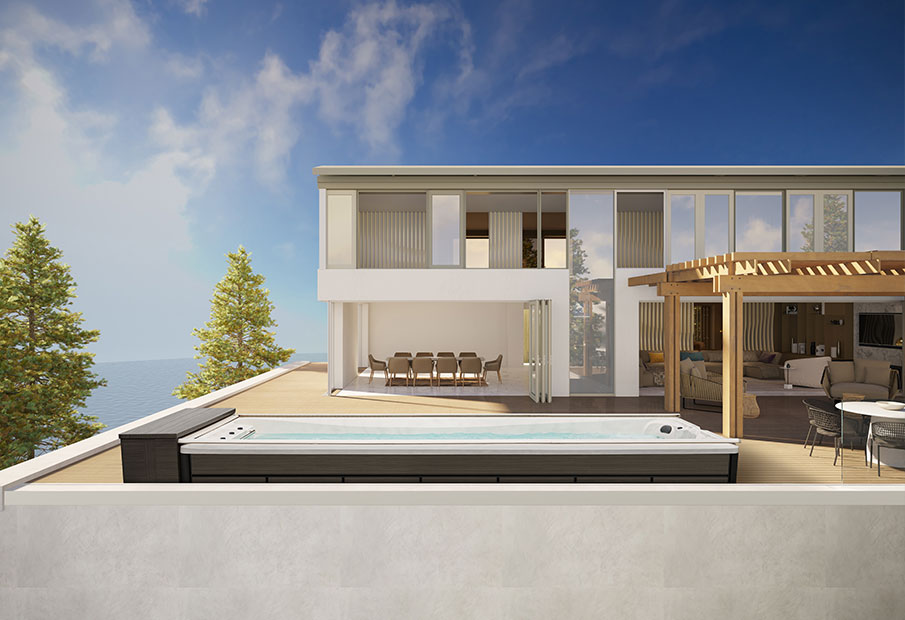
The Infinipool Fspa IP-004 is a luxurious, spacious, and technologically advanced swimming pool.
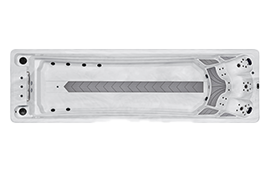
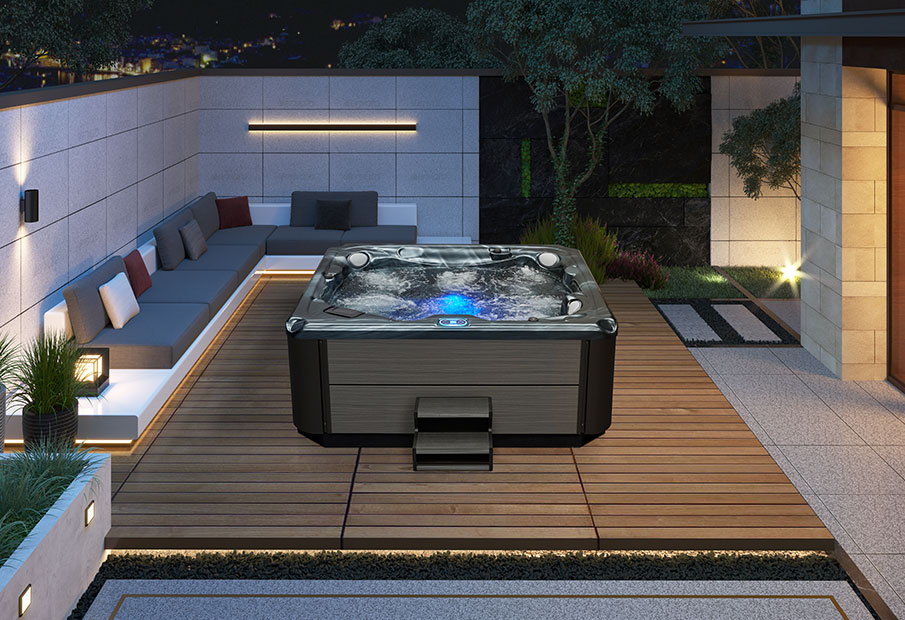
The Fspa BD-005 hot tub, accommodating 6 adults with advanced features including a 2.2kW massage pump, 0.35kW filter pump, 3kW heater, 42 jets, and ozone purification, offers ultimate relaxation in a spacious 2530x2300x900mm pool.
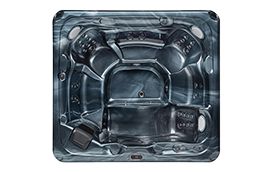
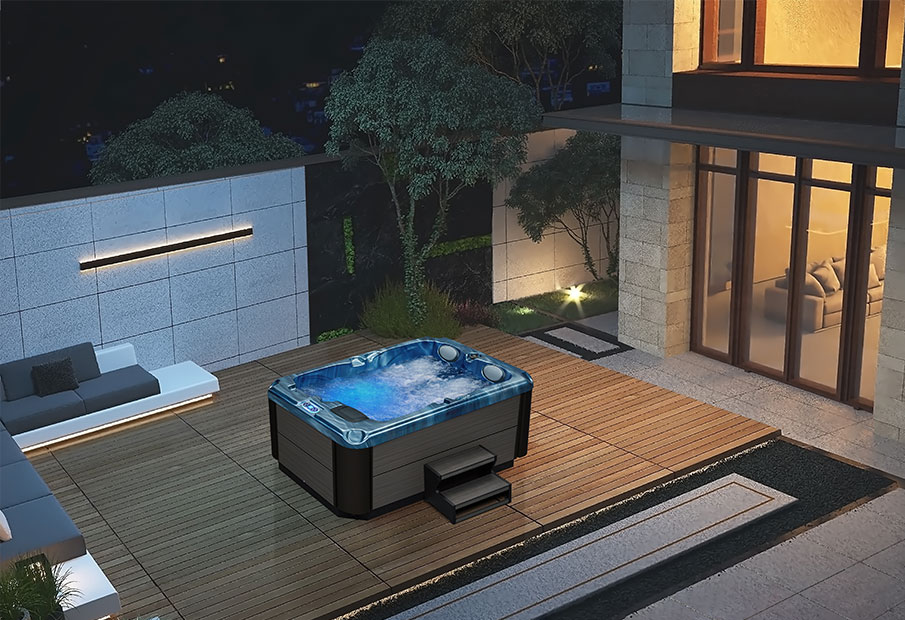
The Fspa BD-011 hot tub, designed for luxurious relaxation, offers a spacious interior for 6 adults, powerful pumps and heater, strategic jet placement, soothing LED lighting, adjustable features, and easy maintenance, making it the ultimate choice for both residential and commercial use.
PRODUCTS
INQUIRY
Thank you for your message!Our Chinese New Year holiday from 7th Feb to 28th Feb. Apologise to make your inconvenience so that responses may be delayed during this period. We'll back to you with regular service on 2th March .Thank you for understanding.


