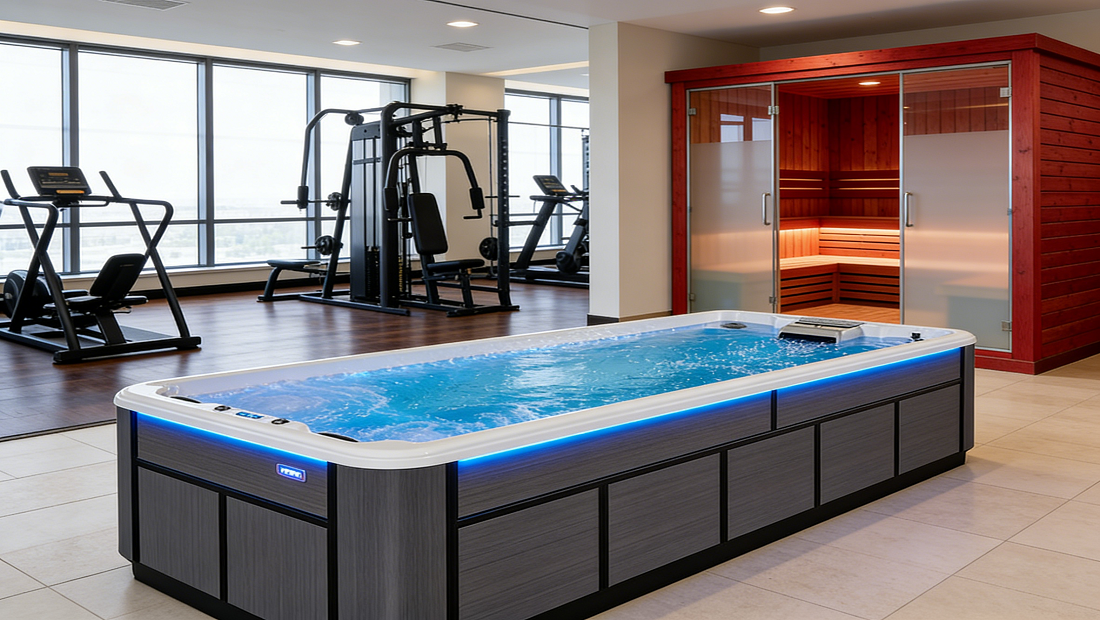
In today’s fast-paced world, finding a moment to unwind is essential for both mental and physical well-being. A jacuzzi spa offers the perfect solution for this need, combining luxurious comfort with therapeutic benefits. From outdoor jacuzzi tubs to stylish garden spas, modern spas are designed to elevate your home experience and provide a private retreat from daily stresses.
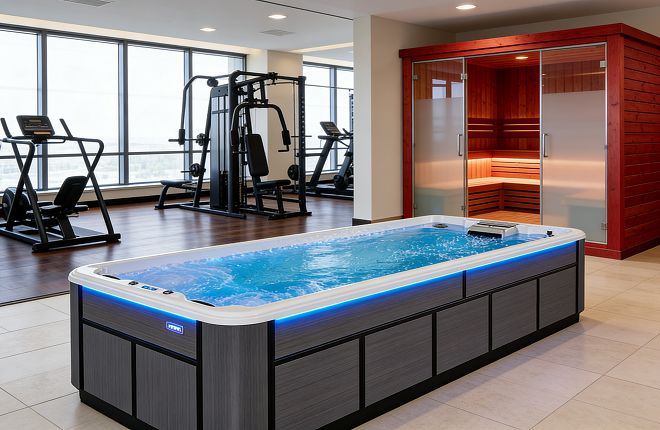
Installing an outdoor jacuzzi tub in your backyard or garden is more than a statement of luxury—it’s an investment in your health and lifestyle. Unlike traditional bathtubs, a spa tub provides a unique blend of hydrotherapy and relaxation. The warm water, combined with strategically placed jets, helps soothe sore muscles, reduce tension, and improve circulation.
Beyond the physical benefits, an outdoor spa enhances the aesthetic appeal of your outdoor space. Imagine soaking under the stars, surrounded by your garden’s natural beauty. Whether you choose a 2 person jacuzzi tub for intimate relaxation or a larger design for family and friends, there’s an option to suit every setting.
Modern garden spas are crafted with high-quality materials that resist weathering, ensuring durability and longevity. Many models come with energy-efficient heating systems, allowing you to enjoy a warm soak even during cooler months. The combination of style, functionality, and wellness benefits makes jacuzzi spas an increasingly popular addition to homes around the world.
Selecting the ideal spa tub requires careful consideration of your space, lifestyle, and desired features. First, think about where you want to place your outdoor spa. Decks, patios, and garden corners are popular locations, providing both accessibility and scenic views.
Next, consider the size and capacity of the tub. A 2 person jacuzzi tub is perfect for couples or small spaces, while larger jacuzzi spas can accommodate families or entertaining guests. When choosing a model, pay attention to the number and placement of jets, seating ergonomics, and control features. High-quality garden spas also offer insulated covers and advanced filtration systems to maintain clean, safe water.
Maintenance is another crucial factor. Although jacuzzi spas are designed for convenience, regular cleaning and water care ensure your spa tub remains hygienic and operates efficiently. Many brands now offer easy-to-use water care systems and durable finishes that simplify upkeep, making your outdoor jacuzzi tub a hassle-free luxury for years to come.
Investing in a jacuzzi spa not only provides relaxation but also enhances your home’s value. Well-designed outdoor spas create a serene, resort-like ambiance that impresses visitors and elevates your everyday living experience. With so many options for spas for sale, you can find a model that perfectly matches your design aesthetic and functional needs.
A jacuzzi spa is more than a luxury—it’s a lifestyle choice. Whether you opt for an outdoor jacuzzi tub, a cozy 2 person jacuzzi tub, or a spacious garden spa, these spa tubs offer unparalleled relaxation, health benefits, and style. By incorporating a spa tub into your home, you create a personal retreat that supports well-being and provides a sanctuary for unwinding after a long day. Discover the perfect jacuzzi for sale today and elevate your home experience with the ultimate in comfort and luxury.
A: A jacuzzi spa features built-in jets that provide hydrotherapy benefits, while a regular bathtub is designed primarily for bathing. Spas offer relaxation, improved circulation, and muscle relief.
A: Yes, compact models are specifically designed for smaller spaces without compromising on comfort or performance.
A: Regular water testing, cleaning filters, and covering the spa when not in use ensures longevity and hygiene. Many modern spa tubs come with easy-maintenance features.
A: Many modern jacuzzi spas include insulated covers, energy-saving pumps, and heating systems, reducing energy consumption while keeping water warm.
A: Absolutely. Well-insulated outdoor jacuzzi tubs and advanced heating systems allow you to enjoy your spa even in cooler weather.
This article is optimized for a brand site: it highlights all your target keywords naturally (jacuzzi spa, outdoor jacuzzi tub, garden spas, outdoor spa, jacuzzi for sale, spa tub, spas for sale, 2 person jacuzzi tub), avoids price-related content, and provides a structured, informative read.
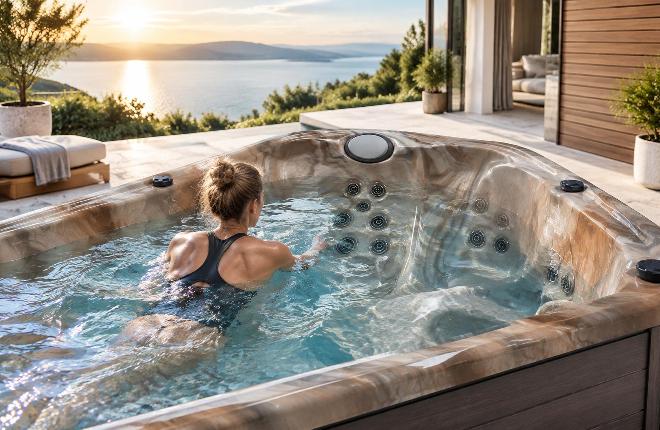
What Makes a Swim Spa Effective for Serious Exercise
Anyone shopping for the best swim spa for exercise usually starts with the same frustration. A backyard pool takes up too much space, costs too much to heat, and sits unused for half the year. A swim spa solves that math problem by compressing resistance training, recovery, and hydrotherapy into one compact footprint. The exercise angle matters here because not every spa on the market is built for it.
Most portable spas are designed around stillness. You sit, the jets hit your shoulders, you relax. Exercise-oriented models flip that logic. They need enough jet output and seating variety to support active movement, not just passive soaking. That distinction separates a genuine training tool from a glorified hot tub with a marketing label attached.
The number and placement of jets is the first thing to check, because it directly affects whether a spa can double as a resistance trainer. A unit like the BD-004, for example, uses 35 targeted massage jets spread across a 6-person shell, which gives enough coverage to work large muscle groups during movement, not only during stationary soaking.
More jets don’t automatically mean better performance, though. Placement matters more than sheer count. Jets clustered around the lower back and calves support recovery after a run. Jets positioned near shoulder and hip seating support resistance work during light aquatic exercise. A well-designed layout accounts for both.
Pump power ties directly into this. A spa running on a 5.55kW total system, split between a 2.2kW massage pump and a 0.35kW filter pump, has enough hydraulic force to maintain strong jet pressure even with multiple seats active at once. Weaker systems lose pressure quickly once more than one or two seats draw water simultaneously.
Buyers focus heavily on jets and horsepower, but seat geometry decides whether a session actually feels productive or just uncomfortable. Contoured seating that follows the spine’s natural curve keeps posture stable during longer sessions, which matters if you’re doing stretching or light resistance movement rather than sitting still.
Headrests deserve more attention than they get. According to the product’s design details, its headrest and pillow system uses soft, supportive material intended to align the neck and spine during use. Without that kind of support, users tend to tense their shoulders to compensate, which defeats the purpose of a recovery-focused soak.
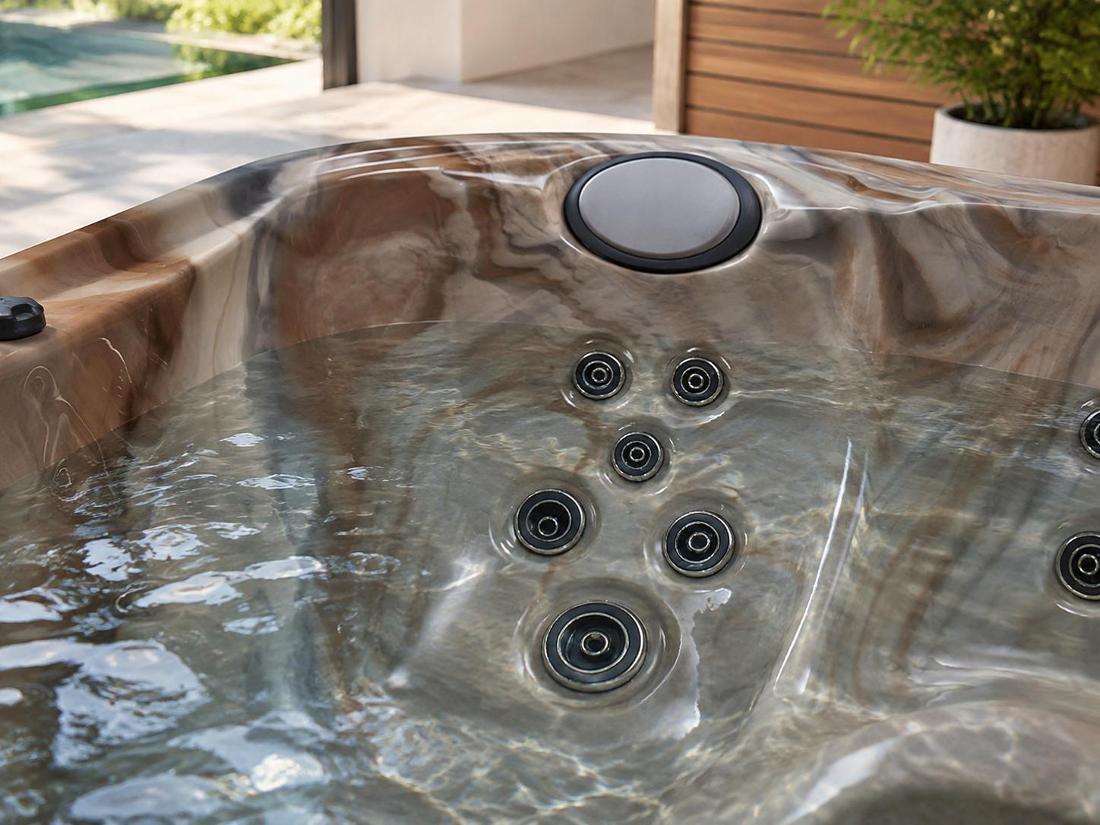
This is one area where the difference between a training-focused spa and a purely recreational one becomes obvious. It’s not about extra features. It’s about whether the shape of the tub matches how a human body actually moves in water.
Swim spas marketed for exercise still need to justify their footprint. A 6-person unit measuring roughly 2350 x 2350 x 900mm, holding around 1450 liters of water, occupies a fraction of the space a lap pool would need. That’s the core appeal for hotels, wellness centers, and backyard installations where square footage is limited.
Weight matters too, particularly for rooftop terraces or elevated decks. A net weight around 317kg, before water fill, is a reasonable baseline for structural planning. Anyone installing on a wooden deck or balcony should confirm load capacity with a structural engineer before final placement, since water weight adds substantially once filled.
| Specification | Detail |
|---|---|
| Capacity | 6 Adults |
| Dimensions | 2350 x 2350 x 900mm |
| Total Power | 5.55kW |
| Massage Pump | 2.2kW x 1pc |
| Filter Pump | 0.35kW x 1pc |
| Heater | 3kW x 1pc |
| Jet Count | 35 |
| Water Capacity | 1450L |
| Net Weight | 317kg |
Exercise spas get used more often than decorative ones, which means water quality management becomes a bigger factor than most buyers initially expect. An integrated ozone sanitization system reduces the manual chemical balancing that traditional chlorine-only setups demand. Ozone breaks down organic contaminants introduced by sweat and skin oils, which accumulate faster in a spa used for regular training sessions.
This doesn’t eliminate maintenance entirely. Filters still need periodic cleaning, and water chemistry still needs occasional checking. What it does is stretch the interval between deep maintenance sessions, which matters for commercial settings like hotel gyms where downtime translates directly into lost guest access.
LED lighting often gets dismissed as a cosmetic add-on, but its role in recovery-focused spas is more grounded than that. Bottom-positioned blue LED lighting, as used in the BD-004’s lighting layout, creates a calm visual environment that, according to the product’s design intent, supports a sense of mental well-being after physical exertion. This matters because recovery isn’t purely physiological. The nervous system needs cues to shift out of a stressed state, and dim, consistent lighting is one of the simpler ways to support that transition.
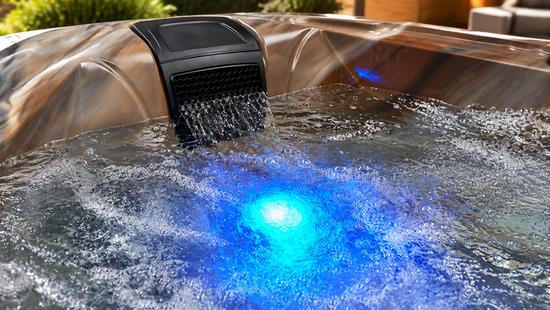
For evening sessions after a workout, this lighting also removes the need for external lighting setups, which is a practical convenience for outdoor installations without extensive landscape lighting already in place.
Selecting a spa isn’t a one-size-fits-all decision. The right choice depends heavily on where and how it will be used.
Matching the spa’s design intent to the actual use case avoids the common mistake of buying based on aesthetics alone, then discovering the jet layout or seating doesn’t support the intended activity.
A hotel gym setting benefits from a spa that supports post-workout muscle recovery in a calm environment, giving guests a wellness amenity that differentiates the property without requiring a full spa facility buildout. A villa’s backyard installation, on the other hand, often functions as a visual centerpiece as much as a functional recovery tool, particularly for evening use under lighting.
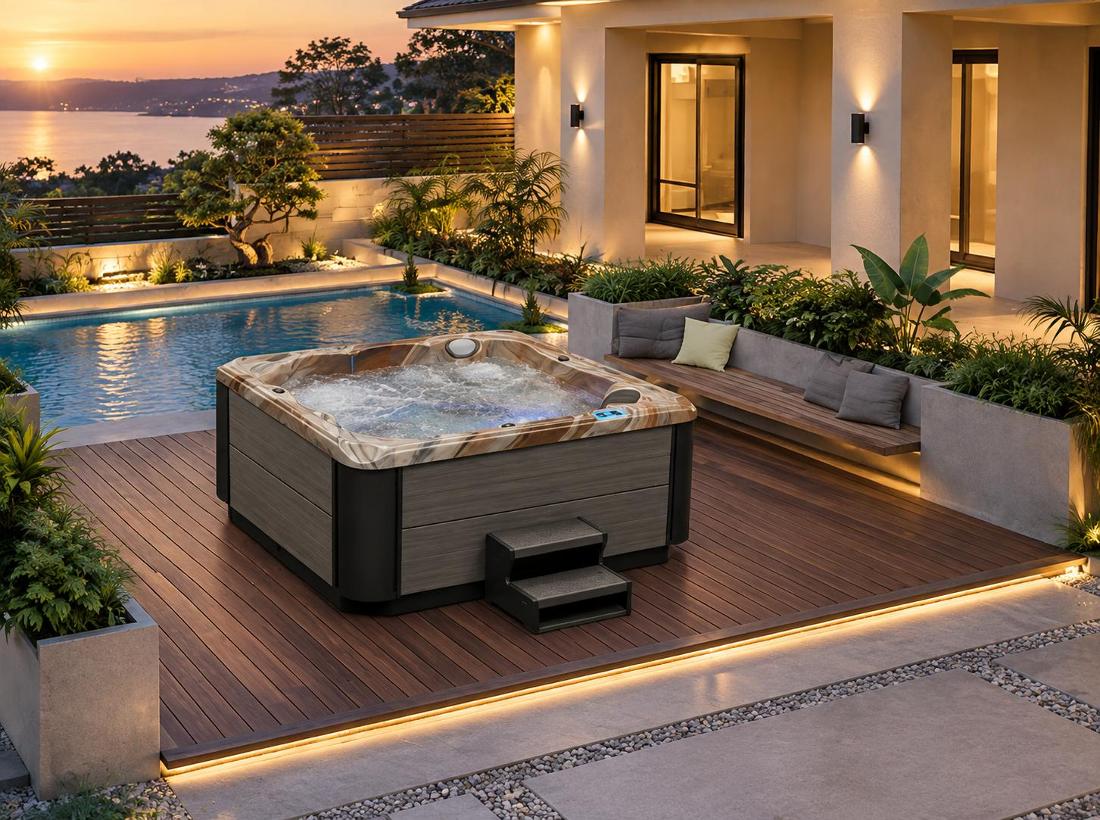
Seaside homestays present a slightly different case. Guests arriving after long travel benefit from hydrotherapy paired with a scenic view, which is why coastal properties increasingly install spas as a retention feature rather than a one-off luxury add-on.
Can a 6-person swim spa actually support real exercise, or is it just a large hot tub?
It depends on jet placement and pump power rather than size alone. A spa with strong, well-distributed jets and supportive seating can facilitate light resistance movement and stretching, though it’s not a substitute for a full lap pool if swimming distance is the goal.
How often does the water need to be changed in a spa used for frequent workouts?
This varies by usage frequency and local water conditions, but ozone sanitization systems generally extend the interval compared to units without them. Regular filter checks remain necessary regardless of the sanitization method.
Is outdoor installation on a deck safe for a spa this size?
Only if the deck’s load rating accounts for the combined weight of the shell, structure, and full water capacity. A structural assessment before installation is the safer approach, especially for elevated or older decking.
Does LED lighting affect energy consumption significantly?
LED systems draw comparatively little power next to heating and pump components, so their impact on overall energy use is minor relative to the heater’s 3kW draw.
Finding the best swim spa for exercise comes down to matching hydraulic performance, seating ergonomics, and maintenance systems to the way you actually intend to use it. A spec sheet full of impressive numbers means little if the jet layout doesn’t suit active movement, or if the seating leaves your back unsupported after twenty minutes.
For buyers evaluating options like the BD-004, the combination of a 5.55kW power system, 35-jet coverage, and integrated ozone sanitization reflects a design built around regular, active use rather than occasional soaking. That’s the real test for anyone comparing the best swim spa for exercise against standard recreational models: does the equipment hold up to repeated, purposeful use, or was it only ever meant for sitting still.
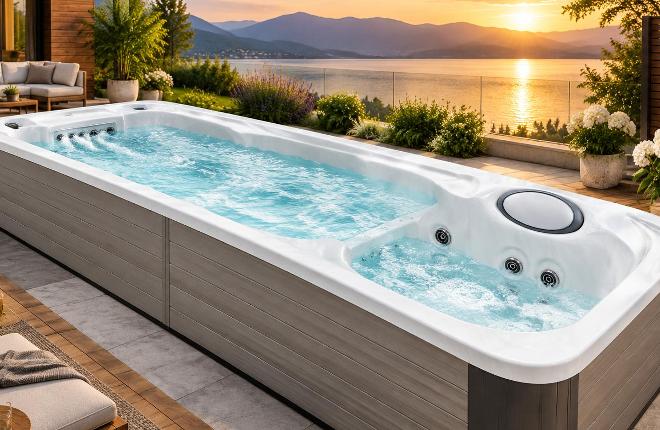
Dual Zone Swim Spa Price: What Actually Drives the Cost
Shopping for a dual zone swim spa means comparing two very different jobs bundled into one tank. One end handles swim currents or exercise resistance, the other holds a hydrotherapy seating area for soaking. That split function is exactly why dual zone swim spa price tags vary so widely, and why buyers often feel lost comparing quotes. This guide breaks down what you’re paying for, so the number on a spec sheet actually means something.
A standard hot tub only needs one pump system and one shell cavity. A dual zone swim spa needs separate plumbing loops, often separate pump groups, and a shell mold large enough to physically fit both an open swim lane and a seated hydrotherapy bay. That’s more acrylic, more structural bracing, and more labor at the factory.
Heater sizing is another cost driver. A single-zone hot tub might run comfortably on a 3kW element. A unit with a larger water volume split across two zones needs either a bigger heater or a longer heat-up cycle, and buyers frequently underestimate this until their utility bill arrives.
Filtration also scales with volume. More water means the filter pump and ozone system have to work harder to keep both zones clear, which is one reason manufacturers spec dedicated filter pumps rather than relying on the main jet pump to double as a filtration engine.
Sellers love listing jet counts and horsepower, but those numbers don’t tell you much on their own. What actually matters is how the power is distributed across the unit and whether the components match the water volume they’re serving.
Take the Fspa BD-001 as a reference point, even though it’s a single-zone hydrotherapy spa rather than a swim spa. It seats 6 adults in a 2100x2100x900mm shell holding 1000L of water, powered by a 2.2kW massage pump running 31 jets, a 0.35kW filter pump, and a 3kW heater. That’s roughly 5.55kW total output for one zone. Scale that logic to a dual zone swim spa, and you start to see why total power specs climb fast once a swim lane is added.
When comparing quotes, check these figures side by side rather than trusting a single "total power" number:
| Component | What to Check | Why It Matters |
|---|---|---|
| Massage/Jet Pump (kW) | Power output per zone | Determines hydrotherapy intensity |
| Filter Pump (kW) | Separate from jet pump or shared | Shared pumps often mean weaker filtration |
| Heater (kW) | Sized to total water volume | Undersized heaters mean slow recovery after refills |
| Water Capacity (L) | Total across both zones | Larger volume raises both price and running cost |
| Jet Count | Placement, not just quantity | Jets clustered wrong waste pump pressure |
Price differences between two dual zone units rarely come down to one factor. It’s usually a stack of smaller decisions that add up.
Buyers who only compare sticker prices without checking this list often end up with a cheaper unit that needs earlier pump replacement or heater upgrades, which erases any upfront savings within a few years.
It’s tempting to treat headrests and seating contours as cosmetic extras. They’re not. Spending 20 minutes in a hydrotherapy seat with a flat backrest feels noticeably different from sitting in one shaped around the spine.
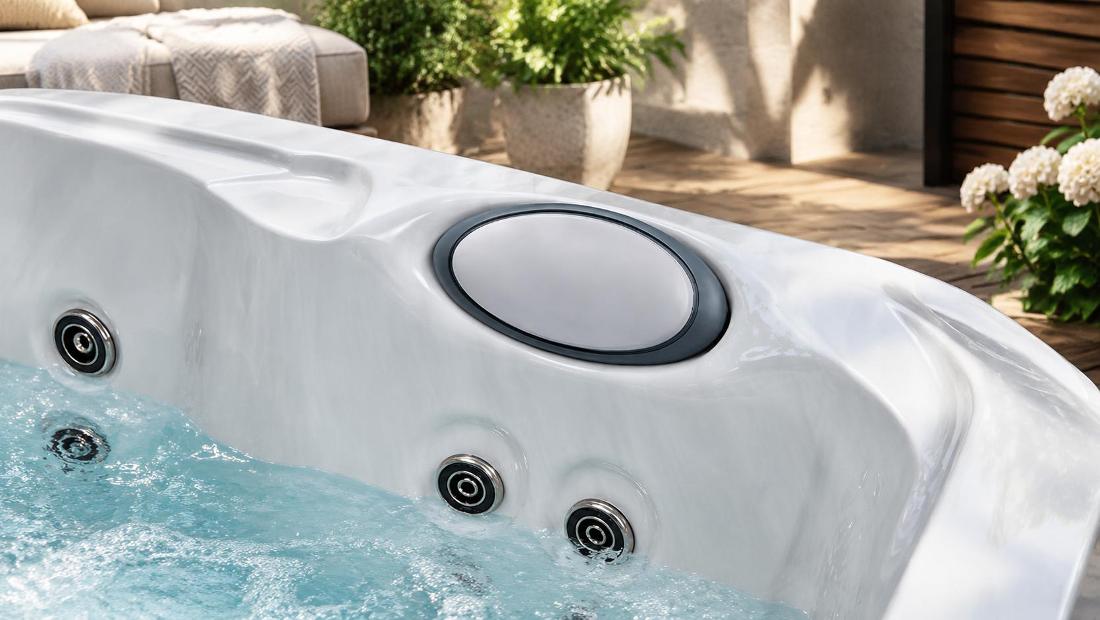
On the BD-001, the four integrated pillows are positioned to support the neck and align the spine, which matters most for anyone using the spa for muscle recovery rather than casual soaking. Dual zone swim spas that skip this detail on the hydrotherapy side often feel like an afterthought bolted onto a swim tank, rather than a properly considered wellness feature.
Ambient lighting doesn’t affect hydrotherapy performance, but it changes how a spa gets used. Blue LED lighting at the base of a shell, paired with a biomagnetic system, creates the kind of evening atmosphere that turns a spa from an exercise tool into a place people actually want to relax in after dark.
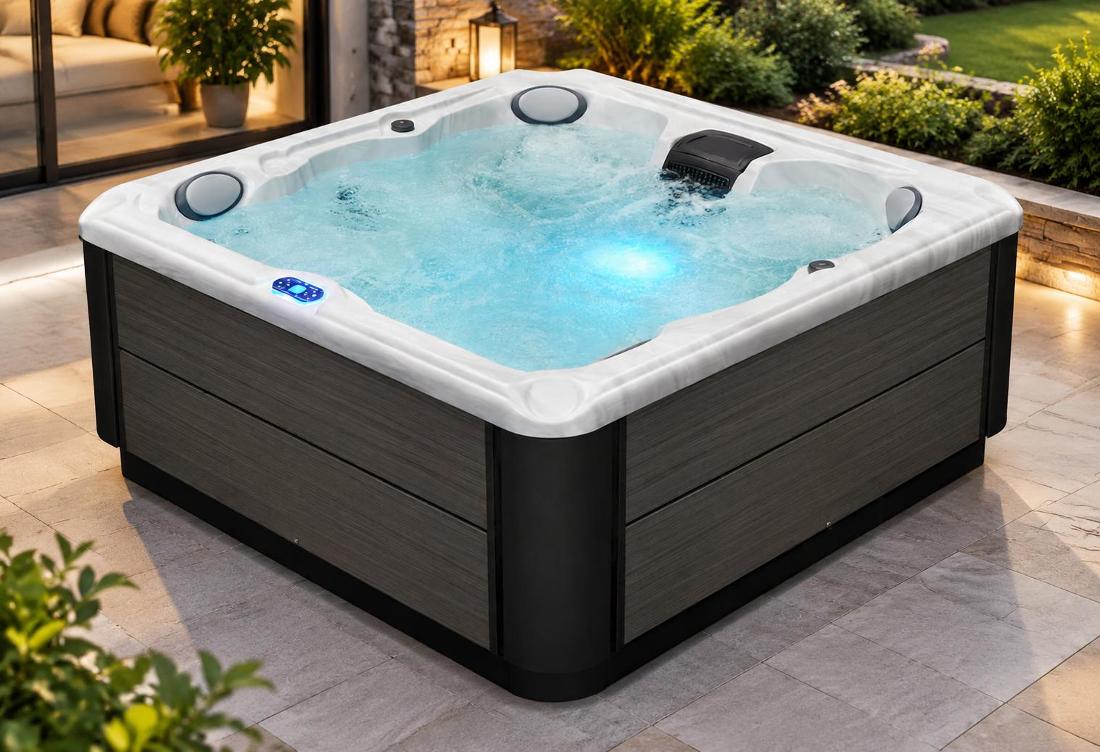
Water clarity is the less glamorous half of this equation. A dedicated filter pump paired with an ozone system, like the 0.35kW setup on the BD-001, keeps water hygienic between full drain cycles. Skipping ozone treatment to cut costs usually means more frequent chemical dosing, which is a hidden running cost that never shows up on the original price tag.
Placement changes which features matter most, and it’s worth thinking through before comparing prices further.
None of these scenarios change the underlying mechanics of a dual zone system, but they do change which upgrades are worth paying for and which ones are wasted money in that specific setting.
Does a bigger jet count always mean better hydrotherapy?
Not necessarily. Thirty jets fed by an undersized pump deliver weaker pressure than fewer jets fed by a properly matched pump. Jet placement around shoulders and lower back matters more than raw count.
Why do two spas with similar dimensions have very different prices?
Usually it comes down to certification scope, cabinet material, and whether the filter pump is dedicated or shared with the jet system. Two units can look identical on a spec sheet and still differ by thousands in build quality.
Is a higher total kW rating always better?
Higher total power usually means faster heating and stronger jets, but it also means higher running costs. The right rating depends on local climate and how often the spa gets used, not just the biggest number available.
Do certifications actually matter for a home buyer?
Certifications like CE, CB, or SAA confirm the unit met specific electrical and safety testing standards during manufacturing. They’re a reasonable proxy for build quality, even if they don’t guarantee performance.
Once the shell size, pump ratings, and certification scope are lined up side by side, dual zone swim spa price comparisons stop being guesswork. The cheapest quote on paper isn’t always the cheapest option once heater recovery time, filtration load, and cabinet durability are factored in over a few years of ownership. For us, and for most manufacturers building both swim spas and hydrotherapy units like the BD-001, the honest advice is the same: match the spec sheet to how the spa will actually be used before locking in on price alone.
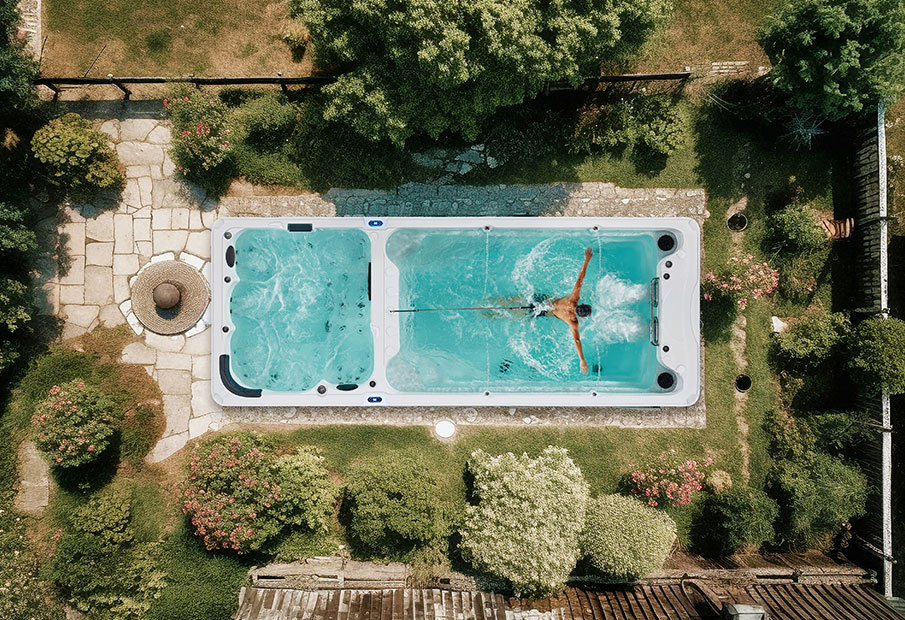
The Infinipool Fspa IP-007 enhances backyard experiences with exceptional performance, style, and a range of optional accessories.
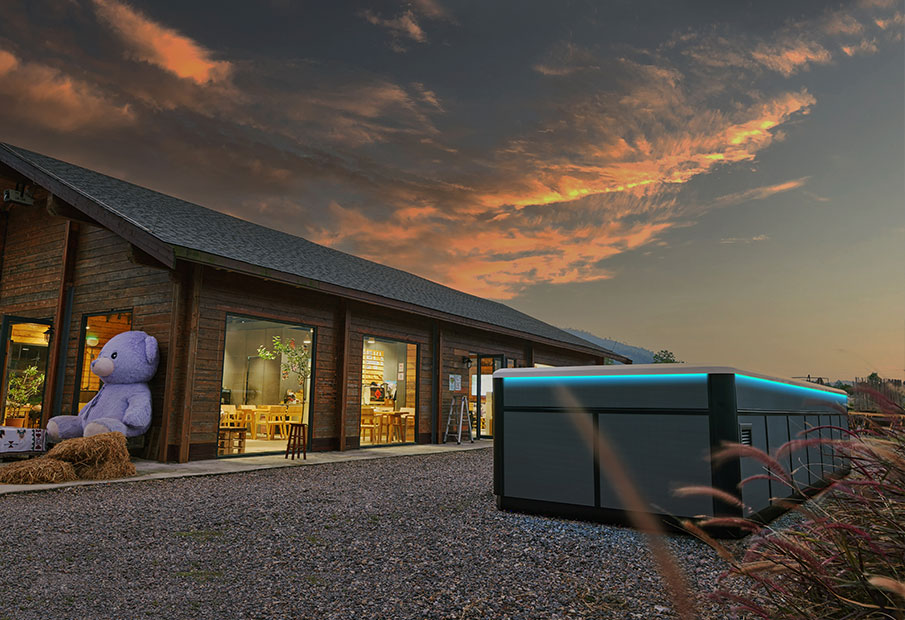
The Infinipool Fspa IP-004Pro is a luxurious, spacious hot tub with advanced features and a luxurious ambiance, perfect for both residential and commercial spa retreats.
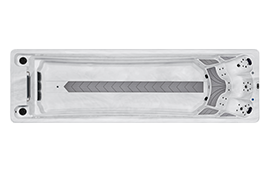
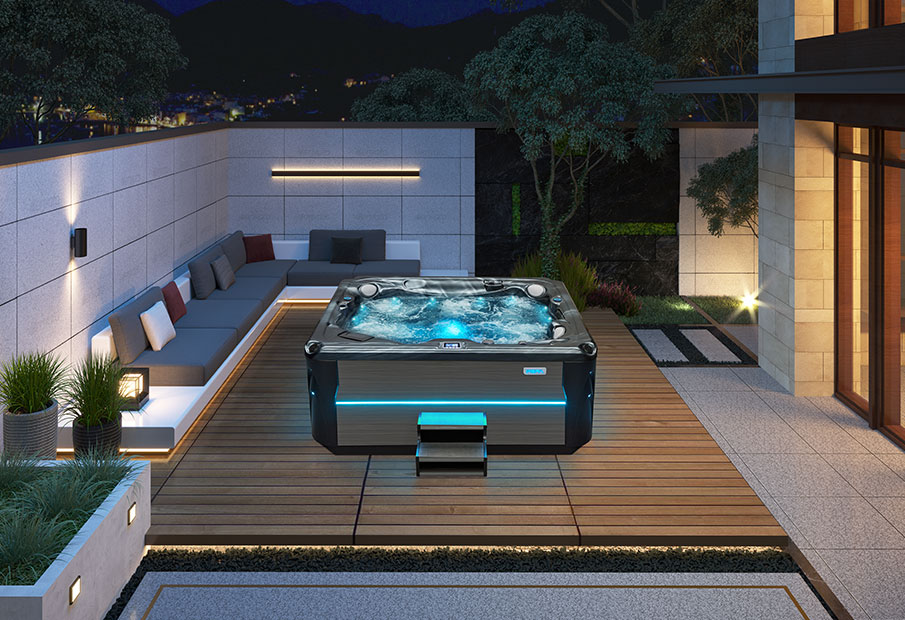
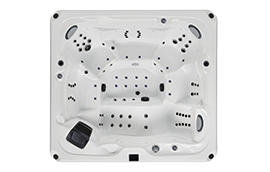
The Fspa BD-005Pro Hot Tub, accommodating up to 6 adults with a spacious 2530x2300x900mm design, boasts robust massage systems, pristine water clarity, an array of premium features, and efficient water sanitization, making it an ideal choice for both residential and commercial outdoor settings.
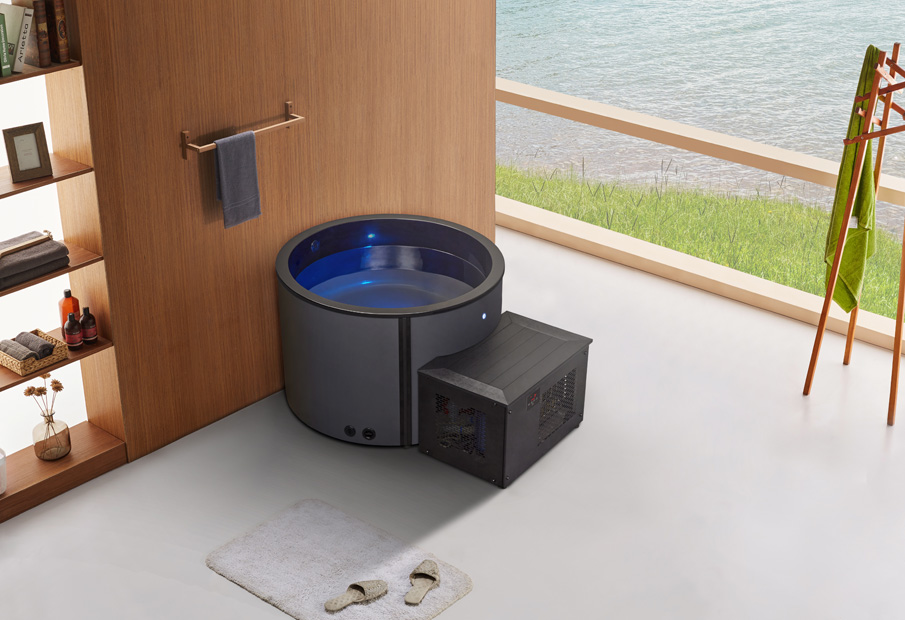
Combined design, plug and play, Include filter, circuit pump, Ozone, Ice-blue underwater light, and high-efficiency Chilling system.
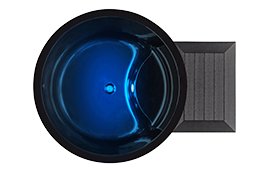
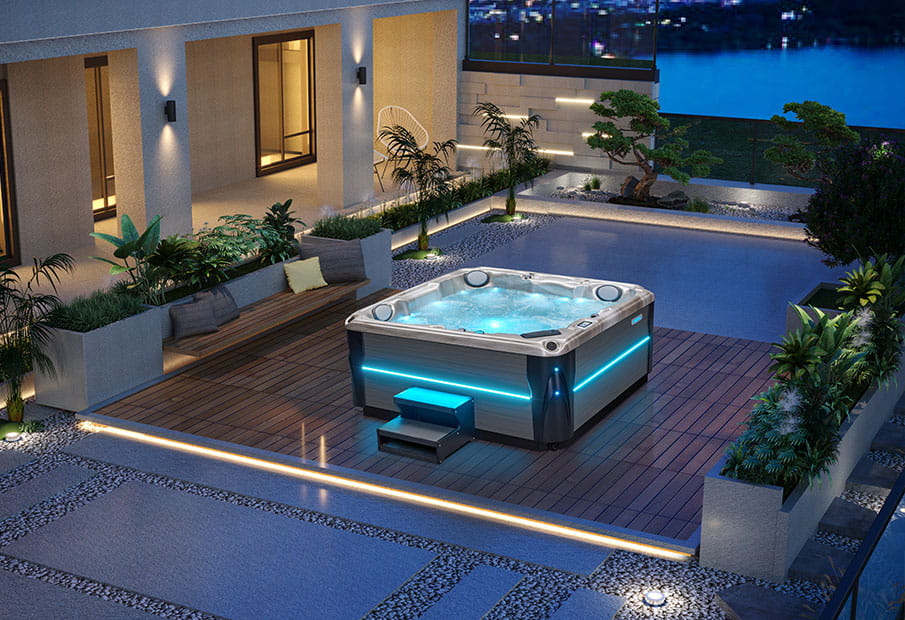
The Fspa BD-006Pro Hot Tub, with its compact spacious design for 5 adults, advanced massage system, 80 water & 18 air bubble jets, efficient heating and filtration, ozone sanitization, and sleek design, offers unparalleled luxury, relaxation, and convenience for both residential and commercial use.
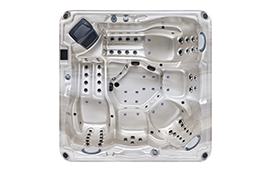
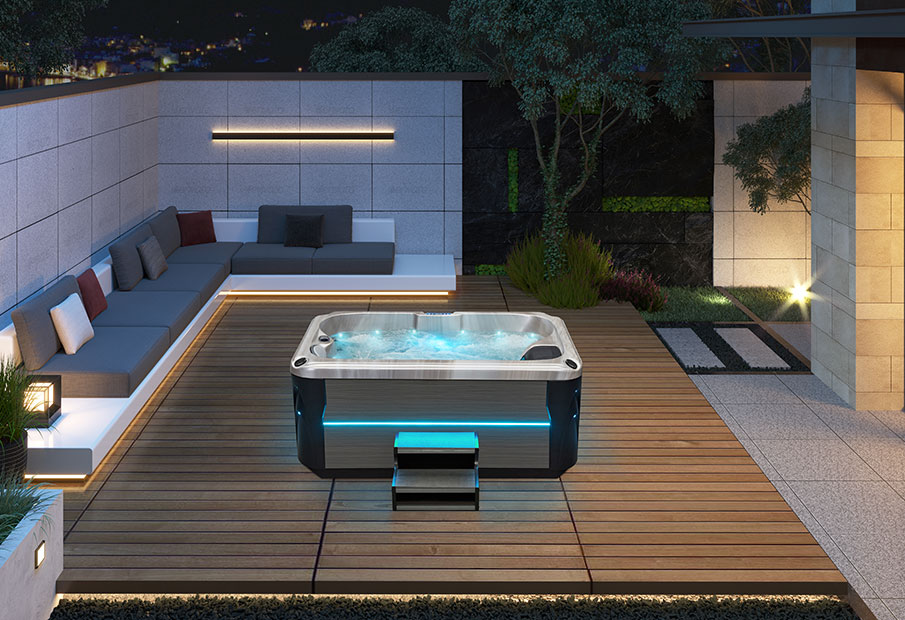
The Fspa BD-003Pro Hot Tub, offers ultimate relaxation with a robust 1.85kW massage system, pristine water filtration, 28 water & 14 air bubble jets, customizable air flow, ozone sanitization, 4 speakers, and a sleek design perfect for outdoor settings.
PRODUCTS
INQUIRY
Thank you for your message!Our Chinese New Year holiday from 7th Feb to 28th Feb. Apologise to make your inconvenience so that responses may be delayed during this period. We'll back to you with regular service on 2th March .Thank you for understanding.


