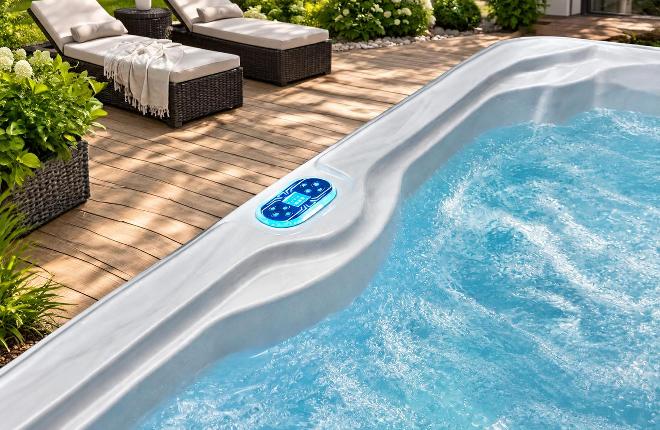
The phrase "2 seater" gets used loosely across the hot tub industry, and it causes real confusion for buyers. A true luxury 2 seater swim spa is compact by design, built for couples or small households who want hydrotherapy without dedicating a huge footprint to it. This guide walks through what actually separates a well-built compact spa from a scaled-down afterthought, using real specification data to ground the comparison.
Smaller tubs often get treated as the budget tier of the spa market. That assumption misses something important. A well-engineered 2 seater unit still needs a heater sized for its water volume, a filtration loop that keeps pace with bather load, and jet placement that accounts for exactly two body positions rather than six.
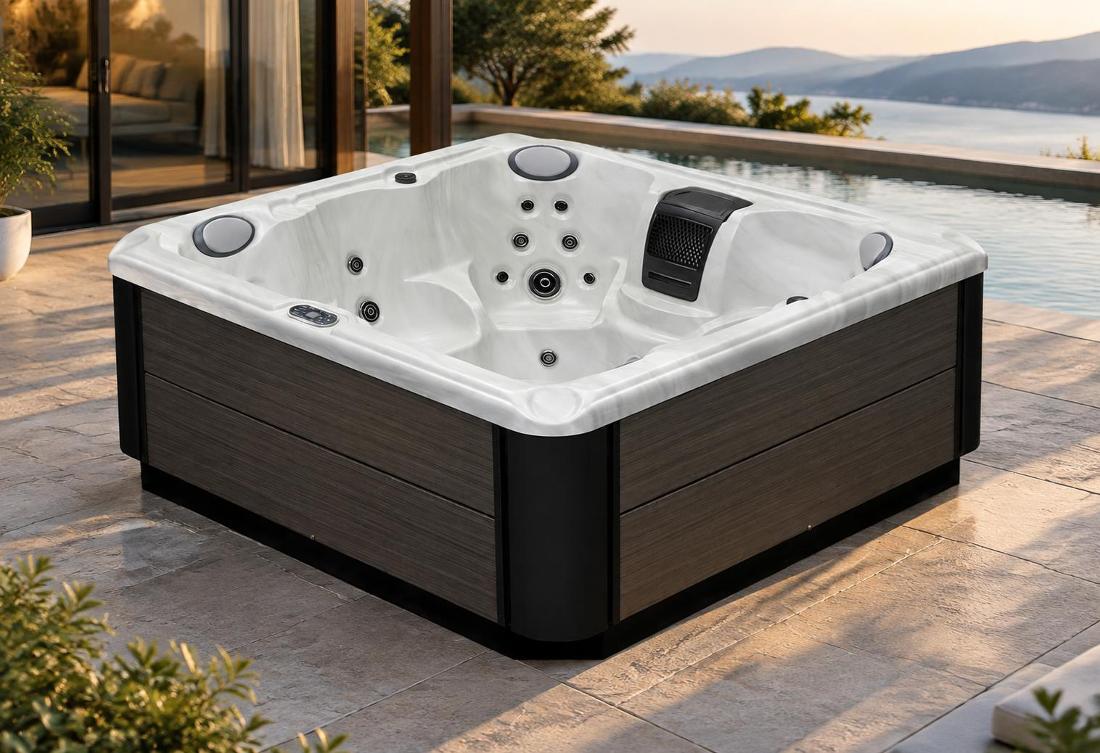
Take the jet-to-volume ratio as an example. A larger 6-person spa, like the Fspa BD-001 at 2100x2100x900mm with 1000L of water and 31 jets, spreads hydrotherapy across a wide seating perimeter. Compress that same jet count into a 2-person shell and the water gets punchier per liter, not diluted. Buyers shopping smaller units should ask about jet density relative to water volume, not just jet count alone.
The market for compact luxury spas splits into a few recognizable groups, and knowing which one you fall into changes what you should prioritize when comparing units.
Each of these buyers is really solving the same underlying problem: they want spa-grade hydrotherapy without the utility bill and plumbing commitment of a full-size unit.
Hydrotherapy quality comes down to three interacting variables, and marketing copy tends to flatten them into a single "number of jets" claim. That’s misleading on its own.
A dedicated massage pump moves water through the jet system independently of the filtration pump, which matters because it means jet pressure doesn’t drop when the filter cycle kicks in. On the BD-001, for instance, a 2.2kW massage pump drives the 31-jet array while a separate 0.35kW pump handles filtration continuously. That separation of duties is the detail worth checking on any spa, compact or not, since a shared-pump design forces a trade-off between clean water and strong jets.
For a 2-seater specifically, the practical question is whether the smaller pump specified still delivers noticeable pressure at each seat. Two people sitting closer to every jet in a tighter shell often feel more, not less, hydrotherapy intensity than they would in a diluted, larger tub.
Here’s how a compact 2-seater format stacks up conceptually against a larger multi-seat unit like the BD-001, using publicly listed specifications as a reference point for what "full-featured" looks like at scale.
| Specification | Typical 2-Seater Format | BD-001 (6-Person Reference) |
|---|---|---|
| Footprint | Roughly half the floor area | 2100 x 2100 x 900mm |
| Water Capacity | Lower, faster heat-up | 1000L |
| Heater Load | Sized to smaller volume | 3kW |
| Jet Count | Fewer jets, tighter spacing | 31 jets |
| Massage Pump | Scaled to seat count | 2.2kW |
| Filtration | Dedicated pump recommended | 0.35kW dedicated filter pump |
| Ideal Setting | Balcony, small courtyard, suite | Backyard, hotel outdoor, larger patio |
Smaller footprint doesn’t excuse skipping a dedicated filter pump. Water hygiene issues show up faster in low-volume spas because contaminants concentrate in less water, so filtration quality matters proportionally more, not less.
Seating for six has to compromise on body positioning to fit that many people around a shared perimeter. Drop that to two seats and there’s room to engineer the shell around actual spinal alignment rather than seat-count math.
Ergonomic headrests illustrate this well. The BD-001 uses four integrated pillows shaped to support the neck and align the spine, a detail that matters for anyone using hydrotherapy for muscle recovery rather than casual soaking. In a 2-seater format, that same design principle applies to just two seats, meaning the manufacturer has more freedom to contour each position precisely rather than standardizing a shape across six varied body types.
A digital control panel with clear temperature readout matters just as much on a small spa as a large one, arguably more, since compact units are often installed in visible spaces like balconies or hotel suites where the equipment itself is part of the aesthetic.
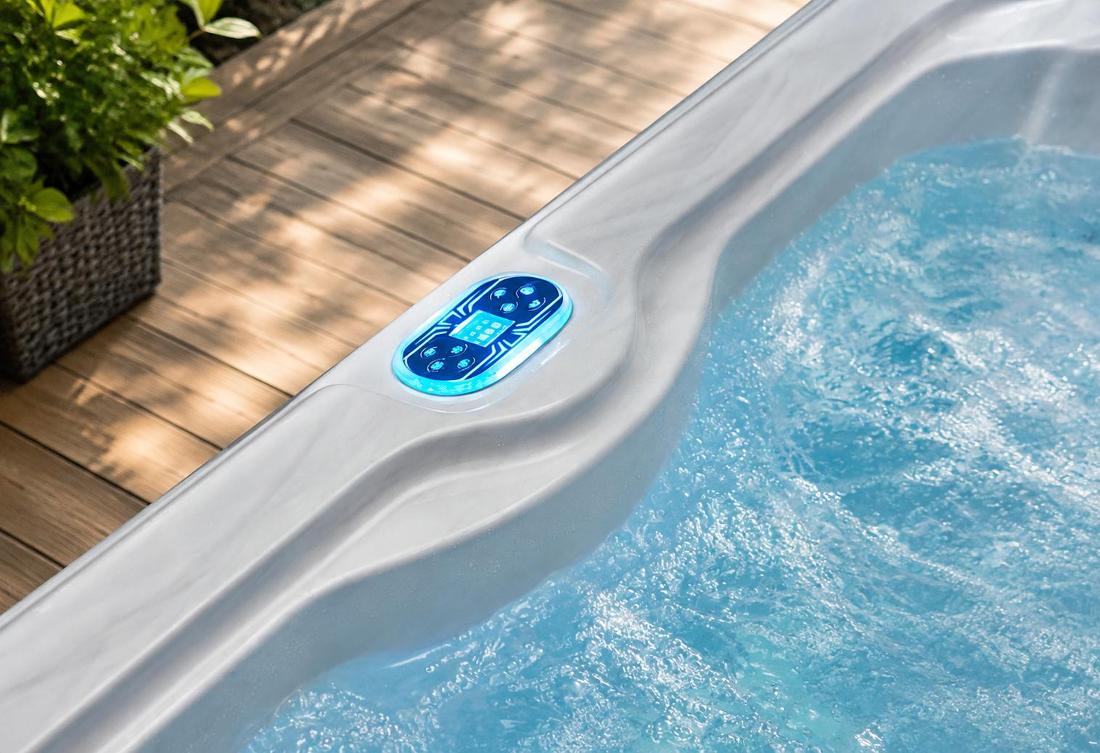
Blue-lit digital panels, like the one used across Fspa’s spa lineup, let users monitor and adjust temperature without guesswork. LED lighting integrated into the shell, paired with a biomagnetic therapy feature and blue bottom lighting on models like the BD-001, extends that same ambiance-focused design language down to smaller formats. For a couple soaking after dark on a balcony, that lighting isn’t decorative fluff. It’s the difference between fumbling for a light switch and having a self-contained wellness setup.
Shell material and cabinet construction determine how well a spa holds up outdoors, and this matters more for compact units installed in exposed spots like uncovered balconies or courtyard corners.
Marble-effect acrylic shells, paired with wood-grain cabinet panels, show up frequently in mid-to-premium spa construction because acrylic resists UV fading better than painted alternatives while still allowing a range of finish colors. Buyers should also check net weight relative to footprint. The BD-001, for reference, weighs 268kg empty at its 2100x2100mm size. A 2-seater unit will weigh proportionally less, but floor load capacity still needs checking before installation on an elevated balcony or upper-floor terrace.
Certification marks get listed on spec sheets without much explanation, but they answer a specific safety question: has this equipment been tested against recognized electrical and safety standards for wet environments.
Does a smaller spa heat up faster than a full-size one?
Generally yes, since less water volume means the same heater wattage raises temperature more quickly. A 3kW heater on a 1000L system, for comparison, takes measurably longer than the same heater would on a smaller-volume 2-seater tub.
Can a 2-seater still include hydrotherapy jets and not just a soaking tub?
Yes. Jet count and massage pump sizing are independent of seat count. A compact spa can carry a full hydrotherapy jet array scaled appropriately to its smaller water volume.
Is filtration less important in a smaller spa?
No, and this is a common misconception. Lower water volume means contaminants build up proportionally faster, so a dedicated filter pump matters just as much, if not more, in compact units.
Will a luxury 2 seater swim spa fit on a standard residential balcony?
Often yes, but floor load capacity and doorway/lift access for installation need verification first. Weight when filled with water is what matters, not just empty net weight.
The mistake worth avoiding is choosing spa size based on aspiration rather than actual space and use pattern. A couple with a modest balcony gains nothing from oversizing into a six-seat unit they’ll rarely fill, while a hotel suite operator adding a private amenity doesn’t need six-person plumbing capacity for what’s typically a two-guest booking.
We build outdoor and indoor spa units across this size range, drawing on manufacturing experience that spans intelligent outdoor SPA systems and multi-functional pool products designed for villas, boutique hospitality, and rehabilitation settings alike. The right approach is matching jet density, filtration capacity, and shell ergonomics to the actual footprint available, rather than assuming smaller automatically means simpler. A properly specified luxury 2 seater swim spa delivers the same hydrotherapy rigor as its larger counterparts, just concentrated into a footprint that fits the space people actually have.
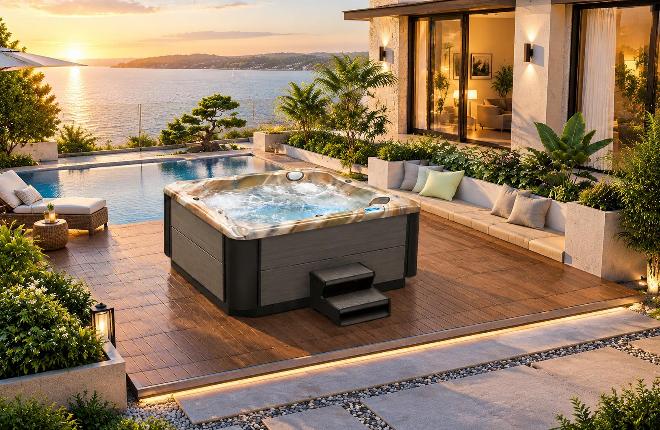
What Drives Backyard Swim Spa Cost and How to Budget for One
Homeowners researching backyard swim spa cost quickly discover a wide price spread, and the reason comes down to what sits inside the shell. Jet count, pump power, cabinet materials, and sanitization systems all pull the number in different directions. This guide breaks down where the money actually goes, so you can compare quotes with a clearer eye instead of guessing at what a fair price looks like.
A swim spa is not a single product category, it’s a spectrum. On one end sits a basic soaking tub with a handful of jets. On the other sits a full hydrotherapy system built for six adults, running multiple pumps and a heater rated in kilowatts. Manufacturing cost scales with every added component, and that scaling is the main driver behind price differences between listings that otherwise look similar in photos.
Size matters too, but not in the way most buyers assume. A larger shell means more acrylic, more insulation, and a heavier steel or composite frame underneath. A unit like the BD-004, built for 6 adults at 2350x2350x900mm, carries a net weight of 317kg empty. That mass has to be engineered, shipped, and supported by a deck or pad rated for the load once filled with 1450 liters of water.
Three systems account for most of the cost variation between spa tiers: the pump assembly, the heater, and the jet layout. Understanding what each one does helps explain why a seemingly small spec difference can shift a quote by a noticeable margin.
The BD-004, for reference, runs a 5.55kW total system split across a 2.2kW massage pump, a 0.35kW filter pump, and a 3kW heater, feeding 35 jets. That distribution reflects a common industry pattern: dedicate most of the wattage to massage performance while keeping the filtration circuit lean enough to run continuously without driving up electricity bills.
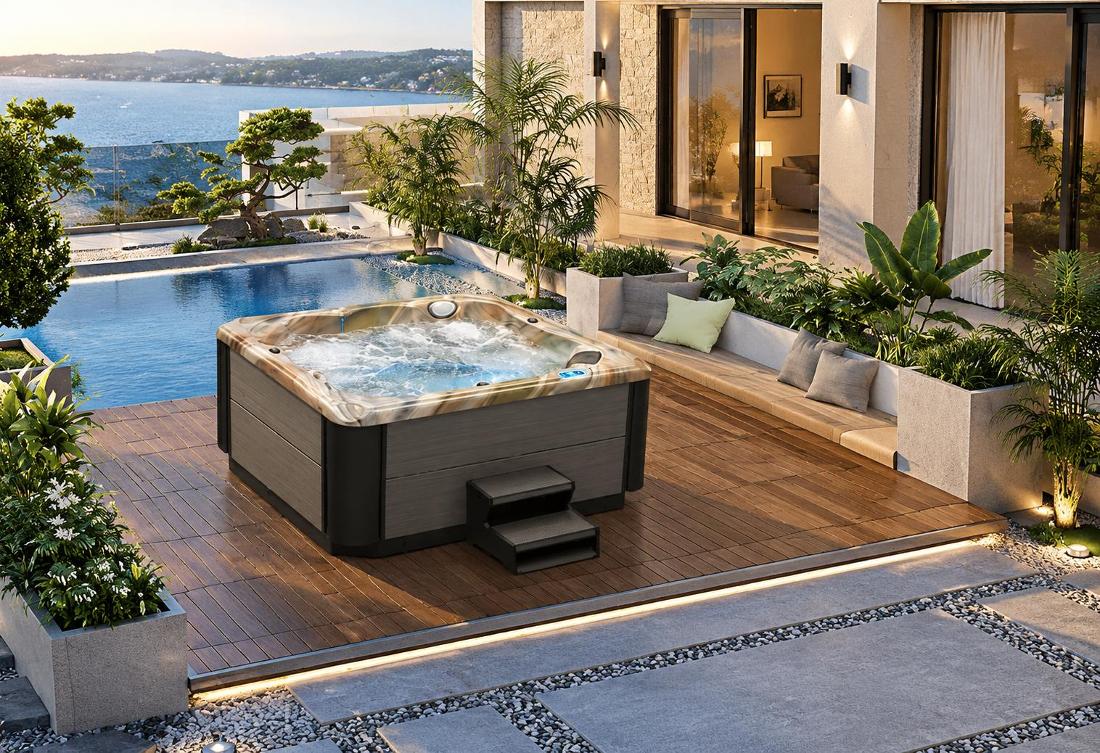
Sticker price is only part of backyard swim spa cost. Site preparation often surprises first-time buyers because it depends on ground conditions that vary from one yard to the next.
Skipping any of these steps to save money upfront tends to backfire. A spa placed on an unrated deck, for instance, risks structural damage that costs far more to repair than the pad would have cost to pour correctly.
Running costs matter as much as the upfront number, especially for buyers planning to use the spa year-round rather than seasonally. Energy use depends heavily on ambient temperature, insulation quality, and how often the cover stays closed between sessions.
| Cost Factor | What Influences It | Why It Matters |
|---|---|---|
| Heating | Climate, insulation, heater wattage | Determines monthly electricity draw |
| Water treatment | Sanitization method (ozone, chlorine, bromine) | Affects chemical spending and upkeep time |
| Pump run time | Filtration cycle length | Balances water clarity against energy use |
| Cover maintenance | Material quality, UV exposure | Extends heat retention and reduces refill frequency |
Ozone-based sanitization, which the BD-004 includes as part of its filtration setup, is worth understanding on its own terms. Ozone breaks down organic contaminants in the water, which according to the manufacturer reduces how often chemical sanitizers need to be added and cuts down on the manual testing routine that keeps a traditional spa balanced.
Not every dollar spent goes toward raw performance. A portion goes toward how the spa actually feels to sit in, and that’s harder to quantify but just as real a factor in satisfaction.
Seat contouring is one example. Ergonomic shell designs follow the natural curve of the back and legs, which changes how pressure distributes during a soak. According to the manufacturer, the BD-004’s seating and jet placement are positioned to support this kind of body-conforming fit rather than a flat, generic bench layout.
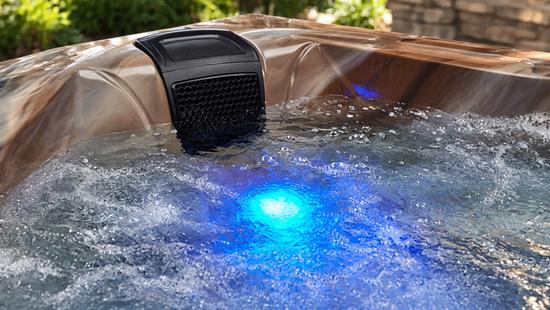
Lighting is another. Bottom-mounted LED lighting, as used in the BD-004’s interior, does more than look good in photos taken at dusk. It shifts the sensory experience of the soak toward something calmer, which matters for buyers specifically shopping for stress relief rather than just exercise or physical therapy.
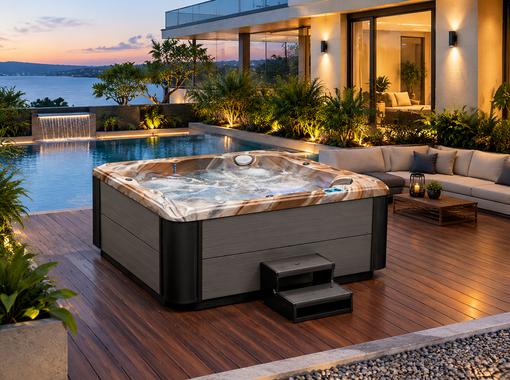
Buyers often size a spa based on the largest gathering they can imagine hosting, which tends to overshoot what fits their actual weekly use. A more useful question is how many people will realistically use it on a normal Tuesday evening, not a holiday weekend.
A 6-person unit like the BD-004 suits a few specific patterns well:
For a couple with no plans to entertain, a smaller 2 or 3-person model likely delivers better value per dollar spent, since heating and filtering a 1450-liter volume for two people every night adds unnecessary running cost.
Where the spa lives changes what features actually matter. A villa backyard installation prioritizes different things than a hotel gym or a seaside rental property, even if the underlying hardware looks similar on paper.
In a hotel gym setting, the priority tends to be recovery turnaround between guests, meaning durable jets and a sanitization system that keeps pace with higher usage frequency. In a private backyard, ambiance and quiet operation often carry more weight than raw throughput, since the spa functions as a nightly wind-down space rather than a high-turnover amenity. Seaside or homestay settings introduce another variable: exposure to salt air and humidity, which puts extra demand on cabinet materials and hardware corrosion resistance.
Does a higher jet count always mean a better massage?
Not necessarily. Jet placement and pump pressure matter as much as raw count. A well-positioned 35-jet layout, like the one on the BD-004, can outperform a higher jet count spread thinly across a poorly designed shell.
Is ozone sanitization enough on its own?
Ozone reduces organic contaminants and lightens the sanitizer load, but most manufacturers, including ours, still recommend a residual sanitizer for consistent water safety between service intervals.
How much does electrical setup typically add to the total?
It varies by region and existing panel capacity, but budgeting for a licensed electrician’s dedicated circuit installation is a near-universal requirement for spas in the 5kW class.
Can I install a 6-person spa on an existing wood deck?
Only if the deck is rated for the combined weight of the empty unit plus its full water capacity. A structural assessment before delivery avoids costly surprises later.
The most reliable way to estimate backyard swim spa cost is to request an itemized quote that separates the unit price from site preparation, electrical work, and any local permitting fees. Certifications also deserve a look, since compliance markings like CE, CB, and SAA, which the BD-004 carries, indicate the unit has passed relevant electrical and safety testing standards recognized in multiple markets.
For us, working with international buyers means pricing conversations often start with square footage and end with a full breakdown of pump specs, jet layout, and installation logistics. That full picture, rather than a single headline number, is what actually determines whether a backyard swim spa cost fits a given budget and delivers value over years of regular use.
A Day at FSPA: Explore the Outdoor Hot Tub Paradise as a Guest
The crisp morning air in Gaoming , Foshan, carried a hint of greenery as I pulled up to FSPA’s factory gate—my first visit to the brand I’d researched for months to find the perfect outdoor hot tub for my villa. As a buyer who values both quality and aesthetics, I’d heard FSPA’s acrylic products stood out, but seeing them up close felt like stepping into a world where functionality meets luxury.
My tour began in the brand showcase hall, where natural light streamed through floor-to-ceiling windows, illuminating a stunning lineup of product .There were compact hot tubs designed for cozy backyard gatherings, sleek swim spas that doubled as fitness spaces, and spacious outdoor pools—their acrylic surfaces glistening like polished marble.
What impressed me most was the attention to user comfort: the hot tubs featured ergonomic seats that hugged the body, adjustable jets positioned to target tight muscles, and hidden LED strips that cast soft, warm light after dark. When I ran my hand over the acrylic, it felt smooth yet sturdy—nothing like the flimsy materials I’d seen in cheaper models.
The staff explained that FSPA uses high-quality, UV-resistant acrylic, built to withstand years of sun, rain, and heavy use. “We test each batch for scratch resistance and color fastness,” they said, pulling out a sample that had been exposed to harsh weather for two years—still as vibrant as new.
Next, we headed to the production workshop, a 30,000-square-meter space where order and precision reigned. Unlike chaotic factories I’d visited before, FSPA’s floor was spotless, with each station labeled clearly: acrylic cutting, thermoforming, assembly, and quality control.
I watched as workers used computer-controlled machines to mold an acrylic hot tub shell, heating the material to an exact temperature to avoid bubbles or uneven edges. At the quality check station, a technician ran a digital caliper along every curve, ensuring measurements matched the design down to 0.1mm.
“Every product goes through three inspections before leaving the factory,” the guide told me. I even saw a team testing a hot tub’s water circulation system, running it for 24 hours straight to check for leaks—a level of thoroughness that made me trust FSPA’s craftsmanship even more.
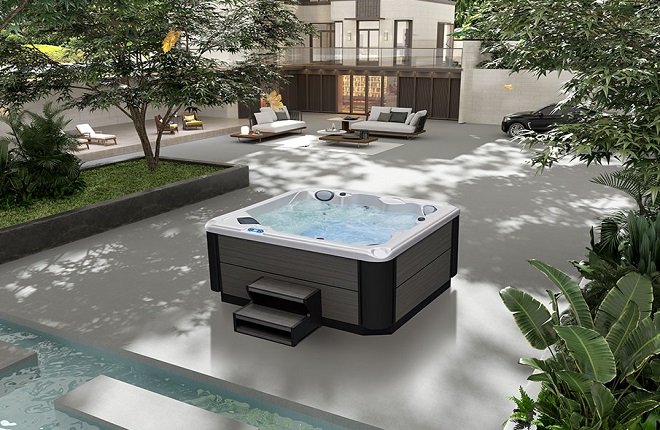
The day’s highlight was the outdoor demonstration area, tucked away among palm trees and potted flowers. Several hot tubs were filled with warm, bubbling water, and I couldn’t resist slipping into one. The jets kicked in gently, easing the tension in my shoulders, and the water stayed consistently warm—no sudden drops in temperature like in the hot tub I’d owned before.
As I relaxed, the staff brought over refreshments and talked me through customization options: I could choose the acrylic color to match my backyard decor, add a built-in sound system, or even opt for a smart control panel that let me adjust settings from my phone. By the time I climbed out, I’d already jotted down the model number I wanted.
As I drove back, I thought about how FSPA had turned a simple factory visit into a memorable experience. It wasn’t just the beautiful products—it was the care in every step, from the materials they chose to the way they listened to my needs. For anyone looking for an outdoor hot tub that’s built to last and designed to delight, FSPA isn’t just a factory—it’s a place where “paradise” is crafted with purpose. I left knowing my backyard would soon have the perfect centerpiece—and that I’d found a brand I could rely on for years to come.
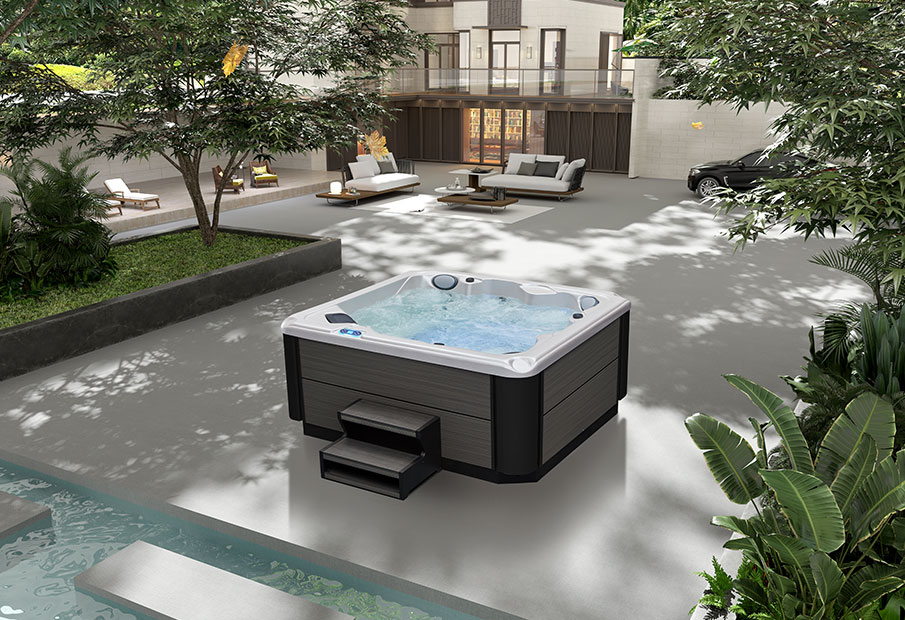
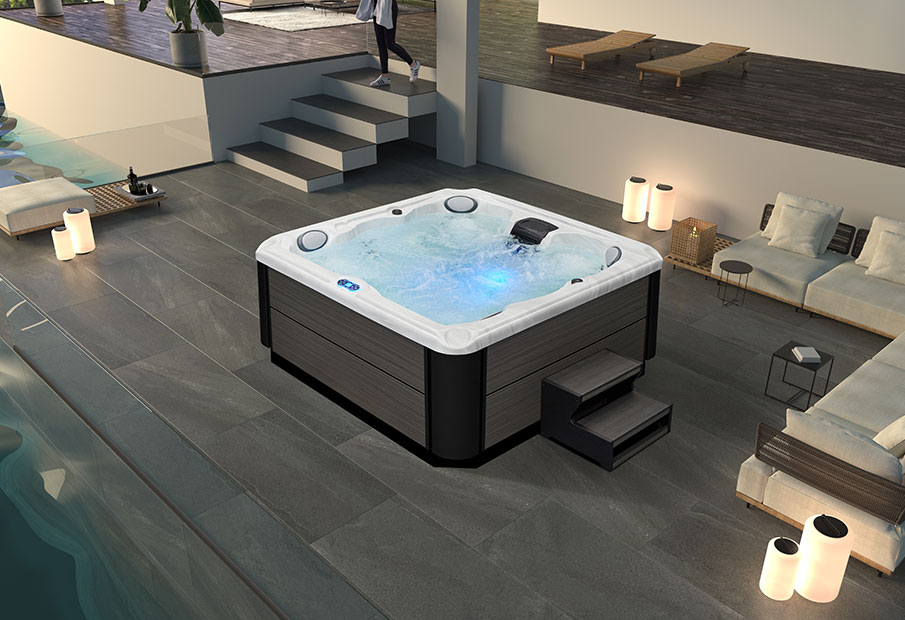
Fspa BD-001, a 2100x2100x900mm spa pool for 6 adults, features a comprehensive control system, powerful pumps, a 3kW heater, advanced filtration, LED lighting, and 31 jets, transforming any space into a luxurious, private oasis.
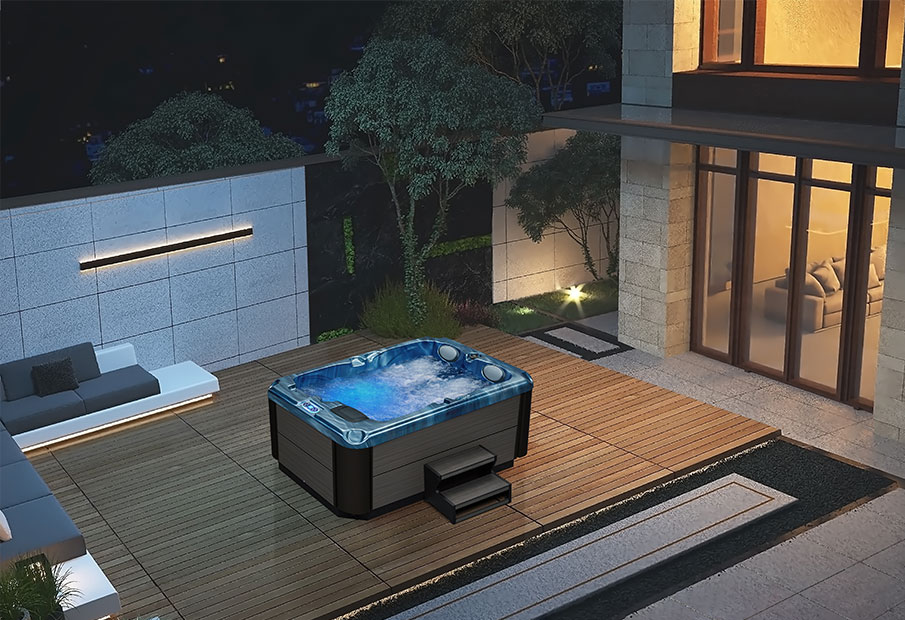
The Fspa BD-011 hot tub, designed for luxurious relaxation, offers a spacious interior for 6 adults, powerful pumps and heater, strategic jet placement, soothing LED lighting, adjustable features, and easy maintenance, making it the ultimate choice for both residential and commercial use.
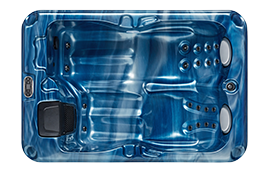
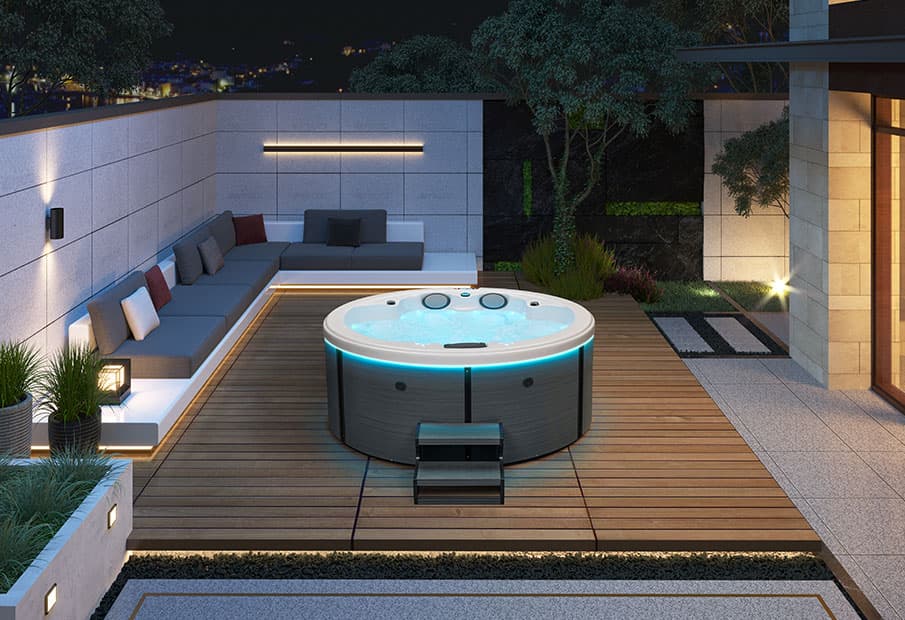
The Fspa BD-010Pro Hot Tub, combines power (8.47kW) and efficiency with luxurious features such as 54 water & 18 air bubble jets, customizable water flow, LED lighting, music speakers, and pillows, making it ideal for both residential and commercial outdoor settings.
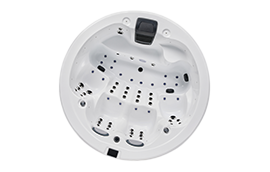
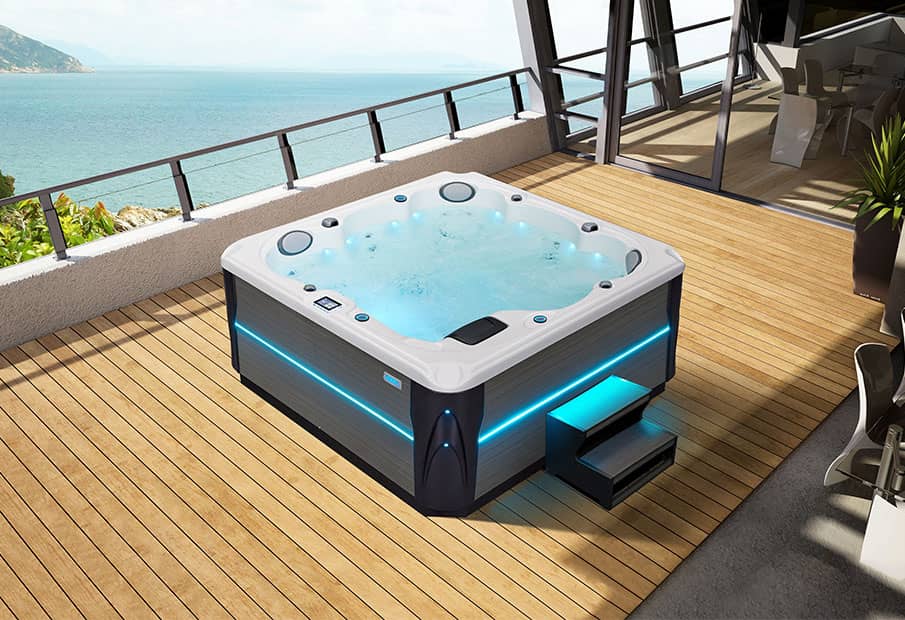
The Fspa BD-012Pro Hot Tub, a luxurious 2160x2160x900mm spa for 6 adults, balances power (4.97kW) and efficiency with features like 34 water & 12 air bubble jets, customizable water flow, LED lighting, music speakers, and pillows, making it a stylish and ideal choice for both residential and commercial relaxation.
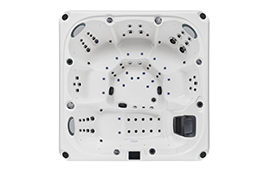
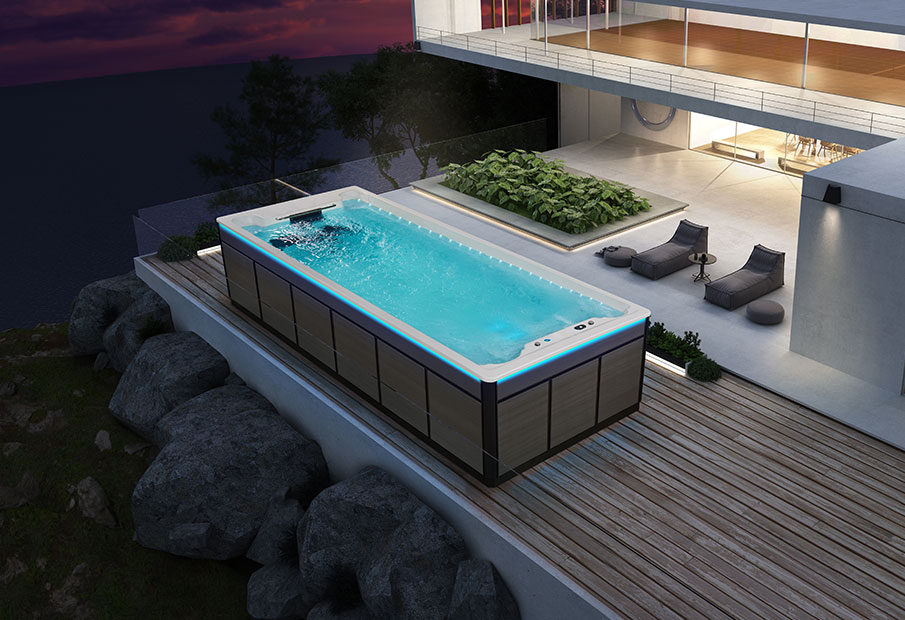
The Infinipool Fspa IP-005Pro is a state-of-the-art, spacious hot tub with advanced features, offering an unparalleled spa retreat for residential and commercial use.
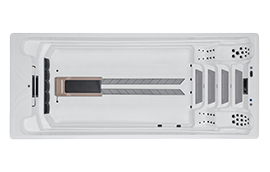
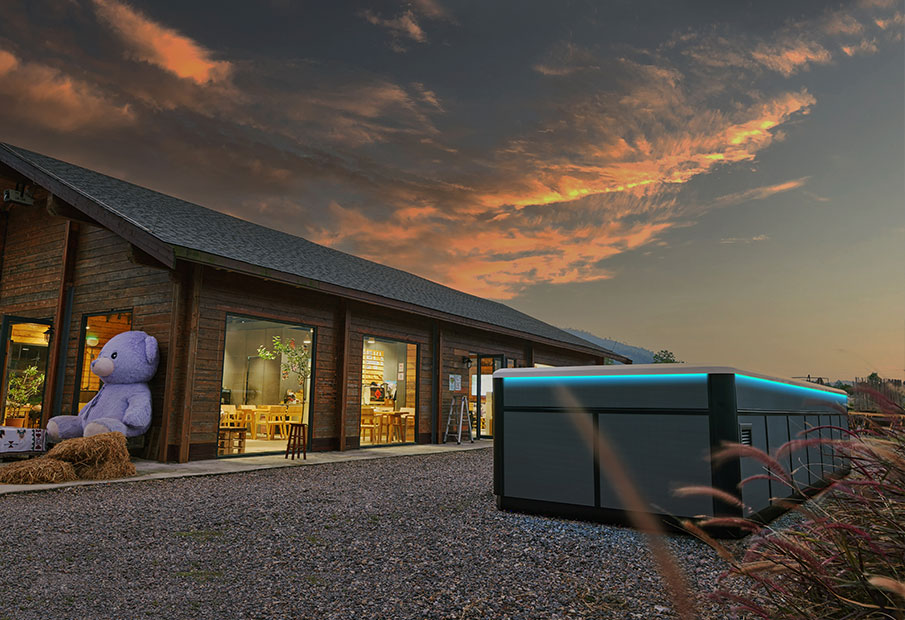
The Infinipool Fspa IP-004Pro is a luxurious, spacious hot tub with advanced features and a luxurious ambiance, perfect for both residential and commercial spa retreats.
PRODUCTS
INQUIRY
Thank you for your message!Our Chinese New Year holiday from 7th Feb to 28th Feb. Apologise to make your inconvenience so that responses may be delayed during this period. We'll back to you with regular service on 2th March .Thank you for understanding.


