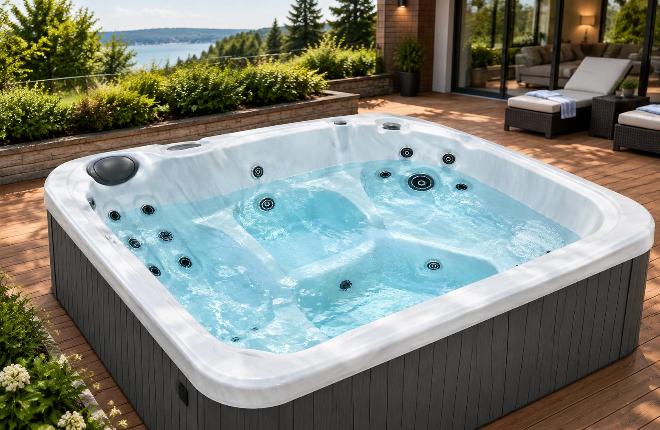
A hot tub with swimming current sounds like a contradiction at first. Tubs are for soaking, pools are for moving water against resistance, and most buyers assume you have to pick one or the other. That assumption is worth questioning, because the line between hydrotherapy jets and resistance-style current has blurred over the past decade, especially in compact backyard and rooftop installs where space for a full lap pool just doesn’t exist.
This guide breaks down what "swimming current" actually means in a spa context, how jet-driven hydrotherapy differs from true swim-current systems, and how to evaluate a unit like the BD-001 against your actual use case rather than a marketing sheet.
The term gets used loosely online, and that causes confusion. In dedicated swim spas, a propeller or paddlewheel generates a continuous, adjustable current strong enough to swim against for extended periods. It’s a distinct mechanical system, usually separate from the massage jets entirely.
In a standard hot tub or hydrotherapy spa, what you get instead is directional jet flow. Multiple jets fire at calculated angles to create localized water movement across the shell. It’s not the same as a swim-current channel, and any product page implying otherwise deserves a skeptical second read.
For a 2100x2100mm footprint spa built for six adults, like the BD-001, the realistic expectation is a strong hydrotherapy current, not lap swimming. That distinction matters before you spend money.
Most people searching this term aren’t shopping for a swim spa. They’re picturing therapeutic water movement, something more dynamic than a still soak, and "swimming current" is the closest phrase that comes to mind.
That’s a reasonable instinct. Hydrotherapy jets do create current, just a shorter, more concentrated one aimed at muscle groups rather than propulsion. The BD-001 uses 31 jets driven by a 2.2kW massage pump to generate that effect across the seating layout.
If your goal is joint relief, circulation support after exercise, or simply a stronger sensation than a bath, jet-based current delivers that. If your goal is actual swimming laps, you need a swim spa with a dedicated propulsion unit, which is a different category of product and typically a longer, narrower footprint.
Jet placement isn’t arbitrary. On the BD-001, the 31 jets are arranged across the shell to target the lower back, shoulders, and calves, following the seated body positions built into the shell mold.
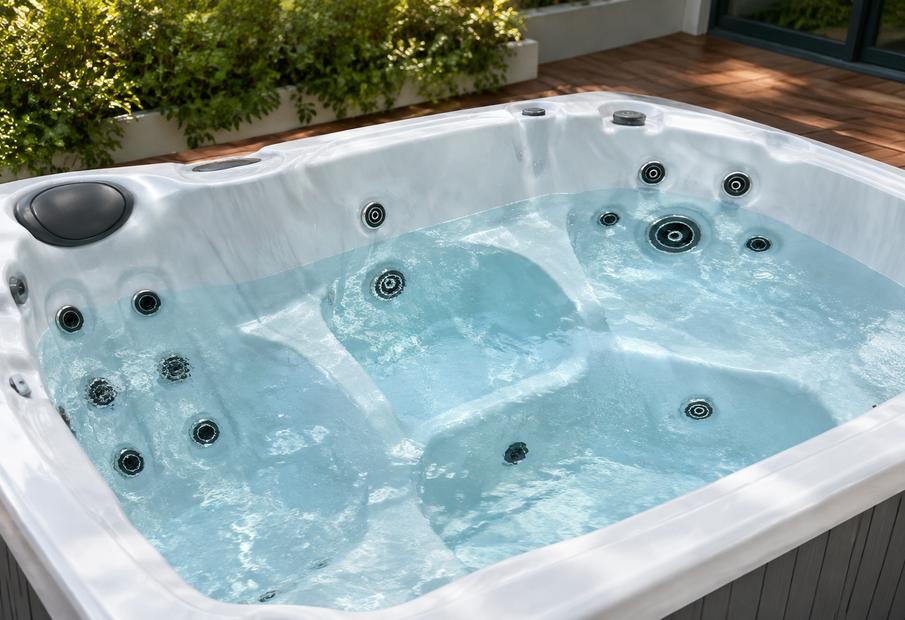
A few practical points worth knowing before comparing jet counts across brands:
| Specification | BD-001 Detail |
|---|---|
| Dimensions | 2100 x 2100 x 900mm |
| Seating Capacity | 6 adults |
| Water Capacity | 1000L |
| Net Weight | 268kg (empty) |
| Total Power Draw | 5.55kW |
| Massage Pump | 2.2kW |
| Filter Pump | 0.35kW |
| Heater | 3kW |
| Jets | 31 |
| Certifications | CE, CTUVus, CB, SAA |
| Warranty | 1 year |
These numbers matter for one practical reason: electrical planning. A 5.55kW total draw means you’re looking at a dedicated circuit, not a standard household outlet, so factor that into installation cost before purchase.
Water movement is only half the equation. A tub with strong current but poor filtration turns into a maintenance headache fast, especially with six adults using it regularly.
The BD-001 runs a separate 0.35kW filter pump alongside an ozone system, keeping filtration independent from the massage pump cycle. That separation is worth understanding: it means filtration can keep running on a lower-power cycle even when the jets are off, which is generally better for water clarity between uses than relying on one pump for everything.
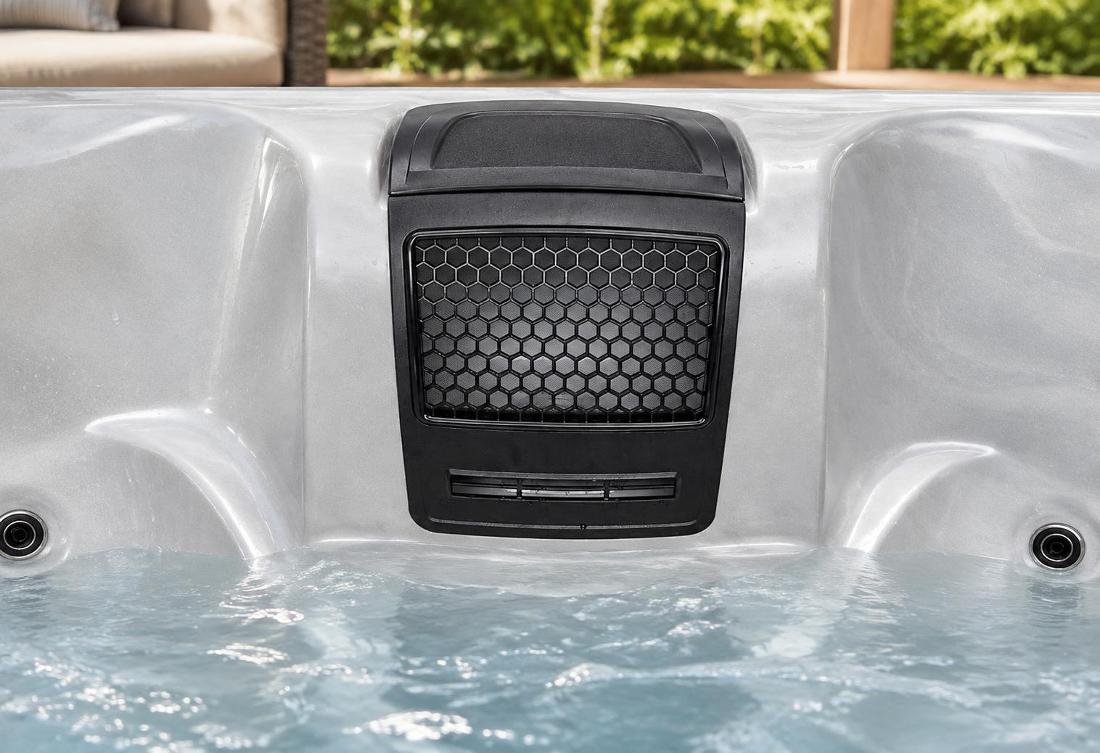
Ozone systems assist sanitation by oxidizing contaminants, but they don’t replace chemical maintenance entirely. Anyone buying a jetted spa should budget for ongoing sanitizer use regardless of what filtration tech is onboard.
Jet strength gets attention first, but comfort features determine whether people actually use the tub regularly. Posture matters over a 20 or 30 minute session.
The BD-001 includes four molded headrests positioned to support the neck and keep the spine aligned while seated. That’s a small detail with outsized impact, since poor neck support is the most common complaint in budget spas after the first few uses.
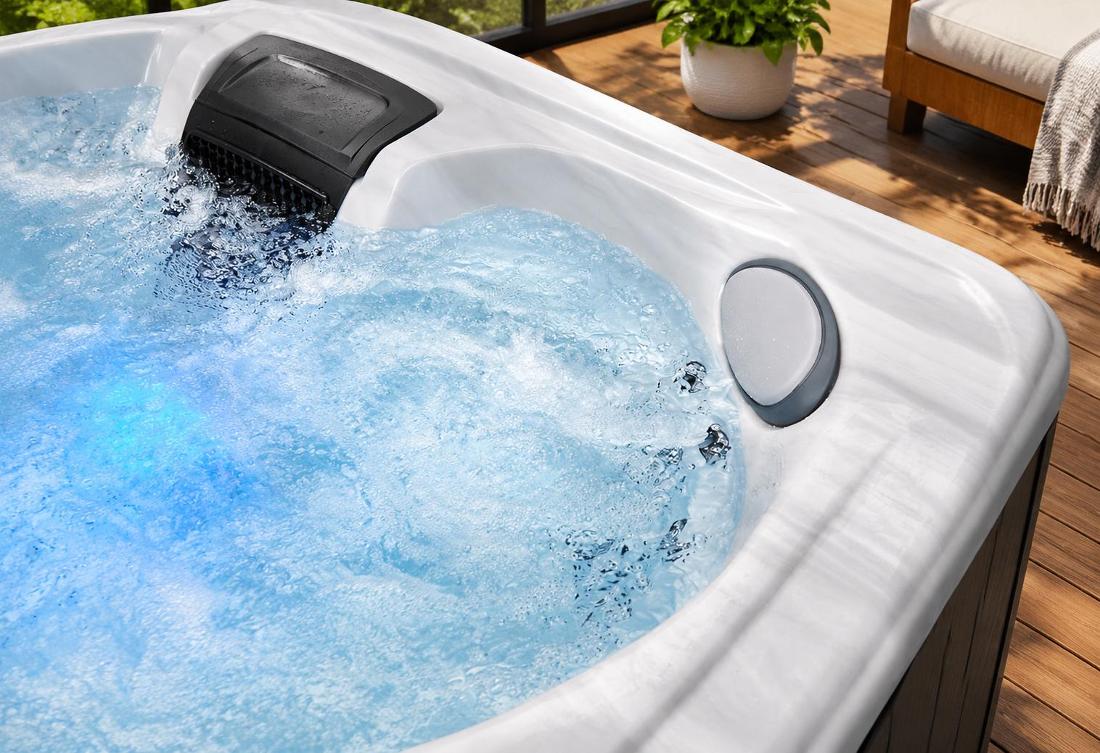
Lighting also plays a role, though it’s easy to overrate. Blue LED lighting with a biomagnetic element sits at the base of this unit, mostly functioning as ambiance for evening use rather than any measurable wellness mechanism. Treat lighting as a comfort feature, not a therapeutic one.
For a spa this size, ease of use day to day matters more than most buyers expect going in. A confusing panel means people either overuse the heater or under-use the filtration cycle, both of which cost money over time.
The digital control panel on the BD-001 sits in a molded recess on the rim, with a backlit display for temperature and pump management. Basic operation typically follows a similar pattern across most digital spa panels:
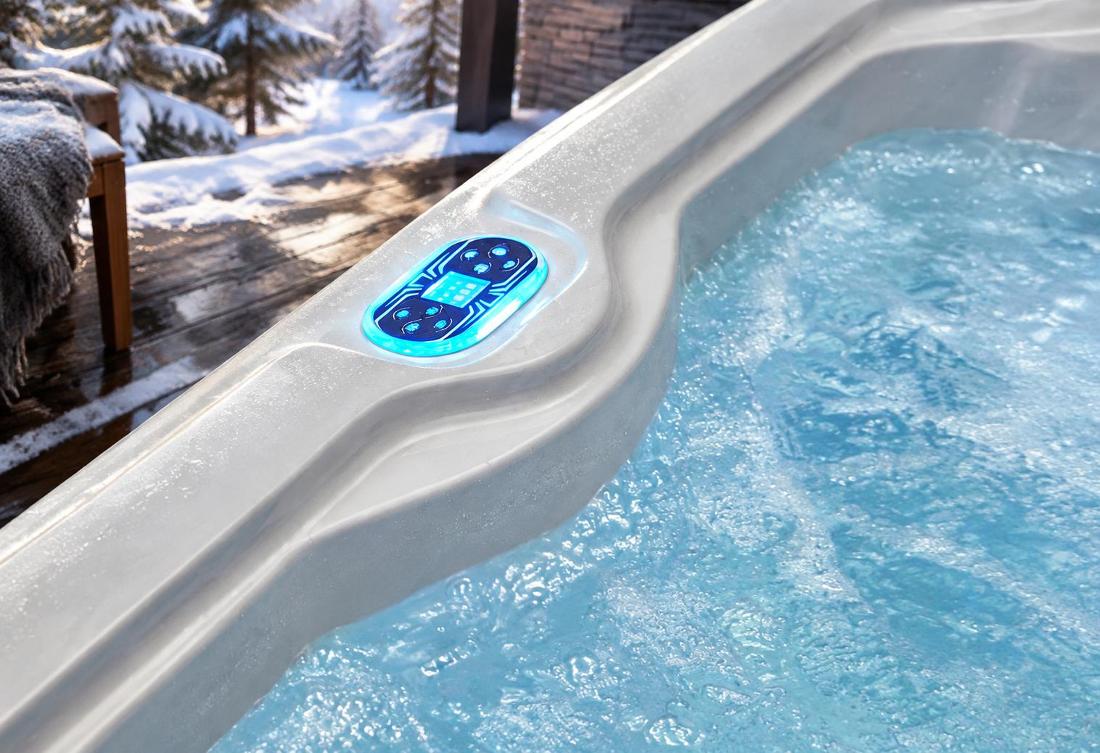
Where you install a six-person spa changes what "current" even needs to accomplish. A hotel deck has different demands than a home balcony.
Before finalizing a location, confirm the 268kg dry weight plus 1000L of water, which adds roughly one metric ton once filled. Deck or floor load capacity needs checking first, particularly on balconies or upper floors.
Does a hot tub with swimming current replace a swim spa?
No. Jet-driven current in a tub like the BD-001 provides hydrotherapy and localized resistance, not the continuous propulsion current found in dedicated swim spas built for lap swimming.
Is a 2.2kW massage pump strong enough for six people?
It’s adequate for a six-seat unit of this footprint, though jet pressure will feel slightly different depending on how many seats are occupied at once, since flow is shared across all 31 jets.
How often does the filtration system need attention?
The 0.35kW filter pump and ozone system reduce manual cleaning frequency, but filter cartridges still need periodic rinsing or replacement, and chemical balance should be checked weekly under regular use.
Can this unit run on a standard household circuit?
With a 5.55kW total power draw, most installations require a dedicated circuit sized by a licensed electrician rather than a standard outlet.
Choosing between a jetted spa and a true swim-current pool comes down to matching the mechanism to the actual goal. If therapeutic water movement, seating for six, and manageable installation footprint are the priorities, a hydrotherapy unit like the BD-001 covers that need well. If lap-style resistance swimming is the goal, that search should point toward a dedicated swim spa category instead, since no amount of jet placement in a standard hot tub with swimming current replicates that specific propulsion system.
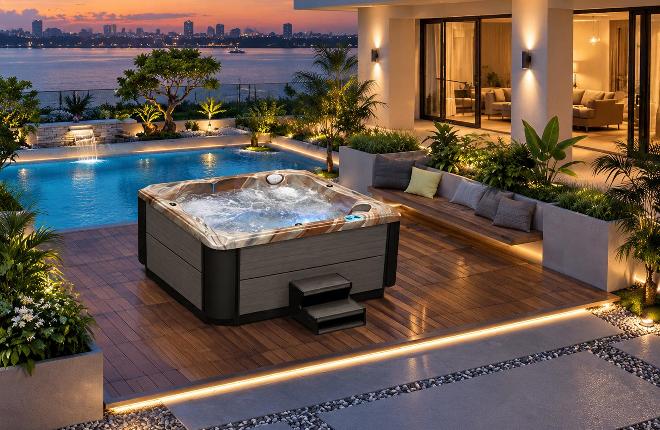
Finding the Right 4 Seater Swim Spa Without Overpaying for Space You Won’t Use
Shopping for a 4 seater swim spa usually starts with a simple question: how many people actually use the tub at once? Most households land on two to four people on a typical evening, which makes anything larger than a 6-person model overkill. The market, though, is thin on true 4-seat units, and buyers often end up comparing 6-person spas instead, wondering if the extra capacity is worth the added footprint and running cost.
That comparison isn’t wasted effort. A well-built 6-person hot tub can serve a 4-person household better than a cramped 4-seater ever could, especially if seating layout and jet placement are done right. The Fspa BD-004 is one example worth walking through, since its dimensions and hydrotherapy features illustrate what to look for regardless of brand.
Manufacturers rate capacity by how many adults can physically fit inside a shell, not by how many people will comfortably soak together on a weekday night. A spa listed for 6 adults, like the BD-004 at 2350 x 2350 x 900mm, gives a 4-person family room to spread out rather than sit shoulder to shoulder.
This matters because cramped seating is a common complaint in hot tub reviews. Buying slightly above your household size, rather than exactly at it, tends to produce a better daily experience. Think of it the way you’d think about a dining table: a table sized exactly for four leaves no room for elbows.
Marketing copy loves to lead with jet counts, but the number alone tells you little about how a soak will actually feel. What matters is where those jets sit relative to the body, and whether the seating geometry lines up with them.
The BD-004 uses 35 jets across six ergonomically contoured seats, with controls and nozzles positioned according to natural body curves rather than evenly spaced around the shell. For a 4-person group, this means two seats can sit unused or be reserved for stretching out, while the remaining four get full jet coverage on shoulders, lower back, and calves.
A few things worth checking when comparing jet layouts across spas:
Every additional seat and jet adds load to the pump and heater, so it’s worth looking at total system power before assuming bigger always means costlier to run. The BD-004 runs on a 5.55kW total system, split between a 2.2kW massage pump, a 0.35kW filter pump, and a 3kW heater.
| Component | Rating | Role |
|---|---|---|
| Massage Pump | 2.2kW | Drives the 35 jets |
| Filter Pump | 0.35kW | Circulates water for filtration |
| Heater | 3kW | Maintains set water temperature |
| Total System | 5.55kW | Combined draw under full operation |
For context, that’s roughly in line with a household electric water heater running on high, but the heater doesn’t run continuously once temperature is reached. Households comparing a 4 seater swim spa against a 6-person unit should weigh this power draw against usage frequency rather than seat count alone, since the heater cycles on and off regardless of how many seats are filled.
Water chemistry is the part of spa ownership nobody enjoys, and it’s also where buyers most often underestimate the ongoing time commitment. A spa with a standalone ozone sanitization system, as the BD-004 has, reduces how often chemical sanitizers need topping up by helping break down organic contaminants before they build up.
This doesn’t eliminate the need for chlorine or bromine testing, but according to the manufacturer’s product information, it does ease the maintenance burden compared to chemical-only systems. For a family soaking several times a week, that translates into fewer trips to check test strips and less risk of the cloudy water that comes from neglected chemistry.
A 4-person household’s spa needs look different depending on where the unit goes, and this is where application scenario matters as much as seat count.
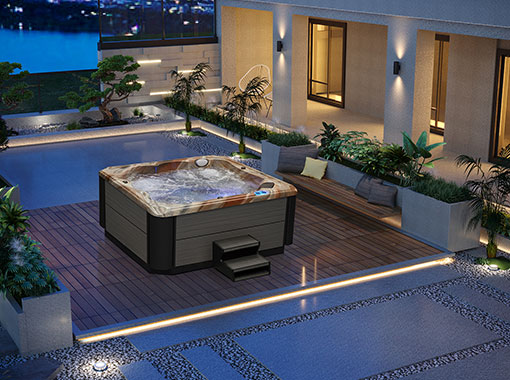
LED lighting inside a spa shell isn’t purely decorative. Positioned at the base, as it is on the BD-004, it illuminates the water evenly and makes evening or nighttime soaks easier to use safely, since seat edges and jet locations remain visible even after dark.
According to the manufacturer, the lighting is also intended to support a calmer atmosphere during use, which lines up with why most buyers request LED options in the first place: the visual effect matters for relaxation as much as water temperature does.
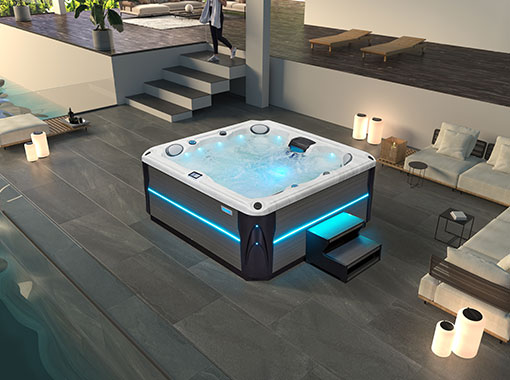
Complaints about hot tub comfort rarely trace back to water temperature. They trace back to seat depth, backrest angle, and whether the headrest actually supports the neck instead of leaving it to float. The BD-004’s seating is contoured to follow the body’s natural curves, with headrests built into corner seats for added neck support.
For a 4-person family, this is where the choice between a true 4-seat spa and a larger unit gets interesting again. Fewer seats mean less flexibility in choosing where to sit, while a 6-person shell lets each person pick the seat geometry that suits their build, whether that’s a deeper lounger-style seat or an upright corner position.
When narrowing down options, it helps to line up hard numbers side by side rather than relying on marketing descriptions alone. Below is what a household should confirm before purchasing any spa marketed toward a 4-person group.
| Spec | Why It Matters |
|---|---|
| Water capacity (liters) | Affects fill time and heating cost |
| Net weight | Determines deck or floor reinforcement needs |
| Jet count and placement | Impacts how much of the body gets massage coverage |
| Certifications (CE, CB, SAA, etc.) | Confirms electrical and safety compliance for your region |
| Total power draw | Determines circuit requirements and running cost |
The BD-004, for reference, holds 1450L of water, weighs 317kg empty, and carries CE, CTUVus, CB, and SAA certifications, which cover major electrical safety compliance requirements recognized across North America, Europe, and Australia.
Is a 6-person spa overkill for a 4-person household?
Not necessarily. Extra seats mean more room to move and choose seating position, and the pump and heater sizing is usually proportional to the shell rather than to how many people sit in it at once.
Does ozone sanitization replace chemical treatment entirely?
No. It reduces the workload on chemical sanitizers by helping manage organic contaminants, but water testing and periodic chemical dosing are still required.
How much floor or deck reinforcement does a spa like this need?
Filled weight matters more than empty weight. With roughly 1450L of water on top of a 317kg shell, total loaded weight approaches 1.8 metric tons, so deck load capacity should be checked with a structural professional before installation.
Can this type of spa be used indoors as well as outdoors?
Yes, provided ventilation and electrical requirements are met, which is why certifications covering multiple regional standards are worth checking before purchase.
Choosing between a compact 4 seater swim spa and a larger 6-person unit ultimately comes down to how the household actually uses the space, not just how many people technically fit. For us, working with buyers across villas, B&Bs, and fitness facilities has shown that slightly oversized, well-engineered spas tend to outperform tightly sized ones in daily satisfaction, which is worth weighing before finalizing any 4 seater swim spa purchase.
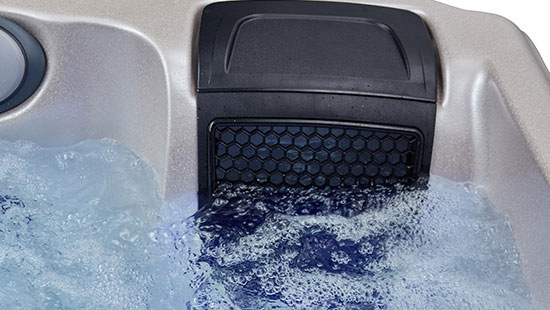
Exploring Personal Comfort: From Indoor Wellness to Solo Hot Tub Designs
A modern indoor hot tub has become a popular home upgrade for people seeking daily relaxation, stress relief, and hydrotherapy benefits without leaving their living space. Unlike outdoor installations, indoor models provide privacy, convenience, and year-round usability regardless of weather conditions. They are often integrated into bathrooms, spa rooms, or private wellness areas, making them a premium choice for urban living.
For individuals who prioritize personal relaxation, a one person hot tub offers a compact and highly efficient solution. Designed specifically for solo use, these tubs focus on comfort, water pressure control, and space-saving design. A 1 person hot tub is essentially the same concept, providing a dedicated spa experience tailored to individual needs such as muscle recovery, meditation, or stress relief.
Another variation, the single person hot tub, emphasizes privacy and full-body hydrotherapy in a compact format. These models are especially popular among apartment owners or individuals with limited space who still want to enjoy the benefits of a spa experience at home.
While indoor options are ideal for privacy and convenience, indoor hot tubs in general come in a wide range of sizes and designs. From minimalist modern styles to luxury spa installations, they allow homeowners to create a personal wellness zone that enhances daily comfort and relaxation.
Beyond indoor installations, many homeowners are investing in outdoor wellness environments such as a backyard hot tub. These systems transform ordinary outdoor spaces into private relaxation retreats. Whether placed near a garden, deck, or pool area, they create a natural connection between comfort and nature.
A patio hot tub is another popular choice, especially for homes with limited backyard space. Installed on patios or terraces, these hot tubs provide easy access, stylish design integration, and a relaxing atmosphere for both individuals and small gatherings. They are often chosen for their convenience and ability to enhance outdoor aesthetics without requiring major landscaping changes.
While indoor spa systems focus on privacy and year-round usability, outdoor options like backyard hot tub and patio hot tub emphasize lifestyle enhancement and social relaxation. Many homeowners choose to combine both indoor and outdoor setups to create a complete wellness experience.
A one person hot tub, 1 person hot tub, or single person hot tub is typically installed indoors, but compact outdoor versions are also available for patios or private garden corners. These systems are energy-efficient and easy to maintain, making them suitable for users who want flexibility in placement.
When selecting between indoor and outdoor spa systems, it is important to consider space, budget, and usage frequency. An indoor hot tub is ideal for daily relaxation and privacy, while a backyard hot tub or patio hot tub is better suited for social interaction and outdoor leisure.
For individuals, a one person hot tub, 1 person hot tub, or single person hot tub offers unmatched efficiency and personal comfort. These compact models require less water, less energy, and minimal maintenance, making them cost-effective in the long run.
Meanwhile, larger indoor hot tubs or outdoor installations provide shared experiences and are often chosen by families or homeowners who enjoy entertaining guests. Regardless of size, modern hot tub systems are designed to deliver hydrotherapy benefits such as stress relief, improved circulation, and muscle relaxation.
Ultimately, the right choice depends on lifestyle needs and available space. Whether selecting a compact solo spa or a larger social setup, each option contributes to improved wellness and home comfort.
From compact personal units to full outdoor installations, today’s spa market offers solutions for every lifestyle. Whether you choose an indoor hot tub for privacy, a one person hot tub or single person hot tub for personal relaxation, or a backyard hot tub and patio hot tub for outdoor enjoyment, each option provides unique benefits in comfort and wellness. By carefully selecting between indoor hot tubs and outdoor models, homeowners can create a balanced and personalized relaxation environment that enhances both daily life and long-term well-being.
An indoor hot tub provides year-round privacy, convenience, and controlled environment relaxation, making it ideal for daily wellness use.
Yes, a one person hot tub, 1 person hot tub, or single person hot tub is perfect for compact spaces and offers efficient solo hydrotherapy benefits.
A backyard hot tub is typically installed in garden or open yard spaces, while a patio hot tub is designed for terraces or paved outdoor areas.
Yes, indoor hot tubs are designed for frequent use and provide consistent hydrotherapy benefits when properly maintained.
Yes, a single person hot tub uses less water and energy compared to larger models, making it a cost-effective and eco-friendly option.
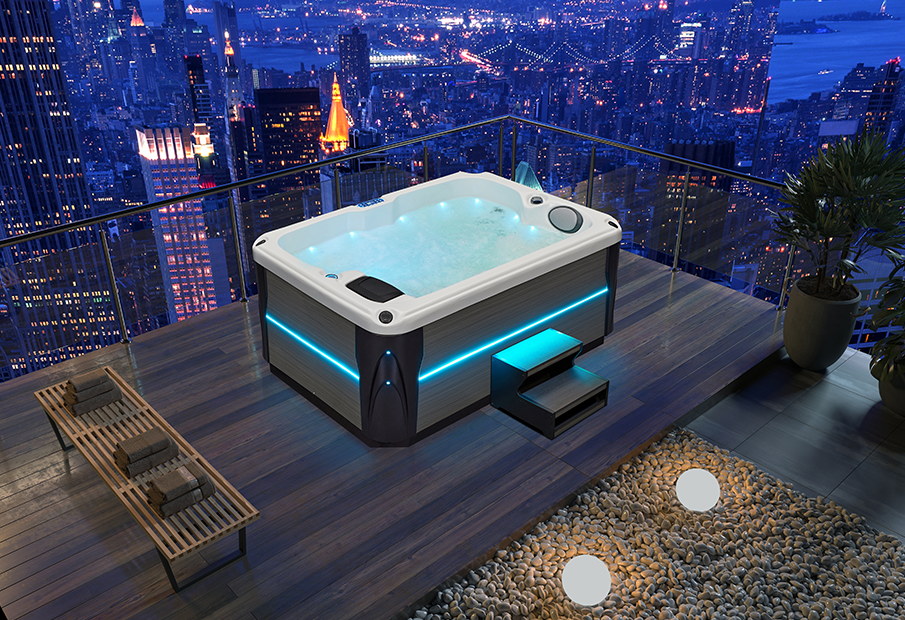
The Fspa BD-002Pro Hot Tub, boasts a powerful massage system, crystal-clear water filtration, customizable water flow, luxurious features, an ozone sanitization system, and immersive audio for the ultimate relaxation experience.
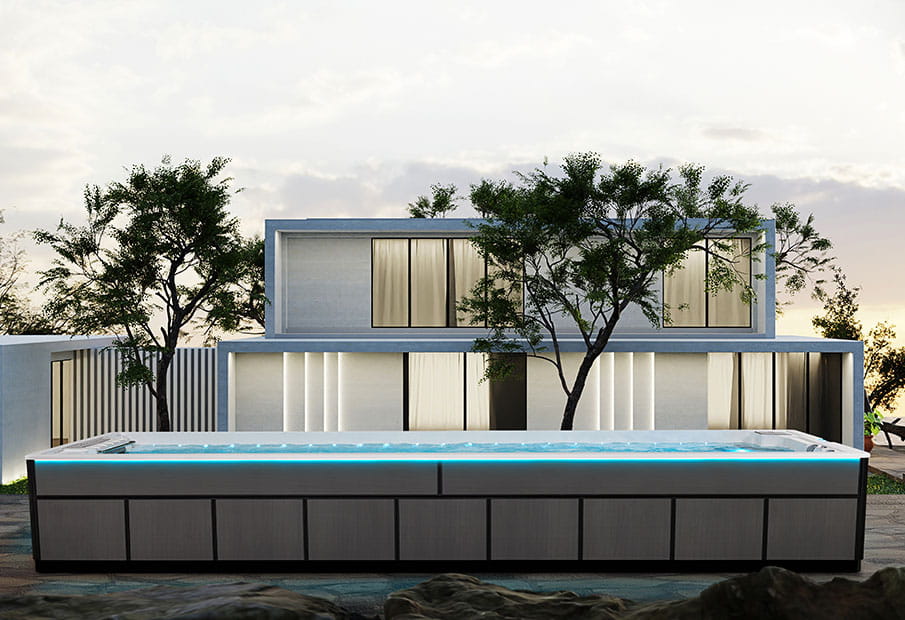
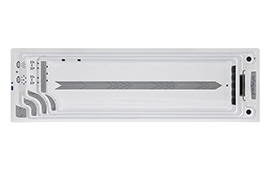
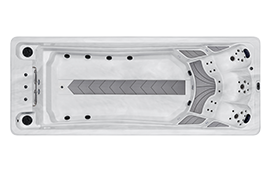
This product is a comprehensive and advanced swimming pool system, equipped with a range of features including a 9950mm x 3000mm x 1430mm size, a powerful Infinipool swimming system of 11kW, multiple water pumps, heaters, filters, and jets for a superior swimming and therapeutic experience, totaling 16.95kW in power, with optional enhancements like energy-saving covers and a 10Hp heat pump available.
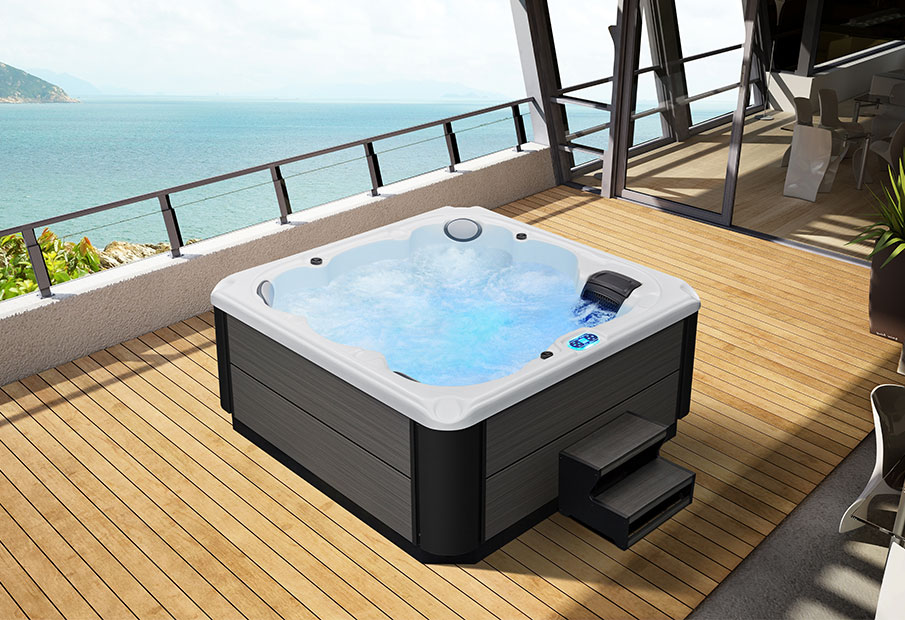
The Fspa BD-012 hot tub, designed for intimate relaxation, features a spacious size for 2 adults, powerful massage pump with 20 jets, temperature-controlled heater, energy-efficient filter pump, ambient LED lighting, and sanitized water with an ozone system, offering a private oasis for ultimate relaxation.
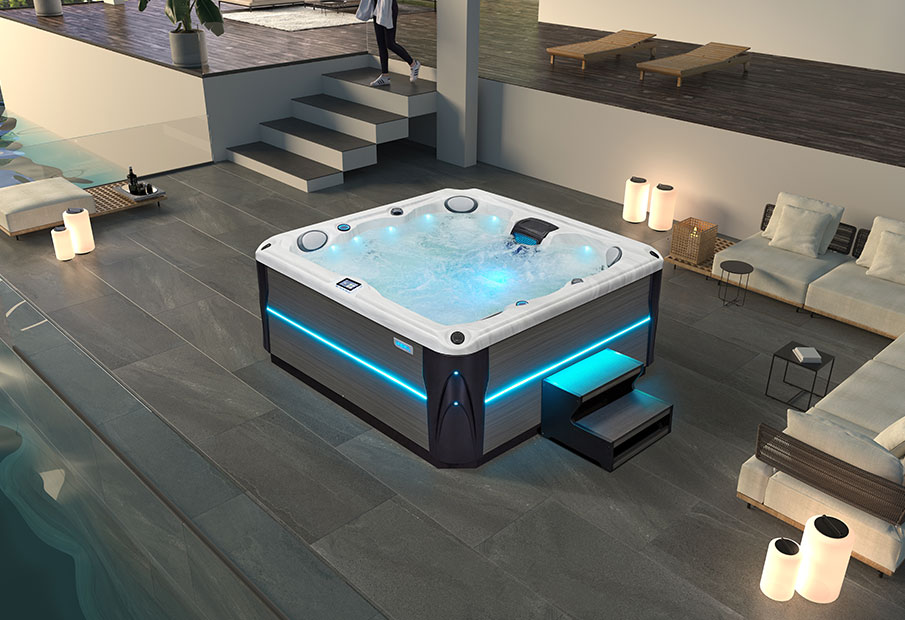
The Fspa BD-001Pro Hot Tub customizable water flow, ozone sanitization, and luxurious features for an unparalleled relaxation experience.
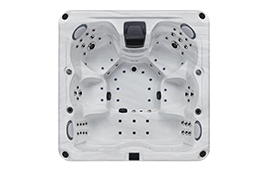
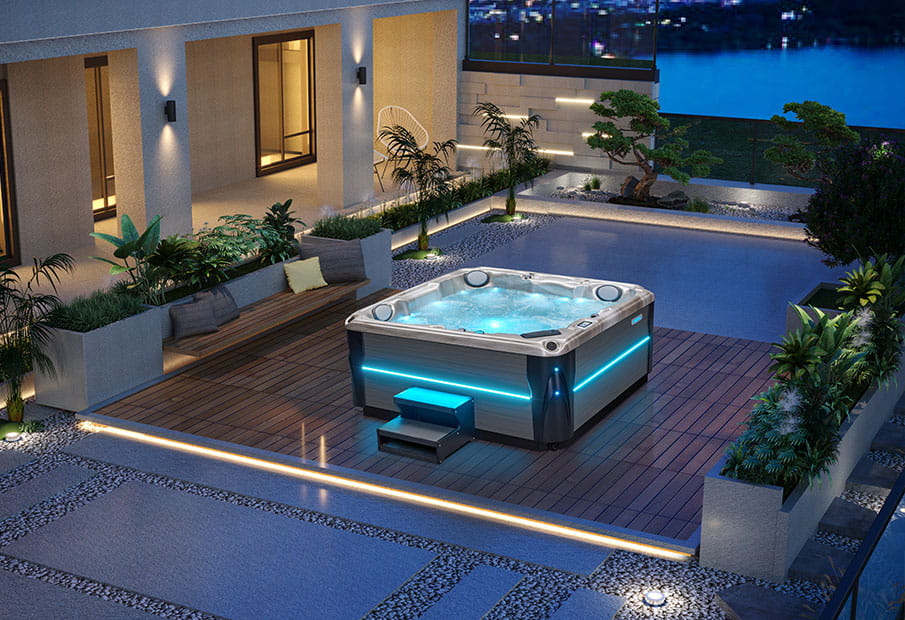
The Fspa BD-006Pro Hot Tub, with its compact spacious design for 5 adults, advanced massage system, 80 water & 18 air bubble jets, efficient heating and filtration, ozone sanitization, and sleek design, offers unparalleled luxury, relaxation, and convenience for both residential and commercial use.
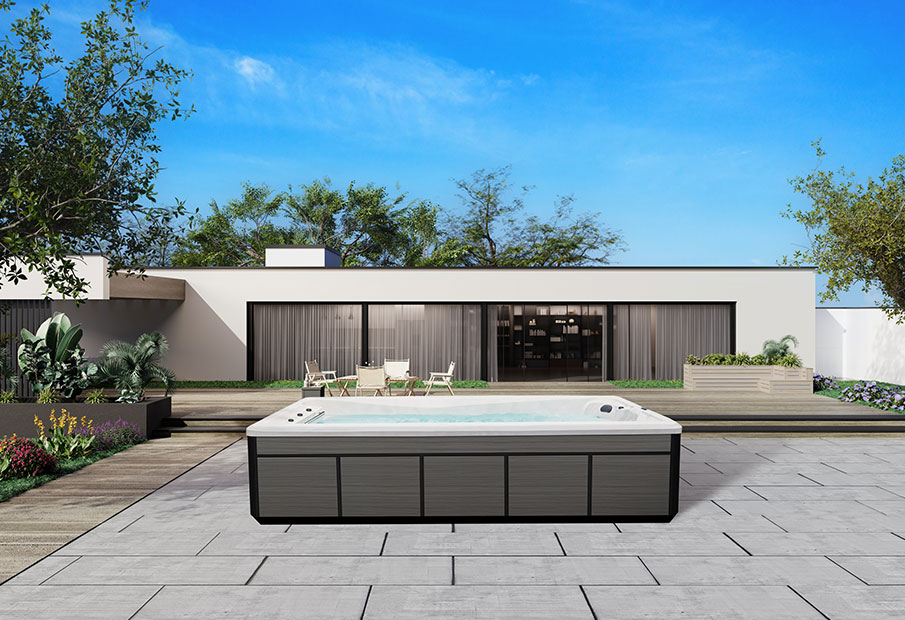
The Infinipool Fspa IP-003 provides a superior swimming experience in both residential and commercial settings.
PRODUCTS
INQUIRY
Thank you for your message!Our Chinese New Year holiday from 7th Feb to 28th Feb. Apologise to make your inconvenience so that responses may be delayed during this period. We'll back to you with regular service on 2th March .Thank you for understanding.


