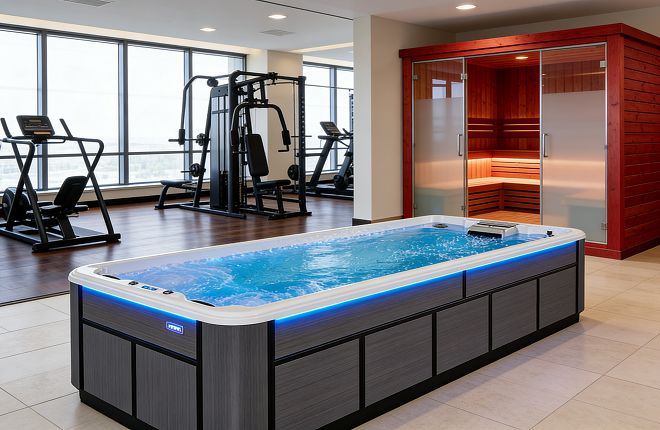
Creating a backyard or indoor relaxation space has never been easier thanks to modern plug in hot tubs. These convenient spas offer the perfect combination of comfort, therapy, and ease of installation. Whether you are looking for a compact rectangular hot tub or a big hot tub to entertain family and friends, understanding the options available through trusted hot tub dealers can help you make the right investment. fspa provides expert guidance on selecting the ideal hot tub, including insights on features, size, and the benefits of owning the biggest hot tub possible for your space.
A plug in hot tub is designed for convenience and accessibility. Unlike traditional hot tubs that may require specialized plumbing or electrical connections, plug-in models only need a standard power outlet, making them perfect for homeowners who want a hassle-free installation. This flexibility allows them to be placed indoors or outdoors, on patios, decks, or even in enclosed wellness spaces.
For those considering a rectangular hot tub, the shape offers a sleek, modern look that integrates well with decks and landscaped areas. Rectangular designs often maximize seating and legroom, allowing more users to enjoy the spa comfortably. While compact in appearance, these tubs are engineered for full hydrotherapy, featuring strategically placed jets that target sore muscles and improve circulation.
If you want to accommodate multiple people or host gatherings, a big hot tub provides ample space and comfort. These larger models are designed for families or social use, making them perfect for backyard entertainment. The biggest hot tub available can seat multiple adults comfortably, featuring deep soaking areas, advanced jet systems, and optional features such as LED lighting, waterfalls, and ergonomic seating.
When choosing a plug in hot tub, working with reliable hot tub dealers is crucial. Experienced dealers can provide advice on sizing, features, and maintenance, helping you select a spa that meets both your space and lifestyle requirements. fspa emphasizes that selecting the right dealer ensures proper installation, warranty support, and ongoing service for your investment.
Additionally, plug-in hot tubs are energy-efficient and cost-effective. They use standard electrical outlets and typically consume less energy than larger, hardwired models. Whether you opt for a rectangular hot tub or a big hot tub, energy efficiency and ease of use make plug-in models an attractive option for many homeowners.
Rectangular hot tubs are highly versatile and designed for both therapeutic use and social enjoyment. Their straight edges allow them to fit neatly against walls or decking, providing a modern, minimalist aesthetic. Many models include multiple jets, ergonomic seating, and built-in filtration systems that simplify maintenance while delivering a premium spa experience.
A big hot tub offers similar benefits but on a larger scale. Larger models allow for group relaxation, hydrotherapy, and family use. They often include adjustable jets, customizable seating, and advanced heating systems, ensuring consistent water temperature and maximum comfort. Some of the biggest hot tubs on the market can accommodate six or more people, making them the ultimate choice for entertaining or large families.
When selecting a plug in hot tub, consider your lifestyle and space. Smaller homes or apartments may benefit from a compact rectangular design, while larger backyards can accommodate a big hot tub or even the biggest hot tub available. Working with knowledgeable hot tub dealers ensures that you select the right model for your intended use.
Another key factor is maintenance. Modern rectangular hot tubs and big hot tubs often feature automated cleaning systems, energy-efficient heaters, and easy-to-use controls. This reduces the time and effort required to maintain clean, safe water while preserving the spa’s longevity. fspa recommends choosing a plug-in model that balances size, features, and convenience for long-term satisfaction.
Finally, a plug in hot tub can transform any space into a private wellness retreat. Whether placed on a deck, patio, or inside a wellness room, these spas provide hydrotherapy benefits that reduce stress, improve circulation, and promote overall relaxation. With a variety of options from trusted hot tub dealers, homeowners can enjoy the luxury of a personal spa with minimal installation challenges.
A plug in hot tub is an excellent investment for homeowners seeking convenience, comfort, and wellness. Whether you choose a rectangular hot tub for a sleek design or a big hot tub to entertain family and friends, these spas offer versatile options for any space. The biggest hot tub models provide ample seating, advanced features, and luxury experiences, while compact options maximize hydrotherapy benefits in smaller spaces.
By consulting with reputable hot tub dealers and exploring top-quality models through fspa, homeowners can ensure a long-lasting, enjoyable spa experience. A well-chosen plug-in hot tub transforms your backyard or indoor space into a personal retreat, delivering relaxation, social enjoyment, and wellness benefits for years to come.
A plug in hot tub is a spa that operates using a standard electrical outlet, allowing easy installation and placement indoors or outdoors without specialized wiring.
Rectangular hot tubs offer a modern aesthetic, ergonomic seating, and efficient use of space, making them ideal for both indoor and outdoor installations.
A big hot tub can comfortably seat four or more adults and often includes deep soaking areas, multiple jets, and advanced heating systems. The biggest hot tub models may accommodate six or more people.
Trusted hot tub dealers provide high-quality models, installation support, warranty service, and guidance on choosing the right spa for your space and needs.
Yes, modern plug in hot tubs, including big hot tubs, offer full hydrotherapy benefits, energy efficiency, and advanced features similar to larger hardwired spas.
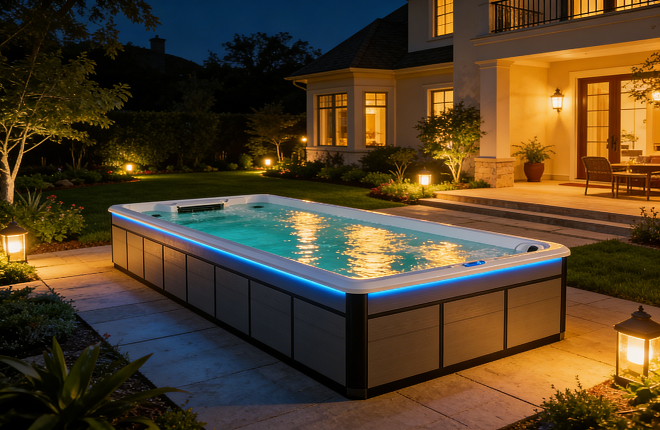
Luxury Living Elevated: Creating Personal Wellness Spaces with Pools and Hot Tubs
Home wellness has evolved far beyond traditional self-care, reflecting a rising desire for comfort, luxury, and restorative design within residential environments. As homeowners increasingly prioritize experiences over possessions, features such as pools with hot tubs, spa-inspired interiors, and sensory outdoor retreats are becoming hallmark indicators of modern living. Beyond aesthetics, these installations offer proven wellness benefits—including hydrotherapy, enhanced relaxation, and deeper family connection—making them highly sought after in premium real estate and home renovation projects.
This wellness-driven shift has also pushed manufacturers and industry organizations like FSPA (Florida Swimming Pool Association) to elevate standards for design, installation, and long-term safety. Through curated craftsmanship, technical expertise, and a commitment to innovation, FSPA continues to support homeowners and builders in achieving high-performance aquatic environments that blend beauty with functionality.
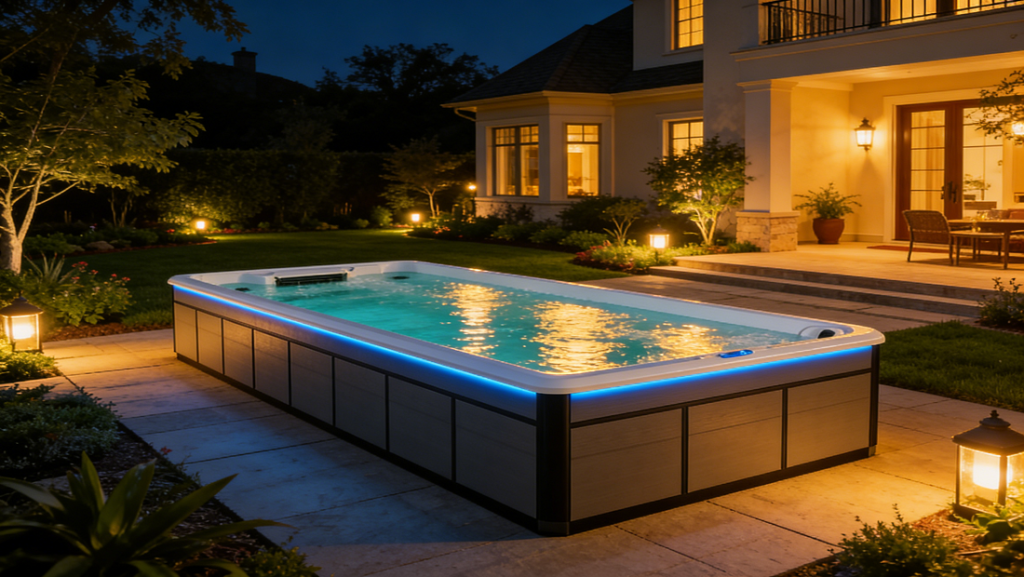
One of the most notable trends shaping outdoor architecture is the integration of pools with hot tubs. This layout allows homeowners to transition from energizing swims to soothing hydrotherapy without compromising space or style. With a carefully planned approach, these spaces become multi-season hubs for leisure, fitness, and family enjoyment.
A growing number of homeowners are also turning toward compact configurations, like the corner hot tub, which offers convenience and space efficiency without sacrificing comfort. Whether installed indoors as part of a bathroom spa or outdoors beside a landscaped pool deck, the corner hot tub can transform previously unused square footage into a high-value relaxation zone.
In luxury-focused projects, designers are also favoring the fluid lines and clean geometry of the modern hot tub. Characterized by refined finishes, ergonomic seating, LED accents, and smart temperature control, today’s modern hot tub designs pair wellness functionality with contemporary visual appeal. These enhancements align perfectly with upscale architectural styles, enabling seamless integration into minimalist villas, Scandinavian-style homes, and Mediterranean courtyards.
Homeowners seeking family-focused comfort frequently invest in home hot tubs to improve daily living routines. Used for morning resets, post-work decompression, or weekend social gatherings, home hot tubs represent a long-term lifestyle upgrade rather than a seasonal indulgence. As hydrotherapy research expands, so does awareness around benefits such as reduced muscle tension, improved circulation, and targeted stress relief. Combined with the right poolscape, these features enhance mental well-being and elevate everyday rituals into meaningful relaxation moments.
For those who entertain often, the best 5 person hot tub layouts offer the ideal balance between social seating and private comfort. Configured to support multiple users without overcrowding, the best 5 person hot tub is perfectly sized for families, small groups, or couples seeking enhanced lounging space. With thoughtful placement beside a pool or garden path, it encourages year-round outdoor lifestyle habits that nurture connection and enjoyment.
As these premium amenities become more accessible, FSPA plays an essential role in guiding builders, contractors, and consumers through informed decision-making. By supporting education, providing regulatory insights, and ensuring reputable industry standards, FSPA helps homeowners invest confidently in aquatic installations that deliver long-term wellness and operational durability.
While visual luxury enhances the appeal of outdoor spa spaces, true value lies in the physical and mental wellness benefits they deliver. Hydrotherapy—central to all home hot tubs and integrated pools with hot tubs—is scientifically linked to improved sleep, reduced anxiety, and enhanced physical recovery. Warm-water immersion relaxes muscles, stimulates blood flow, and releases tension, creating tangible improvements for athletes, office workers, and individuals with circulation challenges.
The ergonomic seating of today’s modern hot tub design further supports targeted back and leg massage through strategically positioned jets. These technological advances allow homeowners to personalize routine hydrotherapy sessions without visiting a spa or clinic—building consistent wellness habits at home.
Spatial design also plays a crucial role in supporting relaxation. Natural materials, ambient lighting, and calming landscaping can enhance the sensory impact of a corner hot tub installation placed beside a pool or garden. Designers frequently recommend integrating privacy screens, pergolas, and greenery to create sheltered environments that encourage quiet reflection and emotional reset.
For families, the best 5 person hot tub offers an inclusive relaxation space that fosters bonding while promoting healthier lifestyle choices. Instead of relying on digital entertainment, children and adults alike can unwind in warm water surrounded by nature, stars, or morning sunlight—depending on the rhythm of household schedules.
The presence of FSPA-backed contractors ensures that installations not only look beautiful but also comply with structural, safety, and performance benchmarks. From energy-efficient heating systems to responsible water management solutions, FSPA encourages sustainable practices that align with environmental awareness and modern living standards.
As demand for wellness-focused home environments continues to rise, investments in pools with hot tubs, corner hot tub layouts, modern hot tub architecture, and premium home hot tubs show no sign of slowing. These installations reflect a lifestyle built around restoration, elegance, and intentional well-being—qualities deeply valued in luxury residential design. The best 5 person hot tub provides an ideal blend of comfort and social connection, rounding out the spectrum of hydrotherapy solutions available to discerning homeowners.
With the support of industry leaders like FSPA, homeowners can confidently transform their living spaces into private wellness resorts grounded in craftsmanship, safety, and long-term performance. Whether embracing minimalist luxury, creating a family-friendly retreat, or exploring innovative materials and smart controls, the future of home relaxation is already here—waiting to be shaped by thoughtful design.
If you’re ready to elevate your lifestyle and craft a personal wellness sanctuary, now is the perfect time to explore custom aquatic environments that combine sophistication, therapeutic benefits, and timeless comfort.
Combining pools with hot tubs allows homeowners to enjoy both fitness and relaxation in one integrated environment. It maximizes space, provides year-round usability, and enhances outdoor leisure experiences.
Yes. The corner hot tub is ideal for compact areas because it fits neatly into architectural recesses, balconies, or patio corners without sacrificing comfort or seating capacity.
A modern hot tub typically includes ergonomic seating, sleek styling, LED lighting, and smart temperature control. Its minimalist presentation complements contemporary architecture while improving functionality.
Not necessarily. Home hot tubs can be installed indoors or outdoors depending on ventilation, flooring materials, and moisture considerations. Indoor installations can create spa-like environments year-round.
The best 5 person hot tub offers ergonomic seating for multiple users, powerful hydrotherapy jets, durable construction, and efficient insulation—making it perfect for family relaxation and social use.
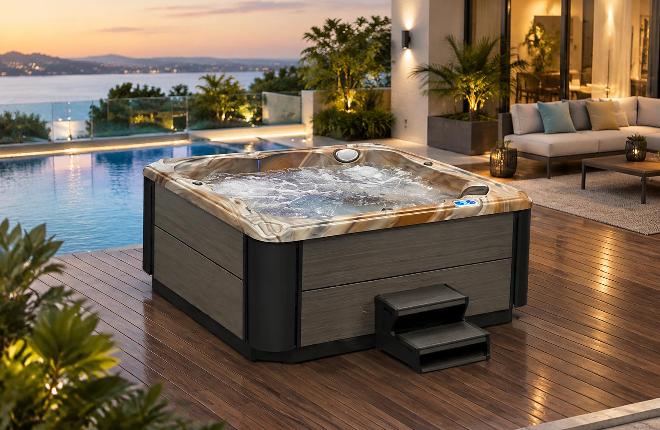
What Actually Makes a Swim Spa the Best Value Swim Spa
Shopping for a swim spa usually starts with a spreadsheet of jet counts and horsepower ratings, then quietly turns into a question of trust. Buyers want to know if the unit sitting in a backyard for the next decade will actually earn its price tag, not just look good in a showroom. The phrase "best value swim spa" gets thrown around by nearly every manufacturer, but value is not a marketing label. It is a ratio between what the tub delivers in daily use and what it costs to own over time, including energy bills, water treatment, and the inevitable service call.
This piece breaks down what genuinely separates a well-priced swim spa from an overpriced shell, using a mid-size hydrotherapy tub as a working example. We will look at capacity, jet layout, sanitation systems, and where a unit like this actually fits into a household or a hospitality business, so the decision comes down to facts rather than adjectives.
A low sticker price on a swim spa often hides deferred costs. Thin acrylic shells crack under seasonal temperature swings, undersized pumps struggle to maintain heat, and weak filtration means more chemicals and more manual cleaning. None of that shows up until months after installation.
Real value comes from matching the equipment to the actual use case. A 6-person unit built around a 5.55kW total power draw, for instance, is sized for households that want group soaking without the operating costs of a full lap-swimming spa. That distinction matters because oversizing a system wastes energy, while undersizing it leaves the water lukewarm on a cool evening.
Before comparing jets or lighting, the physical footprint decides whether a swim spa is even viable for a given yard, deck, or gym floor. A compact 6-adult model measuring roughly 2350 x 2350 x 900mm occupies a modest footprint compared to full-length swim spas that can stretch well beyond four meters.
That smaller footprint opens up placement options that longer units cannot use:
Water capacity follows the same logic. At around 1450L, this size class fills and heats faster than larger swim spas, which shortens the wait after a refill and keeps the heater’s 3kW element from running excessively long.
Jet count gets quoted constantly, but placement determines whether those jets actually reach sore muscles or just churn water. A layout built around 35 jets distributed across contoured seating targets the lower back, shoulders, and calves differently at each seat, rather than repeating the same pattern six times.
The seating itself plays an equally large role. Contoured seats and backrests that follow the body’s natural curve keep bathers positioned correctly against the jets instead of sliding out of range, which is a common complaint with flat-bottomed, budget tubs. According to the manufacturer’s product documentation, this model also includes ergonomic headrests and pillow supports intended to help align the spine during longer sessions, a detail aimed at users doing post-exercise recovery rather than a quick dip.
Total system power is where long-term value either holds up or falls apart. This unit runs on a combined 5.55kW load, split across a 2.2kW massage pump, a 0.35kW filter pump, and a 3kW heater. That split matters more than the headline number.
| Component | Power Rating | Function |
|---|---|---|
| Massage Pump | 2.2kW x 1 | Drives the 35 jets |
| Filter Pump | 0.35kW x 1 | Continuous water circulation |
| Heater | 3kW x 1 | Maintains target temperature |
| Total System | 5.55kW | Combined operating load |
Running the filter pump continuously at 0.35kW costs far less than cycling the full massage system all day, which is why most owners run jets in short sessions and let the smaller pump handle circulation between uses. Understanding this split helps buyers estimate electricity costs before installation instead of guessing after the first bill arrives.
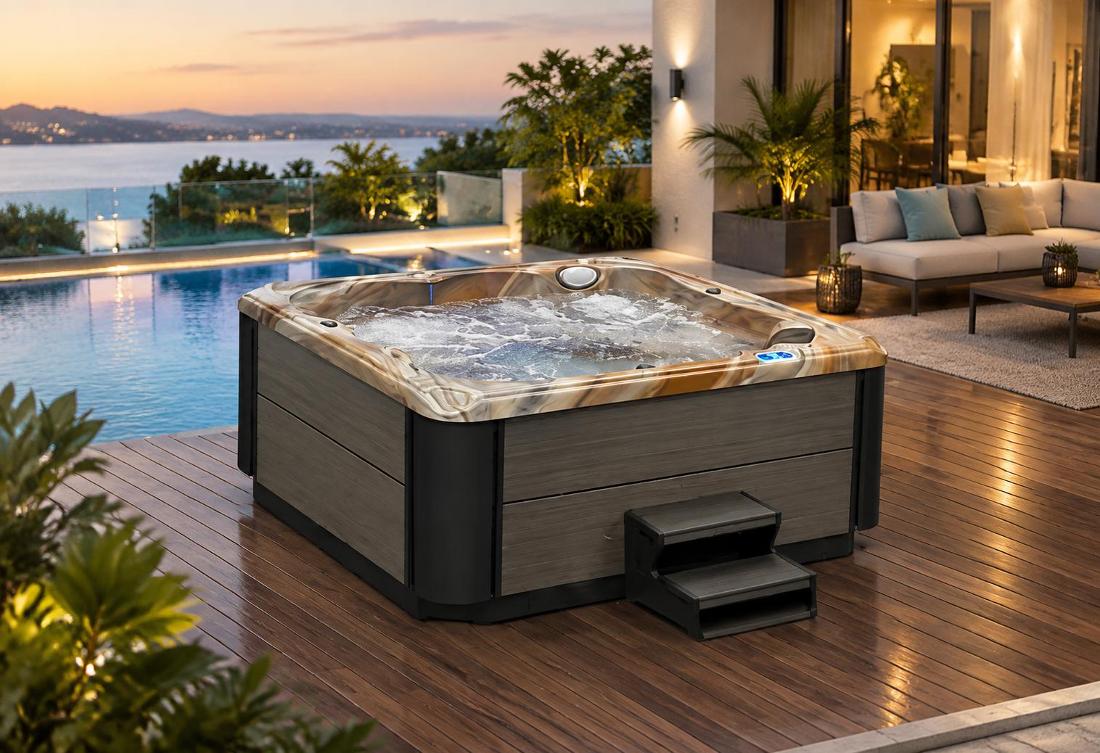
Water chemistry is the least glamorous part of swim spa ownership and the most frequent source of regret. Chlorine-only systems demand constant monitoring, and skipping a week of testing often means cloudy water or a rotten-egg smell that nobody wants near a hot tub.
An integrated ozone sanitization system, as included in this model, works alongside standard sanitizer rather than replacing it entirely. Ozone breaks down organic contaminants in the water before they build up, which reduces how often chemical levels need adjusting and how quickly filters clog. For anyone weighing swim spa cost against swimming pool cost long term, this is one of the few features that directly cuts recurring maintenance time.
Blue LED lighting positioned at the base of the tub is a common addition across the mid-to-premium tier of the market, and it serves a purpose beyond aesthetics. Soft lighting at night makes it easier to gauge water clarity and creates a calmer environment for evening use, which is why hospitality buyers in particular request it for guest-facing installations.
The manufacturer’s materials describe this lighting as part of what they call a "biomagnetic therapy system," a proprietary term specific to their product line. Buyers should treat that label as a branded feature name rather than an independently verified therapeutic mechanism, and evaluate it primarily as ambient lighting with a calming visual effect rather than a clinical treatment.
Application context tells you more about a swim spa’s real-world value than any spec sheet. Three settings come up repeatedly for compact, 6-person hydrotherapy tubs:
Each scenario shares one requirement: the tub needs to be reliable with minimal onsite technical support, since hotels and homestays rarely have a dedicated maintenance team standing by.
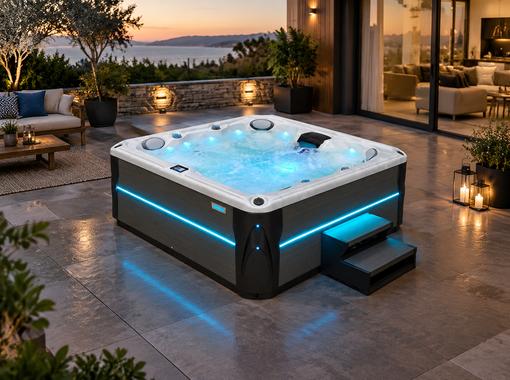
Certification marks get listed on spec sheets constantly, but few buyers know what each one covers. For electrical and safety compliance, look for markings such as CE, CB, SAA, or CTUVus, which indicate the unit has been tested against recognized electrical safety standards in their respective regions.
These certifications confirm electrical and construction safety. They do not verify massage performance, water clarity claims, or how long a shell will last outdoors. Treat them as a baseline requirement rather than a differentiator, since any legitimate manufacturer selling internationally should hold equivalent certification for their target markets.
Narrowing down options gets easier with a short, ordered process rather than comparing every spec side by side:
Does a lower jet count always mean a weaker massage?
Not necessarily. Jet placement and pump pressure matter more than raw count. A well-positioned 35-jet layout can outperform a poorly distributed 60-jet system.
Is ozone sanitization a replacement for chlorine or bromine?
No. Ozone systems reduce the workload on chemical sanitizers by breaking down contaminants faster, but most manufacturers still recommend a low-level chemical sanitizer alongside it.
How much space does a 6-person swim spa actually need?
For a unit sized around 2350 x 2350mm, plan for the footprint plus clearance on at least two sides for panel access during servicing.
Do LED lighting features affect running costs significantly?
LED lighting draws minimal power compared to the heater and pumps, so its impact on the electricity bill is negligible.
Buyers chasing the best value swim spa are better served comparing power draw, sanitation design, and seat ergonomics than chasing the highest jet count or flashiest lighting package. For us, and for most manufacturers building in this mid-size category, the goal is a unit that holds up under daily use without demanding constant attention. That balance, more than any single spec, is what actually defines value in this market.
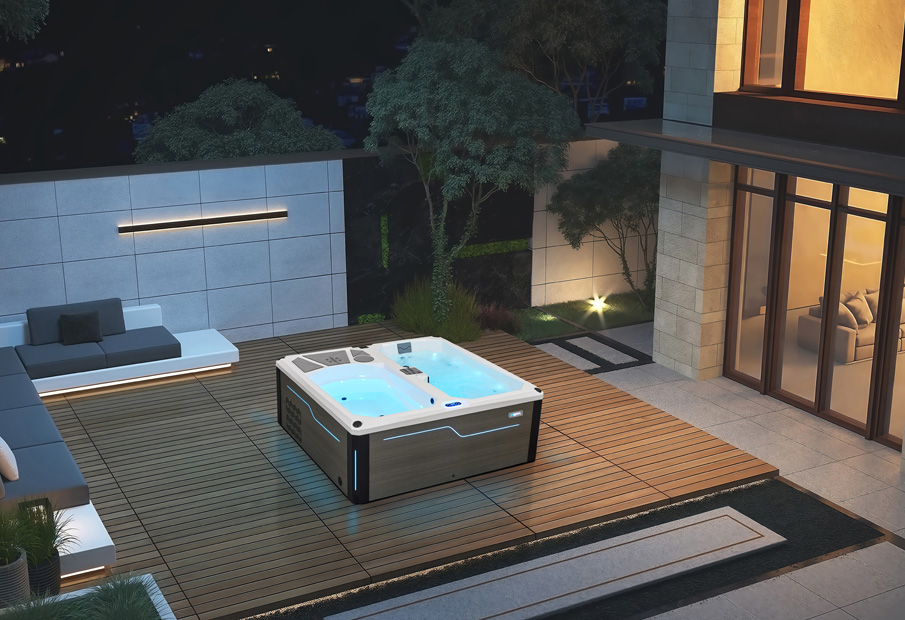
Welcome lights up as you approach, All in one design, plug and play, snowflake pattern, Include filter, circuit pump, Ozone, ice-blue underwater light, and high-efficiency chilling system.
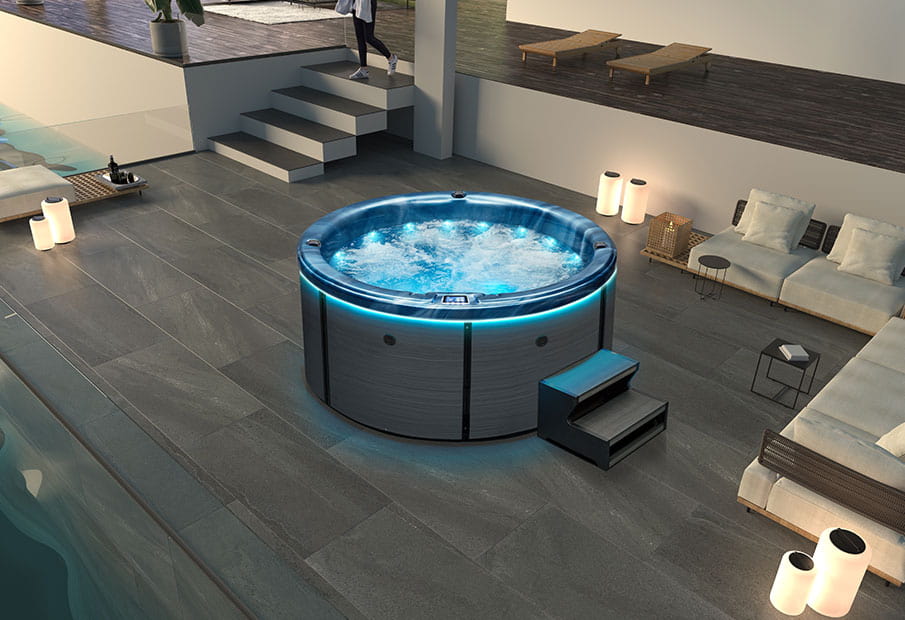
The Fspa BD-009Pro Hot Tub, a compact 2000x900mm spa for up to 6 adults, combines power and efficiency with luxurious features like a 7.97kW system, 50 water & 20 air bubble jets, LED lighting, and music speakers, making it ideal for residential and small commercial spaces.
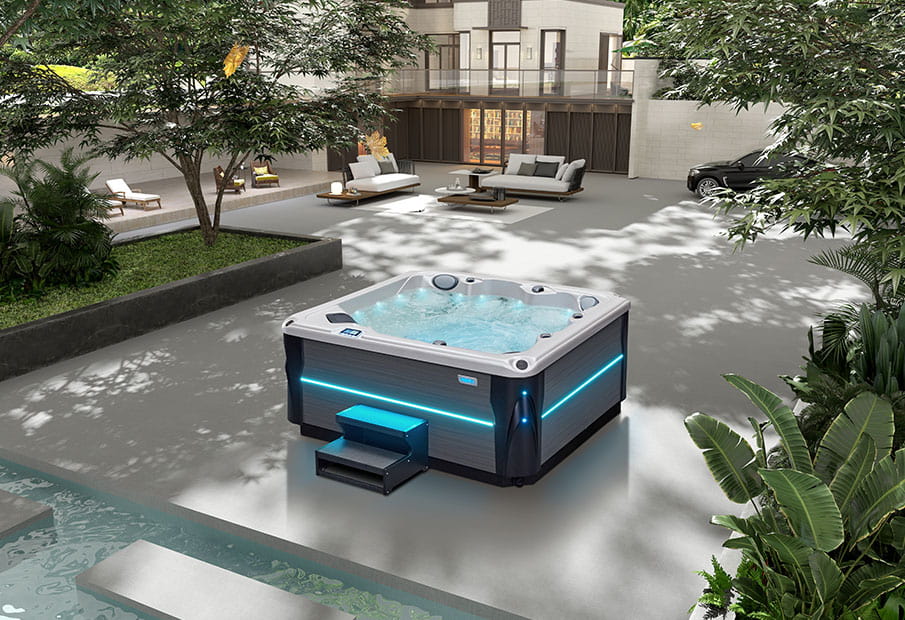
The Fspa BD-007Pro Hot Tub, with its spacious design for 6 adults, powerful massage system, 61 water & 19 air bubble jets, efficient heating and filtration, built-in ozone sanitization, sleek design, and amenities like speakers and coasters, offers unparalleled luxury, relaxation, and rejuvenation for both residential and commercial use.
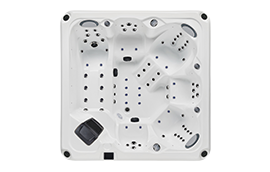
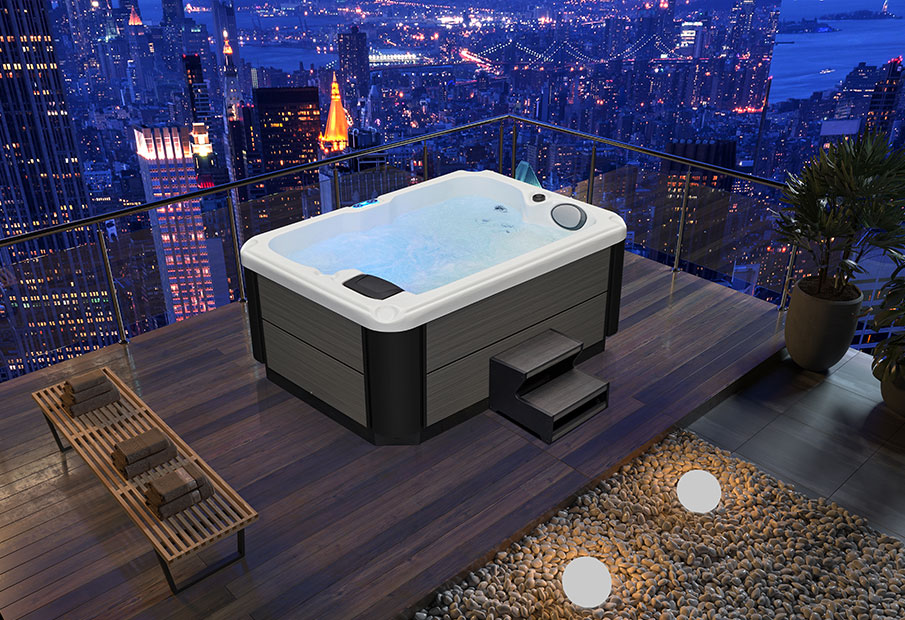
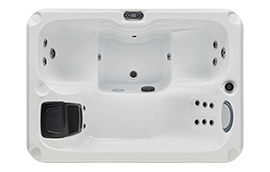
The Fspa BD-002, with its spacious 1870x1330x800mm design for 3 adults, boasts advanced controls, a 1.5kW massage pump, a 0.35kW filter pump, a 2kW heater, 16 water jets, an LED light, a filter, an ozone system, and total 3.85kW power, offering a luxurious and rejuv enating spa experience at home.
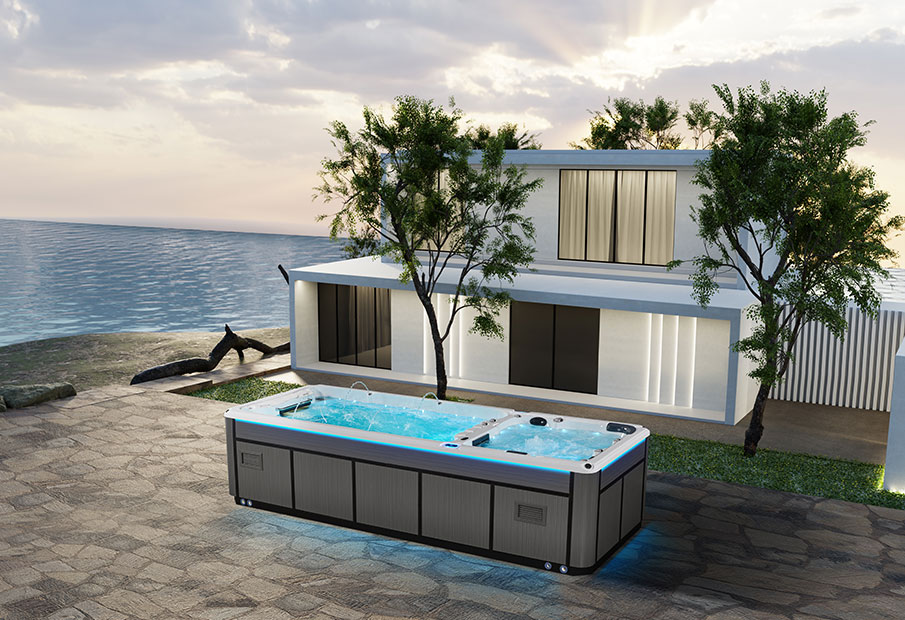
The Infinipool Fspa IP-007Pro is a versatile, luxurious hot tub and swim spa combo, featuring dual systems and customizable options for a complete spa and aquatic therapy experience.
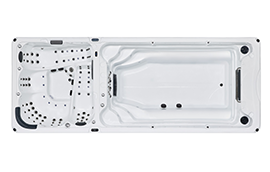
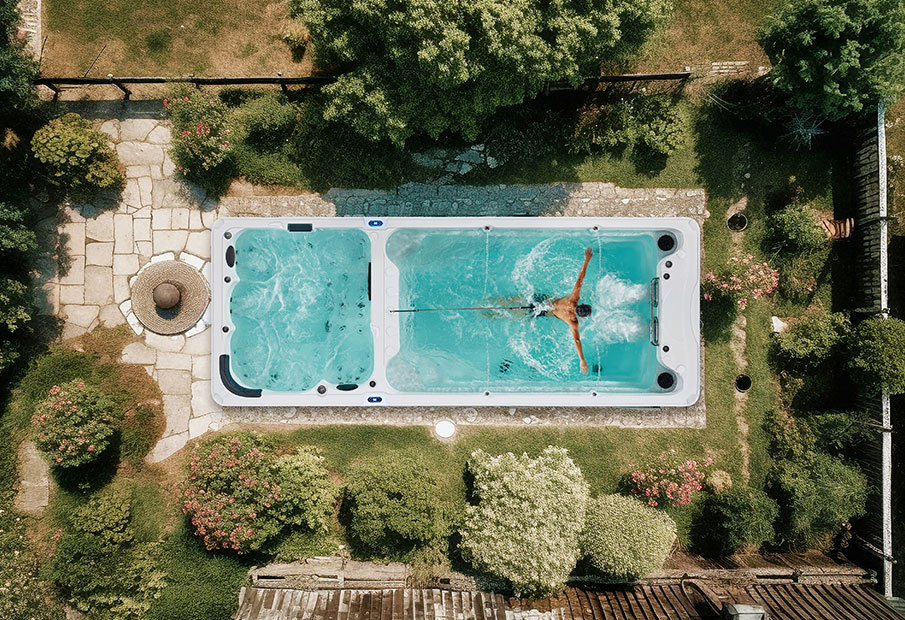
The Infinipool Fspa IP-007 enhances backyard experiences with exceptional performance, style, and a range of optional accessories.
PRODUCTS
INQUIRY
Thank you for your message!Our Chinese New Year holiday from 7th Feb to 28th Feb. Apologise to make your inconvenience so that responses may be delayed during this period. We'll back to you with regular service on 2th March .Thank you for understanding.


