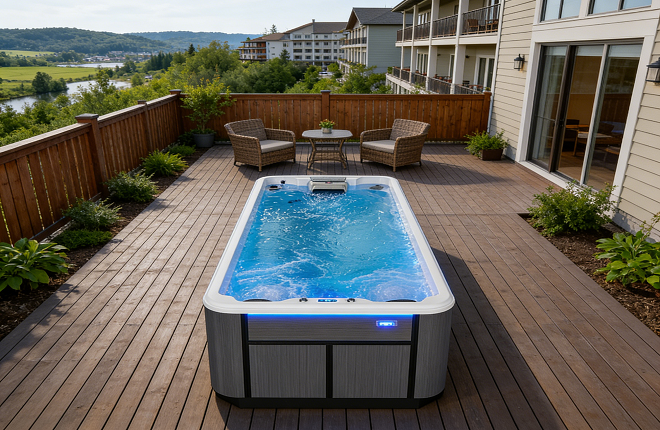
Acrylic swimming pools have gained popularity for their durability, aesthetic appeal, and smooth surface. However, two critical challenges—slip hazards and UV degradation—require specialized coatings to ensure safety and longevity.
Anti-slip coatings are essential for acrylic pools, as their naturally smooth finish increases the risk of accidents, especially when wet. These coatings typically incorporate textured additives such as silica, aluminum oxide, or rubber particles, creating micro-roughness that enhances traction without compromising comfort. Advanced formulations use polyurethane or epoxy bases, which bond tightly to acrylic surfaces, resisting water, chlorine, and chemical cleaners. Some products also feature self-healing properties, maintaining anti-slip performance even after prolonged use. Manufacturers often test these coatings using standardized methods, such as the ASTM F1677 coefficient of friction test, to ensure they meet safety thresholds for both bare feet and poolside footwear.
UV resistance is another key consideration, as acrylic surfaces degrade under prolonged sunlight exposure, leading to discoloration, brittleness, and reduced structural integrity. UV-resistant coatings contain additives like titanium dioxide, zinc oxide, or hindered amine light stabilizers (HALS), which absorb or reflect UV radiation and neutralize free radicals. These coatings form a protective barrier that preserves the pool’s color and prevents surface cracking. High-quality formulations also resist yellowing, ensuring the pool retains its visual appeal over time. Compatibility with acrylic is crucial; silicone-based or acrylic-modified coatings are preferred for their flexibility and adhesion, accommodating thermal expansion without peeling.
Together, these coatings address the dual challenges of safety and durability. When selecting products, pool owners should prioritize certifications from organizations like NSF International for chemical resistance and slip resistance ratings. Regular maintenance, including gentle cleaning and periodic reapplication, further extends the lifespan of both the coatings and the acrylic pool itself, ensuring a safe and attractive aquatic environment for years to come.
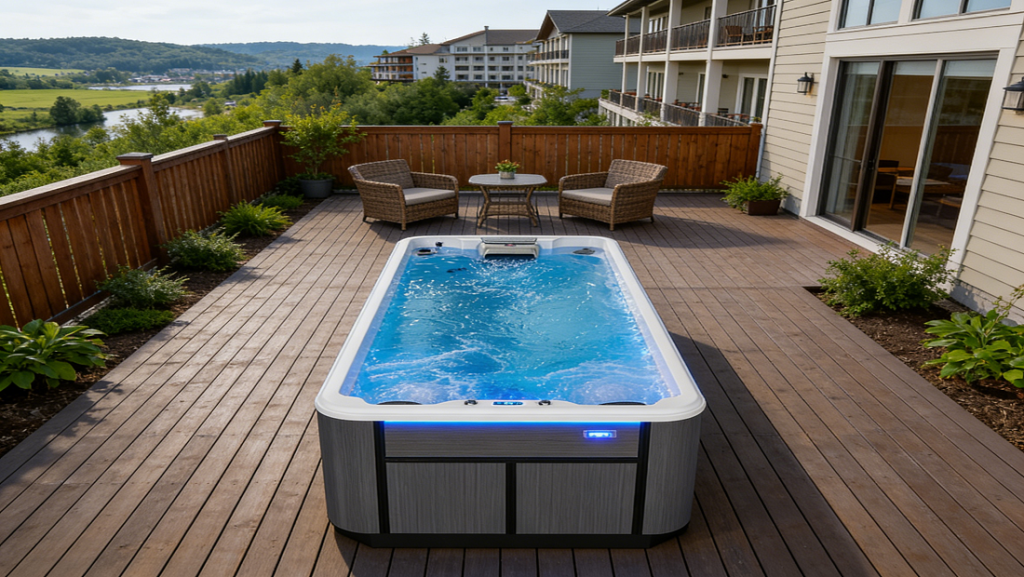
Analyzing the Differences Between Hot Tubs and Cold Plunges
If you’re in the market for a backyard wellness upgrade, you’ve probably come across the eternal debate: hot tub or cold plunge? As a buyer, understanding the differences can save you from costly mistakes—and a few icy surprises.
Let’s start with the obvious: temperature. Hot tubs are basically giant mugs of cozy water, usually sitting around 37–40°C (98–104°F). Perfect for sinking in after a long day, letting your muscles melt like butter, and pretending the world doesn’t exist for 30 minutes. Cold plunges, on the other hand, are the polar opposite—think 10–15°C (50–59°F). One minute you’re in, the next your face feels like it’s auditioning for a snowman contest. It’s bracing, shocking, and strangely addictive.
From a health perspective, hot tubs are all about relaxation. They improve circulation, ease stress, and make post-workout aches a little less dramatic. Cold plunges are for the brave: they reduce inflammation, speed up recovery, and give your body a wake-up call no espresso could match. Some enthusiasts even alternate between hot and cold for “contrast therapy”—essentially torturing yourself in style.
Usage style matters too. Hot tubs are perfect for socializing, candlelit evenings, or even working from your laptop if you’re feeling ambitious. Cold plunges? You’re usually in and out in five minutes, gasping, shivering, and questioning your life choices—though you’ll feel invincible afterward.
Maintenance and setup are another considerations. Hot tubs need heating and chemical management, while cold plunges require insulation or chilling systems. Neither is “set it and forget it,” but hot tubs feel more like a low-maintenance friend, whereas cold plunges are like a strict personal trainer.
Bottom line: If you want a cozy, relaxing escape, go hot tub. If you crave invigoration, recovery, and bragging rights on social media, a cold plunge is your ice-cold friend. And if you’re truly ambitious, why not both? Alternate between warmth and frost and become the backyard wellness guru you were always meant to be.
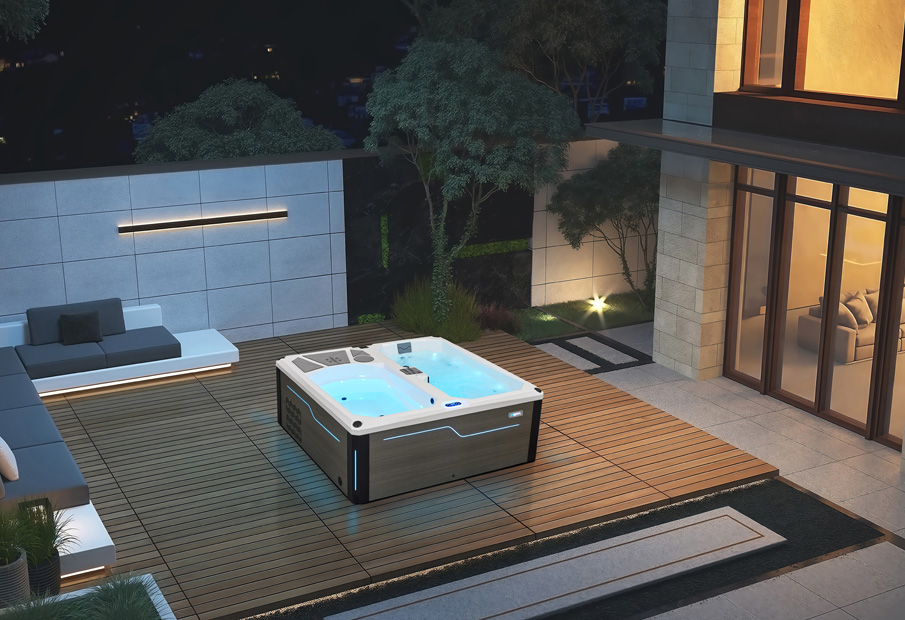
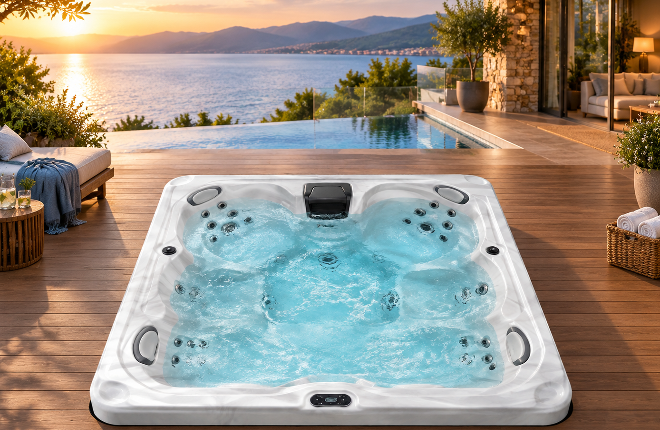
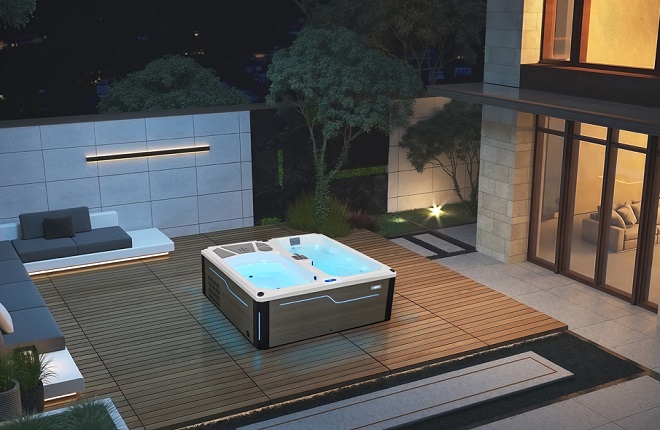
Why Swim Jets Are Changing What People Expect From a Hot Tub
Hot tubs with swim jets sit at an odd intersection between two categories that used to stay separate. One side is relaxation, the warm water, the massage, the evening soak after a long day. The other is exercise, resistance training, and the kind of cardio you’d normally drive to a gym for. Swim jet systems merge both into a single footprint, and that shift is exactly why the search interest around this term keeps growing.
Anyone researching hot tubs with swim jets is usually trying to solve a space problem, a time problem, or both. A lap pool needs real square footage and a real budget. A spa alone gets boring if you’re trying to stay active. Swim jets close that gap by generating a current strong enough to swim against, inside a shell no bigger than a standard hot tub.
The mechanism is simpler than it sounds. A dedicated pump forces water through a nozzle at high velocity, creating a steady countercurrent in one section of the tub. You swim into that current, and the water pushes back. Distance becomes irrelevant. You’re not covering meters, you’re holding position against resistance, the same principle a rowing machine uses with water instead of a flywheel.
This differs from a standard massage jet in purpose, not just intensity. Massage jets are aimed at specific muscle groups, usually the lower back, shoulders, or calves, for therapeutic pressure. Swim jets are aimed at open water space, built to sustain a continuous flow rather than a pulsing one. Some tubs run both systems independently, so you can swim for twenty minutes and then switch to a seated massage cycle once the pump load shifts.
Not everyone needs a countercurrent system, and it’s worth being honest about that before spending on one. It tends to make the most sense for a few specific situations.
Sizing a swim spa comes down to balancing how many people will use it against how much open water you actually need for the current to feel usable. A tub built for six adults to sit and soak isn’t automatically good for swimming, because seating often eats into the clear swim lane.
Manufacturers address this in different ways. Some models pack in a dense jet array purely for hydrotherapy, favoring seat count over open water. Others reduce seating to widen the swim channel. Fspa’s hot tub lineup, for example, ranges from compact 3-person units around 1870x1330mm up to 6-person spas near 2530x2300mm, which gives buyers a spread between a tight therapeutic soak and a larger multi-use footprint.
| Model Tier | Typical Capacity | Jet Count | Heater Output | Best Fit |
|---|---|---|---|---|
| Compact | 3 adults | 16 jets | 2kW | Small patios, couples |
| Mid-size | 4-5 adults | 30-50 jets | 2-2.5kW | Family use, moderate space |
| Large | 5-6 adults | Up to 80 jets | 3kW | Multi-user households, rehab use |
Jet count alone doesn’t tell the full story. Eighty jets spread across a seated hydrotherapy layout does something entirely different from a smaller, concentrated swim current. Before comparing numbers, it helps to ask what the jets are actually positioned to do.
Running a swim spa harder and more often changes the water chemistry demands compared to a tub used mainly for evening soaks. More activity means more organic load entering the water, from sweat to skin oils, and that load needs consistent oxidation to keep things clear.
Ozone sanitization systems are the standard response here. According to Fspa’s product documentation, their hot tub series integrates ozone systems specifically to maintain water clarity and reduce the manual maintenance burden. Ozone works by oxidizing contaminants rather than relying solely on chlorine or bromine, which can lower the amount of chemical you need to add by hand, though it typically works alongside a residual sanitizer rather than replacing it outright.
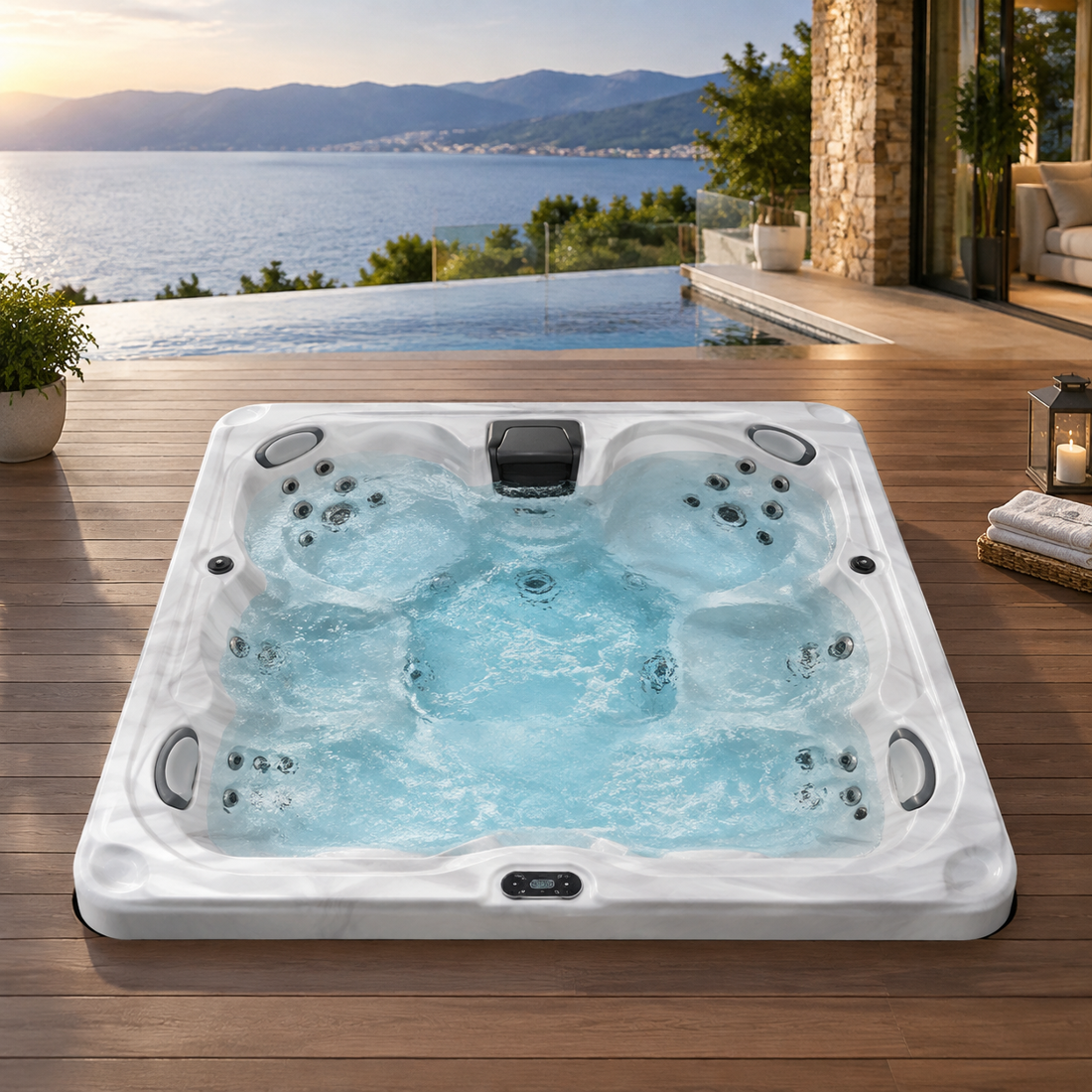
A swim jet pump pulls noticeably more power than a standard circulation pump, since it has to move a large volume of water fast enough to create resistance. That has a direct effect on your heater sizing and your electrical planning, and it’s worth checking before installation rather than after.
Across the Fspa range, total system power reaches up to 5.55kW, with heaters specified between 2kW and 3kW depending on the model. Larger tubs generally need the higher end of that range, particularly in colder climates where the heater has to fight ambient heat loss while the swim pump is also running. If you’re on a standard residential circuit, this is exactly the kind of detail to confirm with an electrician before committing to a model.
Rather than comparing every spec side by side, it helps to work through a short sequence of questions.
Can you actually get a real workout in a swim jet hot tub?
Yes, within limits. The resistance is adjustable on most systems, and swimming against a countercurrent engages similar muscle groups to lap swimming. It won’t replicate open-water distance training, but for cardio and resistance work in a small footprint, it holds up.
Do swim jets and massage jets run at the same time?
On most dual-zone systems, no, they run on separate pump circuits so you can use one without overloading the system. Check the specific model’s plumbing layout, since some smaller units share a single pump across both functions.
How much space does installation actually require?
Beyond the tub’s footprint, you need clearance for the equipment bay, drainage access, and usually a reinforced pad or deck section to handle the added weight of water and the swim pump. A mid-size unit around 2000x2200mm typically needs a few hundred additional millimeters of clearance on the service side.
Is ozone sanitization enough on its own?
Not typically. It reduces the sanitizer load significantly, but most systems still call for a low residual level of chlorine or bromine to handle contaminants between ozone cycles.
The appeal of hot tubs with swim jets isn’t really about novelty. It’s about compressing two separate purchases, a spa and some form of home cardio equipment, into one installation that fits a backyard instead of a renovation project. That’s a meaningful trade-off for households short on space or short on time to maintain two separate systems.
We work across residential, hotel, and rehabilitation settings, and the pattern holds across all three: the buyers who end up satisfied are the ones who sized the swim zone to their actual routine, not just their guest count. If you’re comparing hot tubs with swim jets for a home installation, spend more time on the swim lane dimensions and pump specs than on jet count alone. That’s where the real difference in daily use shows up.
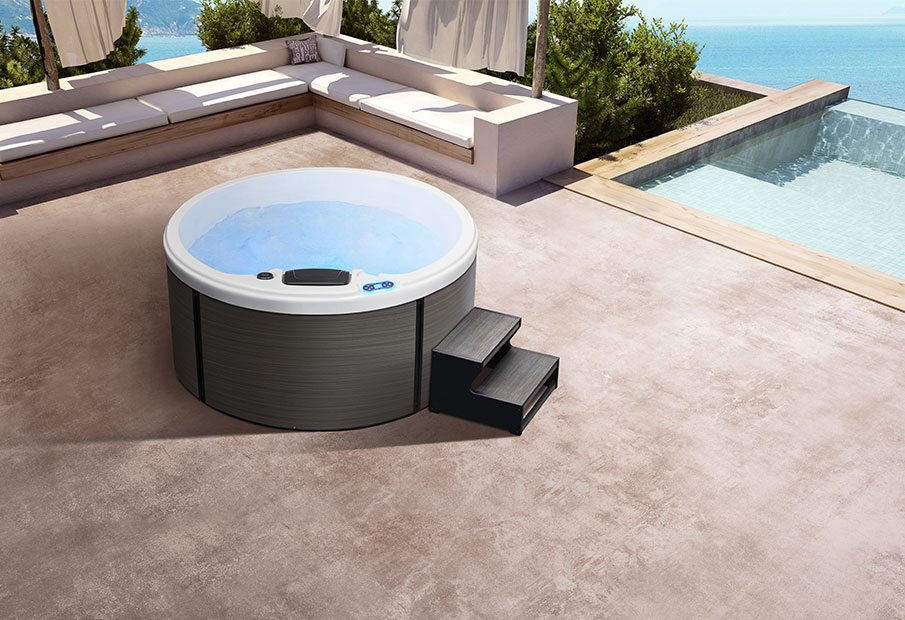
The Fspa BD-018 Hot Tub, designed for 2 adults with spacious dimensions, features a robust control system, 1.5kW massage pump, 0.35kW filter pump, 2kW heater, 14 customizable water jets, LED lighting, ozone sanitation, and a total power of 3.85kW, providing exceptional comfort and relaxation for a luxurious and rejuvenating soak.
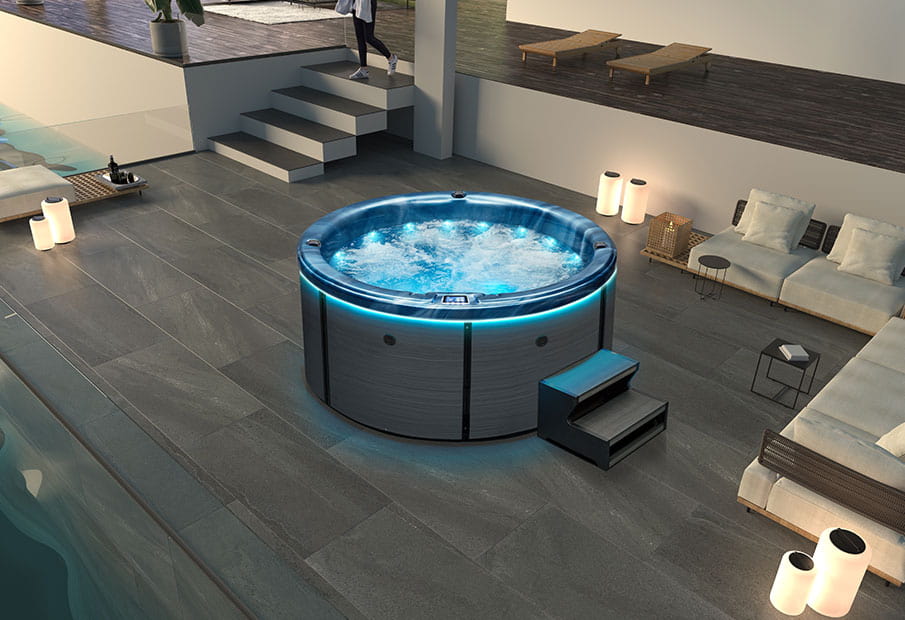
The Fspa BD-009Pro Hot Tub, a compact 2000x900mm spa for up to 6 adults, combines power and efficiency with luxurious features like a 7.97kW system, 50 water & 20 air bubble jets, LED lighting, and music speakers, making it ideal for residential and small commercial spaces.
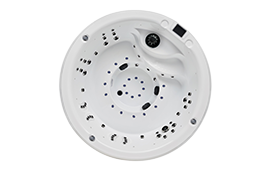
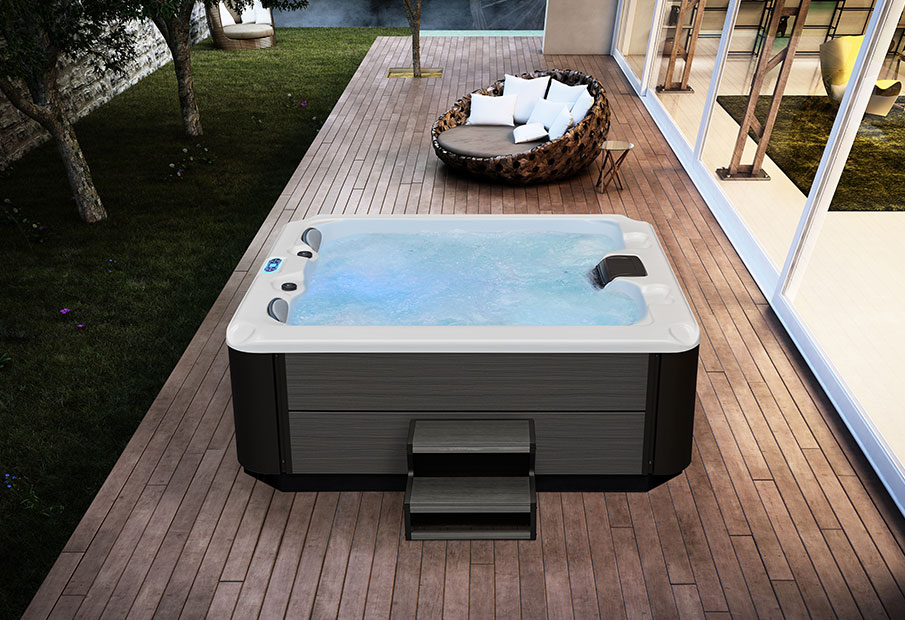
The Fspa BD-014 hot tub, designed for ultimate relaxation and luxury, offers a spacious interior for 4 adults, a powerful 2.2kW massage pump, 35 strategically placed jets, a 3kW heater, calming LED lighting, and an ozone system for clean water, making it the perfect choice for tranquility in your home.
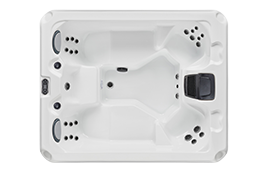
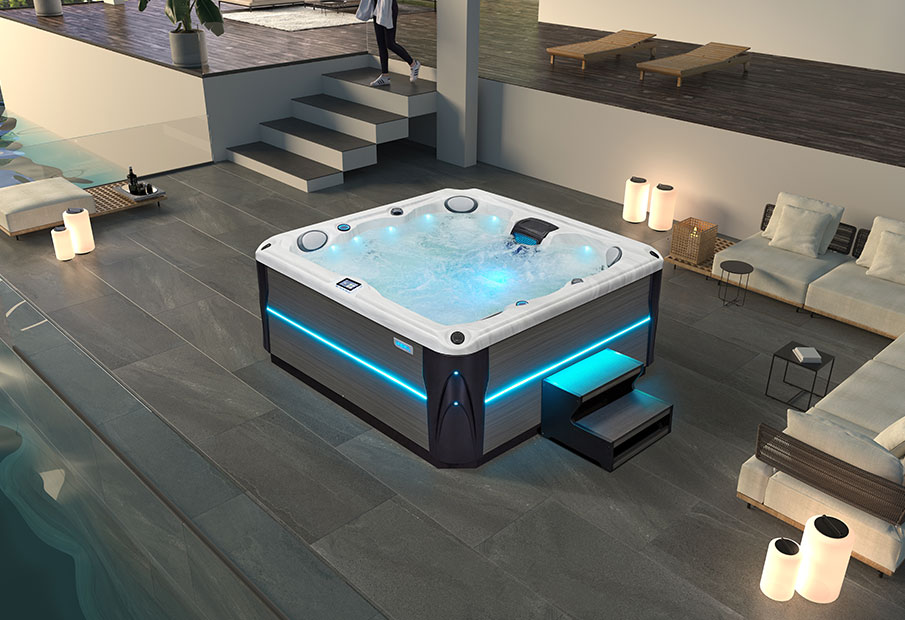
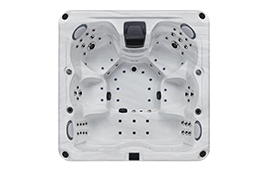
The Fspa BD-001Pro Hot Tub customizable water flow, ozone sanitization, and luxurious features for an unparalleled relaxation experience.
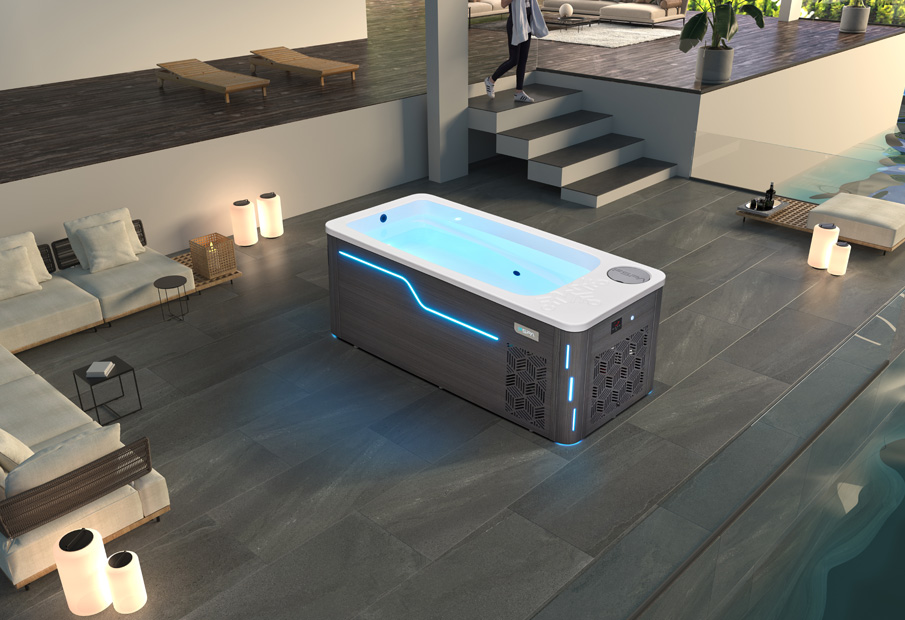
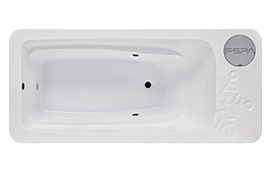
Introducing the Fspa IS-006 Cold Plunge, a spacious and luxurious immersion therapy tub tailored for maximum relaxation and recovery. Measuring 2110mm*950mm*800mm, it offers ample space for a comforting and refreshing dip.
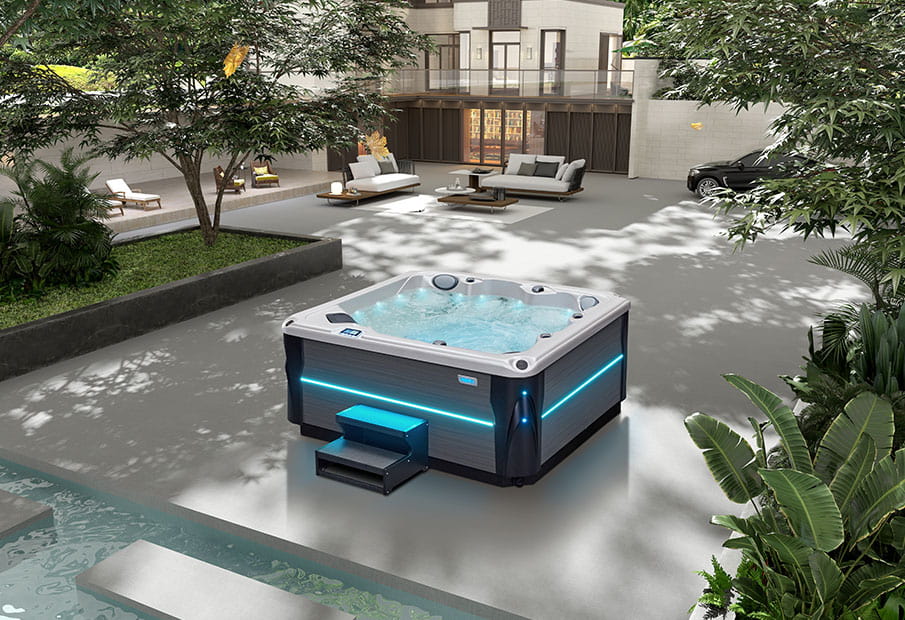
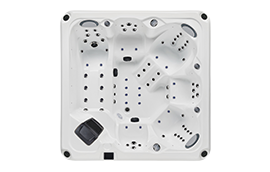
The Fspa BD-007Pro Hot Tub, with its spacious design for 6 adults, powerful massage system, 61 water & 19 air bubble jets, efficient heating and filtration, built-in ozone sanitization, sleek design, and amenities like speakers and coasters, offers unparalleled luxury, relaxation, and rejuvenation for both residential and commercial use.
PRODUCTS
INQUIRY
Thank you for your message!Our Chinese New Year holiday from 7th Feb to 28th Feb. Apologise to make your inconvenience so that responses may be delayed during this period. We'll back to you with regular service on 2th March .Thank you for understanding.


