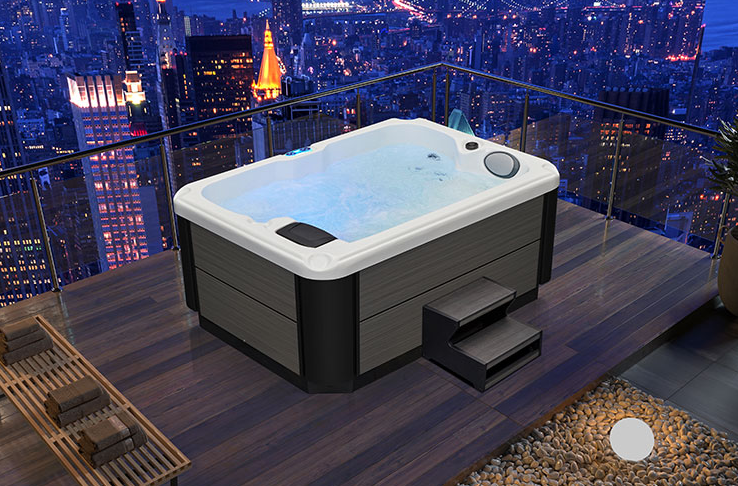
Wellness spaces are no longer limited to outdoor gardens, hotel pools or large recreational facilities. More homeowners, hospitality businesses and commercial wellness projects are looking for flexible solutions that can provide a comfortable spa experience throughout the year. Indoor hot tubs offer an option for creating private and controlled wellness environments in homes, hotels, B&Bs, fitness centers and other suitable facilities.
For projects that require a balance between user capacity and space utilization, a 3 person hot tub can be a practical choice. It provides enough space for several users while remaining relatively compact for indoor environments.
However, selecting the right indoor SPA is not simply about choosing a suitable size. Installation conditions, product functions, customization requirements, manufacturing capabilities and international certifications should all be considered before making a purchasing decision.
Indoor spa installations can provide a more controlled environment for relaxation and wellness. Unlike outdoor installations, indoor facilities are less directly affected by rain, wind and seasonal weather changes.
This can make indoor hot tubs suitable for properties where owners want to create a dedicated wellness area that can be used throughout the year.
An indoor spa can also provide greater privacy. In a private villa, for example, a dedicated spa room can become part of a home wellness area. In a hotel or B&B, an indoor SPA can be incorporated into a guest wellness facility.
For commercial properties, indoor installation may also allow unused or underutilized indoor areas to be converted into recreational spaces.
The main benefits can include:
Year-round usability
Greater privacy
Controlled indoor environment
Flexible space planning
Suitable for residential and commercial projects
Integration with other wellness facilities
Capacity is one of the first factors buyers should consider when selecting a spa product.
A 3 person hot tub provides a balance between shared use and space efficiency. It can accommodate several users without requiring the larger footprint associated with high-capacity spa systems.
For private homes, a three-person configuration can be suitable for couples, family members or small groups. For commercial facilities, it can provide a compact wellness feature for guests or customers.
A three person hot tub may also be easier to integrate into a dedicated indoor wellness room. However, buyers should evaluate the actual dimensions of the selected model rather than relying only on its user capacity.
The available space should include not only the product footprint but also sufficient room for users to access the spa and for technicians to perform maintenance when necessary.
Indoor installation requires more detailed planning than simply placing the product in an available room.
The room should provide sufficient space for the spa itself, user access and maintenance. Doorways, corridors and elevators should also be considered when planning product delivery.
Hot water can increase humidity in an enclosed environment. Appropriate ventilation and humidity management should therefore be considered during the design of the indoor wellness space.
The installation location should have suitable water supply and drainage arrangements. These requirements should be discussed with the project contractor and manufacturer in advance.
Different spa configurations may have different electrical requirements. Buyers should confirm the relevant specifications with the manufacturer and ensure that installation follows local electrical regulations.
A suitable maintenance area can make cleaning, inspection and servicing more convenient. This should be included in the original layout rather than added after installation.
Planning these details in advance can help reduce installation difficulties and create a more practical indoor wellness environment.
The relatively compact capacity of a 3 seater hot tub makes it suitable for different residential and commercial applications.
A private spa room can complement other home wellness facilities such as fitness rooms, saunas and relaxation areas.
For villa projects, a three-person model can provide a shared spa experience without requiring a large swimming pool.
Hotels can incorporate indoor hot tubs into wellness centers, private suites or designated recreational areas.
An indoor installation can also provide guests with a spa experience independent of outdoor weather conditions.
B&B operators can use compact spa products to enhance their recreational facilities. A three-person spa can be suitable for properties where space is limited but an additional wellness feature is desired.
Fitness centers can integrate a 3 person hot tub into a broader wellness environment. It can complement exercise areas and provide an additional recreational facility.
Suitable spa products can also be considered for wellness, physiotherapy and rehabilitation environments. Professional facilities should select products according to their specific requirements and applicable regulations.
Once capacity and installation conditions have been determined, buyers can evaluate the product configuration.
Modern intelligent SPA products can provide convenient controls and help users manage different functions more easily.
For commercial applications, intuitive operation can also make daily management easier for staff.
The company focuses on intelligent outdoor SPA and multifunctional intelligent swimming pool products designed with water-saving concepts.
Efficient water use can be an important consideration for commercial properties that need to manage operating resources over the long term.
An indoor spa should be selected according to the available room dimensions. Compact configurations can help maximize the usability of limited indoor areas.
Comfort, convenient operation and suitable product functions all contribute to the overall spa experience. Buyers should therefore consider the needs of their target users when selecting the configuration.
Standardized products may not always meet the requirements of every project.
A villa owner may have specific requirements for appearance and dimensions. A hotel may need a particular configuration to match its interior design. A distributor may require customized products for a specific target market.
This is where product development and customization capabilities become important.
The company integrates market research, independent product development and design, deep customer customization and modern intelligent production into its business model.
This allows customer requirements to be considered during product development instead of relying entirely on fixed configurations.
For B2B buyers, customization can cover different project requirements related to product design, dimensions, functions, appearance and other specifications, depending on the manufacturer’s capabilities.
For overseas buyers, product certification and manufacturing capacity are important parts of supplier evaluation.
The company covers an area of 32,000 square meters and has a registered capital of RMB 28 million. With an investment of more than RMB 150 million, the company has completed more than 60,000 square meters of manufacturing facilities.
The company also has experience with international certification work involving CE, CB, SAA, ETL and other certifications.
In addition, it actively participates in the formulation of group standards and industry standards and has developed a number of practical patents and invention patents.
The company is also planning provincial laboratory facilities to support continued product research and development.
For international customers, certification requirements can vary according to the destination market and intended application. Buyers should confirm the applicable requirements before placing an order.
For a B2B project, purchasing a three person hot tub involves more than selecting a product from a catalog.
A typical project can begin with understanding the customer’s application environment, target users and installation requirements.
The buyer provides information about the application, available space, required capacity, functions and target market.
The manufacturer evaluates the requirements and recommends a suitable product configuration.
If the project requires customized dimensions, appearance or functions, these requirements can be discussed during the development stage.
After the specifications are confirmed, the product enters the manufacturing process.
Relevant quality checks and certification requirements can be addressed according to the destination market and product specifications.
After production, the manufacturer coordinates delivery and provides appropriate product and after-sales support.
This integrated approach can make communication more efficient for overseas distributors, hotel projects and commercial buyers.
The demand for indoor hot tubs reflects a broader interest in creating more convenient and private wellness environments.
A 3 person hot tub can provide a practical balance between capacity and space utilization, making it suitable for villas, hotels, B&Bs, fitness centers and other appropriate wellness environments.
The right product should be selected based on more than appearance. Installation conditions, product configuration, intelligent functions, water efficiency, customization, certification and manufacturer capabilities should all be evaluated together.
For buyers looking for a 3 seater hot tub, an experienced manufacturer with independent product development, customization capabilities and modern intelligent manufacturing can provide support for different project requirements.
Whether you are developing a private villa, hotel wellness area, B&B facility, fitness center or another indoor wellness project, a three person hot tub can provide a compact solution for shared relaxation.
The company combines market research, independent product development, customer customization and intelligent manufacturing, with manufacturing facilities covering more than 60,000 square meters.
With experience in international certification work including CE, CB, SAA and ETL, the company serves customers in both domestic and international markets.
If you are sourcing indoor hot tubs for distribution or a specific project, provide your required dimensions, application environment, functions and target market to discuss a suitable 3 person hot tub solution and customized quotation.
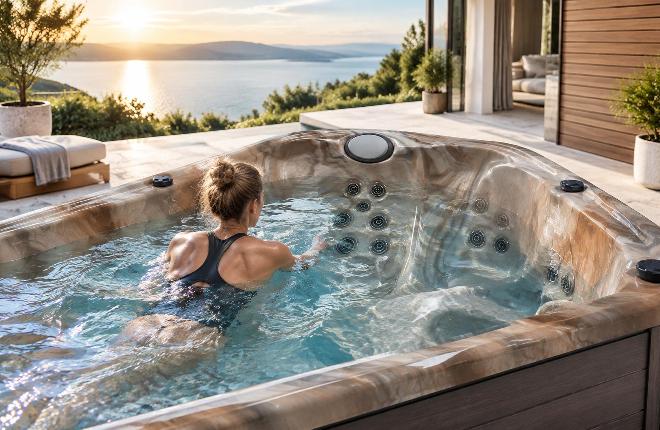
What Makes a Swim Spa Effective for Serious Exercise
Anyone shopping for the best swim spa for exercise usually starts with the same frustration. A backyard pool takes up too much space, costs too much to heat, and sits unused for half the year. A swim spa solves that math problem by compressing resistance training, recovery, and hydrotherapy into one compact footprint. The exercise angle matters here because not every spa on the market is built for it.
Most portable spas are designed around stillness. You sit, the jets hit your shoulders, you relax. Exercise-oriented models flip that logic. They need enough jet output and seating variety to support active movement, not just passive soaking. That distinction separates a genuine training tool from a glorified hot tub with a marketing label attached.
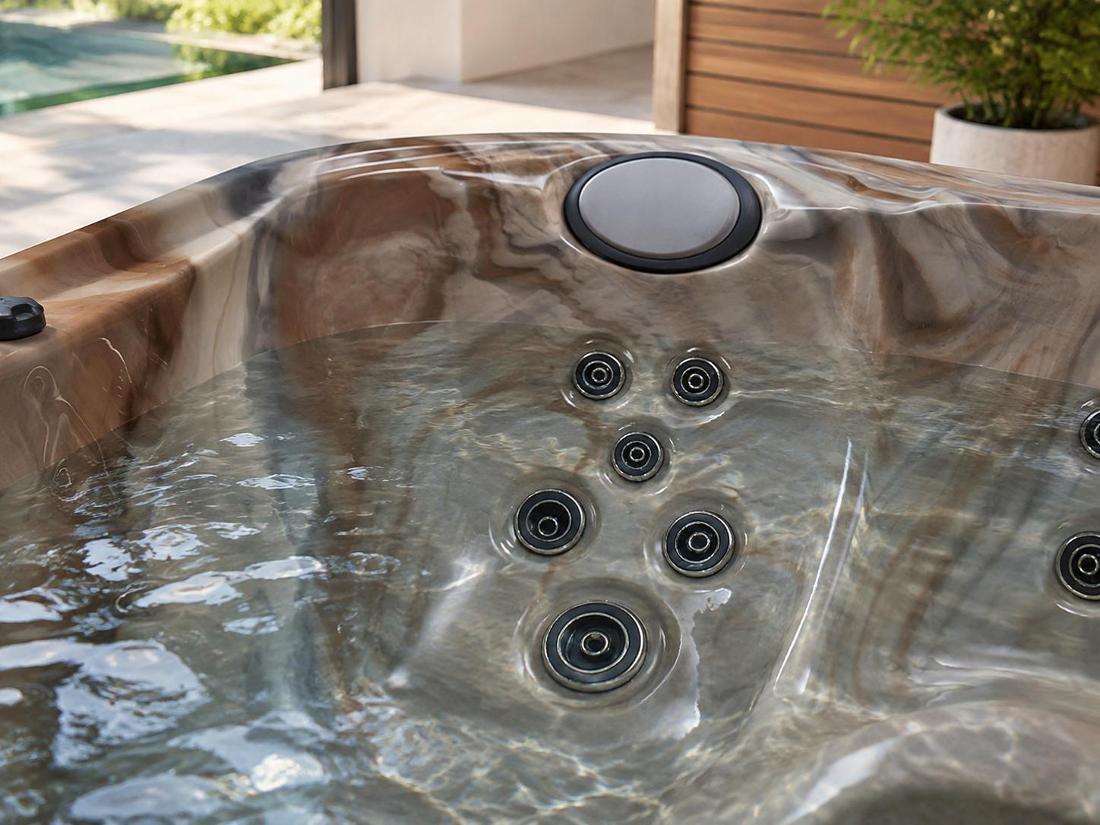
The number and placement of jets is the first thing to check, because it directly affects whether a spa can double as a resistance trainer. A unit like the BD-004, for example, uses 35 targeted massage jets spread across a 6-person shell, which gives enough coverage to work large muscle groups during movement, not only during stationary soaking.
More jets don’t automatically mean better performance, though. Placement matters more than sheer count. Jets clustered around the lower back and calves support recovery after a run. Jets positioned near shoulder and hip seating support resistance work during light aquatic exercise. A well-designed layout accounts for both.
Pump power ties directly into this. A spa running on a 5.55kW total system, split between a 2.2kW massage pump and a 0.35kW filter pump, has enough hydraulic force to maintain strong jet pressure even with multiple seats active at once. Weaker systems lose pressure quickly once more than one or two seats draw water simultaneously.
Buyers focus heavily on jets and horsepower, but seat geometry decides whether a session actually feels productive or just uncomfortable. Contoured seating that follows the spine’s natural curve keeps posture stable during longer sessions, which matters if you’re doing stretching or light resistance movement rather than sitting still.
Headrests deserve more attention than they get. According to the product’s design details, its headrest and pillow system uses soft, supportive material intended to align the neck and spine during use. Without that kind of support, users tend to tense their shoulders to compensate, which defeats the purpose of a recovery-focused soak.
This is one area where the difference between a training-focused spa and a purely recreational one becomes obvious. It’s not about extra features. It’s about whether the shape of the tub matches how a human body actually moves in water.
Swim spas marketed for exercise still need to justify their footprint. A 6-person unit measuring roughly 2350 x 2350 x 900mm, holding around 1450 liters of water, occupies a fraction of the space a lap pool would need. That’s the core appeal for hotels, wellness centers, and backyard installations where square footage is limited.
Weight matters too, particularly for rooftop terraces or elevated decks. A net weight around 317kg, before water fill, is a reasonable baseline for structural planning. Anyone installing on a wooden deck or balcony should confirm load capacity with a structural engineer before final placement, since water weight adds substantially once filled.
| Specification | Detail |
|---|---|
| Capacity | 6 Adults |
| Dimensions | 2350 x 2350 x 900mm |
| Total Power | 5.55kW |
| Massage Pump | 2.2kW x 1pc |
| Filter Pump | 0.35kW x 1pc |
| Heater | 3kW x 1pc |
| Jet Count | 35 |
| Water Capacity | 1450L |
| Net Weight | 317kg |
Exercise spas get used more often than decorative ones, which means water quality management becomes a bigger factor than most buyers initially expect. An integrated ozone sanitization system reduces the manual chemical balancing that traditional chlorine-only setups demand. Ozone breaks down organic contaminants introduced by sweat and skin oils, which accumulate faster in a spa used for regular training sessions.
This doesn’t eliminate maintenance entirely. Filters still need periodic cleaning, and water chemistry still needs occasional checking. What it does is stretch the interval between deep maintenance sessions, which matters for commercial settings like hotel gyms where downtime translates directly into lost guest access.
LED lighting often gets dismissed as a cosmetic add-on, but its role in recovery-focused spas is more grounded than that. Bottom-positioned blue LED lighting, as used in the BD-004’s lighting layout, creates a calm visual environment that, according to the product’s design intent, supports a sense of mental well-being after physical exertion. This matters because recovery isn’t purely physiological. The nervous system needs cues to shift out of a stressed state, and dim, consistent lighting is one of the simpler ways to support that transition.
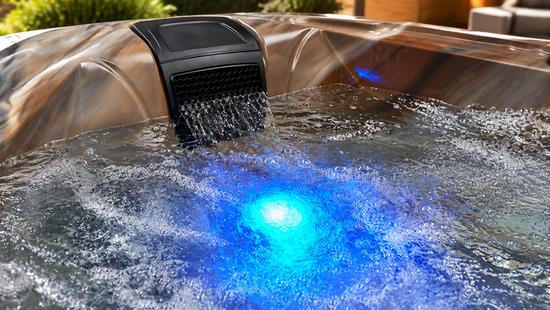
For evening sessions after a workout, this lighting also removes the need for external lighting setups, which is a practical convenience for outdoor installations without extensive landscape lighting already in place.
Selecting a spa isn’t a one-size-fits-all decision. The right choice depends heavily on where and how it will be used.
Matching the spa’s design intent to the actual use case avoids the common mistake of buying based on aesthetics alone, then discovering the jet layout or seating doesn’t support the intended activity.
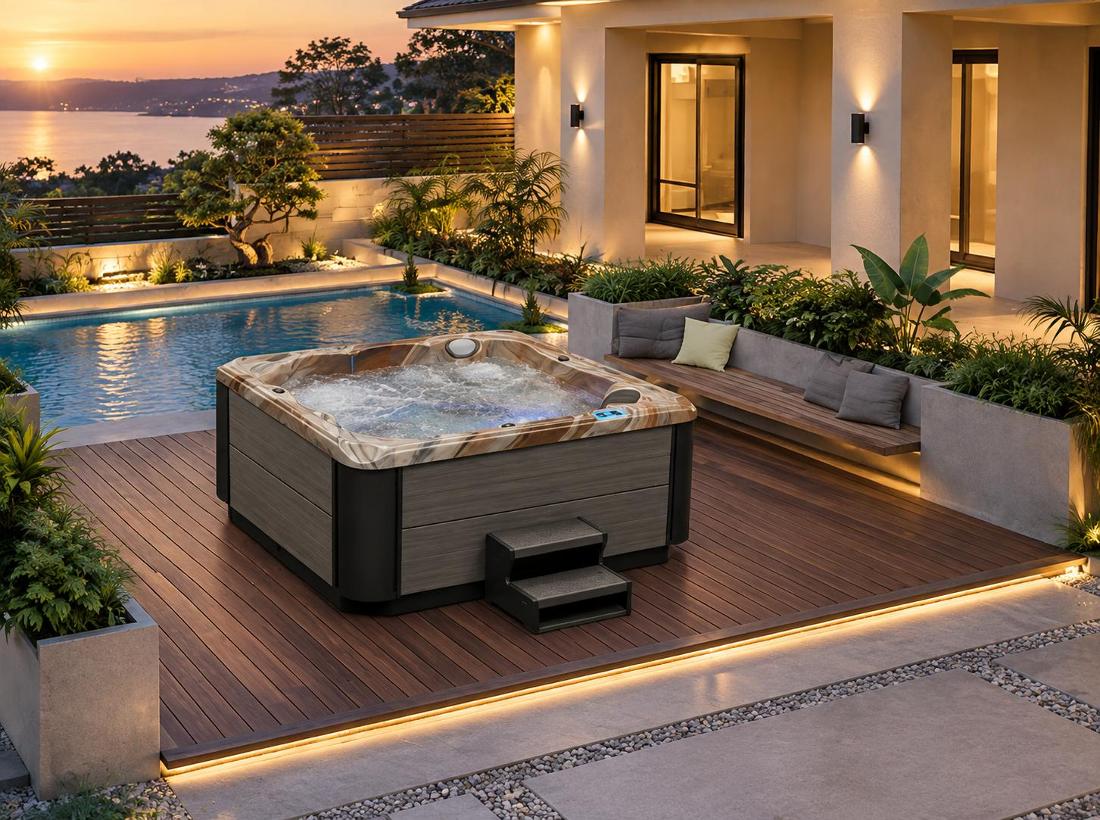
A hotel gym setting benefits from a spa that supports post-workout muscle recovery in a calm environment, giving guests a wellness amenity that differentiates the property without requiring a full spa facility buildout. A villa’s backyard installation, on the other hand, often functions as a visual centerpiece as much as a functional recovery tool, particularly for evening use under lighting.
Seaside homestays present a slightly different case. Guests arriving after long travel benefit from hydrotherapy paired with a scenic view, which is why coastal properties increasingly install spas as a retention feature rather than a one-off luxury add-on.
Can a 6-person swim spa actually support real exercise, or is it just a large hot tub?
It depends on jet placement and pump power rather than size alone. A spa with strong, well-distributed jets and supportive seating can facilitate light resistance movement and stretching, though it’s not a substitute for a full lap pool if swimming distance is the goal.
How often does the water need to be changed in a spa used for frequent workouts?
This varies by usage frequency and local water conditions, but ozone sanitization systems generally extend the interval compared to units without them. Regular filter checks remain necessary regardless of the sanitization method.
Is outdoor installation on a deck safe for a spa this size?
Only if the deck’s load rating accounts for the combined weight of the shell, structure, and full water capacity. A structural assessment before installation is the safer approach, especially for elevated or older decking.
Does LED lighting affect energy consumption significantly?
LED systems draw comparatively little power next to heating and pump components, so their impact on overall energy use is minor relative to the heater’s 3kW draw.
Finding the best swim spa for exercise comes down to matching hydraulic performance, seating ergonomics, and maintenance systems to the way you actually intend to use it. A spec sheet full of impressive numbers means little if the jet layout doesn’t suit active movement, or if the seating leaves your back unsupported after twenty minutes.
For buyers evaluating options like the BD-004, the combination of a 5.55kW power system, 35-jet coverage, and integrated ozone sanitization reflects a design built around regular, active use rather than occasional soaking. That’s the real test for anyone comparing the best swim spa for exercise against standard recreational models: does the equipment hold up to repeated, purposeful use, or was it only ever meant for sitting still.
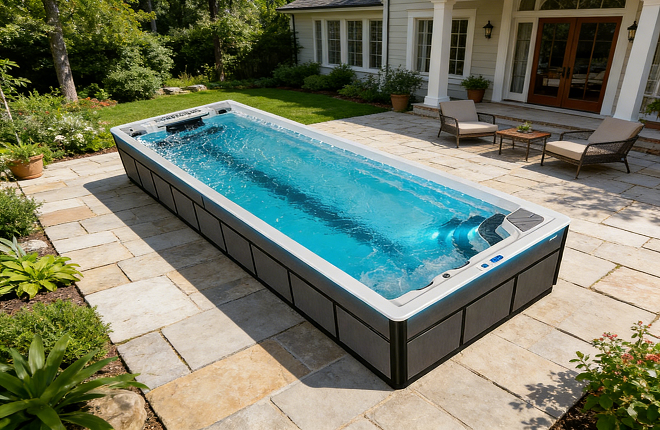
The Evolution of Swimming Pool Materials from Concrete to Acrylic
The history of swimming pool construction has been marked by a relentless pursuit of durability, aesthetics, and functionality, with materials evolving significantly over time. Concrete, the earliest dominant material, emerged in the late 19th century as a robust alternative to natural stone and brick. Renowned for its strength and moldability, concrete allowed architects to create custom shapes and sizes, laying the foundation for modern pool design. However, its porous nature required extensive maintenance, including regular sealing to prevent water leakage and algae growth. The labor-intensive installation process and long curing times also limited its accessibility, making concrete pools a luxury for many decades.
In the mid-20th century, fiberglass emerged as a lighter, more affordable alternative, offering faster installation and reduced maintenance. Yet, fiberglass lacked the design flexibility of concrete, restricting it to prefabricated shapes. The late 20th century witnessed a paradigm shift with the introduction of acrylic, a transparent thermoplastic polymer that revolutionized pool aesthetics. Initially used in aquariums for its clarity, acrylic’s properties—high impact resistance, UV stability, and seamless construction—quickly made it a preferred choice for luxury pools. Unlike concrete, acrylic eliminates the need for grout lines, creating a sleek, visually stunning surface that enhances water clarity and depth perception.
Today, acrylic pools represent the pinnacle of innovation, combining durability with architectural versatility. Their lightweight composition reduces structural support requirements, enabling creative designs such as elevated pools and infinity edges. While concrete remains valued for large-scale commercial projects, acrylic has redefined residential and boutique pool design, offering a harmonious blend of form and function. This evolution reflects not only advancements in material science but also changing societal demands for beauty, efficiency, and sustainable luxury in aquatic spaces.
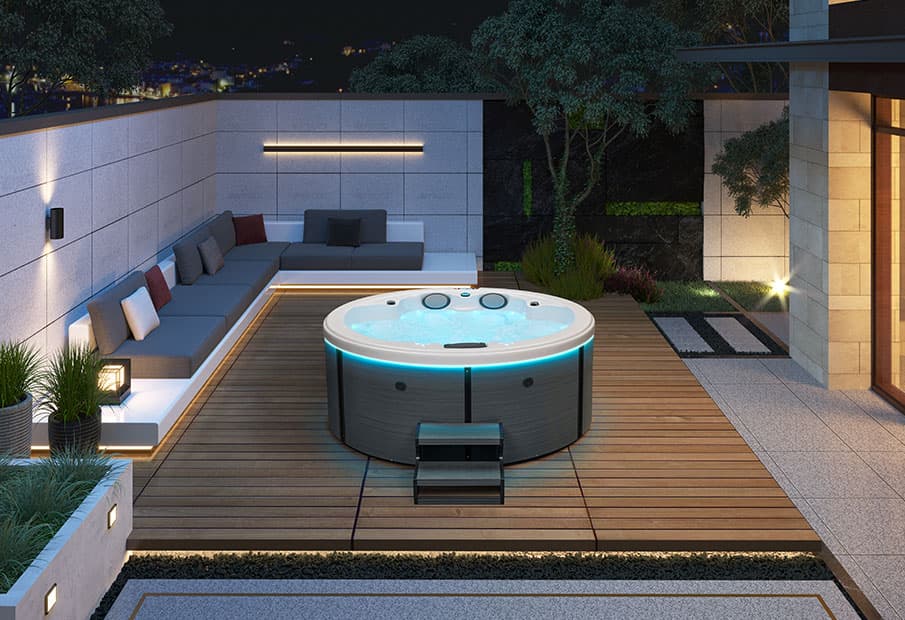
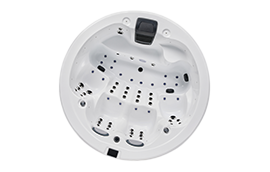
The Fspa BD-010Pro Hot Tub, combines power (8.47kW) and efficiency with luxurious features such as 54 water & 18 air bubble jets, customizable water flow, LED lighting, music speakers, and pillows, making it ideal for both residential and commercial outdoor settings.
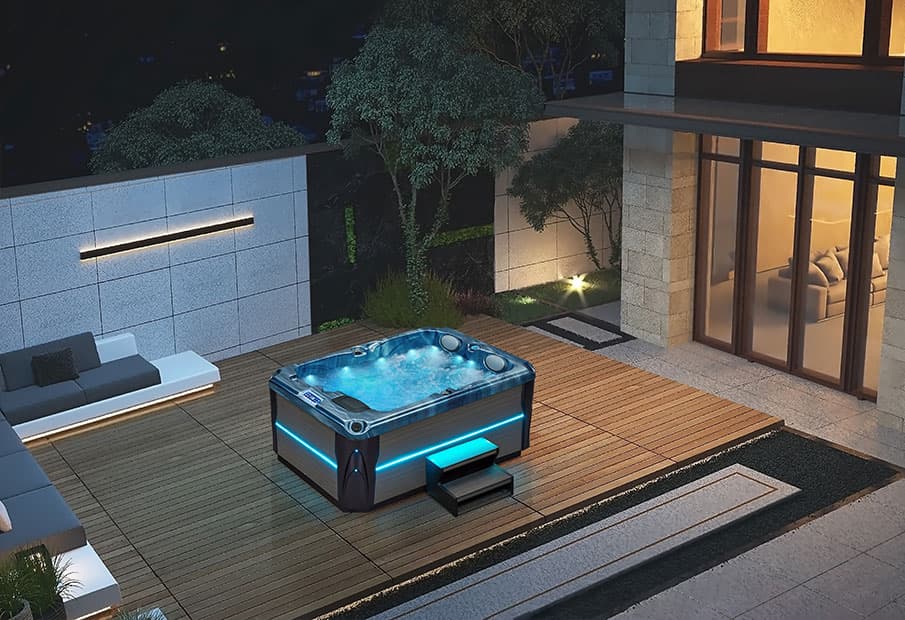
The Fspa BD-011Pro Hot Tub, a 2010x1360x800mm premium spa for 2 adults, combines 7.27kW of power and efficiency with luxurious features like 39 water & 20 air bubble jets, customizable water flow, LED lighting, music speakers, and pillows, making it a stylish and ideal choice for both residential and commercial outdoor relaxation.
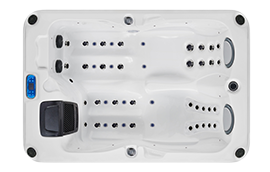
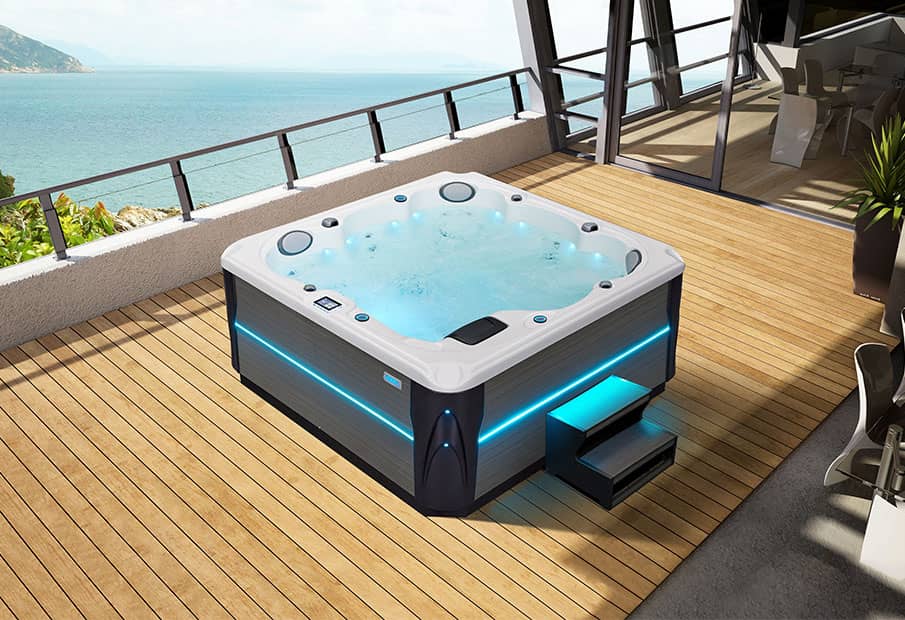
The Fspa BD-012Pro Hot Tub, a luxurious 2160x2160x900mm spa for 6 adults, balances power (4.97kW) and efficiency with features like 34 water & 12 air bubble jets, customizable water flow, LED lighting, music speakers, and pillows, making it a stylish and ideal choice for both residential and commercial relaxation.
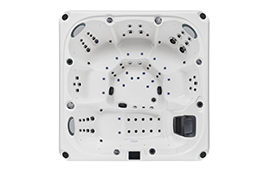
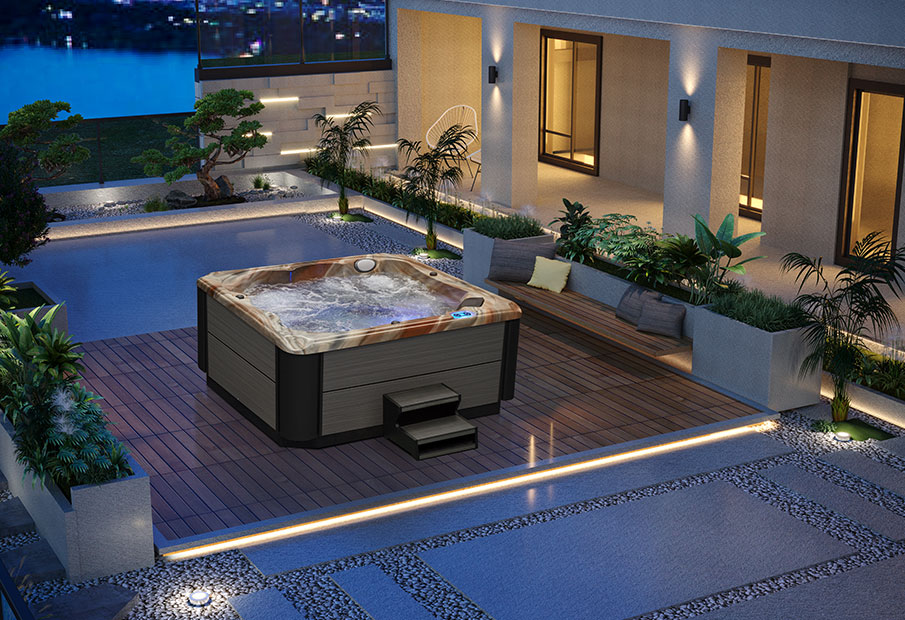
Fspa BD-004 spa, designed for ultimate relaxation, comfortably accommodating 6 adults with a powerful 5.55kW system, 35 targeted massage jets, clean water circulation, calming LED lighting, customizable air flow, ozone sanitization, and easy maintenance features.
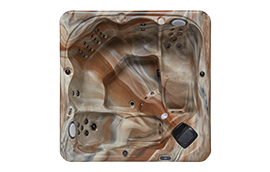
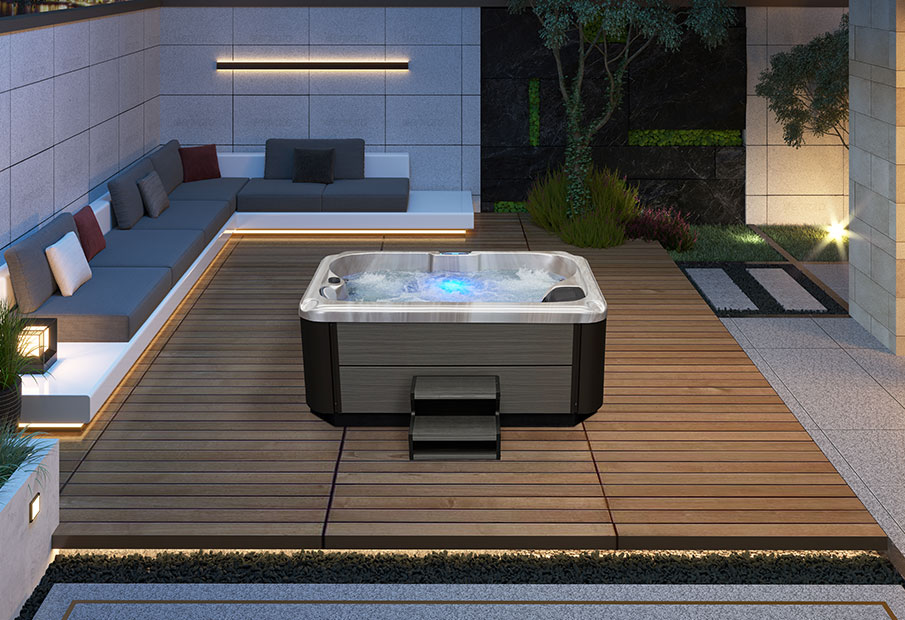
Our luxurious Fspa BD-003 spa tub, designed for 3 adults with ample space (1870x1330x800mm), features a comprehensive control system, powerful massage pump, gentle filter pump, temperature control, clean water filter, LED lighting, 16 massage jets, and sanitation ozone system, offering a perfect therapeutic escape for you and your loved ones.
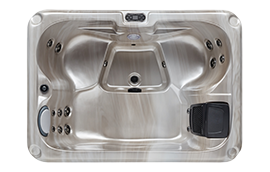
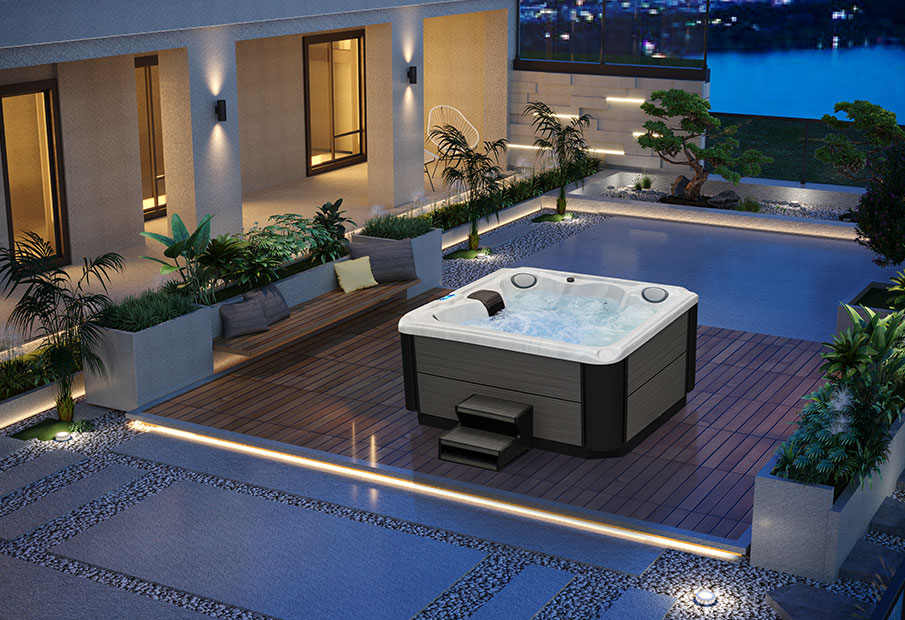
The Fspa BD-008 hot tub, with its spacious design for 6 adults, advanced control system, powerful massage pump, 3kW heater, high-efficiency filter, 35 strategic jets, LED lighting, adjustable features, and ozone sanitation, offers a luxurious and therapeutic spa experience at home, suitable for both residential and commercial settings.
PRODUCTS
INQUIRY
Thank you for your message!Our Chinese New Year holiday from 7th Feb to 28th Feb. Apologise to make your inconvenience so that responses may be delayed during this period. We'll back to you with regular service on 2th March .Thank you for understanding.


