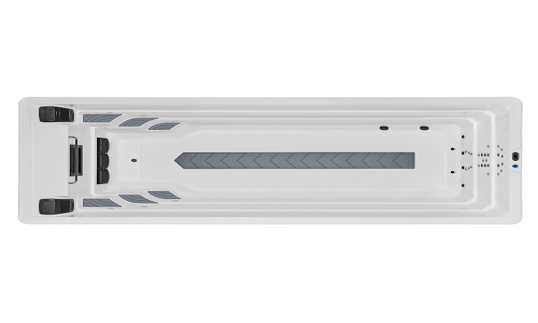
A conventional pool needs length. That is simple physics when the swimmer must travel from one end to the other. A swim spa changes the problem by creating a current to swim against, allowing exercise to take place in a much shorter vessel. For homes where a full lap pool would consume the entire garden, this can open a more realistic route to regular aquatic training.
The important question is whether the current feels controllable and useful for the intended swimmer. Casual fitness, technique practice, resistance work, and family recreation do not all require the same flow. Buyers should therefore compare the swimming system before being distracted by massage seats or lighting.
FSPA’s IP-002 family is listed at 5900 x 2500 x 1600 mm. The current IP-002 page includes multiple water pumps, river and power jets, filtration, a sand filter, ozone, insulation, step lighting, and optional training accessories. The older IP-002Pro specification also describes an Infinipool swimming system and massage functions within the same footprint.
For an infinity training pool, flow quality, body position, water depth, and easy entry all matter. A powerful current that is turbulent or difficult to center can be less useful than a smoother, adjustable stream. Swimmers should also have enough clear space around hands and feet to maintain technique without feeling confined.
A backyard installation is the obvious choice, but rooftop terraces, covered leisure rooms, and some indoor wellness spaces can also work when structure, ventilation, access, and drainage have been professionally planned. The current FSPA product page specifically illustrates residential back gardens, rooftop terraces, and resort settings.
An infinity swim spa can therefore serve more than one role: morning exercise, low-impact water activity, family play, and relaxed soaking. That flexibility is one reason buyers compare it with a small pool rather than with a hot tub alone.
When comparing swim spas prices, include the work around the unit. Delivery access, lifting equipment, foundations, electrical supply, plumbing, drainage, a cover, and landscaping can materially change the installed cost. Indoor projects may also need ventilation and dehumidification.
Operating cost depends on climate, water temperature, insulation, filtration schedules, pump use, and electricity rates. An energy-saving cover can reduce heat loss when the water is maintained warm. Buyers who mainly use the unit for exercise may choose different temperature habits from households that treat it primarily as a relaxation pool.
An endless swim spa makes sense for homeowners who want frequent swimming but have limited length, families who want exercise and leisure in one installation, and boutique gyms or hotels that need an aquatic feature without a conventional pool footprint. It is less suitable for buyers whose main goal is hosting large groups or traditional lap swimming with several people at once.
The best decision comes from defining the primary use first. If swimming is the priority, current quality and training space lead the specification. If family leisure is equally important, seating, steps, water care, and easy controls deserve more attention. The product should be chosen around the routine it will support, not around the longest feature list.
Training accessories can change how useful the pool feels for different swimmers. A belt can help keep a beginner centered while they learn to work against the current, while a paddle or resistance accessory may add variety for more experienced users. These options should be chosen because they support a real training habit, not simply because they appear on a specification list. A household that mostly walks, stretches, or performs low-impact movement in the water may prioritize easy entry and stable footing instead.
The surrounding room or garden also influences the experience. Indoors, humidity control and ventilation can be as important as the pool itself. Outdoors, wind exposure, falling leaves, privacy, and the distance from the house affect how often the unit is used. A swim spa placed at the far end of a property may photograph beautifully but feel inconvenient on cold mornings. A slightly less dramatic location with better access can support a much more consistent fitness routine.
Before ordering, ask the supplier for a clear drawing showing external dimensions, service zones, inlet and outlet positions, power requirements, and optional equipment. Share that information with the contractor responsible for the slab, drainage, and electrical work. Coordinating these details before delivery is especially important for larger Infinipool systems because last-minute changes to foundations or utility routes are far more expensive than adjustments made on paper.
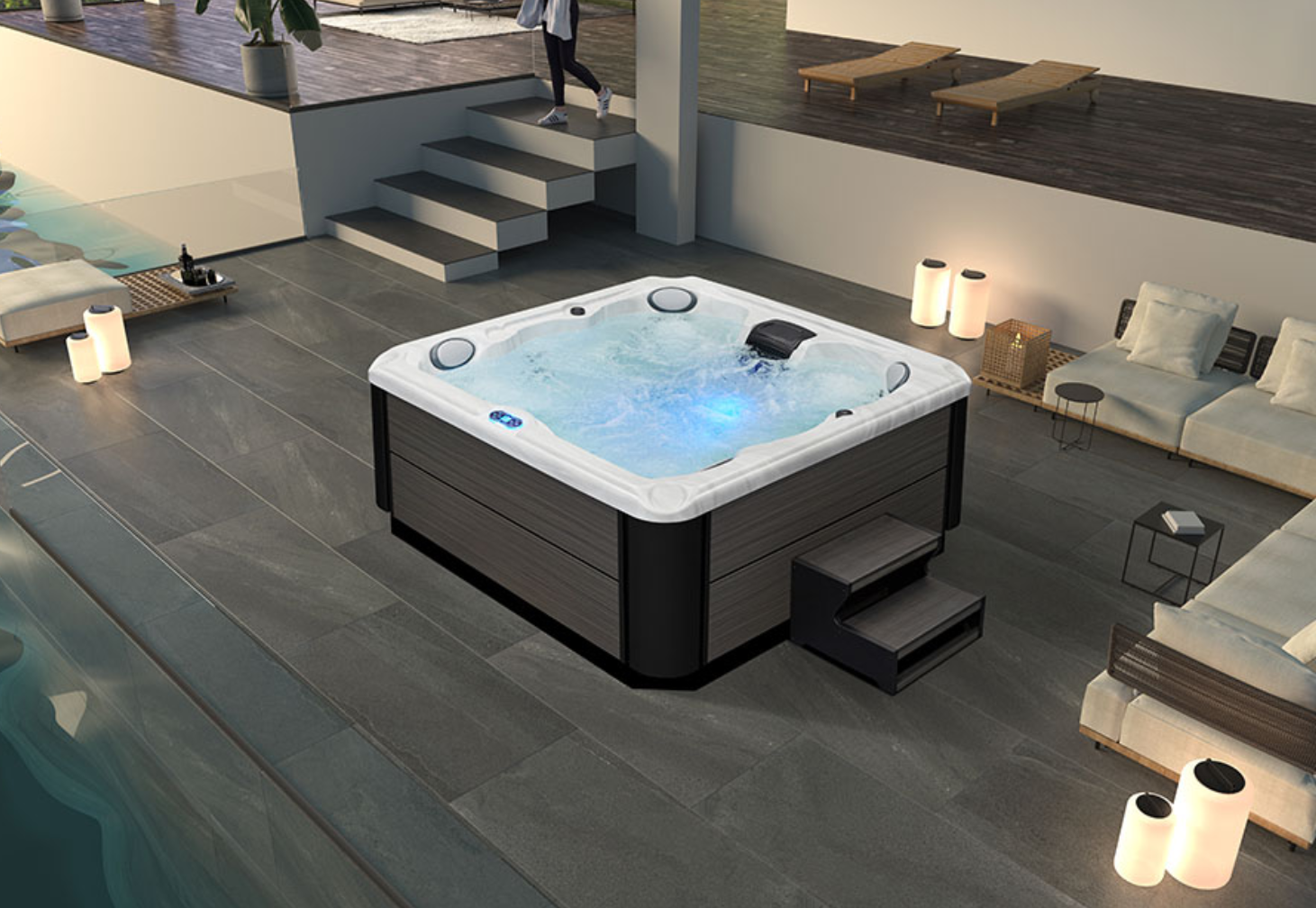
How Modern Hot Tubs Are Transforming Outdoor Leisure and Wellness Spaces
Outdoor living has evolved beyond simple patios, gardens, and swimming pools. Today, homeowners, hotels, resorts, and property developers are creating dedicated spaces for relaxation, wellness, and social activities. Among these additions, hot tubs have become an attractive option because they combine warm-water comfort with a convenient outdoor leisure experience.
From spacious installations designed for group relaxation to compact solutions for private retreats, modern hot tubs can be adapted to a wide range of environments. With the support of an experienced hot tub supplier, buyers can also explore different materials, configurations, heating technologies, and design options to create a more personalized experience.
The role of a hot tub supplier extends beyond manufacturing and delivering a finished product. For residential developments, hotels, resorts, and wellness projects, suppliers can contribute to product selection, technical planning, customization, and installation support.
Modern hot tubs may include advanced heating systems, massage jets, water filtration, LED lighting, digital controls, insulated shells, and energy-saving features. The combination of these components can significantly influence comfort and operating performance.
For commercial projects, consistency is especially important. Hotels and resorts may need multiple units with similar specifications and appearance, while property developers may require customized dimensions or finishes to match a particular architectural concept.
A professional supplier can also help buyers understand technical requirements before installation. Electrical capacity, water treatment, drainage, foundation preparation, equipment access, and ventilation should all be considered during project planning.
After-sales support is another factor that should not be overlooked. Replacement components, maintenance guidance, warranty service, and technical assistance can help keep hot tubs operating efficiently over the long term.
Therefore, choosing a reliable supplier can contribute to the overall success of a wellness or outdoor leisure project rather than simply determining where the equipment is purchased.
Outdoor relaxation is often a social activity, especially in hotels, resorts, villas, and private residences where people want to spend quality time together. Large hot tubs can support this type of experience by providing generous seating and enough space for families, friends, or guests.
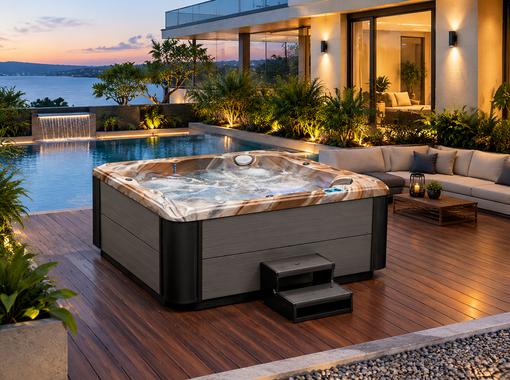
A spacious hot tub can become the focal point of an outdoor entertainment area. When combined with comfortable lounge furniture, outdoor lighting, landscaping, and privacy features, it can create an environment suitable for evening gatherings or weekend relaxation.
In hospitality settings, large hot tubs can also increase the appeal of premium accommodation. A private spa area attached to a villa, suite, or vacation rental can provide an additional recreational feature without requiring the extensive space associated with a traditional swimming pool.
The internal configuration is another important consideration. Different seating layouts can create different experiences. Some designs prioritize upright massage seats, while others include lounge positions for users who prefer a more relaxed posture.
Large hot tubs may also support different hydrotherapy experiences through strategically positioned jets. Water pressure, jet placement, seating angles, and temperature control can all affect how comfortable the user feels.
For commercial applications, durability and ease of maintenance become particularly important because the equipment may be used more frequently than a residential unit.
Not every hot tub needs to serve a large group. A small hot tub pool can be designed around personal comfort and quiet relaxation rather than maximum capacity.
For couples or individuals, a compact spa can create a private wellness area where users can unwind after work, enjoy warm water during cooler evenings, or simply take a break from their daily routines.
The smaller format can also encourage more thoughtful outdoor design. Instead of making the hot tub the only feature in the area, homeowners can combine it with plants, wooden decking, comfortable seating, ambient lighting, and decorative screens.
This creates a complete relaxation environment rather than simply placing a spa in an empty outdoor space.
Small hot tub pool models can also be attractive for vacation properties. Owners of short-term rental homes can use compact hot tubs as an additional amenity that makes an outdoor area more appealing to guests.
From a maintenance perspective, a smaller water volume may also be easier to manage, although actual energy and maintenance requirements depend on the equipment, insulation, usage frequency, climate, and water treatment system.
The goal should be to create a balanced installation that delivers comfort without unnecessary complexity.
A mini outdoor hot tub takes the concept of personal wellness even further by focusing on compact design and efficient use of space.
Small terraces, private gardens, balconies with suitable structural support, and compact courtyards may have limited room for large recreational equipment. A mini hot tub can provide an opportunity to introduce a spa experience without completely redesigning the surrounding area.
Design plays an important role in these applications. A compact unit can be integrated into a modern outdoor environment using natural materials, privacy screens, pergolas, or minimalist landscaping.
Weather protection should also be considered. Outdoor hot tubs are exposed to sunlight, rain, wind, and seasonal temperature changes, so appropriate covers and durable exterior materials can help protect the equipment when it is not being used.
For property developers, compact hot tubs may also provide creative options for premium apartments, boutique accommodation, and private outdoor suites. A carefully designed mini outdoor hot tub can add a sense of exclusivity without requiring the footprint of a conventional pool.
Beyond size and appearance, modern hot tubs are increasingly designed around the complete user experience. Heating systems provide consistent water temperature, while massage jets can create different water-flow experiences for various seating positions.
Lighting can also change the atmosphere of an outdoor spa area. Integrated LED systems may provide soft illumination during evening use while contributing to the overall visual design.
Insulation is another important component. A well-insulated hot tub can help reduce heat loss, particularly when combined with an appropriate thermal cover. This can support more efficient operation and help maintain water temperature between uses.
Water filtration and circulation systems are equally important. Maintaining clean and properly treated water improves hygiene and helps protect internal components.
Smart controls are becoming another useful feature. Depending on the product, users may be able to adjust temperature, lighting, jets, or filtration settings through a control panel or connected system.
These features demonstrate that a modern hot tub is more than a heated water container. It is a complete leisure system that combines comfort, technology, design, and wellness.
The growing popularity of outdoor wellness reflects a broader shift toward making residential and commercial spaces more comfortable and enjoyable. A well-designed hot tub can provide a dedicated area for relaxation while also adding value to gardens, terraces, villas, hotels, and resorts.
Large hot tubs can encourage social interaction, while a small hot tub pool may be better suited to personal relaxation. A mini outdoor hot tub can bring similar comfort to compact environments, offering flexibility for properties with limited space.
Behind each successful installation, the right product specifications and technical support are essential. An experienced hot tub supplier can help buyers evaluate construction, features, customization, installation requirements, and long-term maintenance.
Whether the goal is to create a private backyard retreat, a luxury hospitality facility, or a modern wellness area, the right hot tub can turn an ordinary outdoor environment into a more inviting destination for relaxation and everyday enjoyment.
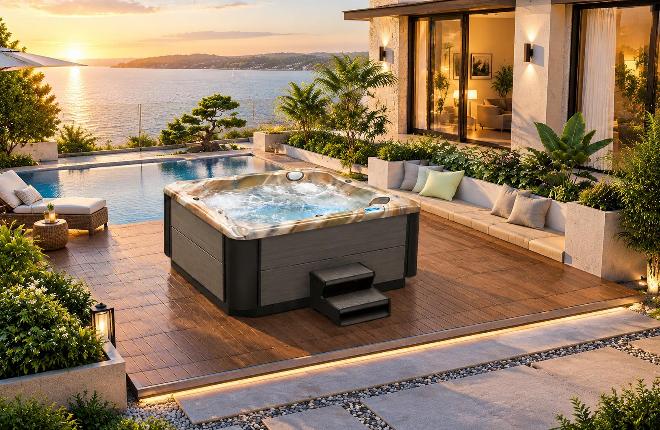
What Drives Backyard Swim Spa Cost and How to Budget for One
Homeowners researching backyard swim spa cost quickly discover a wide price spread, and the reason comes down to what sits inside the shell. Jet count, pump power, cabinet materials, and sanitization systems all pull the number in different directions. This guide breaks down where the money actually goes, so you can compare quotes with a clearer eye instead of guessing at what a fair price looks like.
A swim spa is not a single product category, it’s a spectrum. On one end sits a basic soaking tub with a handful of jets. On the other sits a full hydrotherapy system built for six adults, running multiple pumps and a heater rated in kilowatts. Manufacturing cost scales with every added component, and that scaling is the main driver behind price differences between listings that otherwise look similar in photos.
Size matters too, but not in the way most buyers assume. A larger shell means more acrylic, more insulation, and a heavier steel or composite frame underneath. A unit like the BD-004, built for 6 adults at 2350x2350x900mm, carries a net weight of 317kg empty. That mass has to be engineered, shipped, and supported by a deck or pad rated for the load once filled with 1450 liters of water.
Three systems account for most of the cost variation between spa tiers: the pump assembly, the heater, and the jet layout. Understanding what each one does helps explain why a seemingly small spec difference can shift a quote by a noticeable margin.
The BD-004, for reference, runs a 5.55kW total system split across a 2.2kW massage pump, a 0.35kW filter pump, and a 3kW heater, feeding 35 jets. That distribution reflects a common industry pattern: dedicate most of the wattage to massage performance while keeping the filtration circuit lean enough to run continuously without driving up electricity bills.
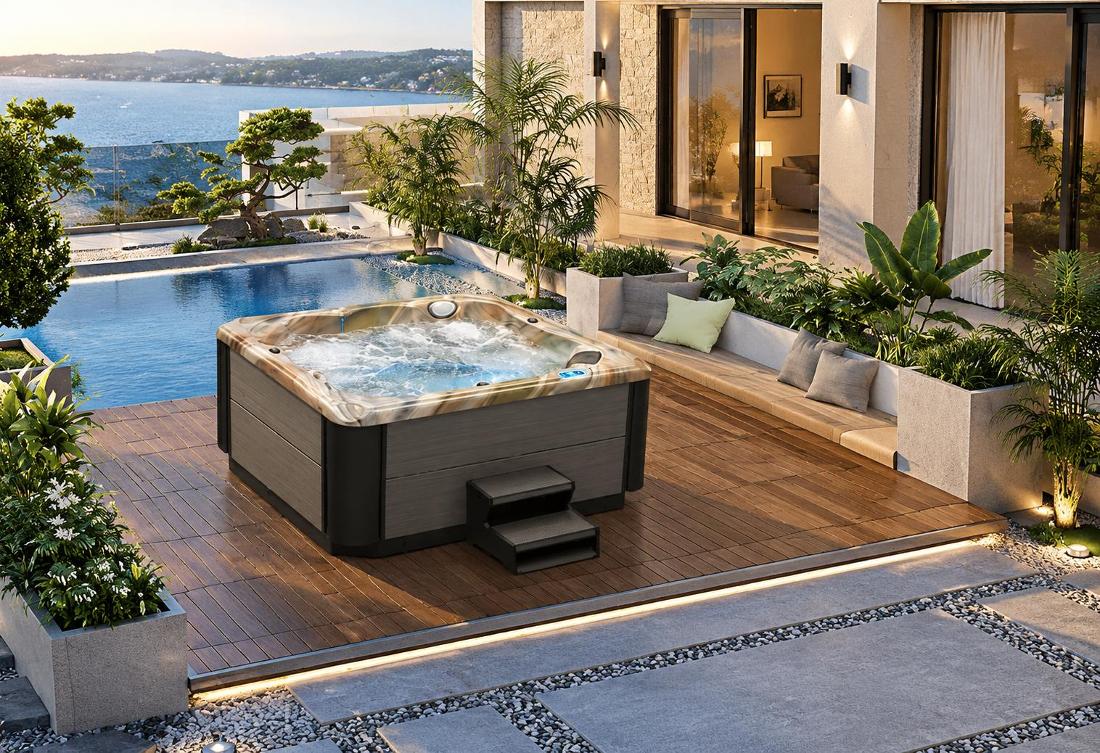
Sticker price is only part of backyard swim spa cost. Site preparation often surprises first-time buyers because it depends on ground conditions that vary from one yard to the next.
Skipping any of these steps to save money upfront tends to backfire. A spa placed on an unrated deck, for instance, risks structural damage that costs far more to repair than the pad would have cost to pour correctly.
Running costs matter as much as the upfront number, especially for buyers planning to use the spa year-round rather than seasonally. Energy use depends heavily on ambient temperature, insulation quality, and how often the cover stays closed between sessions.
| Cost Factor | What Influences It | Why It Matters |
|---|---|---|
| Heating | Climate, insulation, heater wattage | Determines monthly electricity draw |
| Water treatment | Sanitization method (ozone, chlorine, bromine) | Affects chemical spending and upkeep time |
| Pump run time | Filtration cycle length | Balances water clarity against energy use |
| Cover maintenance | Material quality, UV exposure | Extends heat retention and reduces refill frequency |
Ozone-based sanitization, which the BD-004 includes as part of its filtration setup, is worth understanding on its own terms. Ozone breaks down organic contaminants in the water, which according to the manufacturer reduces how often chemical sanitizers need to be added and cuts down on the manual testing routine that keeps a traditional spa balanced.
Not every dollar spent goes toward raw performance. A portion goes toward how the spa actually feels to sit in, and that’s harder to quantify but just as real a factor in satisfaction.
Seat contouring is one example. Ergonomic shell designs follow the natural curve of the back and legs, which changes how pressure distributes during a soak. According to the manufacturer, the BD-004’s seating and jet placement are positioned to support this kind of body-conforming fit rather than a flat, generic bench layout.
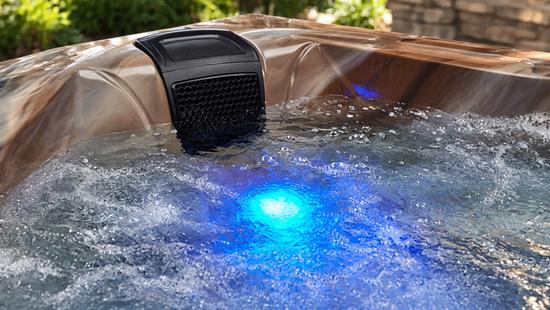
Lighting is another. Bottom-mounted LED lighting, as used in the BD-004’s interior, does more than look good in photos taken at dusk. It shifts the sensory experience of the soak toward something calmer, which matters for buyers specifically shopping for stress relief rather than just exercise or physical therapy.
Buyers often size a spa based on the largest gathering they can imagine hosting, which tends to overshoot what fits their actual weekly use. A more useful question is how many people will realistically use it on a normal Tuesday evening, not a holiday weekend.
A 6-person unit like the BD-004 suits a few specific patterns well:
For a couple with no plans to entertain, a smaller 2 or 3-person model likely delivers better value per dollar spent, since heating and filtering a 1450-liter volume for two people every night adds unnecessary running cost.
Where the spa lives changes what features actually matter. A villa backyard installation prioritizes different things than a hotel gym or a seaside rental property, even if the underlying hardware looks similar on paper.
In a hotel gym setting, the priority tends to be recovery turnaround between guests, meaning durable jets and a sanitization system that keeps pace with higher usage frequency. In a private backyard, ambiance and quiet operation often carry more weight than raw throughput, since the spa functions as a nightly wind-down space rather than a high-turnover amenity. Seaside or homestay settings introduce another variable: exposure to salt air and humidity, which puts extra demand on cabinet materials and hardware corrosion resistance.
Does a higher jet count always mean a better massage?
Not necessarily. Jet placement and pump pressure matter as much as raw count. A well-positioned 35-jet layout, like the one on the BD-004, can outperform a higher jet count spread thinly across a poorly designed shell.
Is ozone sanitization enough on its own?
Ozone reduces organic contaminants and lightens the sanitizer load, but most manufacturers, including ours, still recommend a residual sanitizer for consistent water safety between service intervals.
How much does electrical setup typically add to the total?
It varies by region and existing panel capacity, but budgeting for a licensed electrician’s dedicated circuit installation is a near-universal requirement for spas in the 5kW class.
Can I install a 6-person spa on an existing wood deck?
Only if the deck is rated for the combined weight of the empty unit plus its full water capacity. A structural assessment before delivery avoids costly surprises later.
The most reliable way to estimate backyard swim spa cost is to request an itemized quote that separates the unit price from site preparation, electrical work, and any local permitting fees. Certifications also deserve a look, since compliance markings like CE, CB, and SAA, which the BD-004 carries, indicate the unit has passed relevant electrical and safety testing standards recognized in multiple markets.
For us, working with international buyers means pricing conversations often start with square footage and end with a full breakdown of pump specs, jet layout, and installation logistics. That full picture, rather than a single headline number, is what actually determines whether a backyard swim spa cost fits a given budget and delivers value over years of regular use.
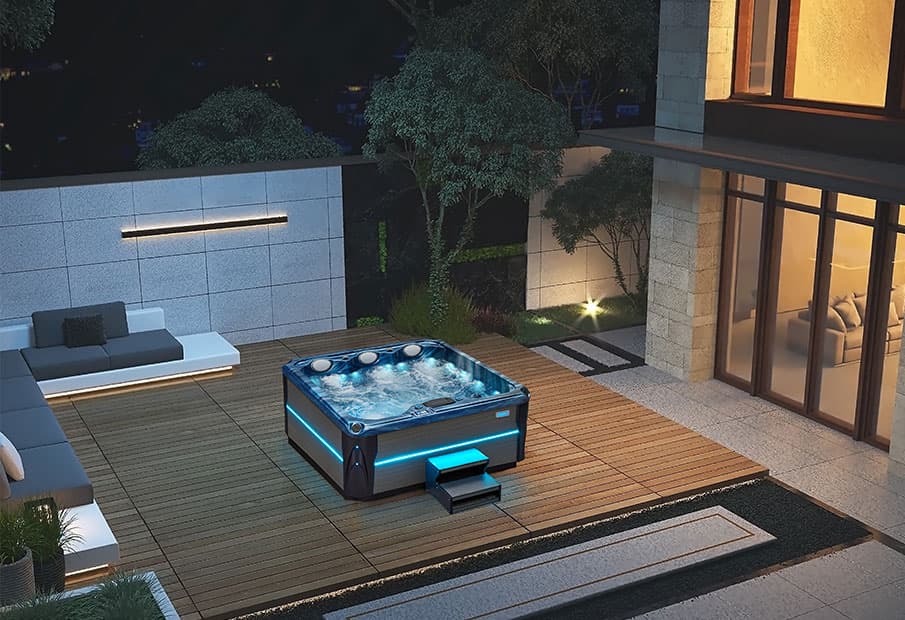
The Fspa BD-013Pro Hot Tub, a spacious and stylish premium spa for residential and commercial use, offers a luxurious and rejuvenating experience with its powerful massage system, pristine water quality, customizable water flow, calming LED lighting, music speakers, and comfort accessories.
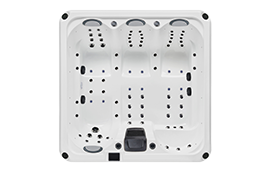
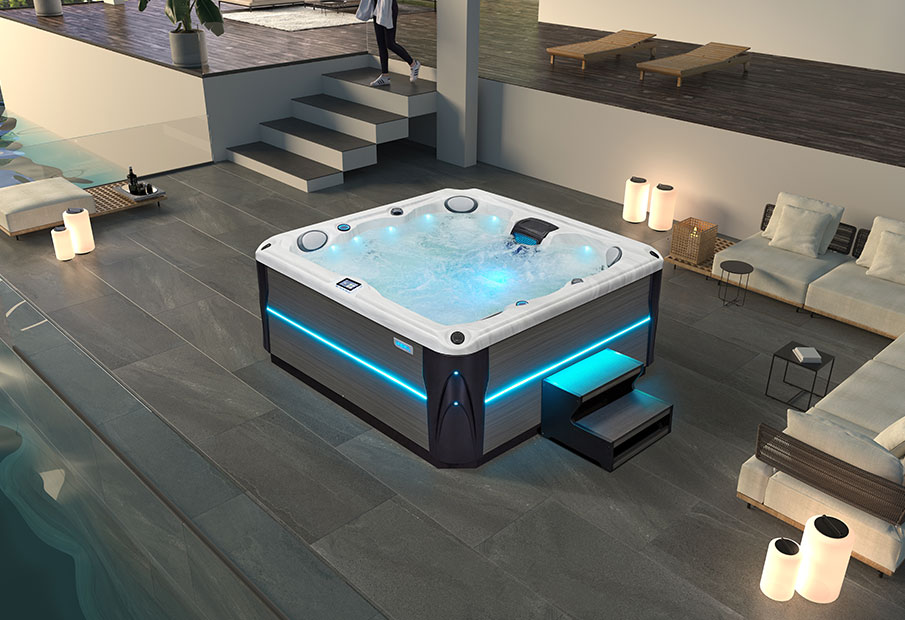
The Fspa BD-001Pro Hot Tub customizable water flow, ozone sanitization, and luxurious features for an unparalleled relaxation experience.
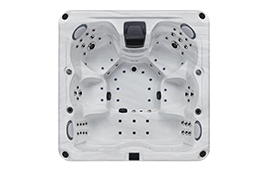
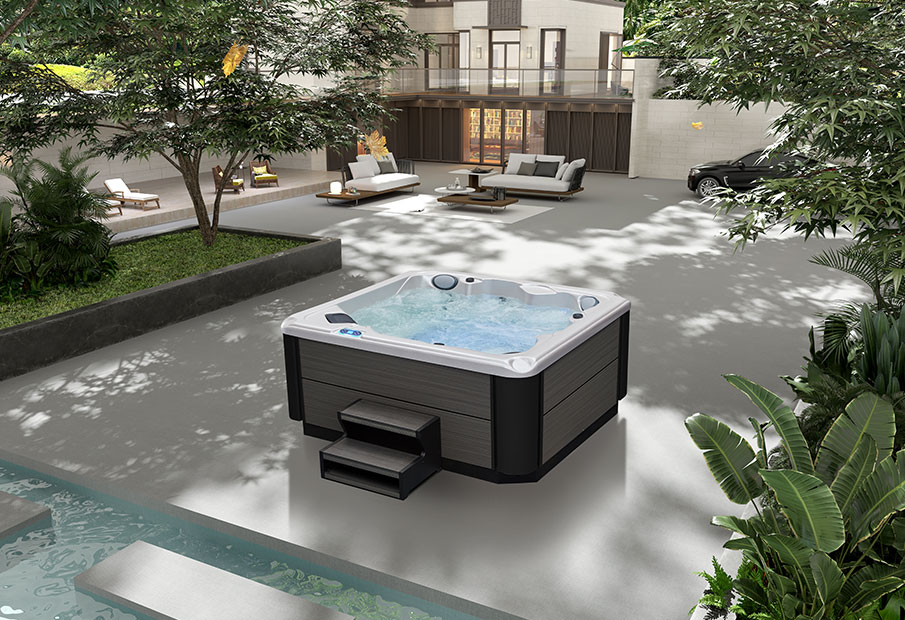
Our Fspa BD-007 Hot tub, measuring 2160x2160x900mm and accommodating 5 adults, combines luxury and comfort with a robust control system, powerful massage jets, sanitized water, ambient LED lighting, adjustable pillows, and energy efficiency, making it perfect for wellness enthusiasts in both residential and commercial settings.
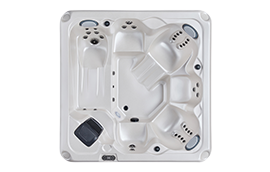
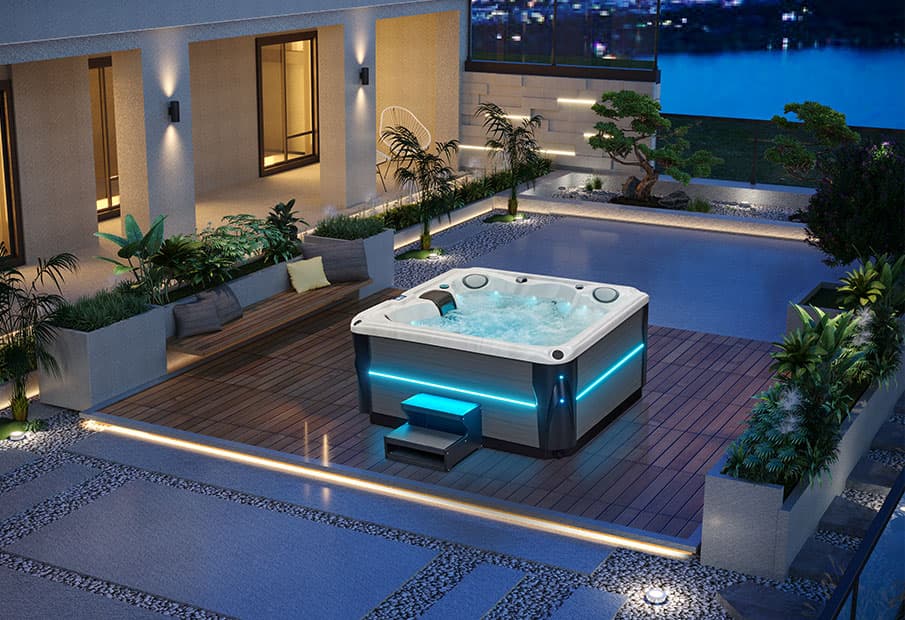
Introducing the Fspa BD-008Pro Hot Tub, a luxurious and spacious sanctuary designed for ultimate relaxation. With dimensions of 2080x2080x900mm, this hot tub comfortably fits up to 6 adults, making it perfect for family gatherings, parties, or a personal retreat.
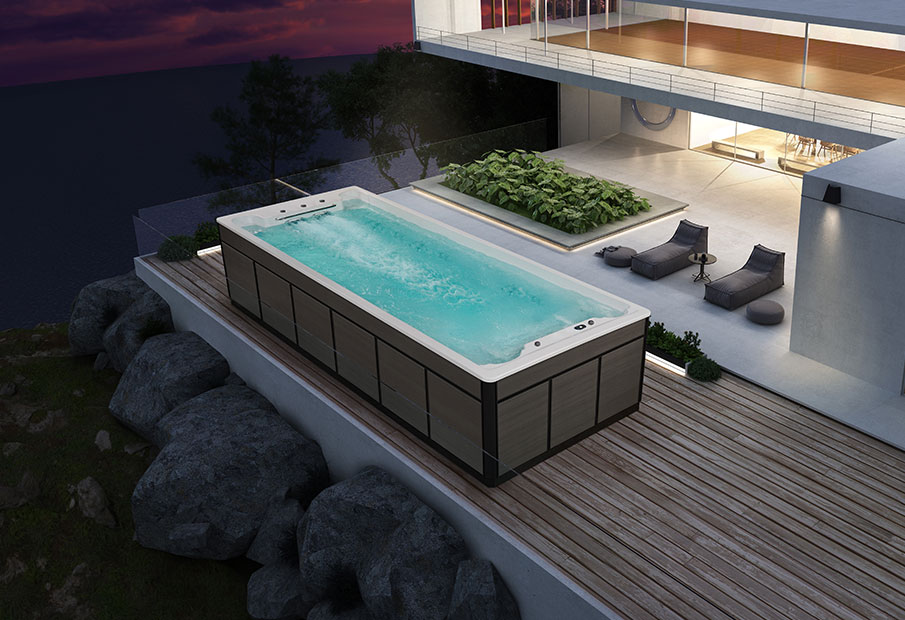
The Infinipool Fspa IP-005, a luxurious 7000mm x 3000mm x 1470mm pool with advanced filtration, multiple jet systems, and optional accessories.
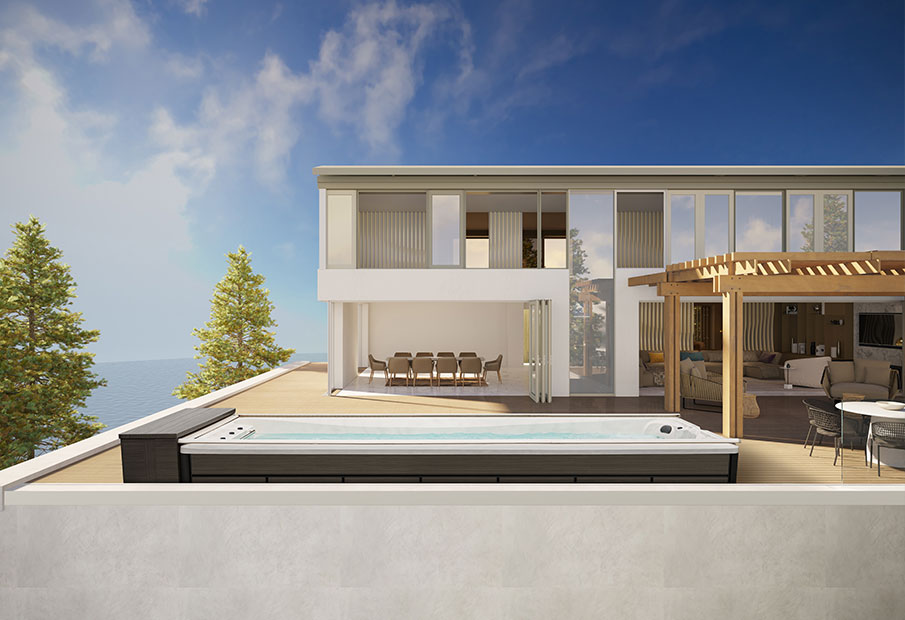
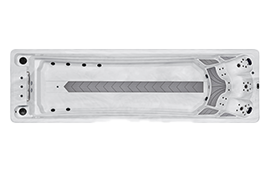
The Infinipool Fspa IP-004 is a luxurious, spacious, and technologically advanced swimming pool.
PRODUCTS
INQUIRY
Thank you for your message!Our Chinese New Year holiday from 7th Feb to 28th Feb. Apologise to make your inconvenience so that responses may be delayed during this period. We'll back to you with regular service on 2th March .Thank you for understanding.


