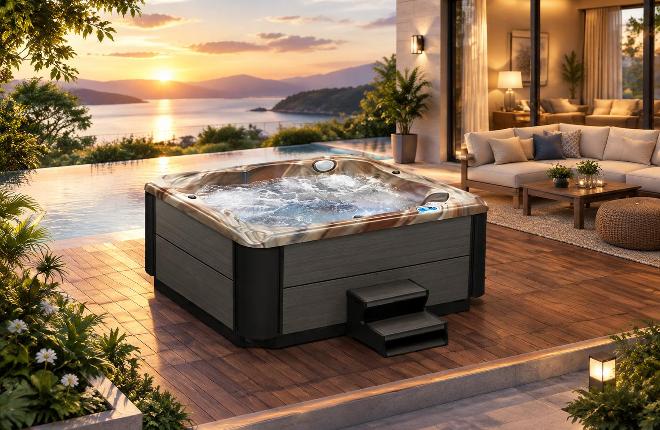
A modular swim spa sits in an odd category. It is not quite a pool, not quite a hot tub, but something built to do both jobs without demanding the excavation and plumbing that a full in-ground pool requires. For homeowners with a villa backyard, a courtyard, or a compact hotel gym, that distinction matters more than marketing copy ever will.
The term "modular" refers to how these units arrive and install. Unlike a poured-concrete pool, a modular swim spa is manufactured as a self-contained shell with its plumbing, pumps, and controls pre-installed at the factory. It gets delivered whole or in large sections, set on a prepared pad, and connected to power and water. There is no months-long construction timeline, no permanent excavation, and in many cases, no need for a structural engineer to sign off before you start filling it with water.
Ground conditions are the first hurdle for most in-ground pool projects. Rocky soil, high water tables, or a small lot can turn a straightforward pool build into a six-figure headache. A modular unit sidesteps that problem entirely because it sits above or partially below grade on a simple concrete or paver base.
Time is the second factor. Traditional pool construction can take anywhere from two to six months depending on permitting and weather. A modular swim spa, by contrast, is often operational within a few days of delivery, since the mechanical work was finished before it left the factory.
Cost predictability rounds out the appeal. Because the unit is pre-engineered, homeowners know the equipment cost upfront. There are no surprise change orders from unexpected soil conditions or rebar overruns, which is often the biggest source of budget creep in custom pool builds.
The word "spa" in modular swim spa is doing real work here. These units are engineered around hydrotherapy, not just water containment. Jet placement, water volume, and heating capacity are all tuned to deliver a therapeutic soak rather than a swim-only experience.
Take the Fspa BD-004 as a reference point for what this looks like in practice. It is a 6-person unit with 35 targeted massage jets, built on a 5.55kW power system split between a 2.2kW massage pump, a 0.35kW filter pump, and a 3kW heater. That distribution matters: a stronger massage pump handles jet pressure, while the smaller filter pump runs continuously without driving up energy costs.
Seating in a well-designed unit follows the body’s natural curves rather than forcing users into a flat bench. According to the manufacturer’s specifications, the BD-004 uses contoured seats and backrests with jets positioned to align with pressure points along the spine and legs. Some models also include shaped headrests, described in the product literature as a pillow system intended to support neck alignment during use.
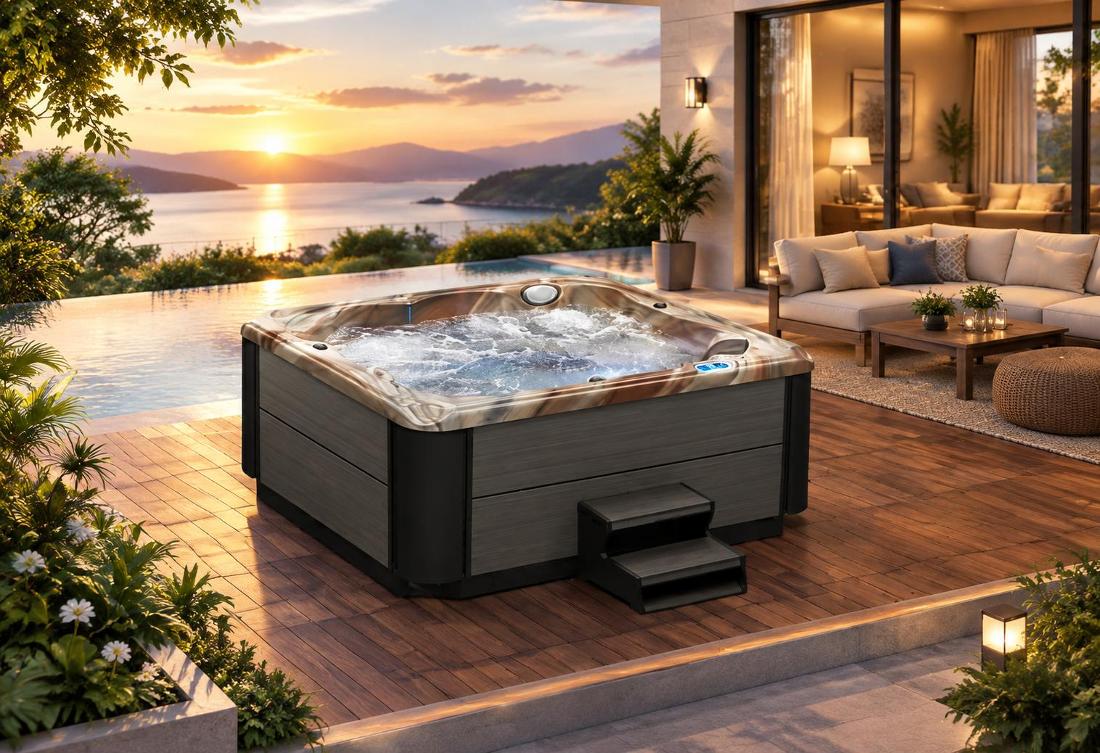
Anyone who has maintained a traditional pool knows chlorine management is a recurring chore. Modular swim spas typically use a smaller water volume, which changes the maintenance math considerably. The BD-004, for example, holds 1,450 liters, a fraction of what an in-ground pool requires, and this smaller volume is easier to sanitize and heat.
Ozone-based sanitization systems have become common in this product category. Ozone helps oxidize contaminants in the water, which can reduce how often chemical sanitizers need to be added. The BD-004 includes an integrated ozone system as part of its water circulation, according to the manufacturer, which is positioned to lower the day-to-day maintenance burden compared to chlorine-only systems.
That said, ozone systems supplement rather than replace basic water care. Owners still need to monitor pH and sanitizer levels periodically. Anyone marketing an ozone system as a total replacement for water testing is overstating what the technology does.
When evaluating any modular swim spa, a handful of specifications tell you most of what you need to know about performance and running costs.
| Specification | BD-004 Reference Value | Why It Matters |
|---|---|---|
| Capacity | 6 Adults | Determines suitable household or guest size |
| Dimensions | 2350 x 2350 x 900mm | Footprint planning for deck or patio space |
| Total Power | 5.55kW | Affects electrical circuit requirements |
| Massage Pump | 2.2kW | Drives jet pressure and hydrotherapy strength |
| Filter Pump | 0.35kW | Runs continuously; impacts daily energy use |
| Heater | 3kW | Determines heat-up time and running cost |
| Jet Count | 35 | Indicates hydrotherapy coverage across seats |
| Water Capacity | 1450L | Smaller volume means faster heating, easier upkeep |
| Net Weight | 317kg | Relevant for deck or floor load calculations |
Certifications also deserve attention, since they indicate the unit has passed independent electrical and safety testing. The BD-004 carries CE, CTUVus, CB, and SAA certifications, according to the manufacturer’s specifications, which are associated with European, North American, and Australian electrical safety standards respectively. For anyone importing a unit internationally, checking which certifications apply to their region is a practical first step, not a formality.
Not every property has the same constraints, and modular swim spas are flexible enough to fit several distinct use cases.
Each of these scenarios shares a common thread: the buyer needs functional hydrotherapy without the site work a traditional pool demands.
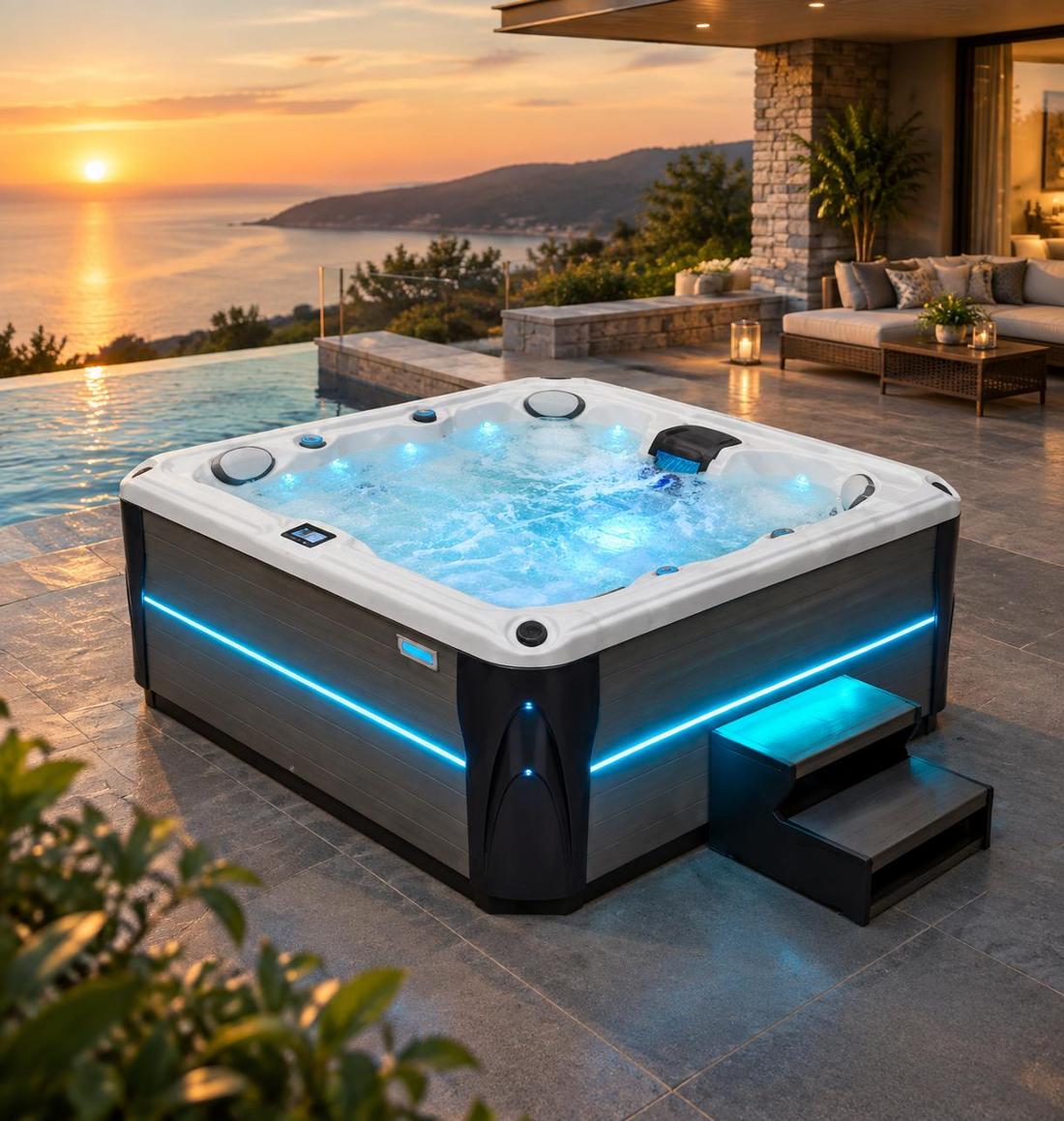
LED lighting inside a swim spa is often dismissed as a cosmetic feature, but it serves a functional purpose too. Low-light soaking, particularly in the evening, benefits from interior illumination for both safety and atmosphere. The BD-004 uses bottom-positioned blue LED lighting, which the manufacturer describes as contributing to a calming atmosphere during use.
It is worth being precise about what this feature does and does not do. Ambient lighting can influence mood and visibility; it is not a therapeutic mechanism on its own. Buyers should treat it as a comfort feature rather than a clinical one, regardless of how a listing describes it.
Selecting a modular swim spa comes down to a short sequence of practical decisions rather than a single spec sheet comparison.
Skipping any one of these steps is where most installation delays or return requests originate, so it pays to work through them in order rather than starting with the unit’s appearance.
Does a modular swim spa require a permit?
Requirements vary by municipality and depend on unit size and whether it includes permanent electrical connections. Checking with local building authorities before purchase avoids installation delays.
How is a modular swim spa different from a standard hot tub?
The distinction is mainly about function and size. A swim spa is generally designed to accommodate more movement and a larger group, while retaining hydrotherapy jets similar to a hot tub. Product literature for units like the BD-004 positions them primarily as a hydrotherapy experience rather than a lap-swimming pool.
Can it be installed indoors?
Many modular units, including the BD-004 according to its manufacturer, are suitable for both indoor and outdoor installation, provided ventilation and moisture control are addressed in the room design.
How often does the water need to be changed?
This depends on usage frequency and sanitization system performance, but smaller water volumes typically require replacement every three to four months under normal household use.
A modular swim spa is ultimately a compromise built for good reason. It trades the swimming length of a full pool for faster installation, lower site disruption, and a hydrotherapy-focused experience. For properties where excavation is impractical, whether due to soil, budget, or timeline, that trade-off tends to make sense.
Buyers evaluating options should focus less on visual finishes and more on the mechanical specifications: pump wattage, jet count, water volume, and certification. These figures determine whether the unit will perform reliably over years of use, not just in the showroom. Companies like us that manufacture and certify these systems directly tend to provide clearer documentation on these specifications, which makes comparison shopping considerably easier for anyone narrowing down a modular swim spa suited to their space.
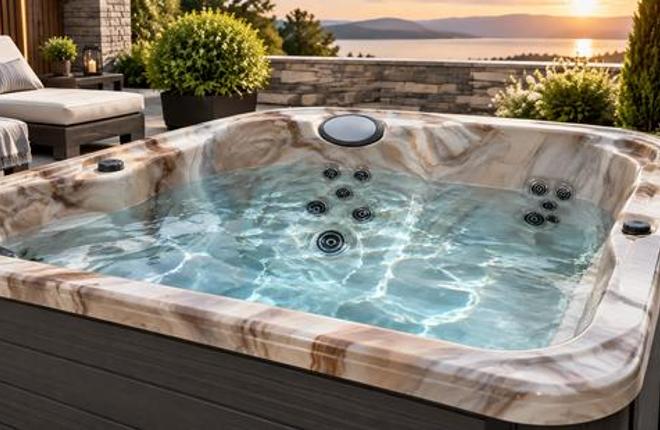
What a Basic Swim Spa Actually Delivers for Everyday Use
Shopping for a basic swim spa usually starts with one question: do you need a pool, a hot tub, or something that quietly does both? That confusion is fair. The category sits in a gray zone between backyard leisure and functional hydrotherapy, and marketing language rarely clears things up. A basic swim spa, at its core, is a compact hydrotherapy unit built for soaking, muscle recovery, and short bursts of aquatic exercise, without the footprint or plumbing complexity of a full pool.
For homeowners with limited yard space, or hospitality operators trying to add a wellness amenity without a construction permit headache, this distinction matters. The right unit solves a real problem: getting warm water therapy and light exercise into a space that a traditional pool simply cannot occupy.
"Basic" doesn’t mean stripped down or underpowered. It means the unit focuses on core hydrotherapy functions rather than swim-lane length or built-in fitness resistance systems found in larger swim spas. A basic swim spa, in practice, behaves closer to a high-capacity hot tub than a lap pool substitute.
This matters when comparing specs sheets. A unit like the Fspa BD-004, for example, seats six adults and runs 35 massage jets off a 5.55kW system, which places it firmly in the hydrotherapy category rather than the swim-training category. Buyers expecting continuous swimming often end up disappointed, not because the product underperforms, but because they misjudged the category from the start.
Jet count gets thrown around as a marketing number, but it correlates directly with how a massage feels across different seating zones. More jets spread across more seats means less waiting for a turn, which matters for families or small groups using the spa together.
Power draw tells a parallel story. A basic swim spa with a 2.2kW massage pump paired with a 3kW heater and a smaller 0.35kW filter pump balances performance against running cost. That configuration keeps water circulating and heated without demanding a dedicated high-amperage circuit that some larger swim spas require.
| Component | Typical Basic Swim Spa Spec | Why It Matters |
|---|---|---|
| Massage Pump | ~2.2kW | Drives jet pressure and consistency |
| Filter Pump | ~0.35kW | Keeps water clean between uses |
| Heater | ~3kW | Maintains soak temperature efficiently |
| Jet Count | 30–40pcs | Determines coverage across seats |
| Capacity | 4–6 adults | Fits small groups without oversizing the unit |
Chlorine-based upkeep is the default assumption most first-time buyers carry over from pool ownership. It’s not always accurate for this category. Many basic swim spa units, including the BD-004, integrate an ozone sanitization system that reduces how often chemicals need manual dosing.
Ozone doesn’t replace all water treatment, but it does cut down the maintenance burden considerably. For a hotel gym or a short-term rental property, that difference translates directly into staff hours saved. Nobody wants a maintenance technician testing water chemistry three times a week for a six-person spa tucked into a guest amenity space.
A spa with flat, unshaped seating gets uncomfortable after ten minutes, no matter how strong the jets are. Ergonomic seat contouring, paired with jet placement tuned to shoulder and lower back zones, is what actually keeps someone soaking for thirty minutes instead of five.
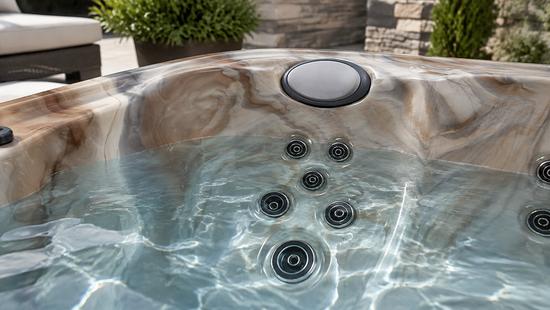
The BD-004’s seating layout, according to its product documentation, follows this contoured approach, with jets positioned to align with the body’s natural curve rather than scattered evenly across the shell. Headrests with cushioned padding support the neck specifically, which matters most during longer sessions rather than a quick five-minute dip.
LED lighting inside a spa gets dismissed as a cosmetic add-on, but there’s a practical case for it too. Bottom-mounted lighting, positioned below the waterline, helps users see jet placement and depth clearly during nighttime use, which reduces the awkward fumbling that happens in a dark tub.
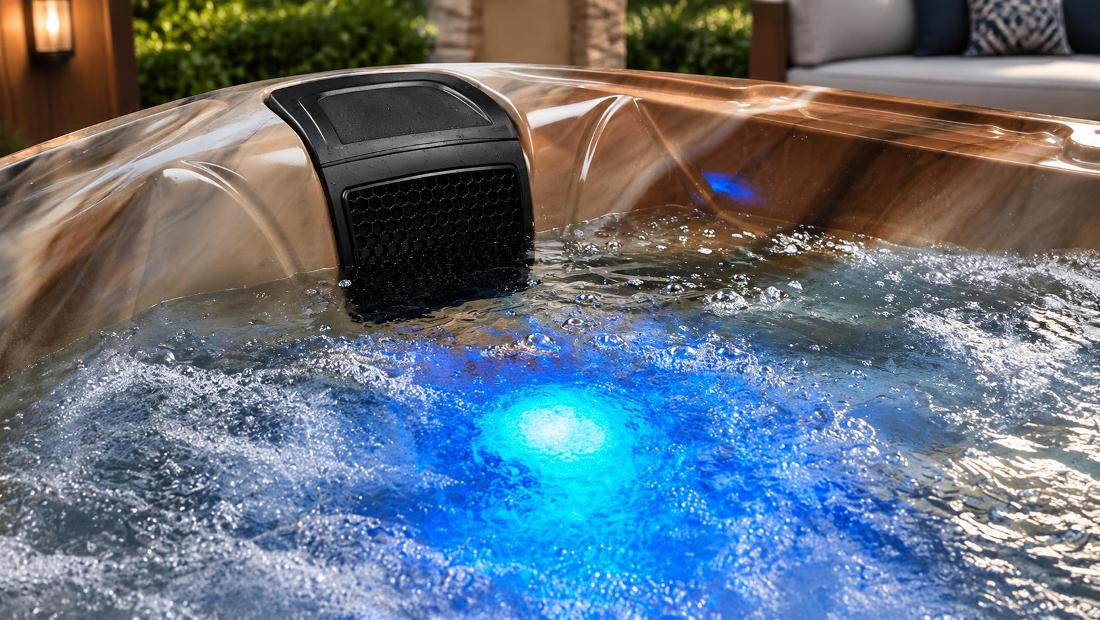
The BD-004 documentation describes a blue LED lighting feature positioned at the bottom of the shell to create a calmer visual environment during use. Whether the calming effect is measurable or simply perceptual is beside the point. Reduced visual harshness at night is a legitimate quality-of-life improvement for evening soaks.
Application context shapes which features matter most. A boutique hotel gym cares about fast turnover and low chemical odor near guest areas. A backyard villa installation cares about aesthetics and how the unit looks against landscaping at night. A seaside homestay cares about weather resistance and a view-friendly footprint.
Common placement scenarios include:
Each context pulls different priorities to the top, which is why spec sheets alone rarely tell the full story.
Dimensions decide whether a unit fits a deck, a patio corner, or a dedicated pool room. A six-person basic swim spa typically measures somewhere around 2.3 by 2.3 meters, standing roughly 900mm tall, with a water capacity near 1,450 liters and a dry weight in the 300kg range before filling.
Before purchasing, it helps to walk through a short sequence of practical checks:
Skipping the weight-and-deck step is the most common installation mistake. A filled six-person spa easily exceeds a ton in total load, and not every wooden deck was built with that in mind.
Is a basic swim spa the same as a hot tub?
Not exactly. It shares hydrotherapy features like heated water and massage jets, but a swim spa typically has a larger footprint and higher water capacity to accommodate more users or light aquatic movement, rather than lap swimming.
Do these units require special electrical wiring?
Most run on dedicated circuits sized to the combined pump and heater load. A qualified electrician should confirm circuit requirements before installation, since draw varies by model.
How often does the water need to be changed?
This depends on usage frequency and sanitization method. Ozone-equipped systems generally extend the interval between full water changes compared to chemical-only maintenance, though regular water testing is still recommended.
Can a basic swim spa be installed indoors?
Yes, provided the floor can support the filled weight and adequate ventilation exists to manage humidity and evaporation.
The right basic swim spa isn’t the one with the highest jet count on paper. It’s the one whose power draw, seating capacity, and sanitization method match how often and where it will actually get used. A hotel amenity room has different priorities than a quiet backyard corner.
We work across manufacturing and product development to build hydrotherapy units suited to both hospitality and residential settings, covering everything from villa installations to rehabilitation-focused facilities. For anyone comparing options, the practical advice holds steady: measure the space, confirm the electrical load, and match the sanitization system to how much hands-on maintenance you’re actually willing to do. A basic swim spa earns its place in a backyard or facility not through spec sheet numbers alone, but through fitting quietly into daily routines without becoming another maintenance chore.
How to Choose the Right Plug-In Hot Tub for Your Home
Creating a backyard or indoor relaxation space has never been easier thanks to modern plug in hot tubs. These convenient spas offer the perfect combination of comfort, therapy, and ease of installation. Whether you are looking for a compact rectangular hot tub or a big hot tub to entertain family and friends, understanding the options available through trusted hot tub dealers can help you make the right investment. fspa provides expert guidance on selecting the ideal hot tub, including insights on features, size, and the benefits of owning the biggest hot tub possible for your space.
A plug in hot tub is designed for convenience and accessibility. Unlike traditional hot tubs that may require specialized plumbing or electrical connections, plug-in models only need a standard power outlet, making them perfect for homeowners who want a hassle-free installation. This flexibility allows them to be placed indoors or outdoors, on patios, decks, or even in enclosed wellness spaces.
For those considering a rectangular hot tub, the shape offers a sleek, modern look that integrates well with decks and landscaped areas. Rectangular designs often maximize seating and legroom, allowing more users to enjoy the spa comfortably. While compact in appearance, these tubs are engineered for full hydrotherapy, featuring strategically placed jets that target sore muscles and improve circulation.
If you want to accommodate multiple people or host gatherings, a big hot tub provides ample space and comfort. These larger models are designed for families or social use, making them perfect for backyard entertainment. The biggest hot tub available can seat multiple adults comfortably, featuring deep soaking areas, advanced jet systems, and optional features such as LED lighting, waterfalls, and ergonomic seating.
When choosing a plug in hot tub, working with reliable hot tub dealers is crucial. Experienced dealers can provide advice on sizing, features, and maintenance, helping you select a spa that meets both your space and lifestyle requirements. fspa emphasizes that selecting the right dealer ensures proper installation, warranty support, and ongoing service for your investment.
Additionally, plug-in hot tubs are energy-efficient and cost-effective. They use standard electrical outlets and typically consume less energy than larger, hardwired models. Whether you opt for a rectangular hot tub or a big hot tub, energy efficiency and ease of use make plug-in models an attractive option for many homeowners.
Rectangular hot tubs are highly versatile and designed for both therapeutic use and social enjoyment. Their straight edges allow them to fit neatly against walls or decking, providing a modern, minimalist aesthetic. Many models include multiple jets, ergonomic seating, and built-in filtration systems that simplify maintenance while delivering a premium spa experience.
A big hot tub offers similar benefits but on a larger scale. Larger models allow for group relaxation, hydrotherapy, and family use. They often include adjustable jets, customizable seating, and advanced heating systems, ensuring consistent water temperature and maximum comfort. Some of the biggest hot tubs on the market can accommodate six or more people, making them the ultimate choice for entertaining or large families.
When selecting a plug in hot tub, consider your lifestyle and space. Smaller homes or apartments may benefit from a compact rectangular design, while larger backyards can accommodate a big hot tub or even the biggest hot tub available. Working with knowledgeable hot tub dealers ensures that you select the right model for your intended use.
Another key factor is maintenance. Modern rectangular hot tubs and big hot tubs often feature automated cleaning systems, energy-efficient heaters, and easy-to-use controls. This reduces the time and effort required to maintain clean, safe water while preserving the spa’s longevity. fspa recommends choosing a plug-in model that balances size, features, and convenience for long-term satisfaction.
Finally, a plug in hot tub can transform any space into a private wellness retreat. Whether placed on a deck, patio, or inside a wellness room, these spas provide hydrotherapy benefits that reduce stress, improve circulation, and promote overall relaxation. With a variety of options from trusted hot tub dealers, homeowners can enjoy the luxury of a personal spa with minimal installation challenges.
A plug in hot tub is an excellent investment for homeowners seeking convenience, comfort, and wellness. Whether you choose a rectangular hot tub for a sleek design or a big hot tub to entertain family and friends, these spas offer versatile options for any space. The biggest hot tub models provide ample seating, advanced features, and luxury experiences, while compact options maximize hydrotherapy benefits in smaller spaces.
By consulting with reputable hot tub dealers and exploring top-quality models through fspa, homeowners can ensure a long-lasting, enjoyable spa experience. A well-chosen plug-in hot tub transforms your backyard or indoor space into a personal retreat, delivering relaxation, social enjoyment, and wellness benefits for years to come.
A plug in hot tub is a spa that operates using a standard electrical outlet, allowing easy installation and placement indoors or outdoors without specialized wiring.
Rectangular hot tubs offer a modern aesthetic, ergonomic seating, and efficient use of space, making them ideal for both indoor and outdoor installations.
A big hot tub can comfortably seat four or more adults and often includes deep soaking areas, multiple jets, and advanced heating systems. The biggest hot tub models may accommodate six or more people.
Trusted hot tub dealers provide high-quality models, installation support, warranty service, and guidance on choosing the right spa for your space and needs.
Yes, modern plug in hot tubs, including big hot tubs, offer full hydrotherapy benefits, energy efficiency, and advanced features similar to larger hardwired spas.
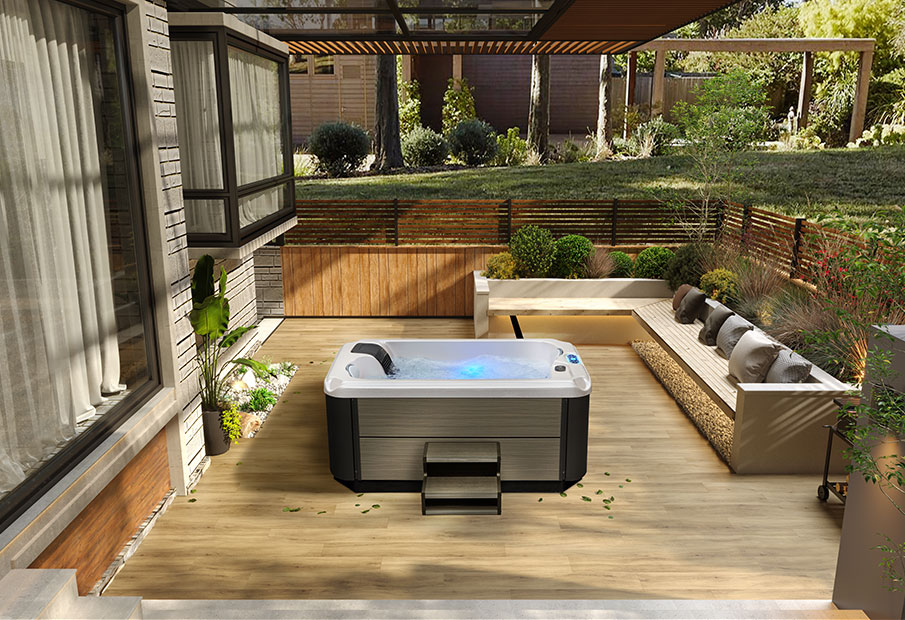
The Fspa BD-016 Hot Tub, designed for 2 adults, offers luxurious comfort with a spacious interior, powerful 1.5kW massage pump, 0.35kW filter pump, 2kW heater, customizable water flow with 14 jets, ozone sanitation, LED lighting, comfortable pillows, and a total power of 3.85kW, providing a tranquil escape for ultimate relaxation.
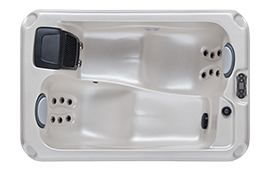
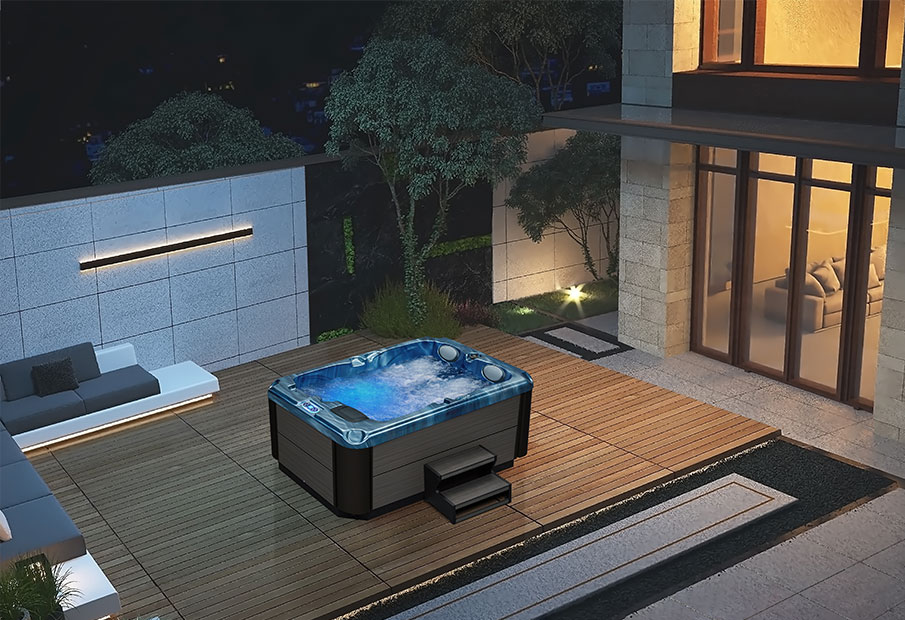
The Fspa BD-011 hot tub, designed for luxurious relaxation, offers a spacious interior for 6 adults, powerful pumps and heater, strategic jet placement, soothing LED lighting, adjustable features, and easy maintenance, making it the ultimate choice for both residential and commercial use.
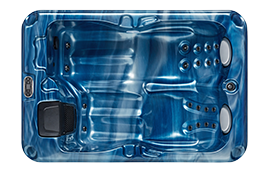
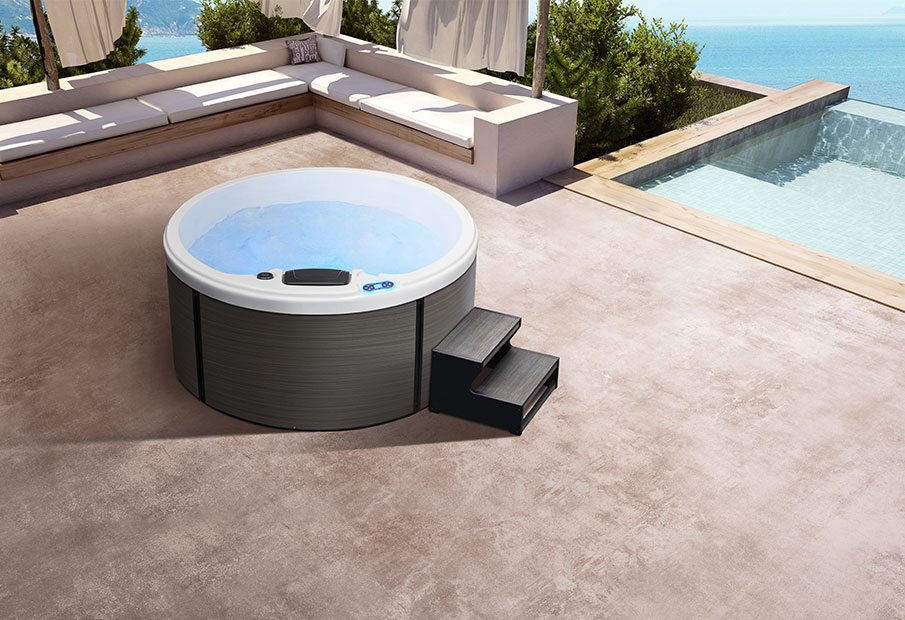
The Fspa BD-018 Hot Tub, designed for 2 adults with spacious dimensions, features a robust control system, 1.5kW massage pump, 0.35kW filter pump, 2kW heater, 14 customizable water jets, LED lighting, ozone sanitation, and a total power of 3.85kW, providing exceptional comfort and relaxation for a luxurious and rejuvenating soak.
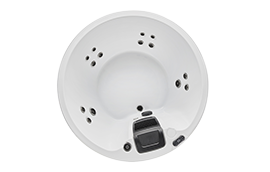
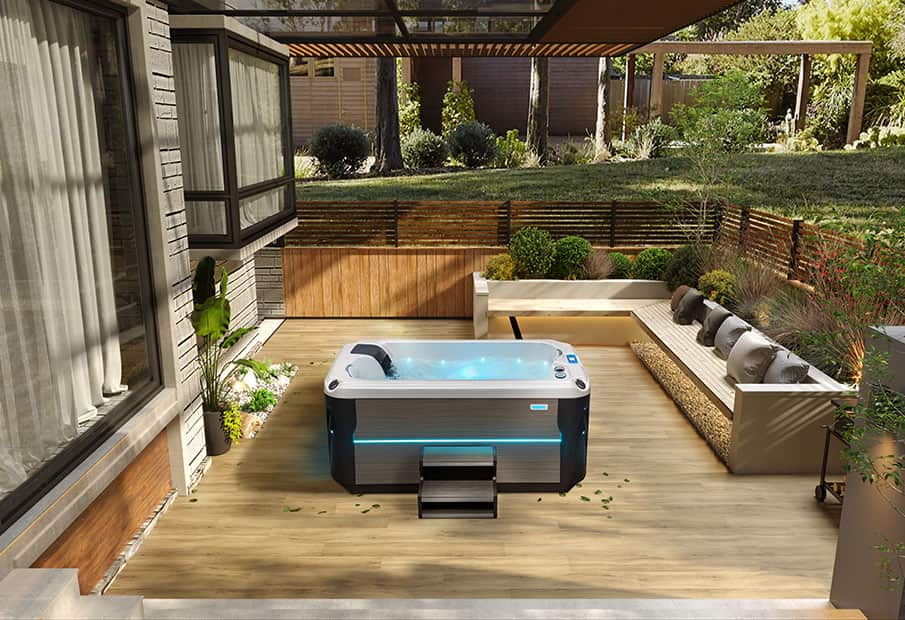
The Fspa BD-016Pro Hot Tub, a compact spa for up to 2 adults, offers a rejuvenating experience with an efficient control system, soothing massage features, consistent water temperature, modern amenities, advanced filtration, and suitability for indoor or outdoor placement.
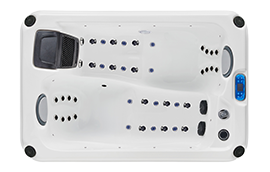
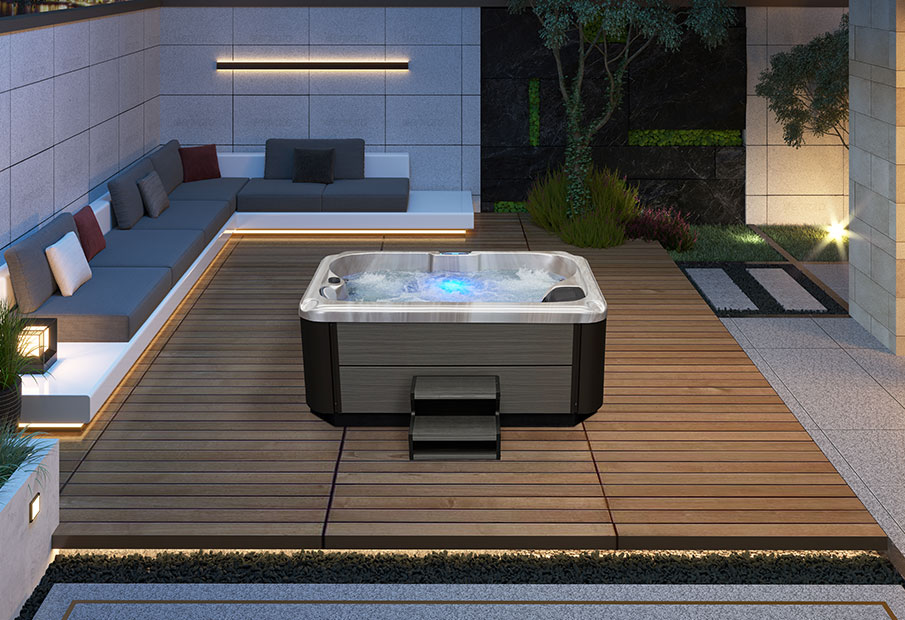
Our luxurious Fspa BD-003 spa tub, designed for 3 adults with ample space (1870x1330x800mm), features a comprehensive control system, powerful massage pump, gentle filter pump, temperature control, clean water filter, LED lighting, 16 massage jets, and sanitation ozone system, offering a perfect therapeutic escape for you and your loved ones.
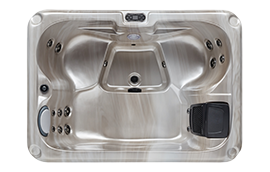
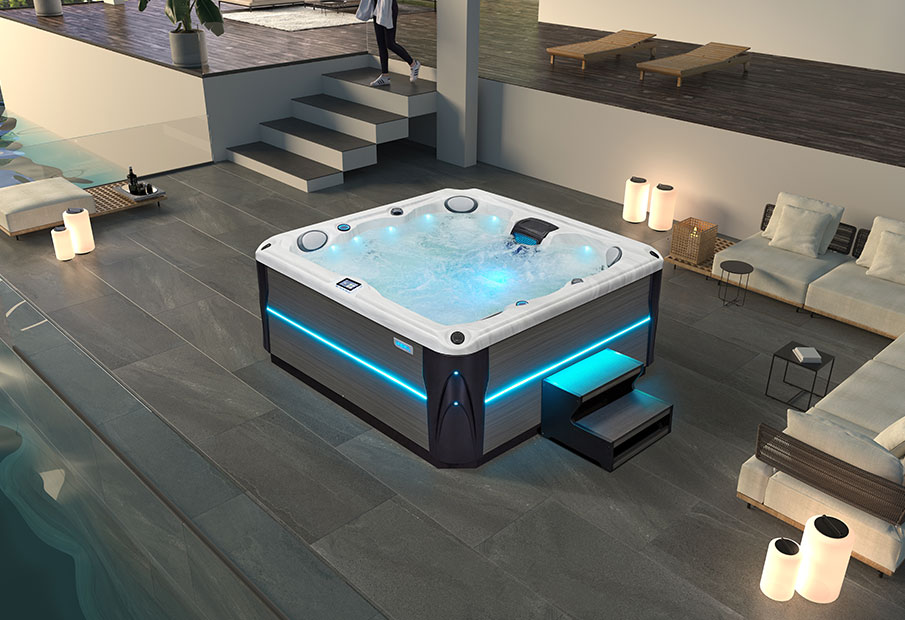
The Fspa BD-001Pro Hot Tub customizable water flow, ozone sanitization, and luxurious features for an unparalleled relaxation experience.
PRODUCTS
INQUIRY
Thank you for your message!Our Chinese New Year holiday from 7th Feb to 28th Feb. Apologise to make your inconvenience so that responses may be delayed during this period. We'll back to you with regular service on 2th March .Thank you for understanding.


