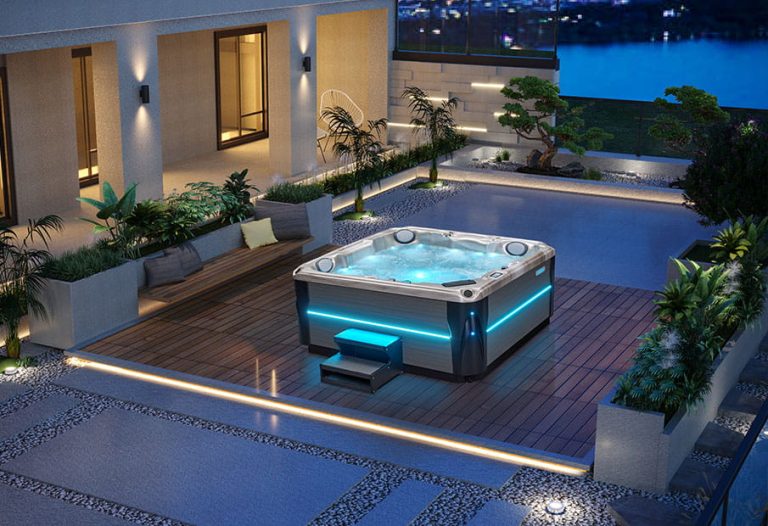
In a world increasingly dominated by digital noise and relentless schedules, the quest for a personal sanctuary has never been more prevalent. For discerning homeowners and wellness enthusiasts alike, an outdoor jacuzzi tub represents far more than a luxury amenity; it embodies an investment in well-being, a commitment to unwinding, and a profound enhancement of one’s living space. Imagine stepping into warm, effervescent waters beneath a starlit sky, the rhythmic massage of hydrojets melting away the day’s tensions. This vision is not merely aspirational; it is an attainable reality for countless individuals seeking respite and rejuvenation right outside their door. The market for outdoor recreational features has seen robust growth, with recent analyses indicating a sustained demand for products that blend personal luxury with practical therapeutic benefits. This growing trend underscores a societal shift towards prioritizing mental and physical health, making the choice to install an outdoor jacuzzi tub a testament to modern living. Beyond its immediate appeal as a hub for relaxation and entertainment, a well-chosen outdoor jacuzzi tub can significantly elevate property value, offering a unique selling proposition in a competitive real estate landscape. Its integration into a home’s exterior design transforms a simple backyard into a sophisticated retreat, a place where memories are forged and daily stresses dissolve into the calming embrace of warm water. Whether for solitary contemplation or vibrant social gatherings, the magnetic pull of a personal hydrotherapy haven is undeniable, positioning it as a pivotal element in creating an ideal home environment.
Modern outdoor jacuzzis are marvels of engineering, integrating cutting-edge technology designed to maximize both user experience and operational efficiency. The evolution from basic bubbling tubs to sophisticated hydrotherapy systems has been remarkable. Today’s models boast advanced jet configurations, offering a diverse range of massage therapies from deep tissue relief to gentle effervescent caresses. Manufacturers employ intricate fluid dynamics to sculpt specific jet patterns, targeting muscle groups with precision and promoting increased blood circulation. Beyond the jets, superior insulation is a cornerstone of energy efficiency, with multi-layer foam systems and reflective barriers minimizing heat loss, thereby significantly reducing operational costs. For instance, some top-tier models achieve R-values exceeding 20, translating into substantial savings on electricity bills, potentially lowering annual energy consumption by up to 30% compared to older or less insulated designs. Filtration systems have also seen dramatic improvements, featuring multi-stage processes that include pleated filters, ozone generators, and even UV-C purification, ensuring crystal-clear water with minimal chemical usage. This sophisticated water management not only enhances hygiene but also reduces the effort required for maintenance. Control interfaces, often touchscreens or smart-device integrated applications, provide intuitive access to temperature settings, jet intensity, lighting, and entertainment systems. From a health perspective, the benefits of hydrotherapy are scientifically validated. Immersion in warm water promotes vasodilation, easing joint pain and muscle soreness. The buoyancy reduces gravitational pressure on the body, providing relief for those with arthritis or chronic pain. Furthermore, the combination of heat, massage, and buoyancy is a proven stress reducer, improving sleep quality and fostering a profound sense of well-being. These technical advancements collectively ensure that an outdoor jacuzzi tub is not just a source of enjoyment, but a powerful tool for health management and daily rejuvenation.
Choosing the right outdoor jacuzzi tub can feel overwhelming given the myriad options available. A judicious approach involves examining key manufacturers, their signature features, and overall value propositions. Quality often correlates with robust construction, advanced technology, and comprehensive warranty coverage. When evaluating brands, consider aspects like shell material (acrylic is common, but proprietary blends offer enhanced durability and aesthetic appeal), frame construction (galvanized steel or pressure-treated wood), and component longevity (pumps, heaters, control systems). Energy efficiency is a critical factor, often reflected in certifications such as the California Energy Commission (CEC) or specific insulation ratings. Furthermore, assess the ergonomic design of seating, ensuring comfort for all users, and the variety and adjustability of the hydrotherapy jets. Below is a comparative table illustrating a snapshot of three hypothetical leading manufacturers, highlighting their distinct offerings:
| Manufacturer | Key Differentiator | Jet Count Range | Seating Capacity | Energy Efficiency (kWh/day est.) | Warranty (Shell/Components) | Price Range (USD) |
| HydroLux Systems | Proprietary “VortexStream” jet technology; advanced insulation; integrated smart home control. | 40-75 | 3-7 | 2.5-4.0 | 10 Yrs / 5 Yrs | $12,000 – $25,000 |
| AquaThera Spas | Ergonomic designs; focus on therapeutic massage; ozone + UV purification standard. | 30-60 | 2-6 | 3.0-5.5 | 7 Yrs / 3 Yrs | $9,000 – $18,000 |
| Zenith Hot Tubs | Customizable aesthetics; robust frame construction; enhanced sound systems; competitive pricing. | 25-50 | 2-5 | 3.5-6.0 | 5 Yrs / 2 Yrs | $7,500 – $15,000 |
This comparison highlights how different brands prioritize various aspects, from cutting-edge technology and luxury features to therapeutic focus and value. Consumers should align their personal priorities—whether it’s the ultimate hydrotherapy experience, long-term energy savings, or a specific aesthetic—with the strengths of a particular manufacturer. Reading independent reviews, visiting showrooms, and consulting with experienced dealers are crucial steps in making an informed decision that will provide years of satisfaction.
The beauty of modern outdoor jacuzzi tubs lies in their extensive customization potential, allowing owners to create a truly unique backyard oasis that perfectly reflects their style and needs. Beyond the standard features, manufacturers offer a plethora of options to tailor every aspect of your spa experience. Shell colors range from classic white and slate grey to vibrant blues and greens, allowing seamless integration with existing landscaping or serving as a bold focal point. Cabinet finishes can mimic natural wood, contemporary synthetics, or even stone, providing durability and aesthetic versatility. Lighting systems have advanced significantly; multi-color LED perimeter lights, underwater spotlights, and illuminated jet nozzles create captivating evening ambiance, often controllable via remote or smartphone. For an immersive sensory experience, integrated sound systems with marine-grade speakers and Bluetooth connectivity are popular, allowing users to stream their favorite music or podcasts directly to their aquatic retreat. Water features, such as laminar jets or cascading waterfalls, add a soothing visual and auditory dimension. Beyond aesthetics, functional customizations are equally important. Varied jet packages can be selected to target specific therapeutic needs, from powerful pulsating jets for athletic recovery to gentle air injectors for a full-body relaxation. Upgraded insulation packages enhance energy efficiency for colder climates, while specialized covers, including automated lifters, offer convenience and improved heat retention. Even smart home integration is becoming standard, allowing users to control their spa’s functions from anywhere, preheating the water before arrival or checking chemical levels remotely. This level of personalization ensures that your outdoor jacuzzi tub is not just a product, but a bespoke sanctuary designed precisely to your specifications, optimizing both enjoyment and value.
The versatility of an outdoor jacuzzi tub extends to a wide array of applications, making it a desirable addition to various settings beyond the typical residential backyard. For homeowners, it transforms a patio, deck, or garden into a year-round wellness hub and entertainment space, perfect for family gatherings or quiet evening escapes. In the realm of luxury vacation rentals, a well-appointed outdoor spa is often a key differentiator, significantly boosting booking rates and guest satisfaction. Guests are increasingly seeking unique amenities that offer a resort-like experience, and a private hot tub delivers precisely that. Boutique hotels and bed-and-breakfasts can create exclusive spa zones, providing an intimate relaxation option for their patrons, enhancing their overall stay and encouraging repeat visits. Urban dwellers with rooftop terraces or compact balconies can also embrace the hydrotherapy experience; specialized tubs designed for smaller footprints or lighter loads make this feasible, turning previously underutilized spaces into serene retreats with breathtaking city views. Beyond leisure, certain rehabilitation centers and sports facilities utilize outdoor jacuzzis for hydrotherapy, aiding in muscle recovery, injury rehabilitation, and improving mobility, leveraging the therapeutic benefits of warm water and targeted massage. Installation, however, requires careful planning. Proper site preparation is paramount, ensuring a level, reinforced foundation capable of supporting several tons of weight (the tub itself, water, and occupants). Electrical requirements are stringent, typically demanding a dedicated 240V, 50-amp circuit installed by a licensed electrician to safely power pumps and heaters. Plumbing considerations are minimal as most outdoor jacuzzis are self-contained, but access to a garden hose for filling and drainage is necessary. Proximity to changing areas, privacy screening, and aesthetic integration with landscaping are also vital for maximizing the enjoyment and functionality of your outdoor spa, ensuring it becomes a seamlessly integrated and highly valued part of its environment.
Ensuring the longevity and pristine condition of your outdoor jacuzzi tub requires a consistent, yet manageable, maintenance routine. Diligent care not only preserves the aesthetic appeal of your investment but also ensures optimal performance and hygienic operation for years to come. The cornerstone of maintenance is water chemistry. Regular testing of pH, alkalinity, and sanitizer levels (chlorine, bromine, or alternative systems) is crucial, typically 2-3 times per week, to prevent bacterial growth and protect internal components from corrosion or scale buildup. Filters should be rinsed weekly and deep-cleaned monthly with a specialized filter cleaner to maintain efficient water circulation and filtration. The water itself generally needs to be drained and refilled every 3-4 months, depending on usage, to prevent the accumulation of dissolved solids that can impact water quality and equipment performance. Beyond water care, regular cleaning of the tub’s shell with a non-abrasive cleaner will prevent residue buildup and maintain its luster. The exterior cabinet, whether synthetic or natural wood, also benefits from periodic cleaning and, if applicable, sealing or staining to protect against weathering. Inspecting jets for debris, checking the cover for wear and tear, and ensuring proper sealing around plumbing connections are also important aspects of preventative maintenance. In colder climates, winterization procedures are critical to prevent freezing and damage to plumbing and pumps when the tub is not in use. Many modern tubs feature intuitive diagnostics and self-cleaning cycles that simplify these tasks, making maintenance less daunting. Adhering to manufacturer guidelines for both routine and annual upkeep significantly extends the lifespan of your outdoor jacuzzi tub, safeguarding its operational efficiency and ensuring that your sanctuary remains a source of relaxation and enjoyment for well over a decade, often exceeding 15 years with proper care.
The journey from contemplating a purchase to finally immersing oneself in a personal outdoor jacuzzi tub is a transformative one. It’s a decision that echoes a deeper desire for balance, connection, and restorative moments in an often-frenzied world. The enduring appeal of this investment lies in its multifaceted benefits: it’s a personal health spa offering hydrotherapy for muscle recovery and stress reduction, an entertainment hub for social gatherings, and a tranquil escape for quiet contemplation under the open sky. Its presence enhances not just a property’s aesthetic and market value but, more importantly, the quality of life for its occupants. Imagine the joy of unwinding after a long day, the therapeutic embrace of warm water soothing tired muscles, or the simple pleasure of sharing laughter with loved ones amidst a symphony of bubbles. As technology continues to evolve, outdoor jacuzzi tubs will only become more intuitive, energy-efficient, and seamlessly integrated into smart home ecosystems, further solidifying their place as an essential component of modern living. The advancements in materials science promise even greater durability and lower maintenance, ensuring that the initial investment continues to yield returns in terms of well-being and enjoyment for many years to come. Ultimately, an outdoor jacuzzi tub is more than a mere appliance; it’s a commitment to a lifestyle defined by relaxation, wellness, and cherished moments. It’s an invitation to pause, breathe, and reconnect with oneself and nature, transforming an ordinary outdoor space into an extraordinary haven of peace and rejuvenation, a true cornerstone of contemporary comfort and luxury.
Q1: What are the key considerations when choosing an outdoor jacuzzi tub?
A1: Key considerations include seating capacity, jet configurations for therapeutic needs, energy efficiency (insulation and heating), shell material durability, warranty coverage, integrated features like lighting and sound, and the manufacturer’s reputation for reliability and customer service.
Q2: How much does an outdoor jacuzzi tub cost?
A2: The price of an outdoor jacuzzi tub can range widely, typically from $5,000 for entry-level models to $25,000 or more for high-end, feature-rich tubs. This price usually excludes installation costs, which can include electrical work and foundation preparation.
Q3: What kind of maintenance does an outdoor jacuzzi tub require?
A3: Regular maintenance involves testing and balancing water chemistry (pH, alkalinity, sanitizer) 2-3 times per week, cleaning filters weekly, deep-cleaning filters monthly, draining and refilling water every 3-4 months, and periodically cleaning the shell and cabinet. Winterization may be necessary in cold climates.
Q4: Can I use my outdoor jacuzzi tub in winter?
A4: Yes, outdoor jacuzzi tubs are designed for year-round use. Modern tubs feature excellent insulation, robust heaters, and durable covers to maintain water temperature efficiently even in freezing conditions. Some models even have advanced freeze protection systems.
Q5: What are the health benefits of using an outdoor jacuzzi tub?
A5: The health benefits include stress reduction, improved sleep quality, relief from muscle soreness and joint pain (hydrotherapy), increased blood circulation, and the therapeutic benefits of buoyancy which can alleviate pressure on joints and spine.
Q6: How important is energy efficiency in an outdoor jacuzzi tub?
A6: Energy efficiency is very important as it directly impacts your operating costs. Tubs with superior insulation, efficient heaters, and well-designed covers can significantly reduce electricity consumption, leading to substantial savings over the lifespan of the tub, especially in colder climates.
Q7: What is the typical lifespan of an outdoor jacuzzi tub?
A7: With proper care and regular maintenance, an outdoor jacuzzi tub can last between 10 to 20 years. The lifespan depends on the quality of components, consistent upkeep, and adherence to manufacturer guidelines.
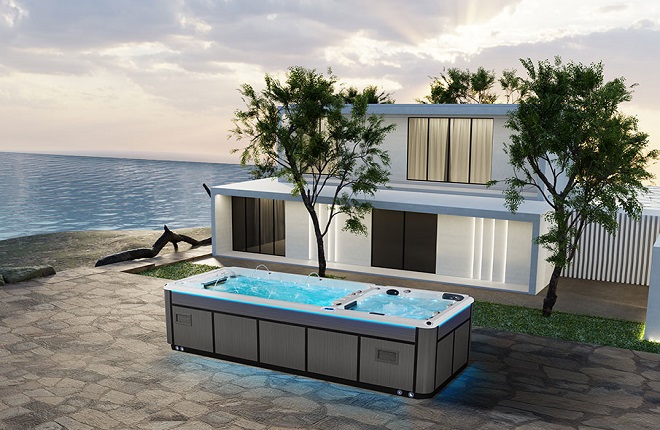
As someone who’s bought two acrylic swim spas for vacation homes in Spain and the U.S. over the past five years, I’ve learned the hard way that international swim spa shopping isn’t just about picking a style or size—ignoring voltage, frequency, and socket differences can turn a dream backyard upgrade into a costly headache. These details might seem small, but they make or break whether your spa works safely, efficiently, or at all once it’s installed.
My first mistake happened with my Spanish villa’s spa. I ordered a model I loved from a global supplier without double-checking electrical specs, assuming “universal” meant it would fit. When the installer arrived, he pointed out Spain uses 230V voltage and 50Hz frequency, while the spa was calibrated for the U.S.’ 120/240V and 60Hz. Plugging it in would’ve fried the heating element and pumps.
We had to wait three weeks for the supplier to send a custom electrical kit—delaying use and adding extra fees. After that, I made it a rule to confirm specs upfront. The U.S. home’s spa went smoothly because I asked: I learned most U.S. residential setups use 240V for larger spas (to power strong jets and fast heating) and 120V for smaller ones, plus 60Hz frequency that keeps motors running steadily.
Japan’s even trickier, I later found out from a friend—some regions use 100V at 50Hz, others 60Hz, so you need to specify the exact city to avoid mismatches.
Sockets are another easy pitfall. In Spain, the plugs are Type F—round, with two pins and a grounding clip—while the U.S. uses Type A/B (flat pins, grounded or ungrounded). My first spa came with a U.S.-style plug, which didn’t fit Spain’s outlets.
Even if you use an adapter, it’s not a fix: adapters only change the plug shape, not the power flowing through it. For my U.S. spa, I also had to confirm the socket’s amp capacity—my spa draws 30A, so a standard 15A household socket would’ve overheated.
The supplier helped me share my home’s electrical panel details with their team, who then sent a compatible cord and even recommended a local electrician to upgrade the outlet.
The solution, I’ve found, is simple: talk to your supplier early and often. Don’t just ask “Will this work in [country]?”—get specific. Share your home’s voltage (you can find it on your utility bill or by checking a wall outlet), frequency (most countries stick to 50Hz or 60Hz), and socket type (a quick online search for your country’s plug type works).
Good suppliers, like the one I used for my second spa, will adjust the spa’s internal components—swapping out heating elements, calibrating motors, or changing cords—to match your region. They might even send diagrams to share with your electrician, so installation goes off without a hitch.
Buying a swim spa internationally should be exciting, not stressful. By focusing on these electrical details and communicating clearly with your supplier, you can skip the delays and extra costs—and start enjoying your spa as soon as it arrives.
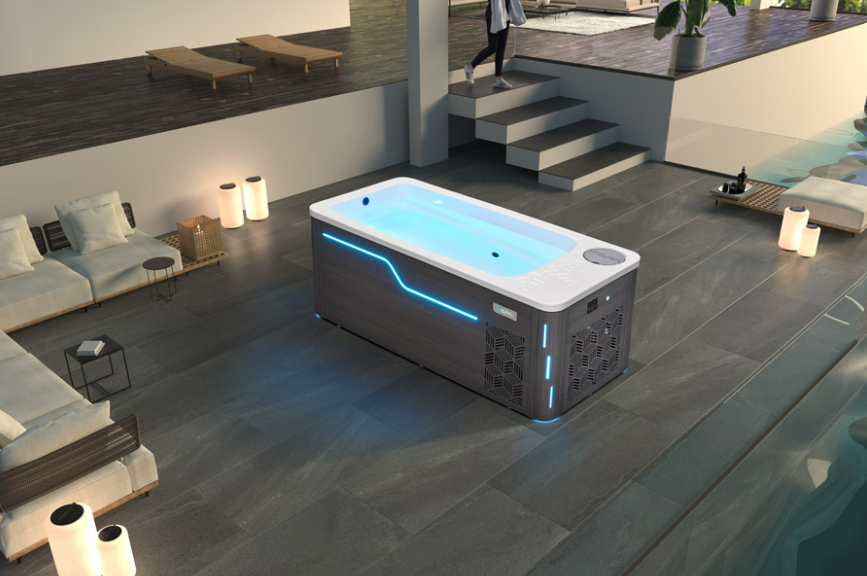
How to Choose a Cold Plunge Tub for Home, Gym, and Recovery Spaces
A cold plunge tub sauna routines, or as part of a personal wellness program. The goal is not to remain in the water for a long period, but to create a repeatable experience with a stable temperature, a comfortable entry position, and water that can be managed hygienically.
Buyers should separate lifestyle marketing from practical product selection. The most important questions are how the tub cools and circulates water, how the user enters and exits, how easy it is to clean, and whether the electrical specification matches the installation country. People with medical conditions, circulation concerns, pregnancy, or uncertainty about cold exposure should seek professional advice before use.
FSPA lists several single-user cold plunge models and a larger multi-user design. The category includes all-in-one systems with chilling, circulation, filtration, ozone, and underwater lighting. This type of integrated construction can reduce the need to assemble separate components, although the exact configuration should always be confirmed before ordering.
A compact cold plunge can fit into a home gym, bathroom, covered terrace, garden, balcony, wellness room, or commercial recovery area, but the tub dimensions alone do not determine whether it will fit. Buyers must also measure doorways, stairs, elevators, turning space, access gates, and the route from the delivery vehicle to the final position.
The installation surface should be level and strong enough to support the filled weight of the tub, water, and user. Indoor projects need moisture-resistant finishes, drainage planning, ventilation, and protection against accidental overflow. Outdoor projects need weather protection, a suitable cover, frost planning where relevant, and safe access during rain or low light.
User comfort is also important. A vertical model may reduce the floor area required, while a longer reclining design can feel more open. Step height, internal depth, hand support, and edge shape affect how easily a person can enter and leave the water. For gyms and wellness businesses, the layout should allow staff to supervise cleaning and manage user flow without creating slippery congestion around the tub.
An energy-efficient cold plunge depends on more than the chiller label. Ambient temperature, target water temperature, insulation, cover quality, operating schedule, tub volume, and frequency of use all influence energy demand. An outdoor unit in a hot climate generally works harder than an indoor unit in a temperature-controlled room.
A properly fitted cover helps keep warm air, debris, and sunlight away from the water when the tub is not in use. Insulation reduces heat transfer through the shell and pipework. Some users choose continuous operation for stable water temperature, while others schedule the system around training hours. The best approach depends on the product design and the supplier’s operating instructions.
Filtration and circulation help maintain water clarity, but they do not eliminate routine care. Users should follow a documented plan for testing, cleaning filters, wiping surfaces, changing water, and using any approved sanitation method. Commercial facilities need a stricter schedule because multiple users introduce more contaminants. Easy access to filters and drains can save significant time over the life of the product.
A portable cold plunge tub can appeal to buyers who value flexibility, lower initial cost, or seasonal use. Simple tubs may be moved or stored more easily, but they can require manual ice, separate pumps, or additional water-care equipment. The final cost and daily workload may therefore be higher than the purchase price suggests.
An all-in-one electric cold plunge integrates the tub with chilling and circulation equipment. This can provide more predictable temperature control and a cleaner installation, especially for frequent use. Buyers should still compare noise level, cooling capacity, filter access, drainage, warranty terms, and the availability of replacement components.
The choice should follow the intended routine. An occasional home user may accept more manual preparation, while an athlete, gym, hotel, or recovery studio may value rapid setup and consistent operation. A luxury cold plunge may add lighting, premium finishes, smart controls, or customized colors, but these features should come after the basic requirements for safe access, reliable cooling, filtration, and easy maintenance.
A reliable cold plunge manufacturer should be able to explain product dimensions, materials, chilling performance, circulation, filtration, sanitation options, electrical requirements, packaging, and service procedures. Buyers should request technical documents and confirm whether the model is intended for indoor, outdoor, residential, or commercial use.
International orders require special attention to voltage, frequency, plug type, installation guidance, and local electrical regulations. The unit should be configured for the destination before shipment rather than adapted informally after arrival. Buyers should also ask how the product is protected in transit and what assistance is available if a component needs replacement.
FSPA’s cold plunge range includes single-person and multi-user formats with several integrated features. The company also presents itself as a manufacturer of intelligent outdoor spas and multifunctional swimming systems for homes, villas, hotels, fitness centers, and rehabilitation-related environments. When comparing suppliers, buyers should focus on complete project support rather than a single advertised price.
For Foshan Gaoming Buddy-Tech Co., Ltd., we firmly believe the best cold plunge is the one that perfectly matches your available space, usage frequency, target user group, long-term maintenance plan, local climate conditions and on-site electrical system. Our team delivers detailed, customized technical specifications for every cold plunge unit, streamlining both installation and daily consistent operation for all clients. In the long run, this tailored, functional solution brings far greater practical value than simply picking a cold plunge tub based solely on its exterior looks.
If you have any inquiries about custom cold plunge configuration, quotation or project cooperation, feel free to reach our sales team directly via: +86-13702446452 +86-18144708213
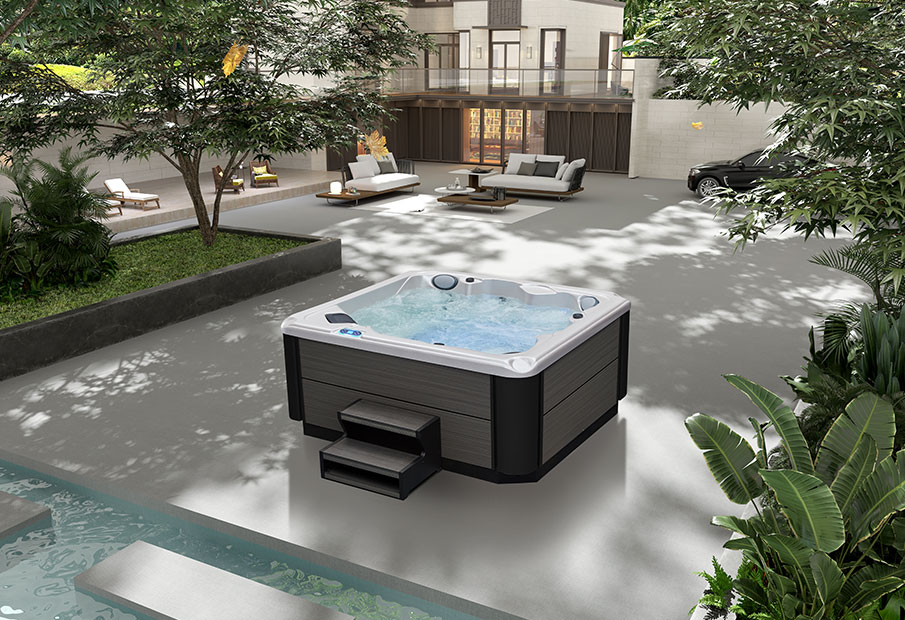
Our Fspa BD-007 Hot tub, measuring 2160x2160x900mm and accommodating 5 adults, combines luxury and comfort with a robust control system, powerful massage jets, sanitized water, ambient LED lighting, adjustable pillows, and energy efficiency, making it perfect for wellness enthusiasts in both residential and commercial settings.
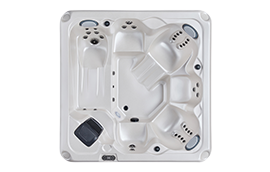
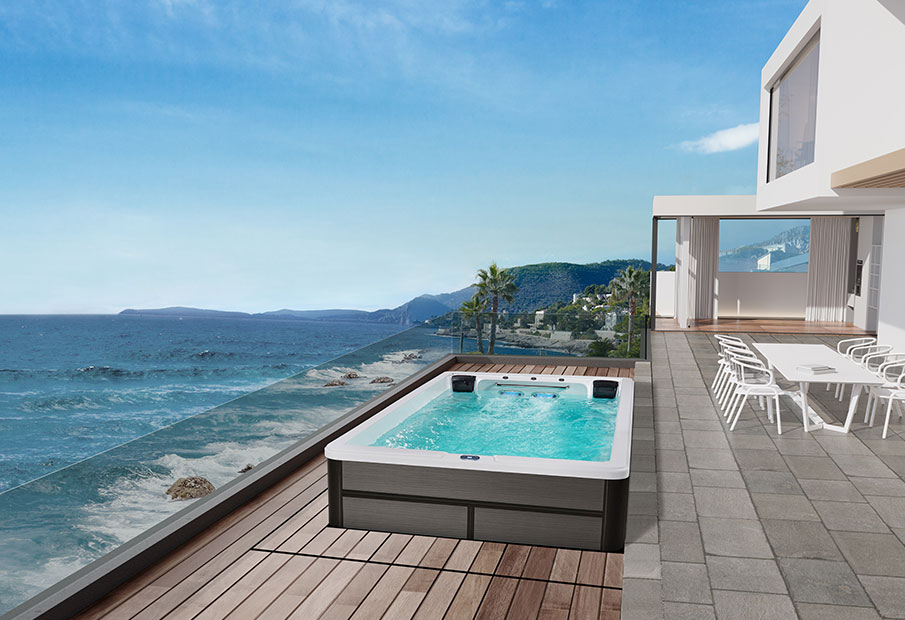
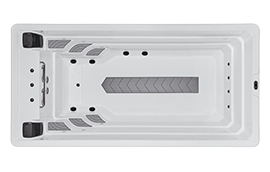
The Infinipool Fspa IP-001 is the ideal choice for anyone seeking a premium swimming experience at home or in a fitness facility.
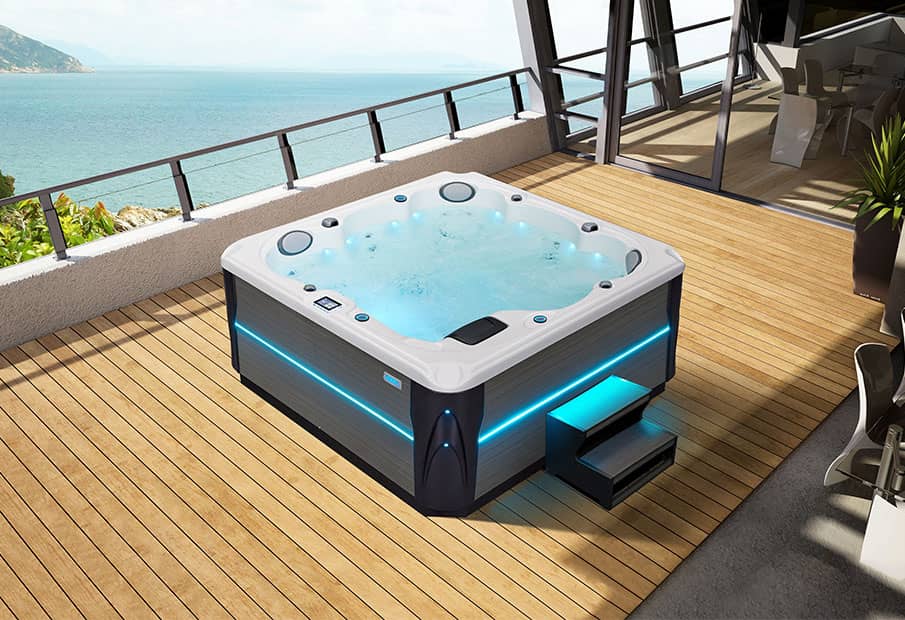
The Fspa BD-012Pro Hot Tub, a luxurious 2160x2160x900mm spa for 6 adults, balances power (4.97kW) and efficiency with features like 34 water & 12 air bubble jets, customizable water flow, LED lighting, music speakers, and pillows, making it a stylish and ideal choice for both residential and commercial relaxation.
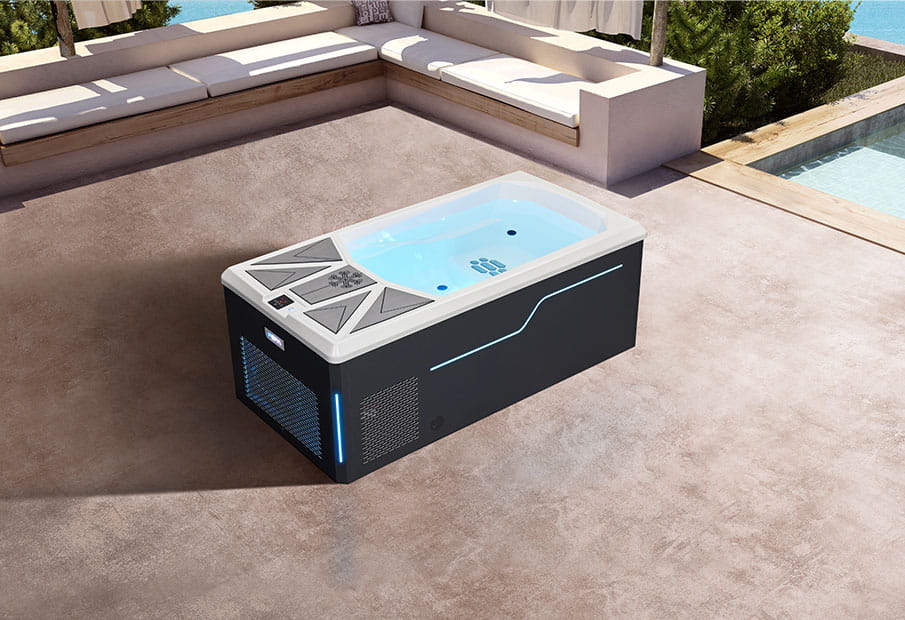
All in one design, plug and play, snowflake pattern, Welcome lights up as you approach Include filter, circuit pump, Ozone, Ice-blue underwater light, and high-efficiency chilling system.
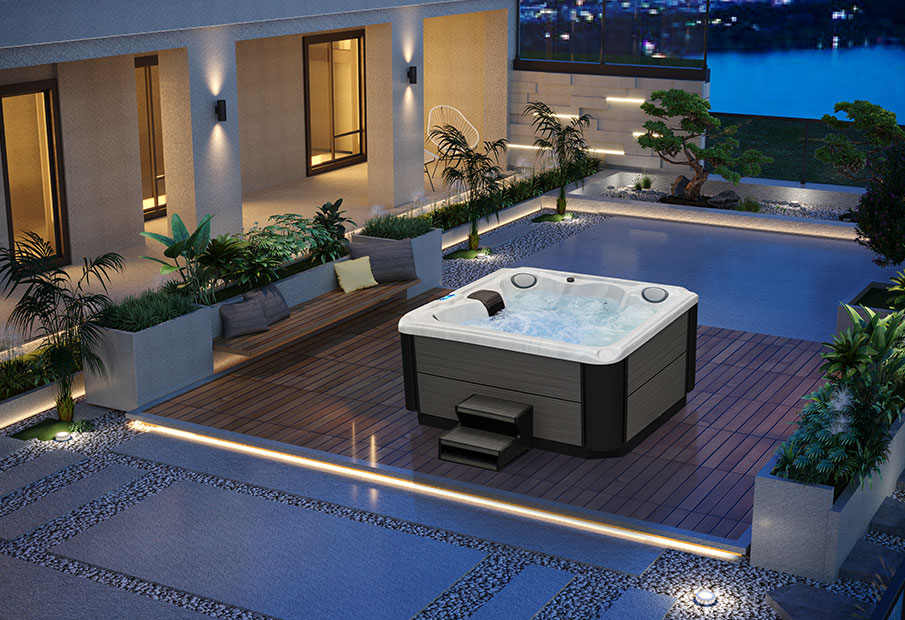
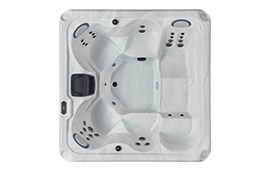
The Fspa BD-008 hot tub, with its spacious design for 6 adults, advanced control system, powerful massage pump, 3kW heater, high-efficiency filter, 35 strategic jets, LED lighting, adjustable features, and ozone sanitation, offers a luxurious and therapeutic spa experience at home, suitable for both residential and commercial settings.
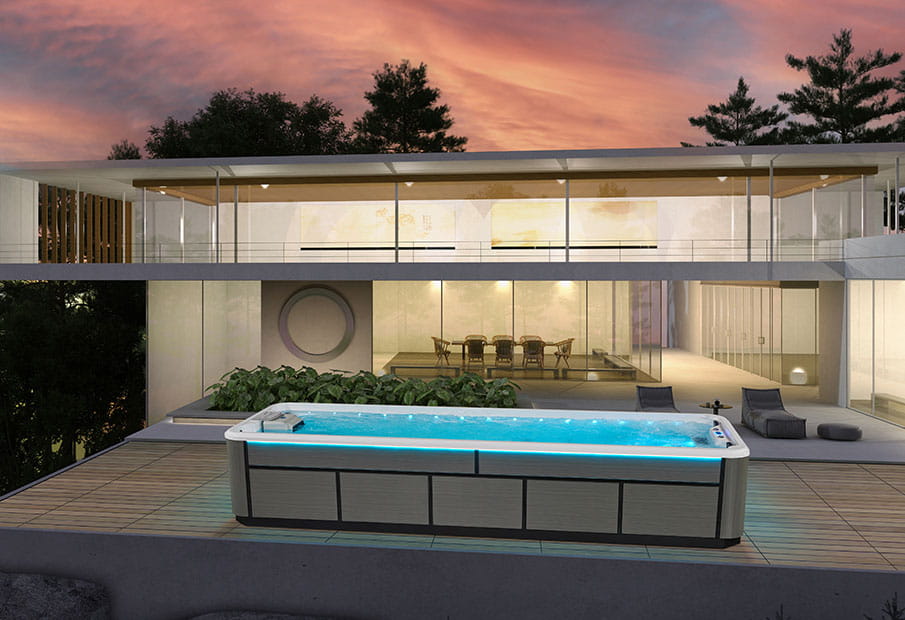
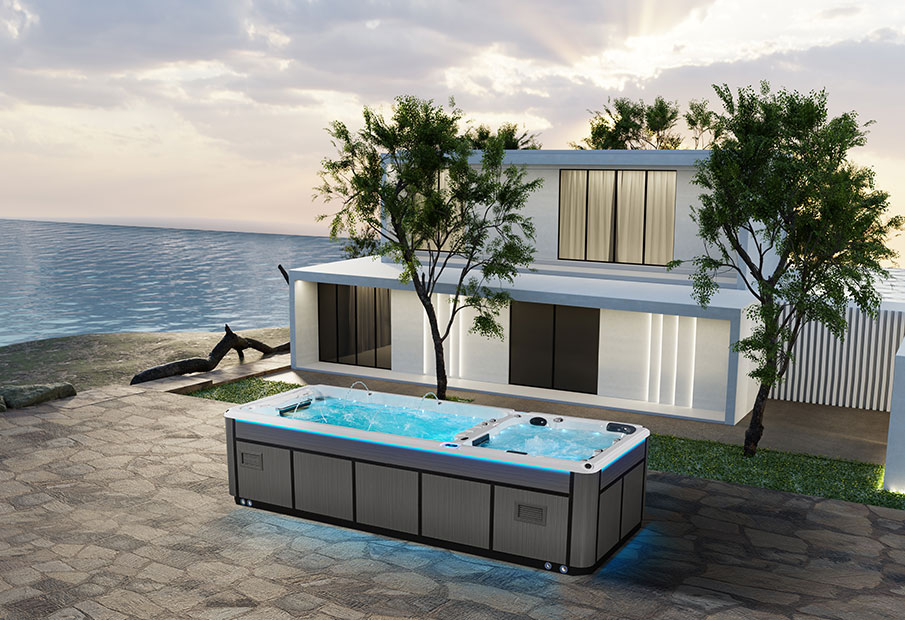
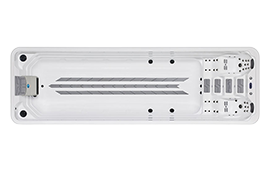
This contemporary infinity pool features dimensions of 7000mm in length, 2200mm in width, and 1335mm in height, highlighting its comprehensive and sophisticated functionality, including a high-efficiency filter pump, a powerful heater, and an advanced ozone system.
PRODUCTS
INQUIRY
Thank you for your message!Our Chinese New Year holiday from 7th Feb to 28th Feb. Apologise to make your inconvenience so that responses may be delayed during this period. We'll back to you with regular service on 2th March .Thank you for understanding.


