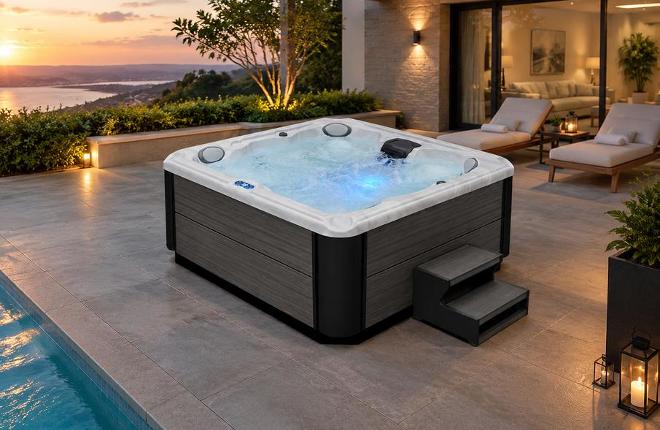
Cold plunging has moved from niche athletic recovery tool to something people do before work, after a workout, or just to feel awake. But the best way to cold plunge isn’t about gritting your teeth through freezing water for as long as possible. It’s about timing, temperature, and consistency, paired with a setup that actually fits your daily life.
Most people who quit cold plunging don’t quit because it doesn’t work. They quit because their routine is inconvenient, their tub is a hassle to maintain, or the water never feels quite right. Getting the method correct matters just as much as getting the equipment correct.
Cold water immersion triggers a rapid vasoconstriction response. Blood vessels near the skin narrow, blood shifts toward your core, and your nervous system gets a jolt of norepinephrine. That’s the alertness spike people chase in the morning.
There’s also a documented reduction in perceived muscle soreness after intense exercise, which is why many athletes use cold immersion post-training. The effect is short-term and symptomatic rather than a change in tissue damage itself, so it’s best understood as a recovery aid, not a cure.
None of this requires ice-cold extremes. Water between 50°F and 59°F (10°C to 15°C) is enough to produce these responses for most people. Colder isn’t automatically better, and pushing temperature too low increases the risk of an uncomfortable, even dangerous, shock response.
A common mistake is treating cold plunging like an endurance contest. Longer isn’t the goal. Most physiological benefits show up within the first two to three minutes of immersion.
Frequency matters more than duration. Three to four sessions a week tend to produce more consistent results than one long session followed by days off.
The best time to cold plunge depends on what you want from it. Morning sessions lean into the alertness spike, giving you a natural jolt without caffeine. Post-workout sessions target soreness and the psychological reset after hard training.
Evening cold plunging is less common and, for some people, counterproductive. The adrenaline response can interfere with winding down for sleep, so if you’re sensitive to stimulation at night, it’s worth testing carefully before making it a habit.
Not everyone needs a dedicated cold plunge tub. Some people use a bathtub filled with ice, others invest in a chiller-equipped plunge pool, and some use a multi-temperature spa that can run cold when needed.
| Option | Setup Effort | Temperature Control | Best For |
|---|---|---|---|
| Ice bath in a tub | High (daily ice needed) | Poor, drifts warm quickly | Occasional use, low budget |
| Dedicated chiller plunge tub | Low after install | Precise, consistent | Frequent, daily users |
| Multi-function spa pool | Low after install | Depends on heater/chiller range | Households wanting both hot and cold therapy |
For people who already use a hot tub for hydrotherapy and muscle recovery, alternating between heat and cold in the same space is often more practical than owning two separate units. A spa like the Fspa BD-001, for instance, is built around a 3kW heater and a 31-jet hydrotherapy system rather than dedicated chilling, according to its product specifications, which makes it better suited to contrast therapy routines where a plunge pool or ice bath handles the cold side and the spa handles heat and massage recovery afterward.
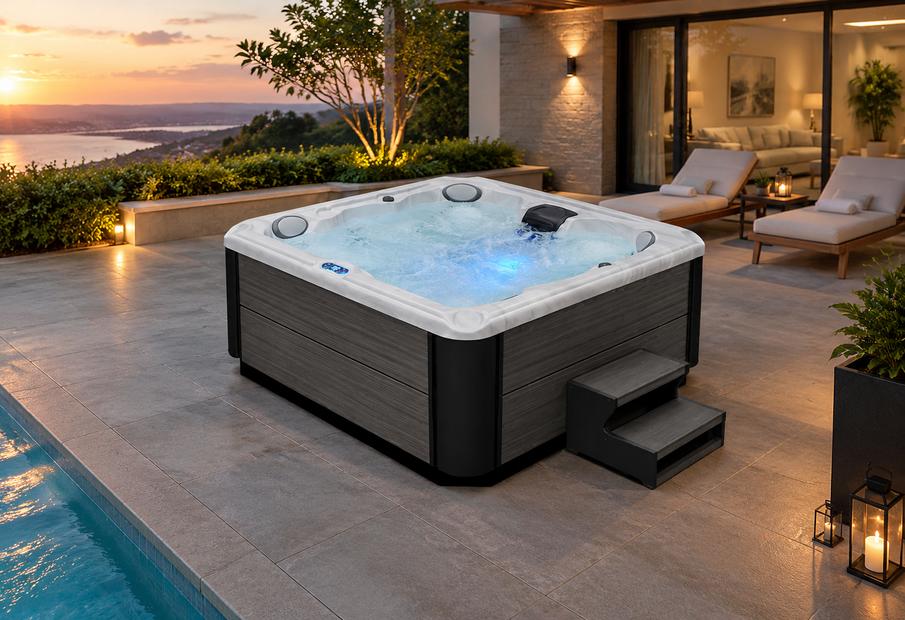
Contrast therapy, alternating hot and cold, is one of the more grounded approaches for people who want recovery benefits without living in an ice bath. The heat dilates blood vessels, the cold constricts them, and the switching itself is thought to support circulation more than either temperature alone.
A simple contrast sequence looks like this:
This is where a hydrotherapy-focused spa earns its place in a recovery setup. According to its product specifications, the BD-001’s 2.2kW massage pump drives water through 31 jets positioned around the seating area, targeting the back and shoulders after a cold session when muscles are tight and circulation is still catching up.
If you’re building a cold plunge routine at home rather than relying on a gym or recovery studio, a few practical factors decide whether you’ll actually stick with it.
Products designed primarily for hot water therapy, like the BD-001 with its four integrated pillows and ergonomic seating for six adults, aren’t marketed as cold plunge tubs. But the seating comfort and filtration standards found in a well-built spa (in this case, certified to CE, CTUVus, CB, and SAA standards according to the manufacturer) reflect the same engineering priorities that matter in any water-based therapy setup, hot or cold.
Cold plunging is simple in concept, but a few habits quietly cancel out the benefits people are chasing.
Going too cold too fast. Jumping straight into 39°F water without building tolerance often triggers hyperventilation and panic responses rather than calm alertness. Gradual exposure over weeks works better than forcing it.
Skipping the breathing. Cold shock triggers a gasp reflex. Practicing slow, controlled exhales before and during immersion reduces the panic response significantly, and it’s often the difference between dreading a plunge and actually looking forward to it.
Inconsistent scheduling. Sporadic plunging, once one week and skipped for the next three, doesn’t build the tolerance or habit strength that makes cold exposure feel manageable. Regularity matters more than intensity.
Ignoring water hygiene. Standing cold water without proper filtration becomes a bacterial concern fast. This is one area where investing in equipment with dependable filtration, ozone treatment, or regular water testing pays off.
Is colder water always better for cold plunging?
No. Water in the 50°F to 59°F range produces most of the documented physiological responses. Going colder increases risk without adding proportional benefit for most users.
Can I cold plunge every day?
Many people do, typically for 1 to 3 minutes. The key is listening to your body and easing off if you notice prolonged fatigue, sleep disruption, or skin irritation.
Do I need a separate cold plunge tub if I already own a hot tub?
Not necessarily. Some households use ice baths or portable chillers alongside an existing spa, running the two in sequence for contrast therapy rather than buying a dedicated multi-temperature unit.
Is cold plunging safe for everyone?
People with cardiovascular conditions, Raynaud’s syndrome, or certain nerve disorders should check with a doctor first, since the vasoconstriction response can pose real risks for those groups.
Finding the best way to cold plunge really comes down to matching temperature, duration, and frequency to your own tolerance, rather than copying an extreme routine built for someone else. Whether you’re using a plain ice bath, a dedicated chiller tub, or pairing it with a heated spa like the BD-001 for contrast therapy, the goal stays the same: build a routine you’ll actually repeat, because consistency is what turns cold plunging from a shock into an actual recovery habit.
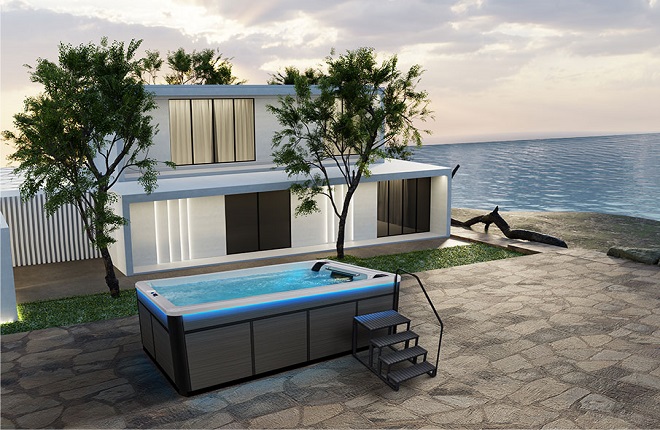
Understanding Ozone in Swim Spas: A User’s Perspective
When I first heard my swim spa came with an ozone system, I thought it sounded like something from a sci-fi movie. Was my spa secretly turning into a spaceship? Not quite. After some reading (and testing it myself), I’ve learned that ozone is actually just oxygen with an extra atom—three instead of two. And that tiny difference makes it a cleaning superhero in the water.
So, how does it work? Inside the spa, there’s a little machine called an ozone generator. It makes ozone and then bubbles it into the water. Those extra oxygen atoms are unstable, which means they love to attack and break apart things like bacteria, oils, and other “not-so-nice” stuff floating around. In simple terms, ozone zaps the bad guys so I don’t have to pour in a mountain of chlorine.
The effects are pretty easy to notice. The water feels fresher, my eyes don’t sting, and there’s way less of that “public pool smell.”Some users online say ozone makes their spa water look like liquid glass, and honestly, I agree. It also saves me money on chemicals, which means more budget left over for snacks after a workout in the spa.
Now, the big question: does it need cleaning? Thankfully, no scrubbing of ozone itself. The gas does all the cleaning for me. But the generator that makes it isn’t immortal. Depending on the type, the lamp or cell might need replacing every couple of years. Also, I still have to clean the spa filters—unfortunately, ozone hasn’t invented a way to fold laundry or clean filters for me yet.
In the end, I think of ozone as my silent spa assistant. It doesn’t brag, it doesn’t make noise, but it quietly keeps the water crystal clear and my swim spa experience a lot more enjoyable. Space-age name, down-to-earth benefits.
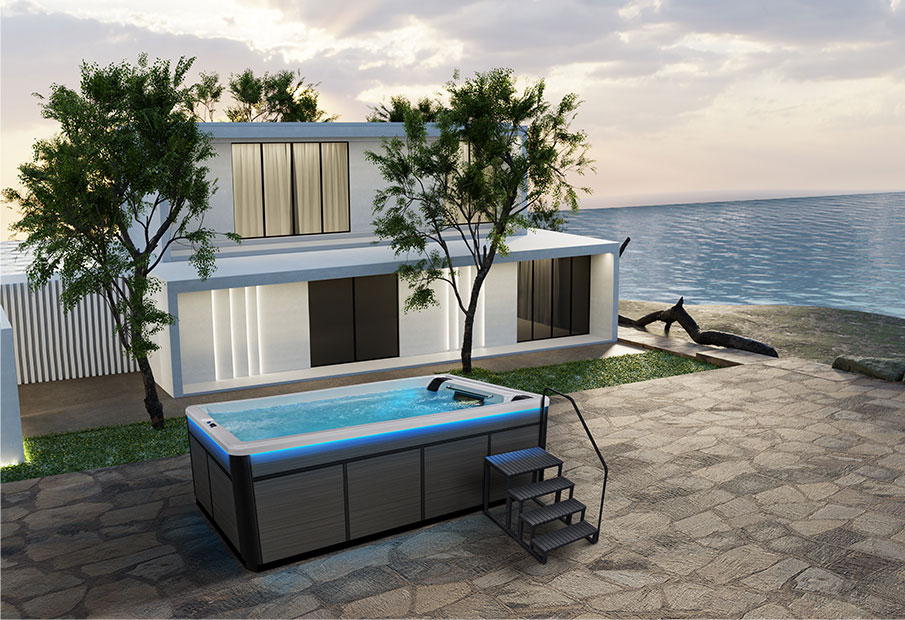
Choosing a 6 Person Swim Spa: Jets, Layout, and Real-World Fit
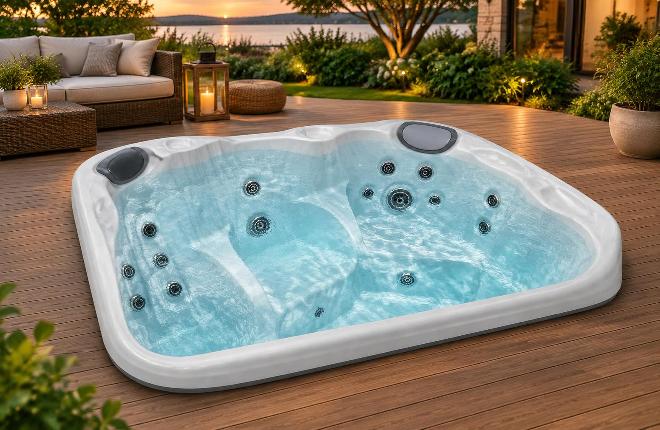
A 6 person swim spa sits in an odd middle ground. It’s bigger than a standard two-person tub but nowhere near the footprint of a lap pool, which makes it a genuinely practical choice for families, small hotels, or backyard renovations where space and water usage both matter. Getting the sizing, jet count, and control layout right up front saves a lot of regret later.
Most buyers start by asking how many people the spa can seat, but the real question is how those people will actually sit. A model like the BD-001, at 2100x2100x900mm with a 1000L water capacity, is built to hold six adults without anyone’s knees bumping into a neighbor’s. That square footprint, rather than a round or oval shell, tends to distribute seating more evenly around a central filtration point.
Water volume also drives running costs. Less water means less to heat and less to treat chemically, which is part of why manufacturers position compact multi-person spas as lower-consumption alternatives to full-size pools. A 1000L unit heated by a 3kW element will reach a comfortable soak temperature in a reasonable window without the electrical draw of a swimming pool heater.
Jet count gets thrown around as a marketing number, but placement matters just as much as quantity. The BD-001 uses 31 jets driven by a 2.2kW massage pump, positioned across the shell to target the back, shoulders, and calves rather than clustering them in one spot.
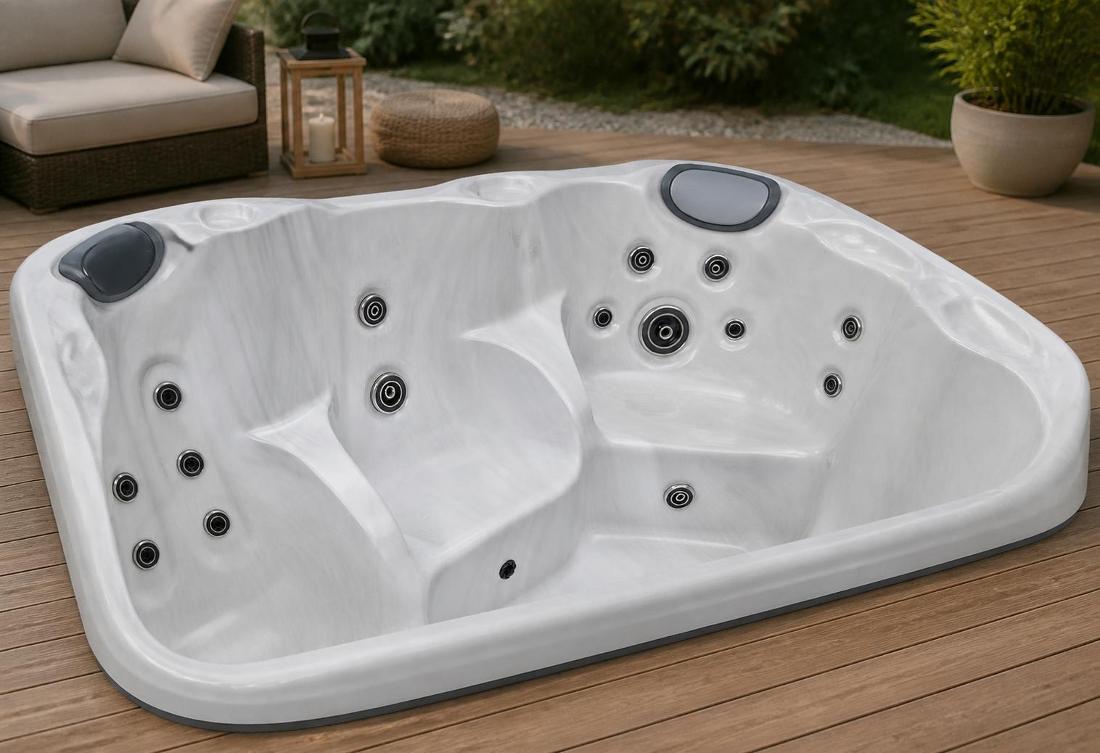
Think of jet layout less like a showerhead and more like a set of pressure points on a massage table. A therapist doesn’t press everywhere at once, they work specific muscle groups. Chrome-rimmed jets arranged around ergonomic seating positions follow that same logic, aiming pressure at the areas that actually tighten up after a long day rather than just aerating the water evenly.
A six-seat spa is only comfortable if the seats themselves are shaped for actual bodies. The BD-001 includes 4 integrated headrests designed to support the neck and keep the spine aligned while seated, which matters more during longer soaks when posture tends to slip.
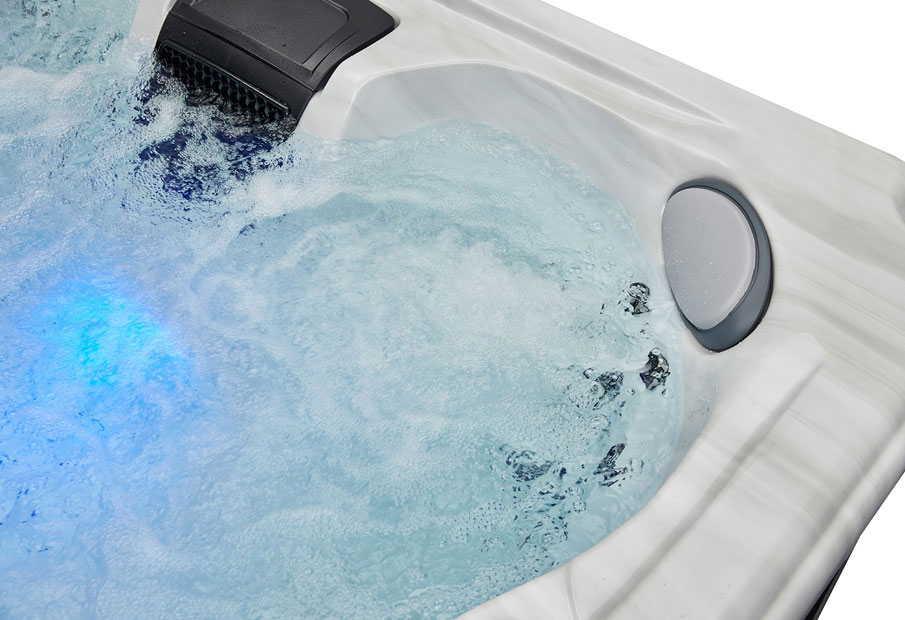
This is one of those details that’s invisible in a spec sheet but obvious in the first ten minutes of use. Without proper head and neck support, even a well-jetted spa starts to feel like sitting in a tiled bathtub. With it, the difference between a quick dip and an actual therapeutic session becomes noticeable.
Nobody buys a spa because they’re excited about filtration, but it’s the system that determines whether the water stays inviting or turns into a maintenance headache. The BD-001 pairs a 0.35kW filter pump with an ozone system, running independently from the massage pump so water can stay clean even between soaking sessions.
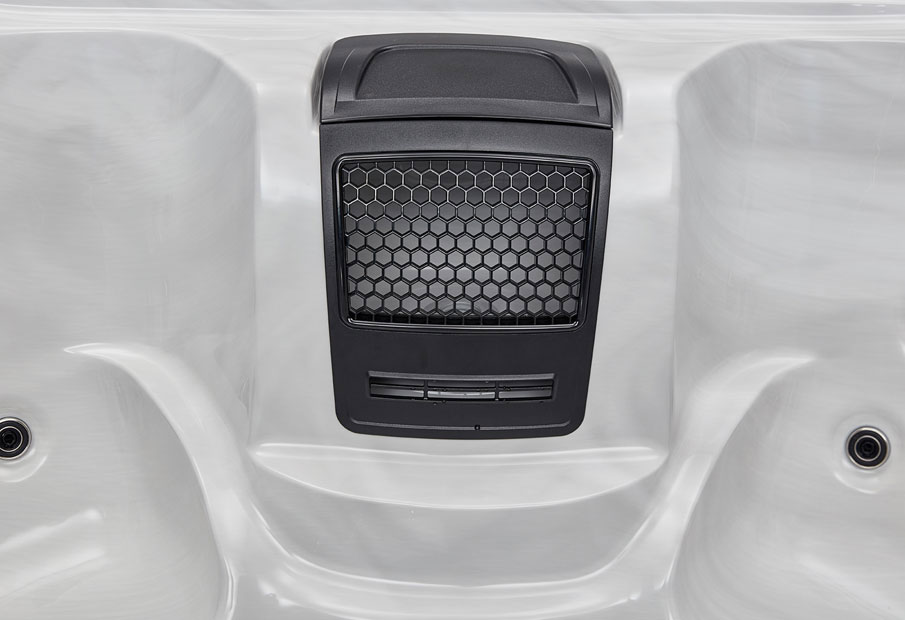
Ozone treatment is designed to work alongside a chlorine or bromine sanitizer rather than replace it entirely, which for shared six-person use is a meaningful distinction. More bathers means more organic load entering the water, so a dedicated filtration circuit that runs separately from the jets keeps water turnover consistent regardless of whether anyone’s currently using the massage function.
| Specification | Detail |
|---|---|
| Dimensions | 2100 x 2100 x 900mm |
| Seating Capacity | 6 Adults |
| Water Capacity | 1000L |
| Net Weight | 268Kg |
| Total Power | 5.55kW |
| Massage Pump | 2.2kW |
| Filter Pump | 0.35kW |
| Heater | 3kW |
| Jets | 31pcs |
| Certifications | CE, CTUVus, CB, SAA |
| Warranty | 1 year |
A table like this is useful mainly for comparing against other units you’re considering. Pay attention to total power draw against your available circuit, since a 5.55kW combined load is something an electrician needs to plan for, not something to discover after installation.
Day-to-day usability often comes down to the control panel, not the jets. The BD-001 uses a blue-lit digital panel mounted into the rim, letting users adjust temperature and switch pump functions without digging through a manual each time.
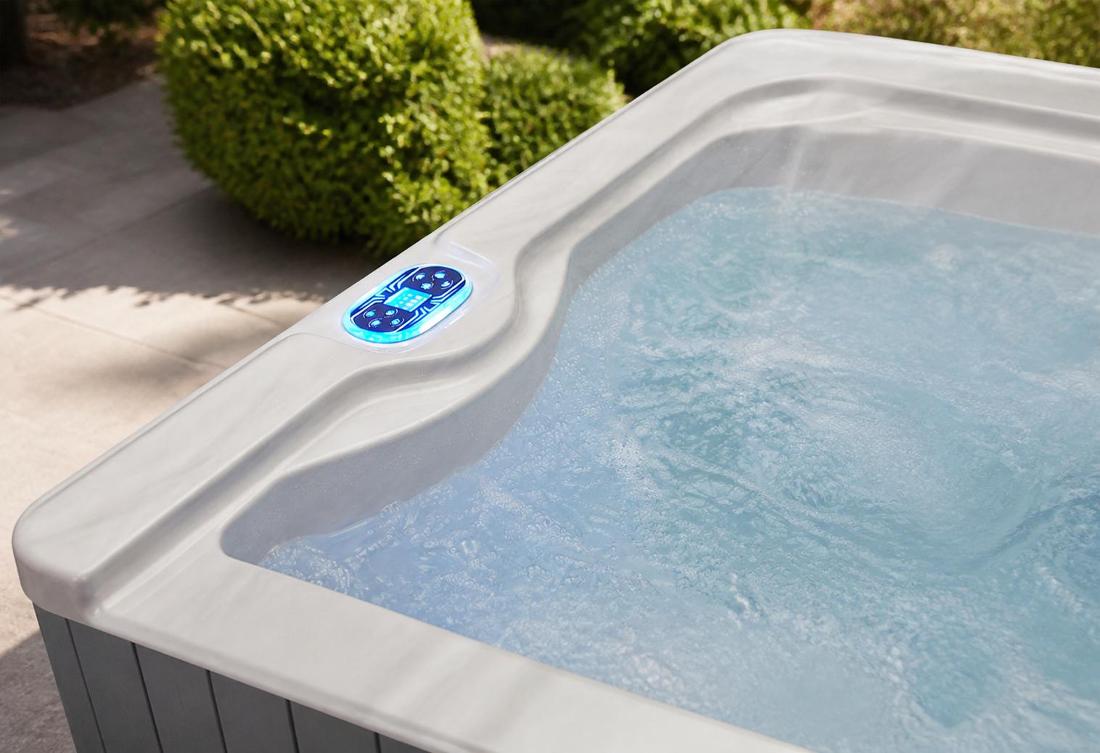
A panel that’s legible at a glance matters more in a six-person setting than a solo tub, simply because more people are likely to be adjusting settings mid-session. Touch-sensitive controls set into a molded recess also reduce the chance of water pooling around buttons, which is a small but practical durability consideration.
The application matters as much as the specs. A unit sized for six adults tends to land in one of a few common settings:
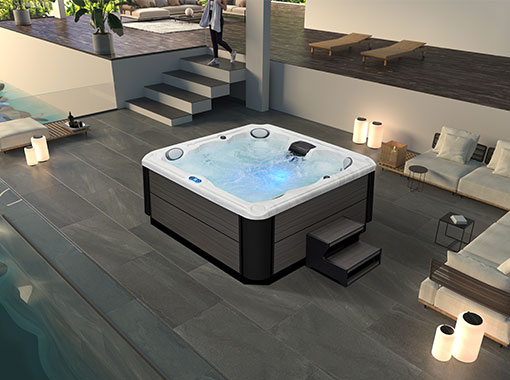
Each scenario changes what actually matters most. A hotel operator cares about certification and warranty terms because liability is different when guests, not just family, are using the equipment. A homeowner installing on a balcony cares more about weight, since 268Kg dry weight plus 1000L of water adds up to a load the structure needs to support safely.
Does a 6 person swim spa use significantly more electricity than a smaller model?
Total power draw scales with pump size and heater wattage rather than seating capacity alone. A 5.55kW combined load, as with the BD-001, is manageable on a dedicated circuit but should be confirmed with an electrician before installation, especially for older properties.
Can a spa this size be installed indoors?
Yes, provided the floor can support the combined dry and filled weight, and the space has adequate ventilation to manage humidity. Indoor balcony installations are a common use case for compact multi-person spas.
How often does the filtration system need attention?
This depends on usage frequency and bather load, but a dedicated filter pump running separately from the massage system, paired with ozone treatment, is designed to reduce how often manual intervention is needed between full water changes.
Is a square shell better than a round one for six people?
Not universally better, but a square footprint like the BD-001’s 2100x2100mm shell tends to make more efficient use of rectangular deck or patio space, which is often the deciding factor in tighter installations.
Choosing the right 6 person swim spa comes down to matching three things: available space, expected usage pattern, and who’s actually going to be using it. A household soaking twice a week has different priorities than a boutique hotel running the spa daily for rotating guests.
For the latter, certification matters more, since CE, CTUVus, CB, and SAA markings reflect testing against recognized regional safety standards rather than just manufacturer claims. For the former, comfort details like headrest placement and control panel clarity tend to matter more day-to-day than the certification list.
Either way, a properly specified 6 person swim spa should feel less like a big bathtub and more like a small, purpose-built wellness space, one where jet placement, filtration, and seating were considered together rather than bolted on separately.
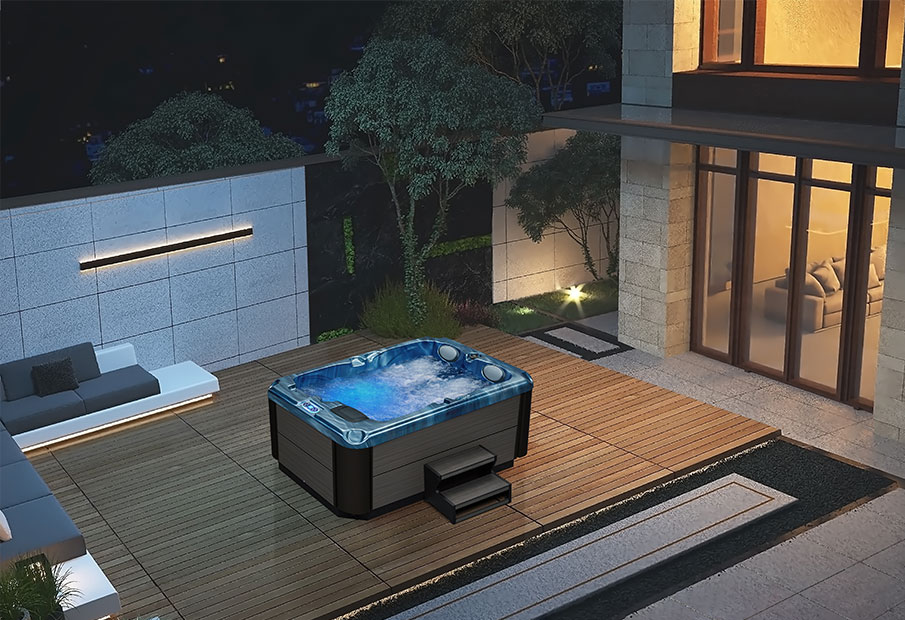
The Fspa BD-011 hot tub, designed for luxurious relaxation, offers a spacious interior for 6 adults, powerful pumps and heater, strategic jet placement, soothing LED lighting, adjustable features, and easy maintenance, making it the ultimate choice for both residential and commercial use.
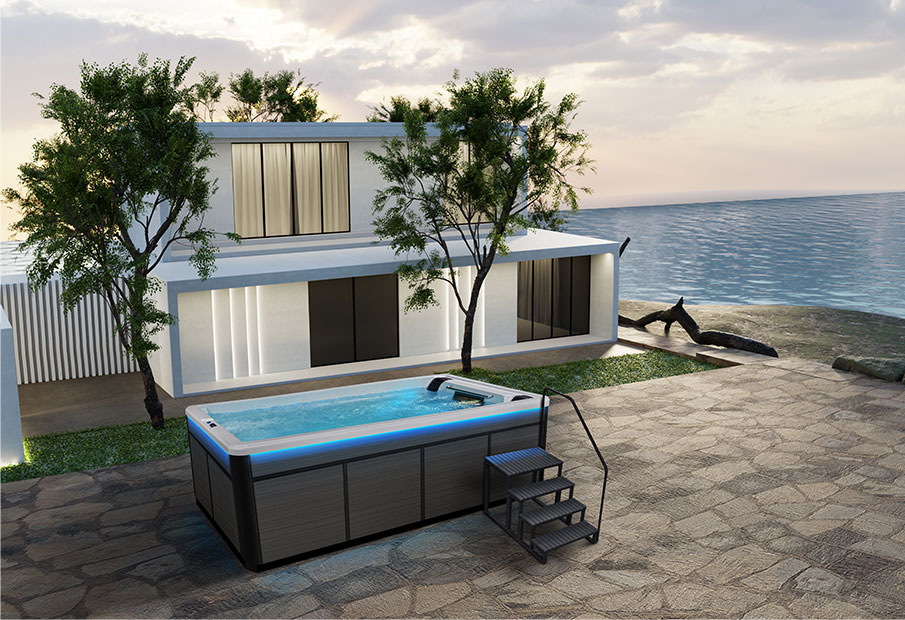
The Infinipool Fspa IP-001Pro is a premium, spacious pool with advanced filtration, ozone sanitization, insulation, and optional accessories, transforming backyards into luxurious oases for swimming, relaxation, and entertainment.
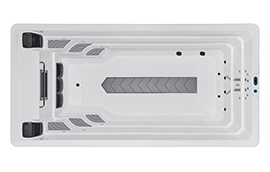
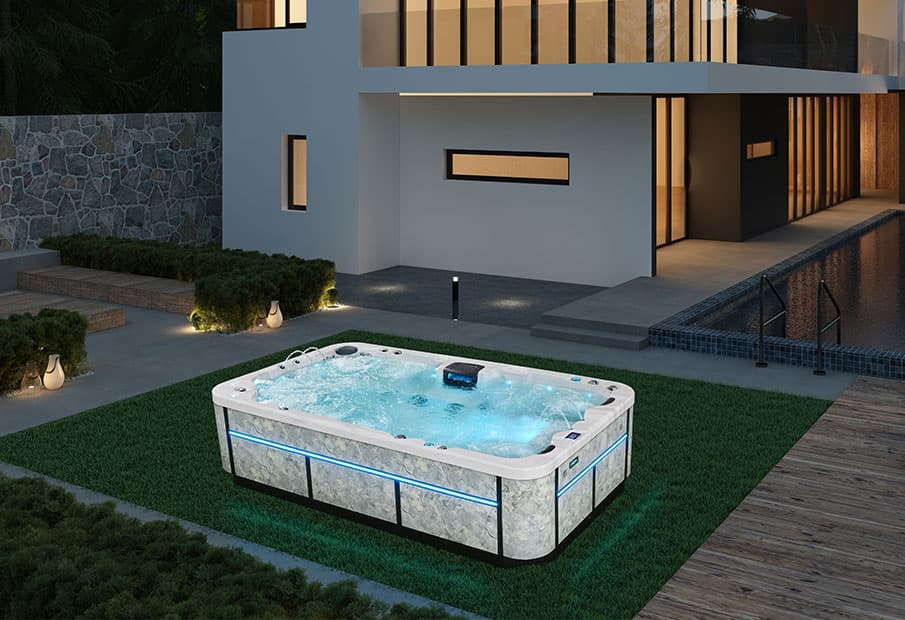
The Fspa BD-020Pro Hot Tub, accommodating up to 9 adults, is a luxurious and therapeutic indoor/outdoor spa featuring a powerful massage system, advanced filtration, modern conveniences, and water features, making it the ultimate choice for relaxation and wellness at home.
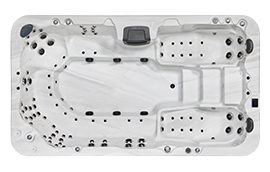
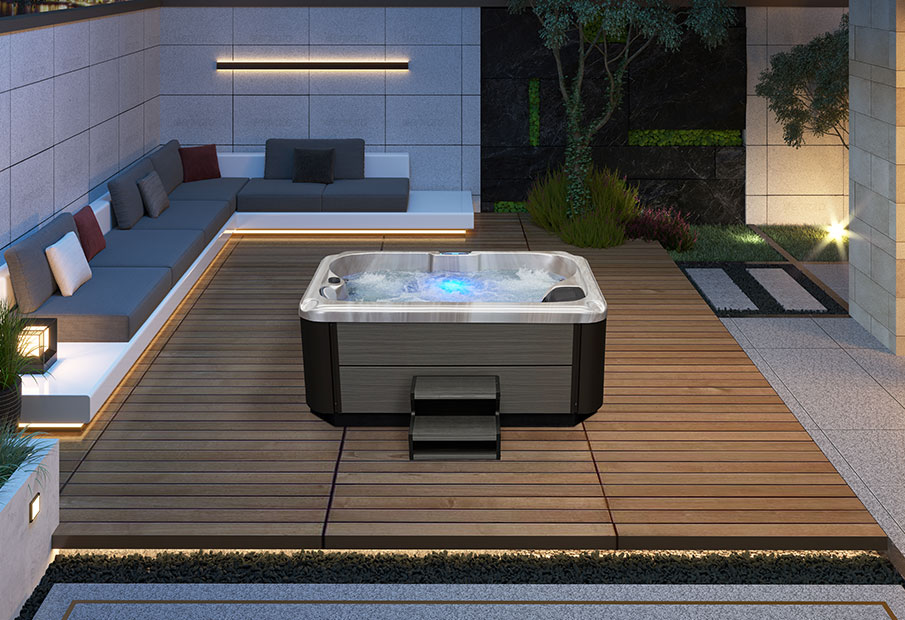
Our luxurious Fspa BD-003 spa tub, designed for 3 adults with ample space (1870x1330x800mm), features a comprehensive control system, powerful massage pump, gentle filter pump, temperature control, clean water filter, LED lighting, 16 massage jets, and sanitation ozone system, offering a perfect therapeutic escape for you and your loved ones.
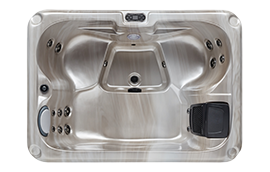
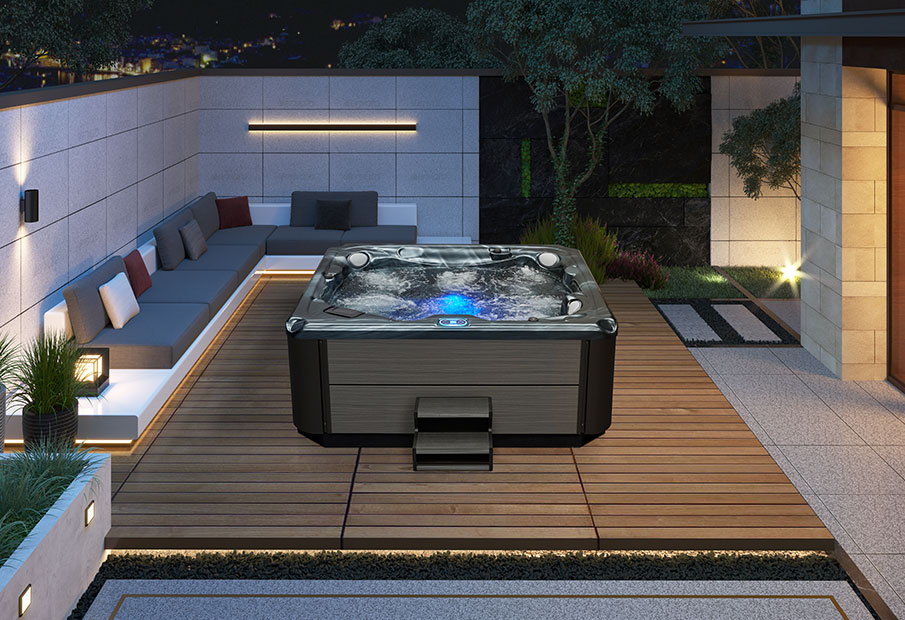
The Fspa BD-005 hot tub, accommodating 6 adults with advanced features including a 2.2kW massage pump, 0.35kW filter pump, 3kW heater, 42 jets, and ozone purification, offers ultimate relaxation in a spacious 2530x2300x900mm pool.
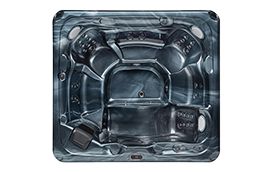
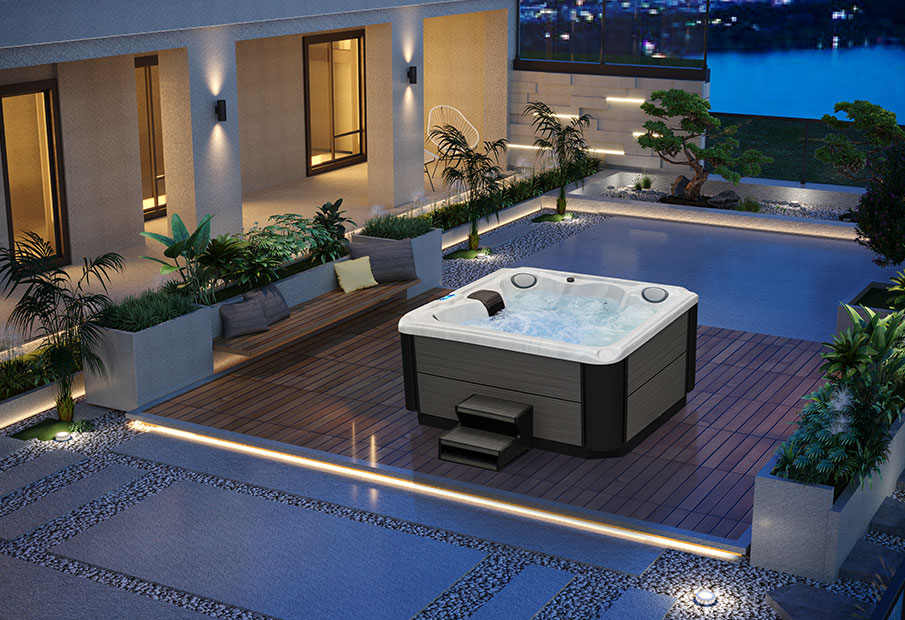
The Fspa BD-008 hot tub, with its spacious design for 6 adults, advanced control system, powerful massage pump, 3kW heater, high-efficiency filter, 35 strategic jets, LED lighting, adjustable features, and ozone sanitation, offers a luxurious and therapeutic spa experience at home, suitable for both residential and commercial settings.
PRODUCTS
INQUIRY
Thank you for your message!Our Chinese New Year holiday from 7th Feb to 28th Feb. Apologise to make your inconvenience so that responses may be delayed during this period. We'll back to you with regular service on 2th March .Thank you for understanding.


