Cold plunging has moved from niche athletic recovery tool to something people do before work, after a workout, or just to feel awake. But the best way to cold plunge isn’t about gritting your teeth through freezing water for as long as possible. It’s about timing, temperature, and consistency, paired with a setup that actually fits your daily life.
Most people who quit cold plunging don’t quit because it doesn’t work. They quit because their routine is inconvenient, their tub is a hassle to maintain, or the water never feels quite right. Getting the method correct matters just as much as getting the equipment correct.
Cold water immersion triggers a rapid vasoconstriction response. Blood vessels near the skin narrow, blood shifts toward your core, and your nervous system gets a jolt of norepinephrine. That’s the alertness spike people chase in the morning.
There’s also a documented reduction in perceived muscle soreness after intense exercise, which is why many athletes use cold immersion post-training. The effect is short-term and symptomatic rather than a change in tissue damage itself, so it’s best understood as a recovery aid, not a cure.
None of this requires ice-cold extremes. Water between 50°F and 59°F (10°C to 15°C) is enough to produce these responses for most people. Colder isn’t automatically better, and pushing temperature too low increases the risk of an uncomfortable, even dangerous, shock response.
A common mistake is treating cold plunging like an endurance contest. Longer isn’t the goal. Most physiological benefits show up within the first two to three minutes of immersion.
Frequency matters more than duration. Three to four sessions a week tend to produce more consistent results than one long session followed by days off.
The best time to cold plunge depends on what you want from it. Morning sessions lean into the alertness spike, giving you a natural jolt without caffeine. Post-workout sessions target soreness and the psychological reset after hard training.
Evening cold plunging is less common and, for some people, counterproductive. The adrenaline response can interfere with winding down for sleep, so if you’re sensitive to stimulation at night, it’s worth testing carefully before making it a habit.
Not everyone needs a dedicated cold plunge tub. Some people use a bathtub filled with ice, others invest in a chiller-equipped plunge pool, and some use a multi-temperature spa that can run cold when needed.
| Option | Setup Effort | Temperature Control | Best For |
|---|---|---|---|
| Ice bath in a tub | High (daily ice needed) | Poor, drifts warm quickly | Occasional use, low budget |
| Dedicated chiller plunge tub | Low after install | Precise, consistent | Frequent, daily users |
| Multi-function spa pool | Low after install | Depends on heater/chiller range | Households wanting both hot and cold therapy |
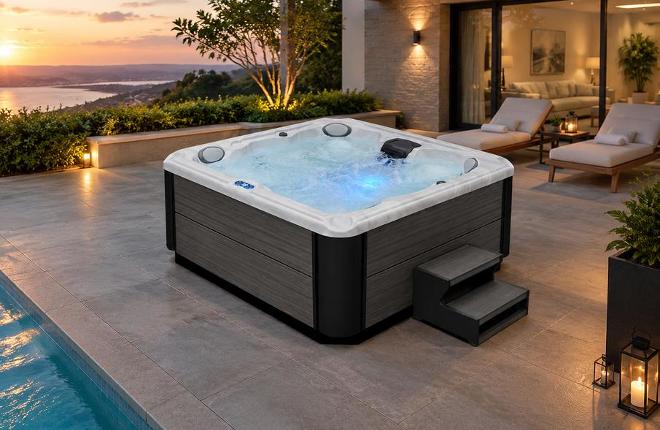
For people who already use a hot tub for hydrotherapy and muscle recovery, alternating between heat and cold in the same space is often more practical than owning two separate units. A spa like the Fspa BD-001, for instance, is built around a 3kW heater and a 31-jet hydrotherapy system rather than dedicated chilling, according to its product specifications, which makes it better suited to contrast therapy routines where a plunge pool or ice bath handles the cold side and the spa handles heat and massage recovery afterward.
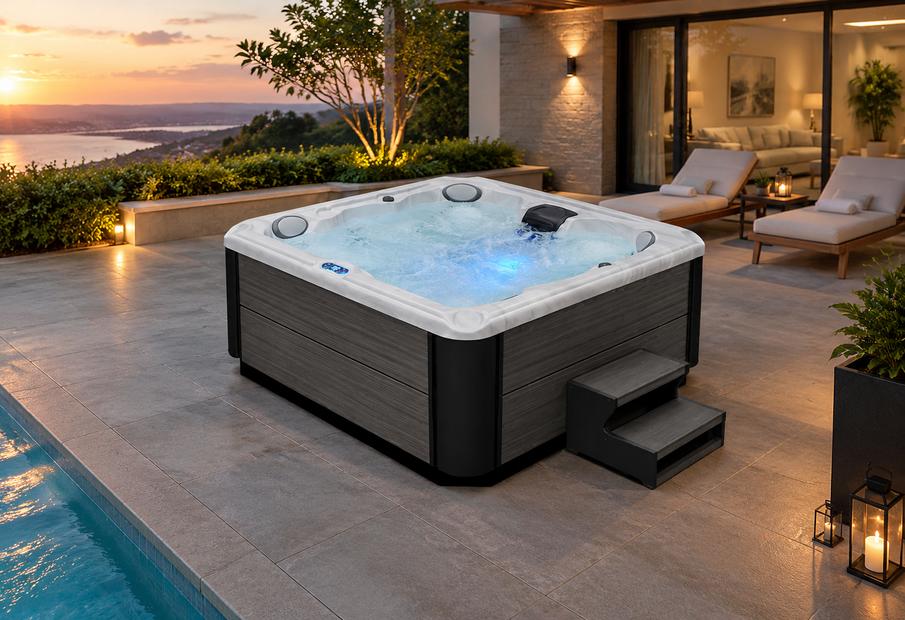
Contrast therapy, alternating hot and cold, is one of the more grounded approaches for people who want recovery benefits without living in an ice bath. The heat dilates blood vessels, the cold constricts them, and the switching itself is thought to support circulation more than either temperature alone.
A simple contrast sequence looks like this:
This is where a hydrotherapy-focused spa earns its place in a recovery setup. According to its product specifications, the BD-001’s 2.2kW massage pump drives water through 31 jets positioned around the seating area, targeting the back and shoulders after a cold session when muscles are tight and circulation is still catching up.
If you’re building a cold plunge routine at home rather than relying on a gym or recovery studio, a few practical factors decide whether you’ll actually stick with it.
Products designed primarily for hot water therapy, like the BD-001 with its four integrated pillows and ergonomic seating for six adults, aren’t marketed as cold plunge tubs. But the seating comfort and filtration standards found in a well-built spa (in this case, certified to CE, CTUVus, CB, and SAA standards according to the manufacturer) reflect the same engineering priorities that matter in any water-based therapy setup, hot or cold.
Cold plunging is simple in concept, but a few habits quietly cancel out the benefits people are chasing.
Going too cold too fast. Jumping straight into 39°F water without building tolerance often triggers hyperventilation and panic responses rather than calm alertness. Gradual exposure over weeks works better than forcing it.
Skipping the breathing. Cold shock triggers a gasp reflex. Practicing slow, controlled exhales before and during immersion reduces the panic response significantly, and it’s often the difference between dreading a plunge and actually looking forward to it.
Inconsistent scheduling. Sporadic plunging, once one week and skipped for the next three, doesn’t build the tolerance or habit strength that makes cold exposure feel manageable. Regularity matters more than intensity.
Ignoring water hygiene. Standing cold water without proper filtration becomes a bacterial concern fast. This is one area where investing in equipment with dependable filtration, ozone treatment, or regular water testing pays off.
Is colder water always better for cold plunging?
No. Water in the 50°F to 59°F range produces most of the documented physiological responses. Going colder increases risk without adding proportional benefit for most users.
Can I cold plunge every day?
Many people do, typically for 1 to 3 minutes. The key is listening to your body and easing off if you notice prolonged fatigue, sleep disruption, or skin irritation.
Do I need a separate cold plunge tub if I already own a hot tub?
Not necessarily. Some households use ice baths or portable chillers alongside an existing spa, running the two in sequence for contrast therapy rather than buying a dedicated multi-temperature unit.
Is cold plunging safe for everyone?
People with cardiovascular conditions, Raynaud’s syndrome, or certain nerve disorders should check with a doctor first, since the vasoconstriction response can pose real risks for those groups.
Finding the best way to cold plunge really comes down to matching temperature, duration, and frequency to your own tolerance, rather than copying an extreme routine built for someone else. Whether you’re using a plain ice bath, a dedicated chiller tub, or pairing it with a heated spa like the BD-001 for contrast therapy, the goal stays the same: build a routine you’ll actually repeat, because consistency is what turns cold plunging from a shock into an actual recovery habit.
How to Choose a Cold Plunge Tub for Home, Gym, and Recovery Spaces
A cold plunge tub sauna routines, or as part of a personal wellness program. The goal is not to remain in the water for a long period, but to create a repeatable experience with a stable temperature, a comfortable entry position, and water that can be managed hygienically.
Buyers should separate lifestyle marketing from practical product selection. The most important questions are how the tub cools and circulates water, how the user enters and exits, how easy it is to clean, and whether the electrical specification matches the installation country. People with medical conditions, circulation concerns, pregnancy, or uncertainty about cold exposure should seek professional advice before use.
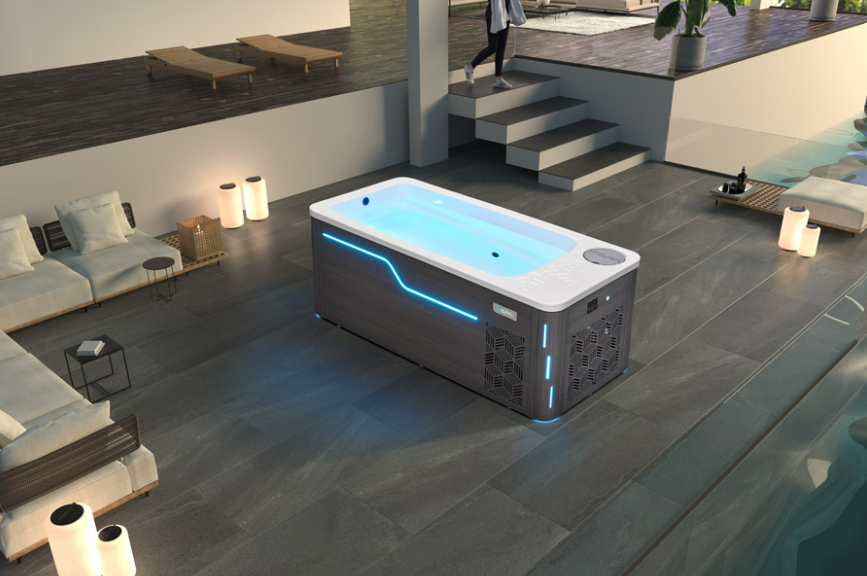
FSPA lists several single-user cold plunge models and a larger multi-user design. The category includes all-in-one systems with chilling, circulation, filtration, ozone, and underwater lighting. This type of integrated construction can reduce the need to assemble separate components, although the exact configuration should always be confirmed before ordering.
A compact cold plunge can fit into a home gym, bathroom, covered terrace, garden, balcony, wellness room, or commercial recovery area, but the tub dimensions alone do not determine whether it will fit. Buyers must also measure doorways, stairs, elevators, turning space, access gates, and the route from the delivery vehicle to the final position.
The installation surface should be level and strong enough to support the filled weight of the tub, water, and user. Indoor projects need moisture-resistant finishes, drainage planning, ventilation, and protection against accidental overflow. Outdoor projects need weather protection, a suitable cover, frost planning where relevant, and safe access during rain or low light.
User comfort is also important. A vertical model may reduce the floor area required, while a longer reclining design can feel more open. Step height, internal depth, hand support, and edge shape affect how easily a person can enter and leave the water. For gyms and wellness businesses, the layout should allow staff to supervise cleaning and manage user flow without creating slippery congestion around the tub.
An energy-efficient cold plunge depends on more than the chiller label. Ambient temperature, target water temperature, insulation, cover quality, operating schedule, tub volume, and frequency of use all influence energy demand. An outdoor unit in a hot climate generally works harder than an indoor unit in a temperature-controlled room.
A properly fitted cover helps keep warm air, debris, and sunlight away from the water when the tub is not in use. Insulation reduces heat transfer through the shell and pipework. Some users choose continuous operation for stable water temperature, while others schedule the system around training hours. The best approach depends on the product design and the supplier’s operating instructions.
Filtration and circulation help maintain water clarity, but they do not eliminate routine care. Users should follow a documented plan for testing, cleaning filters, wiping surfaces, changing water, and using any approved sanitation method. Commercial facilities need a stricter schedule because multiple users introduce more contaminants. Easy access to filters and drains can save significant time over the life of the product.
A portable cold plunge tub can appeal to buyers who value flexibility, lower initial cost, or seasonal use. Simple tubs may be moved or stored more easily, but they can require manual ice, separate pumps, or additional water-care equipment. The final cost and daily workload may therefore be higher than the purchase price suggests.
An all-in-one electric cold plunge integrates the tub with chilling and circulation equipment. This can provide more predictable temperature control and a cleaner installation, especially for frequent use. Buyers should still compare noise level, cooling capacity, filter access, drainage, warranty terms, and the availability of replacement components.
The choice should follow the intended routine. An occasional home user may accept more manual preparation, while an athlete, gym, hotel, or recovery studio may value rapid setup and consistent operation. A luxury cold plunge may add lighting, premium finishes, smart controls, or customized colors, but these features should come after the basic requirements for safe access, reliable cooling, filtration, and easy maintenance.
A reliable cold plunge manufacturer should be able to explain product dimensions, materials, chilling performance, circulation, filtration, sanitation options, electrical requirements, packaging, and service procedures. Buyers should request technical documents and confirm whether the model is intended for indoor, outdoor, residential, or commercial use.
International orders require special attention to voltage, frequency, plug type, installation guidance, and local electrical regulations. The unit should be configured for the destination before shipment rather than adapted informally after arrival. Buyers should also ask how the product is protected in transit and what assistance is available if a component needs replacement.
FSPA’s cold plunge range includes single-person and multi-user formats with several integrated features. The company also presents itself as a manufacturer of intelligent outdoor spas and multifunctional swimming systems for homes, villas, hotels, fitness centers, and rehabilitation-related environments. When comparing suppliers, buyers should focus on complete project support rather than a single advertised price.
For Foshan Gaoming Buddy-Tech Co., Ltd., we firmly believe the best cold plunge is the one that perfectly matches your available space, usage frequency, target user group, long-term maintenance plan, local climate conditions and on-site electrical system. Our team delivers detailed, customized technical specifications for every cold plunge unit, streamlining both installation and daily consistent operation for all clients. In the long run, this tailored, functional solution brings far greater practical value than simply picking a cold plunge tub based solely on its exterior looks.
If you have any inquiries about custom cold plunge configuration, quotation or project cooperation, feel free to reach our sales team directly via: +86-13702446452 +86-18144708213
3 Person Hot Tub Buying Guide for Residential and Commercial Projects
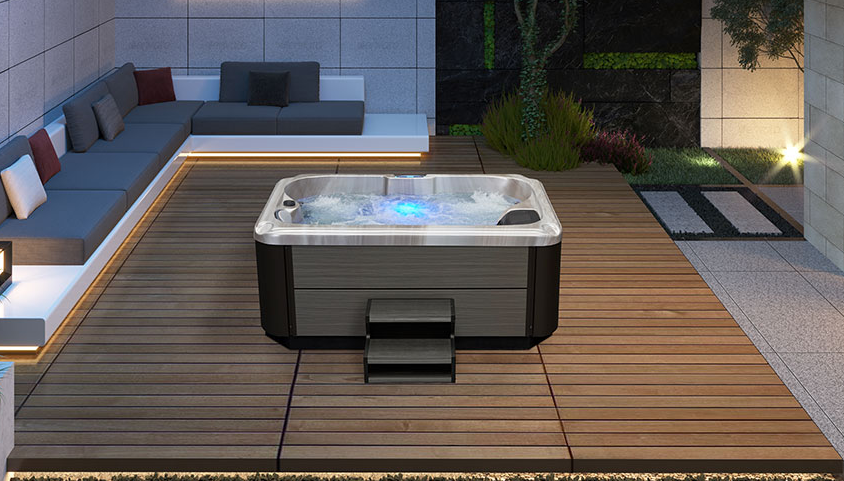
Choosing a hot tub is not simply about selecting a certain number of seats. For homeowners, distributors, hotels and wellness project operators, the right product needs to match the available space, intended users, installation environment, functions and long-term project requirements. A 3 person hot tub offers an interesting balance between shared use and efficient space utilization, making it suitable for a wide range of outdoor applications.
As outdoor wellness becomes increasingly integrated into residential and commercial environments, buyers are also looking for products that combine intelligent functions, attractive design, efficient water use and reliable manufacturing. Our company focuses on intelligent outdoor SPA and multifunctional intelligent swimming pool products, providing customized solutions for customers in different markets.
The first question is not necessarily how large the hot tub should be, but how the product will actually be used. A three-person model is often suitable for customers who want a shared SPA experience while avoiding the larger footprint associated with some large hot tubs.
For a private villa, for example, the available courtyard or garden may limit the size of the installation area. A three-person configuration can provide enough capacity for family relaxation while leaving space for landscaping, outdoor furniture or other facilities.
For commercial buyers, capacity should be considered together with the expected number of users and the positioning of the project. A hotel or B&B may need a compact SPA for a private guest area, while a fitness or wellness center may require several units or a combination of different products.
Water consumption is another consideration. Modern outdoor wellness projects increasingly pay attention to efficient resource use. Our company focuses on intelligent SPA products with relatively lower water consumption and efficient space utilization, responding to the demand for more practical and environmentally conscious outdoor facilities.
Buyers should also consider the functions they actually need. Different projects may have different expectations for intelligent control, user experience, appearance and configuration. Instead of selecting a product based only on photographs or basic dimensions, it is more effective to communicate the intended application with the manufacturer.
Customization can be particularly valuable for projects with unusual installation conditions. Dimensions, appearance, functional configuration and other requirements may need to be adjusted according to the target market or project environment.
For distributors and overseas buyers, these details should ideally be discussed before quotation. Providing the manufacturer with the installation space, expected capacity, application and estimated quantity can help create a more appropriate product solution.
The flexibility of a 3 person hot tub makes it suitable for both residential and commercial environments.
In villas and private courtyards, it can become part of an outdoor relaxation area. Instead of building a large swimming pool, homeowners can create a more compact wellness space that combines comfort, leisure and outdoor design.
Hotels and B&Bs can use hot tubs to enhance guest areas. A three-person unit can be suitable for private terraces, courtyard spaces or selected accommodation areas where space is limited but an additional wellness feature is desired.
Fitness centers can integrate hot tubs into broader wellness environments. Customers may use them as part of a relaxation area alongside fitness equipment and other wellness facilities.
For physiotherapy centers and rehabilitation medical centers, SPA and water-based products may also be incorporated into suitable professional environments, subject to the specific requirements of the facility. In these applications, product configuration and project requirements should be discussed with the supplier in advance.
The advantage of this type of product is that it does not need to be limited to one specific market. The same basic three-person concept can be developed for different customer groups through configuration, design and customization.
Our company mainly produces intelligent outdoor SPA and multifunctional intelligent swimming pool products for villas, courtyards, hotels, B&Bs, fitness centers, natatoriums, physiotherapy centers and rehabilitation medical centers.
This broad application range comes from an integrated approach to product development. We combine market research, independent product design, customer customization and intelligent manufacturing to develop products around actual market requirements rather than relying only on standard configurations.
For international buyers, this can be especially important when local installation conditions, customer preferences and market expectations differ from one country to another.
The choice of a hot tub supplier can have a direct impact on the success of a project, especially when the buyer requires customization or plans to purchase products in volume.
A supplier should be evaluated not only by the appearance of its products but also by its manufacturing capacity, product development capabilities, quality management, certification experience and ability to communicate with customers throughout the project.
Our company covers an area of 32,000 square meters and has a registered capital of RMB 28 million. More than RMB 150 million has been invested in manufacturing facilities, creating a production foundation for intelligent outdoor SPA and multifunctional swimming pool products.
The company integrates market research, independent product development and design, deep customer customization, modern intelligent production, marketing and multi-stage service. This allows us to participate in different stages of a customer’s project, from understanding the market and developing products to manufacturing and service.
For buyers looking for a 3 person hot tub, customization can involve different aspects depending on the project. The buyer may have requirements related to dimensions, installation environment, appearance, functions, target users or market positioning.
For larger commercial projects, customers searching for large hot tubs may also require greater production coordination and customized solutions. In these cases, a manufacturer’s production resources and engineering capabilities become increasingly important.
International certifications are another consideration for overseas customers. Our company has certification experience including CE, CB, SAA and ETL, and actively participates in the development of group and industry standards. We have also developed a number of practical and invention patents.
The company mainly serves foreign customers while continuing to develop the domestic market. This means product development and manufacturing are oriented toward the requirements of different markets and application environments.
Our focus is on creating intelligent outdoor wellness products that use space efficiently, support lower water consumption and contribute to a more environmentally conscious outdoor lifestyle.
A 3 person hot tub can be a practical choice when buyers need to balance user capacity, available space and outdoor wellness functionality. The right product, however, depends on the actual application rather than capacity alone.
For homeowners, the key considerations may be installation space and user experience. For hotels, B&Bs and fitness centers, application requirements and customer experience may be more important. For distributors and project contractors, customization, certification and supply capability can become key purchasing factors.
If you are sourcing a 3 person hot tub, provide the manufacturer with your required dimensions, application, installation environment, functions, target market and estimated order quantity. Our team can evaluate your requirements and discuss a suitable configuration, customization options and cooperation plan.
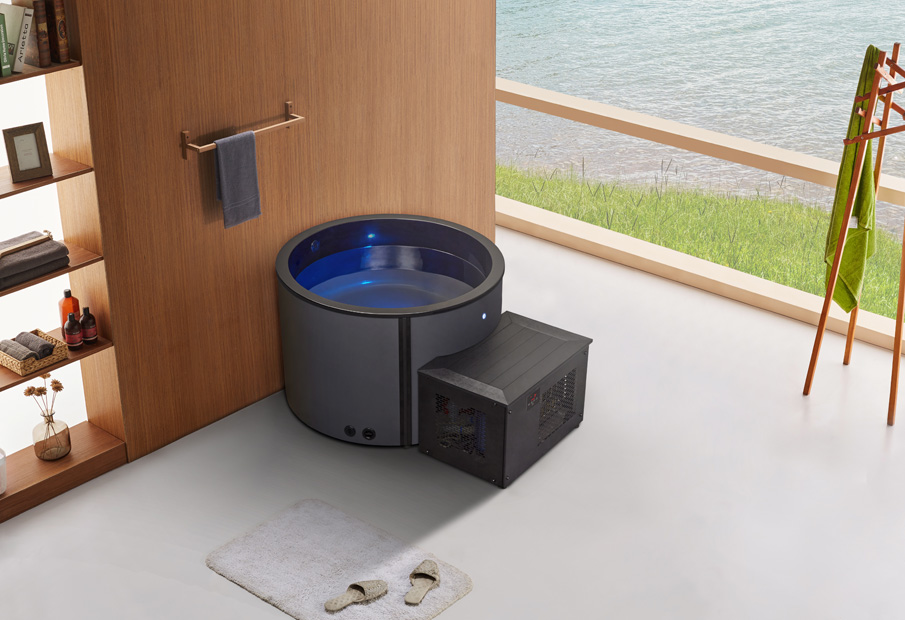
Combined design, plug and play, Include filter, circuit pump, Ozone, Ice-blue underwater light, and high-efficiency Chilling system.
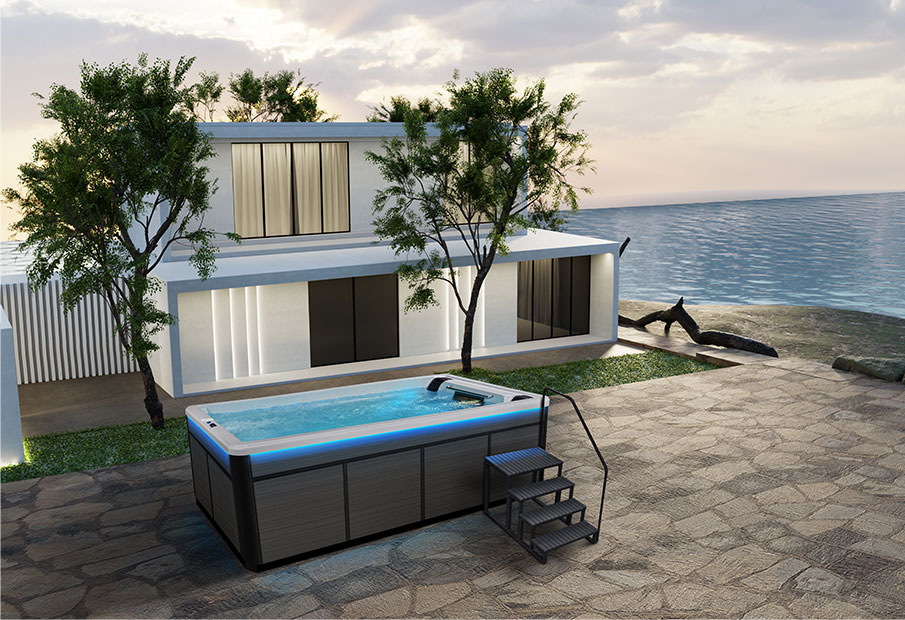
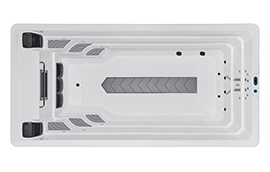
The Infinipool Fspa IP-001Pro is a premium, spacious pool with advanced filtration, ozone sanitization, insulation, and optional accessories, transforming backyards into luxurious oases for swimming, relaxation, and entertainment.
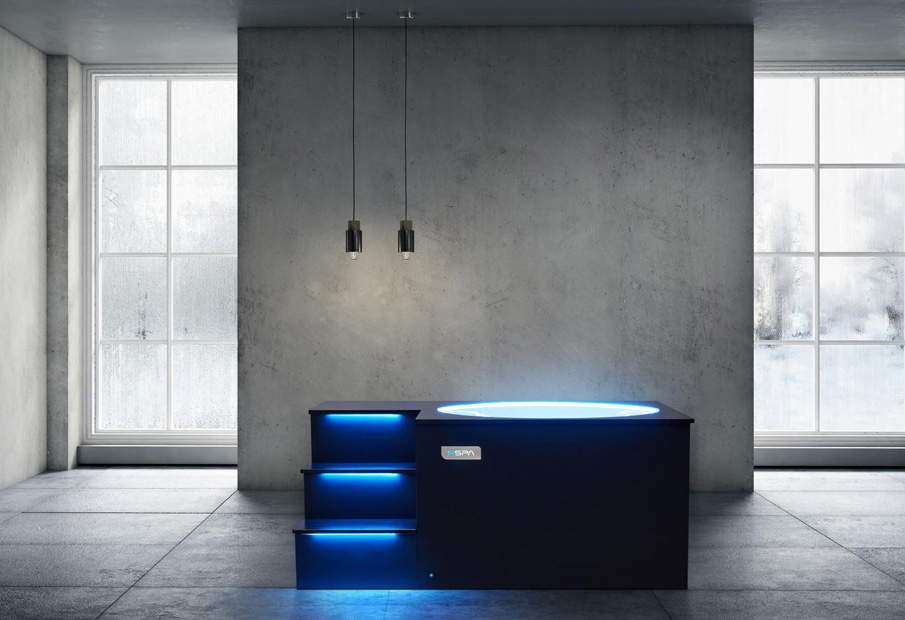
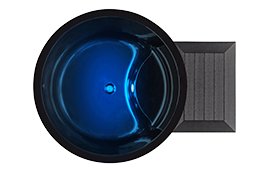
Appearance Black color, Step in expediently ice blue ambient lighting, Water chiller system, filter, Ozone and light.
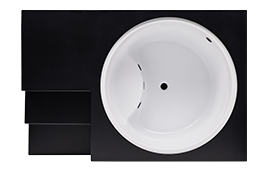
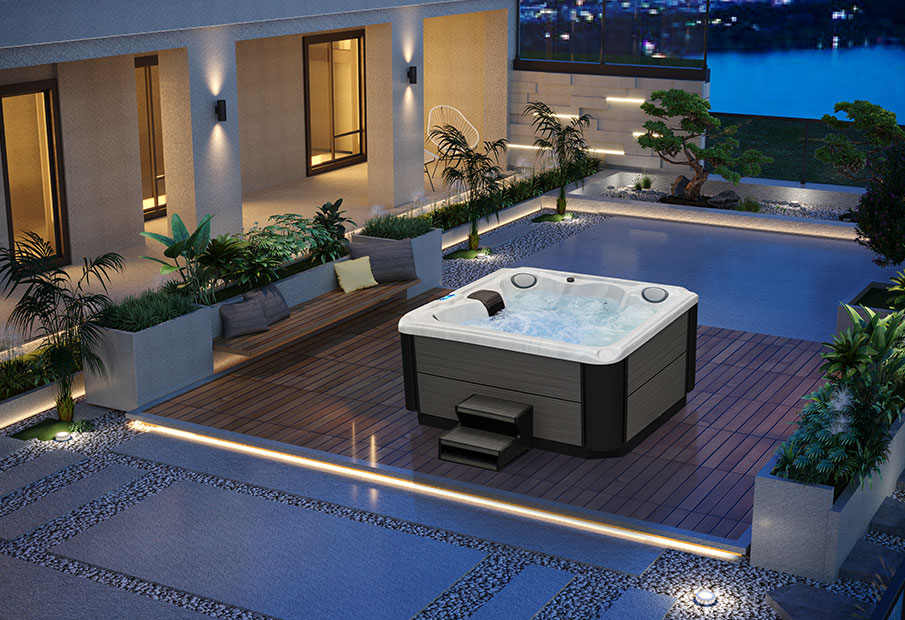
The Fspa BD-008 hot tub, with its spacious design for 6 adults, advanced control system, powerful massage pump, 3kW heater, high-efficiency filter, 35 strategic jets, LED lighting, adjustable features, and ozone sanitation, offers a luxurious and therapeutic spa experience at home, suitable for both residential and commercial settings.
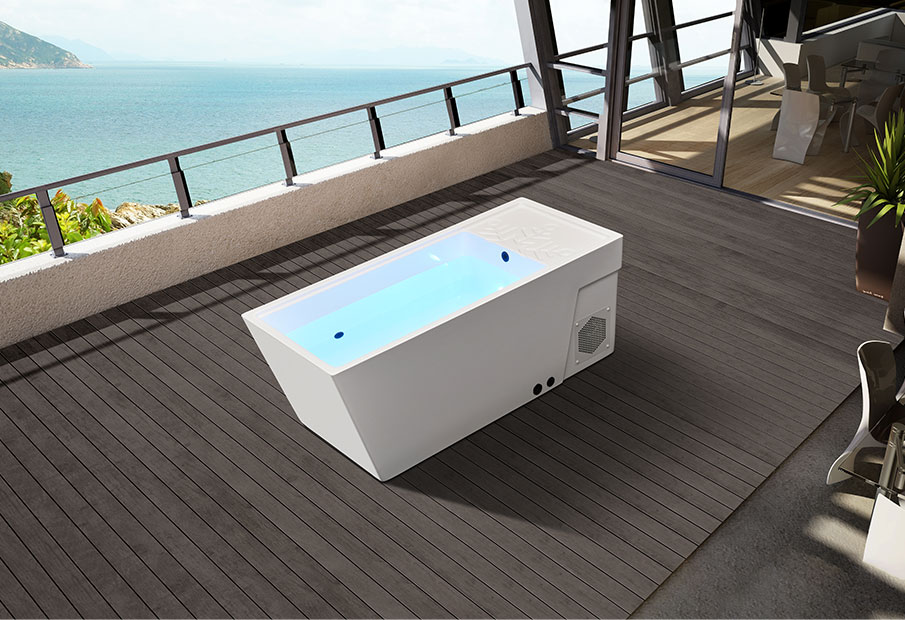
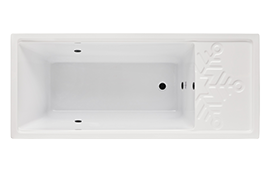
All in design, plug and play, Snowflake pattern, Include filter, circuitpump, Ozone, Ice-blue underwater light, and high-effciency Chilling system.
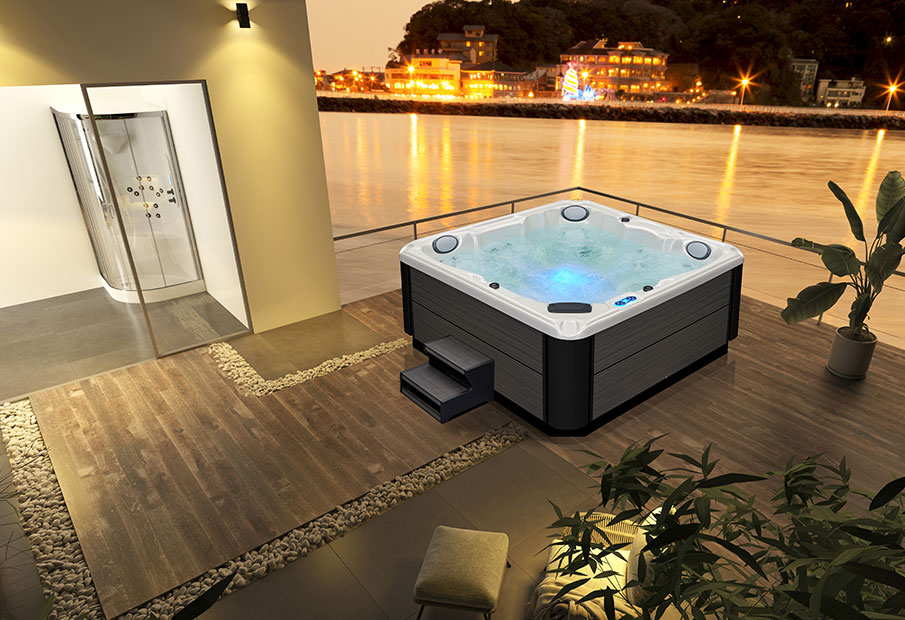
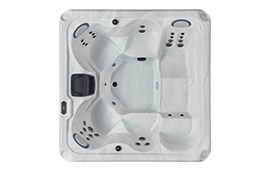
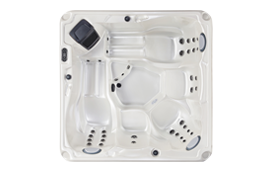
Our premium spa, spacious enough for 5 adults, combines luxury and functionality with a robust control system, high-performance components, advanced filtration and ozone sanitization, 36 jets, adjustable air pillows, and user-friendly controls for ultimate relaxation at home.
PRODUCTS
INQUIRY
Thank you for your message!Our Chinese New Year holiday from 7th Feb to 28th Feb. Apologise to make your inconvenience so that responses may be delayed during this period. We'll back to you with regular service on 2th March .Thank you for understanding.


