Search "wine barrel cold plunge" and you’ll find dozens of rustic-looking tubs promising ice-bath benefits in a charming wooden shell. Before buying one, it helps to understand what these barrels actually do well, where they fall short, and when a different kind of spa setup serves your goals better. Cold exposure and hydrotherapy solve different problems, and mixing up the two leads to disappointing purchases.
A wine barrel cold plunge is a stave-built wooden vessel, often repurposed from actual wine or whiskey barrels, filled with cold or ice water for short-duration immersion. There’s no jet system, no heater, no filtration loop in most basic models. You fill it, chill it, sit in it for a few minutes, then drain or maintain it manually.
The appeal is straightforward. Wood has a warm, artisanal look that plastic or acrylic shells can’t replicate. Round barrel shapes also use less material than square tanks of similar volume, which keeps manufacturing costs lower for smaller producers. That’s part of why these plunges show up so often at boutique gyms and backyard wellness setups.
But simplicity cuts both ways. Without integrated filtration, most wine barrel plunges need manual water changes every few days, more often in warm climates or with frequent use. Owners who skip this step deal with cloudy water and bacterial growth, since stagnant water doesn’t sanitize itself just because it’s cold.
People often ask whether they should buy a cold plunge or a hot tub, as if one replaces the other. They don’t overlap much. Cold plunges target acute recovery, reducing inflammation and numbing soreness after intense training. Hot tubs use warm water and hydrotherapy jets to relax muscles, improve circulation, and ease chronic tension over longer soaks.
Some athletes and wellness facilities run both, alternating between hot and cold for contrast therapy. If your goal is daily relaxation rather than athletic recovery, a heated hydrotherapy spa will likely deliver more consistent value than a barrel that only does cold.
This is where the conversation shifts from rustic charm to practical engineering. A cold plunge barrel without proper filtration is essentially a large cooler you sit in. Compare that to a purpose-built spa pool designed with dedicated filter pumps and ozone treatment systems, and the maintenance gap becomes obvious.
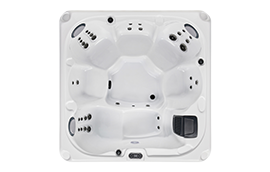
Take the Fspa BD-001 as a reference point for what a fully engineered spa system looks like. It’s not a cold plunge, it’s a 2100x2100x900mm hydrotherapy spa built for up to 6 adults, but its filtration architecture illustrates the standard that basic wine barrels typically lack.
| Feature | Basic Wine Barrel Plunge | Engineered Spa (BD-001 reference) |
|---|---|---|
| Filtration | Manual water changes | Dedicated 0.35kW filter pump plus ozone system |
| Temperature control | None or basic | Digital control panel with 3kW heater |
| Circulation | Static water | 2.2kW massage pump with 31 jets |
| Water capacity | Varies by barrel size | 1000L |
| Total power draw | None | 5.55kW |
| Certifications | Rarely certified | CE, CTUVus, CB, SAA |
The takeaway isn’t that barrels are inferior for cold therapy specifically. It’s that anyone comparing wellness tubs broadly should weigh maintenance burden against upfront cost, not just aesthetics.
Wood barrels vary wildly in quality. Some manufacturers use food-grade cedar or oak staves sealed with proper liners, while cheaper versions use thin wood prone to leaking within a season. A few questions help separate durable options from short-lived ones.
Skipping these questions is how people end up with a barrel that looks great in photos but leaks by the second month.
Space and water usage matter more than people expect when planning outdoor wellness setups. A cold plunge barrel takes up relatively little footprint, which works well for small patios or gym corners. Larger hydrotherapy spas need more room but serve a broader range of uses.
For colder-climate rehabilitation centers or physiotherapy clinics, a heated spa with adjustable jet intensity often serves treatment goals better than a static cold barrel, since therapists can tailor water temperature and massage pressure to each patient.
Cold plunge barrels are usually built for standing or crouched immersion, not extended seating, since prolonged cold exposure isn’t meant to be comfortable in the traditional sense. Hydrotherapy spas take the opposite approach, prioritizing seated comfort for longer sessions.
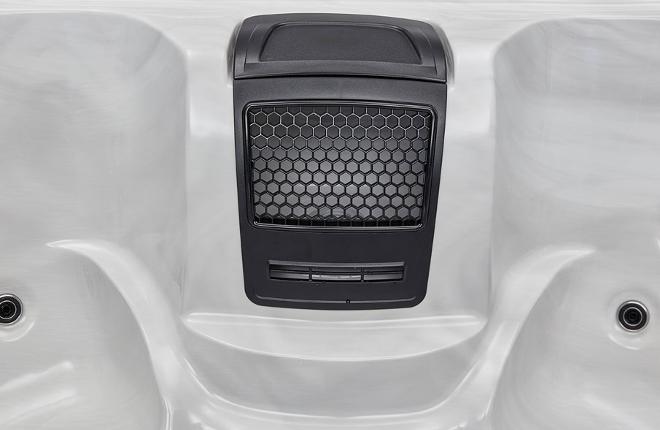
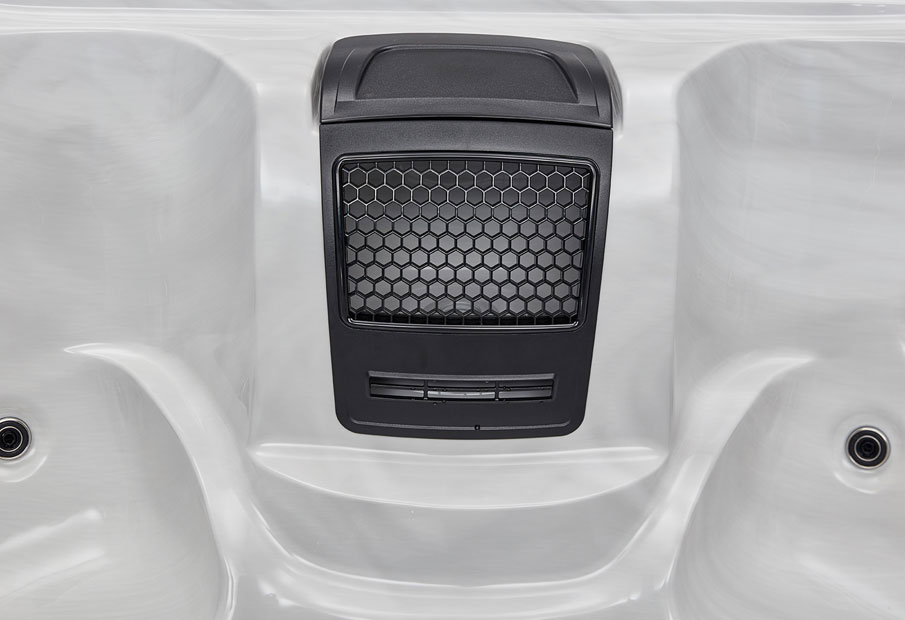
Ergonomic design shows up in details easily overlooked during a quick product scan. Integrated headrests that support the neck and align the spine, for example, make a measurable difference during 20-30 minute soaks. Jet placement matters too, since poorly positioned jets miss the shoulders and lower back where tension typically concentrates.
Can I turn a real wine barrel into a cold plunge myself?
Yes, though it requires sealing the interior properly and adding a drainage system. Without a food-safe liner, tannins and residue from the original wine can leach into the water.
How cold does a wine barrel plunge typically get without a chiller?
Without a dedicated chiller unit, water temperature depends entirely on ambient conditions and ice added manually, which makes consistent cold therapy harder to maintain than with temperature-controlled systems.
Is a wine barrel cold plunge sanitary without filtration?
Not reliably. Cold temperatures slow bacterial growth but don’t eliminate it, so manual water changes and regular cleaning remain necessary even in cold water.
Do hydrotherapy spas serve the same recovery purpose as cold plunges?
No. Hydrotherapy spas focus on warm-water muscle relaxation and circulation, while cold plunges target inflammation reduction through cold exposure. They address different phases of physical recovery.
The decision between a wine barrel cold plunge and a full hydrotherapy spa comes down to what problem you’re solving. If short, intense cold exposure for recovery is the goal, a well-built barrel with proper liner and drainage can work fine, provided you accept the manual maintenance involved.
If your priority is relaxation, circulation, and longer soaking sessions, especially in settings like hotels, villas, or wellness centers, a heated spa with proper filtration and ergonomic seating will hold up better over time and require less hands-on upkeep. For us, working across both wellness categories has made clear that the best choice isn’t about which product sounds more premium. It’s about matching water temperature, maintenance tolerance, and session length to what you’re actually trying to achieve, whether that’s a quick wine barrel cold plunge after a workout or a longer soak in a fully equipped hydrotherapy system.
Choosing an Outdoor Swim Spa for Year-Round Backyard Hydrotherapy
An outdoor swim spa sits in that odd middle ground between a hot tub and a lap pool, and most buyers spend weeks trying to figure out which category actually fits their life. If you want warm water massage after a long day but also want something big enough to feel like a real feature in your backyard, the swim spa category exists precisely for that gap. This guide walks through how these units work, what to check before buying, and how a model like the Fspa BD-004 fits into common outdoor setups.
A standard hot tub is built for sitting and soaking. A pool is built for swimming laps or letting kids splash around. An outdoor swim spa borrows pieces from both, but it’s not simply a smaller pool with jets bolted on.
The defining trait is water volume paired with a compact footprint. A unit holding around 1,450 liters of water, for example, still fits on a standard deck or patio slab without the excavation and plumbing work a full pool demands. That’s the whole appeal: hydrotherapy and social soaking space without turning your yard into a construction site for a summer.
Water consumption is another practical angle worth considering. Because these units recirculate and filter a fixed volume rather than draining and refilling constantly, they use meaningfully less water than an in-ground pool over a season. For anyone in a drought-prone region or paying metered water rates, that’s not a minor detail.
Manufacturers publish a lot of numbers, and most of them matter less than buyers assume. Here’s what actually affects daily use, using the BD-004 as a reference point for a 6-person outdoor swim spa.
| Spec | BD-004 Value | Why It Matters |
|---|---|---|
| Capacity | 6 adults | Determines seating layout and realistic party size |
| Dimensions | 2350 x 2350 x 900mm | Confirms deck or patio space needed before delivery |
| Total Power | 5.55kW | Sets electrical circuit requirements |
| Massage Pump | 2.2kW x 1 | Drives jet pressure and flow |
| Heater | 3kW x 1 | Governs how fast water reaches target temperature |
| Jet Count | 35 | Distribution across seats, not just a raw number |
| Water Capacity | 1,450L | Affects fill time and chemical dosing |
| Net Weight | 317kg | Relevant for deck load calculations, empty |
Jet count gets thrown around as a marketing number, but distribution matters more than quantity. Thirty-five jets spread across six ergonomically contoured seats means most bathers get consistent pressure on the back, calves, and feet, rather than one or two seats doing all the work while the others sit idle.
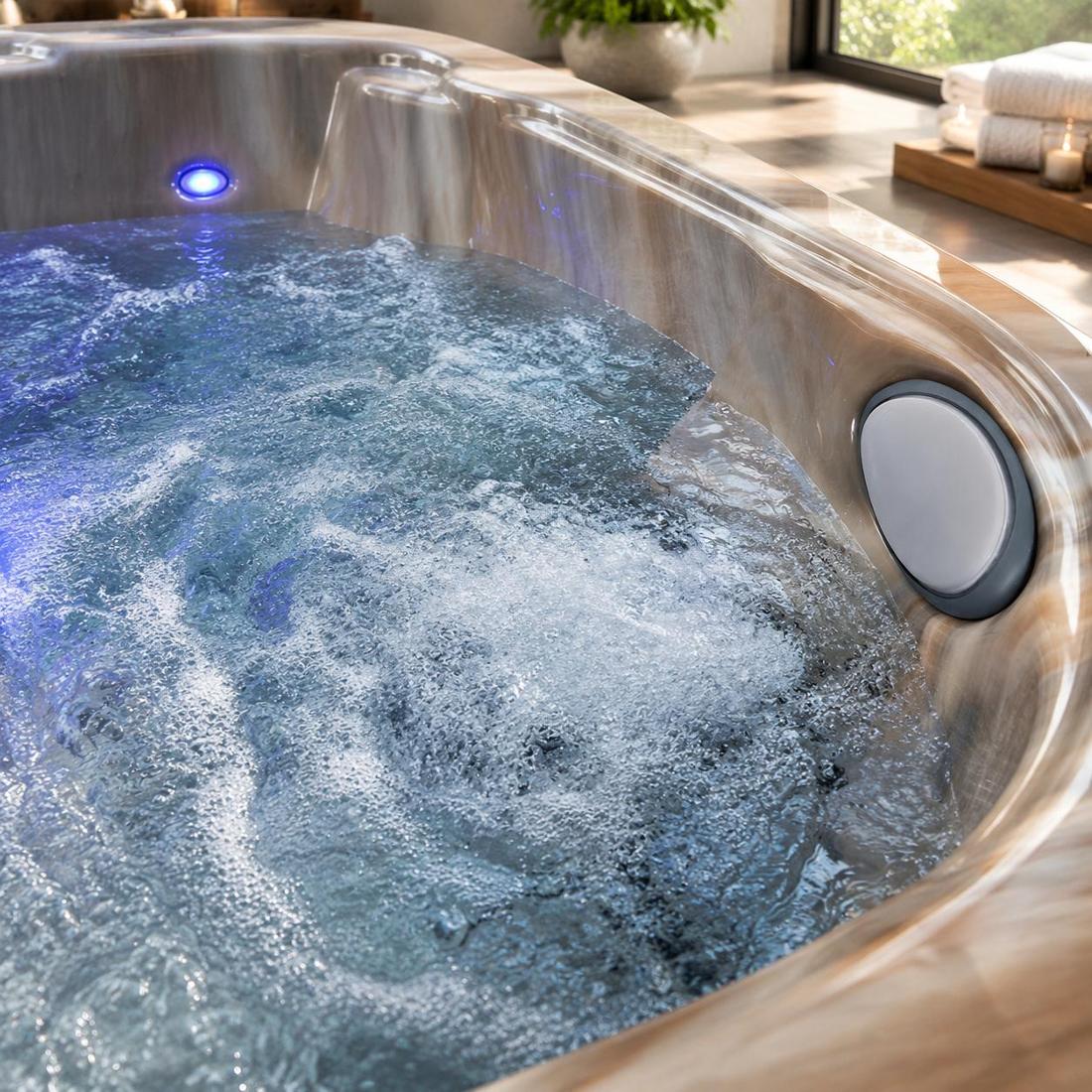
Jets only work well if the body sits where they’re aimed. This is where ergonomic shell design earns its place in the spec sheet instead of being a throwaway phrase. According to the manufacturer’s product information, the BD-004’s seats and backrests are contoured to follow the body’s natural curves, with jets and controls positioned so a bather doesn’t have to shift or brace against the shell to feel the massage.
One detail that gets overlooked: headrest design. A corner seat with a contoured headrest, paired with a pillow system aligned to support the neck and spine, changes a five-minute soak into something you can comfortably sit through for twenty. According to the manufacturer’s product documentation, the unit’s pillow system is designed to help align the spine during use, which matters most for anyone using the spa for post-exercise recovery rather than casual lounging.
Water maintenance is the single biggest reason people abandon a spa within the first year. Manual chlorine dosing, cloudy water, and biofilm buildup on jets are common complaints, and they’re almost always a sanitization system problem rather than a design flaw.
An integrated ozone system, like the one built into the BD-004, generates ozone gas that oxidizes contaminants as water circulates, which reduces how often you need to manually shock the water with chemicals. It doesn’t eliminate the need for a sanitizer altogether, but it does cut down the frequency and guesswork involved in keeping water clear between deeper cleanings.
Practical maintenance still comes down to a short routine:
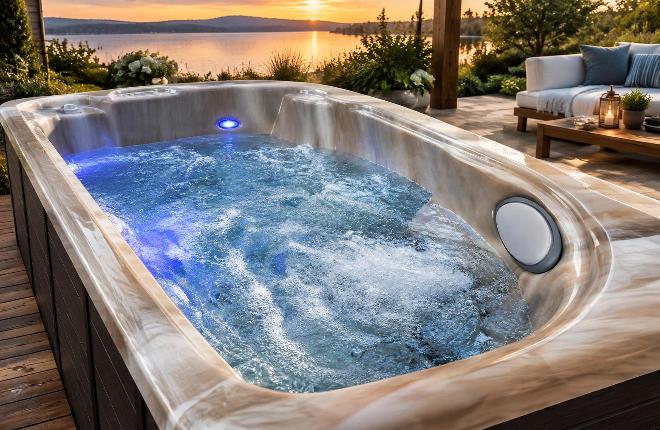
LED lighting positioned at the base of the shell does more than look good at night. According to the manufacturer, the BD-004’s bottom-positioned blue LED lighting is intended to create a calming, immersive atmosphere that supports relaxation, an effect that matters more at dusk or after dark when most people actually use their outdoor swim spa. Lighting also has a practical safety function outdoors, marking the water’s edge and seat boundaries when ambient light is low.
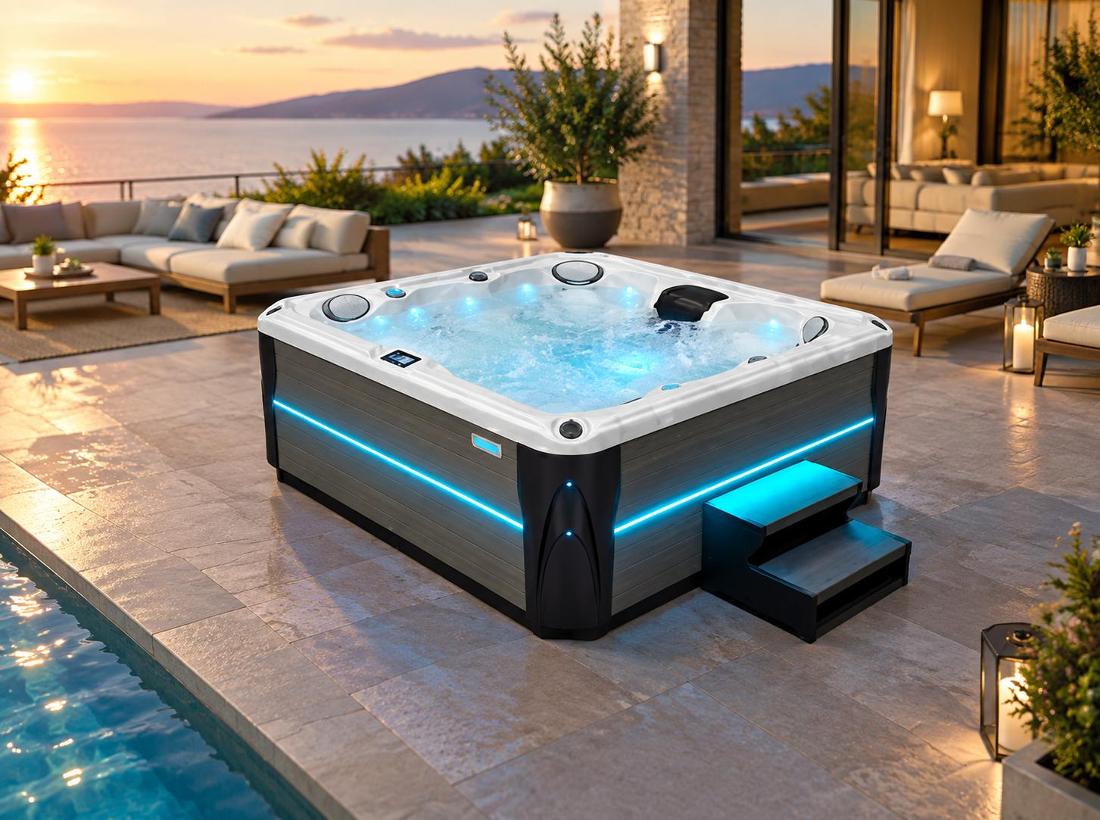
Placement drives half the buying decision, whether people realize it upfront or not. A unit sized for six adults with a footprint just under 2.4 meters square works across several common settings:
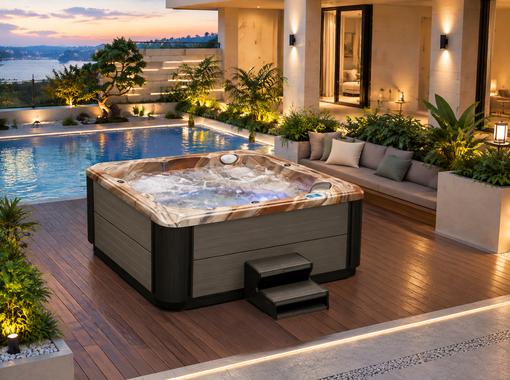
Before installing any outdoor swim spa, confirm three things with a contractor or electrician: the deck or pad can bear the filled weight (water plus shell plus bathers, not just the 317kg dry weight), the electrical supply matches the unit’s total power draw, and drainage is planned for periodic water changes.
Does an outdoor swim spa need a dedicated electrical circuit?
Yes. A unit with a 5.55kW total system, combining pump and heater loads, requires a dedicated circuit sized to local electrical code. This should always be confirmed with a licensed electrician before installation.
How long does it take to heat the water from cold fill?
Heating time depends on the heater’s output relative to water volume and ambient temperature, and varies by installation. A 3kW heater working with roughly 1,450L will take longer in cold climates than in mild ones, so realistic expectations should come from the installer based on local conditions.
Can a swim spa like this be used year-round outdoors?
That depends on climate and insulation. Cabinet insulation and cover quality matter as much as heater capacity in cold regions, so check those specs specifically if you’re planning winter use.
Is ozone sanitization a replacement for chemical sanitizer?
No. Ozone systems reduce sanitizer demand and maintenance frequency, but most manufacturers still recommend a baseline chemical residual for safe water quality between ozone cycles.
The right outdoor swim spa depends less on brand claims and more on how well the seat layout, power draw, and footprint match your actual space and usage pattern. A 6-person model with 35 jets, an ozone sanitization system, and contoured ergonomic seating, like the BD-004, fits households and small hospitality settings looking for genuine hydrotherapy rather than a shallow soak. Whatever model you land on, checking the water capacity, power requirements, and maintenance routine against your climate and household size will tell you more than any spec sheet headline.
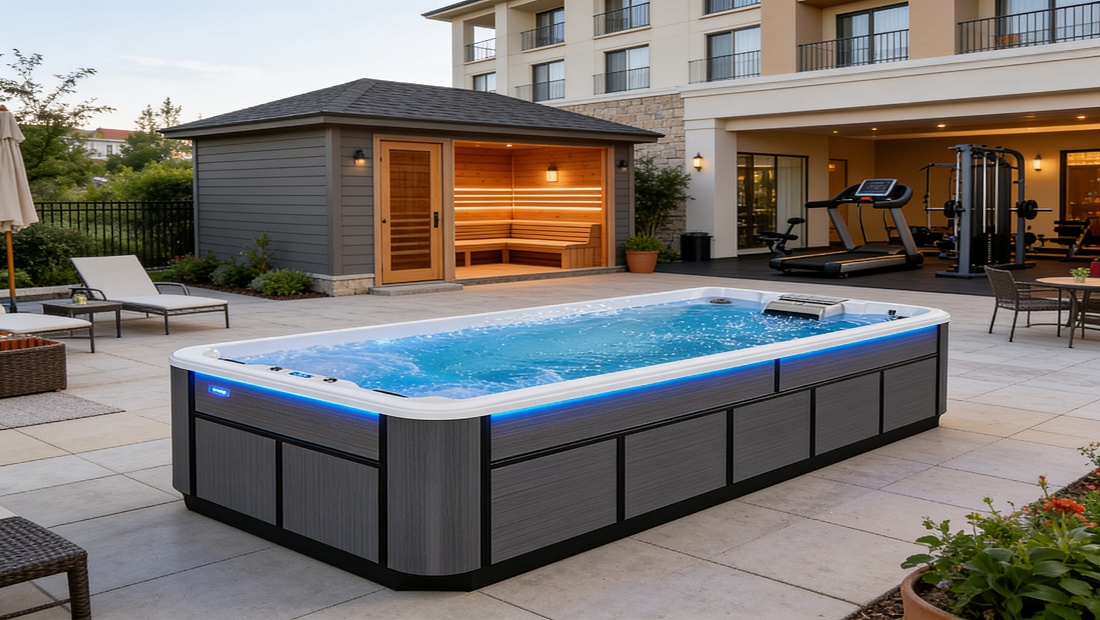
How to Choose the Best Hot Tubs for a Premium Spa Experience at Home
Creating a private spa environment at home has become a symbol of modern wellness and refined living. From stress relief to family bonding, a thoughtfully designed hot tub transforms everyday routines into restorative experiences. But with so many options available, selecting the best hot tubs requires more than visual appeal—it demands quality, engineering excellence, and a brand you can trust.
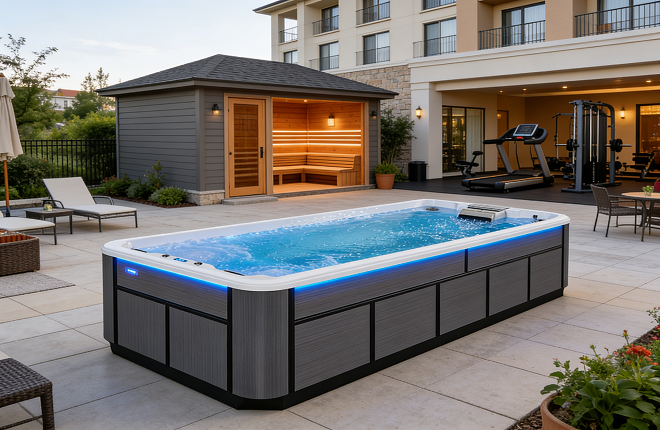
As a professional spa manufacturer, FSPA focuses on delivering premium solutions that combine innovation, comfort, and durability. Whether you are designing a wellness space for personal relaxation or enhancing a hospitality environment, understanding what defines excellence in today’s hot tub market is essential.
The best rated hot tubs are not determined by appearance alone. They are the result of precise engineering, user-focused design, and long-term performance. A truly premium spa must deliver consistent hydrotherapy, ergonomic seating, and reliable system integration.
A high-quality luxury hot tub prioritizes the balance between water pressure and comfort. Jets should be positioned to target key muscle groups, providing a therapeutic massage rather than overwhelming force. This is especially important in a whirlpool hot tub, where rotational water movement enhances relaxation and improves circulation.
Equally important is material selection. Shell durability, insulation efficiency, and structural integrity all influence longevity. FSPA integrates advanced composite materials and high-density insulation to ensure stable heat retention and energy-efficient operation—without compromising comfort or design.
Modern users also expect intuitive control systems. The best rated hot tubs feature smart panels that allow effortless temperature adjustment, jet control, and filtration scheduling. These features elevate the daily user experience while reducing maintenance complexity.
In residential and commercial settings alike, a spa with hot tub functionality should feel seamless—easy to use, visually harmonious, and built to support frequent use. FSPA’s design philosophy centers on blending technical performance with elegant aesthetics, ensuring each spa complements its surrounding environment.
A luxury hot tub is not simply an accessory—it is a lifestyle upgrade. It represents intentional living, where wellness and comfort are prioritized. From minimalist indoor installations to expansive outdoor hot tub pools, today’s spa designs offer unmatched flexibility.
Unlike traditional pools, hot tub pools focus on hydrotherapy rather than swimming. Warm water, targeted jets, and ergonomic seating make them ideal for relaxation, muscle recovery, and social interaction. They are increasingly used in private villas, boutique hotels, wellness centers, and high-end residences.
Selecting from reputable hot tub brands is essential when investing in long-term quality. Established manufacturers bring proven engineering expertise, rigorous testing standards, and consistent after-sales support. FSPA stands out among global hot tub brands by offering customizable spa solutions that meet diverse regional and lifestyle needs.
Another key differentiator is filtration and water hygiene. A premium spa with hot tub must maintain clean, clear water with minimal chemical dependency. FSPA incorporates advanced filtration systems that improve water clarity while supporting a healthier soaking environment.
Design versatility also plays a critical role. Whether you prefer a contemporary aesthetic or a more natural, resort-inspired look, the best hot tubs should integrate effortlessly into your space. FSPA’s product lines are developed with flexible layouts, finishes, and seating configurations to suit both private and commercial applications.
Ultimately, choosing the right whirlpool hot tub or luxury hot tub is about aligning performance with purpose. Whether your goal is daily relaxation, social enjoyment, or wellness-focused recovery, a well-designed spa enhances both physical well-being and quality of life.
The journey to finding the best hot tubs is not about trends or short-term appeal—it is about lasting comfort, reliable performance, and trusted craftsmanship. The best rated hot tubs combine thoughtful design, advanced technology, and user-centered features that elevate everyday living.
From elegant luxury hot tubs to versatile hot tub pools, the right spa solution transforms your space into a personal sanctuary. As one of the forward-thinking hot tub brands in the industry, FSPA is committed to delivering premium spa experiences that reflect quality, innovation, and long-term value.
By choosing a professionally engineered spa with hot tub from FSPA, you invest in more than a product—you invest in wellness, comfort, and a refined lifestyle designed to be enjoyed for years to come.
The best hot tubs offer superior hydrotherapy, ergonomic seating, durable materials, and advanced control systems that ensure comfort, reliability, and long-term performance.
Best rated hot tubs are typically assessed based on build quality, jet performance, energy efficiency, user comfort, and overall design consistency.
A luxury hot tub focuses on premium materials, refined aesthetics, advanced massage systems, and a more immersive wellness experience.
Yes, a well-designed whirlpool hot tub is ideal for daily relaxation, muscle recovery, and stress relief when built with professional-grade components.
FSPA combines innovative engineering, modern design, and strict quality standards, making it a trusted choice among professional hot tub brands worldwide.
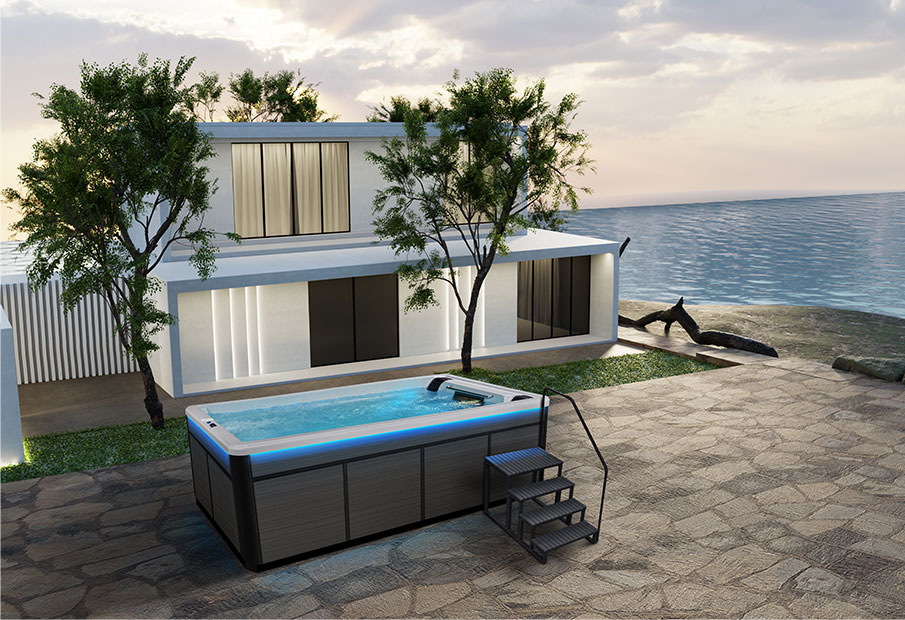
The Infinipool Fspa IP-001Pro is a premium, spacious pool with advanced filtration, ozone sanitization, insulation, and optional accessories, transforming backyards into luxurious oases for swimming, relaxation, and entertainment.
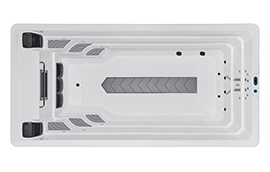
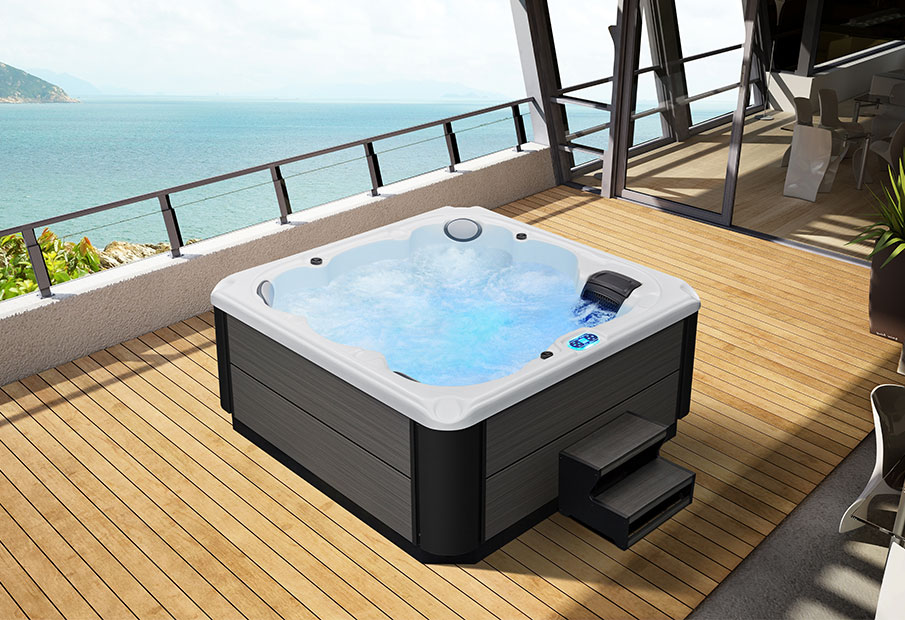
The Fspa BD-012 hot tub, designed for intimate relaxation, features a spacious size for 2 adults, powerful massage pump with 20 jets, temperature-controlled heater, energy-efficient filter pump, ambient LED lighting, and sanitized water with an ozone system, offering a private oasis for ultimate relaxation.
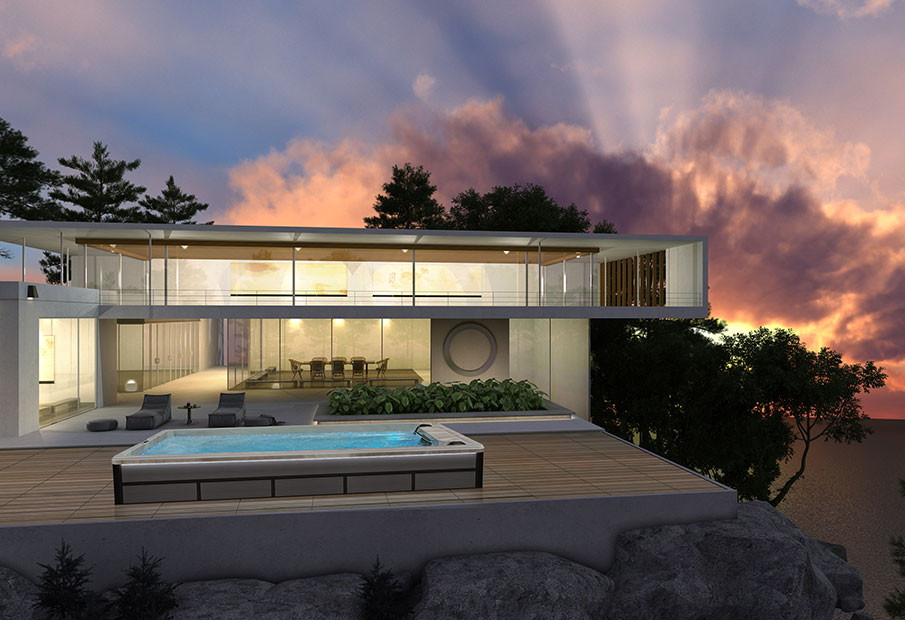
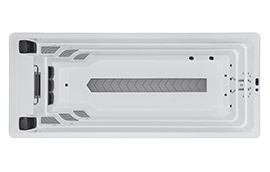
The Infinipool Fspa IP-002Pro is a luxurious and versatile hot tub, featuring a powerful filtration system, 28 massage jets, ozone sanitization, insulation, and optional accessories, designed to provide a soothing and rejuvenating experience in any outdoor space.
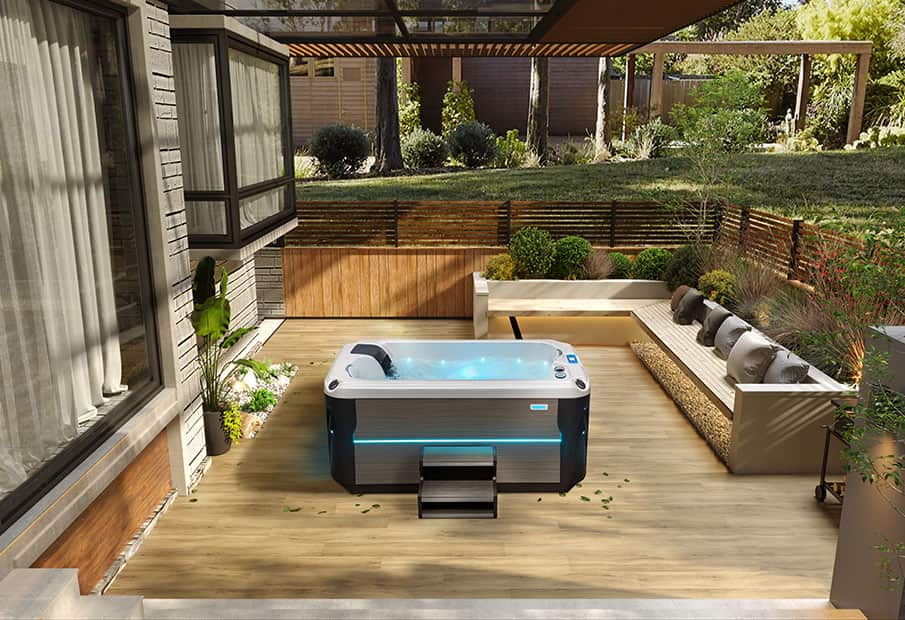
The Fspa BD-016Pro Hot Tub, a compact spa for up to 2 adults, offers a rejuvenating experience with an efficient control system, soothing massage features, consistent water temperature, modern amenities, advanced filtration, and suitability for indoor or outdoor placement.
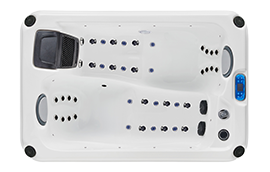
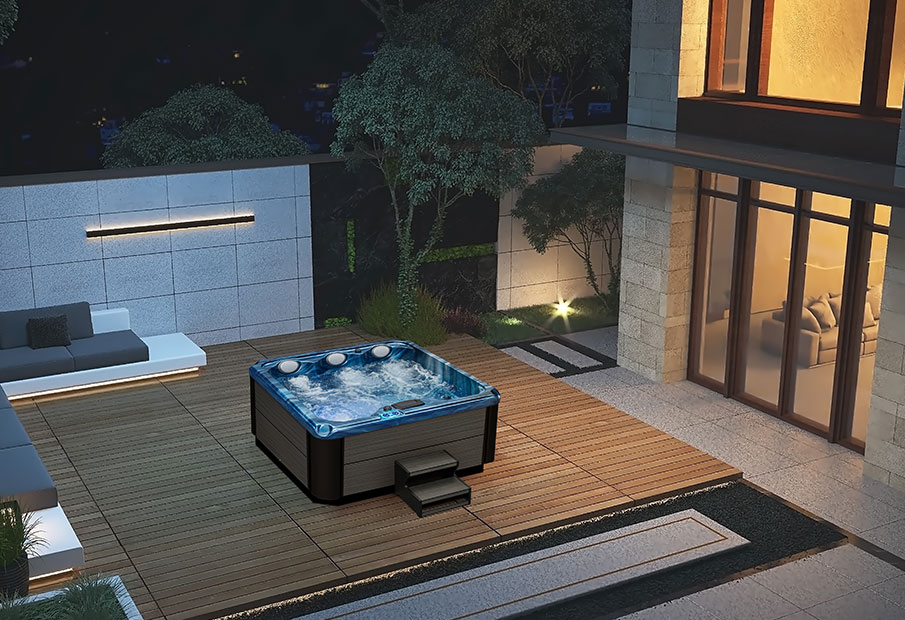
The Fspa BD-013 hot tub, with its spacious design for 6 adults, advanced 2.2kW massage pump with 35 jets, robust 3kW heater, energy-efficient filter pump, ambient LED lighting, and ozone system, offers ultimate relaxation and transforms any space into a private spa retreat, ideal for both residential and commercial use.
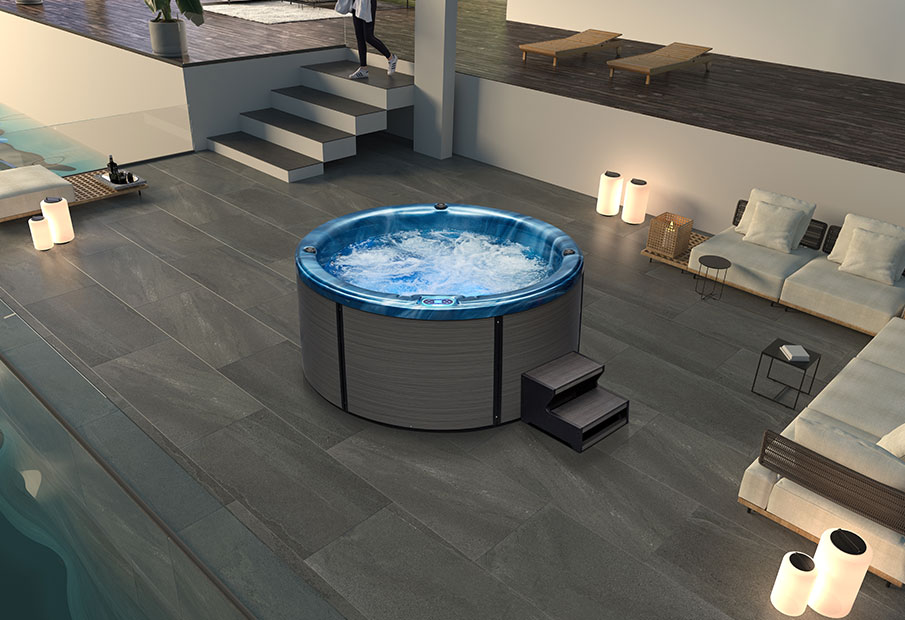
The Fspa BD-009 hot tub, designed for style and functionality, offers unparalleled comfort for up to 6 adults with its spacious size, robust control system, powerful pumps, consistent water temperature, strategic jet placement, and enhanced ambiance and water quality features.
PRODUCTS
INQUIRY
Thank you for your message!Our Chinese New Year holiday from 7th Feb to 28th Feb. Apologise to make your inconvenience so that responses may be delayed during this period. We'll back to you with regular service on 2th March .Thank you for understanding.


