In an increasingly fast-paced world, the quest for a sanctuary—a private haven for relaxation, rejuvenation, and connection—has never been more pronounced. This fundamental human need has fueled a significant resurgence in the popularity of the outdoor spa. Far from being a mere luxury, these sophisticated hydrotherapy systems are transforming backyards and patios into personal wellness retreats, offering a potent blend of therapeutic benefits and lifestyle enhancement. Recent market analysis underscores this trend, with projections indicating a compound annual growth rate (CAGR) for the global spa market reaching 5.8% from 2021 to 2028, primarily driven by heightened consumer awareness of health and wellness, alongside an increasing disposable income. Specifically, the segment for at-home wellness solutions, including outdoor spas, has witnessed a remarkable surge, with sales volumes increasing by 18% year-over-year in the past three years across North America and Europe alone. This isn’t just about owning a hot tub; it’s about investing in a lifestyle that prioritizes mental clarity, physical well-being, and genuine connection with family and friends. The modern outdoor spa is a testament to innovation, blending cutting-edge technology with ergonomic design to deliver an unparalleled experience right in the comfort of your own home, offering an escape from daily stresses and a dedicated space for profound relaxation and restoration.
The engineering behind today’s outdoor spas represents a significant leap forward, moving far beyond simple bubbling tubs to sophisticated therapeutic instruments. At the core of their technical superiority are advanced jet systems. No longer are jets merely pushing water; they are precisely engineered to deliver targeted massage experiences. Manufacturers now offer a diverse array of jet types—from powerful rotational jets that mimic deep tissue massage to soft, pulsating jets designed for gentle muscle relief, and even specialized foot or wrist jets. These systems often incorporate adjustable flow rates and directional control, allowing users to customize their hydrotherapy precisely. Heating elements are equally advanced, utilizing energy-efficient titanium heaters or even heat pumps that significantly reduce operational costs. A well-insulated outdoor spa, often featuring multi-layered foam insulation and reflective thermal barriers, can retain heat exceptionally well, minimizing energy consumption by up to 30% compared to older models. Filtration and sanitization systems have also evolved dramatically. Beyond basic cartridge filters, many premium spas now integrate ozone generators, UV-C purifiers, or even salt water systems, drastically reducing the need for chemical additives and ensuring crystal-clear, hygienic water with minimal effort. Control systems have transitioned from simple button panels to intuitive, waterproof touchscreens and even integrated smart home compatibility via mobile apps, allowing users to control temperature, jets, lighting, and even schedule maintenance remotely. This convergence of precise hydrodynamics, efficient thermal management, superior water purification, and intelligent control defines the modern outdoor spa experience, offering not just relaxation but a robust, technically advanced wellness solution.
While the immediate allure of an outdoor spa is often relaxation, its benefits extend far deeper, profoundly impacting physical and mental well-being. Hydrotherapy, the therapeutic use of water, has been recognized for centuries, and modern spas leverage this ancient practice with scientific precision. The buoyancy of water reduces body weight by approximately 90%, significantly alleviating pressure on joints and muscles. This relief is invaluable for individuals suffering from arthritis, fibromyalgia, or recovering from injuries, with studies showing an average 40% reduction in joint pain after consistent hydrotherapy sessions. The combination of heat and targeted massage jets promotes vasodilation, improving blood circulation and accelerating the delivery of oxygen and nutrients to sore muscles, thus aiding faster recovery after physical exertion. Many professional athletes now incorporate regular spa sessions into their training regimens. Beyond the physical, the mental health benefits are equally compelling. The tranquil environment, coupled with the rhythmic sounds and sensations of the water, acts as a powerful stress reducer. Regular use has been shown to lower cortisol levels—the primary stress hormone—by up to 25%. Furthermore, the elevated body temperature followed by cooling post-spa can facilitate a smoother transition into deeper, more restorative sleep, with 60% of regular spa users reporting improved sleep quality within two weeks. Socially, an outdoor spa provides a unique gathering space, fostering connection and conversation, which are crucial for mental well-being and reducing feelings of isolation. Thus, an outdoor spa is not merely an amenity; it’s a holistic tool for enhancing vitality, promoting recovery, and cultivating mental serenity.
Choosing the right outdoor spa requires careful consideration of various factors, including build quality, feature sets, energy efficiency, and long-term support. The market offers a wide spectrum of manufacturers, each with its unique strengths and specialties. To illustrate the diversity and help in decision-making, let’s examine a comparison of hypothetical yet representative brands across key performance indicators. This comparative approach highlights how different manufacturers prioritize distinct aspects, from raw power and therapeutic intensity to eco-friendliness and smart integration. Understanding these nuances is crucial for aligning a spa’s capabilities with individual needs and preferences.
| Feature/Brand | LuxurySpa Elite | EcoHydro Serenity | AquaRelax Pro | Zenith HydroSystems |
| Primary Focus | Premium therapy, aesthetics | Energy efficiency, sustainability | Performance, robust build | Smart tech, customization |
| Seating Capacity | 5-7 Adults | 4-6 Adults | 6-8 Adults | 3-5 Adults |
| Total Jets | 60-75 (Varied types) | 35-45 (Hydro & Air) | 70-90 (Powerful) | 50-65 (Targeted, adjustable) |
| Insulation System | Full Foam + Thermal Blanket | Recycled Fiber + Heat Lock | Perimeter Foam + Heat Mirror | Quad-Layered Acoustic Foam |
| Heating System | Titanium Coil Heater (5.5kW) | Hybrid Heat Pump Ready | Stainless Steel Heater (6kW) | SmartFlow™ In-line Heater |
| Control System | Intuitive Touchscreen + App | Digital Panel + Basic App | Rugged Push-Button Panel | AI-Powered Voice & App Control |
| Water Purification | Ozone + UV-C + MicroFilter | Ozone + Mineral Cartridge | Dual Cartridge + Ozonator | Salt Water System + UV-C |
| Shell Material | Acrylic (Lucite® Cross-Linked) | Recycled Composites | Heavy-Gauge Acrylic | Proprietary Polycarbonate |
| Energy Efficiency (Avg. kWh/day) | 6-8 kWh | 4-6 kWh (with Heat Pump) | 8-10 kWh | 5-7 kWh |
| Warranty (Shell/Components) | 10-Year / 5-Year | 8-Year / 3-Year | 12-Year / 4-Year | 7-Year / 7-Year |
| Price Range (USD) | $15,000 – $25,000 | $10,000 – $18,000 | $12,000 – $20,000 | $18,000 – $30,000+ |
As evident from the table, “LuxurySpa Elite” focuses on a comprehensive, high-end therapeutic experience with robust features and aesthetics, targeting discerning buyers. “EcoHydro Serenity” prioritizes environmental consciousness and lower running costs through advanced insulation and heat pump integration. “AquaRelax Pro” is built for durability and powerful hydrotherapy, ideal for heavy use and larger gatherings. Finally, “Zenith HydroSystems” distinguishes itself with cutting-edge smart technology and deep customization options, albeit at a higher entry point. This comparative analysis underscores the importance of aligning your specific needs—whether it’s energy efficiency, therapeutic intensity, smart features, or budget—with the manufacturer’s core offering. Each brand offers a distinct value proposition, and selecting the optimal outdoor spa involves balancing these factors to achieve your ideal backyard retreat.
The modern outdoor spa experience is increasingly defined by personalization, allowing owners to tailor every aspect to their unique preferences and lifestyle. This goes far beyond choosing a shell color; it encompasses a myriad of options that can transform a standard spa into a bespoke hydrotherapy oasis. Aesthetic customization often begins with the shell and cabinet finishes. Shells are available in dozens of colors and textures, from classic whites and blues to sophisticated marbled patterns and earthy tones, allowing for seamless integration with existing landscaping or architectural styles. Cabinetry, once limited to basic wood or synthetic, now includes maintenance-free composite panels resembling natural wood, stone, or even modern brushed metal finishes, ensuring durability and visual appeal. Beyond looks, the therapeutic experience itself is highly customizable. Owners can select specific jet packages, opting for combinations that emphasize deep tissue massage, gentle relaxation, or targeted therapy for particular body areas. Advanced lighting systems with chromotherapy options allow users to set moods with an array of colors, enhancing relaxation or invigoration. Integrated sound systems, often Bluetooth-enabled, can turn the spa into an entertainment hub, while aromatherapy diffusers introduce essential oils directly into the air or water for an added sensory dimension. Practical enhancements such as cover lifters, custom steps with built-in storage, and handrails improve accessibility and convenience. For the tech-savvy, smart home integration allows for voice control or app-based management of all spa functions, from temperature to lighting, offering unparalleled ease of use. This extensive range of customization ensures that each outdoor spa can be a truly individual expression of comfort, style, and wellness.
The versatility of the outdoor spa makes it an adaptable addition to a wide array of settings, each benefiting from its unique blend of relaxation and utility. From bustling urban rooftops to serene rural retreats, the application cases are as diverse as the environments themselves. In a compact urban backyard, an outdoor spa transforms limited space into a valuable extension of the living area, offering a private escape from city life without requiring extensive landscaping. For suburban families, it becomes a dynamic hub for entertainment, allowing children to play safely while adults relax, fostering family bonding moments away from screens. Imagine a weekend barbecue effortlessly transitioning into a starlit soak. Luxury residential properties often integrate outdoor spas as a focal point of elaborate outdoor living spaces, complemented by fire pits, gourmet kitchens, and lavish seating, elevating the entire property’s value and appeal. Boutique hotels and resorts leverage spas to enhance guest experiences, offering a unique amenity that promotes relaxation and differentiates their offerings, often resulting in higher occupancy rates and positive reviews. Even in more remote or rustic settings, such as a cabin in the woods or a lakeside retreat, a ruggedly built outdoor spa provides a perfect counterpoint to nature, offering warmth and comfort after a day of hiking or skiing. Furthermore, specialized applications include therapeutic clinics or wellness centers, where the controlled environment of a spa is used for physical rehabilitation, pain management, or stress reduction programs, demonstrating its profound utility beyond pure leisure. Each scenario underscores the spa’s capacity to adapt, providing bespoke benefits whether it’s for personal solitude, vibrant social gatherings, or professional therapeutic use, proving its value across the spectrum of human need and lifestyle.
The journey to acquiring an outdoor spa is an investment not merely in a product, but in a lifestyle characterized by enhanced well-being, luxurious convenience, and lasting enjoyment. From the initial data showcasing its rising demand to the intricate technical advantages, profound health benefits, detailed manufacturer comparisons, boundless customization options, and diverse application cases, it becomes clear that a modern outdoor spa is far more than a recreational item. It is a thoughtfully engineered system designed to deliver consistent therapeutic relief, foster social connection, and elevate the aesthetic and functional value of any property. The commitment to energy efficiency, advanced purification systems, and durable materials ensures that this investment is both sustainable and long-lasting, providing years of trouble-free operation and enjoyment. As we navigate the complexities of modern life, the presence of a dedicated space for rejuvenation and peace becomes increasingly vital. An outdoor spa provides just that—a personal oasis that promotes physical recovery, mental serenity, and memorable moments with loved ones. It’s a testament to thoughtful living, offering an enduring allure that continues to reshape how we perceive home and personal wellness. Embrace the transformative power of hydrotherapy and discover how an outdoor spa can enrich your life, one blissful soak at a time, solidifying its place as an indispensable element of contemporary living.
1. How much does an outdoor spa typically cost?
The cost of an outdoor spa varies significantly based on size, features, brand, and installation requirements. Entry-level models can start around $5,000-$8,000, while mid-range spas typically fall between $10,000-$15,000. High-end, fully customized outdoor spas with advanced technology can range from $18,000 to $30,000 or more, not including potential electrical upgrades or landscaping.
2. What are the main benefits of owning an outdoor spa?
The primary benefits include stress reduction and mental relaxation, muscle pain relief through hydrotherapy, improved sleep quality, enhanced circulation, and a dedicated space for social gatherings or personal meditation. Many users also report significant relief from symptoms of arthritis and fibromyalgia.
3. How much electricity does an outdoor spa use?
Energy consumption for an outdoor spa depends on its size, insulation quality, heating efficiency, local climate, and frequency of use. Modern, well-insulated spas typically consume between 5-10 kWh per day, translating to an average monthly cost of $25-$75, though this can be higher in colder climates or with less efficient models. High-efficiency models or those with heat pumps can significantly reduce these costs.
4. What kind of maintenance does an outdoor spa require?
Regular maintenance for an outdoor spa involves checking and balancing water chemistry (pH, alkalinity, sanitizer levels) 2-3 times per week, cleaning filters bi-weekly or monthly, and draining and refilling the spa every 3-4 months. Some systems, like saltwater or ozone generators, can reduce the chemical management burden.
5. Can an outdoor spa be used year-round in cold climates?
Yes, modern outdoor spas are designed with robust insulation and powerful heaters to operate efficiently even in freezing temperatures. Many owners in cold climates particularly enjoy the experience of soaking in a warm outdoor spa surrounded by snow, making it a year-round luxury.
6. What’s the difference between a hot tub and an outdoor spa?
While often used interchangeably, “hot tub” can sometimes refer to more basic, portable units primarily focused on heating water for relaxation. “Outdoor spa” generally implies a more comprehensive, feature-rich hydrotherapy system with advanced jet configurations, sophisticated control systems, enhanced filtration, and often a more permanent or integrated installation, emphasizing therapeutic and wellness benefits.
7. What should I consider for the installation of an outdoor spa?
Key considerations for outdoor spa installation include a solid, level foundation (concrete slab, reinforced deck), access to appropriate electrical service (typically 240V/50A or 60A), adequate water supply, and proper drainage. Ventilation, privacy, and proximity to your home for convenience and safety are also important factors.

Protecting Lives: A Guide to Drowning Prevention at Home
Owning a pool at home is a dream come true—it’s where families relax, kids play, and friends gather for summer fun. But as a pool user myself, I’ve also learned that water demands respect. Drowning can happen quickly and silently, even in shallow water. That’s why prevention has to be part of everyday life around the pool.
The first thing I realized is that fences are not optional—they’re lifesavers. Experts worldwide recommend a four-sided fence with a self-locking gate, and I can tell you, it really works. It creates a clear boundary so kids can’t wander in when no one’s watching. I also use a pool cover when the pool isn’t in use—it gives me peace of mind, especially when younger relatives visit.
Still, no barrier replaces keeping an eye on the water. Whenever kids are swimming, I make it a rule that someone is the “designated watcher.” No phones, no distractions, just eyes on the pool. You’d be surprised how fast accidents can happen if you turn away for even a minute. Indoors, I’ve learned to empty tubs and buckets right away—sounds small, but it makes a big difference for curious toddlers.
Swimming lessons are another big step. Teaching kids how to float, tread water, and stay calm builds their confidence and safety. But lessons don’t mean they’re “drown-proof.” I also took a CPR class, because if something ever does happen, those first minutes matter more than anything else.
Some families use pool alarms or wearable devices, and I see them as extra layers of safety. But the real key is habits—supervise, prepare, and make safety part of pool culture at home.
At the end of the day, a pool should be about joy, not worry. By taking a few simple steps—fences, supervision, lessons, and readiness—we can keep it that way. Protecting lives isn’t complicated; it’s just about being careful with something we love.

Four Person Hot Tub: A Practical Choice for Home and Commercial Wellness
As outdoor wellness becomes an increasingly important part of residential and commercial spaces, hot tubs are being used in more diverse environments. From private villas and courtyards to hotels, B&Bs, fitness centers and wellness facilities, buyers are looking for spa solutions that combine comfortable capacity, intelligent functions, efficient space utilization and reliable quality.
A four person hot tub offers a practical balance between user capacity and installation space. It provides enough room for family members, friends or guests to enjoy a shared spa experience without requiring the footprint of a large swimming pool. For distributors and project buyers, it can also serve as a versatile product for different market segments.
However, choosing the right product requires more than comparing appearance or initial hot tub cost. Product configuration, manufacturing capabilities, customization, certifications and long-term service should all be considered when evaluating a supplier.
The main advantage of a four person hot tub is its balance between capacity and space efficiency.
A smaller spa may be suitable for one or two users, while a larger spa can require more installation space and investment. A four-person configuration provides a middle option for customers who want a shared relaxation experience while maintaining relatively efficient use of outdoor space.
For residential customers, a four-person spa can be used by family members or friends. For commercial properties, it can provide an additional wellness facility without taking up the area required for a traditional swimming pool.
This makes the 4 man hot tub suitable for a wide range of projects where comfort, capacity and space utilization need to be considered together.
When selecting a 4 man hot tub, buyers should consider the complete product configuration rather than focusing on a single feature.
Modern outdoor SPA products can incorporate intelligent control functions to make operation more convenient. Easy-to-use controls can help users manage the spa experience and improve overall usability.
For hotels, B&Bs and commercial facilities, simple operation is particularly important because different users may need to operate the equipment.
A well-designed four-person spa can provide multiple-user capacity while maintaining a practical footprint. This makes it suitable for villas, courtyards, gardens, terraces and other outdoor areas with limited space.
The company’s intelligent outdoor SPA and multifunctional intelligent swimming pool products focus on lower water consumption and reduced space requirements.
For commercial projects, efficient resource use can be an important consideration when evaluating long-term operating requirements.
Different markets may require different functions, appearance designs and configurations. Buyers should select products according to their target customers and intended applications rather than using the same configuration for every project.
For B2B buyers, consistent manufacturing quality is essential. A manufacturer with independent research, product development, modern production and quality management capabilities can provide greater flexibility for different purchasing requirements.
The versatility of a four person hot tub makes it suitable for both residential and commercial environments.
For villa owners, a hot tub can create a dedicated outdoor relaxation area. A four-person capacity allows family members or guests to enjoy the spa together without requiring a large swimming pool.
It can be installed in suitable courtyards, gardens or other private outdoor spaces according to site conditions.
Hotels and B&Bs can use a 4 man hot tub as an additional guest amenity. It can be integrated into gardens, outdoor leisure areas, private terraces or other suitable spaces.
For hospitality businesses, an outdoor SPA can become part of the overall guest experience and complement accommodation, fitness and recreational facilities.
Fitness centers are increasingly developing more comprehensive wellness environments. A four-person spa can complement exercise facilities by providing an additional space for relaxation.
Its relatively compact capacity can also make it easier to integrate into existing facilities.
A hot tub can be used alongside swimming pools as an additional leisure facility. For swimming facilities with sufficient installation space, a four-person model can provide another option for users seeking relaxation.
Hot tub products can also be considered for suitable physiotherapy and rehabilitation environments. For professional applications, buyers should select products according to the facility’s specific requirements and applicable regulations.
Hot tub cost can vary considerably depending on product specifications and purchasing requirements. For B2B buyers, the lowest initial quotation does not necessarily represent the most suitable overall solution.
Several factors can influence the final cost.
The capacity, dimensions and overall product configuration can affect manufacturing requirements and pricing. A four-person model should be evaluated according to the intended installation environment and user requirements.
Different massage functions, control systems, water circulation systems and other configurations can affect the final hot tub cost.
Buyers should identify which functions are essential for their target market before requesting a quotation.
Product materials, structural design, appearance and finishing can also influence manufacturing costs. Different markets may have different expectations regarding appearance and durability.
Deep customization can involve changes to dimensions, colors, functions, appearance or other specifications. Therefore, project buyers should provide detailed requirements when requesting a quotation.
For distributors and commercial projects, purchasing volume can also be an important factor in the final quotation. Buyers should discuss expected quantities and delivery requirements with the manufacturer.
Different countries and markets may have different compliance requirements. Products requiring specific international certifications or testing may involve additional costs depending on the project.
For this reason, hot tub cost should always be evaluated together with product specifications, certification requirements and service support.
Not every customer needs the same hot tub solution. A villa owner may prioritize appearance and user comfort, while a hotel project may focus on durability, capacity, maintenance and guest experience.
Distributors may have completely different requirements based on their target market.
The company integrates market research, independent product development and design, deep customer customization, modern intelligent production, new-concept marketing and multi-stage service.
This integrated approach allows the company to develop products based on different customer and market requirements.
For buyers sourcing a four person hot tub, the manufacturer can discuss project specifications such as application environment, product configuration, target market, expected quantity and customization requirements.
For overseas buyers, international certification is an important part of supplier evaluation.
The company has experience with international certification work involving CE, CB, SAA, ETL and other certifications. It also actively participates in the formulation of group standards and industry standards.
In addition, the company has developed a number of practical patents and invention patents and is planning provincial laboratory facilities to further support product research and development.
Certification requirements can vary according to the destination market and product application, so buyers should confirm the applicable requirements before purchasing.
For distributors and project contractors, working with a manufacturer familiar with international markets can also help simplify communication during product development and sourcing.
Supplier selection is an important part of any B2B purchasing decision. Product quality is only one consideration; production capacity, customization, R&D, certification and service can all affect the success of a project.
The company covers an area of 32,000 square meters and has a registered capital of RMB 28 million. With an investment of more than RMB 150 million, it has completed more than 60,000 square meters of manufacturing facilities.
The company mainly produces intelligent outdoor SPA products and multifunctional intelligent swimming pools, serving customers in both domestic and international markets.
Its manufacturing model combines product research, independent development, customer customization and intelligent production. This provides a foundation for supporting different product requirements and market applications.
For overseas customers, the company’s focus on international certification and customized solutions can also support sourcing for different markets.
A four person hot tub can provide a practical solution for customers who need more capacity than a compact two-person model but do not want the space requirements of a large spa or swimming pool.
Its applications can range from private villas and courtyards to hotels, B&Bs, fitness centers, swimming facilities and wellness environments.
For B2B buyers, the purchasing decision should consider the entire product value, including configuration, manufacturing quality, customization, certification, service and hot tub cost.
A suitable supplier should be able to provide not only a product but also support throughout product selection, customization, production and after-sales service.
Whether you are a distributor developing a new SPA product line, a hotel planning an outdoor wellness area or a villa project looking for a private relaxation solution, a 4 man hot tub can provide a flexible option for different applications.
Before purchasing, buyers can provide information about the intended application, installation space, required functions, target market and expected order quantity. The manufacturer can then evaluate the requirements and provide a suitable product configuration and quotation.
With intelligent outdoor SPA products, independent product development, deep customization capabilities, modern manufacturing facilities and experience with international certifications, the company provides flexible solutions for customers looking to source a four person hot tub for residential or commercial applications.
Contact the manufacturer to discuss your project requirements and find a suitable four-person outdoor SPA solution.
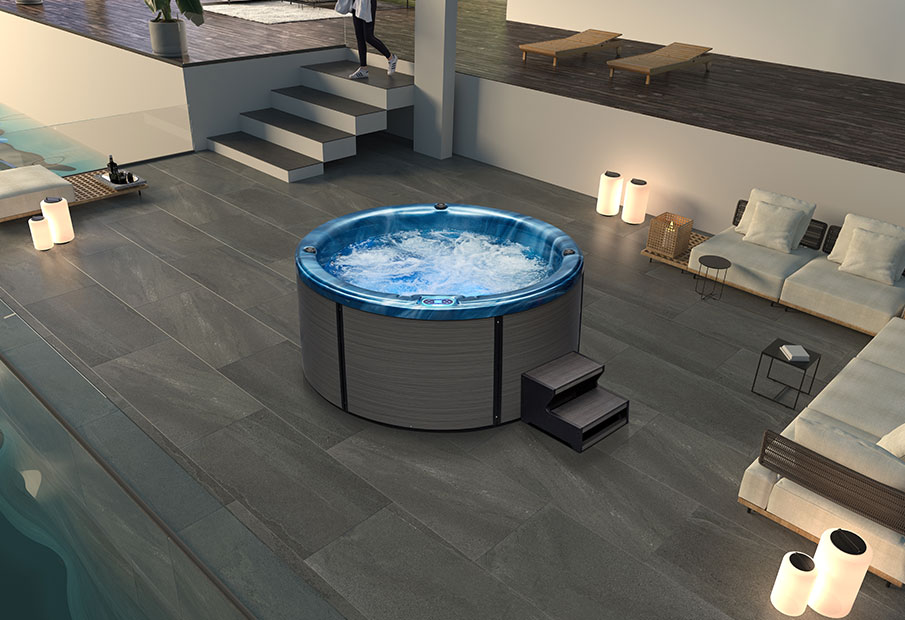
The Fspa BD-009 hot tub, designed for style and functionality, offers unparalleled comfort for up to 6 adults with its spacious size, robust control system, powerful pumps, consistent water temperature, strategic jet placement, and enhanced ambiance and water quality features.
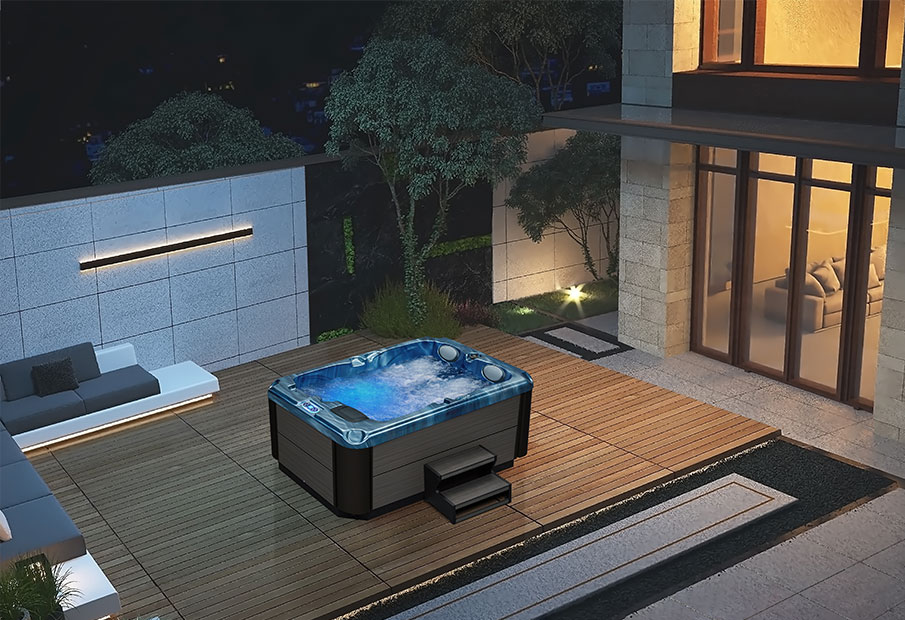
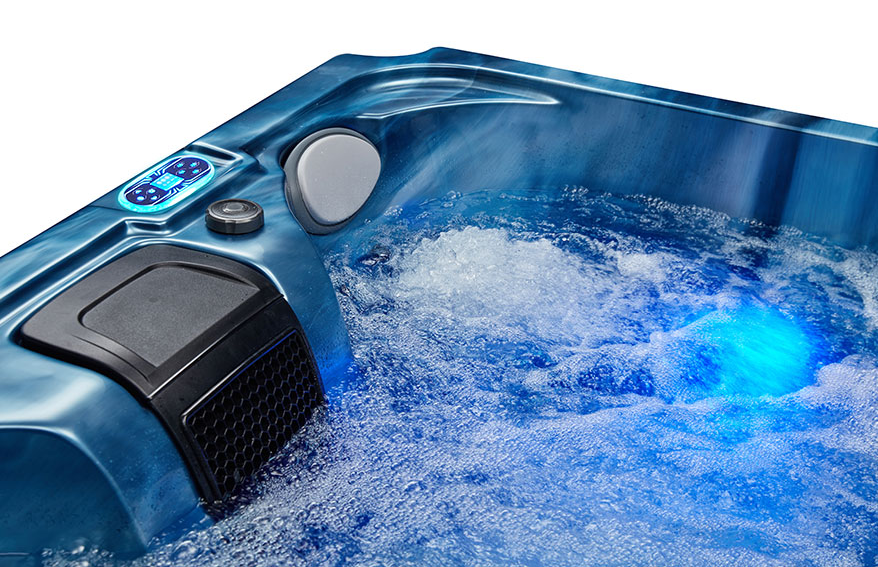
The Fspa BD-011 hot tub, designed for luxurious relaxation, offers a spacious interior for 6 adults, powerful pumps and heater, strategic jet placement, soothing LED lighting, adjustable features, and easy maintenance, making it the ultimate choice for both residential and commercial use.
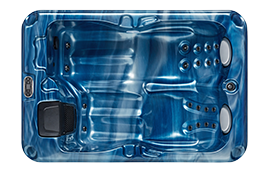
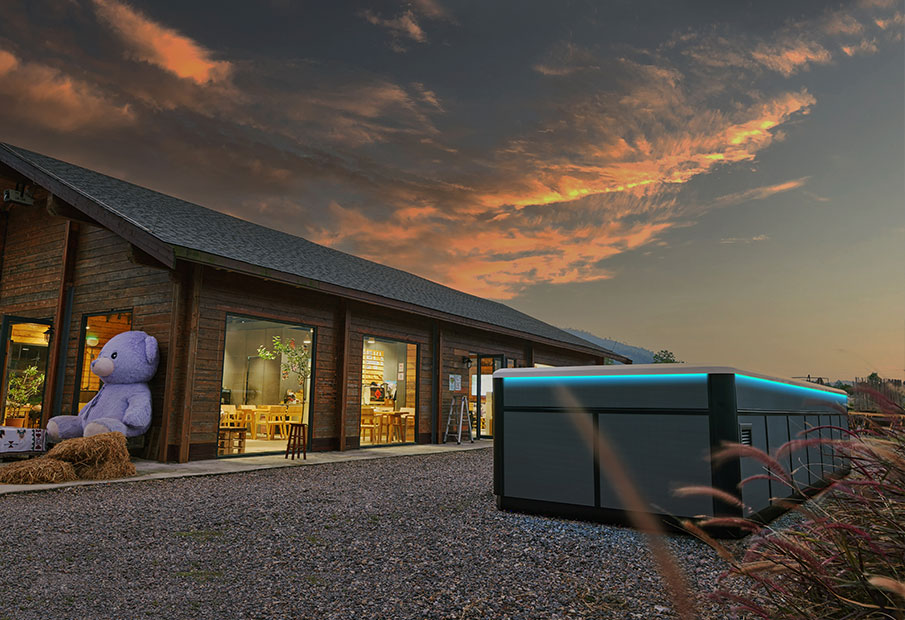
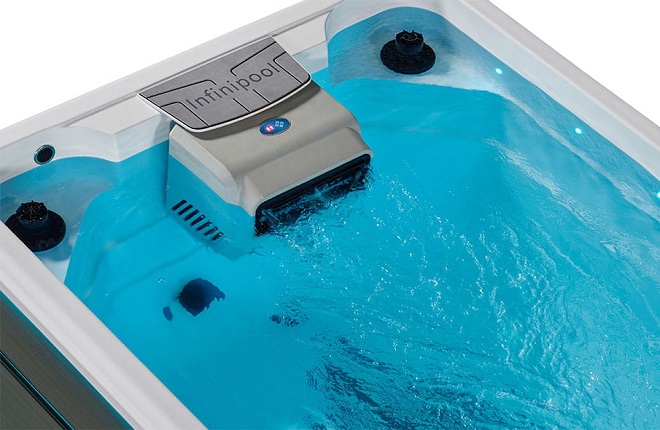
The Infinipool Fspa IP-004Pro is a luxurious, spacious hot tub with advanced features and a luxurious ambiance, perfect for both residential and commercial spa retreats.
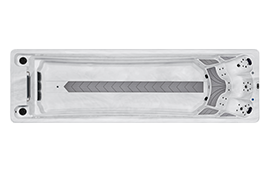
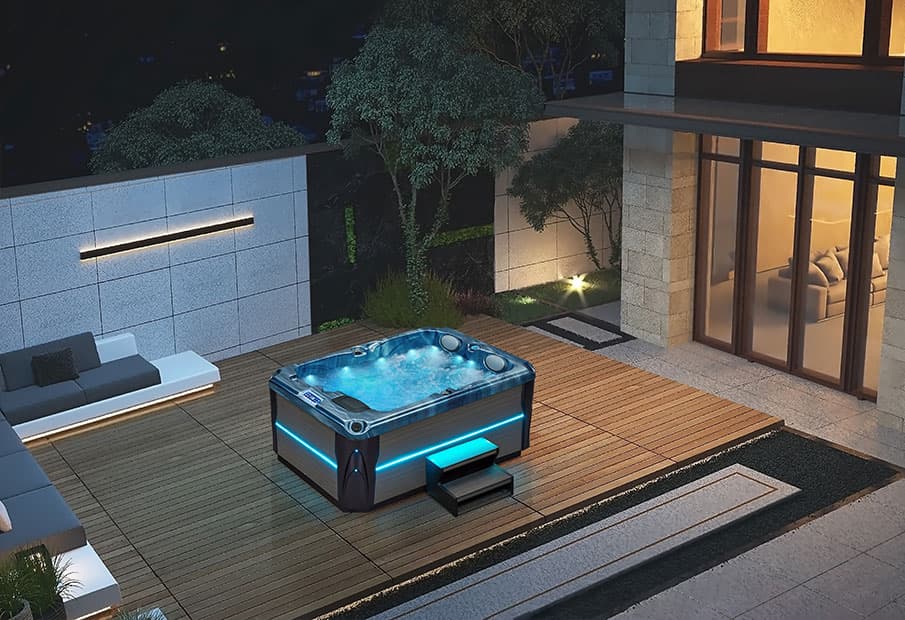
The Fspa BD-011Pro Hot Tub, a 2010x1360x800mm premium spa for 2 adults, combines 7.27kW of power and efficiency with luxurious features like 39 water & 20 air bubble jets, customizable water flow, LED lighting, music speakers, and pillows, making it a stylish and ideal choice for both residential and commercial outdoor relaxation.
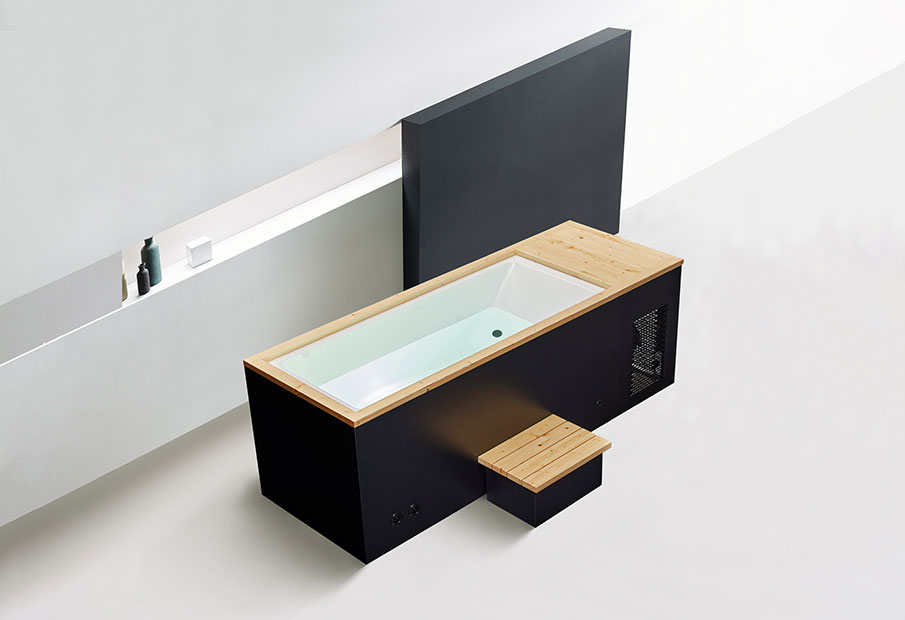
This ice-water bathtub is ideal for helping muscle recovery, adjust body temperature, improve mental health and enjoy a customized and convenient bathing experience.
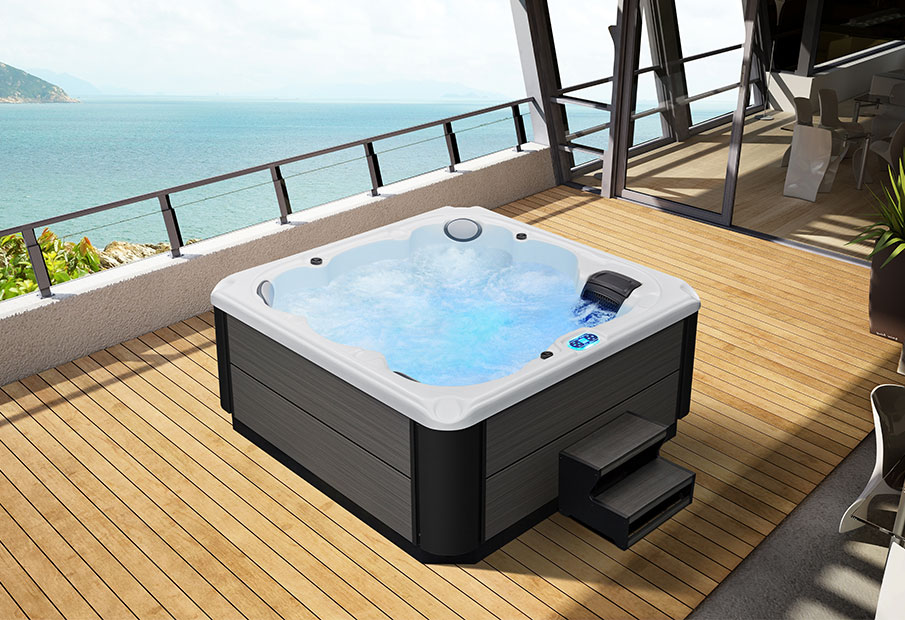
The Fspa BD-012 hot tub, designed for intimate relaxation, features a spacious size for 2 adults, powerful massage pump with 20 jets, temperature-controlled heater, energy-efficient filter pump, ambient LED lighting, and sanitized water with an ozone system, offering a private oasis for ultimate relaxation.
PRODUCTS
INQUIRY
Thank you for your message!Our Chinese New Year holiday from 7th Feb to 28th Feb. Apologise to make your inconvenience so that responses may be delayed during this period. We'll back to you with regular service on 2th March .Thank you for understanding.


