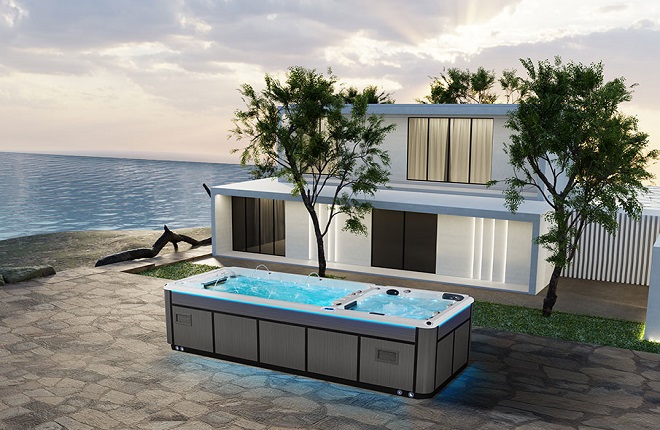
In an increasingly demanding world, the quest for personal well-being has never been more paramount. Amidst a plethora of wellness solutions, the jacuzzi spa stands out as a sanctuary, offering a profound blend of therapeutic hydrotherapy and unparalleled relaxation. It’s more than just a luxurious amenity; it’s a dedicated investment in daily physical and mental rejuvenation, a private retreat accessible whenever the need arises. The impact on quality of life is significant, with empirical data consistently demonstrating its benefits. For instance, recent market analysis indicates a staggering 15% increase in consumer interest in home wellness products over the past three years, with hydrotherapy systems leading this growth. A 2022 study published in the Journal of Physical Therapy Science highlighted that regular hydrotherapy sessions, characteristic of a high-quality jacuzzi spa experience, can reduce perceived stress levels by up to 28% and improve sleep quality by an average of 20% in participants experiencing moderate chronic pain. This isn’t merely anecdotal evidence; it reflects a tangible shift towards proactive health management, where the convenience and efficacy of personal hydrotherapy play a pivotal role. The strategic placement of powerful jets, combined with precisely controlled water temperature, creates an environment conducive to muscle relaxation, improved circulation, and profound mental tranquility. Investing in a premium jacuzzi spa transcends simple indulgence; it is a conscious decision to foster a healthier, more balanced lifestyle, transforming mundane evenings into invigorating therapeutic rituals that address both the physical tolls of the day and the mental burdens of modern living, solidifying its status as an indispensable component of contemporary home wellness.
Behind the inviting warmth and soothing jets of a premium spa lies a formidable array of advanced engineering designed for optimal performance, efficiency, and longevity. The technical advantages begin with the core hydrotherapy system. High-performance, customizable jet arrays are paramount, often featuring dozens of jets strategically positioned to target specific muscle groups, from deep tissue massage to invigorating pulsating streams. Modern spas boast variable-speed pumps, allowing users to precisely control jet intensity, thereby conserving energy while still delivering robust therapeutic effects. Filtration and sanitation systems represent another critical engineering triumph. Beyond standard cartridge filters, many leading models incorporate advanced UV-C purification, ozone generation, or even salt-water chlorination systems, dramatically reducing the need for chemical additives and ensuring crystal-clear, hygienic water with minimal effort. This multi-stage approach to water treatment can eliminate up to 99.9% of bacteria and viruses, a significant advantage over rudimentary systems. Insulation technology is also highly sophisticated. High-density, closed-cell foam insulation, often combined with full-foam injection around the shell and plumbing, drastically minimizes heat loss, leading to substantial energy savings—up to 40% compared to poorly insulated models. Control systems have evolved into intuitive, intelligent interfaces, often touch-screen enabled and Wi-Fi compatible, allowing users to manage temperature, jets, lighting, and even schedule maintenance routines remotely via smartphone applications. Furthermore, the structural integrity and durability are underpinned by robust frames, typically constructed from pressure-treated lumber or galvanized steel, and durable acrylic shells reinforced with fiberglass, guaranteeing years of consistent performance even in challenging outdoor environments. These integrated technical marvels ensure that a top-tier spa delivers not just relaxation, but a highly efficient, reliable, and profoundly therapeutic experience.
| Feature/Manufacturer | Manufacturer A (Premium) | Manufacturer B (Mid-Range) | Manufacturer C (Value) |
| Typical Jet Count | 40-60+ (Therapeutic Focus) | 30-50 (Balanced Massage) | 20-35 (Standard Relaxation) |
| Shell Material | Multi-layered Acrylic with Bio-Lok coating | High-gloss Acrylic with DuraBond reinforcement | Standard Acrylic |
| Insulation Type | Full-Foam & Perma-Panel Cabinet | Perimeter Foam & Thermal Blanket | Partial Foam & Basic Wrap |
| Water Purification | Ozone + UV-C + MicroFilter | Ozone + Cartridge Filter | Cartridge Filter (Optional Ozone) |
| Control System | Smart Touchscreen with Wi-Fi App | Digital Topside Control | Button Topside Control |
| Warranty (Shell/Components) | 10 Years / 5 Years | 7 Years / 3 Years | 5 Years / 1-2 Years |
| Energy Efficiency Rating | Excellent (Low kWh/day) | Good (Moderate kWh/day) | Standard (Higher kWh/day) |
The spa market is rich with manufacturers, each offering distinct designs, technological innovations, and value propositions. Selecting the right one requires a discerning eye, evaluating not just initial cost but long-term performance, energy efficiency, and post-purchase support. Leading brands differentiate themselves through proprietary jet technologies, advanced insulation techniques, and cutting-edge water purification systems. Understanding these distinctions is crucial for making an informed decision that aligns with individual needs and priorities. For instance, some manufacturers excel in ergonomic design, creating seating that perfectly cradles the body, while others focus on hyper-efficient heating systems or innovative smart-home integration. The materials used for the shell, cabinet, and plumbing also vary significantly, impacting durability and aesthetics. Acrylic shells are standard, but the thickness and quality of the acrylic, along with the fiberglass reinforcement, can differ. Cabinetry might range from synthetic, maintenance-free materials to natural wood options requiring periodic sealing. Warranty coverage is another critical factor, often reflecting a manufacturer’s confidence in their product’s build quality. Pumps, heaters, and the shell typically have different warranty periods, which can range from one year for electrical components to five or ten years for the shell structure. Below is a comparative overview of key features across representative manufacturers, highlighting their competitive advantages and typical offerings:
This comparison underscores that while all offer hydrotherapy, the engineering depth, integrated technologies, and long-term operating costs vary significantly. Consumers should weigh these factors carefully against their budget and desired user experience.
The modern spa experience is no longer a one-size-fits-all proposition; advanced customization allows buyers to craft a truly personalized oasis that reflects their aesthetic preferences and therapeutic needs. This extends far beyond merely choosing a shell color. Starting with the aesthetic, consumers can select from an extensive palette of acrylic shell finishes, ranging from classic whites and blues to sophisticated marbled or granite-effect patterns, influencing the water’s perceived hue and the overall ambiance. Cabinetry options are equally diverse, including maintenance-free synthetic materials that mimic natural wood or stone, composite panels designed for extreme durability, or even genuine cedar and redwood for a truly natural look, each available in various stains and finishes. Beyond visual appeal, the therapeutic experience can be profoundly customized. Jet configurations are highly modular, allowing for targeted arrangements of different jet types—directional, rotary, pulsating, and air-infused—to address specific pain points or muscle groups. Some manufacturers even offer interchangeable jet inserts, providing ultimate flexibility. Lighting systems have evolved from simple single-color bulbs to sophisticated LED chromotherapy, allowing users to select from a spectrum of colors or dynamic light shows to enhance mood and promote relaxation. Integrated sound systems, often Bluetooth-enabled, can transform the spa into an immersive auditory experience, while optional accessories like cascading waterfalls, aromatherapy infusion systems, and even integrated cool-down seats further elevate the sensory journey. For the tech-savvy, smart home integration capabilities are increasingly common, allowing voice control or seamless operation through existing home automation platforms. This level of granular customization ensures that each spa is not just a product, but a bespoke sanctuary, meticulously tailored to the owner’s unique vision of luxury, wellness, and personal retreat, making it an extension of their lifestyle rather than merely an addition to their backyard.
The versatility of a well-engineered spa extends its utility far beyond typical backyard leisure, finding successful application in a multitude of residential, commercial, and therapeutic settings. In residential contexts, beyond simple relaxation, spas become central to family life, fostering connection, offering a unique venue for entertaining, and serving as a consistent component of daily health routines. Homeowners report significant improvements in sleep patterns and chronic pain management through consistent use. Consider the case of a retired couple in Arizona who, struggling with arthritis, integrated a therapeutic spa into their daily routine. After six months, they reported a 40% reduction in joint stiffness and a notable decrease in reliance on over-the-counter pain medication, transforming their quality of life. Commercially, spas are proving to be invaluable assets. High-end hotels and resorts leverage them to enhance guest experiences, often featuring them in luxury suites or dedicated wellness zones. A boutique hotel in Napa Valley saw a 25% increase in repeat bookings after installing a series of private two-person spas in their premium accommodations, directly correlating the uplift to guest satisfaction surveys praising the added amenity. Fitness centers and sports rehabilitation clinics also widely adopt advanced spas for post-workout recovery and injury therapy. Athletes utilize the hydrotherapy benefits for muscle soreness, reducing recovery times and improving overall performance. One prominent collegiate sports program implemented a cold plunge alongside a traditional hot spa, reporting a 15% faster return-to-play rate for athletes recovering from soft tissue injuries compared to traditional methods. Furthermore, the burgeoning sector of vacation rentals frequently highlights the presence of a private spa as a key differentiator, often leading to higher occupancy rates and premium pricing. These diverse applications underscore that a spa is not a niche product, but a highly adaptable wellness solution, consistently delivering tangible benefits and enhancing value across a broad spectrum of real-world scenarios, making it a compelling investment for varied environments and user needs.
The landscape of hydrotherapy is continuously evolving, driven by technological advancements and a deeper understanding of wellness science. The future of spas promises even greater integration with smart home ecosystems, enhanced energy efficiency, and more personalized therapeutic experiences. Expect to see further refinement in artificial intelligence and machine learning applications that monitor usage patterns, water chemistry, and even individual biometric data (via wearables) to proactively adjust filtration cycles, chemical dosing, and water temperature. This predictive maintenance will simplify ownership and optimize energy consumption. Furthermore, the development of eco-friendly materials will accelerate, with manufacturers exploring sustainable shell composites, recycled cabinet materials, and more efficient heating technologies, potentially including solar or geothermal integration as standard options. Advanced sensor technology will likely lead to real-time health monitoring capabilities within the spa itself, perhaps measuring heart rate, oxygen saturation, or even basic stress indicators, allowing for personalized hydrotherapy programs that adapt to the user’s immediate physiological state. Imagine a spa that can suggest a specific jet pattern or water temperature based on your heart rate variability after a stressful day. Noise reduction technologies will also become more sophisticated, allowing for quieter operation and deeper immersion. The development of ‘dry’ hydrotherapy options, utilizing water jets without full immersion, may also emerge for niche applications. Telehealth integration could also play a role, allowing therapists to remotely monitor and adjust prescribed hydrotherapy routines for rehabilitation patients. As these innovations mature, spas will transform from luxurious wellness tools into intelligent, interconnected health platforms, offering unparalleled levels of customization, efficiency, and proactive well-being management, further cementing their role as integral components of a holistic health-conscious lifestyle. This continuous pursuit of innovation ensures that the benefits of hydrotherapy will remain at the forefront of personal wellness technology.
A jacuzzi spa represents a significant investment in personal well-being, and maximizing its longevity and enjoyment hinges on consistent care, adherence to manufacturer guidelines, and proactive maintenance. The foundation of a long-lasting spa experience is proper water chemistry. Regular testing and balancing of pH, alkalinity, and sanitizer levels prevent damage to components, ensure clean water, and protect user health. Filters require periodic cleaning and replacement—typically monthly cleaning and annual replacement—to maintain optimal filtration efficiency. The spa cover, often overlooked, is a crucial component for heat retention and keeping debris out; inspecting it for tears and applying UV protectant extends its life and preserves energy efficiency. Beyond routine tasks, scheduling professional servicing annually can catch potential issues before they escalate, prolonging the life of pumps, heaters, and control systems. Draining and refilling the spa water every 3-4 months, depending on usage, is also vital for fresh, clean hydrotherapy. Understanding your warranty terms and registering your product ensures that any unexpected issues are covered. By embracing these simple yet critical maintenance practices, owners can protect their investment and ensure their jacuzzi spa consistently delivers years of unparalleled relaxation and therapeutic benefits. This commitment to care translates directly into continued enjoyment, optimal performance, and the peace of mind that comes from a well-maintained, ready-to-use personal sanctuary, truly maximizing the return on your wellness investment for the foreseeable future.
Here are some professional FAQs about jacuzzi spas:
What is the average lifespan of a high-quality jacuzzi spa?
A high-quality jacuzzi spa, with proper maintenance and care, typically has a lifespan of 10 to 20 years. Key factors influencing longevity include the quality of materials, consistent water chemistry management, and adherence to manufacturer-recommended service schedules.
How much does a jacuzzi spa cost to operate monthly?
The monthly operating cost of a jacuzzi spa can vary significantly based on factors such as local electricity rates, spa insulation quality, usage frequency, climate, and temperature settings. On average, owners can expect to pay anywhere from $20 to $60 per month for electricity, plus an additional $10-$30 for water treatment chemicals.
What is the difference between a hot tub and a jacuzzi spa?
While often used interchangeably, “Jacuzzi” is a specific brand name renowned for pioneering jetted hydrotherapy. “Hot tub” is a generic term referring to any large tub filled with heated water used for soaking or hydrotherapy. A Jacuzzi spa is a specific type of hot tub, recognized for its advanced jet systems and often superior build quality.
What type of foundation is required for a jacuzzi spa installation?
A jacuzzi spa requires a solid, level foundation capable of supporting its significant weight when filled with water and occupants. Common suitable foundations include a reinforced concrete pad, a properly constructed deck or patio designed for heavy loads, or a compacted gravel base.
How often should I change the water in my jacuzzi spa?
It is generally recommended to drain and refill your jacuzzi spa water every 3 to 4 months, depending on usage frequency and the effectiveness of your sanitation system. Regular water changes ensure optimal water quality and prevent chemical imbalances that can accumulate over time.
Can a jacuzzi spa be used year-round in cold climates?
Yes, modern jacuzzi spas are designed with advanced insulation and robust heating systems that allow for comfortable year-round use even in cold climates. Proper installation, a high-quality insulated cover, and ensuring the spa is energy-efficient are key to minimizing operating costs in winter.
What are the primary health benefits of regular jacuzzi spa use?
Regular jacuzzi spa use offers numerous health benefits, including relief from muscle soreness and joint pain through hydrotherapy massage, improved blood circulation, reduced stress and anxiety, enhanced sleep quality, and a general sense of relaxation and well-being. The warm water buoyancy also alleviates pressure on joints.
Experience Everyday Luxury with a Two Person Spa
Turning your home into a place of comfort and relaxation is easier than ever with a two person spa. Designed for both functionality and indulgence, these compact yet powerful spas provide a perfect escape from daily stress. Whether you’re considering a modern home jacuzzi indoors or a stylish outdoor retreat, the right spa can elevate your living experience. From a sleek small jacuzzi tub to a beautifully designed backyard spa, there’s an option to match every home and lifestyle.
Choosing between an indoor jacuzzi tub and an outdoor 2 person jacuzzi depends on how you want to enjoy your relaxation time. An indoor jacuzzi is ideal for those who prioritize privacy and convenience. Installed in a bathroom or dedicated wellness area, it provides a peaceful environment where you can unwind at any time, regardless of weather conditions.
On the other hand, an outdoor 2 person jacuzzi offers a refreshing and immersive experience. Placed in a garden, patio, or terrace, it transforms your outdoor space into a calming sanctuary. A well-designed backyard spa not only enhances relaxation but also adds a sophisticated visual element to your home. Many outdoor models are compact enough to fit smaller spaces while still offering features like adjustable jets, LED lighting, and comfortable seating.
If space is limited, a small jacuzzi tub is the perfect alternative. These tubs are designed to deliver the same soothing hydrotherapy benefits as larger models while fitting seamlessly into tighter areas. A home jacuzzi doesn’t need to be large to be effective—it simply needs to be thoughtfully designed to meet your needs.
A two person spa provides more than just comfort—it supports a healthier lifestyle. The warm water and massaging jets help relieve muscle tension, improve blood circulation, and reduce stress levels. Whether you choose an indoor jacuzzi tub or an outdoor 2 person jacuzzi, regular use can contribute to better sleep and overall well-being.
For couples, a two person spa creates a shared space for relaxation and connection. It offers a chance to unwind together, away from distractions, in a calming environment. Even a small jacuzzi tub can provide an intimate and rejuvenating experience that strengthens both physical and emotional wellness.
Beyond personal benefits, a home jacuzzi can also increase the value and appeal of your property. A stylish indoor installation or a thoughtfully designed backyard spa becomes a standout feature that enhances both functionality and aesthetics. It’s an investment that brings long-term enjoyment while elevating your home’s overall atmosphere.
With advancements in spa technology, modern designs focus on durability, energy efficiency, and user-friendly controls. Brands like fspa offer a variety of high-quality options that combine innovative features with elegant design, ensuring a premium experience every time.
A two person spa is a simple yet impactful way to upgrade your home and lifestyle. Whether you opt for an indoor jacuzzi tub for year-round convenience or an outdoor 2 person jacuzzi to create a relaxing outdoor retreat, the benefits are undeniable. Even a small jacuzzi tub can deliver powerful relaxation and wellness advantages, making it a practical choice for any space.
By investing in a high-quality home jacuzzi, you can enjoy daily comfort, improve your well-being, and create a personal sanctuary right at home. Explore options from trusted brands like fspa and discover how a two person spa can transform your everyday routine into a luxurious experience.
A two person spa offers efficient use of space, targeted hydrotherapy, and a comfortable design for shared relaxation.
Yes, an indoor jacuzzi tub is perfect for daily relaxation, providing consistent comfort and privacy throughout the year.
Most outdoor 2 person jacuzzi models are built with durable materials and heating systems, making them suitable for various climates.
A small jacuzzi tub is ideal for compact spaces while still delivering strong hydrotherapy and relaxation benefits.
A home jacuzzi promotes relaxation, reduces stress, enhances wellness, and adds value to your home environment.
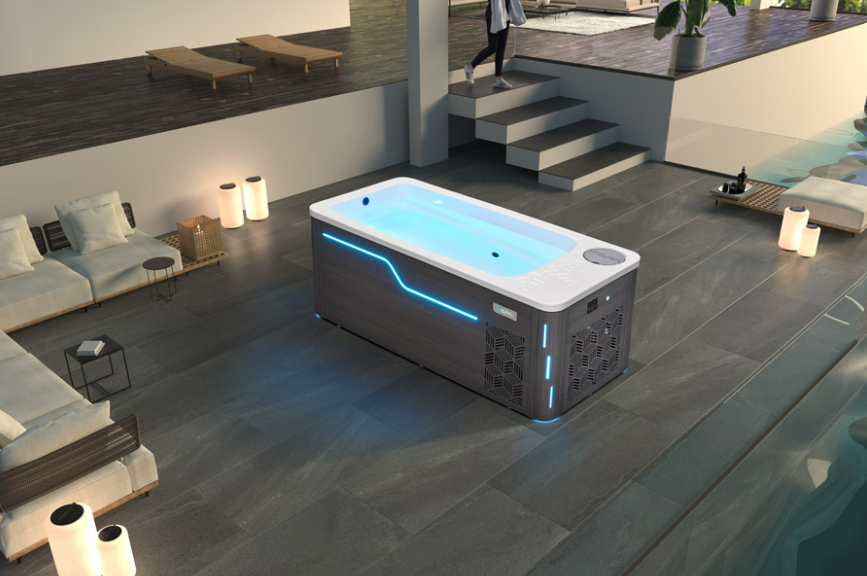
How to Choose a Cold Plunge Tub for Home, Gym, and Recovery Spaces
A cold plunge tub sauna routines, or as part of a personal wellness program. The goal is not to remain in the water for a long period, but to create a repeatable experience with a stable temperature, a comfortable entry position, and water that can be managed hygienically.
Buyers should separate lifestyle marketing from practical product selection. The most important questions are how the tub cools and circulates water, how the user enters and exits, how easy it is to clean, and whether the electrical specification matches the installation country. People with medical conditions, circulation concerns, pregnancy, or uncertainty about cold exposure should seek professional advice before use.
FSPA lists several single-user cold plunge models and a larger multi-user design. The category includes all-in-one systems with chilling, circulation, filtration, ozone, and underwater lighting. This type of integrated construction can reduce the need to assemble separate components, although the exact configuration should always be confirmed before ordering.
A compact cold plunge can fit into a home gym, bathroom, covered terrace, garden, balcony, wellness room, or commercial recovery area, but the tub dimensions alone do not determine whether it will fit. Buyers must also measure doorways, stairs, elevators, turning space, access gates, and the route from the delivery vehicle to the final position.
The installation surface should be level and strong enough to support the filled weight of the tub, water, and user. Indoor projects need moisture-resistant finishes, drainage planning, ventilation, and protection against accidental overflow. Outdoor projects need weather protection, a suitable cover, frost planning where relevant, and safe access during rain or low light.
User comfort is also important. A vertical model may reduce the floor area required, while a longer reclining design can feel more open. Step height, internal depth, hand support, and edge shape affect how easily a person can enter and leave the water. For gyms and wellness businesses, the layout should allow staff to supervise cleaning and manage user flow without creating slippery congestion around the tub.
An energy-efficient cold plunge depends on more than the chiller label. Ambient temperature, target water temperature, insulation, cover quality, operating schedule, tub volume, and frequency of use all influence energy demand. An outdoor unit in a hot climate generally works harder than an indoor unit in a temperature-controlled room.
A properly fitted cover helps keep warm air, debris, and sunlight away from the water when the tub is not in use. Insulation reduces heat transfer through the shell and pipework. Some users choose continuous operation for stable water temperature, while others schedule the system around training hours. The best approach depends on the product design and the supplier’s operating instructions.
Filtration and circulation help maintain water clarity, but they do not eliminate routine care. Users should follow a documented plan for testing, cleaning filters, wiping surfaces, changing water, and using any approved sanitation method. Commercial facilities need a stricter schedule because multiple users introduce more contaminants. Easy access to filters and drains can save significant time over the life of the product.
A portable cold plunge tub can appeal to buyers who value flexibility, lower initial cost, or seasonal use. Simple tubs may be moved or stored more easily, but they can require manual ice, separate pumps, or additional water-care equipment. The final cost and daily workload may therefore be higher than the purchase price suggests.
An all-in-one electric cold plunge integrates the tub with chilling and circulation equipment. This can provide more predictable temperature control and a cleaner installation, especially for frequent use. Buyers should still compare noise level, cooling capacity, filter access, drainage, warranty terms, and the availability of replacement components.
The choice should follow the intended routine. An occasional home user may accept more manual preparation, while an athlete, gym, hotel, or recovery studio may value rapid setup and consistent operation. A luxury cold plunge may add lighting, premium finishes, smart controls, or customized colors, but these features should come after the basic requirements for safe access, reliable cooling, filtration, and easy maintenance.
A reliable cold plunge manufacturer should be able to explain product dimensions, materials, chilling performance, circulation, filtration, sanitation options, electrical requirements, packaging, and service procedures. Buyers should request technical documents and confirm whether the model is intended for indoor, outdoor, residential, or commercial use.
International orders require special attention to voltage, frequency, plug type, installation guidance, and local electrical regulations. The unit should be configured for the destination before shipment rather than adapted informally after arrival. Buyers should also ask how the product is protected in transit and what assistance is available if a component needs replacement.
FSPA’s cold plunge range includes single-person and multi-user formats with several integrated features. The company also presents itself as a manufacturer of intelligent outdoor spas and multifunctional swimming systems for homes, villas, hotels, fitness centers, and rehabilitation-related environments. When comparing suppliers, buyers should focus on complete project support rather than a single advertised price.
For Foshan Gaoming Buddy-Tech Co., Ltd., we firmly believe the best cold plunge is the one that perfectly matches your available space, usage frequency, target user group, long-term maintenance plan, local climate conditions and on-site electrical system. Our team delivers detailed, customized technical specifications for every cold plunge unit, streamlining both installation and daily consistent operation for all clients. In the long run, this tailored, functional solution brings far greater practical value than simply picking a cold plunge tub based solely on its exterior looks.
If you have any inquiries about custom cold plunge configuration, quotation or project cooperation, feel free to reach our sales team directly via: +86-13702446452 +86-18144708213
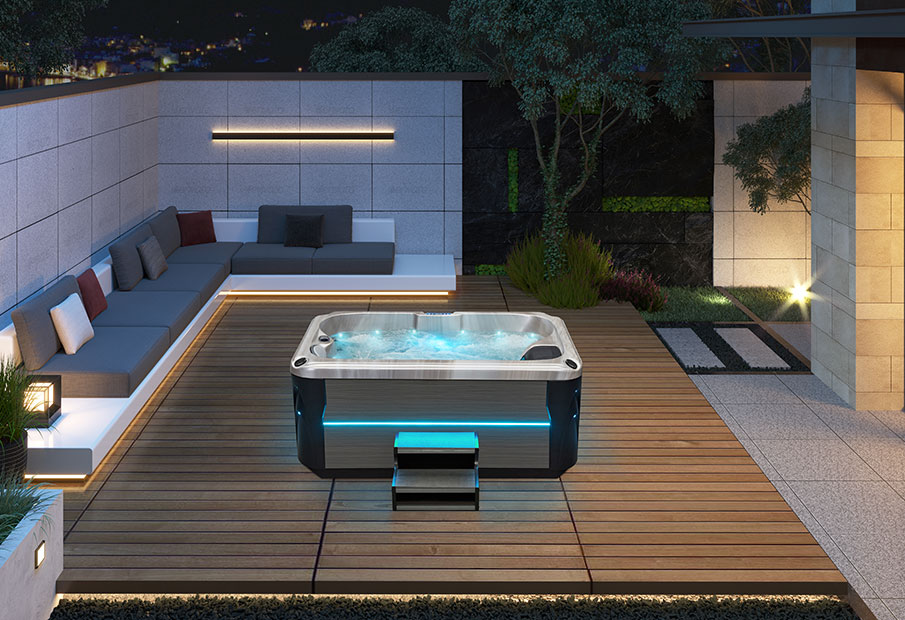
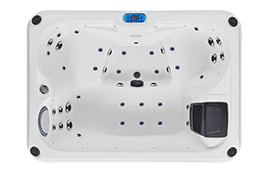
The Fspa BD-003Pro Hot Tub, offers ultimate relaxation with a robust 1.85kW massage system, pristine water filtration, 28 water & 14 air bubble jets, customizable air flow, ozone sanitization, 4 speakers, and a sleek design perfect for outdoor settings.
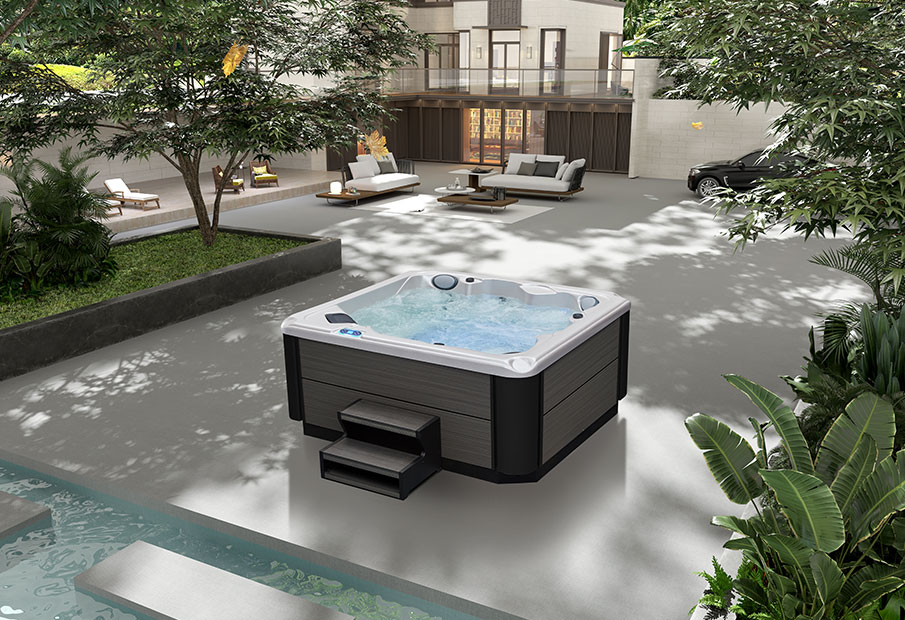
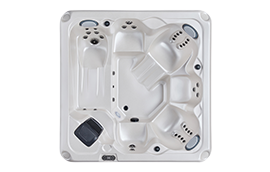
Our Fspa BD-007 Hot tub, measuring 2160x2160x900mm and accommodating 5 adults, combines luxury and comfort with a robust control system, powerful massage jets, sanitized water, ambient LED lighting, adjustable pillows, and energy efficiency, making it perfect for wellness enthusiasts in both residential and commercial settings.
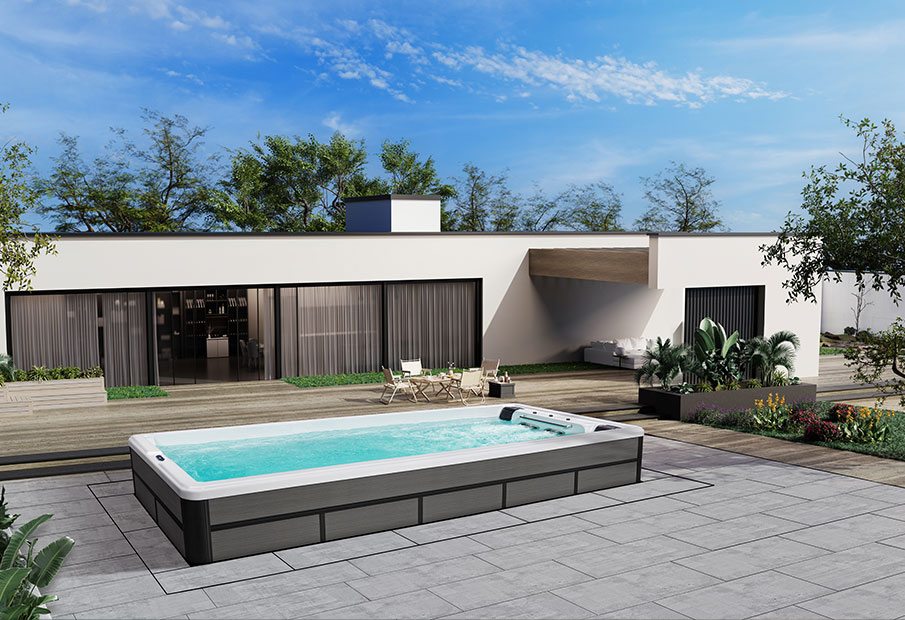
The Infinipool Fspa IP-002 offers a premium swimming experience ideal for residential and commercial use.
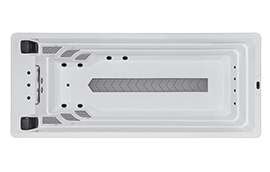
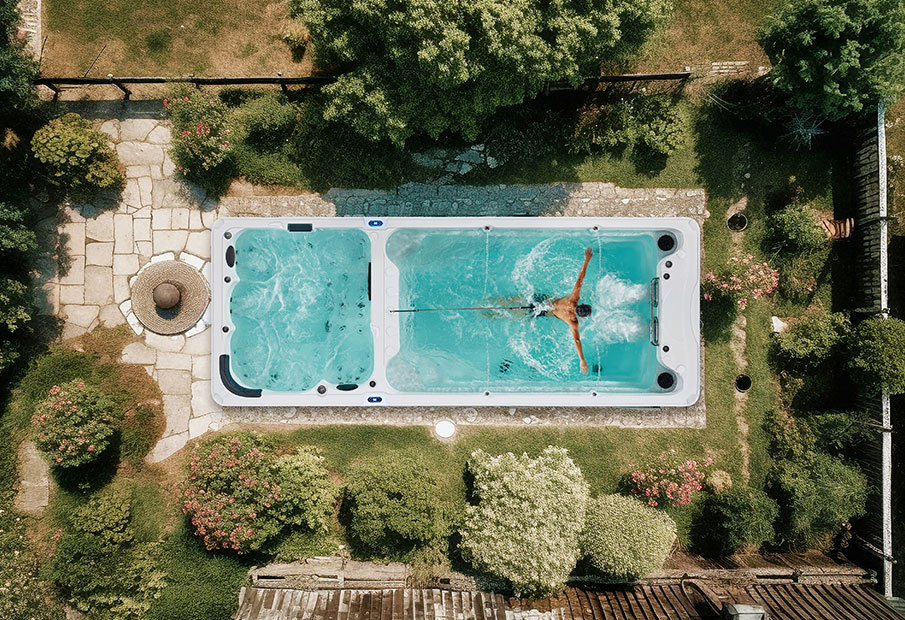
The Infinipool Fspa IP-007 enhances backyard experiences with exceptional performance, style, and a range of optional accessories.
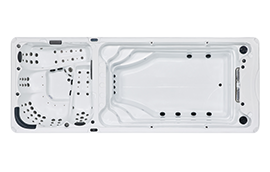
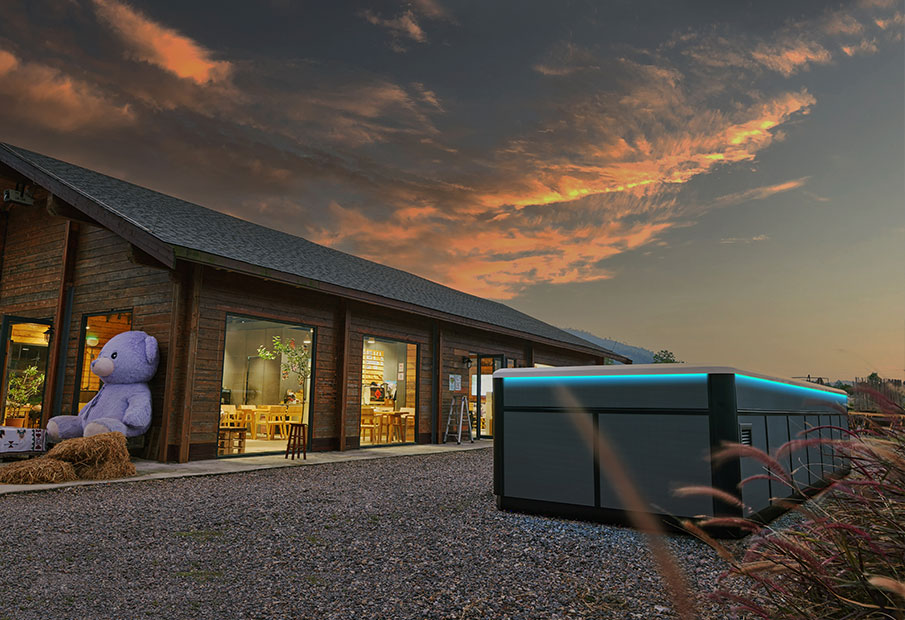
The Infinipool Fspa IP-004Pro is a luxurious, spacious hot tub with advanced features and a luxurious ambiance, perfect for both residential and commercial spa retreats.
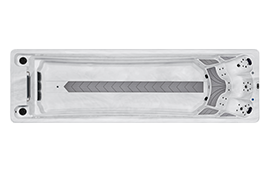
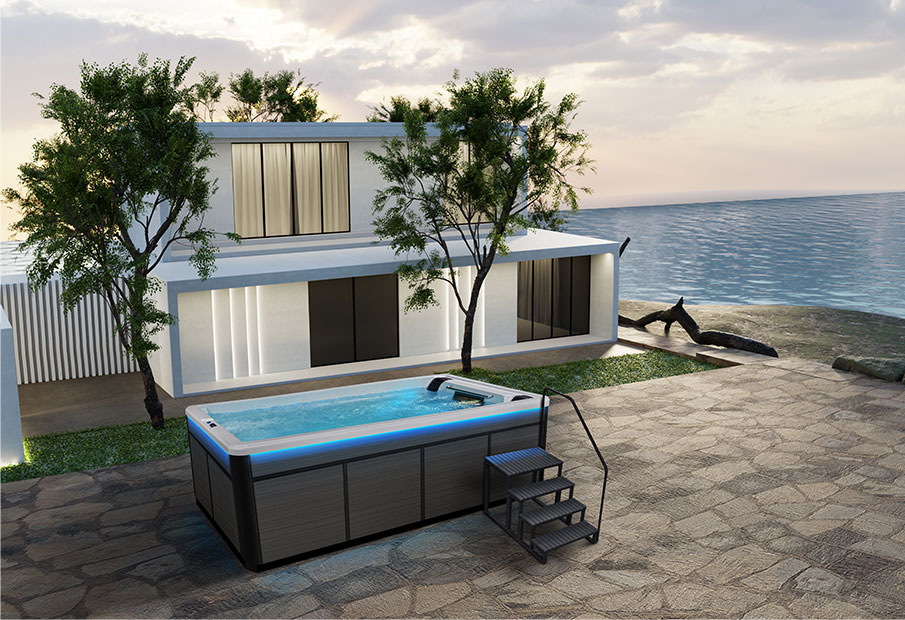
The Infinipool Fspa IP-001Pro is a premium, spacious pool with advanced filtration, ozone sanitization, insulation, and optional accessories, transforming backyards into luxurious oases for swimming, relaxation, and entertainment.
PRODUCTS
INQUIRY
Thank you for your message!Our Chinese New Year holiday from 7th Feb to 28th Feb. Apologise to make your inconvenience so that responses may be delayed during this period. We'll back to you with regular service on 2th March .Thank you for understanding.


