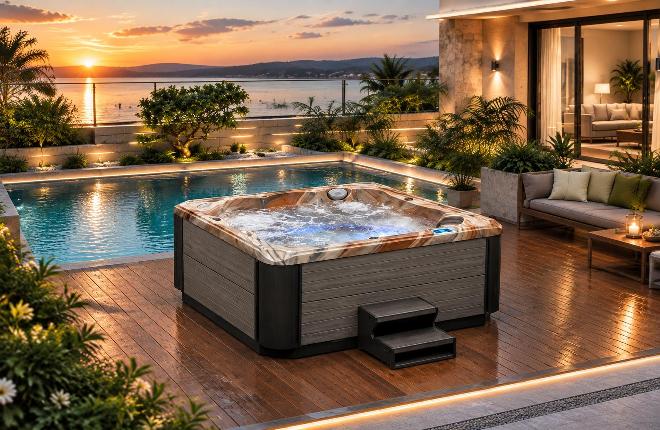
A resistance swim spa solves a problem most backyard pools never address: how do you swim laps without a lap pool? Instead of building a 25-meter trench in your yard, a swim spa generates a controlled current, letting you swim in place inside a compact footprint. That single mechanical difference changes who can realistically own a home water fitness setup, and why the category keeps growing among people who want exercise, not just soaking.
The appeal isn’t purely about space. Traditional pools demand months of excavation, permits, and a maintenance routine that scales with volume. A resistance swim spa condenses that into something closer to a large spa install, while still delivering the cardiovascular workout swimmers actually want. Understanding how that current works, and where it fits your property, matters more than most marketing copy suggests.
Most residential lots simply can’t accommodate a proper lap pool. A 25-meter pool needs roughly 800 to 1,000 square feet of surface area, plus setback clearances that many suburban and urban lots don’t have.
A swim spa unit, by contrast, typically measures somewhere between 12 and 20 feet in length. That’s a fraction of the footprint, and it opens up options like:
This is why swim spas show up so often in villa backyards, boutique hotels, and seaside homestays. The physical constraint is real, and the product category exists specifically to answer it.
The mechanism is simple in concept, even if the engineering behind it isn’t. A pump system pushes water through jets positioned at one end of the spa, creating a steady counter-current. You swim against that current, and the water resistance replaces the need for physical distance.
This matters for a specific reason: swimming performance depends on sustained resistance, not distance covered. In a lap pool, you generate your own resistance by pushing through still water. In a swim spa, the machine generates it for you, at an adjustable intensity. That adjustability is actually an advantage over open lap swimming, since you can dial the current up for interval training or down for rehabilitation work, without needing to change your stroke technique.
It’s worth noting that swim current systems and hydrotherapy massage jets are functionally different things, even though they sometimes sit in the same unit. Massage jets, like the 35 targeted jets built into a hydrotherapy-focused spa such as the Fspa BD-004, are designed for targeted muscle relief while seated, not for generating a swimming current. Buyers shopping specifically for lap-style resistance swimming should confirm the unit includes a dedicated counter-current swim system, since not every "swim spa" on the market actually has one.
This distinction trips up a lot of first-time buyers, so it’s worth spelling out clearly. Some products marketed loosely under the "swim spa" umbrella are actually multi-person hydrotherapy tubs, built for seated massage rather than active swimming.
| Feature | Resistance Swim Spa | Hydrotherapy Spa (e.g. BD-004 style) |
|---|---|---|
| Primary function | Counter-current swimming | Seated massage therapy |
| Typical capacity | 1-2 active swimmers | 6 adults seated |
| Jet placement | Concentrated at one end for current | Distributed around seating for targeted massage |
| Water depth | Deeper, for full-body swimming | Shallower, seat-height focused |
| Best for | Cardio training, lap practice | Muscle recovery, relaxation |
Neither approach is better in absolute terms. They solve different problems. If your goal is cardiovascular conditioning or swim technique practice, you need dedicated counter-current resistance. If your goal is post-workout recovery or general relaxation, a hydrotherapy unit with multiple massage jets, ozone sanitization, and ergonomic seating is the more appropriate fit.
A unit like the BD-004, for instance, is built around six-person seating, 35 massage jets, and a 5.55kW total system that includes a 2.2kW massage pump, a 0.35kW filter pump, and a 3kW heater. That configuration is optimized for shared relaxation, not lap swimming. Recognizing which category a product actually belongs to prevents a costly mismatch between expectation and use.
Not every household needs a swim current system, but several groups get disproportionate value from one:
For the second and third groups especially, a swim spa often ends up replacing a gym membership rather than supplementing one. The math is straightforward once you account for years of membership fees against a one-time equipment cost, though installation, electrical, and ongoing water maintenance still need to factor into that comparison.
Choosing between swim spa types shouldn’t be a guessing game. A short checklist keeps the decision grounded in actual use rather than showroom appeal.
Skipping step one is the single most common regret buyers report. A beautifully built hydrotherapy spa will not satisfy someone who wanted to train for a triathlon in their backyard.
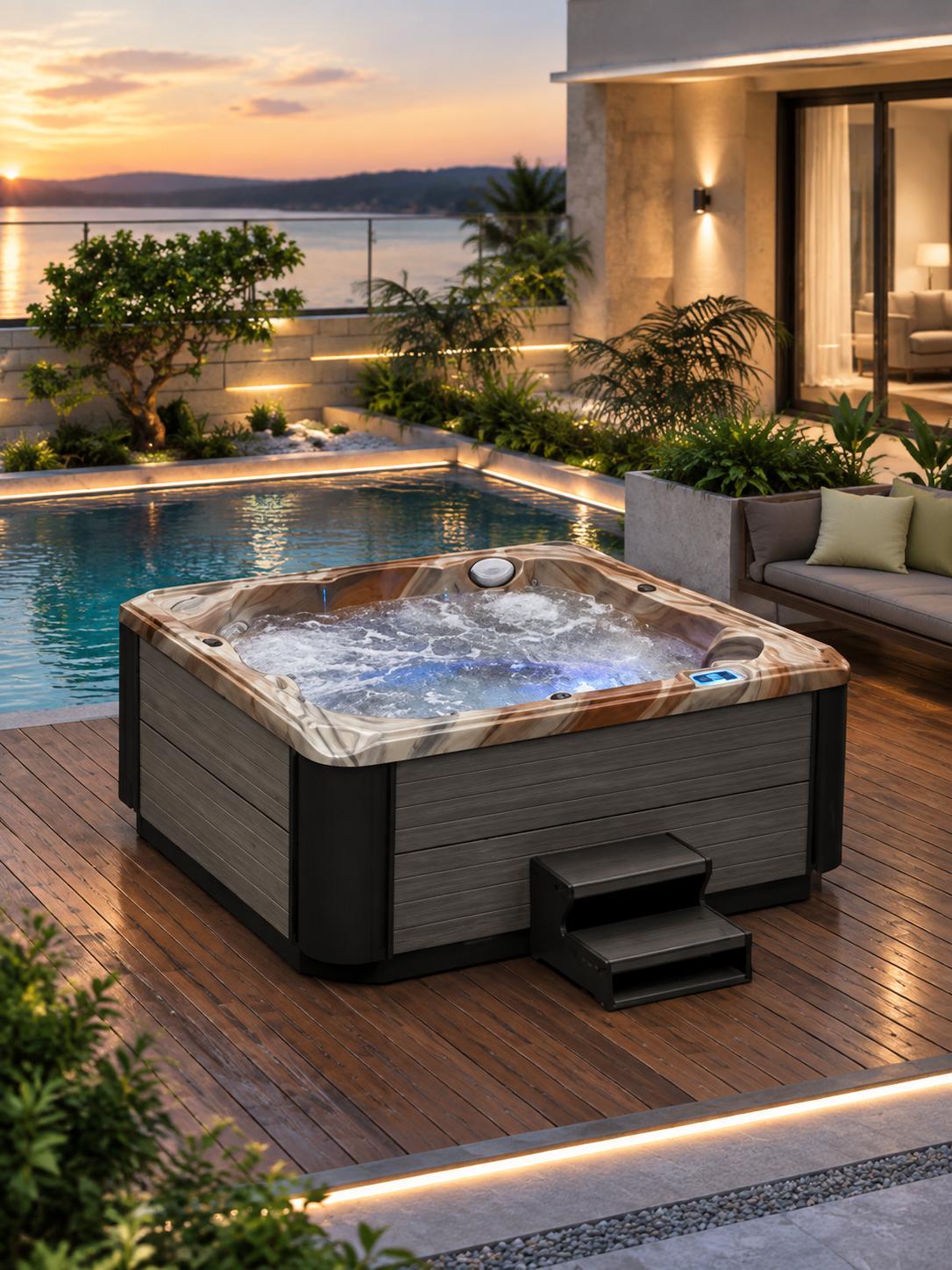
Placement affects more than aesthetics. Outdoor installations, whether on a wooden deck, stone patio, or villa backyard, need to account for weather exposure, drainage, and structural load, since a filled unit carrying over a thousand liters of water is considerably heavier than it looks empty.
Indoor installations, common in hotel gyms and rehabilitation centers, shift the concern toward ventilation and humidity control instead. A hotel gym setup, for example, benefits from the recovery function of a hydrotherapy unit after workouts, but that same room needs adequate airflow to manage the moisture a large water feature generates continuously.
Seaside homestays present a middle case. The relaxation value is high, given the view and ambiance, but salt air accelerates wear on exposed metal components, making cabinet material and hardware finish more relevant to longevity than in an inland setting.
Nobody enjoys thinking about sanitization systems until the water turns cloudy. Ozone-based sanitization, built into units like the BD-004, reduces the chemical load needed to keep water clean, which in turn reduces the frequency of manual maintenance tasks.
That said, ozone systems supplement rather than replace basic water care. Filter pumps still need regular cleaning, and water chemistry should be checked on a routine schedule regardless of what sanitization technology sits behind the scenes. Treating an ozone system as a substitute for any maintenance is a common misunderstanding, and one that shortens equipment lifespan when left uncorrected.
Does a resistance swim spa provide the same workout as swimming in a full-length pool?
It provides a comparable cardiovascular workout for stroke practice and endurance training, since the resistance is adjustable and continuous. It does not replicate open-water turns, diving, or true distance swimming.
Can a hydrotherapy spa like the BD-004 also function as a swim spa?
No. Units built around seated massage jets and six-person capacity, such as the BD-004 with its 35-jet layout, are designed for hydrotherapy relaxation rather than counter-current swimming.
How much space does a typical swim spa installation require?
Considerably less than a lap pool, though exact footprint varies by manufacturer and model. Always check full unit dimensions, including cabinet width, before finalizing a location.
Do these systems work outdoors year-round?
Many units are rated for both indoor and outdoor use, but cold-climate installations should confirm heating capacity and insulation are adequate for winter operation.
What certifications should I look for when comparing units?
Look for recognized electrical and safety certifications such as CE, CB, SAA, or CTUVus, which confirm the unit has been independently tested against established safety standards.
The decision ultimately comes down to matching the equipment to the actual activity you want. A resistance swim spa serves swimmers and rehabilitation users who need sustained current-based training in a limited footprint. A hydrotherapy-focused unit, built around multiple massage jets and comfortable seating, serves a different goal entirely: recovery, relaxation, and shared use among family or guests.
For us, and for manufacturers across this space, the responsibility is making that distinction clear before a customer commits to an installation. Whether the end goal is triathlon training in a converted side yard or a quiet recovery soak after a hotel gym session, getting the category right from the start saves both money and disappointment. A resistance swim spa is a genuine solution to the space problem that keeps so many people from swimming regularly, but only when the buyer confirms it’s actually built for that purpose.
Exploring Personal Comfort: From Indoor Wellness to Solo Hot Tub Designs
A modern indoor hot tub has become a popular home upgrade for people seeking daily relaxation, stress relief, and hydrotherapy benefits without leaving their living space. Unlike outdoor installations, indoor models provide privacy, convenience, and year-round usability regardless of weather conditions. They are often integrated into bathrooms, spa rooms, or private wellness areas, making them a premium choice for urban living.
For individuals who prioritize personal relaxation, a one person hot tub offers a compact and highly efficient solution. Designed specifically for solo use, these tubs focus on comfort, water pressure control, and space-saving design. A 1 person hot tub is essentially the same concept, providing a dedicated spa experience tailored to individual needs such as muscle recovery, meditation, or stress relief.
Another variation, the single person hot tub, emphasizes privacy and full-body hydrotherapy in a compact format. These models are especially popular among apartment owners or individuals with limited space who still want to enjoy the benefits of a spa experience at home.
While indoor options are ideal for privacy and convenience, indoor hot tubs in general come in a wide range of sizes and designs. From minimalist modern styles to luxury spa installations, they allow homeowners to create a personal wellness zone that enhances daily comfort and relaxation.
Beyond indoor installations, many homeowners are investing in outdoor wellness environments such as a backyard hot tub. These systems transform ordinary outdoor spaces into private relaxation retreats. Whether placed near a garden, deck, or pool area, they create a natural connection between comfort and nature.
A patio hot tub is another popular choice, especially for homes with limited backyard space. Installed on patios or terraces, these hot tubs provide easy access, stylish design integration, and a relaxing atmosphere for both individuals and small gatherings. They are often chosen for their convenience and ability to enhance outdoor aesthetics without requiring major landscaping changes.
While indoor spa systems focus on privacy and year-round usability, outdoor options like backyard hot tub and patio hot tub emphasize lifestyle enhancement and social relaxation. Many homeowners choose to combine both indoor and outdoor setups to create a complete wellness experience.
A one person hot tub, 1 person hot tub, or single person hot tub is typically installed indoors, but compact outdoor versions are also available for patios or private garden corners. These systems are energy-efficient and easy to maintain, making them suitable for users who want flexibility in placement.
When selecting between indoor and outdoor spa systems, it is important to consider space, budget, and usage frequency. An indoor hot tub is ideal for daily relaxation and privacy, while a backyard hot tub or patio hot tub is better suited for social interaction and outdoor leisure.
For individuals, a one person hot tub, 1 person hot tub, or single person hot tub offers unmatched efficiency and personal comfort. These compact models require less water, less energy, and minimal maintenance, making them cost-effective in the long run.
Meanwhile, larger indoor hot tubs or outdoor installations provide shared experiences and are often chosen by families or homeowners who enjoy entertaining guests. Regardless of size, modern hot tub systems are designed to deliver hydrotherapy benefits such as stress relief, improved circulation, and muscle relaxation.
Ultimately, the right choice depends on lifestyle needs and available space. Whether selecting a compact solo spa or a larger social setup, each option contributes to improved wellness and home comfort.
From compact personal units to full outdoor installations, today’s spa market offers solutions for every lifestyle. Whether you choose an indoor hot tub for privacy, a one person hot tub or single person hot tub for personal relaxation, or a backyard hot tub and patio hot tub for outdoor enjoyment, each option provides unique benefits in comfort and wellness. By carefully selecting between indoor hot tubs and outdoor models, homeowners can create a balanced and personalized relaxation environment that enhances both daily life and long-term well-being.
An indoor hot tub provides year-round privacy, convenience, and controlled environment relaxation, making it ideal for daily wellness use.
Yes, a one person hot tub, 1 person hot tub, or single person hot tub is perfect for compact spaces and offers efficient solo hydrotherapy benefits.
A backyard hot tub is typically installed in garden or open yard spaces, while a patio hot tub is designed for terraces or paved outdoor areas.
Yes, indoor hot tubs are designed for frequent use and provide consistent hydrotherapy benefits when properly maintained.
Yes, a single person hot tub uses less water and energy compared to larger models, making it a cost-effective and eco-friendly option.
Infinity Swim Spa for Home Fitness: When an Infinipool Makes More Sense Than a Full Pool
A conventional pool needs length. That is simple physics when the swimmer must travel from one end to the other. A swim spa changes the problem by creating a current to swim against, allowing exercise to take place in a much shorter vessel. For homes where a full lap pool would consume the entire garden, this can open a more realistic route to regular aquatic training.
The important question is whether the current feels controllable and useful for the intended swimmer. Casual fitness, technique practice, resistance work, and family recreation do not all require the same flow. Buyers should therefore compare the swimming system before being distracted by massage seats or lighting.
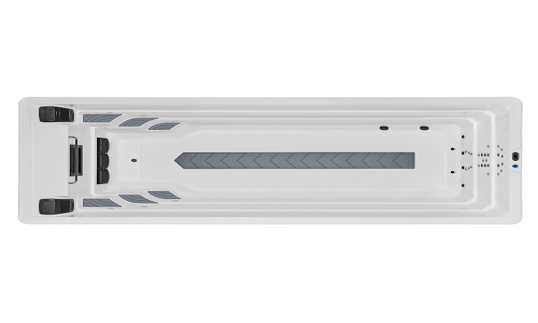
FSPA’s IP-002 family is listed at 5900 x 2500 x 1600 mm. The current IP-002 page includes multiple water pumps, river and power jets, filtration, a sand filter, ozone, insulation, step lighting, and optional training accessories. The older IP-002Pro specification also describes an Infinipool swimming system and massage functions within the same footprint.
For an infinity training pool, flow quality, body position, water depth, and easy entry all matter. A powerful current that is turbulent or difficult to center can be less useful than a smoother, adjustable stream. Swimmers should also have enough clear space around hands and feet to maintain technique without feeling confined.
A backyard installation is the obvious choice, but rooftop terraces, covered leisure rooms, and some indoor wellness spaces can also work when structure, ventilation, access, and drainage have been professionally planned. The current FSPA product page specifically illustrates residential back gardens, rooftop terraces, and resort settings.
An infinity swim spa can therefore serve more than one role: morning exercise, low-impact water activity, family play, and relaxed soaking. That flexibility is one reason buyers compare it with a small pool rather than with a hot tub alone.
When comparing swim spas prices, include the work around the unit. Delivery access, lifting equipment, foundations, electrical supply, plumbing, drainage, a cover, and landscaping can materially change the installed cost. Indoor projects may also need ventilation and dehumidification.
Operating cost depends on climate, water temperature, insulation, filtration schedules, pump use, and electricity rates. An energy-saving cover can reduce heat loss when the water is maintained warm. Buyers who mainly use the unit for exercise may choose different temperature habits from households that treat it primarily as a relaxation pool.
An endless swim spa makes sense for homeowners who want frequent swimming but have limited length, families who want exercise and leisure in one installation, and boutique gyms or hotels that need an aquatic feature without a conventional pool footprint. It is less suitable for buyers whose main goal is hosting large groups or traditional lap swimming with several people at once.
The best decision comes from defining the primary use first. If swimming is the priority, current quality and training space lead the specification. If family leisure is equally important, seating, steps, water care, and easy controls deserve more attention. The product should be chosen around the routine it will support, not around the longest feature list.
Training accessories can change how useful the pool feels for different swimmers. A belt can help keep a beginner centered while they learn to work against the current, while a paddle or resistance accessory may add variety for more experienced users. These options should be chosen because they support a real training habit, not simply because they appear on a specification list. A household that mostly walks, stretches, or performs low-impact movement in the water may prioritize easy entry and stable footing instead.
The surrounding room or garden also influences the experience. Indoors, humidity control and ventilation can be as important as the pool itself. Outdoors, wind exposure, falling leaves, privacy, and the distance from the house affect how often the unit is used. A swim spa placed at the far end of a property may photograph beautifully but feel inconvenient on cold mornings. A slightly less dramatic location with better access can support a much more consistent fitness routine.
Before ordering, ask the supplier for a clear drawing showing external dimensions, service zones, inlet and outlet positions, power requirements, and optional equipment. Share that information with the contractor responsible for the slab, drainage, and electrical work. Coordinating these details before delivery is especially important for larger Infinipool systems because last-minute changes to foundations or utility routes are far more expensive than adjustments made on paper.
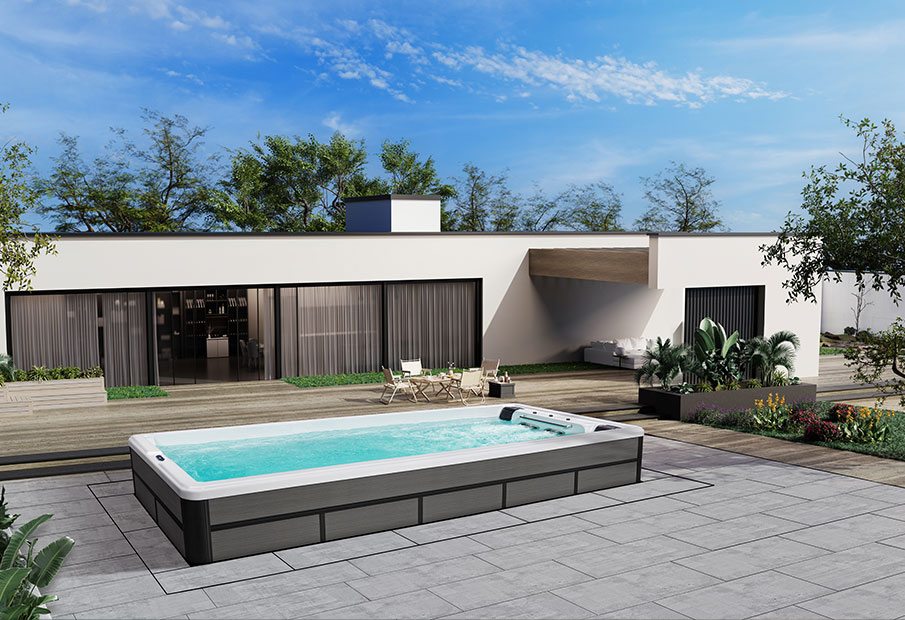
The Infinipool Fspa IP-002 offers a premium swimming experience ideal for residential and commercial use.
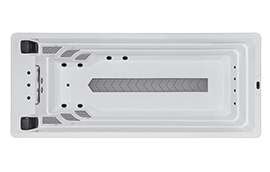
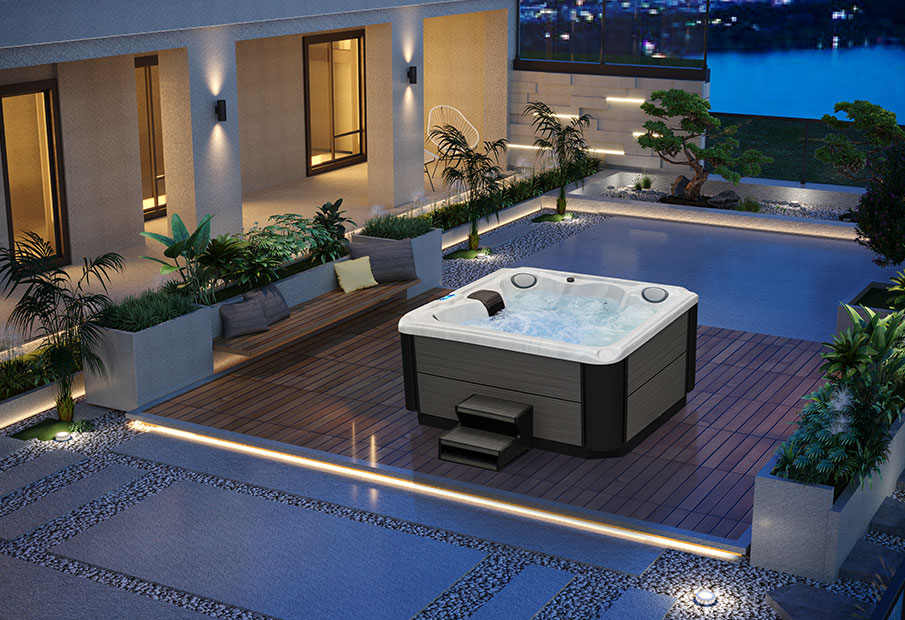
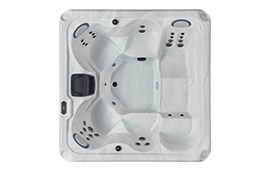
The Fspa BD-008 hot tub, with its spacious design for 6 adults, advanced control system, powerful massage pump, 3kW heater, high-efficiency filter, 35 strategic jets, LED lighting, adjustable features, and ozone sanitation, offers a luxurious and therapeutic spa experience at home, suitable for both residential and commercial settings.
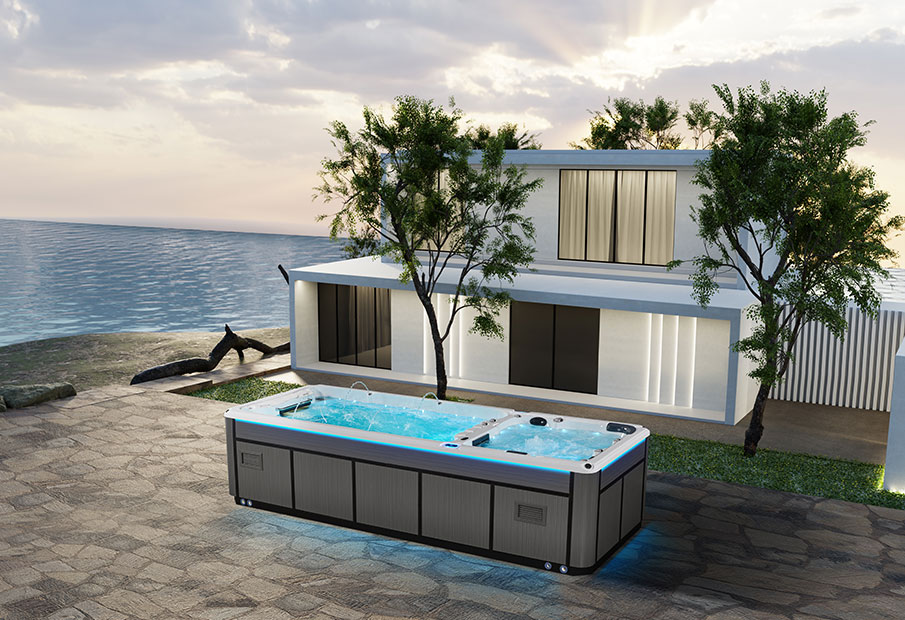
The Infinipool Fspa IP-007Pro is a versatile, luxurious hot tub and swim spa combo, featuring dual systems and customizable options for a complete spa and aquatic therapy experience.
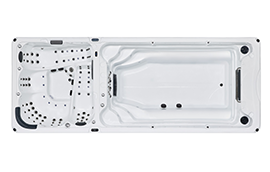
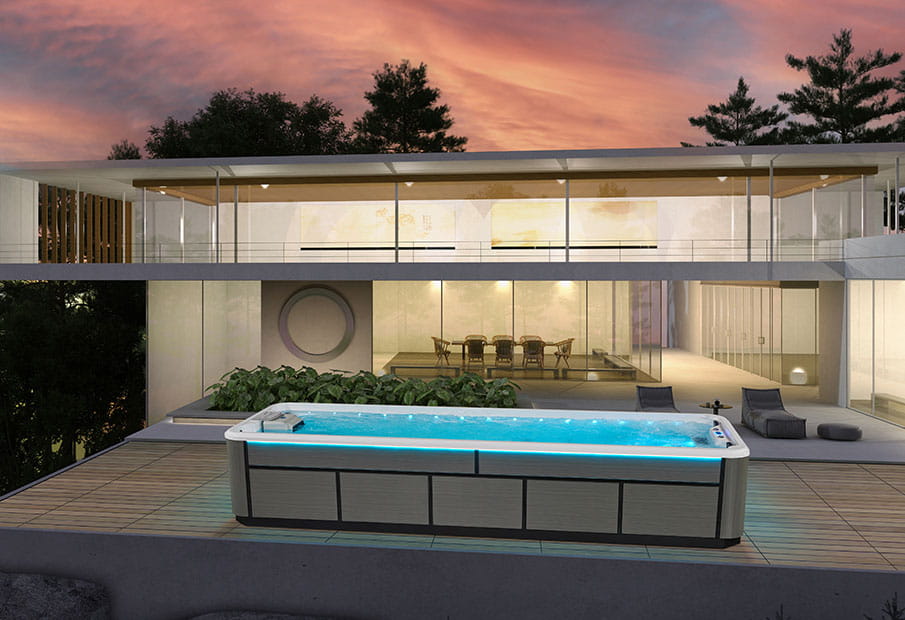
This contemporary infinity pool features dimensions of 7000mm in length, 2200mm in width, and 1335mm in height, highlighting its comprehensive and sophisticated functionality, including a high-efficiency filter pump, a powerful heater, and an advanced ozone system.
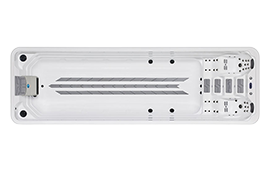
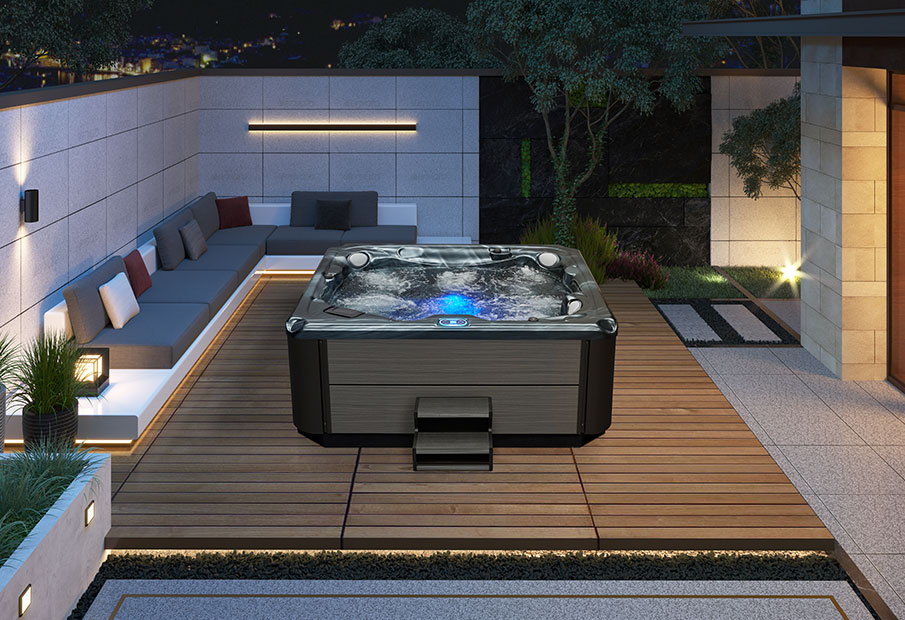
The Fspa BD-005 hot tub, accommodating 6 adults with advanced features including a 2.2kW massage pump, 0.35kW filter pump, 3kW heater, 42 jets, and ozone purification, offers ultimate relaxation in a spacious 2530x2300x900mm pool.
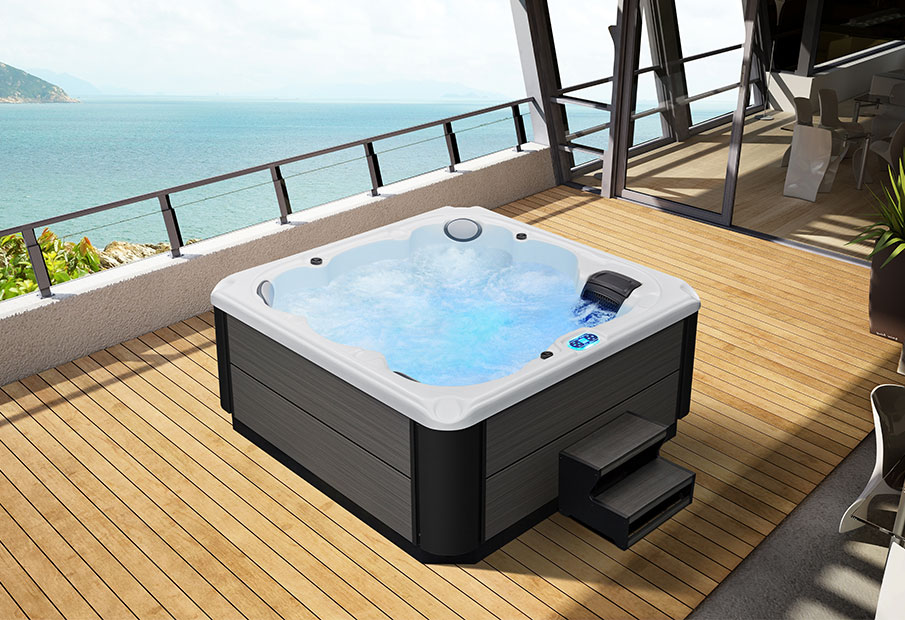
The Fspa BD-012 hot tub, designed for intimate relaxation, features a spacious size for 2 adults, powerful massage pump with 20 jets, temperature-controlled heater, energy-efficient filter pump, ambient LED lighting, and sanitized water with an ozone system, offering a private oasis for ultimate relaxation.
PRODUCTS
INQUIRY
Thank you for your message!Our Chinese New Year holiday from 7th Feb to 28th Feb. Apologise to make your inconvenience so that responses may be delayed during this period. We'll back to you with regular service on 2th March .Thank you for understanding.


