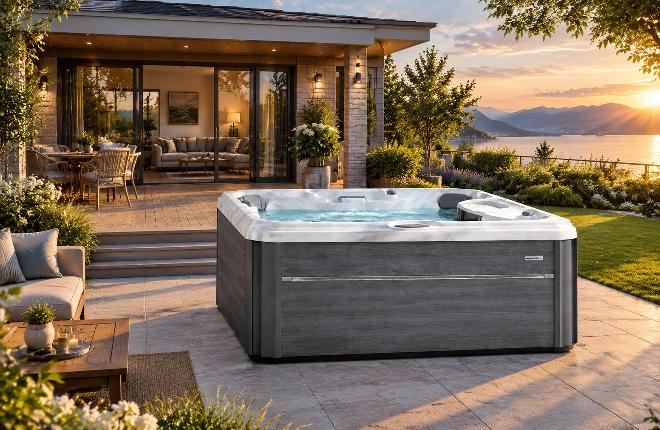
Anyone shopping for a backyard swim spa eventually runs into the same wall: prices swing wildly between listings, and it’s hard to tell why one large unit costs twice as much as another. Large swim spa cost depends on far more than tank size. Pump count, heating capacity, jet configuration, and build quality all pull the number in different directions. This guide breaks down what actually drives the price tag so you can compare quotes without guessing.
A bigger shell means more acrylic, more water, and a stronger frame to support the load, but that’s only part of the equation. Two spas with identical dimensions can differ by thousands of dollars once you factor in jet count, pump horsepower, and control electronics.
Manufacturers often scale features alongside size. A 6-person spa built for family use, for instance, tends to carry a wider jet array and a higher-output heater than a compact 3-person model, simply because there’s more water volume to circulate and more bodies to massage at once. That combination of surface area and mechanical load is where large swim spa cost really accumulates.
Every quote for a large hot tub or swim spa breaks down into a handful of cost centers. Understanding each one helps you spot where a supplier is cutting corners or, conversely, charging fairly for genuine capability.
None of these line items exist in isolation. A stronger pump paired with weak insulation just burns more electricity without improving comfort, so it pays to look at how the whole system fits together rather than any single spec in isolation.
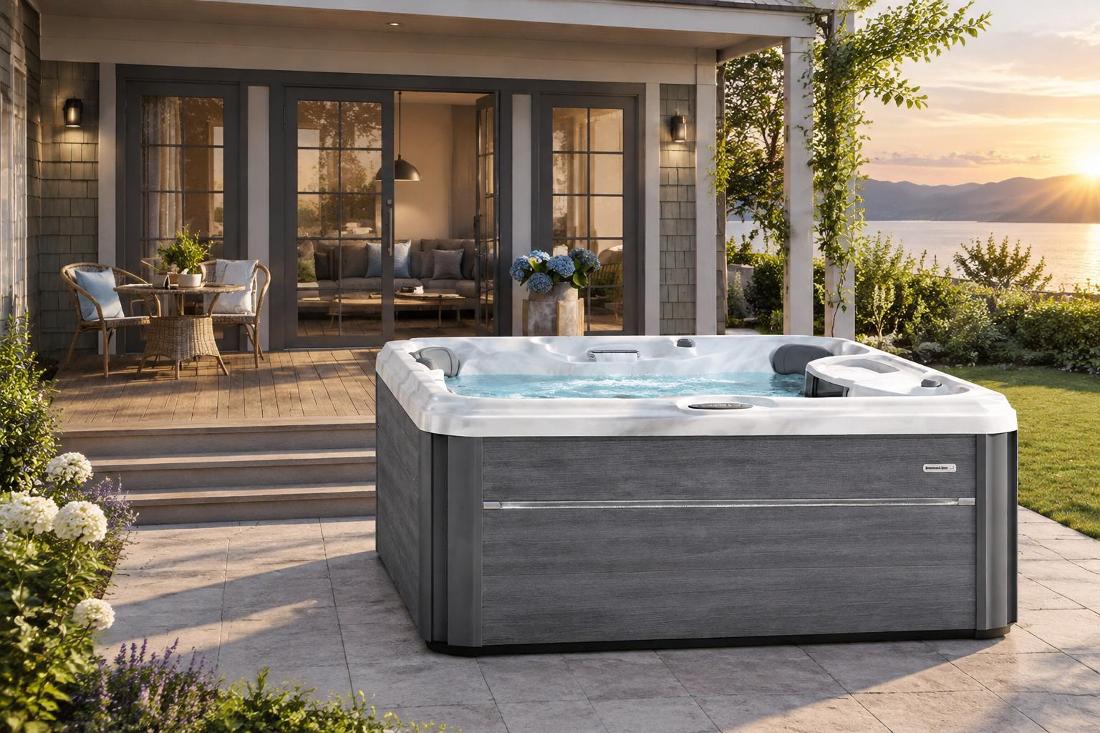
Swim spas and large hot tubs are sold across a fairly wide capacity range, generally from 3-person compact units up to 6-person family spas. Dimensions scale accordingly, with larger models running from roughly 1870x1330mm on the small end to 2530x2300mm for the biggest layouts.
That size jump isn’t just about fitting more people. Larger shells need more robust seating geometry to keep water circulation even across every position, and manufacturers who design well will mold ergonomic seating and footwells rather than just stretching a smaller shape. A model built for 6 adults typically distributes jets across more zones, so no single seat feels like an afterthought.
The table below outlines how typical feature tiers differ, based on common specification ranges seen across residential swim spa and hot tub lines.
| Feature | Entry Tier | Mid Tier | Premium Tier |
|---|---|---|---|
| Capacity | 3 adults | 4-5 adults | 5-6 adults |
| Jet Count | 16-30 | 30-50 | 50-80 |
| Heater Output | 2kW | 2kW-3kW | 3kW |
| Sanitization | Basic chemical | Ozone-assisted | Ozone-assisted |
| Extras | Minimal | LED lighting | LED lighting, audio |
Premium tiers add sensory features like integrated LED lighting and built-in audio, turning the unit into more of a lifestyle fixture than a pure therapy device. Those additions raise large swim spa cost, but they also change how the spa gets used day to day, shifting it from occasional recovery tool to a regular evening destination.
Sticker price only tells half the story. Operating cost matters just as much once the spa is installed and running through its first few seasons.
This is the part buyers underestimate most often. A cheaper unit with weak insulation can cost more over five years than a pricier one that holds heat efficiently, so the purchase price is really just the entry fee, not the full bill.
Where the spa goes changes what you should be paying for. A villa with a large deck can accommodate a 6-person unit with room to spare, while a townhouse courtyard might only fit a compact 3-person footprint. Hotels, boutique B&Bs, and fitness centers face a different calculus entirely, since a commercial setting sees heavier daily use and benefits from the more robust pump and heater specs found in higher tiers.
Rehabilitation and physiotherapy centers lean toward configurations with a denser jet layout, since targeted hydrotherapy is the actual point of the purchase rather than a bonus feature. In that context, paying more for a higher jet count isn’t a luxury upgrade, it’s the functional requirement the whole purchase is built around.
Does a larger swim spa always cost proportionally more than a smaller one?
Not exactly. Size drives up material and water volume cost, but jet count, pump power, and added features like lighting or audio often account for a bigger share of the price difference than shell dimensions alone.
Is ozone sanitization worth the extra cost?
For most owners, yes, since it reduces how often chemicals need to be purchased and dosed manually, which lowers the maintenance burden over the life of the spa.
What’s the biggest hidden cost people forget when budgeting?
Electricity and heat retention. A spa with a high-output heater and a poorly insulated cover will run up utility costs well beyond what the purchase price suggested.
How many jets do I actually need?
It depends on use case. Family relaxation can be well served by 30-40 jets, while therapeutic or rehabilitation-focused use often benefits from denser configurations in the 50-80 range.
Budgeting for a large swim spa means separating genuine performance upgrades from features that just look good in a showroom. Focus first on capacity that actually matches your household or facility, then check heater output and pump power against your climate, and only after that weigh in the sensory extras.
For us, and for most manufacturers building intelligent outdoor spa and swimming pool systems for residential and commercial use, the goal of transparent specifications is to let buyers make that comparison honestly. When you know what’s driving large swim spa cost, from jet density to sanitization method to shell construction, you stop comparing sticker prices and start comparing actual value.
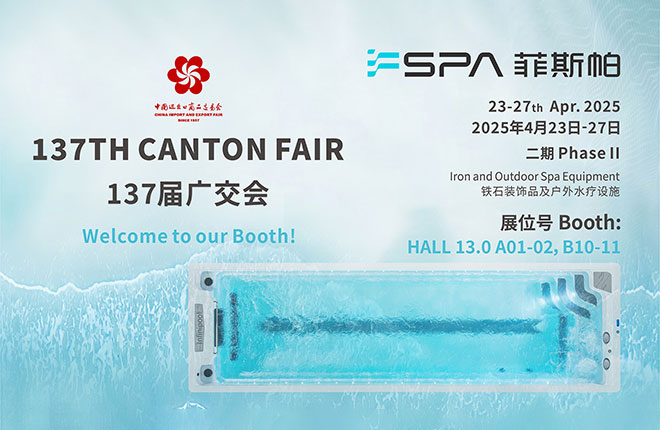
FSPA Gears Up for the 137th Canton Fair: An Outdoor Exhibition Extravaganza!
We are thrilled to announce that FSPA will be participating in the 137th Canton Fair, taking place from April 23rd to 27th, 2025. Our booth, located at Hall 13.0 A01-02, B10-11, is an outdoor exhibition space perfectly suited to showcase our latest offerings: luxurious hot tubs, state-of-the-art swim spas, and invigorating cold plunges.
Our hot tubs are designed for ultimate relaxation, featuring advanced hydrotherapy jets and ergonomic seating. The swim spas combine the benefits of swimming and spa therapy, offering a versatile fitness and wellness solution. And our cold plunges, gaining popularity for their numerous health benefits, provide a refreshing way to recover and rejuvenate.
We are excited to welcome visitors to our booth and introduce them to our innovative products. With their sleek designs and superior functionality, we anticipate significant interest from buyers seeking high-quality outdoor wellness solutions. Our team is ready to answer inquiries, provide product demonstrations, and discuss partnership opportunities.
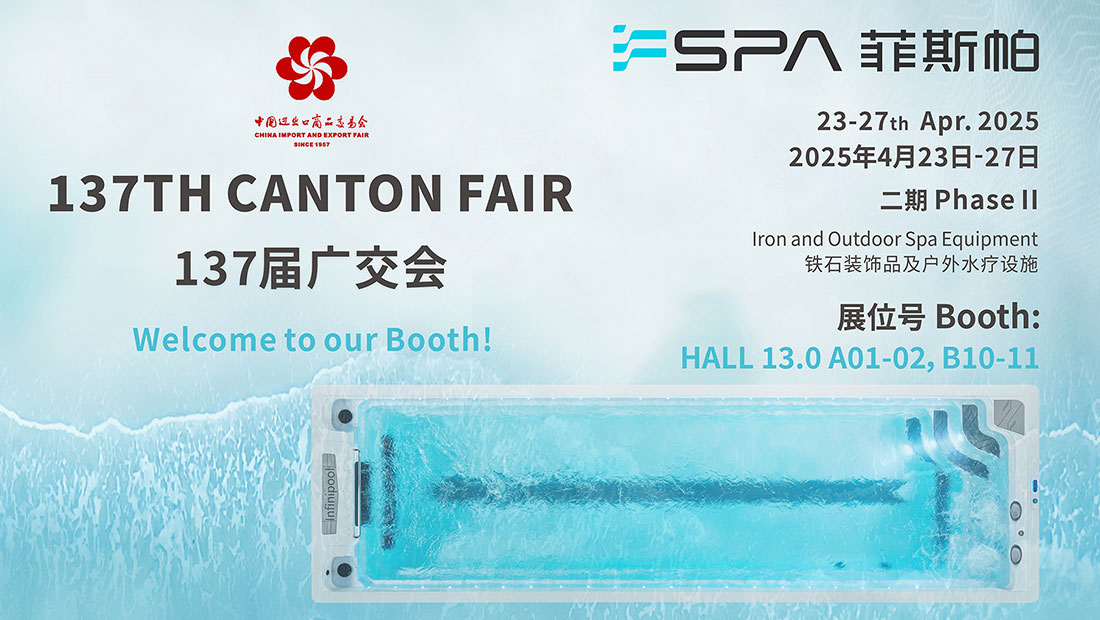
Don’t miss the chance to experience the FSPA difference firsthand. We look forward to connecting with industry professionals, potential clients, and fellow enthusiasts at the Canton Fair. For more information or to schedule a meeting, please contact us – FSPA! Let’s dive into wellness together!
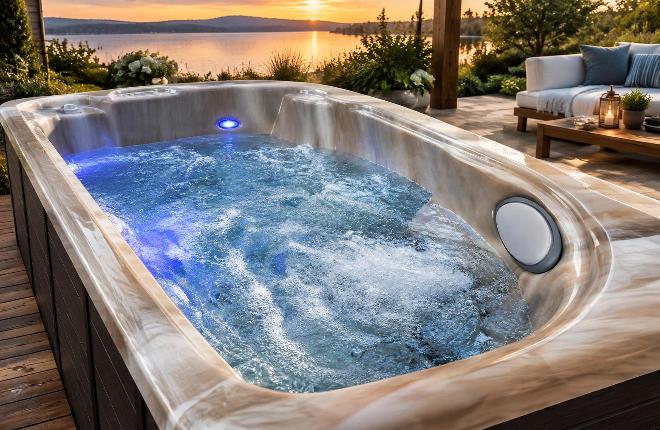
Choosing an Outdoor Swim Spa for Year-Round Backyard Hydrotherapy
An outdoor swim spa sits in that odd middle ground between a hot tub and a lap pool, and most buyers spend weeks trying to figure out which category actually fits their life. If you want warm water massage after a long day but also want something big enough to feel like a real feature in your backyard, the swim spa category exists precisely for that gap. This guide walks through how these units work, what to check before buying, and how a model like the Fspa BD-004 fits into common outdoor setups.
A standard hot tub is built for sitting and soaking. A pool is built for swimming laps or letting kids splash around. An outdoor swim spa borrows pieces from both, but it’s not simply a smaller pool with jets bolted on.
The defining trait is water volume paired with a compact footprint. A unit holding around 1,450 liters of water, for example, still fits on a standard deck or patio slab without the excavation and plumbing work a full pool demands. That’s the whole appeal: hydrotherapy and social soaking space without turning your yard into a construction site for a summer.
Water consumption is another practical angle worth considering. Because these units recirculate and filter a fixed volume rather than draining and refilling constantly, they use meaningfully less water than an in-ground pool over a season. For anyone in a drought-prone region or paying metered water rates, that’s not a minor detail.
Manufacturers publish a lot of numbers, and most of them matter less than buyers assume. Here’s what actually affects daily use, using the BD-004 as a reference point for a 6-person outdoor swim spa.
| Spec | BD-004 Value | Why It Matters |
|---|---|---|
| Capacity | 6 adults | Determines seating layout and realistic party size |
| Dimensions | 2350 x 2350 x 900mm | Confirms deck or patio space needed before delivery |
| Total Power | 5.55kW | Sets electrical circuit requirements |
| Massage Pump | 2.2kW x 1 | Drives jet pressure and flow |
| Heater | 3kW x 1 | Governs how fast water reaches target temperature |
| Jet Count | 35 | Distribution across seats, not just a raw number |
| Water Capacity | 1,450L | Affects fill time and chemical dosing |
| Net Weight | 317kg | Relevant for deck load calculations, empty |
Jet count gets thrown around as a marketing number, but distribution matters more than quantity. Thirty-five jets spread across six ergonomically contoured seats means most bathers get consistent pressure on the back, calves, and feet, rather than one or two seats doing all the work while the others sit idle.
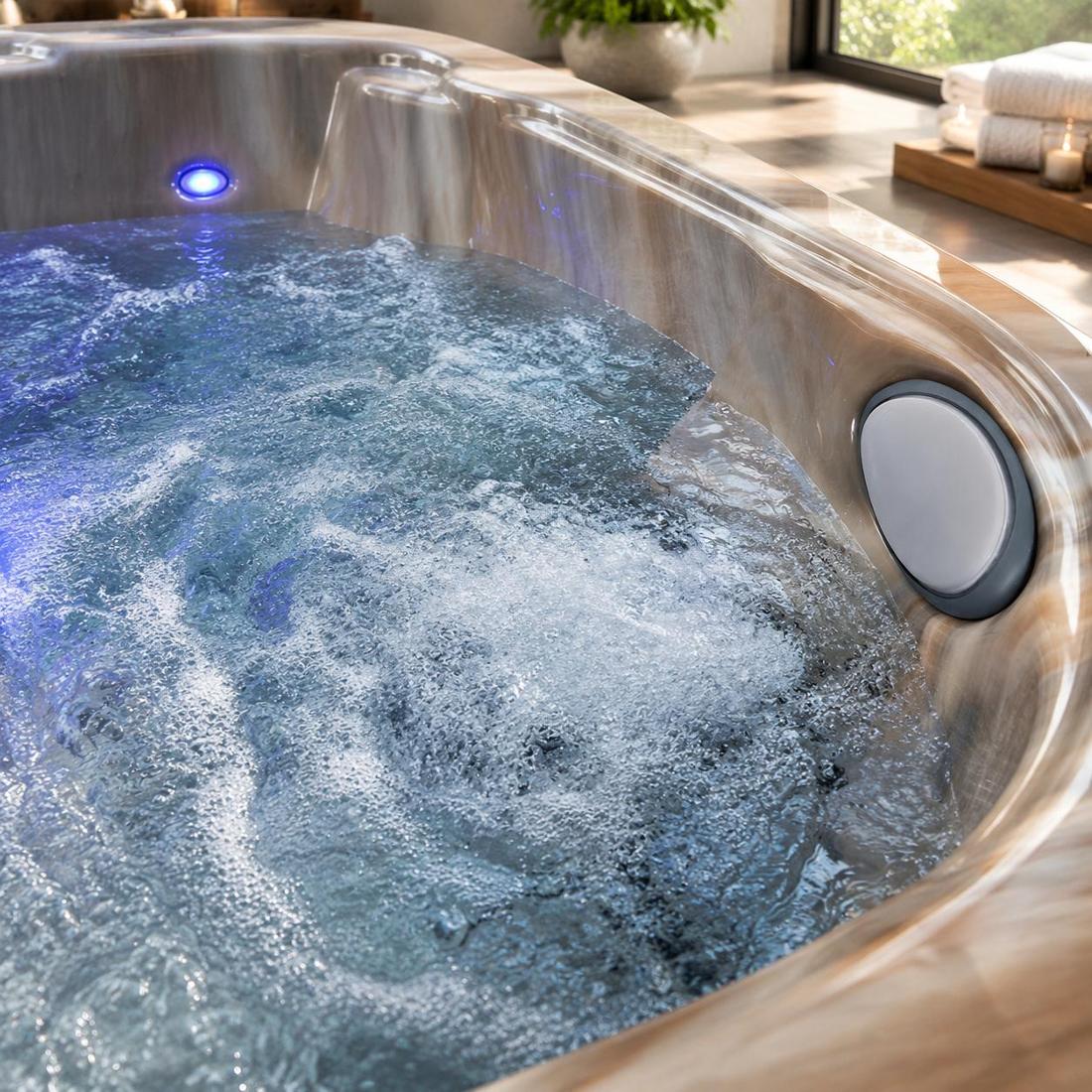
Jets only work well if the body sits where they’re aimed. This is where ergonomic shell design earns its place in the spec sheet instead of being a throwaway phrase. According to the manufacturer’s product information, the BD-004’s seats and backrests are contoured to follow the body’s natural curves, with jets and controls positioned so a bather doesn’t have to shift or brace against the shell to feel the massage.
One detail that gets overlooked: headrest design. A corner seat with a contoured headrest, paired with a pillow system aligned to support the neck and spine, changes a five-minute soak into something you can comfortably sit through for twenty. According to the manufacturer’s product documentation, the unit’s pillow system is designed to help align the spine during use, which matters most for anyone using the spa for post-exercise recovery rather than casual lounging.
Water maintenance is the single biggest reason people abandon a spa within the first year. Manual chlorine dosing, cloudy water, and biofilm buildup on jets are common complaints, and they’re almost always a sanitization system problem rather than a design flaw.
An integrated ozone system, like the one built into the BD-004, generates ozone gas that oxidizes contaminants as water circulates, which reduces how often you need to manually shock the water with chemicals. It doesn’t eliminate the need for a sanitizer altogether, but it does cut down the frequency and guesswork involved in keeping water clear between deeper cleanings.
Practical maintenance still comes down to a short routine:
LED lighting positioned at the base of the shell does more than look good at night. According to the manufacturer, the BD-004’s bottom-positioned blue LED lighting is intended to create a calming, immersive atmosphere that supports relaxation, an effect that matters more at dusk or after dark when most people actually use their outdoor swim spa. Lighting also has a practical safety function outdoors, marking the water’s edge and seat boundaries when ambient light is low.
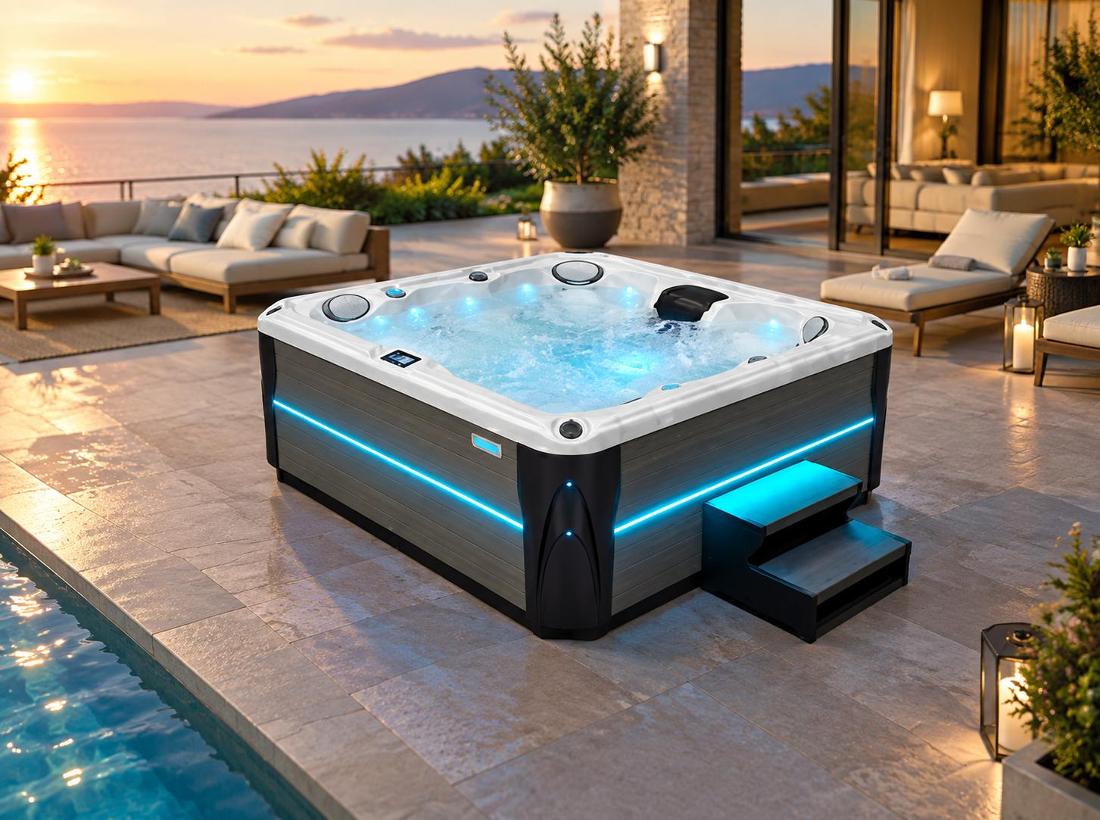
Placement drives half the buying decision, whether people realize it upfront or not. A unit sized for six adults with a footprint just under 2.4 meters square works across several common settings:
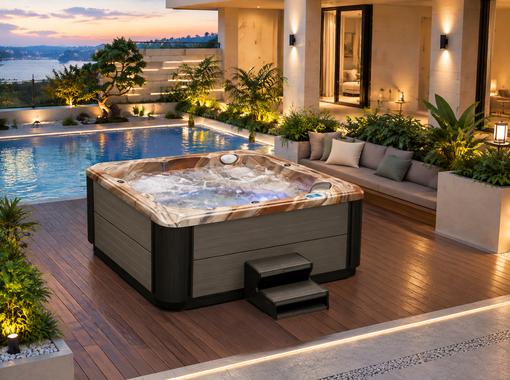
Before installing any outdoor swim spa, confirm three things with a contractor or electrician: the deck or pad can bear the filled weight (water plus shell plus bathers, not just the 317kg dry weight), the electrical supply matches the unit’s total power draw, and drainage is planned for periodic water changes.
Does an outdoor swim spa need a dedicated electrical circuit?
Yes. A unit with a 5.55kW total system, combining pump and heater loads, requires a dedicated circuit sized to local electrical code. This should always be confirmed with a licensed electrician before installation.
How long does it take to heat the water from cold fill?
Heating time depends on the heater’s output relative to water volume and ambient temperature, and varies by installation. A 3kW heater working with roughly 1,450L will take longer in cold climates than in mild ones, so realistic expectations should come from the installer based on local conditions.
Can a swim spa like this be used year-round outdoors?
That depends on climate and insulation. Cabinet insulation and cover quality matter as much as heater capacity in cold regions, so check those specs specifically if you’re planning winter use.
Is ozone sanitization a replacement for chemical sanitizer?
No. Ozone systems reduce sanitizer demand and maintenance frequency, but most manufacturers still recommend a baseline chemical residual for safe water quality between ozone cycles.
The right outdoor swim spa depends less on brand claims and more on how well the seat layout, power draw, and footprint match your actual space and usage pattern. A 6-person model with 35 jets, an ozone sanitization system, and contoured ergonomic seating, like the BD-004, fits households and small hospitality settings looking for genuine hydrotherapy rather than a shallow soak. Whatever model you land on, checking the water capacity, power requirements, and maintenance routine against your climate and household size will tell you more than any spec sheet headline.
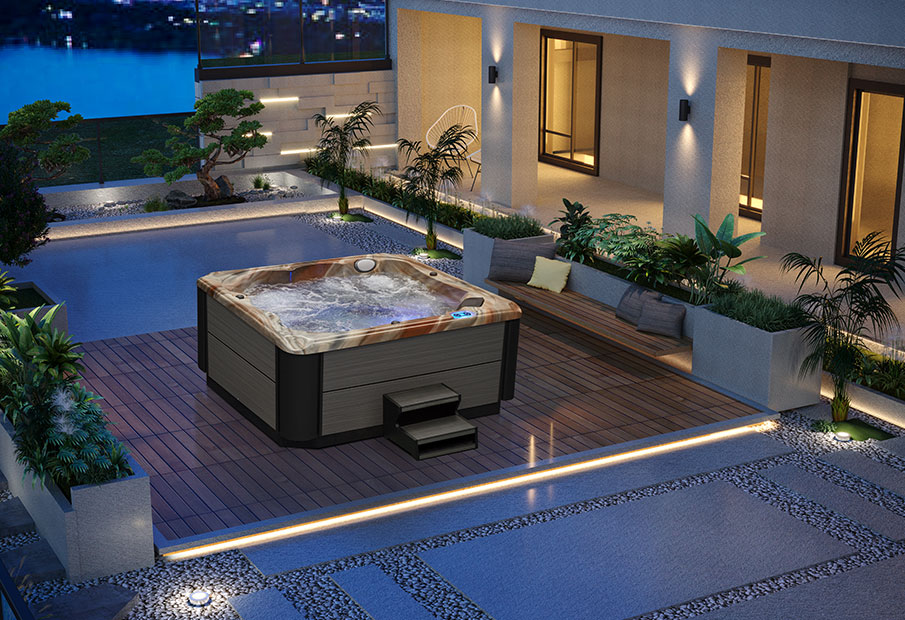
Fspa BD-004 spa, designed for ultimate relaxation, comfortably accommodating 6 adults with a powerful 5.55kW system, 35 targeted massage jets, clean water circulation, calming LED lighting, customizable air flow, ozone sanitization, and easy maintenance features.
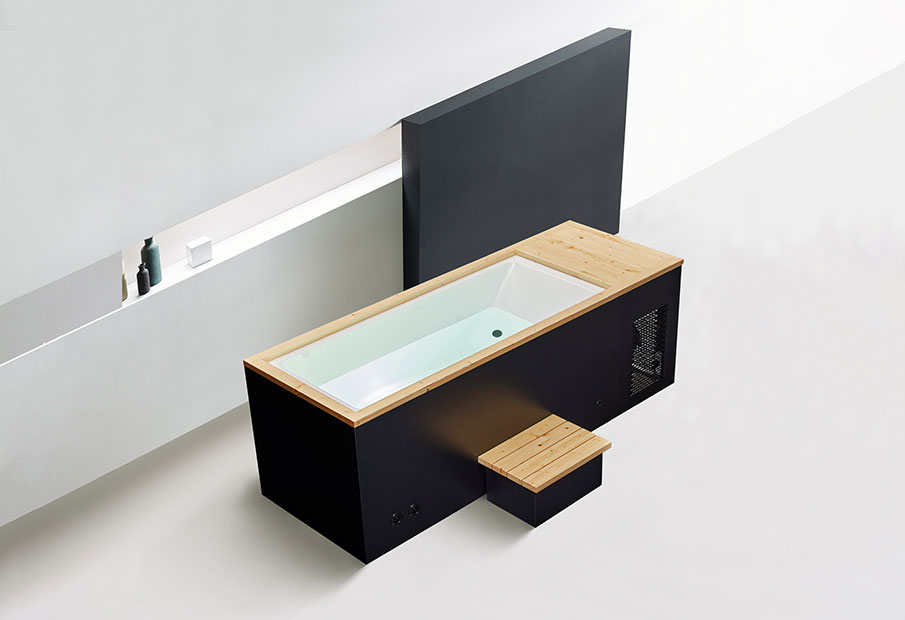
This ice-water bathtub is ideal for helping muscle recovery, adjust body temperature, improve mental health and enjoy a customized and convenient bathing experience.
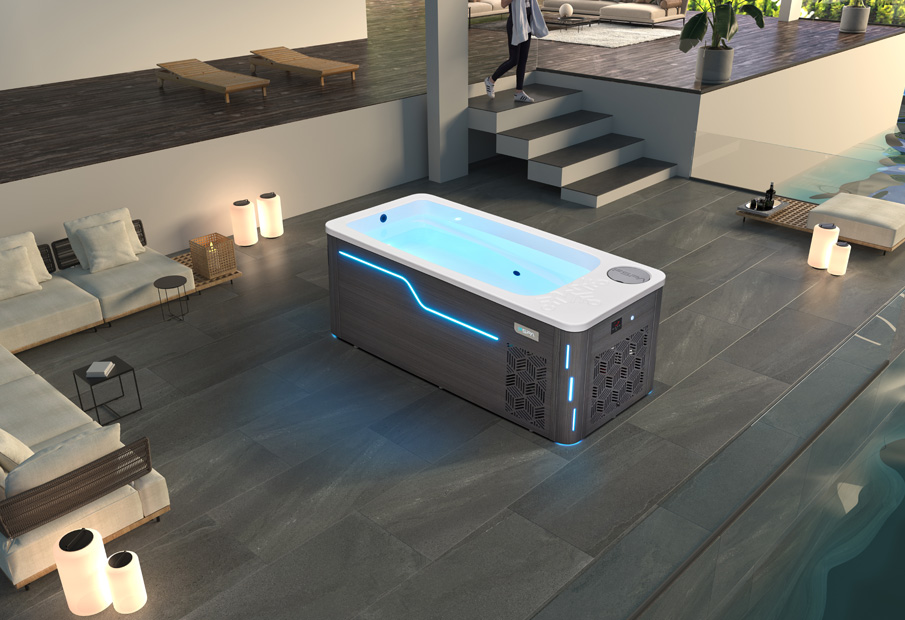
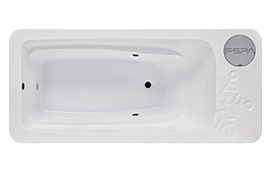
Introducing the Fspa IS-006 Cold Plunge, a spacious and luxurious immersion therapy tub tailored for maximum relaxation and recovery. Measuring 2110mm*950mm*800mm, it offers ample space for a comforting and refreshing dip.
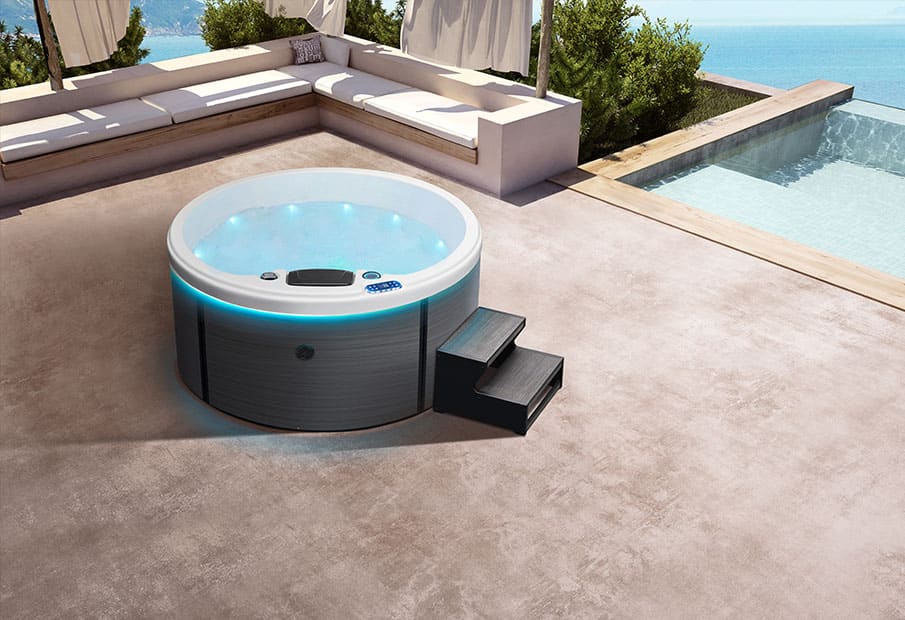
The Fspa BD-018Pro Hot Tub is a stylish, spacious spa for 5 adults, featuring a powerful massage system, modern amenities, and an advanced filtration system for a luxurious, relaxing, and healthy indoor/outdoor retreat.
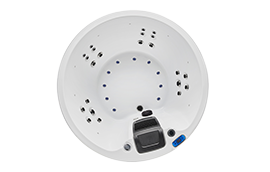
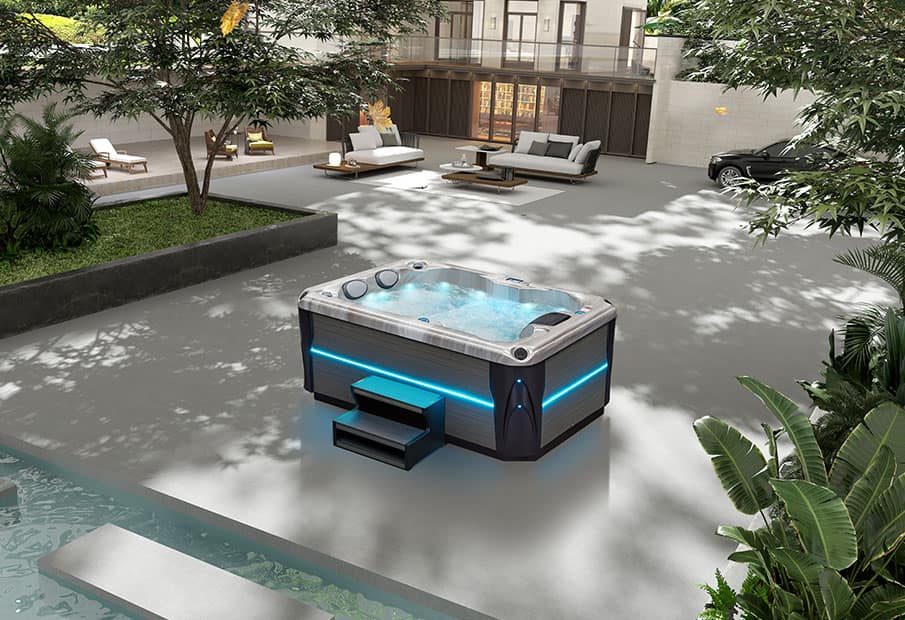
The Fspa BD-015Pro Hot Tub, designed for up to 4 adults, offers ultimate relaxation with its robust control system, invigorating massage features, consistent water temperature, modern amenities, advanced filtration, and suitability for indoor or outdoor use.
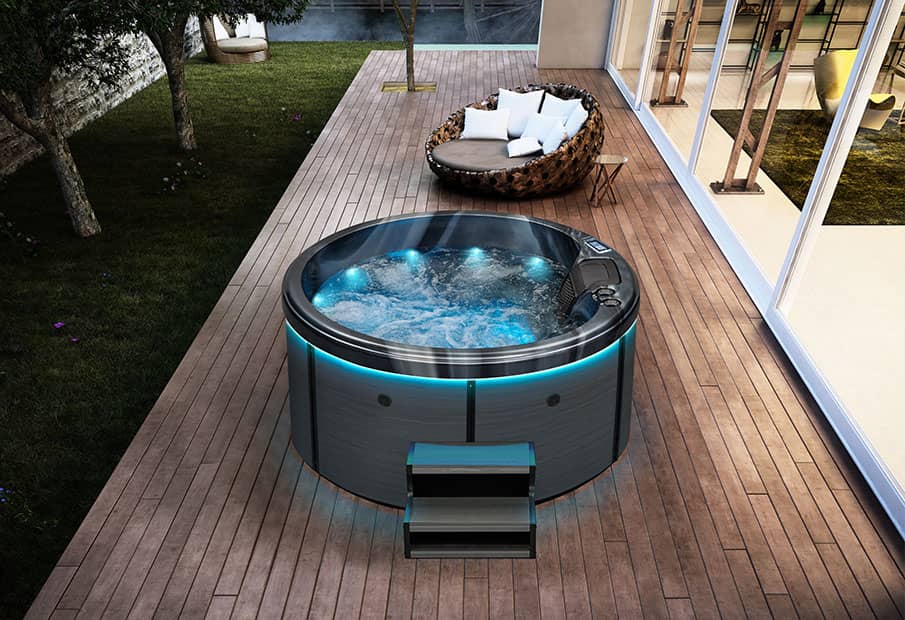
The Fspa BD-017Pro Hot Tub, spacious enough for 5 adults, offers a serene and rejuvenating experience with advanced controls, powerful massage and filtration systems, modern amenities, and suitability for indoor or outdoor use.
PRODUCTS
INQUIRY
Thank you for your message!Our Chinese New Year holiday from 7th Feb to 28th Feb. Apologise to make your inconvenience so that responses may be delayed during this period. We'll back to you with regular service on 2th March .Thank you for understanding.


