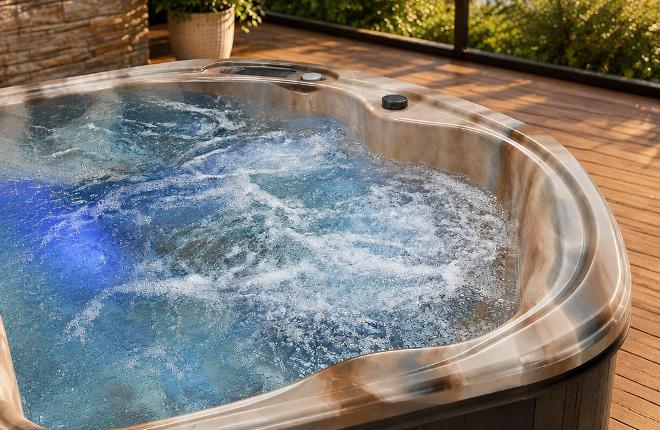
Anyone comparing an outdoor swim spa cost against a traditional pool quickly runs into a wall of conflicting numbers. Quotes range from a few thousand dollars to well over twenty thousand, and the spread makes it hard to know what you are actually paying for. The truth is that swim spa pricing depends on a handful of measurable factors: size, pump configuration, jet count, cabinet materials, and installation complexity. Once you understand how these pieces fit together, the cost stops feeling arbitrary and starts looking like a straightforward equation.
A swim spa is not one product category, it is a spectrum. On one end sit compact plug-and-play units meant for light hydrotherapy. On the other end sit larger, multi-person systems built for both swimming resistance and massage therapy, closer in complexity to a small mechanical room than a simple tub.
That spread in function is the main reason quotes vary so widely. A unit with a single pump and a dozen jets will always cost less than one with dual massage pumps, a dedicated filtration pump, and thirty-plus jets. The BD-004, a 6-person portable spa built by our team, runs a 5.55kW total system split across a 2.2kW massage pump, a 0.35kW filter pump, and a 3kW heater. That kind of load distribution is typical of mid-to-large hydrotherapy spas, and it directly affects both purchase price and ongoing electricity use.
Before comparing quotes, it helps to separate the spa itself from everything around it. Buyers often anchor on the sticker price and forget that delivery, electrical work, and a suitable base can add a meaningful percentage on top.
| Cost Component | What It Covers | Typical Impact on Total Cost |
|---|---|---|
| Unit price | Shell, pumps, jets, heater, control system | Largest single line item |
| Electrical hookup | Dedicated circuit, GFCI protection, wiring to panel | Moderate, varies by distance to panel |
| Base or pad | Reinforced concrete, paver, or deck-rated platform | Moderate, depends on ground conditions |
| Delivery and placement | Crane or manual placement depending on access | Low to moderate, site-dependent |
| Water and chemicals | Initial fill plus ongoing sanitization | Low, recurring |
| Cover and accessories | Insulated cover, steps, cabinet skirting | Low to moderate |
Skipping the base or underestimating electrical needs is where budgets usually go wrong. A unit like the BD-004 weighs 317kg dry and holds 1450L of water, which adds up to well over a ton once filled. That weight has to rest on something rated for it, not a patch of lawn.
Capacity is the first number most shoppers look at, and it should be. A 2-person spa and a 6-person spa are not scaled versions of the same product, they are different mechanical systems entirely.
Larger capacity means more water volume, which means a stronger heater is needed to bring the spa up to temperature in a reasonable window. It also means more jets, which means either a bigger single pump or multiple pumps working in parallel. The BD-004, for example, uses 35 jets across a 2350x2350x900mm shell designed for six adults. Every one of those jets draws hydraulic pressure from the pump system, so jet count and pump size have to be matched carefully by the manufacturer, not left to guesswork.
Buyers shopping purely by seat count often miss this. Two spas rated for six people can carry very different pump specifications, and that difference shows up both in the purchase price and in the monthly power bill.
Jets get the marketing attention, but pumps are where the engineering complexity lives. Splitting massage and filtration into separate pumps, rather than running everything off one motor, lets the filtration cycle run quietly and continuously without competing for pressure against the massage jets.
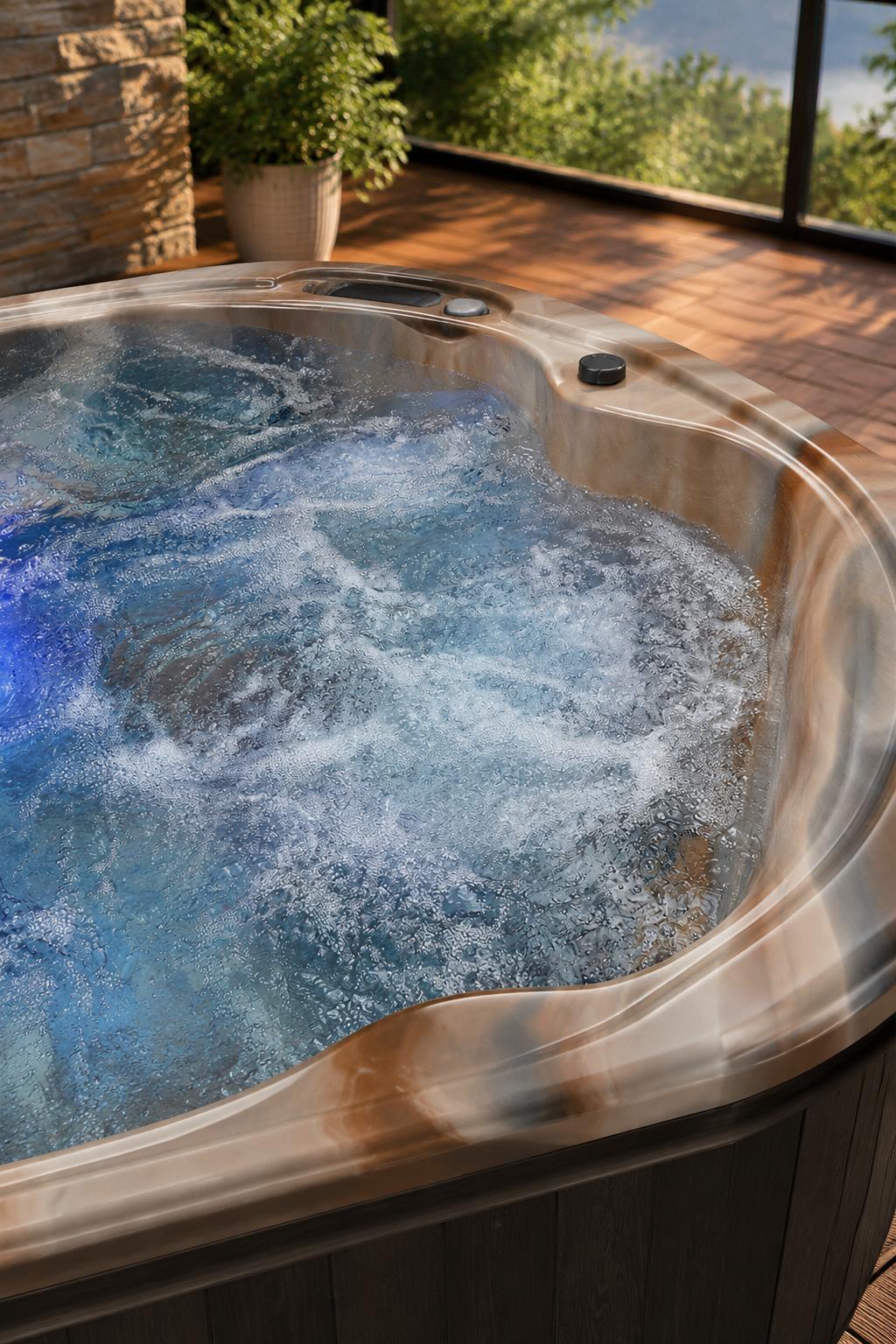
Here is what typically separates a basic setup from a more capable one:
This is also where ergonomic seating comes into the pricing conversation. Contoured seats and backrests, paired with headrests positioned to support the neck, require more precise mold tooling during manufacturing. That tooling cost is spread across the unit price, which is part of why well-shaped acrylic shells cost more than flat, generic ones.
The cabinet, the outer skirting around the shell, plays a bigger role in outdoor swim spa cost than most buyers expect. Outdoor placement means constant exposure to UV, moisture, and temperature swings, so cabinet material choice is not cosmetic, it is functional.
Wood-grain composite panels, like those used on the BD-004’s dark grey cabinet, resist warping better than raw wood while still giving a natural appearance. That composite construction typically costs more than basic plastic skirting but avoids the recurring cost of repainting or replacing warped panels every few seasons. Buyers planning a long-term outdoor installation should weigh this against a lower sticker price on units with thinner cabinet materials.
Water treatment is an ongoing cost that rarely gets discussed until after purchase. Manual chemical dosing works, but it demands regular attention and a steady supply of sanitizing product.
An integrated ozone system, included on the BD-004, reduces how often chemical sanitizers need to be added by helping break down organic contaminants during water circulation. According to the manufacturer’s specifications, this lowers hands-on maintenance time without eliminating the need for periodic water testing. For owners installing a spa at a hotel gym or a rental property, where maintenance visits are limited, that reduction in manual upkeep can matter more than the jet count.
Certification labels are easy to skim past on a spec sheet, but they carry real weight for both safety and resale value. CE, CB, and SAA certifications indicate the unit has been evaluated against recognized electrical and safety standards in their respective regions. CTUVus specifically covers North American electrical safety compliance.
For commercial buyers, certifications are often non-negotiable, insurance providers and local building codes may require them outright. For residential buyers, certifications are a reasonable proxy for manufacturing quality control, since passing these evaluations requires consistent production standards.
Application context changes what "good value" even means. A unit sized and priced for a backyard retreat is not necessarily the right fit for a commercial fitness center, and vice versa.
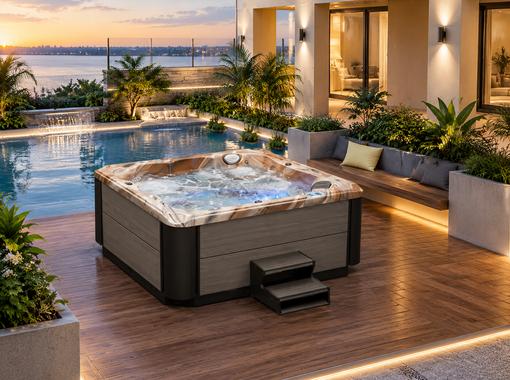
Matching the spa’s build to its intended setting prevents the common mistake of buying based on price alone, then discovering the unit was never designed for that environment’s demands.
Does outdoor swim spa cost include installation?
Not usually. Most quotes cover the unit itself. Electrical hookup, base preparation, and delivery are typically priced separately and should be requested as a full estimate before committing.
Is a bigger spa always more expensive to run?
Generally yes, since more water volume requires more heating energy, but the gap narrows with efficient insulation and a well-matched heater size relative to the shell.
Do more jets always mean better hydrotherapy?
Not necessarily. Jet placement and pump pressure matter more than raw count. A well-engineered 35-jet layout can outperform a poorly balanced 50-jet system.
How long does an outdoor cabinet typically last?
This varies by material and climate exposure. Composite wood-grain panels generally outlast basic plastic skirting in outdoor conditions, though exact lifespan depends on regional weather and maintenance.
The most reliable way to evaluate outdoor swim spa cost is to request an itemized quote that separates the unit price from installation extras. Ask specifically about pump configuration, water capacity, and certification status, since these three factors explain most of the price variation between comparable-looking units. For us, working across hotel, villa, and rehabilitation center installations has shown that the buyers who ask these questions upfront avoid the budget surprises that come later. Treat the initial quote as a starting point, not the final number, and the real outdoor swim spa cost will be far easier to predict.
The Real Trade-Offs of Choosing a Wooden Cold Plunge Tub
A wooden cold plunge tub sits at an odd intersection of tradition and performance gear. People want the aesthetic warmth of timber, but they also want reliable cold exposure without babysitting a chiller or scrubbing algae off staves every week. That tension is worth unpacking before you spend money on one.
Cold plunging itself is simple: submerge in water well below body temperature for a short, controlled period. The container, though, changes almost everything about the daily experience, from maintenance time to how long the tub lasts outdoors.
Wood has a sensory pull that acrylic or plastic tanks don’t match. Cedar and spruce staved tubs look like something built by hand, not molded in a factory, and that matters to people who use their backyard as a retreat rather than a utility space.
There’s also a thermal argument, though it gets exaggerated online. Wood insulates somewhat better than thin plastic, so a wooden tub loses heat more slowly than a bare polymer shell of similar thickness. That’s a modest practical benefit, not a dramatic one, and it shouldn’t be the deciding factor on its own.
The bigger draw is usually visual integration. A cedar plunge tub fits naturally on a wooden deck, next to a sauna, or in a garden setting where a stark white acrylic shell would look out of place.
Wood is a porous, living material, and that’s precisely what makes it beautiful and difficult at the same time. Left untreated, staved tubs can develop leaks as the wood dries and shrinks, especially in low-humidity climates or during winter heating season indoors.
Owners typically need to:
None of this is unmanageable, but it’s a real time commitment that a rigid acrylic or fiberglass spa shell simply doesn’t require. Anyone comparing a wooden cold plunge tub against a manufactured hot tub shell should weigh upkeep hours, not just sticker price.
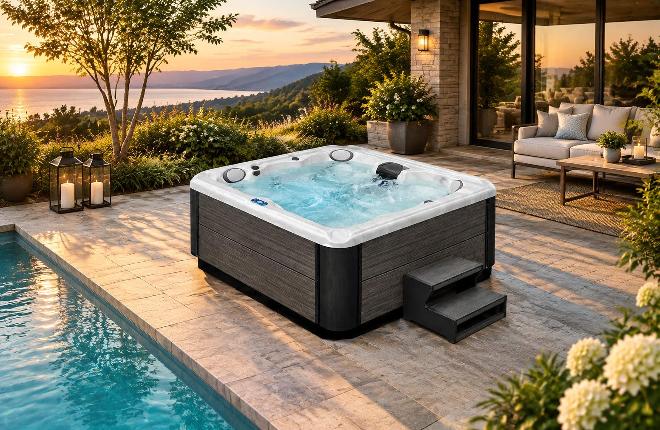
This is where it’s worth stepping back from wood entirely and looking at how modern spa manufacturing solves some of the problems wood creates. We build spa shells like the BD-001, a 2100 x 2100 x 900mm acrylic unit designed for up to six adults, using a marble-effect composite shell paired with a wood-grain exterior cabinet.
That combination matters for a specific reason. The cabinet gives you the visual warmth people associate with timber tubs, dark, horizontal-slat wood-grain panels that sit well against a stone patio or garden deck. Meanwhile, the acrylic shell underneath avoids the shrinkage, leaking, and sealant maintenance that raw wood staves demand.
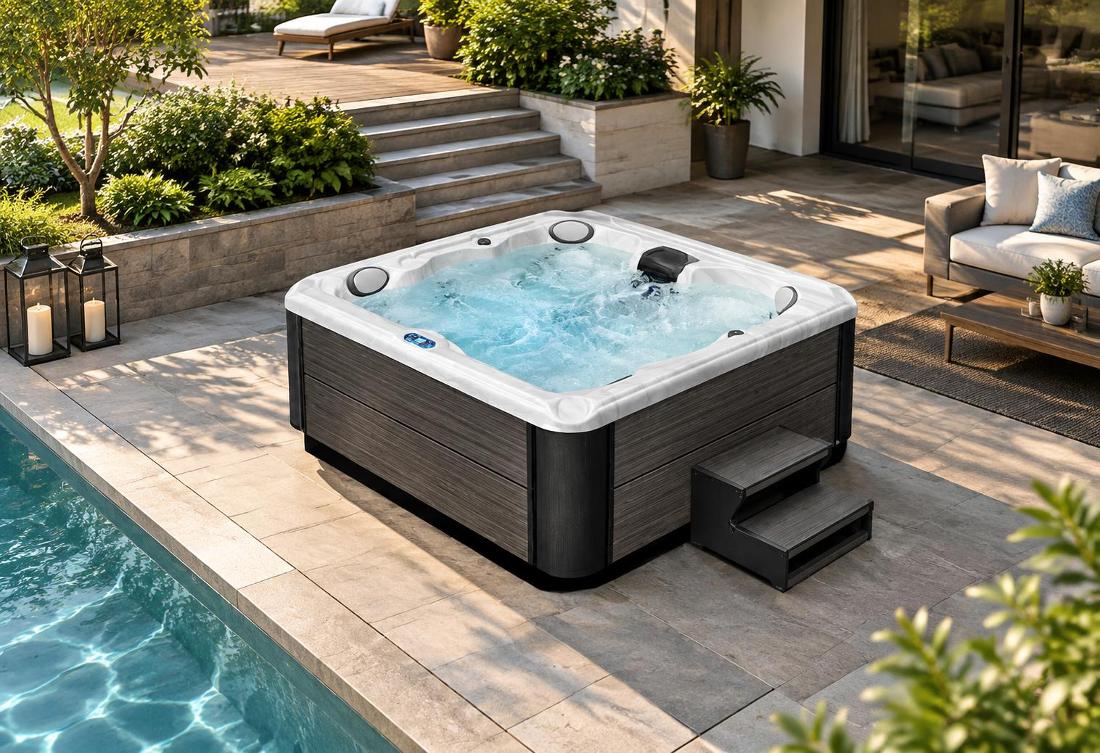
It’s not a direct substitute for a true wooden plunge tub, since the interior experience and material feel are different. But for buyers who want the wood aesthetic without the seasonal maintenance load, it’s a relevant middle path.
Traditional wooden cold plunge tubs vary widely in size, from single-person barrels around 700-900mm in diameter to larger communal versions. Manufactured alternatives tend to specify capacity more precisely because the tooling is fixed.
| Consideration | Traditional Wood Stave Tub | Manufactured Shell with Wood-Grain Cabinet |
|---|---|---|
| Typical capacity | 1-4 adults, model dependent | Up to 6 adults (e.g. BD-001) |
| Water volume | Varies by stave diameter and height | Fixed, e.g. 1000L on BD-001 |
| Insulation | Moderate, wood-dependent | Depends on shell and cabinet construction |
| Temperature control | Usually manual, ice or chiller add-on | Digital control panel with built-in heater |
| Maintenance | Seasonal sealing, hoop checks, shrink monitoring | Standard filtration and water chemistry upkeep |
The heater point is worth pausing on. Most wooden cold plunge tubs are cold-only by design, and adding a chiller is a separate purchase and installation step. A unit like the BD-001 goes the opposite direction, with a 3kW heater built in per the product’s specifications, since its intended use spans warm hydrotherapy rather than cold immersion specifically.
Choosing between a wood stave tub and a manufactured shell really comes down to what you’re solving for.
Jet count and pump configuration also factor into the decision when the tub will double as a hydrotherapy space. The BD-001, for example, is specified with 31 jets driven by a 2.2kW massage pump, alongside a separate 0.35kW filter pump and ozone system for water hygiene, features that pure cold plunge tubs generally skip since they’re not designed for warm, jetted use.
Does a wooden cold plunge tub need a chiller to stay cold?
In warm climates or during summer, yes, most owners add a chiller since ambient groundwater or hose-filled water isn’t reliably cold enough year-round. In cooler regions, some owners rely on ice or simply cold tap water.
Can wood staves crack in freezing weather?
Extreme freeze-thaw cycles can stress wood joints, particularly if the tub is drained and left empty over winter. Manufacturer guidance on winterizing should be followed closely in cold climates.
Is a wood-grain cabinet on an acrylic spa the same as real wood?
No. It’s a composite or engineered panel styled to resemble wood grain, chosen specifically because it doesn’t carry the same maintenance requirements as untreated timber.
How long does a wooden plunge tub typically last?
With consistent maintenance, staved wood tubs can last many years, but lifespan drops sharply if sealing and moisture upkeep are neglected.
Before settling on a wooden cold plunge tub, it helps to be honest about how much upkeep you’re willing to do. The material rewards attention and punishes neglect, which is a fair trade for some buyers and a dealbreaker for others.
For those who want the timber look integrated into a more versatile, lower-maintenance product, hybrid options exist. Spas built with acrylic shells and wood-style cabinet panels, applicable in hotel outdoor areas, backyard installations, or even indoor balcony setups, offer a related but distinct path that trades some material authenticity for convenience and multi-temperature functionality.
Either route can deliver a genuinely good outdoor wellness feature. The right call depends on whether you’re chasing the ritual of true cold plunge therapy in a classic wooden vessel, or a broader hydrotherapy setup that borrows wood’s visual character without its seasonal demands. Weigh water volume, heating needs, and realistic maintenance time before deciding, since a wooden cold plunge tub is as much a commitment to upkeep as it is a wellness purchase.
Choosing a Giant Swim Spa: What Actually Matters for Multi-Person Hydrotherapy
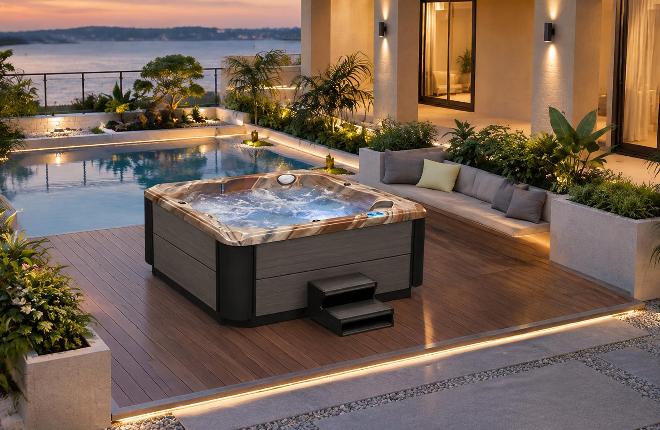
Shopping for a giant swim spa usually starts with a simple question: how many people need to fit inside without elbows colliding? That practical concern quickly expands into others involving power draw, water chemistry, and long-term upkeep. A giant swim spa sits in an unusual middle ground between a backyard pool and a therapeutic hot tub, and understanding that positioning helps buyers avoid mismatched expectations. This guide breaks down the mechanical and ergonomic factors that separate a well-built unit from one that disappoints after the first season.
A two-person spa and a six-person giant swim spa are not the same product scaled up. Adding seats means adding jets, which means adding pump load, and that load has to be distributed so no single seat feels weaker than another. Manufacturers solve this by running multiple pumps rather than one oversized unit, since a single pump pushing water through 35 jets would lose pressure at the far end of the shell.
The Fspa BD-004, for example, uses a 2.2kW massage pump alongside a separate 0.35kW filter pump, keeping circulation and massage functions independent. That separation matters because filtration needs to run continuously, while massage jets only need power when someone is actually using them. Combining both into one pump would waste energy or compromise water clarity, depending on which function got priority.
Before comparing jet counts or lighting features, measure the install location. A six-person giant swim spa with dimensions around 2350 x 2350mm needs clearance for the cabinet, service access panels, and any surrounding decking. Skipping this step is the most common reason installations stall midway through delivery.
Consider these three placement scenarios before purchasing:
Each setting places different demands on the same core product, which is why application context should guide the decision as much as the spec sheet does.
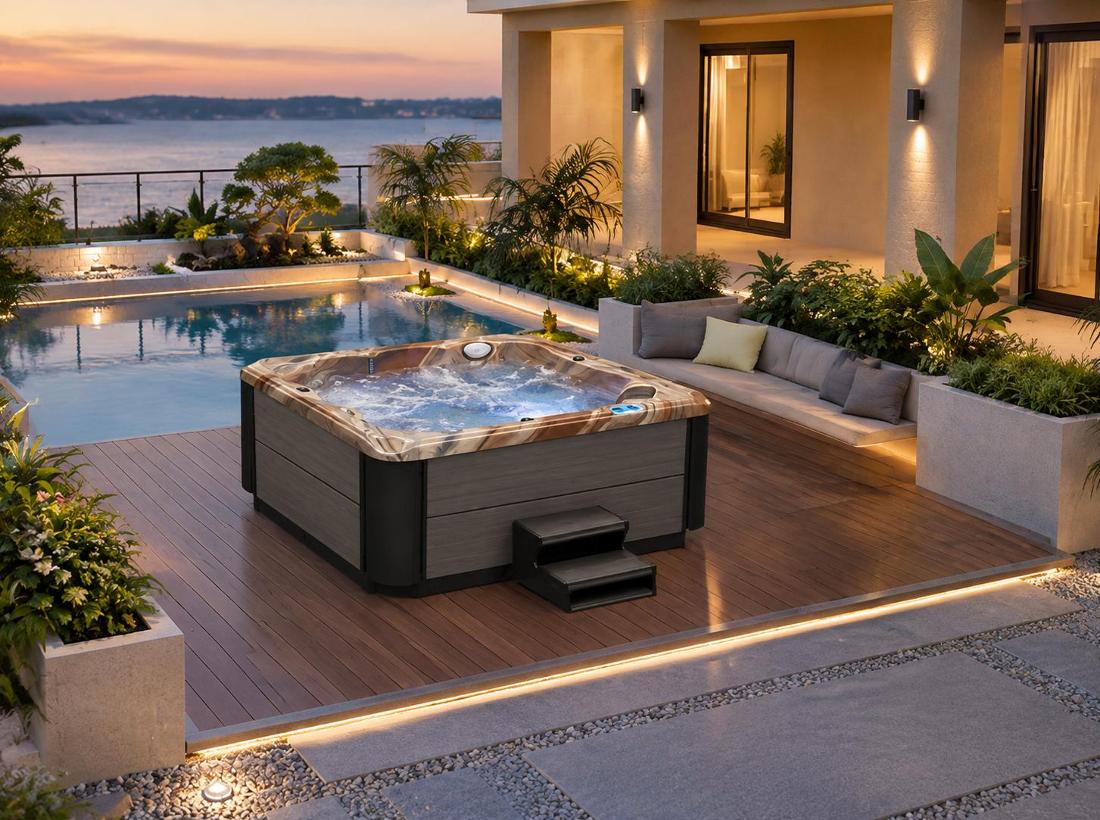
Jet count gets marketed heavily, but placement determines whether those jets actually relieve tension or just agitate water. A giant swim spa built for six adults needs jets distributed across shoulders, lower back, calves, and feet, not clustered in one or two dominant zones. The BD-004 carries 35 jets across its shell, positioned to target these common tension areas rather than concentrating force in a single seat.
Chrome-rimmed nozzles set into the acrylic wall also affect durability. Metal fittings resist the gradual wear that plastic nozzles show after repeated water pressure cycling, which is a detail easy to overlook in a showroom but noticeable after a year of regular use.
Seat contouring is one of those features that photographs poorly but matters enormously in practice. A flat seat forces bathers to brace themselves against jet pressure, which defeats the purpose of hydrotherapy. Seats and backrests shaped to follow the body’s natural curve let users relax fully, letting the jets do the work instead of core muscles doing it for them.
Headrest design follows the same logic. A supportive, contoured headrest keeps the neck aligned while reclining, which according to the manufacturer’s product materials, helps users settle into a resting posture during longer soaks. This is a comfort claim from the product documentation rather than an independently verified clinical outcome, but the ergonomic principle behind spinal alignment during rest is well established in general seating design.
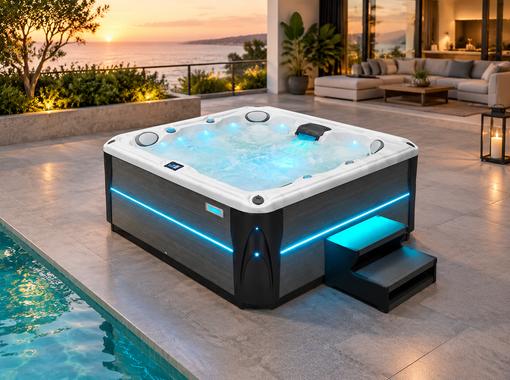
LED lighting inside a spa often gets dismissed as a cosmetic add-on, but bottom-positioned lighting serves a functional purpose too. It illuminates the water at night, which matters for safety when guests are stepping in and out, and it also shifts the perceived temperature of the space. Blue lighting in particular tends to read as calming, which is part of why many wellness-oriented installations lean on it rather than brighter white tones.
The BD-004’s lighting system, described in its product materials as a biomagnetic therapy feature, uses blue LEDs positioned at the base of the shell to create this ambient glow. Whatever term is used for it, the practical effect for the buyer is straightforward: better nighttime visibility and a more immersive soak.
Total system power tells buyers what electrical infrastructure they need before installation, not just how strong the massage feels. A unit like the BD-004 running 5.55kW total, split between a 3kW heater, 2.2kW massage pump, and 0.35kW filter pump, requires dedicated circuit planning. This is not a feature you retrofit casually; electrical capacity needs to be confirmed during the planning phase, not after delivery.
| Component | Power Draw | Function |
|---|---|---|
| Heater | 3kW | Maintains water temperature |
| Massage Pump | 2.2kW | Drives the 35 jets |
| Filter Pump | 0.35kW | Continuous water circulation |
| Total System | 5.55kW | Combined operational load |
Running costs scale with usage patterns. A unit left at a constant temperature in a mild climate draws far less than one cycling on and off in colder regions, so location context affects the electricity bill as much as the spec sheet does.
Water clarity is the single biggest factor in long-term satisfaction with any giant swim spa, and it’s also the one buyers research least before purchasing. An integrated ozone sanitization system reduces the manual chemical dosing that traditional chlorine-only setups require, though it does not eliminate the need for periodic water testing altogether.
Ozone works by oxidizing organic contaminants before they accumulate, which cuts down on the algae and biofilm buildup that six regular users can introduce quickly. For a unit serving hotel guests or homestay visitors on a rotating basis, this reduces the daily maintenance burden considerably compared to manual-only sanitization systems.
Does a giant swim spa need a dedicated electrical circuit?
Most units in the 5kW+ range need a dedicated circuit sized to the total system draw, confirmed by a licensed electrician before installation rather than assumed from the spec sheet alone.
How much deck weight should I plan for?
Calculate the empty shell weight plus full water capacity, then add the weight of expected occupants. A 317kg shell holding 1450L of water already exceeds 1.7 metric tons before anyone steps in.
Do ozone systems replace all chemical maintenance?
No. Ozone reduces the frequency and volume of chemical dosing needed, but periodic pH and sanitizer level testing is still recommended for water safety.
Can a giant swim spa be installed indoors?
Yes, provided ventilation handles the humidity load and flooring can support the combined weight. Indoor installations also need clearance for service access panels.
The right giant swim spa depends less on which model has the most jets and more on how it fits daily use. A hotel gym prioritizes fast turnover and easy cleaning between guests. A villa backyard prioritizes aesthetics and quiet operation for evening use. A seaside homestay needs weather resistance above almost everything else.
For us, working across these varied applications has shown that buyers get the best long-term results when they match capacity, power infrastructure, and sanitization needs to their specific setting before comparing jet counts or lighting features. A giant swim spa is a long-term fixture, not an impulse purchase, and treating the decision that way pays off every time someone steps in for a soak.
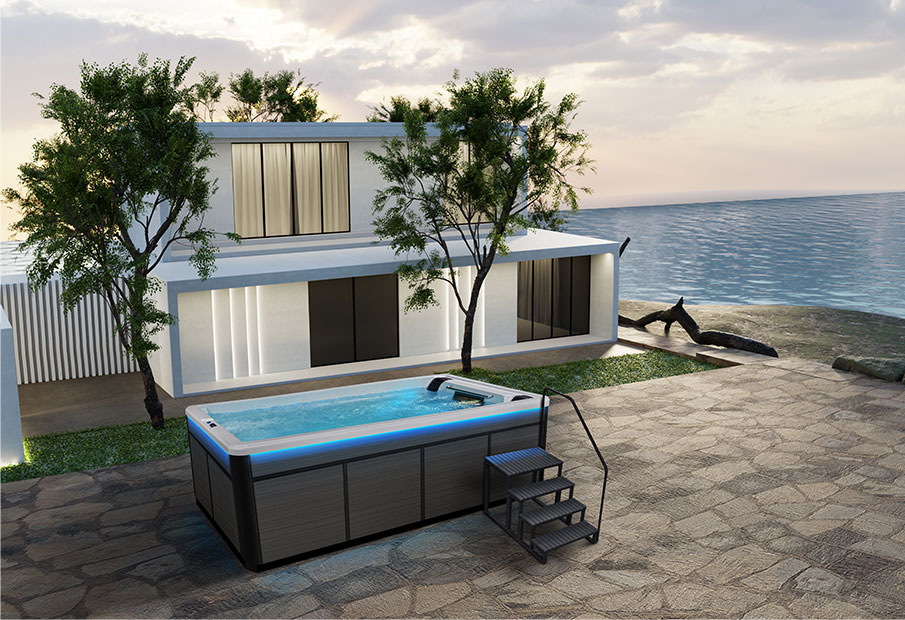
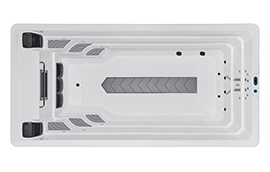
The Infinipool Fspa IP-001Pro is a premium, spacious pool with advanced filtration, ozone sanitization, insulation, and optional accessories, transforming backyards into luxurious oases for swimming, relaxation, and entertainment.
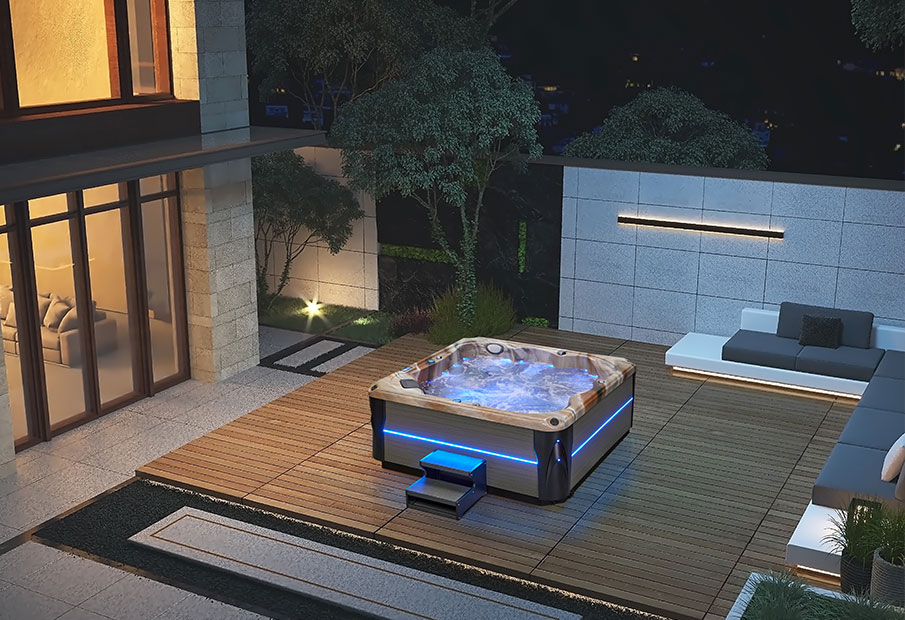
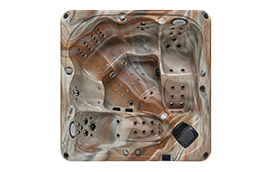
Fspa BD-004Pro Hot Tub, a spacious, powerful, and feature-rich hot tub designed for up to 6 adults, complete with therapeutic massages, clear water circulation, customizable air flow, immersive audio, and sanitization system, ideal for both residential and commercial outdoor settings.
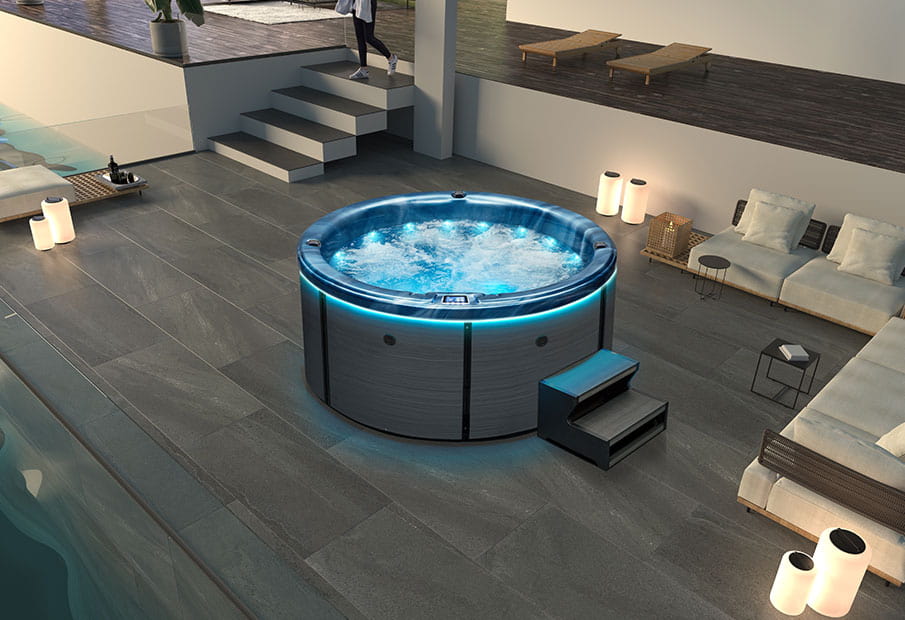
The Fspa BD-009Pro Hot Tub, a compact 2000x900mm spa for up to 6 adults, combines power and efficiency with luxurious features like a 7.97kW system, 50 water & 20 air bubble jets, LED lighting, and music speakers, making it ideal for residential and small commercial spaces.
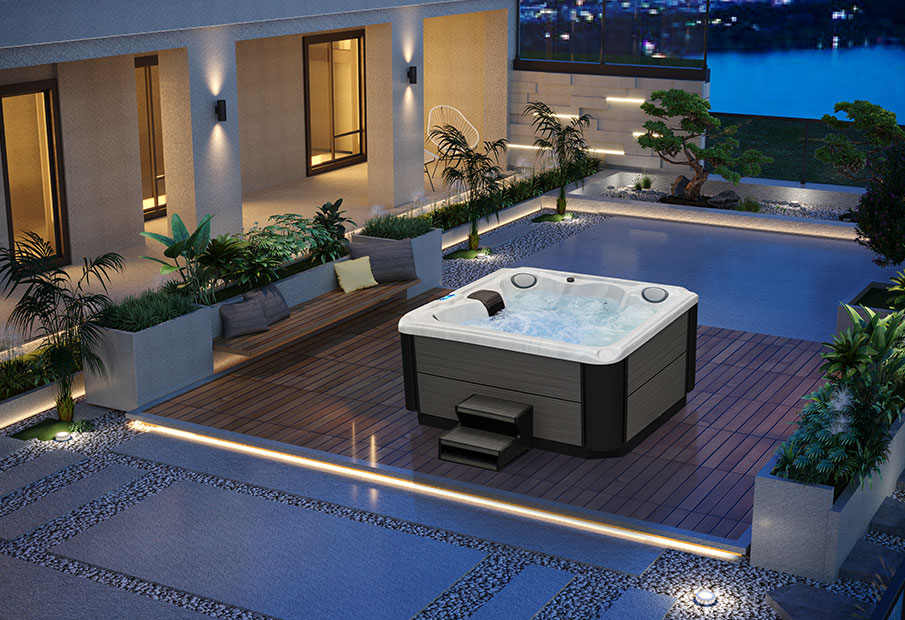
The Fspa BD-008 hot tub, with its spacious design for 6 adults, advanced control system, powerful massage pump, 3kW heater, high-efficiency filter, 35 strategic jets, LED lighting, adjustable features, and ozone sanitation, offers a luxurious and therapeutic spa experience at home, suitable for both residential and commercial settings.
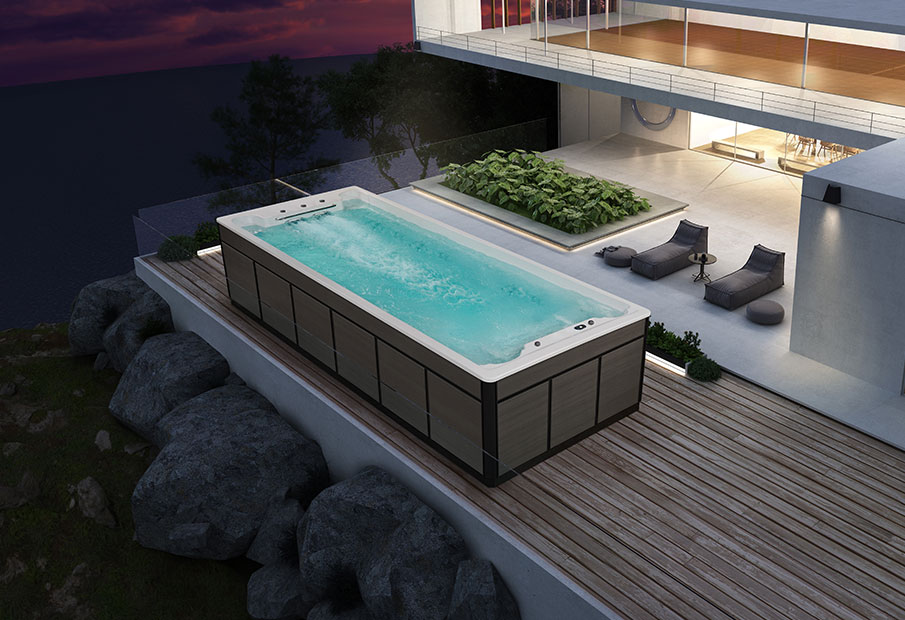
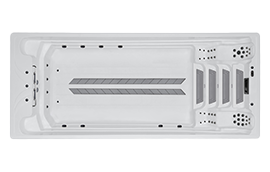
The Infinipool Fspa IP-005, a luxurious 7000mm x 3000mm x 1470mm pool with advanced filtration, multiple jet systems, and optional accessories.
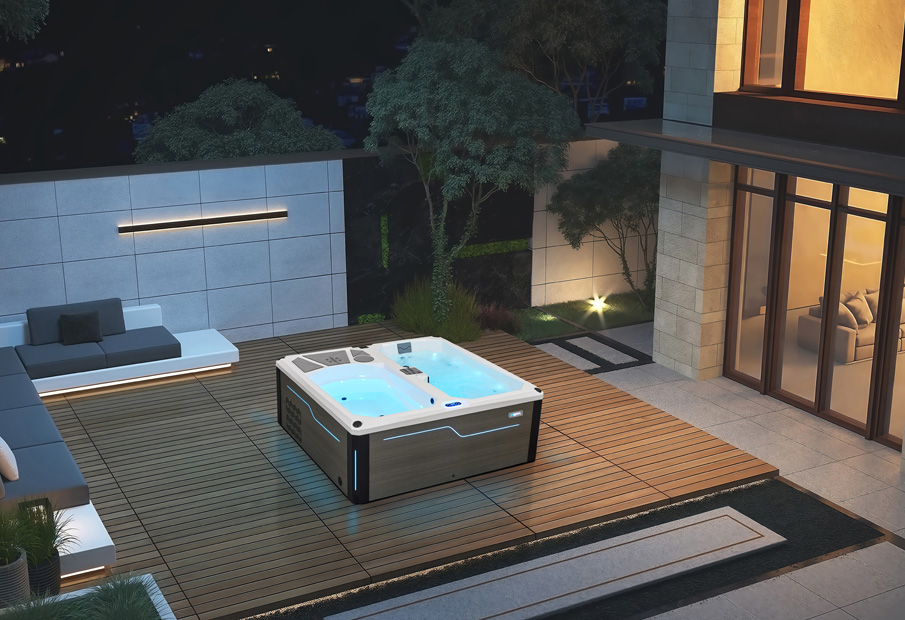
Welcome lights up as you approach, All in one design, plug and play, snowflake pattern, Include filter, circuit pump, Ozone, ice-blue underwater light, and high-efficiency chilling system.
PRODUCTS
INQUIRY
Thank you for your message!Our Chinese New Year holiday from 7th Feb to 28th Feb. Apologise to make your inconvenience so that responses may be delayed during this period. We'll back to you with regular service on 2th March .Thank you for understanding.


