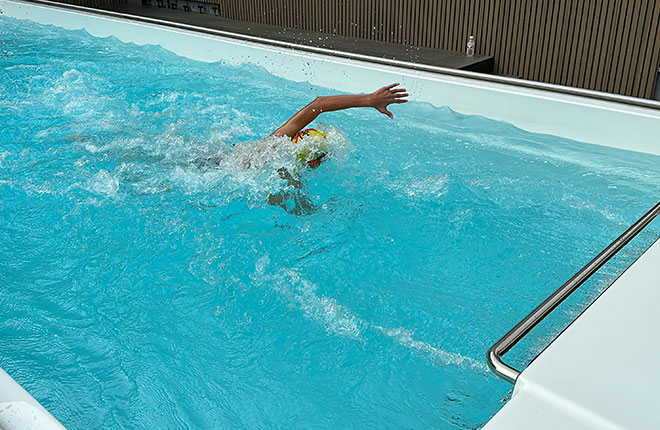
The surge in popularity of hot tubs and swimming pools can be attributed to their unique blend of health benefits, social appeal, and adaptability across demographics. Recent data reveals these amenities are no longer mere luxuries but integral to modern lifestyles.
Swimming pools enhance cardiovascular fitness, muscle strength, and respiratory function—benefits highlighted in studies by the American College of Sports Medicine. They also serve as critical survival skills, particularly for children. Hot tubs, meanwhile, offer hydrotherapy for muscle recovery and stress relief, with features like adjustable jets and heated water therapy aiding users in unwinding after long days.
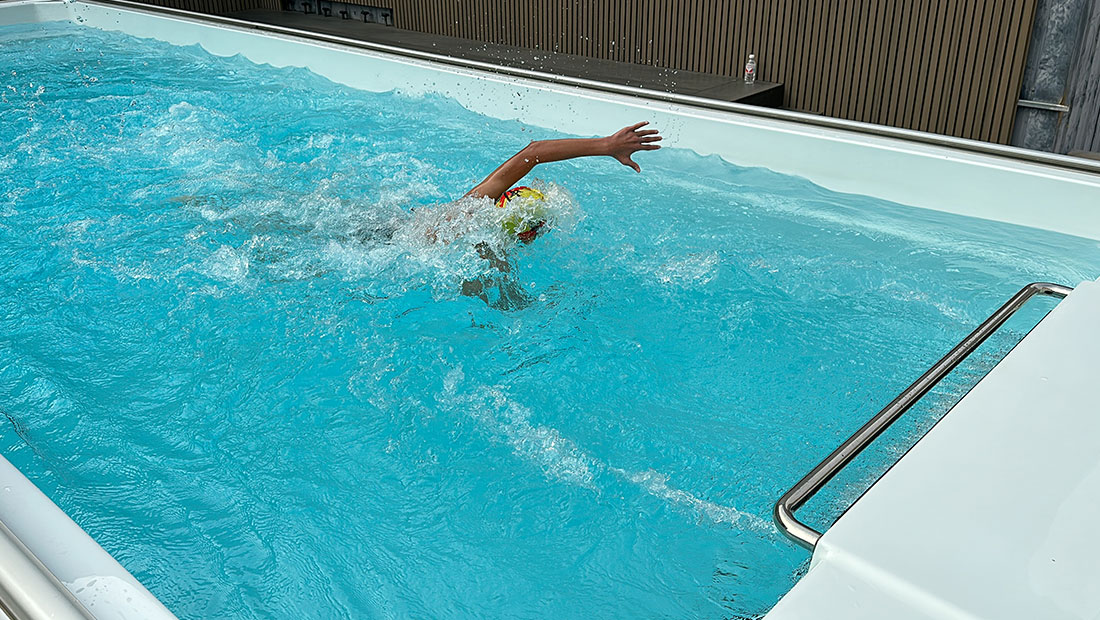
Pools act as communal spaces for family bonding and social gatherings. In the U.S., 42% of households with children cite pools as the primary source of summer entertainment. Hot tubs cater to adult socialization, with 65% of owners using them for relaxation with friends. Innovations like built-in LED lighting and Bluetooth speakers amplify their appeal as outdoor retreats.
The global pool market is projected to reach $161.4 billion by 2030, growing at a CAGR of 8.1%. This expansion is driven by rising health consciousness and urbanization, particularly in Asia-Pacific regions. Hot tubs, while smaller in scale, see strong demand among 35–54-year-olds (41% of U.S. owners), aligning with midlife priorities on stress management and home upgrades. Surprisingly, younger demographics (18–24) are increasingly drawn to hot tubs through social media trends like “spa nights” on TikTok and Instagram.
Children/Teens: Pools dominate as safe recreational zones, with 70% of public pools reporting peak usage during summer holidays.
Adults (25–44): This group values pools for family time and exercise, while hot tubs appeal as post-work relaxation hubs.
Seniors (55+): Pools offer low-impact exercise for joint health, and hot tubs provide therapeutic relief for arthritis.
The universal appeal of hot tubs and pools lies in their duality: they are both functional health tools and emotional sanctuaries. As technology integrates smarter controls and eco-friendly designs, their relevance will only deepen, bridging generations through shared experiences of wellness and joy.
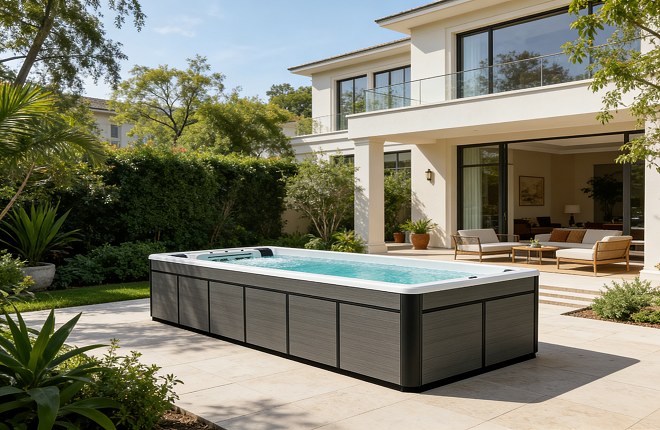
When evaluating swimming pool options, long-term ownership costs is a critical factor for homeowners. Acrylic integrated pools and traditional concrete pools represent two distinct approaches, each with unique financial implications over time.
Acrylic pools offer significant advantages in installation efficiency. Their prefabricated nature reduces on-site construction time by 30-50% compared to concrete, minimizing labor costs. While the initial material investment is higher—typically 15-20% more than concrete—the streamlined installation process often results in comparable upfront totals. The non-porous acrylic surface resists algae growth and chemical erosion, reducing annual maintenance expenses by approximately 25-30%. Routine care primarily involves basic cleaning and filter maintenance, with minimal need for acid washing or resurfacing.
Concrete pools, while initially appealing for their customization options, present higher long-term costs. The porous concrete structure requires regular chemical treatments to prevent staining and deterioration, increasing annual chemical expenses by 40-50% compared to acrylic. Every 5-7 years, concrete pools need resurfacing at a cost of 6000-10,000, a maintenance requirement virtually eliminated with acrylic’s durable surface. Concrete’s susceptibility to cracks also raises repair costs over time, with average repair expenses 3-4 times higher than acrylic pool fixes.
Energy efficiency further differentiates these options. Acrylic’s superior insulation properties reduce heating costs by 20-30%, maintaining water temperature with less energy consumption. Concrete’s thermal conductivity requires more frequent heating, increasing utility bills annually.
Over a 10-year period, industry data shows acrylic pools typically result in 20-25% lower total ownership costs compared to concrete pools. While concrete offers greater design flexibility, the long-term financial advantages of acrylic—lower maintenance, reduced repairs, and energy efficiency—make it a compelling choice for cost-conscious homeowners prioritizing durability and value retention.
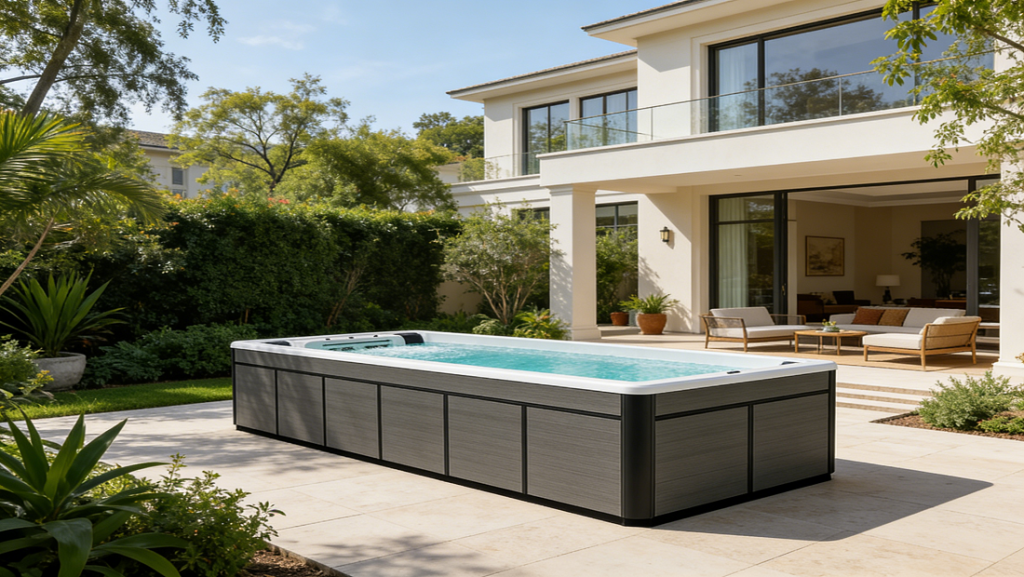
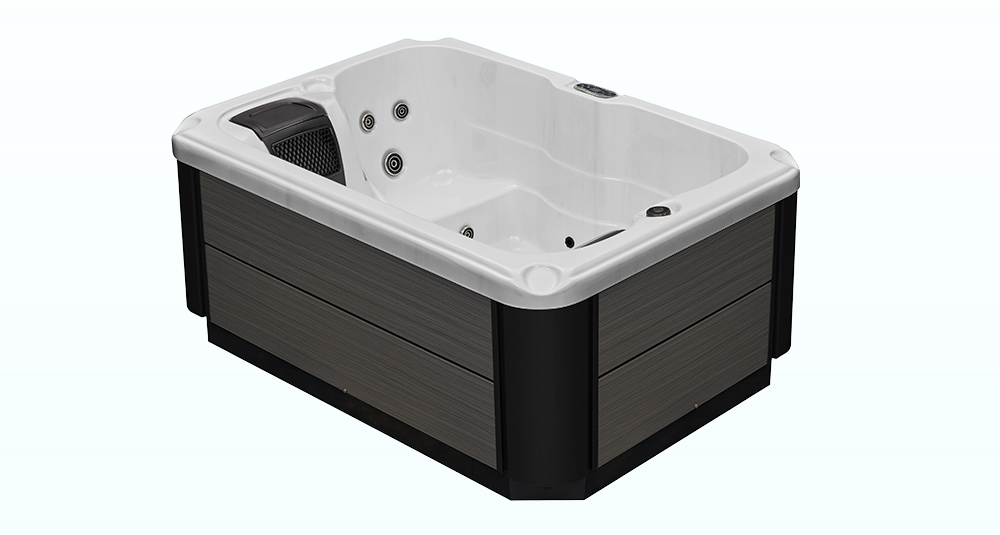
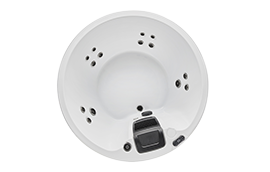
As outdoor wellness and home spa lifestyles continue to expand globally, intelligent hot tub systems are becoming an essential part of modern living spaces. The two person jacuzzi tub is designed to meet this demand by integrating hydrotherapy performance, energy-efficient engineering, and contemporary design aesthetics into one high-end spa solution. Suitable for villas, courtyards, hotels, and wellness resorts, it provides users with a relaxing and therapeutic water experience that supports both physical recovery and mental stress relief. Backed by a large-scale manufacturing enterprise with strong R&D capability, international certifications, and intelligent production systems, the BD-011 model represents a reliable and advanced choice for premium outdoor spa applications.
The Fspa BD-011 Hot Tub is designed to deliver a premium hydrotherapy experience that combines modern engineering, relaxation therapy, and outdoor lifestyle aesthetics. As global demand for home wellness and intelligent spa systems continues to grow, this model represents a new generation of hot tubs focused on comfort, efficiency, and multifunctional use.
One of the core advantages of the BD-011 Hot Tub is its advanced hydrotherapy system. Equipped with strategically arranged massage jets, it provides targeted water pressure to key muscle areas such as the back, waist, and legs. This helps relieve fatigue, reduce stress, and improve blood circulation, making it suitable for both daily relaxation and post-exercise recovery.
Comfort is another essential element of the design. The ergonomic seating layout ensures that users can fully relax in natural body positions. Deep soaking space and optimized water flow create a balanced spa environment that enhances the overall hydrotherapy experience.
The outdoor lifestyle appeal of the BD-011 model also makes it a standout product. It is designed for installation in villas, private courtyards, hotel terraces, and resort spa areas. Its modern exterior design and LED lighting system enhance nighttime aesthetics, turning any outdoor space into a luxury relaxation zone.
Behind this product is a strong manufacturing enterprise with large-scale production capabilities. The company covers an area of 32,000 square meters and has a registered capital of 28 million. In addition, it has invested over 150 million to build more than 60,000 square meters of advanced manufacturing facilities.
This enterprise integrates market research, independent product development, intelligent production, and customized solutions into one comprehensive system. Through modern production technologies and multi-stage service processes, it provides high-quality spa equipment to global markets.
The company specializes in intelligent outdoor SPA systems and multifunctional intelligent swimming pools. These products are designed with low water consumption, compact structure, and environmentally friendly performance, making them suitable for villas, hotels, fitness centers, rehabilitation centers, and medical wellness facilities.
The Fspa BD-011 Hot Tub reflects the company’s commitment to combining advanced hydrotherapy engineering with modern outdoor lifestyle needs, offering users a complete relaxation and wellness solution.
The Fspa BD-011 Hot Tub is engineered to meet the growing demand for luxury backyard spa systems that combine comfort, efficiency, and intelligent functionality. It is widely used in residential and commercial wellness environments where relaxation and performance are equally important.
One of the most important features is its multi-jet hydrotherapy system. The carefully positioned jets provide targeted massage effects that help relieve muscle tension and promote physical recovery. This makes it ideal for users who experience daily stress or engage in physical activities.
The seating structure is ergonomically designed to support natural body posture. Each seat is shaped to provide maximum comfort during extended soaking sessions, ensuring a fully immersive relaxation experience.
Energy efficiency is another key advantage. The BD-011 Hot Tub uses advanced insulation technology and intelligent temperature control systems to reduce heat loss and optimize energy consumption. This ensures stable performance while lowering operational costs.
Durability is ensured through high-quality materials and structural engineering. The outer shell is designed to withstand outdoor conditions such as sunlight, rain, and temperature changes, making it suitable for long-term backyard installation.
The manufacturing strength behind this product is significant. The company operates a production base covering 32,000 square meters, with a registered capital of 28 million and total investment exceeding 150 million. Over 60,000 square meters of manufacturing space support advanced production and customization capabilities.
The enterprise integrates research, design, production, and customer customization into a unified system. This allows it to respond quickly to market demands and provide tailored solutions for different applications.
It also holds multiple international certifications including CE, CB, SAA, and ETL. The company actively participates in the formulation of industry and group standards, while also developing provincial laboratories and holding multiple patents for innovation.
The BD-011 Hot Tub is widely used in villas, hotels, B&Bs, fitness centers, swimming pools, physiotherapy centers, and rehabilitation facilities, improving user experience through advanced spa technology.
This model represents a strong combination of energy efficiency, durability, and luxury spa comfort for modern outdoor living.
The modern wellness industry is shifting toward intelligent, home-based relaxation systems, and the Fspa BD-011 Hot Tub plays a key role in this transformation. It is designed to bring professional spa therapy into residential and commercial environments, offering users a complete relaxation and recovery experience.
One of its main benefits is stress relief. The hydrotherapy system uses powerful yet controlled water jets to massage key muscle groups, helping reduce tension and promote mental relaxation. This makes it especially valuable for users with high-pressure lifestyles.
Home spa living is another important application. The BD-011 model allows homeowners to create a private wellness space in their backyard or garden. With modern design and LED lighting effects, it transforms outdoor areas into luxurious relaxation environments.
In high-end wellness applications, the hot tub is widely used in hotels, resorts, fitness centers, and rehabilitation facilities. It supports muscle recovery, improves circulation, and enhances overall well-being, making it a valuable addition to professional wellness spaces.
The company behind this product has strong industrial capabilities. It covers an area of 32,000 square meters and has a registered capital of 28 million. With more than 150 million invested in manufacturing expansion, it has built over 60,000 square meters of production facilities.
Its business model integrates market research, product development, intelligent manufacturing, and customized customer services. This allows the company to deliver flexible solutions for different global markets.
The company specializes in intelligent outdoor SPA systems and multifunctional swimming pools. These products are designed to be low-carbon, water-efficient, and space-saving, making them suitable for villas, hotels, fitness centers, natatoriums, physiotherapy centers, and rehabilitation clinics.
It also holds multiple international certifications such as CE, CB, SAA, and ETL, and actively participates in industry standard development. Its innovation strength is supported by provincial laboratories and multiple invention patents.
The Fspa BD-011 Hot Tub ultimately enhances modern wellness lifestyles by combining relaxation therapy, energy efficiency, and luxury outdoor living into one intelligent spa solution.
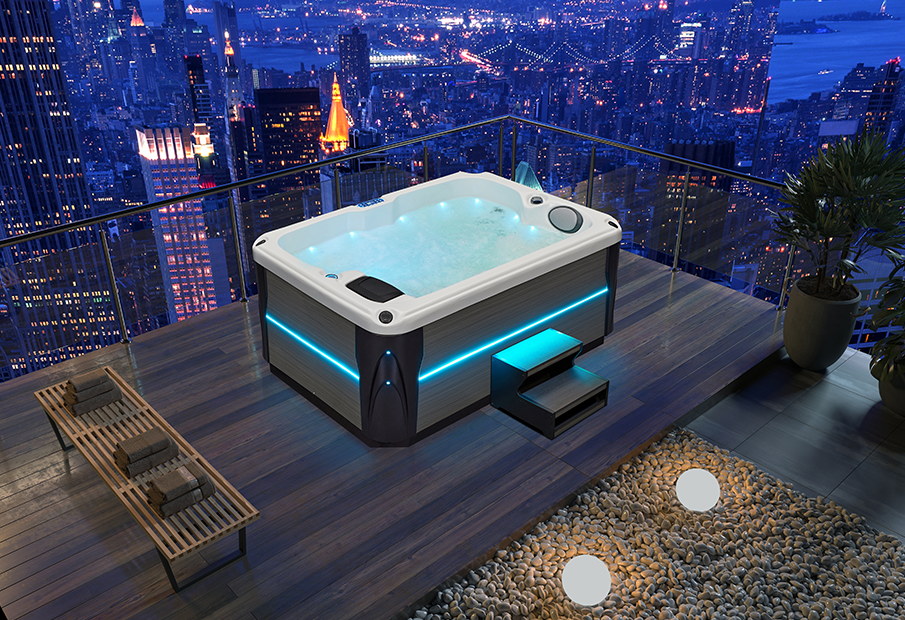
The Fspa BD-002Pro Hot Tub, boasts a powerful massage system, crystal-clear water filtration, customizable water flow, luxurious features, an ozone sanitization system, and immersive audio for the ultimate relaxation experience.
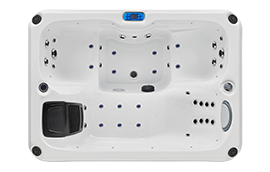
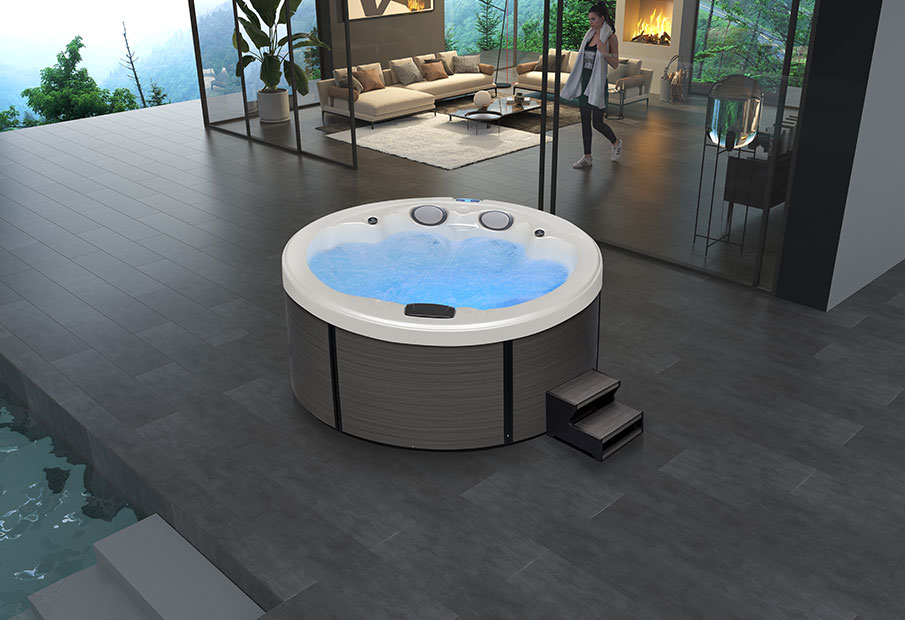
The Fspa BD-010 hot tub, crafted for ultimate comfort and style, offers spacious accommodations for up to 6 adults, robust controls, powerful pumps, pristine water quality, targeted hydrotherapy, ambient lighting, and advanced water purification, making it perfect for both residential and commercial relaxation.
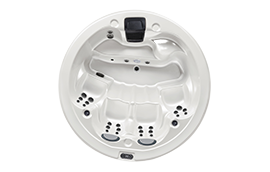
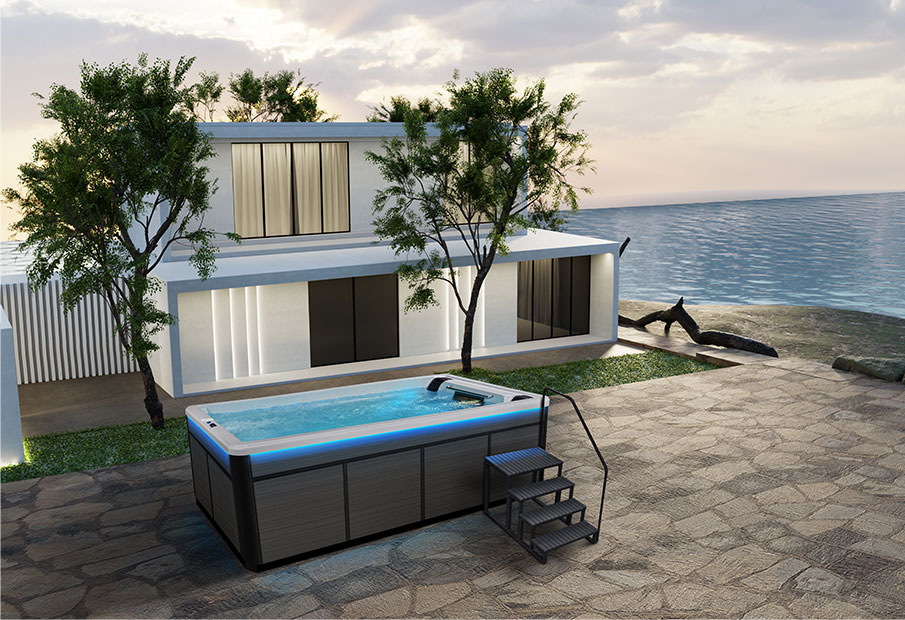
The Infinipool Fspa IP-001Pro is a premium, spacious pool with advanced filtration, ozone sanitization, insulation, and optional accessories, transforming backyards into luxurious oases for swimming, relaxation, and entertainment.
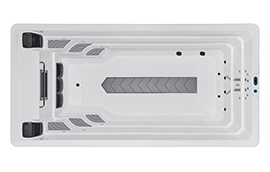
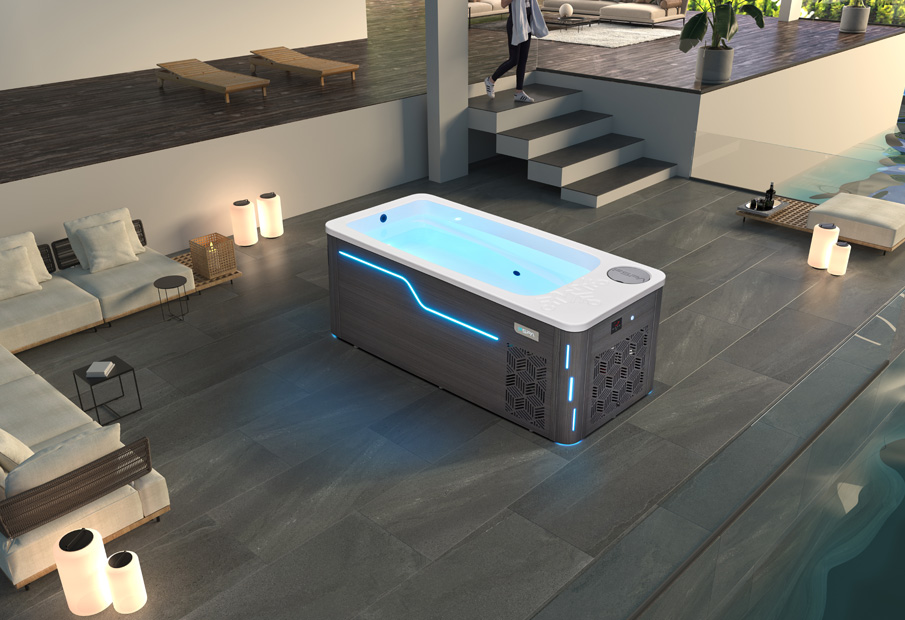
Introducing the Fspa IS-006 Cold Plunge, a spacious and luxurious immersion therapy tub tailored for maximum relaxation and recovery. Measuring 2110mm*950mm*800mm, it offers ample space for a comforting and refreshing dip.
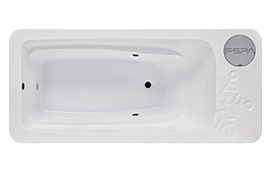
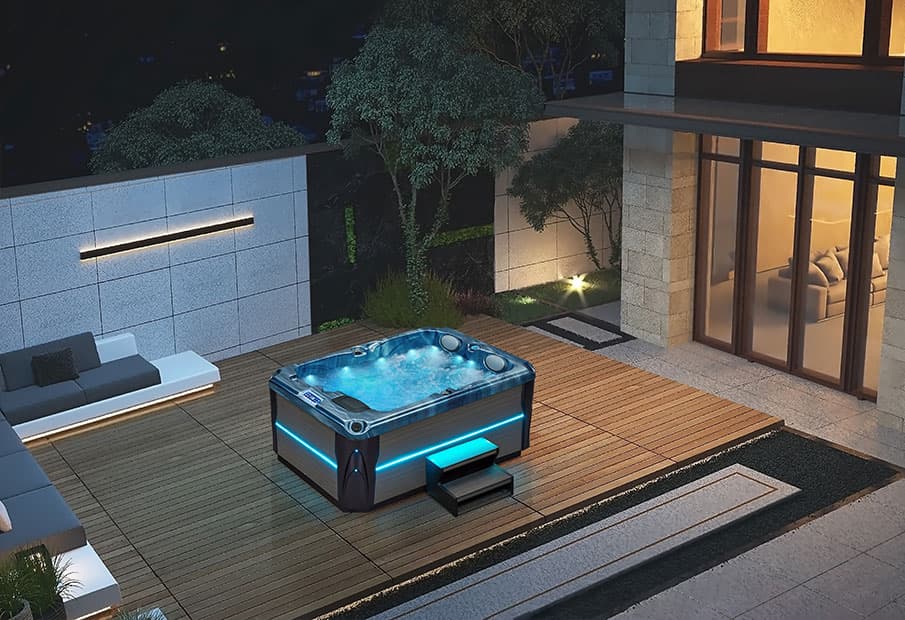
The Fspa BD-011Pro Hot Tub, a 2010x1360x800mm premium spa for 2 adults, combines 7.27kW of power and efficiency with luxurious features like 39 water & 20 air bubble jets, customizable water flow, LED lighting, music speakers, and pillows, making it a stylish and ideal choice for both residential and commercial outdoor relaxation.
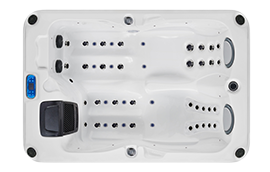
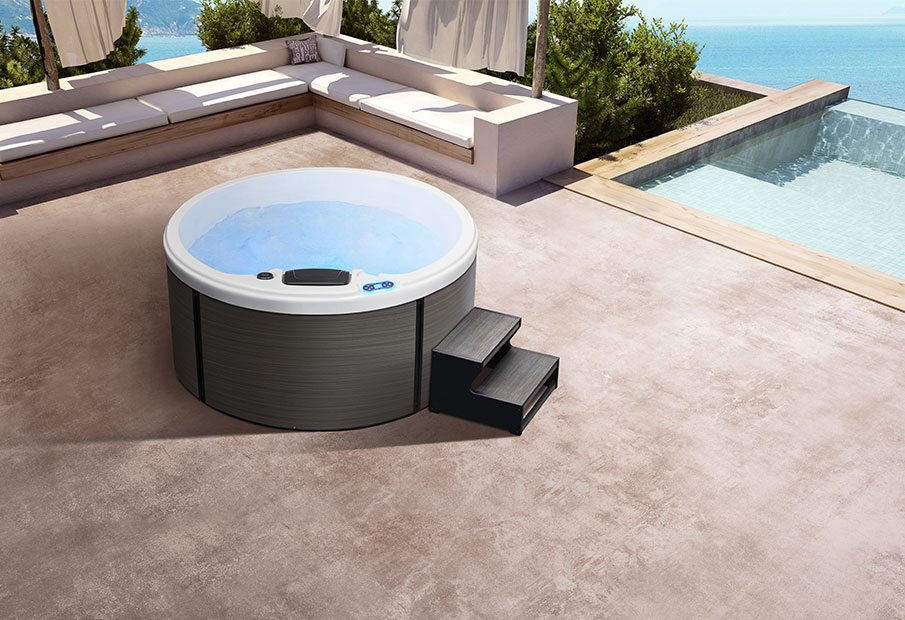
The Fspa BD-018 Hot Tub, designed for 2 adults with spacious dimensions, features a robust control system, 1.5kW massage pump, 0.35kW filter pump, 2kW heater, 14 customizable water jets, LED lighting, ozone sanitation, and a total power of 3.85kW, providing exceptional comfort and relaxation for a luxurious and rejuvenating soak.
PRODUCTS
INQUIRY
Thank you for your message!Our Chinese New Year holiday from 7th Feb to 28th Feb. Apologise to make your inconvenience so that responses may be delayed during this period. We'll back to you with regular service on 2th March .Thank you for understanding.


