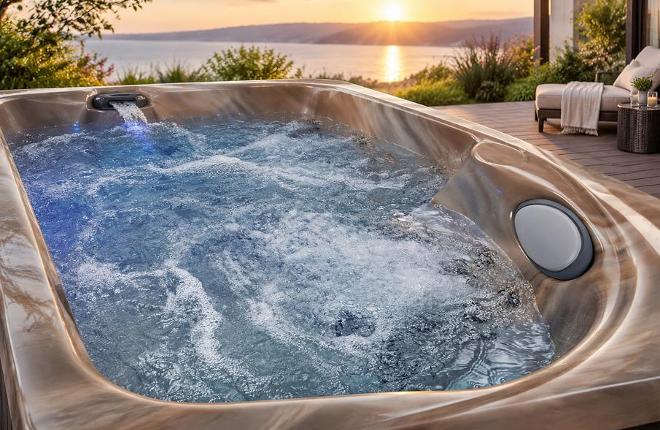
Swim spas sit in a strange middle ground between fitness equipment and medical device, and that ambiguity is exactly why so many buyers ask will health insurance pay for a swim spa before they commit to one. The short answer is that most standard health plans do not cover it, but the longer answer involves a few paths worth understanding before you write it off entirely.
This article walks through why insurers hesitate, when reimbursement is realistic, and how to build a case if you plan to try. It also looks at what a swim spa or hydrotherapy hot tub actually offers physically, since that context matters when you are arguing for medical necessity.
Health insurers classify equipment into two buckets: durable medical equipment and everything else. A swim spa almost always lands in the second bucket. It is expensive, it is not exclusive to medical use, and a healthy person could enjoy it just as easily as someone in physical therapy.
That last point is the sticking point for underwriters. Insurance is built around necessity, not comfort. A wheelchair has no recreational use outside its medical purpose. A hot tub does. Insurers know that distinguishing between a therapeutic soak and a lifestyle purchase is nearly impossible to audit, so the default answer is a flat no.
There is also a cost problem. Durable medical equipment reimbursement lists are built around items in the hundreds or low thousands of dollars. A 6-person hydrotherapy spa, like the kind used for post-workout recovery in hotel gyms or physiotherapy centers, sits well above that range. Insurers rarely stretch benefit categories to cover outliers.
The exception isn’t nonexistent, it’s just narrow. If a physician documents that hydrotherapy is medically necessary for a diagnosed condition, some plans will consider partial reimbursement or allow the purchase through a health savings account.
Conditions that sometimes qualify for this kind of documentation include:
A letter of medical necessity needs specifics. Vague statements like "would benefit from relaxation" get rejected almost every time. The letter should state the diagnosis, why standard treatment options are insufficient, and why hydrotherapy at home is the recommended intervention rather than a supplement to it.
Rather than chasing insurance reimbursement, many buyers find more traction using a Health Savings Account or Flexible Spending Account, provided they secure that same letter of medical necessity first. These accounts operate under IRS rules, not insurance company policy, which makes the approval process more predictable.
The process generally looks like this:
This route does not guarantee approval either, but it shifts the conversation from insurance underwriting to tax-advantaged spending, which tends to have more flexibility for home therapy equipment.
Understanding why a swim spa might qualify for any kind of medical consideration means understanding what warm water immersion and jet massage actually do. This isn’t marketing language, it’s basic physiology that’s been studied for decades.
Warm water increases blood flow to soft tissue and can temporarily reduce the sensation of joint stiffness. Buoyancy reduces the load on joints and the spine, which is why physical therapists often recommend pool-based exercise for patients who cannot tolerate weight-bearing movement. Massage jets add mechanical pressure that can help relax tight muscle groups after physical strain.
A model like the Fspa BD-004, a 6-person portable unit built around 35 targeted massage jets, illustrates how manufacturers design for this kind of use. According to the product’s own specifications, it pairs a 2.2kW massage pump with a 3kW heater and a 0.35kW filtration pump, totaling 5.55kW, which keeps water warm and jets running without excessive energy draw. The unit’s ergonomic seating is contoured to support the body’s natural curves, positioning jets and controls where they’re most useful during a session rather than as an afterthought.
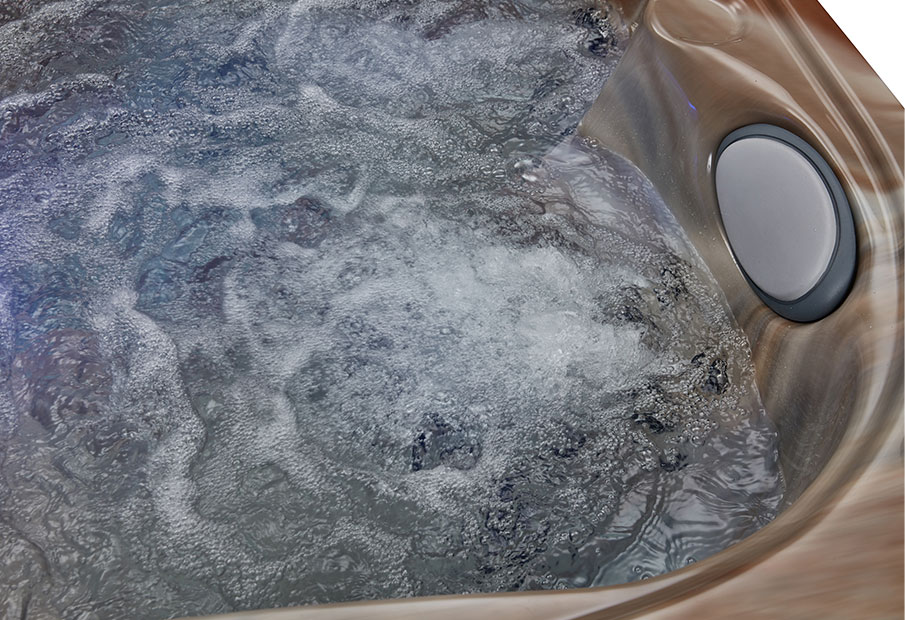
None of this makes a swim spa a medical device in the regulatory sense. But it does explain why a physician might, in specific cases, document hydrotherapy as a legitimate part of a treatment plan rather than dismiss it as recreational.
| Path | Typical Outcome | What’s Required |
|---|---|---|
| Standard health insurance | Rarely approved | Almost never worth pursuing without a rare plan exception |
| Insurance with medical necessity letter | Occasionally partial coverage | Physician documentation, diagnosis, prior treatment history |
| HSA / FSA reimbursement | More commonly approved | Letter of medical necessity, receipts, IRS compliance |
| Out-of-pocket with tax deduction (itemized medical expenses) | Possible if costs exceed IRS threshold | Detailed records, meets 7.5% AGI threshold for medical deductions |
This table isn’t meant to suggest any of these paths are guaranteed. It’s meant to show that the further you move from traditional insurance and toward tax-advantaged or deduction-based routes, the more realistic approval becomes.
If you’re purchasing with a genuine therapeutic goal, the unit itself matters more than it would for a purely recreational buyer. A few practical considerations should guide the decision.
For context, the BD-004 model holds 1,450 liters of water and uses a 3kW heater, which is a reasonable balance for a 6-person unit that needs to maintain consistent temperature during longer sessions. It also carries CE, CTUVus, CB, and SAA certifications, which relate to electrical and safety compliance rather than medical claims, and is worth checking against local installation codes regardless of your intended use.
Swim spas and portable hot tubs aren’t confined to backyards. Hotels use them for post-workout recovery in gym facilities, since guests increasingly expect recovery amenities alongside cardio equipment. Wellness-focused vacation rentals along coastlines often position a unit for guests looking to unwind after a day of travel or activity. Villas and private residences use them as a standing feature for evening relaxation, often positioned on a deck or patio where the view becomes part of the experience.
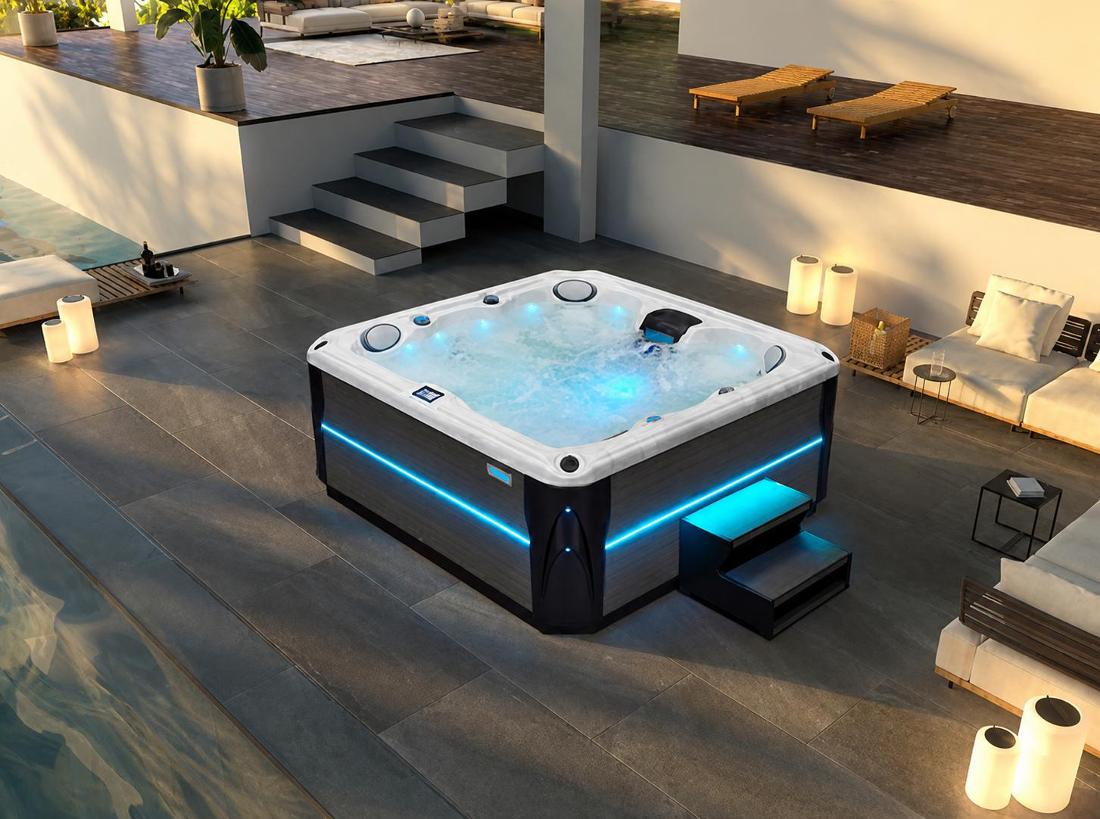
These aren’t medical settings, but they show the split identity that makes insurance coverage complicated in the first place. The same unit serves a hotel guest looking for a nice evening and a person actively managing a musculoskeletal condition. Insurers see the former use case and price accordingly.
Does Medicare cover swim spas or hot tubs?
No. Medicare’s durable medical equipment benefit does not extend to hot tubs or swim spas under any standard circumstance, regardless of diagnosis.
Can I use FSA funds without a letter of medical necessity?
Generally no. Most FSA administrators require documentation for equipment that has both medical and non-medical uses before approving reimbursement.
Is a swim spa the same as a hot tub for insurance purposes?
Insurers typically treat them the same way, since both fall outside standard durable medical equipment categories and both have significant recreational use.
What condition is most likely to get a doctor’s approval for hydrotherapy?
Chronic musculoskeletal conditions with an existing treatment history, such as arthritis or post-surgical rehab, tend to have the strongest case, though approval still varies by physician and plan.
Should I buy before or after getting insurance clarity?
Get the letter of medical necessity and check with your HSA or FSA administrator first. Buying first and seeking reimbursement afterward often leads to denied claims.
If you’re asking will health insurance pay for a swim spa because you’re managing a specific condition, the honest path forward is to start with your physician, not your insurance card. A documented diagnosis and a clear treatment rationale open doors that a direct claim to your insurer will not. For companies like us that manufacture these units for both residential and commercial use, the medical angle is one consideration among several, alongside comfort, maintenance, and how the unit fits into daily life. Insurance coverage for a swim spa remains the exception rather than the rule, but understanding the HSA, FSA, and tax deduction routes gives buyers a realistic shot at recovering some of the cost when the therapeutic need is genuine.
The Complete Guide to Choosing the Right Cold Plunge for Home Wellness
Cold water therapy has become one of the fastest-growing wellness trends worldwide. From professional athletes to busy professionals seeking recovery and mental clarity, more people are investing in premium cold plunge systems for home use. Whether you are searching for an outdoor cold plunge, comparing cold plunge prices, or wondering about the cost of a cold plunge, understanding your options can help you make the best decision.
Modern cold plunge systems are no longer limited to gyms or wellness centers. Today, homeowners can enjoy advanced designs, temperature control technology, and elegant aesthetics that blend perfectly into indoor or outdoor spaces. If you want to learn more about our products, please visit our website and send us a message. FSPA is committed to helping customers discover premium wellness solutions tailored to their lifestyle.
Cold plunge therapy offers a variety of benefits that go beyond recovery. Many users report increased energy, improved circulation, faster muscle recovery, and reduced stress levels after regular sessions. As wellness routines evolve, home installations are becoming more common.
For homeowners with garden patios, pool areas, or private spa zones, an outdoor cold plunge is an excellent option. Outdoor models are built with durable materials designed to withstand changing weather conditions while maintaining efficient cooling performance. Stainless steel finishes, insulated shells, and UV-resistant surfaces make these units practical and stylish.
Those seeking elegance often prefer a luxury cold plunge model. These premium systems combine wellness technology with sophisticated design. Features may include integrated lighting, touchscreen controls, ergonomic seating, quiet chillers, premium wood cladding, and smart connectivity. A luxury model transforms a simple cold bath into a complete spa experience.
Another growing category is the best single cold plunge unit, designed for personal use. These compact models are ideal for individuals who want efficient therapy without taking up too much space. They are popular among apartment owners, solo users, and people with smaller wellness rooms.
For year-round convenience, many customers search for the best cold plunge indoor model. Indoor systems are designed for basements, private gyms, spa rooms, or bathrooms. These units often feature compact footprints, moisture-resistant finishes, and whisper-quiet cooling systems to suit indoor living environments.
One of the most common questions buyers ask is about cold plunge prices. Pricing varies depending on size, technology, materials, and additional features. Entry-level models may offer simple cooling functionality, while premium systems provide advanced insulation, automated sanitation, and luxury finishes.
When evaluating the cost of a cold plunge, it is important to look beyond the initial purchase price. A high-quality unit can deliver long-term value through durability, lower maintenance costs, and energy efficiency. Cheaper products may seem attractive at first, but they can require frequent repairs or replacement parts over time.
Several factors influence pricing:
1. Size and Capacity
Single-user models usually cost less than multi-user systems. If you only need personal recovery, the best single cold plunge may offer the best value.
2. Indoor vs Outdoor Design
An outdoor cold plunge may require stronger weatherproof construction, while the best cold plunge indoor models may prioritize compact design and low-noise operation.
3. Cooling Technology
Advanced chillers that maintain precise temperatures often increase cold plunge prices, but they also improve consistency and user comfort.
4. Materials and Finish
A luxury cold plunge with premium cabinetry, stainless steel interiors, or designer surfaces naturally carries a higher price point.
5. Maintenance Systems
Built-in filtration, ozone cleaning, and sanitation systems can reduce maintenance work and improve water quality.
For serious wellness users, the cost of a cold plunge should be viewed as an investment in health, performance, and recovery. Daily access to cold therapy can save time and recurring membership costs associated with spas or recovery centers.
The ideal cold plunge depends on your space, budget, and intended use. If you enjoy outdoor relaxation spaces, an outdoor cold plunge can complement your patio or backyard. If interior convenience matters more, the best cold plunge indoor option allows easy access regardless of weather.
Customers focused on aesthetics and premium experiences may choose a luxury cold plunge with spa-grade features. Meanwhile, solo users often prefer the best single cold plunge for efficiency and affordability.
Before buying, ask these questions:
Working with an experienced manufacturer such as FSPA can simplify the selection process. Professional guidance ensures you choose a model that balances performance, style, and value.
Cold plunge therapy is no longer a niche trend—it has become a practical wellness solution for modern homes. Whether you need an outdoor cold plunge, want the elegance of a luxury cold plunge, need the best single cold plunge, or prefer the best cold plunge indoor system, there are options for every lifestyle.
Understanding cold plunge prices and the true cost of a cold plunge helps buyers make informed decisions based on long-term value rather than price alone. If you are ready to upgrade your wellness routine, FSPA offers high-quality solutions designed for comfort, performance, and lasting satisfaction.
Outdoor cold plunge prices depend on size, insulation, weather-resistant materials, cooling technology, and extra features such as filtration systems or lighting. Premium outdoor models from FSPA often provide stronger durability and long-term efficiency.
Yes, a luxury cold plunge can be worth the investment for users who value design, advanced controls, premium materials, and enhanced comfort. The higher cost of a cold plunge often reflects better performance and durability.
The best single cold plunge is typically a compact model with reliable temperature control, efficient filtration, and comfortable seating for one user. FSPA offers practical solutions for home wellness users with limited space.
The best cold plunge indoor model should fit your available space, operate quietly, and include moisture-resistant construction. Consider access, drainage, and ventilation before installation.
The cost of a cold plunge varies widely depending on features and design. Basic systems may be more affordable, while luxury and commercial-grade models can cost significantly more. Contact FSPA for customized pricing and recommendations.
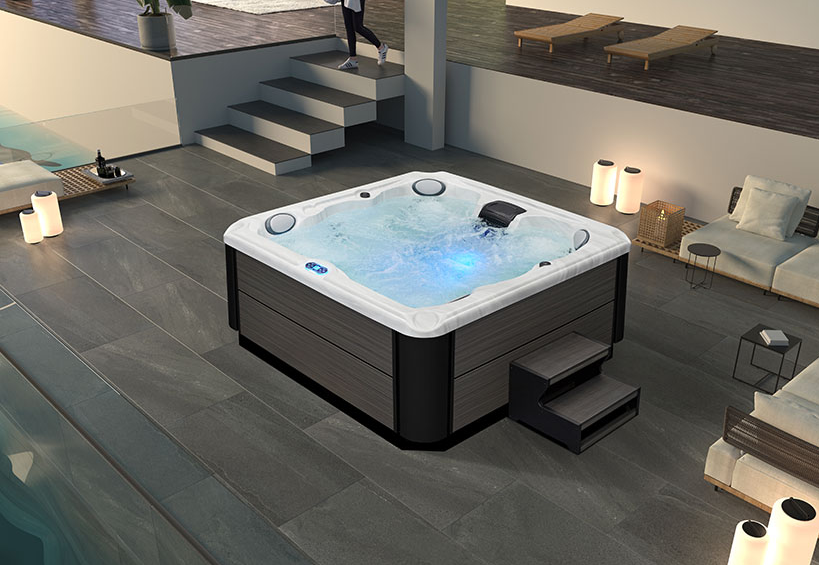
Fspa HOT TUB: Smart Outdoor SPA Solution for Modern Leisure and Wellness Spaces
As consumers and commercial property owners increasingly focus on wellness, relaxation, and high-quality leisure experiences, outdoor SPA products are becoming an attractive addition to villas, hotels, fitness centers, B&Bs, and private courtyards. Modern users are not only looking for comfortable water experiences but also paying greater attention to intelligent functions, space utilization, energy efficiency, and overall user experience.
The 6 Adults HOT TUB is designed as part of this growing trend toward intelligent outdoor SPA solutions. Combining a compact footprint with practical wellness functionality, the product can provide a convenient option for users seeking relaxation and hydrotherapy-style experiences in different environments.
Traditional recreational facilities may require considerable space and infrastructure investment. In comparison, a suitably designed outdoor hot tub can provide a more flexible way to create a dedicated leisure area. This makes compact SPA equipment particularly relevant to residential properties, boutique accommodation, wellness centers, and other locations where available space needs to be used efficiently.
The Fspa BD-001 HOT TUB can be considered for both private and commercial applications. In a villa or courtyard, it can become a dedicated relaxation area for family members and guests. In a hotel or B&B, it can add an additional wellness-oriented feature that enhances the overall guest experience. In fitness and rehabilitation-related environments, appropriate SPA equipment can complement broader wellness and recovery services.
Intelligent SPA products are also changing the way users interact with outdoor leisure equipment. Modern designs can integrate different functions into a single system, helping users enjoy a more convenient experience while reducing the need for complicated equipment arrangements.
The company’s focus on intelligent outdoor SPA products reflects this market direction. By combining product development with attention to water consumption, space utilization, and environmental considerations, the company aims to provide solutions that fit modern lifestyles and commercial applications.
For customers in international markets, product certification and manufacturing capability are also important considerations. The company has carried out work related to CE, CB, SAA, ETL, and other international certifications, demonstrating its attention to international market requirements.
The development of modern hot tubs requires more than simply creating a container for heated water. A complete SPA product needs to consider user experience, equipment integration, structural design, water management, electrical safety, energy consumption, and long-term usability.
The company mainly produces intelligent outdoor SPA products and multifunctional intelligent swimming pools. Its product development strategy focuses on creating equipment that can combine multiple functions while occupying relatively limited space.
This approach is particularly valuable for modern properties. Outdoor areas in villas, courtyards, hotels, and B&Bs are often carefully planned, and owners may want to introduce wellness facilities without sacrificing too much usable space.
The Fspa BD-001 HOT TUB is positioned within this intelligent outdoor SPA product category. Its development reflects the company’s efforts to provide compact and practical wellness equipment for both residential and commercial environments.
Certification is another important part of the company’s development strategy. The company has processing experience related to international certifications including CE, CB, SAA, and ETL. These certifications are relevant to different international markets and can help support the company’s overseas business development.
For global customers, certification can be an important part of supplier evaluation. Buyers may need to consider the regulatory requirements of their target market before purchasing and installing SPA equipment. Certification requirements can vary by country and product configuration, so customers should confirm the applicable standards for their specific market.
Beyond certification, the company is also actively participating in the formulation of group standards and industry standards. This indicates an effort to contribute to the broader development of the SPA and intelligent outdoor swimming-pool sector.
The company is also planning provincial laboratory facilities and has developed a number of practical patents and invention patents. These activities demonstrate a focus on research, product improvement, and technical development.
Through continued investment in product technology and manufacturing capabilities, the company aims to strengthen its position in the intelligent SPA market and build products that meet the changing expectations of international customers.
The flexibility of an outdoor hot tub allows it to serve different types of users and application environments. The Fspa BD-001 HOT TUB can be considered for residential, hospitality, fitness, wellness, and rehabilitation-related settings according to the specific installation requirements.
Private villas and residential courtyards are among the most natural application scenarios for outdoor SPA equipment. Homeowners can create a dedicated leisure area where family members and guests can relax.
Compared with larger swimming pools, a compact hot tub may require less space, making it suitable for properties where outdoor area is limited. It can also complement existing landscaping, patios, terraces, and other outdoor leisure spaces.
For homeowners, the addition of an intelligent SPA can transform an ordinary courtyard into a more functional wellness and entertainment environment.
Hotels and B&Bs are increasingly looking for ways to differentiate their guest experience. Wellness facilities can become an attractive supplementary service, particularly for properties targeting leisure travelers.
An outdoor hot tub can be integrated into a hotel courtyard, private guest area, rooftop leisure zone, or other suitable location, subject to structural and installation requirements.
For B&B operators, an SPA facility can also become part of the property’s unique selling proposition. Guests may value accommodation that provides convenient opportunities for relaxation without requiring a visit to a separate wellness facility.
Fitness centers and swimming facilities can use SPA products as complementary amenities. After exercise or swimming, users may appreciate access to a dedicated relaxation area.
An intelligent SPA can therefore complement fitness equipment, swimming pools, changing facilities, and other wellness services.
The product should be installed and operated according to the requirements of the facility, with appropriate attention to water quality, hygiene, electrical safety, maintenance, and user management.
SPA equipment may also be considered for physiotherapy and rehabilitation-related environments. Water-based wellness experiences can complement certain professional services, although specific therapeutic or medical applications should always be determined by qualified professionals and according to applicable regulations.
The company identifies physiotherapy centers and rehabilitation medical centers among its target application environments, demonstrating the broader market potential of intelligent SPA solutions.
One of the company’s stated development priorities is reducing water consumption and minimizing occupied space. These considerations are increasingly important as consumers and commercial operators look for more sustainable and efficient leisure facilities.
A product that uses space efficiently can be easier to integrate into different property layouts. This is especially relevant to urban hotels, compact villas, B&Bs, and private courtyards where outdoor space may be limited.
Water consumption is another important consideration for SPA operators. Efficient water management can help reduce operational costs and support more responsible resource use.
The company’s focus on low-carbon and environmentally conscious product development reflects changing market expectations. Consumers are increasingly interested in products that combine comfort with resource efficiency.
For commercial customers, these considerations can also affect the long-term operating cost of a facility. When selecting an SPA system, buyers may evaluate water capacity, maintenance requirements, energy efficiency, installation conditions, and operating procedures alongside the initial purchase price.
The company’s sales strategy is primarily focused on foreign customers while also actively developing the domestic market. This dual-market approach allows the company to explore opportunities both internationally and within China.
International customers may have different requirements based on local regulations, climate conditions, installation environments, consumer preferences, and certification standards. A flexible product-development strategy is therefore important for serving different markets.
The company’s work with CE, CB, SAA, ETL, and other certification requirements provides a foundation for international market expansion. However, customers should always confirm whether the relevant certification applies to the exact product model and destination market.
The company’s participation in group and industry standard development also provides an opportunity to gain a deeper understanding of industry trends and technical requirements.
Meanwhile, practical patents and invention patents support the company’s efforts to develop differentiated products. As the intelligent SPA market becomes increasingly competitive, product design, functionality, space efficiency, and user experience will remain important factors in purchasing decisions.
The Fspa BD-001 HOT TUB represents the growing development of intelligent outdoor SPA equipment for modern residential and commercial environments. By combining wellness-oriented functionality with space-conscious design, an outdoor hot tub can provide a practical way to enhance villas, courtyards, hotels, B&Bs, fitness centers, swimming facilities, and wellness spaces.
The company focuses on intelligent outdoor SPA products and multifunctional intelligent swimming pools, with an emphasis on lower water consumption, efficient use of space, and low-carbon environmental considerations. Its target applications cover a broad range of environments, from private residential properties to professional wellness and rehabilitation facilities.
International certification is also an important part of the company’s development strategy. The company has undertaken work related to CE, CB, SAA, ETL, and other international certifications, while actively participating in group and industry standard development. It is also planning provincial laboratory facilities and has developed multiple practical and invention patents.
For international buyers, these capabilities can provide useful reference points when evaluating an SPA equipment supplier. Product specifications, certification, installation requirements, after-sales support, maintenance, and local regulatory compliance should all be evaluated before purchase.
As consumers continue to prioritize health, relaxation, and personalized leisure experiences, intelligent outdoor SPA products are expected to find broader applications across residential and commercial markets. With its focus on intelligent SPA technology, multifunctional swimming-pool solutions, international certification, and continuous product development, the company is working to provide modern wellness equipment for customers in markets both inside and outside China.
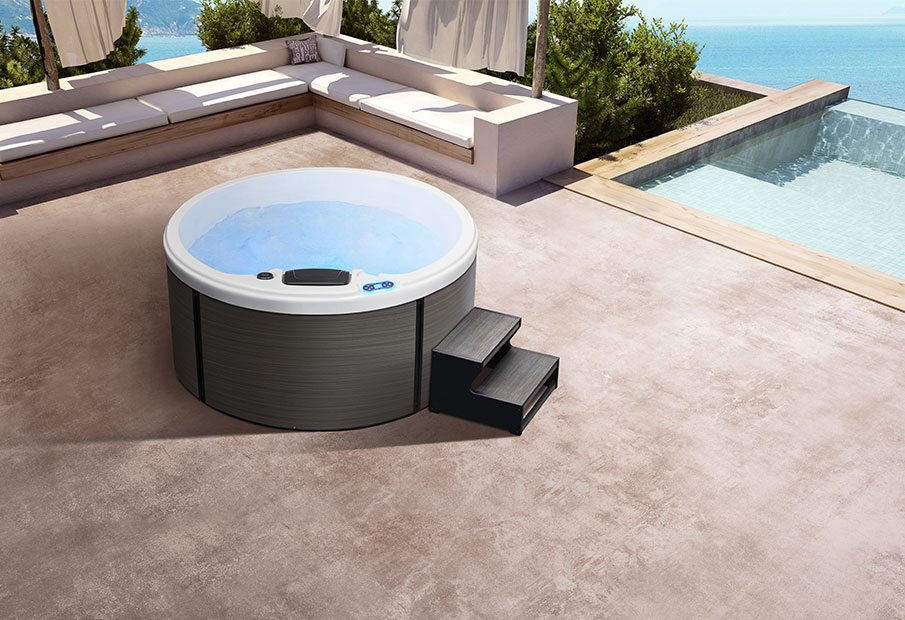
The Fspa BD-018 Hot Tub, designed for 2 adults with spacious dimensions, features a robust control system, 1.5kW massage pump, 0.35kW filter pump, 2kW heater, 14 customizable water jets, LED lighting, ozone sanitation, and a total power of 3.85kW, providing exceptional comfort and relaxation for a luxurious and rejuvenating soak.
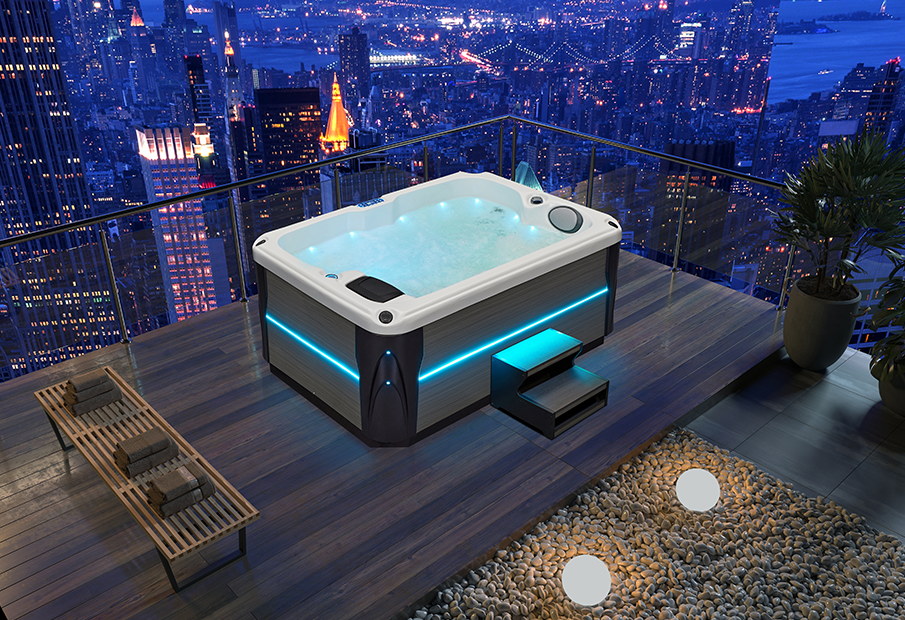
The Fspa BD-002Pro Hot Tub, boasts a powerful massage system, crystal-clear water filtration, customizable water flow, luxurious features, an ozone sanitization system, and immersive audio for the ultimate relaxation experience.
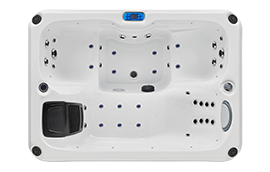
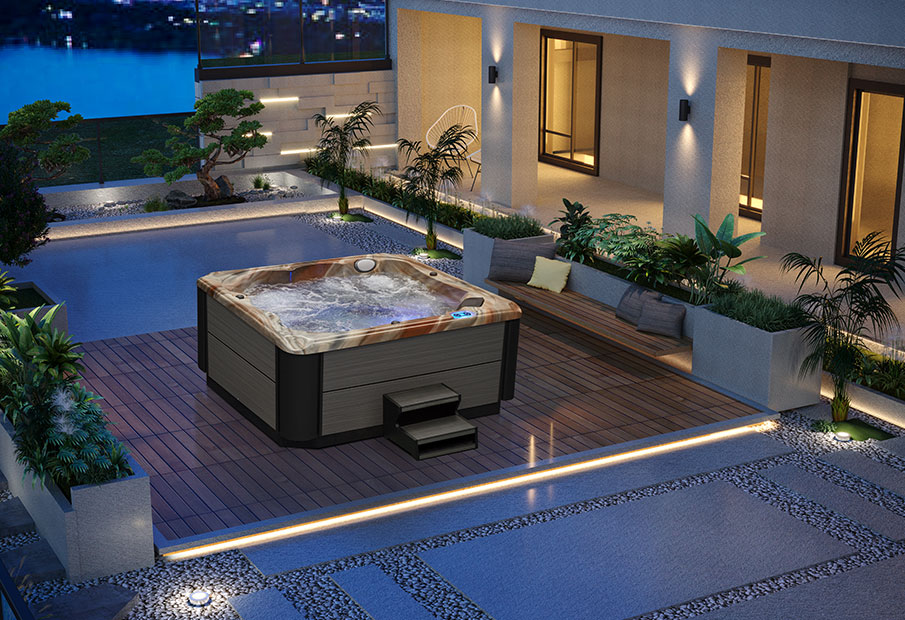
Fspa BD-004 spa, designed for ultimate relaxation, comfortably accommodating 6 adults with a powerful 5.55kW system, 35 targeted massage jets, clean water circulation, calming LED lighting, customizable air flow, ozone sanitization, and easy maintenance features.
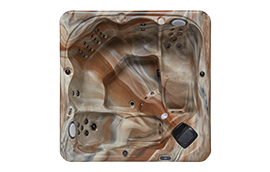
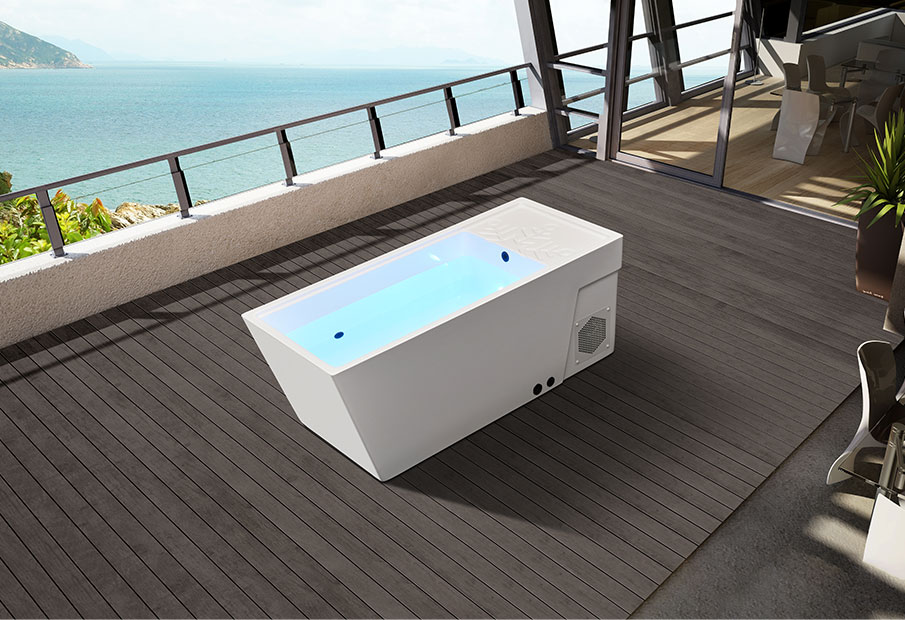
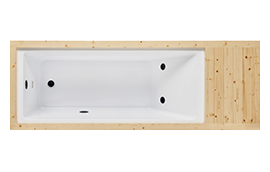
All in design, plug and play, Snowflake pattern, Include filter, circuitpump, Ozone, Ice-blue underwater light, and high-effciency Chilling system.
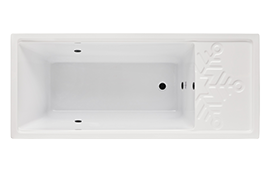
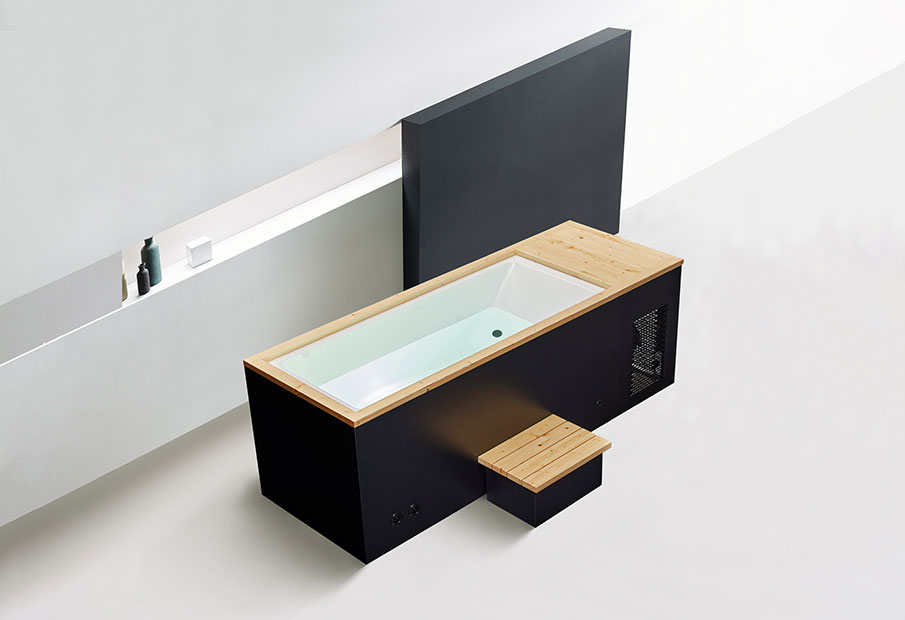
This ice-water bathtub is ideal for helping muscle recovery, adjust body temperature, improve mental health and enjoy a customized and convenient bathing experience.
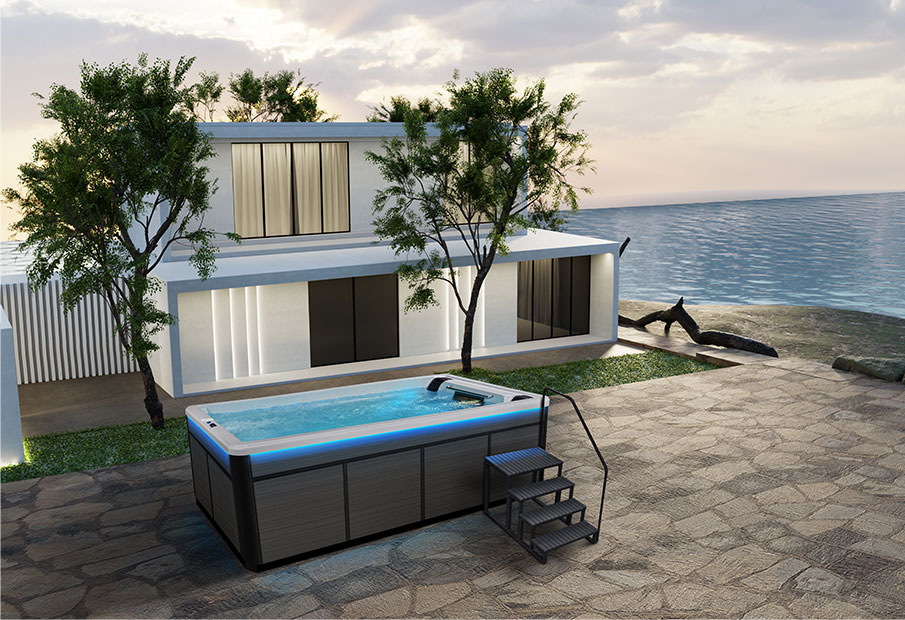
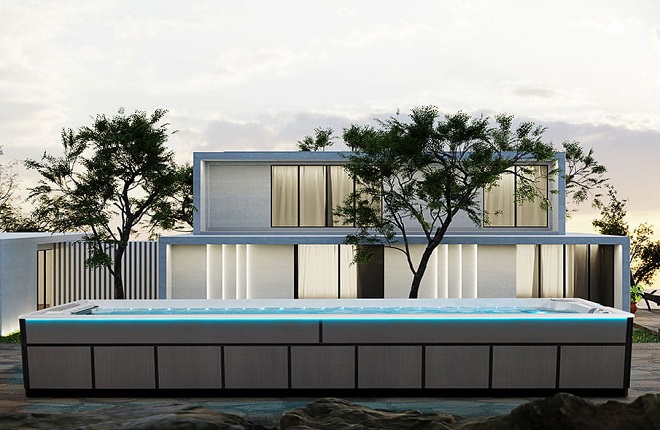
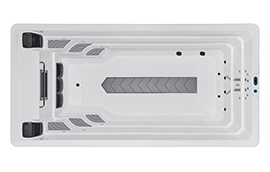
The Infinipool Fspa IP-001Pro is a premium, spacious pool with advanced filtration, ozone sanitization, insulation, and optional accessories, transforming backyards into luxurious oases for swimming, relaxation, and entertainment.
PRODUCTS
INQUIRY
Thank you for your message!Our Chinese New Year holiday from 7th Feb to 28th Feb. Apologise to make your inconvenience so that responses may be delayed during this period. We'll back to you with regular service on 2th March .Thank you for understanding.


