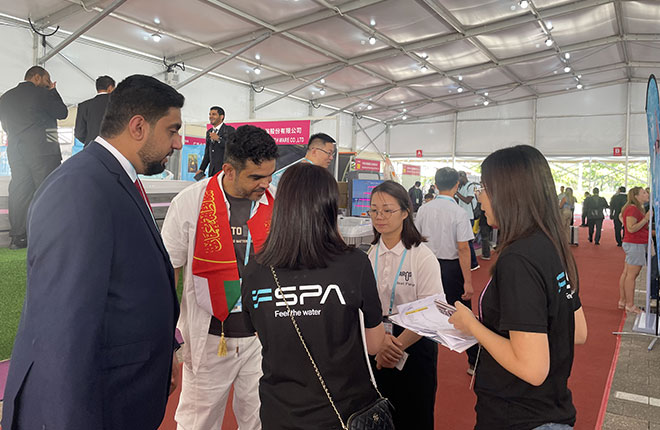
In the realm of family-oriented pool solutions, FSPA Infinipool stands out for its commitment to blending cutting-edge technology with child-centric safety features. While specific official articles detailing proprietary designs are limited, industry standards and comparable innovations provide insights into its likely safety mechanisms.
FSPA Infinipool likely incorporates textured, non-slip materials around pool edges and entry points, reducing slip risks for children. Depth gradients are probably engineered to create shallow zones ideal for kids, avoiding sudden drops common in standard pools.
Integrated surveillance likely includes motion-sensitive cameras and AI-driven alerts to detect unsupervised access or distressed swimmers. Emergency shut-off buttons near the pool perimeter could enable rapid response to accidents.
Automated filtration and UV disinfection systems would ensure hygienic conditions, critical for children’s sensitive skin and immune systems. Real-time water quality monitors might also sync with parental apps for remote oversight.
Structural designs probably feature rounded corners and shock-absorbing materials in pool fixtures to minimize injury risks during playful collisions
Gradual entry steps and removable depth dividers could allow customization for children’s swimming lessons or games, balancing fun with controlled environments.
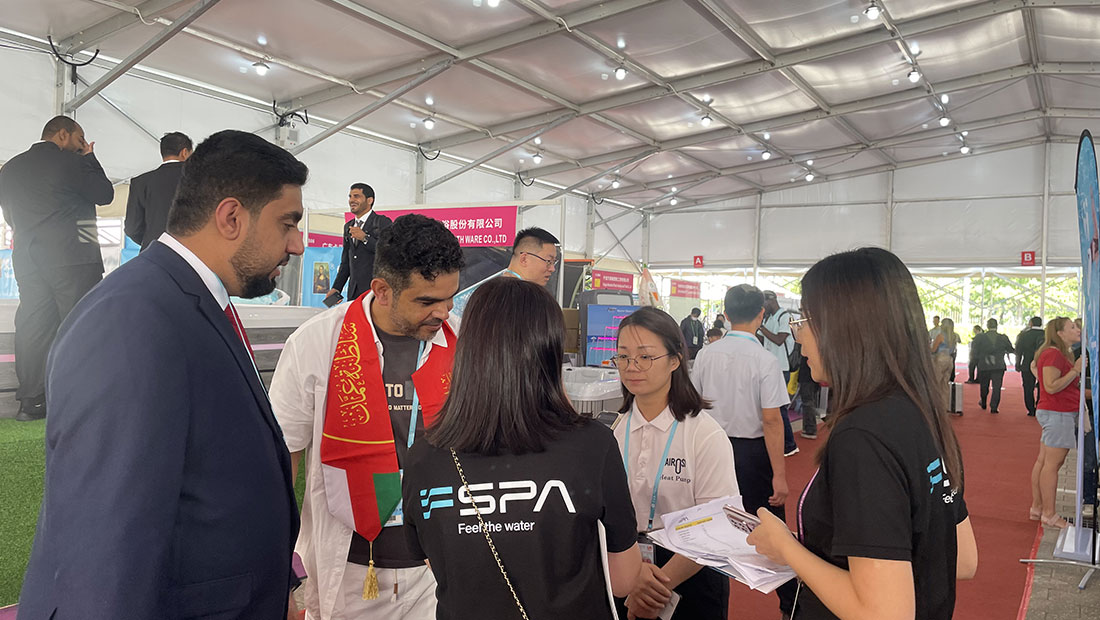
While direct technical specifications from FSPA remain publicly undocumented, these inferred features align with global safety benchmarks (e.g., ASTM pool standards, EU toy safety directives). Parents seeking Infinipool solutions should inquire about certifications like ISO 13489 for pool safety or request demonstrations of its monitoring technologies. By prioritizing preventable hazards through thoughtful engineering, FSPA Infinipool exemplifies how innovation can harmonize family enjoyment with peace of mind.
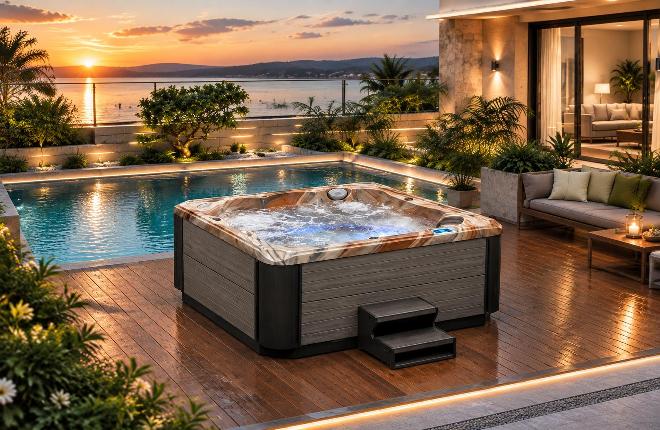
What a Resistance Swim Spa Actually Does for Your Home Fitness Routine
A resistance swim spa solves a problem most backyard pools never address: how do you swim laps without a lap pool? Instead of building a 25-meter trench in your yard, a swim spa generates a controlled current, letting you swim in place inside a compact footprint. That single mechanical difference changes who can realistically own a home water fitness setup, and why the category keeps growing among people who want exercise, not just soaking.
The appeal isn’t purely about space. Traditional pools demand months of excavation, permits, and a maintenance routine that scales with volume. A resistance swim spa condenses that into something closer to a large spa install, while still delivering the cardiovascular workout swimmers actually want. Understanding how that current works, and where it fits your property, matters more than most marketing copy suggests.
Most residential lots simply can’t accommodate a proper lap pool. A 25-meter pool needs roughly 800 to 1,000 square feet of surface area, plus setback clearances that many suburban and urban lots don’t have.
A swim spa unit, by contrast, typically measures somewhere between 12 and 20 feet in length. That’s a fraction of the footprint, and it opens up options like:
This is why swim spas show up so often in villa backyards, boutique hotels, and seaside homestays. The physical constraint is real, and the product category exists specifically to answer it.
The mechanism is simple in concept, even if the engineering behind it isn’t. A pump system pushes water through jets positioned at one end of the spa, creating a steady counter-current. You swim against that current, and the water resistance replaces the need for physical distance.
This matters for a specific reason: swimming performance depends on sustained resistance, not distance covered. In a lap pool, you generate your own resistance by pushing through still water. In a swim spa, the machine generates it for you, at an adjustable intensity. That adjustability is actually an advantage over open lap swimming, since you can dial the current up for interval training or down for rehabilitation work, without needing to change your stroke technique.
It’s worth noting that swim current systems and hydrotherapy massage jets are functionally different things, even though they sometimes sit in the same unit. Massage jets, like the 35 targeted jets built into a hydrotherapy-focused spa such as the Fspa BD-004, are designed for targeted muscle relief while seated, not for generating a swimming current. Buyers shopping specifically for lap-style resistance swimming should confirm the unit includes a dedicated counter-current swim system, since not every "swim spa" on the market actually has one.
This distinction trips up a lot of first-time buyers, so it’s worth spelling out clearly. Some products marketed loosely under the "swim spa" umbrella are actually multi-person hydrotherapy tubs, built for seated massage rather than active swimming.
| Feature | Resistance Swim Spa | Hydrotherapy Spa (e.g. BD-004 style) |
|---|---|---|
| Primary function | Counter-current swimming | Seated massage therapy |
| Typical capacity | 1-2 active swimmers | 6 adults seated |
| Jet placement | Concentrated at one end for current | Distributed around seating for targeted massage |
| Water depth | Deeper, for full-body swimming | Shallower, seat-height focused |
| Best for | Cardio training, lap practice | Muscle recovery, relaxation |
Neither approach is better in absolute terms. They solve different problems. If your goal is cardiovascular conditioning or swim technique practice, you need dedicated counter-current resistance. If your goal is post-workout recovery or general relaxation, a hydrotherapy unit with multiple massage jets, ozone sanitization, and ergonomic seating is the more appropriate fit.
A unit like the BD-004, for instance, is built around six-person seating, 35 massage jets, and a 5.55kW total system that includes a 2.2kW massage pump, a 0.35kW filter pump, and a 3kW heater. That configuration is optimized for shared relaxation, not lap swimming. Recognizing which category a product actually belongs to prevents a costly mismatch between expectation and use.
Not every household needs a swim current system, but several groups get disproportionate value from one:
For the second and third groups especially, a swim spa often ends up replacing a gym membership rather than supplementing one. The math is straightforward once you account for years of membership fees against a one-time equipment cost, though installation, electrical, and ongoing water maintenance still need to factor into that comparison.
Choosing between swim spa types shouldn’t be a guessing game. A short checklist keeps the decision grounded in actual use rather than showroom appeal.
Skipping step one is the single most common regret buyers report. A beautifully built hydrotherapy spa will not satisfy someone who wanted to train for a triathlon in their backyard.
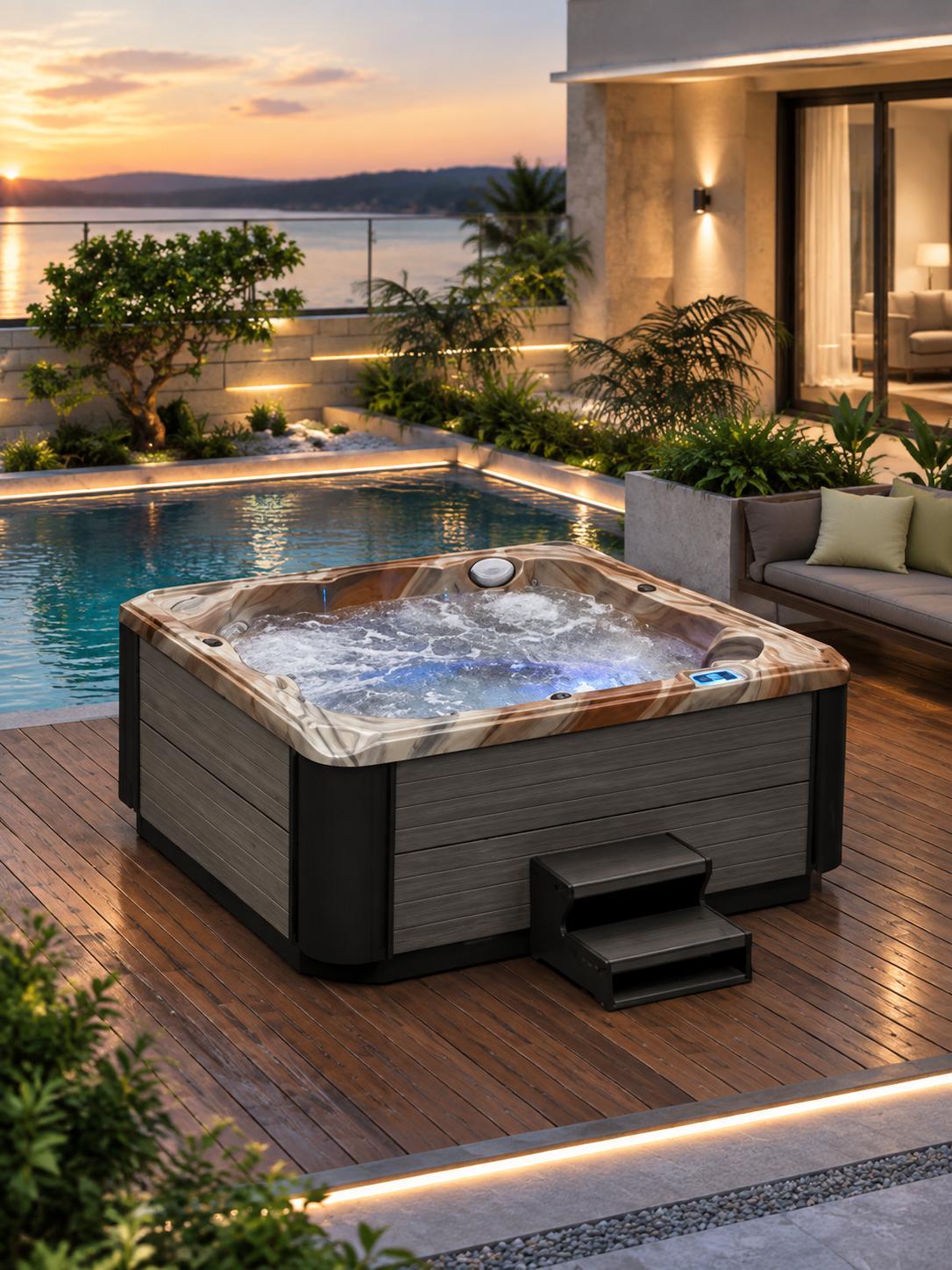
Placement affects more than aesthetics. Outdoor installations, whether on a wooden deck, stone patio, or villa backyard, need to account for weather exposure, drainage, and structural load, since a filled unit carrying over a thousand liters of water is considerably heavier than it looks empty.
Indoor installations, common in hotel gyms and rehabilitation centers, shift the concern toward ventilation and humidity control instead. A hotel gym setup, for example, benefits from the recovery function of a hydrotherapy unit after workouts, but that same room needs adequate airflow to manage the moisture a large water feature generates continuously.
Seaside homestays present a middle case. The relaxation value is high, given the view and ambiance, but salt air accelerates wear on exposed metal components, making cabinet material and hardware finish more relevant to longevity than in an inland setting.
Nobody enjoys thinking about sanitization systems until the water turns cloudy. Ozone-based sanitization, built into units like the BD-004, reduces the chemical load needed to keep water clean, which in turn reduces the frequency of manual maintenance tasks.
That said, ozone systems supplement rather than replace basic water care. Filter pumps still need regular cleaning, and water chemistry should be checked on a routine schedule regardless of what sanitization technology sits behind the scenes. Treating an ozone system as a substitute for any maintenance is a common misunderstanding, and one that shortens equipment lifespan when left uncorrected.
Does a resistance swim spa provide the same workout as swimming in a full-length pool?
It provides a comparable cardiovascular workout for stroke practice and endurance training, since the resistance is adjustable and continuous. It does not replicate open-water turns, diving, or true distance swimming.
Can a hydrotherapy spa like the BD-004 also function as a swim spa?
No. Units built around seated massage jets and six-person capacity, such as the BD-004 with its 35-jet layout, are designed for hydrotherapy relaxation rather than counter-current swimming.
How much space does a typical swim spa installation require?
Considerably less than a lap pool, though exact footprint varies by manufacturer and model. Always check full unit dimensions, including cabinet width, before finalizing a location.
Do these systems work outdoors year-round?
Many units are rated for both indoor and outdoor use, but cold-climate installations should confirm heating capacity and insulation are adequate for winter operation.
What certifications should I look for when comparing units?
Look for recognized electrical and safety certifications such as CE, CB, SAA, or CTUVus, which confirm the unit has been independently tested against established safety standards.
The decision ultimately comes down to matching the equipment to the actual activity you want. A resistance swim spa serves swimmers and rehabilitation users who need sustained current-based training in a limited footprint. A hydrotherapy-focused unit, built around multiple massage jets and comfortable seating, serves a different goal entirely: recovery, relaxation, and shared use among family or guests.
For us, and for manufacturers across this space, the responsibility is making that distinction clear before a customer commits to an installation. Whether the end goal is triathlon training in a converted side yard or a quiet recovery soak after a hotel gym session, getting the category right from the start saves both money and disappointment. A resistance swim spa is a genuine solution to the space problem that keeps so many people from swimming regularly, but only when the buyer confirms it’s actually built for that purpose.
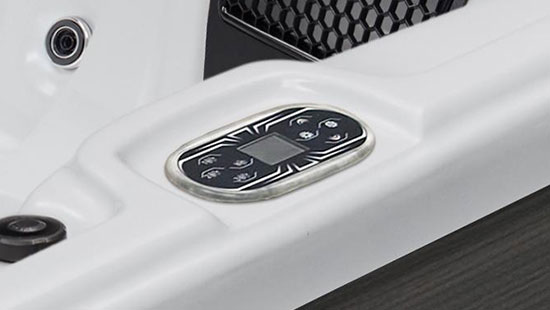
Understanding Comfort, Capacity, and Modern Hot Tub Options
A 4 person hot tub is one of the most popular choices for homeowners who want a balance between space efficiency and social relaxation. It provides enough seating for small families or groups of friends while still fitting comfortably in most backyards, patios, or indoor spa rooms. This size has become a standard option in the residential spa market due to its versatility and affordability.
When exploring the market, many buyers search for the best hot tubs to ensure they are investing in long-term quality, durability, and performance. The best models typically combine strong hydrotherapy jets, energy-efficient heating systems, and ergonomic seating designs that enhance comfort and relaxation.
Among premium selections, best rated hot tubs stand out because they have been tested and reviewed by users and industry experts. These models often offer superior build quality, better insulation, and longer service life, making them a safer investment for homeowners who want reliable performance.
A four person hot tub and a 4 man hot tub refer to the same category of spa systems designed to comfortably accommodate four users. These models are ideal for small gatherings, family relaxation, or couples who want extra space. They are compact enough for residential use but still offer a full spa experience with massage jets and temperature control.
One of the most important factors when choosing a spa system is understanding hot tub cost. Prices vary widely depending on size, brand, materials, insulation quality, and additional features such as LED lighting, smart controls, or advanced jet systems. Entry-level models are more affordable, while luxury units with premium features can be significantly more expensive.
For budget-conscious buyers, cheap hot tubs provide an accessible way to enjoy hydrotherapy benefits without a large upfront investment. These models typically include basic jets and heating systems, making them suitable for first-time users or temporary installations.
When evaluating the overall cost of a hot tub, it is important to consider not only the purchase price but also long-term expenses such as electricity usage, water maintenance, and chemical treatment. Energy-efficient models may have a higher initial cost but can save money over time through reduced operating expenses.
The best hot tubs often strike a balance between performance and cost efficiency. They are designed with durable materials and energy-saving technology that reduces long-term maintenance requirements while delivering consistent comfort.
Similarly, best rated hot tubs tend to offer better value because they are proven to perform well over time. These models are frequently recommended by users and experts due to their reliability, comfort, and efficient energy use.
A 4 person hot tub or four person hot tub is often considered the ideal size for homeowners looking for a cost-effective yet enjoyable spa experience. It provides enough space for multiple users while keeping hot tub cost manageable compared to larger models.
Selecting the right spa system requires careful consideration of space, budget, and usage needs. A 4 man hot tub or four person hot tub is perfect for small families or social use, offering comfort without excessive space requirements.
When comparing options, it is important to evaluate best hot tubs based on durability, energy efficiency, and user experience. These factors directly impact long-term satisfaction and maintenance costs.
For buyers focused on affordability, cheap hot tubs can be a good starting point, but they should still meet basic quality and safety standards. Meanwhile, those who want long-term reliability may prefer best rated hot tubs, which are tested for performance and durability.
Understanding the cost of a hot tub helps buyers make informed decisions. While initial pricing is important, long-term operating costs often have a greater impact on overall value.
Ultimately, whether choosing a 4 person hot tub, 4 man hot tub, or exploring premium models, the goal is to find a system that balances comfort, durability, and affordability.
From compact family units to advanced luxury systems, today’s spa market offers a wide range of choices for every budget and lifestyle. Whether you are considering a 4 person hot tub, comparing best hot tubs, or evaluating hot tub cost, each option provides unique advantages in comfort and relaxation. By reviewing best rated hot tubs and comparing cheap hot tubs with premium models, homeowners can confidently determine the true cost of a hot tub and select the perfect solution for long-term wellness and enjoyment.
A 4 person hot tub provides a balance between space efficiency and social comfort, making it ideal for families or small group relaxation.
The best hot tubs offer durable construction, energy efficiency, strong jet systems, and comfortable seating designed for long-term use.
best rated hot tubs are highly reviewed by users and experts, ensuring proven performance, durability, and customer satisfaction.
Yes, cheap hot tubs are suitable for first-time buyers, offering basic hydrotherapy features at a lower initial investment.
The cost of a hot tub varies depending on size and features, ranging from affordable entry-level models to premium luxury systems with advanced functions.
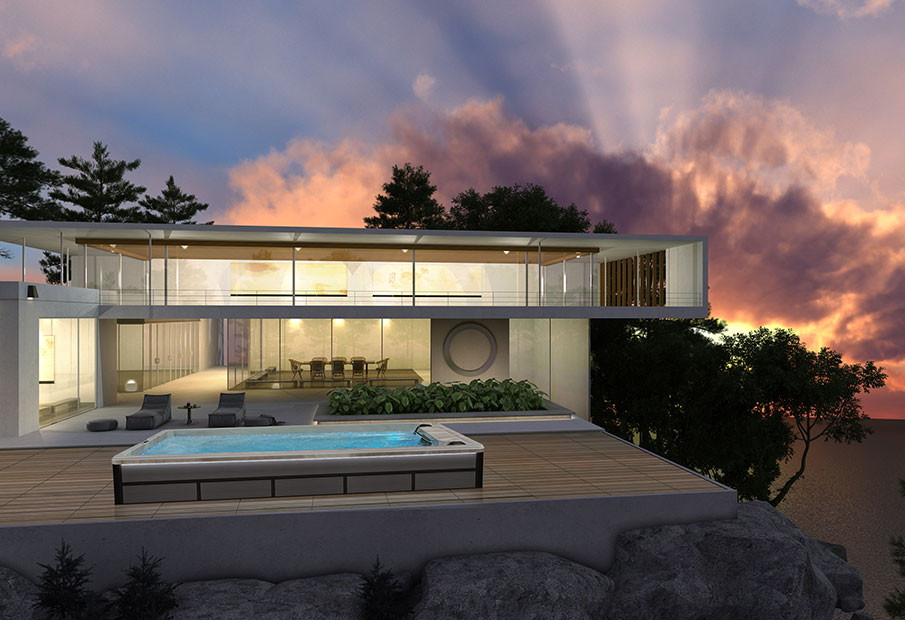
The Infinipool Fspa IP-002Pro is a luxurious and versatile hot tub, featuring a powerful filtration system, 28 massage jets, ozone sanitization, insulation, and optional accessories, designed to provide a soothing and rejuvenating experience in any outdoor space.
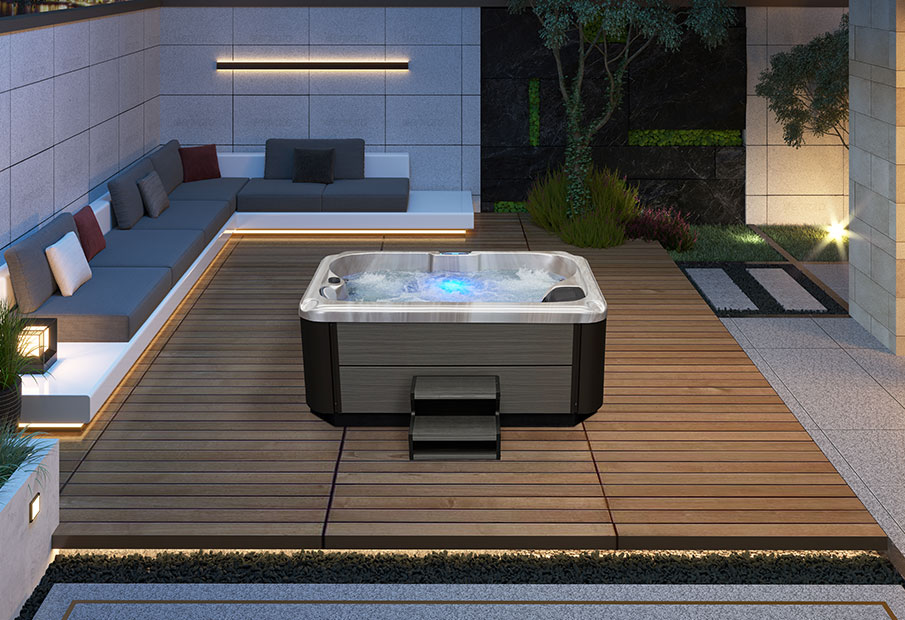
Our luxurious Fspa BD-003 spa tub, designed for 3 adults with ample space (1870x1330x800mm), features a comprehensive control system, powerful massage pump, gentle filter pump, temperature control, clean water filter, LED lighting, 16 massage jets, and sanitation ozone system, offering a perfect therapeutic escape for you and your loved ones.
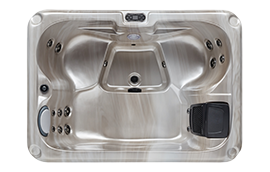
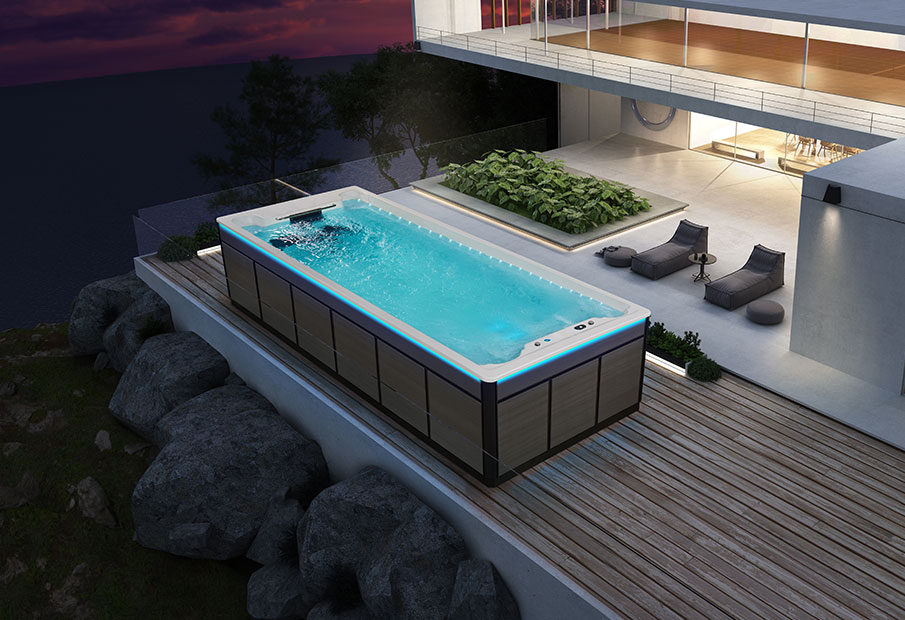
The Infinipool Fspa IP-005Pro is a state-of-the-art, spacious hot tub with advanced features, offering an unparalleled spa retreat for residential and commercial use.
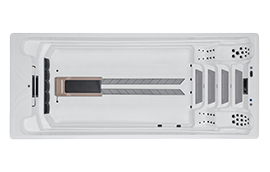
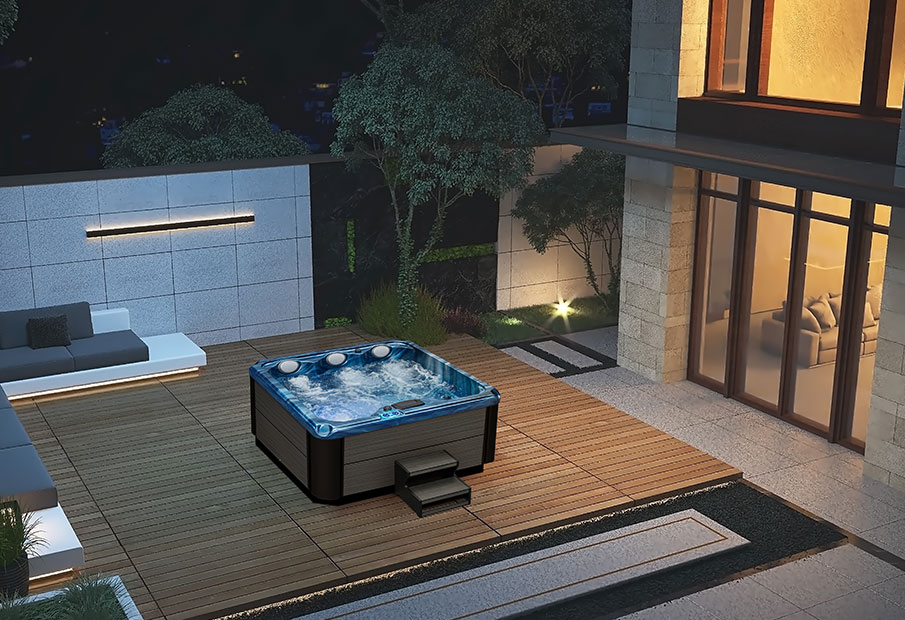
The Fspa BD-013 hot tub, with its spacious design for 6 adults, advanced 2.2kW massage pump with 35 jets, robust 3kW heater, energy-efficient filter pump, ambient LED lighting, and ozone system, offers ultimate relaxation and transforms any space into a private spa retreat, ideal for both residential and commercial use.
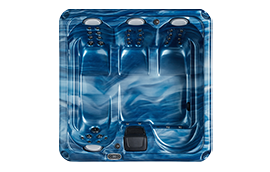
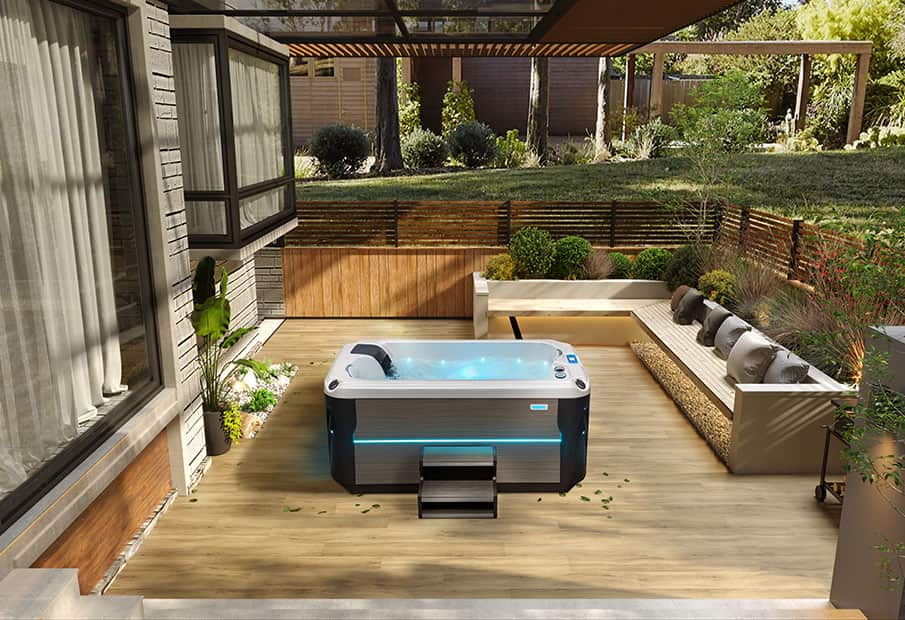
The Fspa BD-016Pro Hot Tub, a compact spa for up to 2 adults, offers a rejuvenating experience with an efficient control system, soothing massage features, consistent water temperature, modern amenities, advanced filtration, and suitability for indoor or outdoor placement.
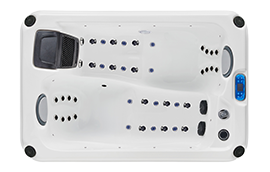
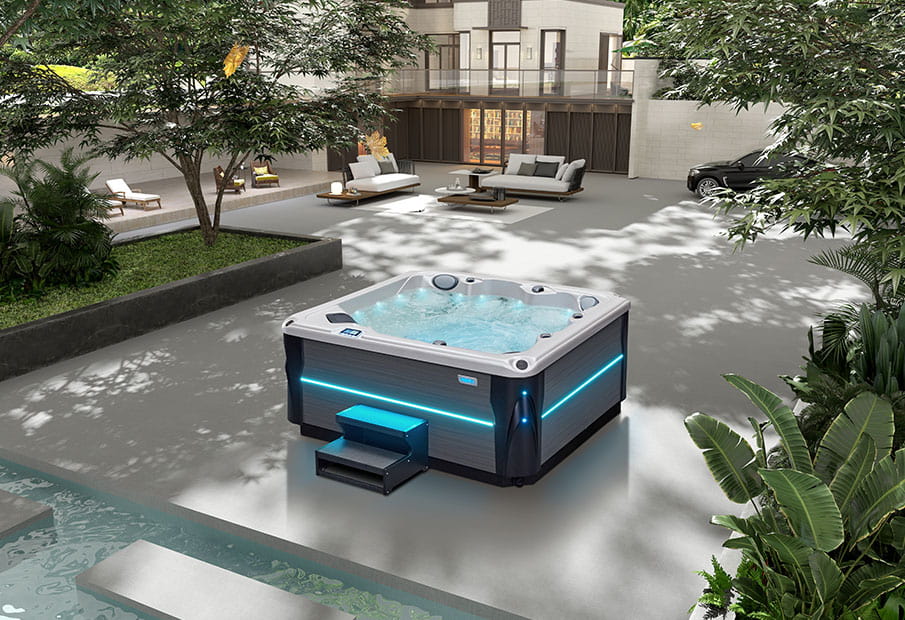
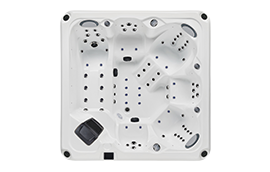
The Fspa BD-007Pro Hot Tub, with its spacious design for 6 adults, powerful massage system, 61 water & 19 air bubble jets, efficient heating and filtration, built-in ozone sanitization, sleek design, and amenities like speakers and coasters, offers unparalleled luxury, relaxation, and rejuvenation for both residential and commercial use.
PRODUCTS
INQUIRY
Thank you for your message!Our Chinese New Year holiday from 7th Feb to 28th Feb. Apologise to make your inconvenience so that responses may be delayed during this period. We'll back to you with regular service on 2th March .Thank you for understanding.


