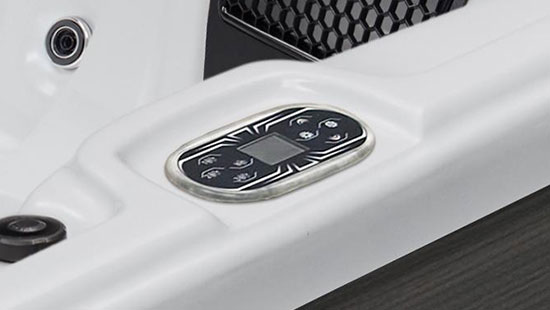
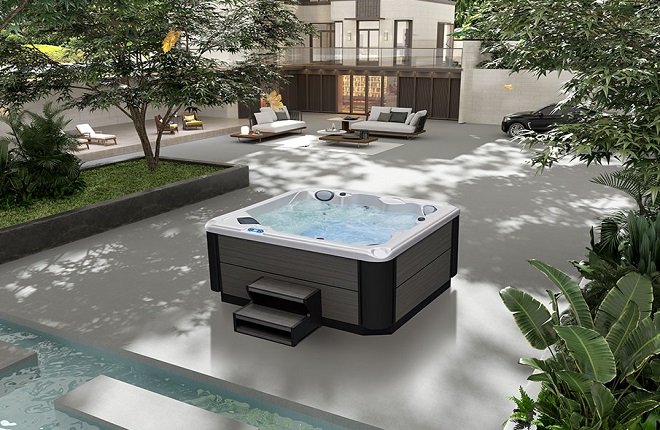
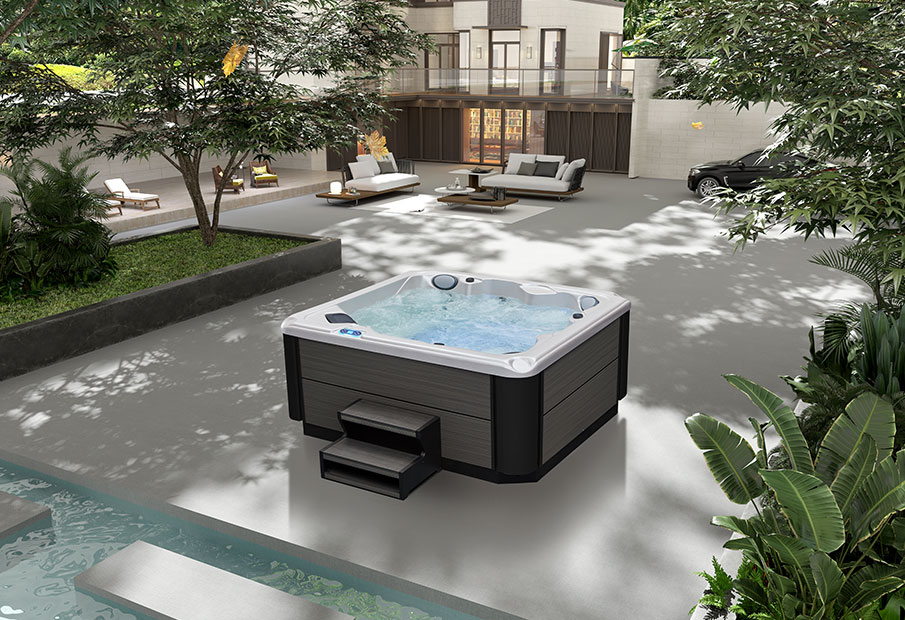
A 4 person hot tub is one of the most popular choices for homeowners who want a balance between space efficiency and social relaxation. It provides enough seating for small families or groups of friends while still fitting comfortably in most backyards, patios, or indoor spa rooms. This size has become a standard option in the residential spa market due to its versatility and affordability.
When exploring the market, many buyers search for the best hot tubs to ensure they are investing in long-term quality, durability, and performance. The best models typically combine strong hydrotherapy jets, energy-efficient heating systems, and ergonomic seating designs that enhance comfort and relaxation.
Among premium selections, best rated hot tubs stand out because they have been tested and reviewed by users and industry experts. These models often offer superior build quality, better insulation, and longer service life, making them a safer investment for homeowners who want reliable performance.
A four person hot tub and a 4 man hot tub refer to the same category of spa systems designed to comfortably accommodate four users. These models are ideal for small gatherings, family relaxation, or couples who want extra space. They are compact enough for residential use but still offer a full spa experience with massage jets and temperature control.
One of the most important factors when choosing a spa system is understanding hot tub cost. Prices vary widely depending on size, brand, materials, insulation quality, and additional features such as LED lighting, smart controls, or advanced jet systems. Entry-level models are more affordable, while luxury units with premium features can be significantly more expensive.
For budget-conscious buyers, cheap hot tubs provide an accessible way to enjoy hydrotherapy benefits without a large upfront investment. These models typically include basic jets and heating systems, making them suitable for first-time users or temporary installations.
When evaluating the overall cost of a hot tub, it is important to consider not only the purchase price but also long-term expenses such as electricity usage, water maintenance, and chemical treatment. Energy-efficient models may have a higher initial cost but can save money over time through reduced operating expenses.
The best hot tubs often strike a balance between performance and cost efficiency. They are designed with durable materials and energy-saving technology that reduces long-term maintenance requirements while delivering consistent comfort.
Similarly, best rated hot tubs tend to offer better value because they are proven to perform well over time. These models are frequently recommended by users and experts due to their reliability, comfort, and efficient energy use.
A 4 person hot tub or four person hot tub is often considered the ideal size for homeowners looking for a cost-effective yet enjoyable spa experience. It provides enough space for multiple users while keeping hot tub cost manageable compared to larger models.
Selecting the right spa system requires careful consideration of space, budget, and usage needs. A 4 man hot tub or four person hot tub is perfect for small families or social use, offering comfort without excessive space requirements.
When comparing options, it is important to evaluate best hot tubs based on durability, energy efficiency, and user experience. These factors directly impact long-term satisfaction and maintenance costs.
For buyers focused on affordability, cheap hot tubs can be a good starting point, but they should still meet basic quality and safety standards. Meanwhile, those who want long-term reliability may prefer best rated hot tubs, which are tested for performance and durability.
Understanding the cost of a hot tub helps buyers make informed decisions. While initial pricing is important, long-term operating costs often have a greater impact on overall value.
Ultimately, whether choosing a 4 person hot tub, 4 man hot tub, or exploring premium models, the goal is to find a system that balances comfort, durability, and affordability.
From compact family units to advanced luxury systems, today’s spa market offers a wide range of choices for every budget and lifestyle. Whether you are considering a 4 person hot tub, comparing best hot tubs, or evaluating hot tub cost, each option provides unique advantages in comfort and relaxation. By reviewing best rated hot tubs and comparing cheap hot tubs with premium models, homeowners can confidently determine the true cost of a hot tub and select the perfect solution for long-term wellness and enjoyment.
A 4 person hot tub provides a balance between space efficiency and social comfort, making it ideal for families or small group relaxation.
The best hot tubs offer durable construction, energy efficiency, strong jet systems, and comfortable seating designed for long-term use.
best rated hot tubs are highly reviewed by users and experts, ensuring proven performance, durability, and customer satisfaction.
Yes, cheap hot tubs are suitable for first-time buyers, offering basic hydrotherapy features at a lower initial investment.
The cost of a hot tub varies depending on size and features, ranging from affordable entry-level models to premium luxury systems with advanced functions.

Invitation of FSPA in The 2026 POOL & SPA Show
Get ready to dive into the future of pool and spa innovations! The much-anticipated POOL & SPA Show, powered by the Northeast Spa and Pool Association, is just around the corner, and we are thrilled to invite you to be part of this spectacular event.

Mark your calendars for January 27–29, 2026, and make your way to the Atlantic City Convention Center in New Jersey, U.S.A. This is your golden opportunity to explore the latest trends, products, and technologies that are shaping the industry. We are especially excited to welcome you at Booth #3056, where FSPA will showcase its premium range of products and solutions. FSPA has always been synonymous with quality and innovation, and this year is no different.
Whether you’re a professional in the industry or a pool and spa enthusiast, this event promises insights and experiences you won’t want to miss. For more information, visit our homepage or contact us via WhatsApp at +86 18144708213. You can also email us at e-mail to: [email protected]. See you at the show!
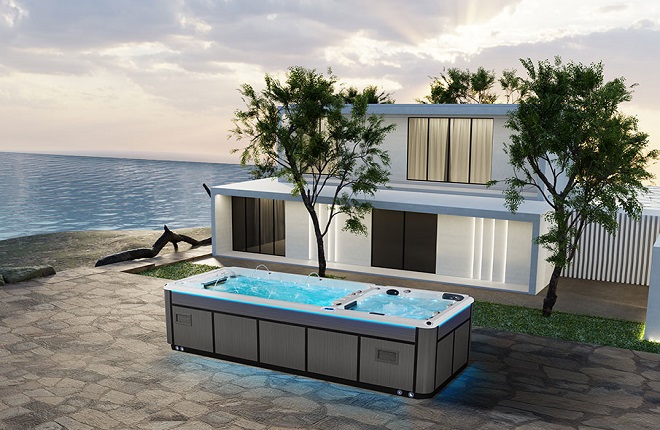
As someone who’s bought two acrylic swim spas for vacation homes in Spain and the U.S. over the past five years, I’ve learned the hard way that international swim spa shopping isn’t just about picking a style or size—ignoring voltage, frequency, and socket differences can turn a dream backyard upgrade into a costly headache. These details might seem small, but they make or break whether your spa works safely, efficiently, or at all once it’s installed.
My first mistake happened with my Spanish villa’s spa. I ordered a model I loved from a global supplier without double-checking electrical specs, assuming “universal” meant it would fit. When the installer arrived, he pointed out Spain uses 230V voltage and 50Hz frequency, while the spa was calibrated for the U.S.’ 120/240V and 60Hz. Plugging it in would’ve fried the heating element and pumps.
We had to wait three weeks for the supplier to send a custom electrical kit—delaying use and adding extra fees. After that, I made it a rule to confirm specs upfront. The U.S. home’s spa went smoothly because I asked: I learned most U.S. residential setups use 240V for larger spas (to power strong jets and fast heating) and 120V for smaller ones, plus 60Hz frequency that keeps motors running steadily.
Japan’s even trickier, I later found out from a friend—some regions use 100V at 50Hz, others 60Hz, so you need to specify the exact city to avoid mismatches.
Sockets are another easy pitfall. In Spain, the plugs are Type F—round, with two pins and a grounding clip—while the U.S. uses Type A/B (flat pins, grounded or ungrounded). My first spa came with a U.S.-style plug, which didn’t fit Spain’s outlets.
Even if you use an adapter, it’s not a fix: adapters only change the plug shape, not the power flowing through it. For my U.S. spa, I also had to confirm the socket’s amp capacity—my spa draws 30A, so a standard 15A household socket would’ve overheated.
The supplier helped me share my home’s electrical panel details with their team, who then sent a compatible cord and even recommended a local electrician to upgrade the outlet.
The solution, I’ve found, is simple: talk to your supplier early and often. Don’t just ask “Will this work in [country]?”—get specific. Share your home’s voltage (you can find it on your utility bill or by checking a wall outlet), frequency (most countries stick to 50Hz or 60Hz), and socket type (a quick online search for your country’s plug type works).
Good suppliers, like the one I used for my second spa, will adjust the spa’s internal components—swapping out heating elements, calibrating motors, or changing cords—to match your region. They might even send diagrams to share with your electrician, so installation goes off without a hitch.
Buying a swim spa internationally should be exciting, not stressful. By focusing on these electrical details and communicating clearly with your supplier, you can skip the delays and extra costs—and start enjoying your spa as soon as it arrives.
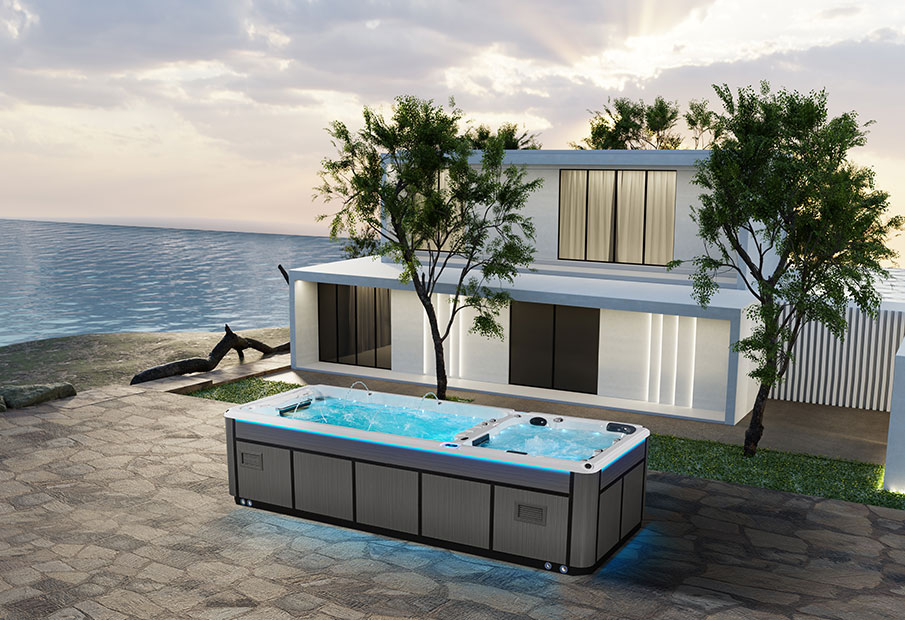
A Day at FSPA: Explore the Outdoor Hot Tub Paradise as a Guest
The crisp morning air in Gaoming , Foshan, carried a hint of greenery as I pulled up to FSPA’s factory gate—my first visit to the brand I’d researched for months to find the perfect outdoor hot tub for my villa. As a buyer who values both quality and aesthetics, I’d heard FSPA’s acrylic products stood out, but seeing them up close felt like stepping into a world where functionality meets luxury.
My tour began in the brand showcase hall, where natural light streamed through floor-to-ceiling windows, illuminating a stunning lineup of product .There were compact hot tubs designed for cozy backyard gatherings, sleek swim spas that doubled as fitness spaces, and spacious outdoor pools—their acrylic surfaces glistening like polished marble.
What impressed me most was the attention to user comfort: the hot tubs featured ergonomic seats that hugged the body, adjustable jets positioned to target tight muscles, and hidden LED strips that cast soft, warm light after dark. When I ran my hand over the acrylic, it felt smooth yet sturdy—nothing like the flimsy materials I’d seen in cheaper models.
The staff explained that FSPA uses high-quality, UV-resistant acrylic, built to withstand years of sun, rain, and heavy use. “We test each batch for scratch resistance and color fastness,” they said, pulling out a sample that had been exposed to harsh weather for two years—still as vibrant as new.
Next, we headed to the production workshop, a 30,000-square-meter space where order and precision reigned. Unlike chaotic factories I’d visited before, FSPA’s floor was spotless, with each station labeled clearly: acrylic cutting, thermoforming, assembly, and quality control.
I watched as workers used computer-controlled machines to mold an acrylic hot tub shell, heating the material to an exact temperature to avoid bubbles or uneven edges. At the quality check station, a technician ran a digital caliper along every curve, ensuring measurements matched the design down to 0.1mm.
“Every product goes through three inspections before leaving the factory,” the guide told me. I even saw a team testing a hot tub’s water circulation system, running it for 24 hours straight to check for leaks—a level of thoroughness that made me trust FSPA’s craftsmanship even more.
The day’s highlight was the outdoor demonstration area, tucked away among palm trees and potted flowers. Several hot tubs were filled with warm, bubbling water, and I couldn’t resist slipping into one. The jets kicked in gently, easing the tension in my shoulders, and the water stayed consistently warm—no sudden drops in temperature like in the hot tub I’d owned before.
As I relaxed, the staff brought over refreshments and talked me through customization options: I could choose the acrylic color to match my backyard decor, add a built-in sound system, or even opt for a smart control panel that let me adjust settings from my phone. By the time I climbed out, I’d already jotted down the model number I wanted.
As I drove back, I thought about how FSPA had turned a simple factory visit into a memorable experience. It wasn’t just the beautiful products—it was the care in every step, from the materials they chose to the way they listened to my needs. For anyone looking for an outdoor hot tub that’s built to last and designed to delight, FSPA isn’t just a factory—it’s a place where “paradise” is crafted with purpose. I left knowing my backyard would soon have the perfect centerpiece—and that I’d found a brand I could rely on for years to come.
Unveiling the Strengths of FSPA Swim Spa Factory: A Journey from Design to Delivery
As a loyal customer who has partnered with FSPA for over three years and ordered acrylic swim spas for my resort chain across Southeast Asia, I’ve witnessed firsthand how this industry-trade integrated factory turns ideas into exceptional products. Every visit to their Gaoming facility deepens my trust—and it all starts with their thoughtful design process.
Unlike some factories that stick to rigid templates, FSPA’s design team listens intently to client needs. When I requested a 12-meter outdoor swim spa tailored for tropical climates (with extra shade features and anti-slip steps), they delivered 3D renderings within a week, adjusting details until it aligned perfectly with my resort’s aesthetic and functional demands.
Their ability to blend practicality (like space-saving layouts for small resorts) with luxury (such as customizable LED lighting and ergonomic seating) sets their designs apart. FSPA’s approach is not about mass production—it’s about turning client ideas into elegant, functional realities.
Quality begins with materials, and FSPA never cuts corners here. During my last tour, their procurement manager walked me through the raw material warehouse, where stacks of acrylic sheets from Germany’s top supplier sat neatly labeled. “We only use UV-resistant and impact-proof acrylic,” he explained—something I’ve verified over time: my earliest FSPA swim spas, installed two years ago, still have glossy surfaces without a single crack, even under daily exposure to intense sunlight.
They also source stainless steel for jets and pumps from trusted Taiwanese vendors, ensuring components hold up against saltwater (critical for my beachfront resorts) and heavy use.
Stepping into FSPA’s 30,000-square-meter production workshop feels like watching a well-choreographed show. Each station—from acrylic thermoforming to assembly—follows strict SOPs. What impresses me most is their “one-worker-one-station” accountability system—each employee signs off on their task, making it easy to trace any issues (though I’ve never needed to).
FSPA’s craftsmanship shines in the little details. From smooth, hand-polished edges to precisely angled hydrotherapy jets (15° for shoulders, 30° for lower back), every component is engineered for performance, comfort, and safety.
FSPA’s delivery process is a masterclass in efficiency—vital for a business like mine that can’t afford delays. As an industry-trade integrated factory, they handle everything in-house: from custom crating (each swim spa is wrapped in foam and placed in wooden frames) to logistics coordination.
When I needed 10 swim spas delivered to my Bali resort last year, they synchronized the shipment with my renovation timeline and even adjusted the delivery date when my contractors hit a delay. Beyond delivery, their installation guides and responsive after-sales support ensure a smooth experience from start to finish.
Over the years, I’ve considered other swim spa suppliers, but FSPA’s end-to-end excellence—from design that listens, materials that last, production that’s precise, craftsmanship that cares, and delivery that delivers—keeps me coming back. For anyone seeking a reliable long-term partner in the swim spa industry, FSPA stands out as the clear choice.
Why More Isn’t Always Better When It Comes to Hot Tub Massage Jets?
When shopping for a hot tub, it’s easy to be drawn to models boasting the highest number of massage jets. At first glance, more jets seem to promise a deeper, more customized, and more luxurious experience. But as someone who has owned and tested multiple spas, I’ve learned that jet count alone is a misleading metric. In reality, the quality, placement, and performance of those jets matter far more than the quantity.
A hot tub with an excessive number of jets but an underpowered pump is like having a dozen faucets running on low water pressure—none of them will feel satisfying. The pump is the heart of the system; it’s what delivers the force and volume of water needed to create a therapeutic massage. If the pump can’t keep up, those 50 or 60 jets will produce little more than a weak, bubbly stream. You’re left with a lukewarm soak rather than a targeted, muscle-relieving hydrotherapy session.
Furthermore, thoughtful jet placement is crucial. A few well-positioned jets targeting key muscle groups—like the lower back, glutes, neck, and calves—are infinitely more valuable than dozens of jets placed randomly where they don’t provide meaningful contact. Everyone soaks differently; some prefer a deep tissue massage on their shoulders, while others need relief for tired legs.
A quality tub offers adjustable, directional jets in strategic zones, allowing you to personalize the experience. A high jet count often looks impressive on a spec sheet, but if half of them are in spots that don’t align with your body, they’re essentially decorative.
There’s also the practical side to consider: energy efficiency and maintenance. More jets require a more powerful pump and more complex plumbing, which inevitably leads to higher energy consumption. Your electricity bill will reflect that. Additionally, each jet is a potential point for leaks or future maintenance.
Simpler systems with fewer, high-quality jets are often more reliable and cheaper to operate in the long run. Ultimately, the goal of a hot tub is relaxation and therapy, not to win a numbers game.
When you test a tub, close your eyes and focus on how it feels. Does the pressure meet your needs? Can you direct the flow where you want it? That’s what truly matters. Don’t be swayed by marketing that promises “the most jets.” Instead, look for a balanced system designed for performance, comfort, and efficiency. Your back—and your wallet—will thank you.
Building an Exercise Swim Spa Routine That Actually Fits Your Space
Anyone shopping for an exercise swim spa usually starts with the same tension: they want the cardiovascular payoff of swimming without giving up a quarter acre of yard to a lap pool. That tradeoff used to be real. A hot tub gave you heat and massage, a pool gave you movement, and the two rarely lived in the same footprint. The category worth understanding now sits between those two, and figuring out where a specific unit lands on that spectrum is the actual research task, not just comparing jet counts.
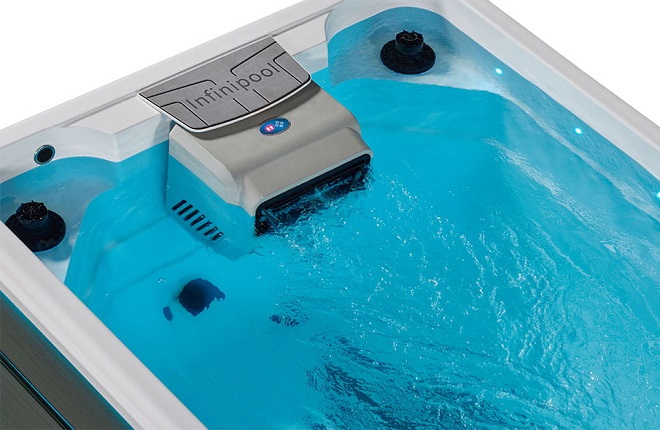
Marketing language in this space gets loose fast. Some products labeled as swim spas are built around a current-generation propulsion system meant for continuous swimming against resistance, aimed at users who want lap-style training in a compact shell. Others are closer to a therapy-focused hot tub, engineered around seating, jet placement, and heat retention, with any "exercise" benefit coming from hydrotherapy and gentle movement rather than swimming laps.
Both are legitimate categories. The mistake is assuming they solve the same problem. A homeowner training for a triathlon needs resistance current and swim distance. A hotel guest recovering from a workout needs heat, jet coverage, and a seat that doesn’t fight their spine after twenty minutes. Knowing which need you actually have determines whether you’re shopping for a swim spa or a hydrotherapy spa, and it changes which specs matter.
Once you know your use case, the spec sheet stops being marketing copy and starts being a maintenance and performance forecast. Take the Fspa BD-004 as a working example, since its published specs are typical of the multi-person hydrotherapy category.
| Spec | Value | What It Tells You |
|---|---|---|
| Capacity | 6 adults | Family or small group use, not a solo lap-swimmer’s tool |
| Dimensions | 2350 x 2350 x 900mm | Fits a standard deck footprint, no pool-length space needed |
| Total power | 5.55kW | Moderate draw, worth checking against household circuit capacity |
| Massage pump | 2.2kW x 1 | Drives the 35 jets |
| Heater | 3kW | Determines how fast water reaches temperature after a refill |
| Water capacity | 1450L | Affects fill time and chemical dosing volume |
| Net weight | 317kg | Structural load-bearing check before deck installation |
| Certifications | CE, CTUVus, CB, SAA | Electrical safety compliance across major regions |
That last row matters more than it looks. Electrical certification isn’t decoration, it’s the difference between a unit an electrician will sign off on and one that creates liability the moment it’s plugged into an outdoor circuit. If a listing has no certification data at all, that’s a legitimate reason to keep looking.
Thirty-five jets sounds like a big number until you realize placement matters more than count. A unit with jets clustered only at lower back height does nothing for shoulder tension after a swim session or a gym visit. The BD-004’s layout spreads jets across seating positions with chrome-rimmed nozzles set into the shell wall, which according to the manufacturer’s product data is intended to target multiple muscle groups rather than concentrating pressure in one zone.
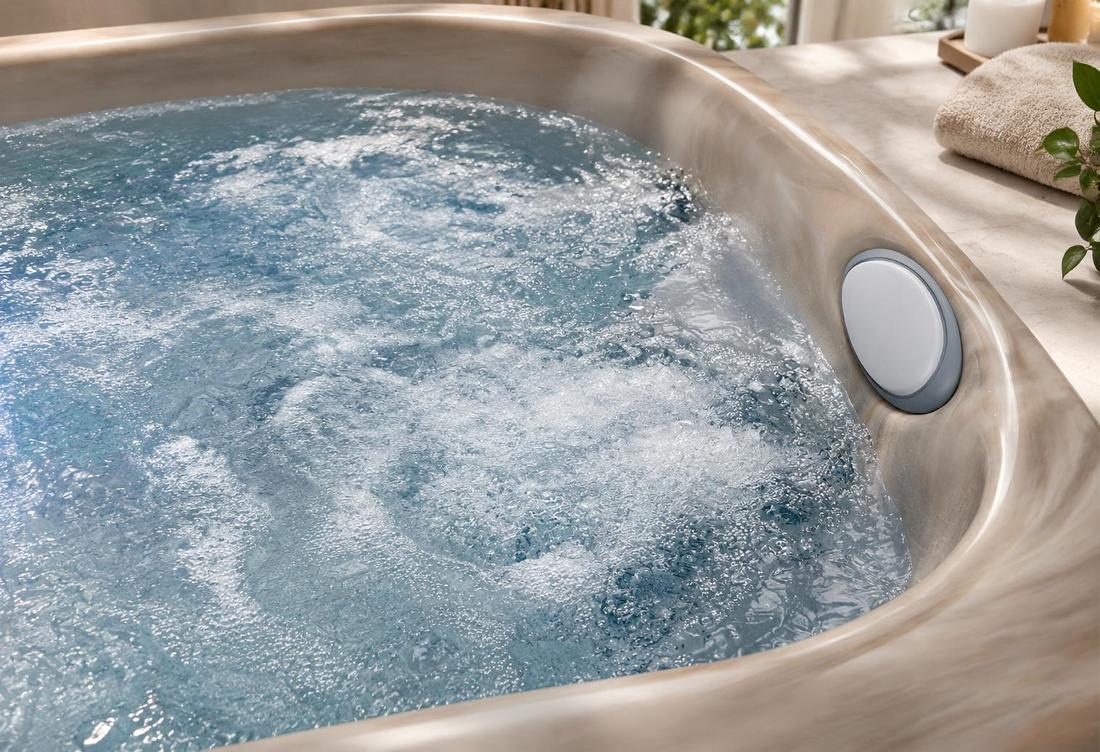
Seating geometry does the other half of the work. Contoured seats and backrests that follow the body’s natural curve reduce the low-grade discomfort that makes people cut soaking sessions short. It’s a small thing until you’ve sat in a poorly shaped tub for fifteen minutes and started shifting every thirty seconds looking for a position that doesn’t dig into your lower back.
Here’s a pattern that shows up constantly in ownership forums: buyers research jets and lighting exhaustively, then get blindsided by chlorine smell and filter changes six weeks in. Sanitization method deserves the same scrutiny as massage features, arguably more, because it determines your weekly time cost for the life of the product.
Ozone-based sanitization systems work by injecting ozone into the circulating water to help break down contaminants, which according to product specifications can reduce how often chemical sanitizers need topping up. It doesn’t eliminate chemical maintenance entirely, but it does lighten the routine compared to a chlorine-only system that needs constant monitoring. If you’re the type who’d rather spend Saturday morning swimming than testing water chemistry, this line item deserves real weight in your decision.
Placement context changes what "good" looks like. A unit destined for a hotel gym is doing a different job than one going into a private backyard.
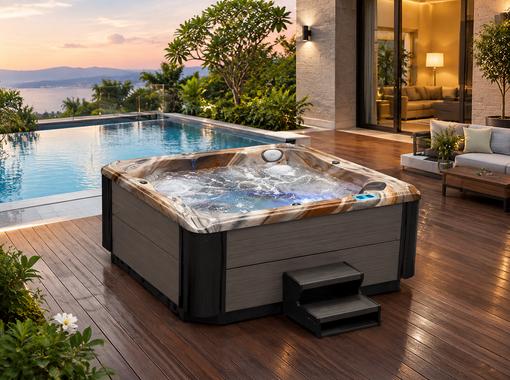
Ambient lighting plays a bigger role in guest-facing installations than most buyers expect going in. LED lighting positioned at the base of the shell, as used in the BD-004, creates a calmer visual atmosphere at night, which matters commercially because guest photos and evening ambiance directly affect repeat bookings for hospitality properties.
The single most common installation regret is discovering, after delivery, that the electrical setup wasn’t planned for. A 5.55kW total draw is not something you run off a standard household outlet. It requires a dedicated circuit sized correctly by a licensed electrician, and skipping that step is how warranties get voided and breakers start tripping under load.
Structural weight is the second overlooked factor. At roughly 317kg empty and well over a ton once filled with 1450 liters of water plus occupants, deck or foundation load capacity needs checking before installation, not after the crane truck arrives. This is especially relevant for rooftop terraces or older wooden decks not originally built with this load in mind.
Does an exercise swim spa require the same plumbing as a full lap pool?
No. Units like the BD-004 operate as self-contained systems with their own filtration and heating, so they don’t need pool-length plumbing runs. They do need a dedicated electrical circuit and a drainage plan for periodic water changes.
How often does the water need to be replaced?
This depends on usage frequency and sanitization method, but as a general industry practice, most multi-person hot tubs need a full water change every three to four months even with ozone or chemical sanitization systems in place, since dissolved solids accumulate over time regardless of clarity.
Can these units be used outdoors year-round?
That depends on the local climate and the unit’s cabinet material and insulation rating, which varies by manufacturer and model. Buyers in colder climates should confirm freeze-protection features specifically rather than assuming they’re standard.
Is a 6-person capacity spa oversized for two people?
Not necessarily. Larger capacity units often distribute jets across more seating positions, which can mean better variety in massage zones even for a smaller household, though water and energy usage will run higher than a 2-person model.
Strip away the marketing language and the decision comes down to three questions: what problem are you actually solving, what will maintaining it cost you in time, and does your space and electrical setup support it. A unit built around hydrotherapy, ergonomic seating, and ozone sanitization, like the BD-004’s published specifications describe, is solving for recovery and relaxation rather than lap training, and that’s a perfectly reasonable thing to want.
For us, the goal in outlining specs this closely isn’t to push one configuration over another, it’s to make sure buyers aren’t discovering mismatches after installation. Whether the end use is a hotel recovery room, a quiet villa courtyard, or a homestay terrace overlooking the water, the right exercise swim spa is the one whose maintenance demands, power requirements, and jet layout actually match how you intend to use it, not just the one with the longest feature list.
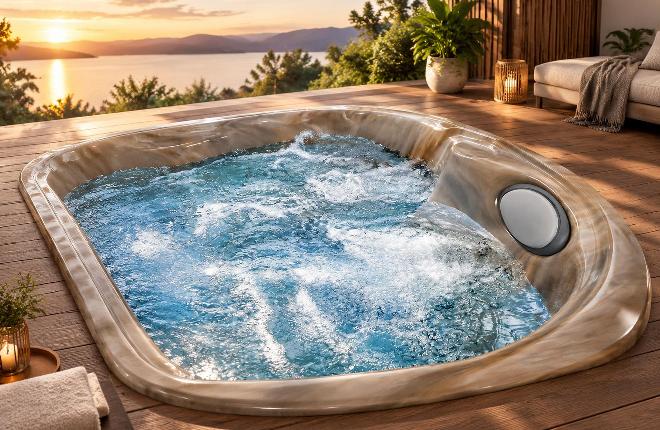
Choosing a Modern Swim Spa for Year-Round Hydrotherapy
A modern swim spa sits in the gap between a lap pool and a hot tub, and that gap is exactly where most backyard owners get stuck. You want cold-weather usability, warm-water massage, and enough room to move, but full pools demand space and seasonal upkeep that a lot of properties simply can’t spare. A compact hydrotherapy unit, sized for real households rather than resorts, answers that specific tension.
Villa owners, boutique hotel operators, and rehabilitation centers all run into the same wall: space is finite, but the demand for recovery-focused water therapy keeps growing. A well-built spa unit, like the Fspa BD-004, addresses this by packing six-person capacity and 35 targeted jets into a footprint of roughly 2350 by 2350 millimeters. That’s a modest patio corner doing the work of a much larger installation.
Here’s the part people underestimate until they’ve already poured a concrete pad: water volume and running costs scale fast. A unit holding around 1450 liters uses meaningfully less water than a conventional pool, and it heats up without the multi-day wait that larger bodies of water demand. Low water consumption isn’t just an environmental checkbox, it’s a practical constraint that shapes what’s feasible on a rooftop terrace or a hotel courtyard with limited utility capacity.
Total system power on a compact spa tends to sit in a narrow band, since the components have to share one circuit without tripping it. The BD-004, for instance, runs on a 5.55kW total system, split across a 2.2kW massage pump, a 0.35kW filter pump, and a 3kW heater. That balance matters because oversized heaters spike electricity draw, while undersized ones leave you soaking in lukewarm water on a cold evening.
| Component | Specification |
|---|---|
| Capacity | 6 Adults |
| Dimensions | 2350 x 2350 x 900 mm |
| Total Power | 5.55kW |
| Massage Pump | 2.2kW x 1pc |
| Filter Pump | 0.35kW x 1pc |
| Heater | 3kW x 1pc |
| Jet Count | 35 |
| Water Capacity | 1450L |
| Net Weight | 317 Kg |
Jet count gets thrown around like a horsepower number on a car brochure, but placement is what actually determines whether your lower back gets attention or your feet do. According to the product’s design, jets are positioned around ergonomically contoured seats and backrests, so the water pressure lines up with where muscles actually tighten after a long day standing or training.
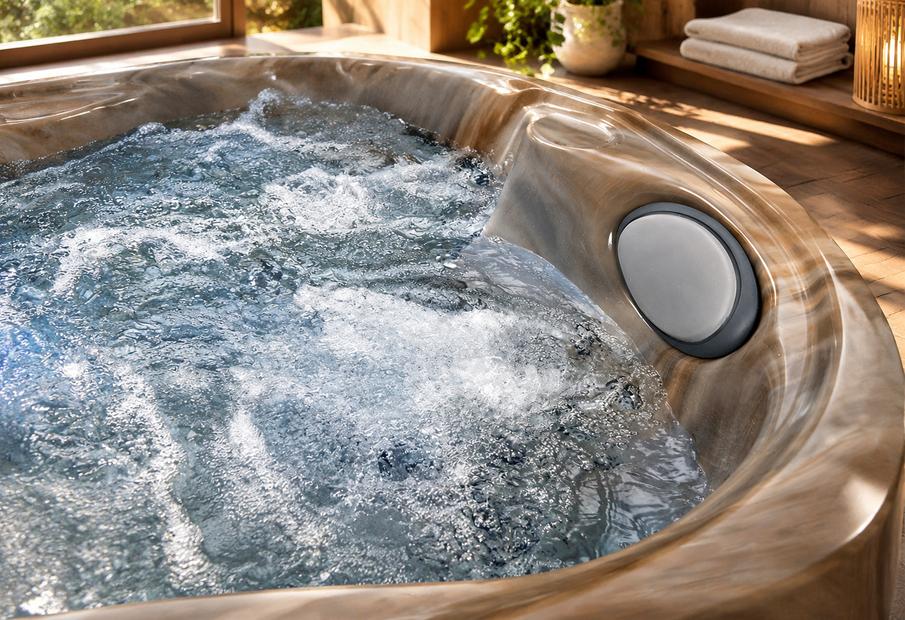
This is where a lot of buyers get tripped up. A tub advertised with a high jet count but flat, unshaped seating will send water at odd angles that miss the muscle groups they’re meant to reach. Ergonomic shell design isn’t a cosmetic detail, it’s the difference between a jet doing therapeutic work and a jet just making noise.
Anyone who has run a backyard spa knows the maintenance grind: testing pH, dosing chlorine, scrubbing biofilm out of jet lines. An integrated ozone sanitization system, as included in the BD-004, reduces how often manual chemical dosing is needed by helping keep circulating water cleaner between full changes. Ozone-based sanitization is a long-established method in pool and spa water treatment, not a proprietary gimmick, and it pairs well with a simpler filter pump load.
For property managers running a hotel gym or a physiotherapy center, this matters beyond convenience. Staff time spent on water chemistry is time not spent on guests or patients, so a system that trims the maintenance loop has a real operational payoff, not just a comfort one.
Bottom-positioned LED lighting shows up in a lot of spa marketing as an afterthought, a blue glow for nighttime photos. But according to the manufacturer, this feature is described as part of the product’s lighting system, intended to support a calming, immersive atmosphere for relaxation. That’s the product’s own framing, and it’s worth noting rather than treating as an independently verified clinical or therapeutic claim.
What can be said plainly is that ambient lighting changes how people use water. A seaside homestay or a villa backyard soak at dusk feels different with soft blue light rising through the water than under a bare patio bulb. Ambiance isn’t a technical spec, but it directly affects whether guests actually use the amenity or walk past it.
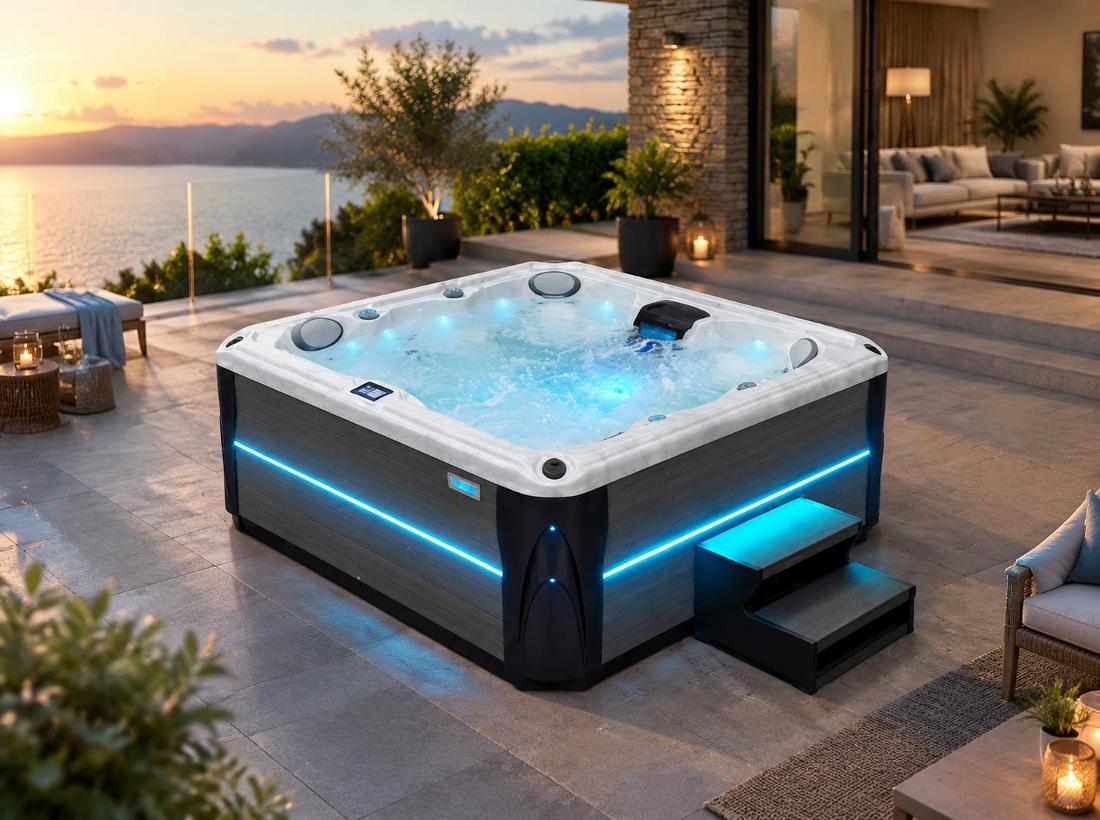
Not every application scenario asks the same thing of a swim spa, and matching intent to use case avoids a lot of buyer’s remorse. Consider three common placements:
A modern swim spa selected without considering which of these scenarios applies tends to disappoint somebody, whether that’s a guest expecting stronger jets or an owner expecting a longer service life outdoors.
The cabinet finish and shell material affect longevity more than most buyers realize going in. Dark wood-grain panel cabinets paired with a marbled acrylic shell aren’t purely aesthetic choices, they reflect how the unit is expected to hold up against sun exposure and temperature swings on an open patio. A shell that discolors or cracks after a single harsh summer defeats the purpose of buying something meant to last years.
Net weight is another quiet indicator of build quality. At 317kg empty, a unit in this class carries enough structural material to support six adults plus roughly 1450 liters of water without shell flex. Buyers occasionally focus only on visible features and skip this number, then run into deck load-bearing issues after installation, so it’s worth checking early rather than after delivery.
Does a swim spa need a dedicated electrical circuit?
Most units in the 5-6kW range require a dedicated circuit sized to the total power draw, similar to a large kitchen appliance. Always confirm requirements with a licensed electrician against local code before installation.
How much space does a compact spa actually need beyond its footprint?
Plan for service access around at least one side of the cabinet, plus clearance for the deck or pad to bear the combined weight of the shell, water, and occupants.
Do LED and ozone features increase running costs significantly?
LED lighting draws minimal power compared to the heater and pumps, and ozone systems typically reduce, rather than add to, ongoing chemical costs.
Is a six-person unit oversized for a couple or small family?
Not necessarily. Capacity is about peak use, such as hosting guests, while daily use by two people still benefits from the extra jet coverage and seating options.
Certifications like CE, CTUVus, CB, and SAA don’t guarantee comfort or aesthetics, but they do indicate that electrical and safety testing was performed against recognized regional standards. For buyers importing a unit across borders, particularly into Australian or European markets, checking which certifications apply to the destination country is a practical step, not a formality to skip.
This is a case where technical paperwork directly protects the buyer. A spa lacking the certification relevant to its installation region can create real problems at customs or during a later insurance claim, regardless of how well-built the unit actually is.
Choosing among modern swim spa options comes down to matching real constraints, water use, footprint, power availability, and intended setting, against what a specific model actually delivers rather than what its spec sheet implies. A unit like the BD-004 makes a reasonable case for hotel, villa, and homestay use precisely because its jet placement, sanitization approach, and power draw were built around a single compact frame instead of scaled down from a larger pool design. For property owners weighing a modern swim spa against a traditional pool build, the deciding factor is usually not luxury at all, it’s whether the unit fits the space, the utility load, and the daily routine it’s meant to serve.
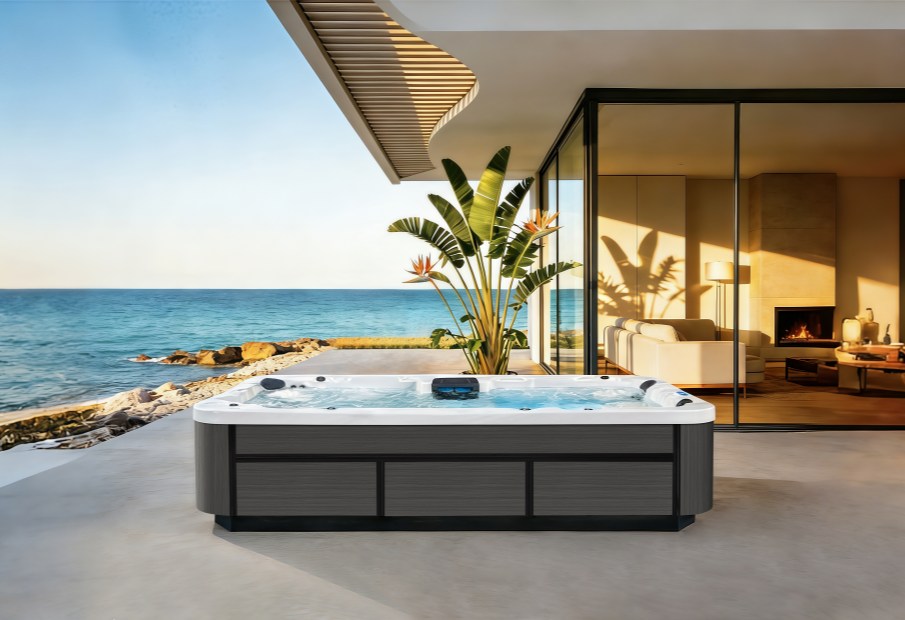
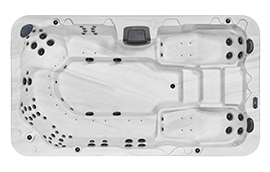
The Fspa BD-020 Hot Tub, designed for 5 adults with spacious dimensions and powered by a 4.85kW system, includes a 1.5kW massage pump, 0.35kW filter pump, 3kW heater, 28 customizable water jets, LED lighting, an ozone sanitation system, and easy maintenance features, providing unparalleled relaxation and comfort.
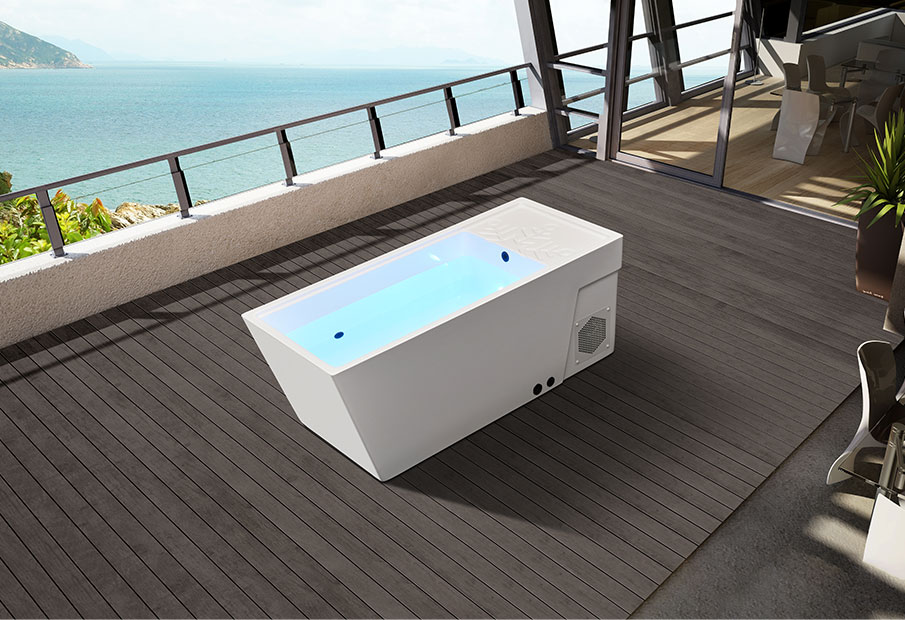
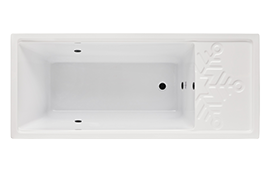
All in design, plug and play, Snowflake pattern, Include filter, circuitpump, Ozone, Ice-blue underwater light, and high-effciency Chilling system.
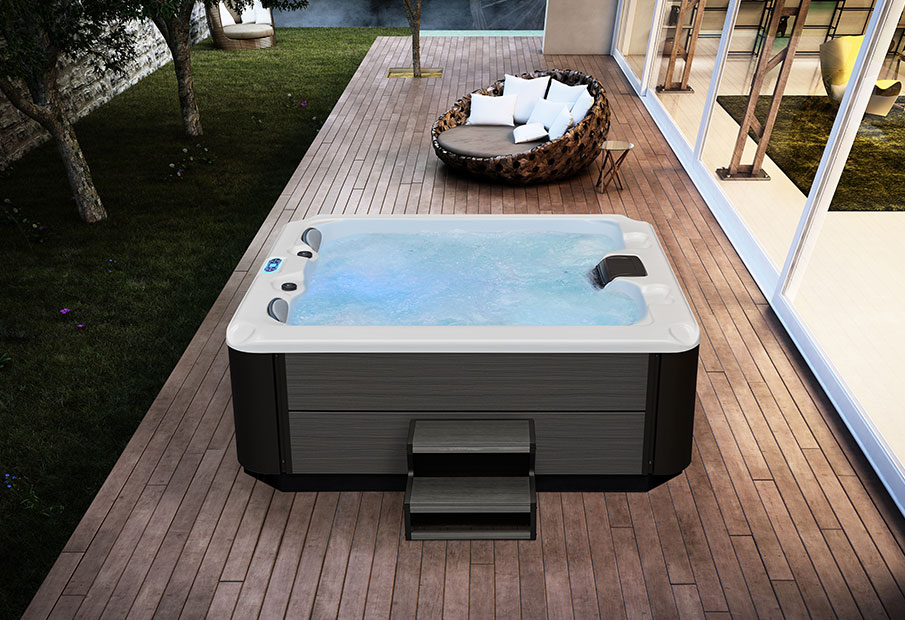
The Fspa BD-014 hot tub, designed for ultimate relaxation and luxury, offers a spacious interior for 4 adults, a powerful 2.2kW massage pump, 35 strategically placed jets, a 3kW heater, calming LED lighting, and an ozone system for clean water, making it the perfect choice for tranquility in your home.
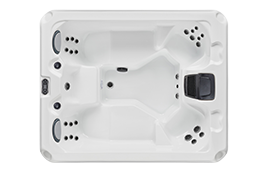
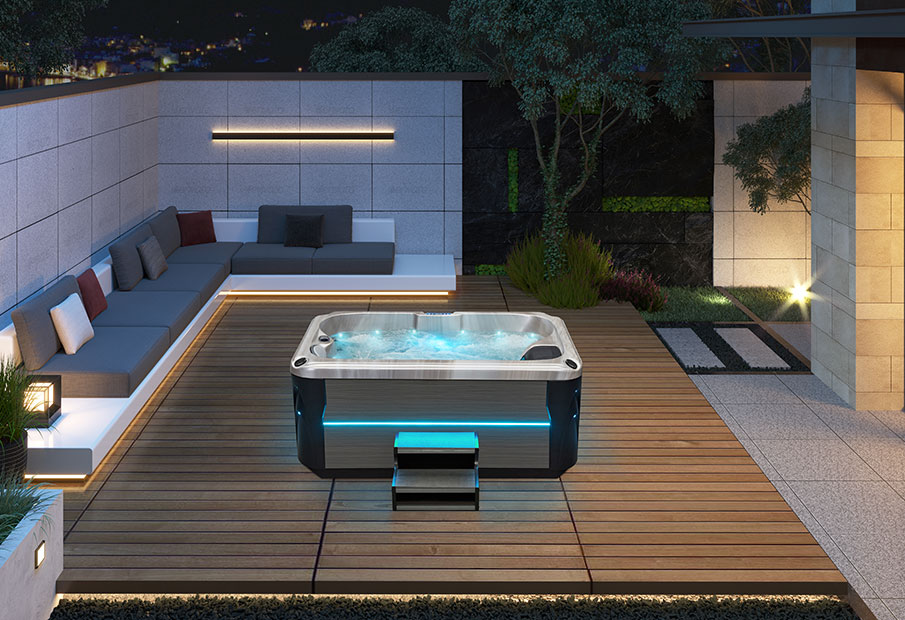
The Fspa BD-003Pro Hot Tub, offers ultimate relaxation with a robust 1.85kW massage system, pristine water filtration, 28 water & 14 air bubble jets, customizable air flow, ozone sanitization, 4 speakers, and a sleek design perfect for outdoor settings.
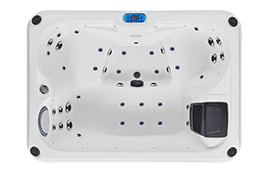
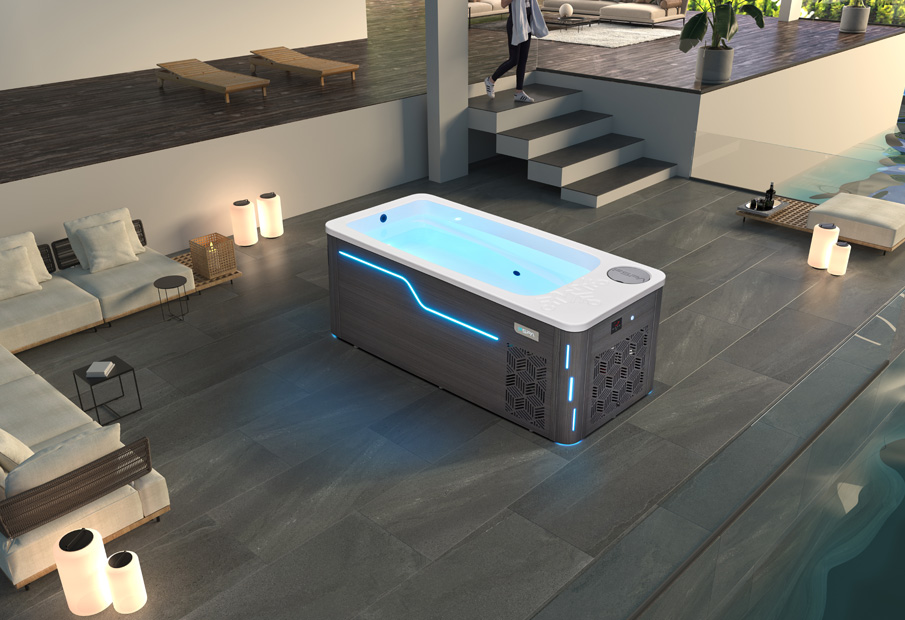
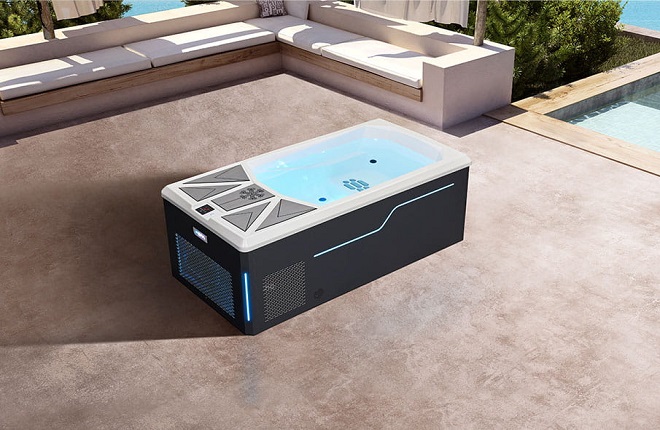
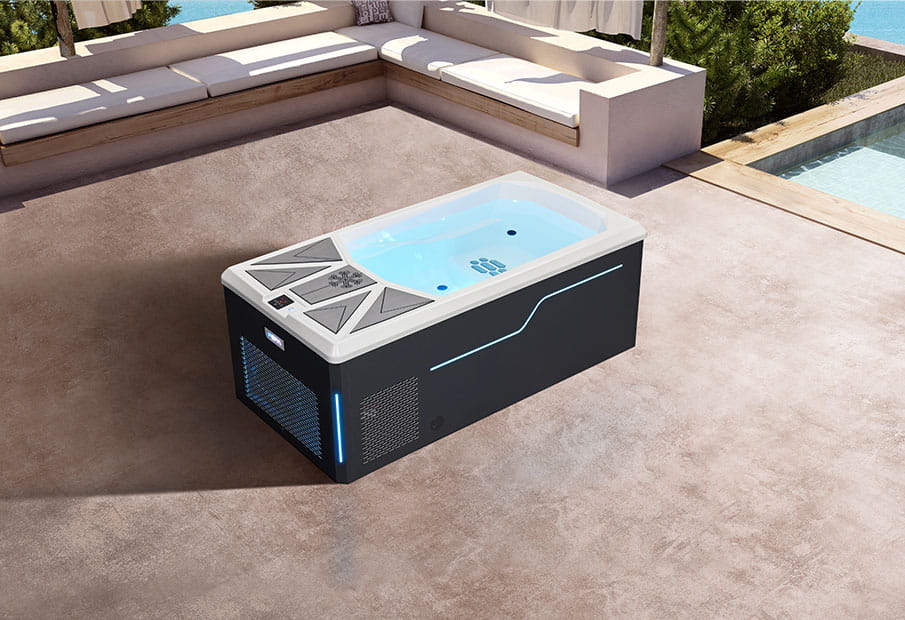
Introducing the Fspa IS-006 Cold Plunge, a spacious and luxurious immersion therapy tub tailored for maximum relaxation and recovery. Measuring 2110mm*950mm*800mm, it offers ample space for a comforting and refreshing dip.
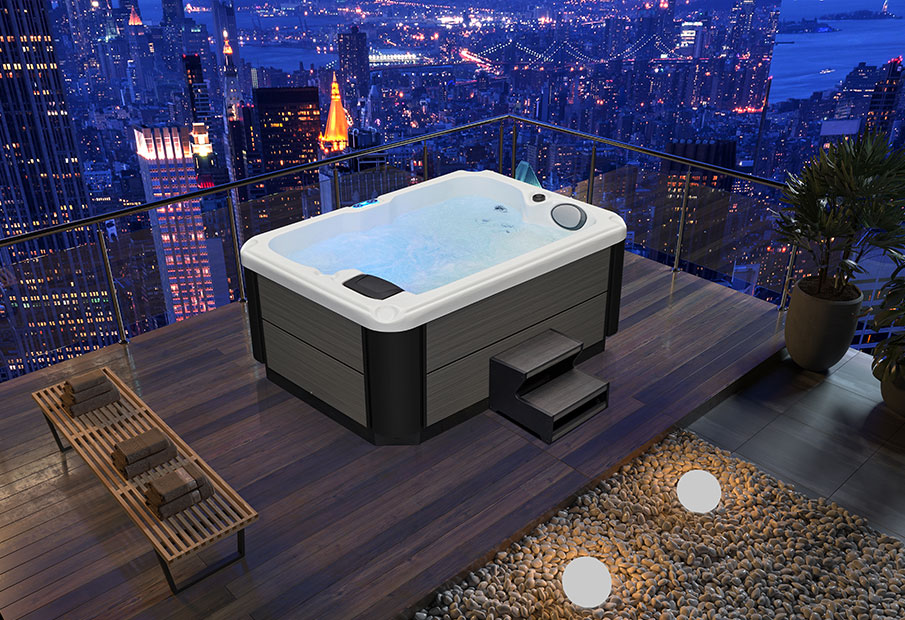
The Fspa BD-002, with its spacious 1870x1330x800mm design for 3 adults, boasts advanced controls, a 1.5kW massage pump, a 0.35kW filter pump, a 2kW heater, 16 water jets, an LED light, a filter, an ozone system, and total 3.85kW power, offering a luxurious and rejuv enating spa experience at home.
PRODUCTS
INQUIRY
Thank you for your message!Our Chinese New Year holiday from 7th Feb to 28th Feb. Apologise to make your inconvenience so that responses may be delayed during this period. We'll back to you with regular service on 2th March .Thank you for understanding.


