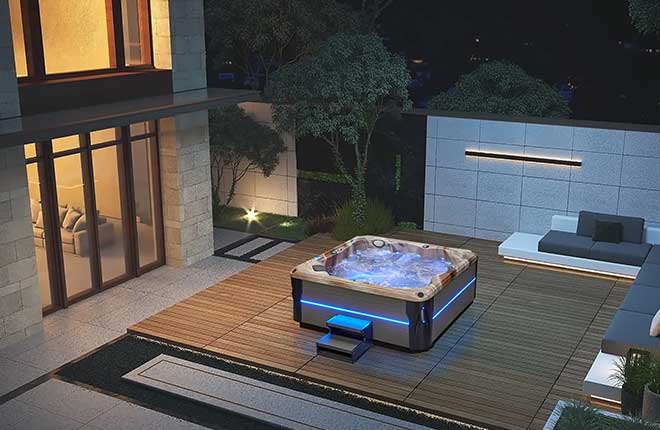
In recent years, temperature-controlled hot tubs equipped with advanced filtration systems have surged in popularity. Here’s a look at what makes these modern marvels so appealing:
Firstly, the allure lies in their ability to maintain a consistent temperature. Unlike traditional tubs that require constant heating adjustments, these hot tubs come with precise temperature controls. This feature ensures that whether it’s a chilly winter evening or a balmy summer night, the water is always at the perfect temperature for relaxation and rejuvenation.
Moreover, the inclusion of efficient filtration systems is a game-changer. These systems ensure that the water remains clean and clear, free from impurities and bacteria. This not only enhances the safety and hygiene of the hot tub but also reduces the need for frequent water changes, making maintenance significantly easier.
Another reason for their popularity is their therapeutic benefits. Many modern hot tubs are designed with hydrotherapy in mind, incorporating powerful jets that provide soothing massages to relax muscles and relieve tension. The combination of warm water and massaging jets offers a therapeutic experience that can alleviate stress and promote overall well-being.
Furthermore, these hot tubs are designed for convenience and energy efficiency. They often come with insulated covers that help retain heat, reducing energy consumption and operational costs. This makes them not only environmentally friendly but also more economical to operate compared to older models.
Additionally, the aesthetic appeal cannot be overlooked. Modern hot tubs are available in a variety of designs and sizes to complement different outdoor settings and personal preferences. Whether integrated into a backyard oasis or installed on a rooftop terrace, they add a touch of luxury and relaxation to any environment.
In conclusion, the growing popularity of temperature-controlled hot tubs with filtration systems can be attributed to their convenience, therapeutic benefits, energy efficiency, and aesthetic appeal. As more people prioritize wellness and seek ways to unwind at home, these innovative hot tubs have become a coveted feature for enhancing leisure time and promoting a healthier lifestyle.
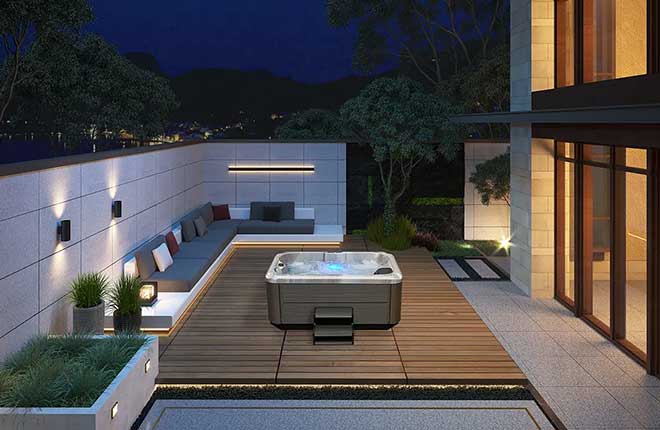
Cleaning Your Hot Tub During Water Replacement
Regular water replacement is essential for maintaining the cleanliness and hygiene of your hot tub. Every three months, when it’s time to change the water, it’s also an opportunity to perform thorough cleaning and maintenance tasks to ensure your hot tub remains in optimal condition. Here’s a guide on what to do during the water replacement process:
1. Draining the Hot Tub: Begin by draining the hot tub completely. Use the drain valve or pump system according to manufacturer instructions. Allow all the water to drain out completely to prepare for cleaning.
2. Cleaning the Interior: Once drained, thoroughly clean the interior surfaces of the hot tub. Use a non-abrasive, mild cleaner suitable for acrylic material. Avoid harsh chemicals that could damage the surface. Scrub the walls, seats, and floor to remove any buildup of oils, dirt, and residue.
3. Cleaning Filters: Remove and clean the hot tub filters. Rinse them thoroughly with water to remove debris and buildup. If necessary, soak the filters in a filter cleaning solution recommended by the manufacturer to remove oils and minerals. Rinse again and allow them to dry completely before reinstalling.
4. Inspecting and Cleaning Jets: Check the jets for any clogs or debris. Use a small brush or a specialized jet cleaner tool to clean out any buildup inside the jet nozzles. This ensures the jets function properly and provide effective hydrotherapy during use.
5. Checking and Refilling Chemicals: Before refilling the hot tub with fresh water, check and adjust the water chemistry. Test the pH and sanitizer levels using a reliable test kit. Balance the pH to the recommended range (typically 7.2 – 7.6) and adjust sanitizer levels (chlorine, bromine) as needed to ensure safe and clean water for bathing.
6. Refilling the Hot Tub: Once cleaning and chemical adjustments are complete, refill the hot tub with fresh water. Use a clean garden hose and allow the tub to fill to the appropriate level, typically above the jets. Avoid using hot water from the tap as it can affect water chemistry and foam formation.
7. Running the System: After refilling, run the hot tub system to circulate the water and ensure proper mixing of chemicals. Allow the system to run for at least 15-30 minutes to achieve proper water circulation and filtration.
8. Final Checks: Finally, perform a final check of water chemistry levels to confirm they are within recommended ranges. Adjust as necessary. Inspect the hot tub cover, clean it if needed, and ensure it is properly secured to maintain water temperature and cleanliness.
Regularly scheduled water changes and thorough cleaning not only extend the life of your hot tub but also ensure a safe and enjoyable soaking experience. By following these steps every three months, you can maintain clean, clear water and a well-functioning hot tub for years to come.
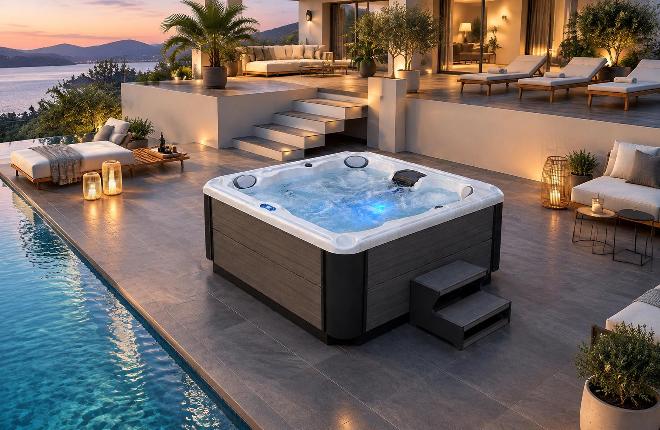
Round Swim Spa: How to Choose the Right Size, Jets, and Setup
Shopping for a round swim spa usually starts with a simple question: how much water and how many jets does a household actually need? Round swim spas sit in an unusual middle ground between a traditional hot tub and a lap pool, and that in-between status is exactly why buyers get stuck comparing specs without a clear frame of reference. This guide walks through the practical decisions that matter most.
A round swim spa is built primarily for hydrotherapy and social soaking rather than swimming laps, which is the main distinction from rectangular swim spas that include a current-generating swim zone. The circular shell distributes seating around a central point, so jets can be aimed at the back, shoulders, and calves from multiple angles at once. That layout tends to suit smaller yards, indoor balconies, or patios where a long rectangular unit simply won’t fit.
Round shells also shed water pressure differently than rectangular ones. Curved acrylic walls resist bowing under hydrostatic load more evenly, which is one reason manufacturers can position jet clusters closer together without weakening the shell. For a household deciding between a round spa and a rectangular swim spa, the real question is usage: soaking and hydrotherapy point toward round, while active swimming points toward rectangular.
Capacity claims on spec sheets often assume adults sitting shoulder to shoulder, which rarely matches how families actually use the tub. A model like the BD-001, rated for six adults at 2100 x 2100 x 900mm, gives a more honest sense of scale once you subtract space for movement and the central filtration housing.
Water volume matters just as much as footprint. The BD-001 holds around 1000 liters, a figure that affects both heating time and long-term running costs. Before settling on a size, weigh these factors:
Getting the size right the first time avoids the costly mistake of undersizing a deck structure or oversizing a heater bill.
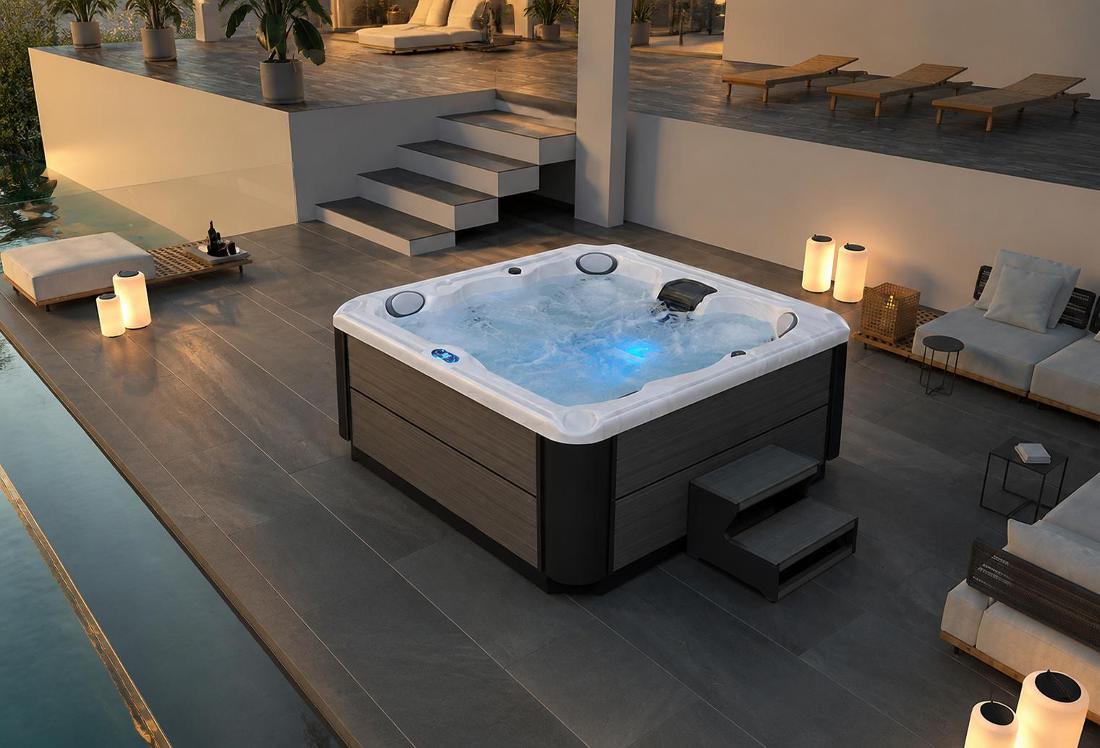
Jet count gets thrown around as a marketing number, but it only means something alongside pump wattage. A spa with 31 jets running on a 2.2kW massage pump, as spec’d on the BD-001, is distributing water pressure across a wide array rather than concentrating it. That trade-off favors a broader, gentler massage over a handful of high-pressure points.
People new to hydrotherapy spas often assume more jets equals stronger pressure, but the opposite can be true if pump wattage doesn’t scale with jet count. Think of it like a garden hose split across a dozen sprinkler heads instead of one nozzle: total flow stays the same, so each outlet gets a smaller share. Buyers focused on therapeutic massage for the back and shoulders should check where jets are clustered, not just how many exist in total.
Filtration runs on a separate, smaller pump, typically under 0.5kW, because that system needs to circulate continuously rather than in short bursts. On the BD-001, a 0.35kW filter pump paired with an ozone system handles this ongoing water treatment independently from the massage jets, which keeps energy use down during the hours the spa isn’t actively being used for hydrotherapy.
| Specification | BD-001 Round Swim Spa |
|---|---|
| Dimensions | 2100 x 2100 x 900mm |
| Seating Capacity | 6 adults |
| Water Capacity | 1000L |
| Net Weight (empty) | 268kg |
| Total Power Draw | 5.55kW |
| Massage Pump | 2.2kW |
| Filter Pump | 0.35kW |
| Heater | 3kW |
| Jet Count | 31 |
| Certifications | CE, CTUVus, CB, SAA |
| Warranty | 1 year |
A table like this becomes more useful once you know what to weigh against your own site conditions. Total power draw, for instance, determines whether a standard household circuit can support the unit or whether an electrician needs to upgrade wiring before installation.
Jet placement gets most of the attention, but headrest design quietly determines whether people stay in the water for twenty minutes or five. Integrated pillows that support the neck and keep the spine in a neutral position reduce the strain that comes from leaning against a hard acrylic lip. The BD-001 includes four such headrests positioned at the main seating points, which matters more for households that use the spa daily rather than occasionally.
Seating geometry in a round shell also changes how bodies face each other. Unlike a rectangular spa where seats often line both long walls facing inward, a circular arrangement puts everyone at a slightly different angle, which some users find better for conversation and others find awkward for eye contact. It’s a small detail, but it shapes the social experience more than most buyers expect going in.
LED lighting inside a spa shell isn’t purely decorative. Underwater illumination helps bathers see jet locations and step surfaces after dark, which matters for basic safety around a wet, curved shell. The blue LED and bottom lighting featured on the BD-001 also ties into what the product materials describe as a biomagnetic therapy system, a claim attributed to the manufacturer’s own product description rather than an independently verified therapeutic effect.
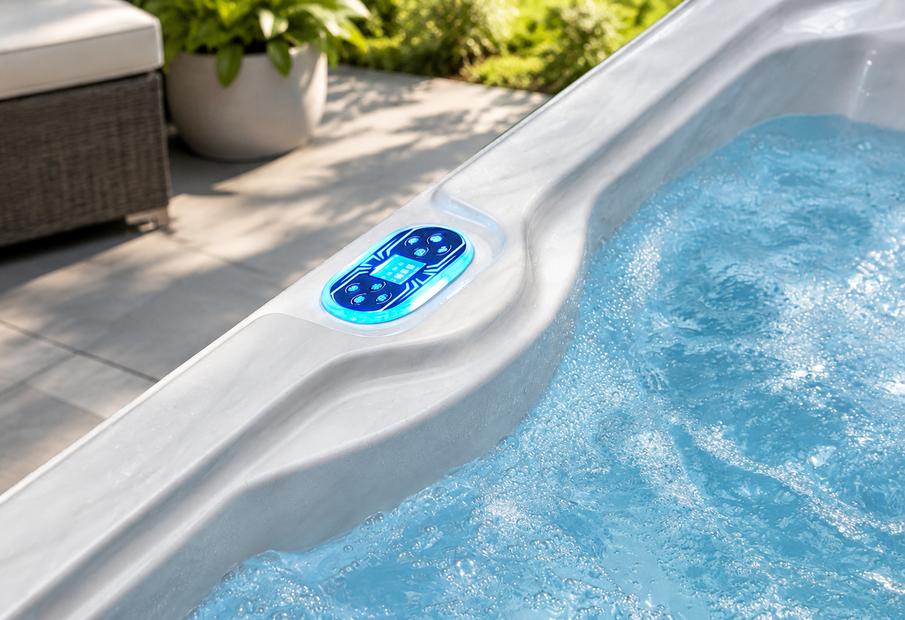
Control panels have moved from mechanical dials to digital touch interfaces on most mid-range and higher spas. A blue-lit digital panel, like the one on the BD-001, typically manages water temperature, jet sequencing, and filtration cycles from one location on the rim. For buyers who split time between a primary home and a vacation property, a clear digital readout makes it easier to hand off basic operation instructions to a caretaker or cleaning service.
Ozone-assisted filtration reduces the frequency of manual chemical dosing but doesn’t eliminate the need for regular water testing. A dedicated filter pump running independently of the massage jets, as found on the BD-001, keeps water circulating even when nobody is using the spa, which matters most in warm climates where algae growth accelerates quickly.
Owners moving from a traditional chlorine-only routine to an ozone-assisted system sometimes expect zero maintenance, which sets up disappointment down the line. A more realistic expectation:
Skipping these steps is the most common reason spa owners end up frustrated with water clarity regardless of how advanced the filtration hardware is.
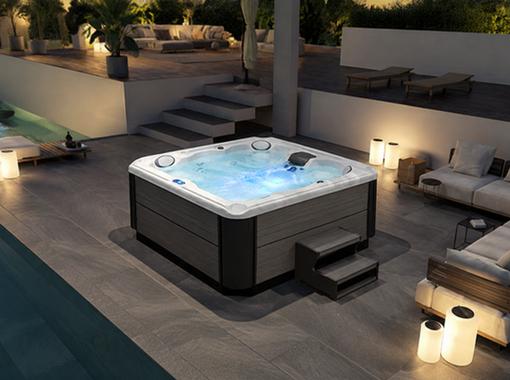
Application scenarios matter more than raw specs when deciding if a round swim spa suits a given property. A hotel operator adding an outdoor retreat for guests has different priorities than a homeowner converting an indoor balcony into a wellness corner. Common placements for this size and format include:
Rehabilitation centers and fitness facilities sometimes favor round spas for group hydrotherapy sessions too, since the circular seating lets a therapist move around the perimeter and reach every bather without repositioning equipment.
Does a round swim spa let you actually swim?
Not in the way a rectangular swim spa with a current system does. Round units are designed around hydrotherapy and soaking rather than continuous-current swimming, so buyers wanting a workout pool should look at rectangular models with swim jets instead.
How long does it take to heat a round spa this size?
Heating time depends on starting water temperature, ambient conditions, and heater wattage relative to volume. A 3kW heater on a 1000L tub will heat more slowly in cold outdoor climates than the same heater on a sheltered indoor installation, so exact timing varies by site.
Can a round swim spa sit on a standard wooden deck?
Only after confirming the deck’s load rating against the filled weight, which includes shell weight, full water volume, and bather load combined. A qualified contractor should verify this before installation rather than estimating it.
What’s the real difference between 20 jets and 31 jets?
Jet count alone doesn’t determine massage strength; pump wattage and jet placement matter just as much. A higher jet count spread across a stronger pump, as seen on the BD-001’s 31-jet, 2.2kW configuration, generally means broader coverage rather than more intense pressure at any single point.
Choosing among round swim spa options comes down to matching household habits, deck constraints, and electrical capacity to what a specific model can realistically deliver. Buyers who treat capacity ratings, pump wattage, and filtration design as connected factors, rather than isolated bullet points, tend to end up with a spa that fits their space and their routine. For manufacturers like us working across hospitality, residential, and rehabilitation markets, that same logic drives how models such as the BD-001 get sized and equipped in the first place. Getting those fundamentals right matters more than any single spec on a round swim spa’s data sheet.
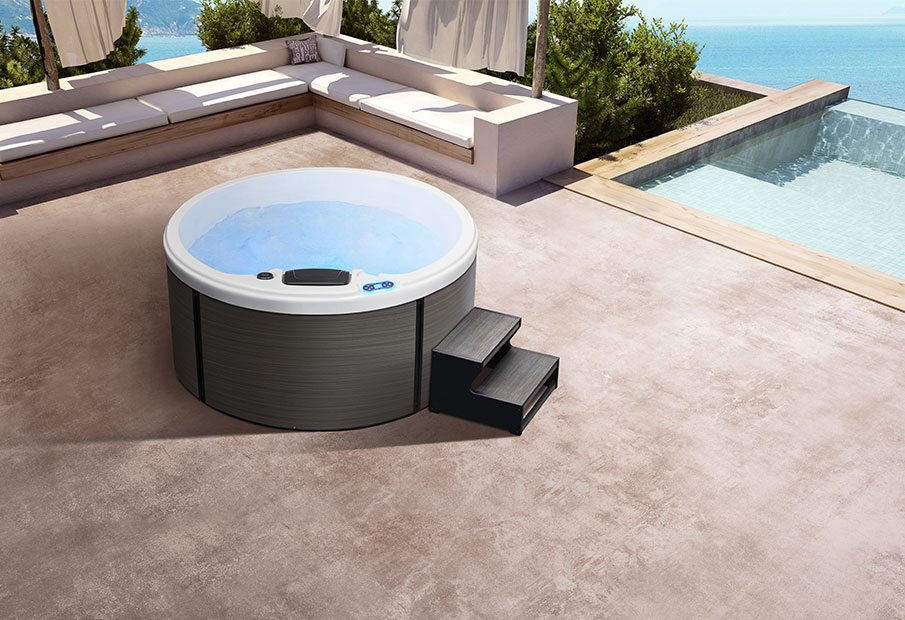
The Fspa BD-018 Hot Tub, designed for 2 adults with spacious dimensions, features a robust control system, 1.5kW massage pump, 0.35kW filter pump, 2kW heater, 14 customizable water jets, LED lighting, ozone sanitation, and a total power of 3.85kW, providing exceptional comfort and relaxation for a luxurious and rejuvenating soak.
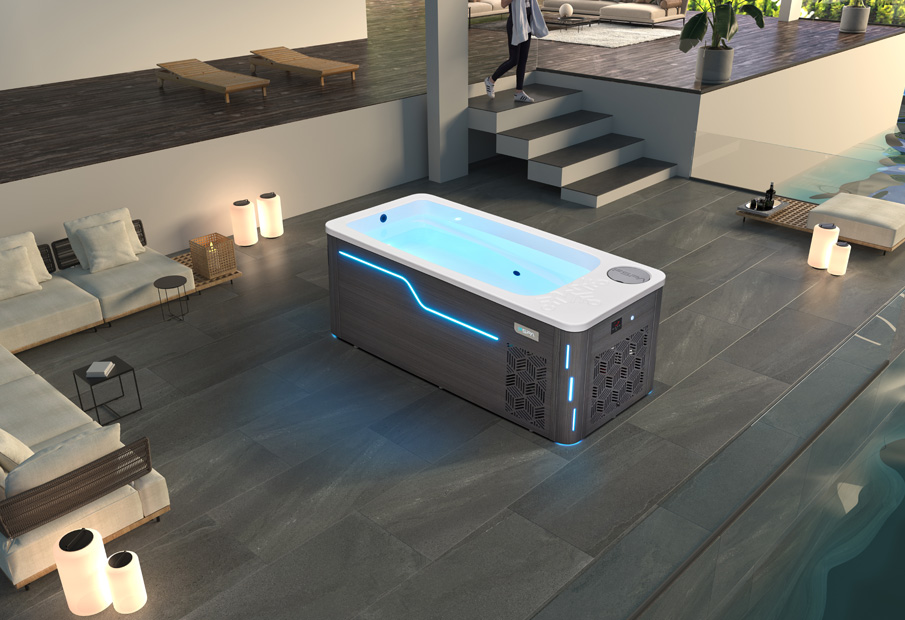
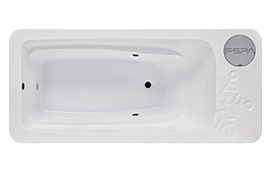
Introducing the Fspa IS-006 Cold Plunge, a spacious and luxurious immersion therapy tub tailored for maximum relaxation and recovery. Measuring 2110mm*950mm*800mm, it offers ample space for a comforting and refreshing dip.
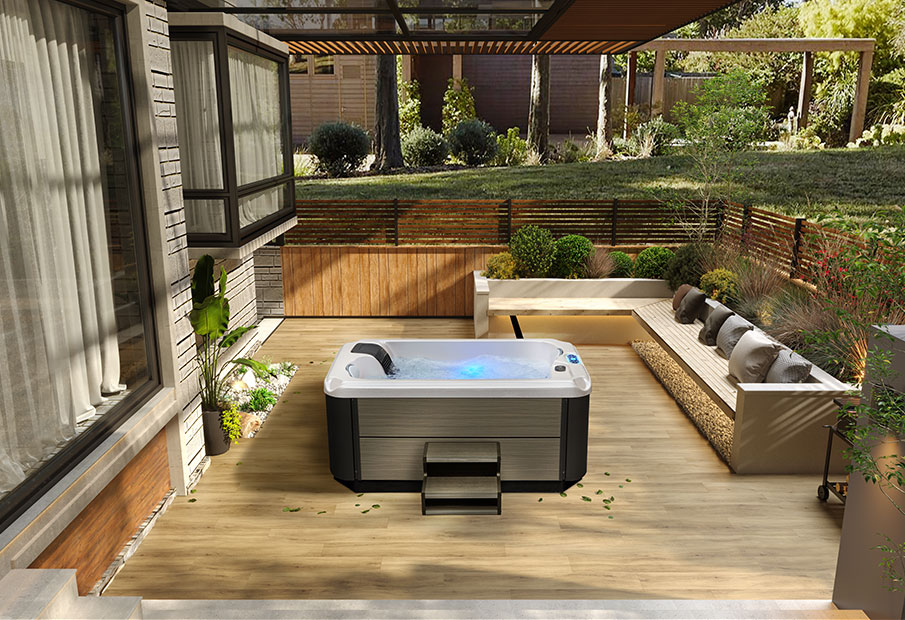
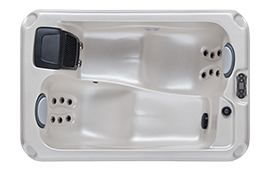
The Fspa BD-016 Hot Tub, designed for 2 adults, offers luxurious comfort with a spacious interior, powerful 1.5kW massage pump, 0.35kW filter pump, 2kW heater, customizable water flow with 14 jets, ozone sanitation, LED lighting, comfortable pillows, and a total power of 3.85kW, providing a tranquil escape for ultimate relaxation.
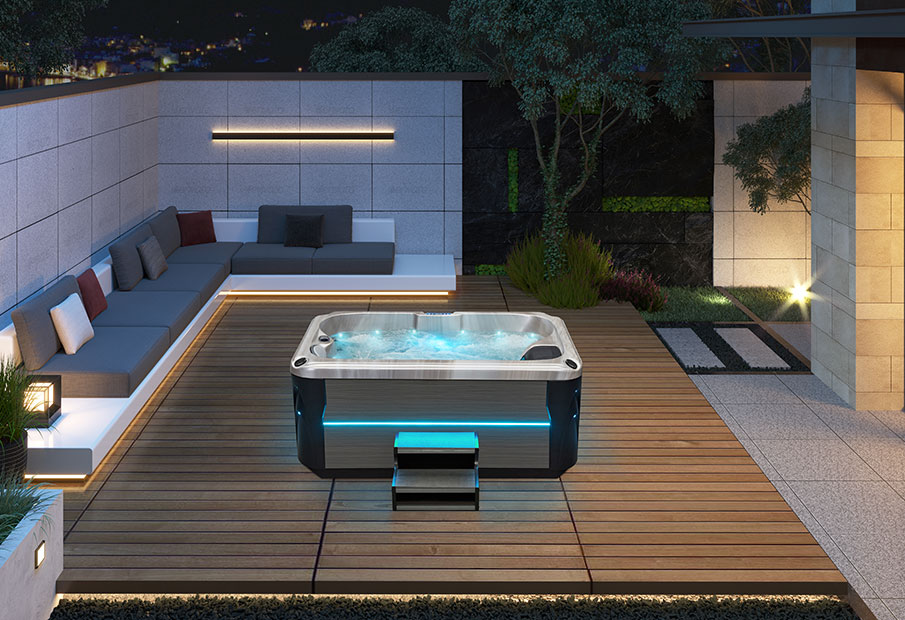
The Fspa BD-003Pro Hot Tub, offers ultimate relaxation with a robust 1.85kW massage system, pristine water filtration, 28 water & 14 air bubble jets, customizable air flow, ozone sanitization, 4 speakers, and a sleek design perfect for outdoor settings.
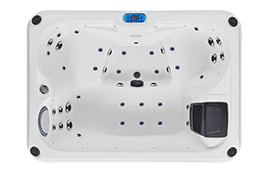
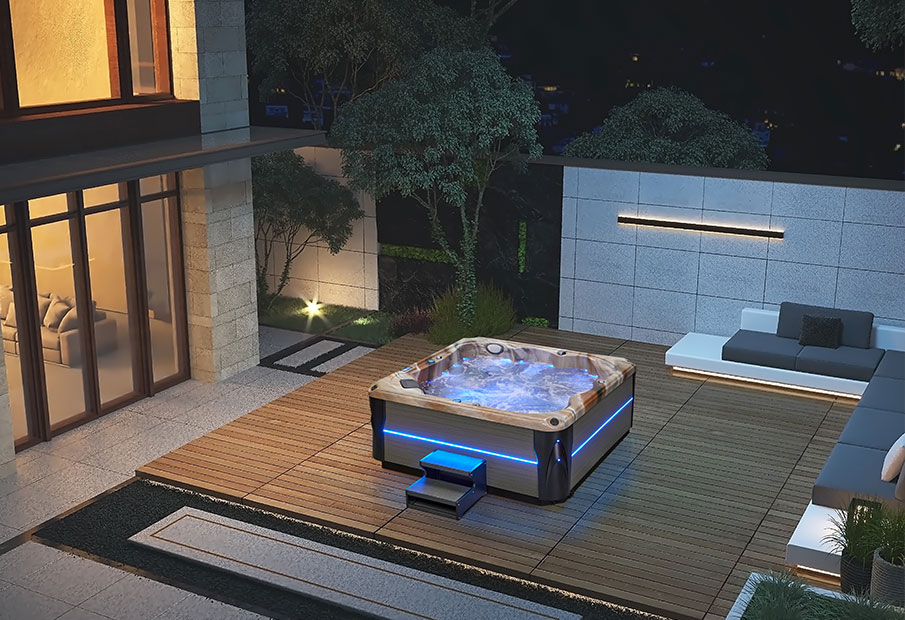
Fspa BD-004Pro Hot Tub, a spacious, powerful, and feature-rich hot tub designed for up to 6 adults, complete with therapeutic massages, clear water circulation, customizable air flow, immersive audio, and sanitization system, ideal for both residential and commercial outdoor settings.
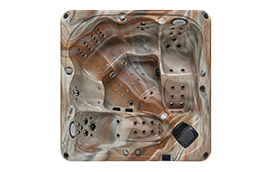
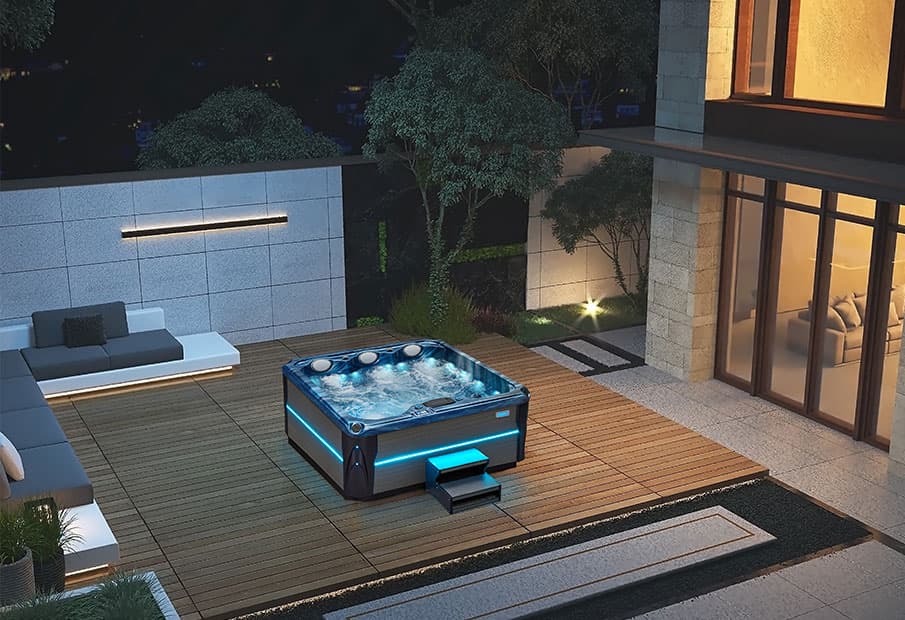
The Fspa BD-013Pro Hot Tub, a spacious and stylish premium spa for residential and commercial use, offers a luxurious and rejuvenating experience with its powerful massage system, pristine water quality, customizable water flow, calming LED lighting, music speakers, and comfort accessories.
PRODUCTS
INQUIRY
Thank you for your message!Our Chinese New Year holiday from 7th Feb to 28th Feb. Apologise to make your inconvenience so that responses may be delayed during this period. We'll back to you with regular service on 2th March .Thank you for understanding.


