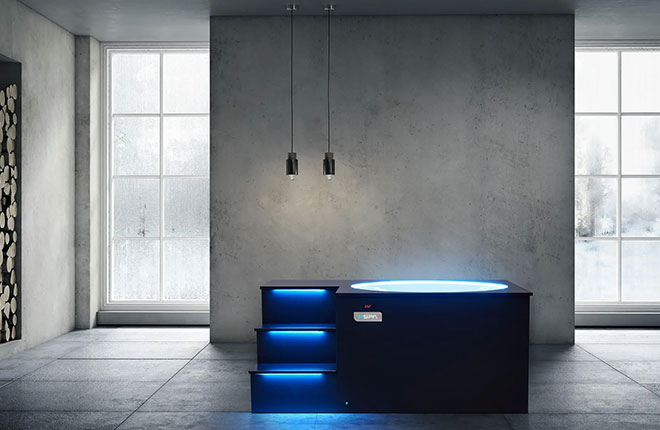
Proper maintenance of your bathroom bathtub ensures not only its longevity but also a clean and pleasant bathing experience. Here are some essential tips for maintaining and caring for your bathtub:
Regular Cleaning: Regular cleaning is crucial to prevent soap scum, mineral deposits, and grime from building up on the bathtub surface. Use a mild, non-abrasive cleaner suitable for acrylic material and scrub with a soft sponge or cloth. Avoid abrasive cleaners or tools that could scratch the surface.
Avoid Harsh Chemicals: Harsh chemicals like bleach or strong acidic cleaners can damage the finish of your bathtub. Opt for gentle, eco-friendly cleaners or make your own using vinegar and baking soda, which are effective and safe alternatives for removing stains and soap scum.
Remove Hair and Debris: Hair and debris can accumulate in the bathtub drain over time, leading to clogs and unpleasant odors. Use a drain cover to catch hair and regularly remove any buildup. Periodically pour boiling water down the drain to help clear away accumulated soap residue and prevent clogs.
Dry Thoroughly: After each use, wipe down the bathtub with a soft cloth or squeegee to remove excess water. This helps prevent water spots and mineral deposits from forming on the surface. Pay special attention to corners and seams where water can collect.
Avoid Impact and Sharp Objects: To prevent scratches or damage to the bathtub surface, avoid dropping heavy objects or using sharp tools near the bathtub. Use a bathmat or nonslip stickers to reduce the risk of slipping and protect the bathtub surface from accidental impacts.
Check for Leaks and Caulking: Periodically inspect the bathtub and surrounding caulking for signs of wear or damage. Replace deteriorating caulking promptly to prevent water from seeping into walls or floors, which can lead to mold and structural damage.
Maintain Water Quality: Hard water can leave mineral deposits on your bathtub surface. Consider using a water softener if your water is particularly hard to reduce mineral buildup. Alternatively, wipe down the bathtub more frequently with a vinegar solution to dissolve mineral deposits.
Professional Maintenance: If your bathtub has jets or specialized features, follow manufacturer’s guidelines for maintenance and cleaning. Periodically schedule professional inspections and maintenance for complex systems to ensure they operate efficiently and last longer.
By incorporating these simple maintenance practices into your routine, you can keep your bathroom bathtub clean, functional, and looking like new for years to come. A well-maintained bathtub not only enhances the aesthetic appeal of your bathroom but also contributes to a hygienic and enjoyable bathing experience for you and your family.
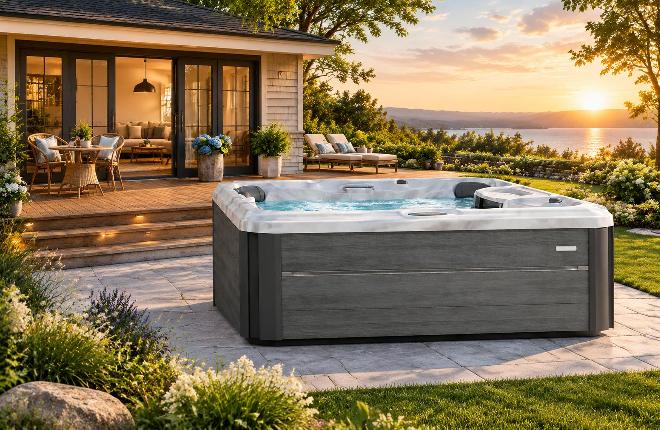
Best Swim Spa Hot Tub Combo: A Buyer’s Guide to Choosing the Right Unit
Finding the best swim spa hot tub combo starts with a simple question: what do you actually want from your backyard? Some people want a lap lane for morning exercise. Others just want a hot soak after a long week. The tricky part is that "swim spa hot tub combo" gets used loosely online, and it helps to separate marketing language from what these units actually do before you spend money on one.
This guide breaks down what these combo units are, how they differ from standard hot tubs, and what specifications actually matter when you compare models. We will also look at the kind of hydrotherapy and sanitization features that separate a decent spa from one that holds up for years.
A true swim spa is a long, pool-like vessel with a current generated by jets or a paddlewheel, letting a swimmer move against resistance without covering ground. A hot tub, by contrast, is built for stationary soaking, with seats, headrests, and massage jets arranged around a compact shell.
The term "combo" usually points to one of two things. Either it is a genuine dual-zone unit with a swim lane on one end and a soaking area on the other, or it is a smaller multi-person hot tub marketed as offering enough room to stretch out and move. Knowing which one you are shopping for matters, because the price and footprint differences are significant.
If your priority is hydrotherapy, muscle recovery, and social soaking rather than swimming laps, a well-built hot tub with strong jet coverage may serve you better than a hybrid swim spa. That is the category we will focus on here, since it is where most residential buyers actually land after comparing options.
Manufacturers love to advertise big jet numbers, but raw count tells you less than placement. A tub with jets clustered around the lower back, calves, and feet will feel more targeted than one that spreads the same number of jets evenly and thinly.
Within the Fspa Hot Tub lineup, jet counts range from 16 in the compact BD-003 model up to 80 in larger Pro configurations, giving buyers a spread from focused, budget-friendly relief to full-body coverage. The advanced hydrotherapy systems combine water jets with adjustable air flow, which lets you dial in pressure depending on whether you want a firm deep-tissue feel or a gentler ripple.
Consider these three factors before counting jets:
A tub with fewer, well-placed jets often outperforms one with double the jets scattered without a clear massage pattern in mind.
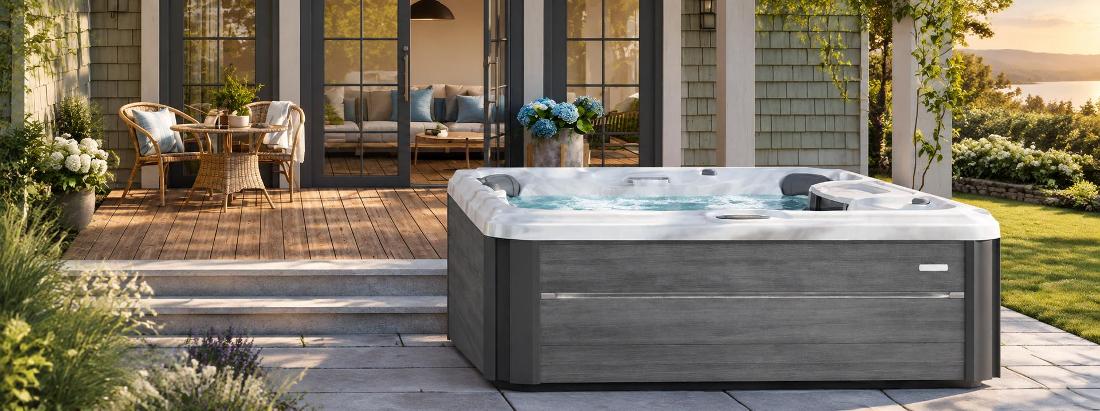
Capacity is where most buyers either overspend or underbuy. A 3-person tub suits a couple or a small patio, but it becomes cramped fast if guests are involved. A 6-person model, on the other hand, demands more deck space and a stronger electrical setup, so it is worth measuring your installation area before falling for a larger showroom unit.
The Fspa lineup spans from compact 3-person shells around 1870x1330mm up to 2530x2300mm units built for six adults. That range matters because dimensions translate directly into water volume, and water volume affects both heating time and monthly running cost.
Here is a simplified way to think about sizing:
| Household Size | Recommended Capacity | Typical Use Case |
|---|---|---|
| 1-2 people | 3-4 person tub | Daily soaking, small patios |
| 3-4 people | 4-5 person tub | Family use, moderate deck space |
| 5+ people or frequent guests | 5-6 person tub | Entertaining, larger backyards |
Choosing based on how you will actually use the spa, rather than the biggest model in a catalog, keeps both installation costs and energy bills in a reasonable range.
Heater wattage decides how quickly your spa reaches a comfortable temperature and how well it holds that heat during colder months. Smaller units in this category run on 2kW heaters, while larger, jet-heavy models step up to 3kW, with total system power reaching as high as 5.55kW when pumps and auxiliary systems are included.
This is not a spec to gloss over. A 2kW heater on a small tub will feel adequate in mild climates, but the same heater struggling against a 6-person shell in a cold region will leave you waiting hours for a proper soak. If you live somewhere with real winters, matching heater output to tub volume is not optional, it is the difference between a spa you use weekly and one that sits idle from November to March.
Electrical capacity at your home also plays a role here. Larger systems drawing more total power may require a dedicated circuit, so it is worth confirming your home’s setup before ordering a high-wattage model.
Anyone who has owned a hot tub knows the maintenance conversation eventually turns to chemicals. Chlorine and bromine work, but they demand constant monitoring, and skin sensitivity to strong sanitizer levels is a common complaint.
Ozone sanitization systems, integrated into the Fspa hot tub range, oxidize contaminants in the water and reduce how much chemical sanitizer you need to add manually. Ozone does not replace sanitizer entirely, but it lightens the workload and tends to leave water feeling cleaner between full chemical treatments. This matters most for people who use their spa several times a week and do not want water testing to become a second job.
Regular filter cleaning still matters regardless of sanitization method. Ozone reduces organic buildup, but it will not compensate for a filter that never gets rinsed.
Build quality in spa design shows up through specific components rather than vague promises. The elements that actually determine how long a spa lasts include:
According to the product specifications, the Fspa hot tub series incorporates high-performance pumps, reliable heaters, and shells designed with longevity in mind. As with any spa purchase, asking about warranty terms on pumps and heaters specifically, rather than the shell alone, gives you a clearer picture of expected lifespan.
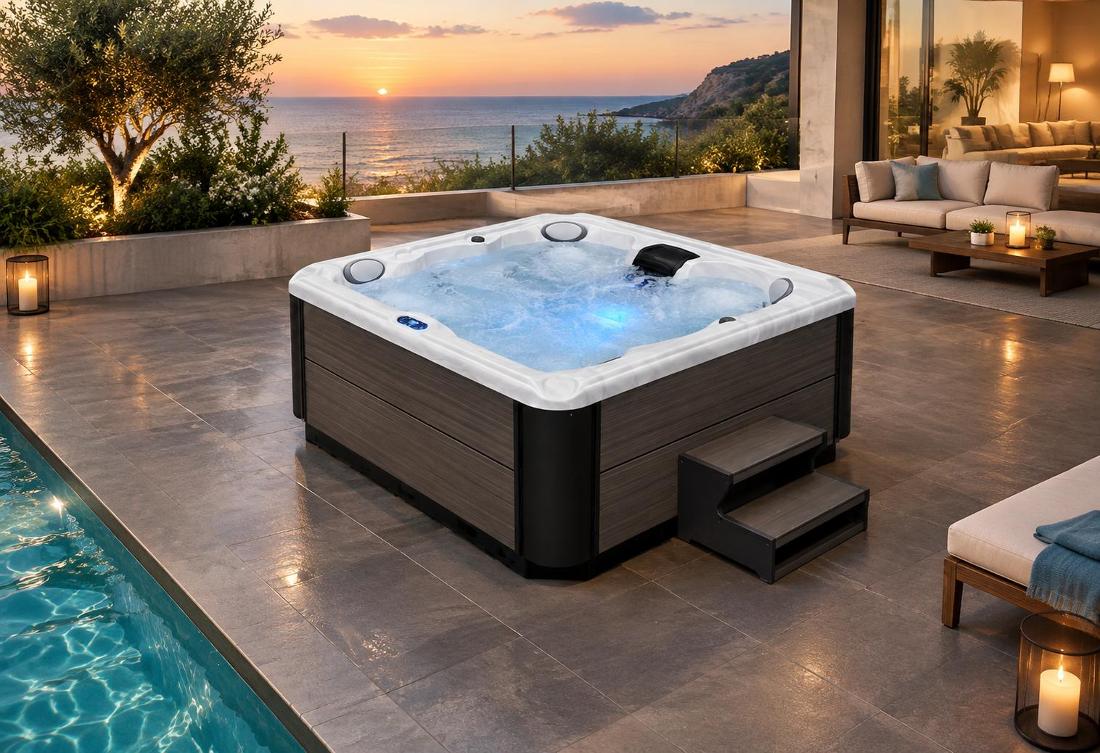
Not every buyer cares about mood lighting, but for those who do, select models in this lineup include integrated LED lighting and audio systems built into the shell. These features do not affect hydrotherapy performance, but they change how the spa functions socially, particularly for evening use or entertaining guests.
If ambiance features matter to you, check whether lighting is a fixed color or adjustable, and whether audio is truly integrated or just a Bluetooth speaker mount. The difference affects both price and long-term satisfaction.
Does a bigger hot tub always mean better hydrotherapy?
Not necessarily. A larger shell spreads jets over more surface area, which can dilute massage intensity unless jet density scales proportionally. Compact models with concentrated jet zones sometimes deliver a stronger therapeutic feel than oversized units.
Can I install one of these spas indoors?
Many models suit both indoor and outdoor placement, but indoor installation requires attention to ventilation and moisture control, since these units generate steam and humidity during use.
How often does the water need to be fully changed?
Even with ozone sanitization, most spas need a full water change every three to four months, depending on usage frequency and chemical balance.
Is a swim spa hot tub combo worth it if I only plan to soak, not swim?
If swimming laps is not a priority, a well-configured multi-person hot tub with strong jet coverage typically offers better value than paying for swim-lane length you will not use.
The best swim spa hot tub combo for one household is not the best fit for another, and that comes down to how the spa gets used week to week. Someone recovering from athletic training needs different jet placement than a retired couple looking for a quiet evening soak.
Before comparing brands or models, walk through your own use case:
Answering these honestly narrows the field faster than scrolling through spec sheets. We manufacture the Fspa Hot Tub series with this kind of range in mind, from compact 3-person units to full 6-person Pro models, so households at different stages can find a configuration suited to their space and routine.
Ultimately, choosing among swim spa and hot tub combo options is less about chasing the highest jet count or the flashiest lighting package, and more about matching capacity, heating power, and hydrotherapy design to how you actually live. Get that match right, and the spa earns its place in your backyard for years rather than becoming an expensive fixture you rarely use.
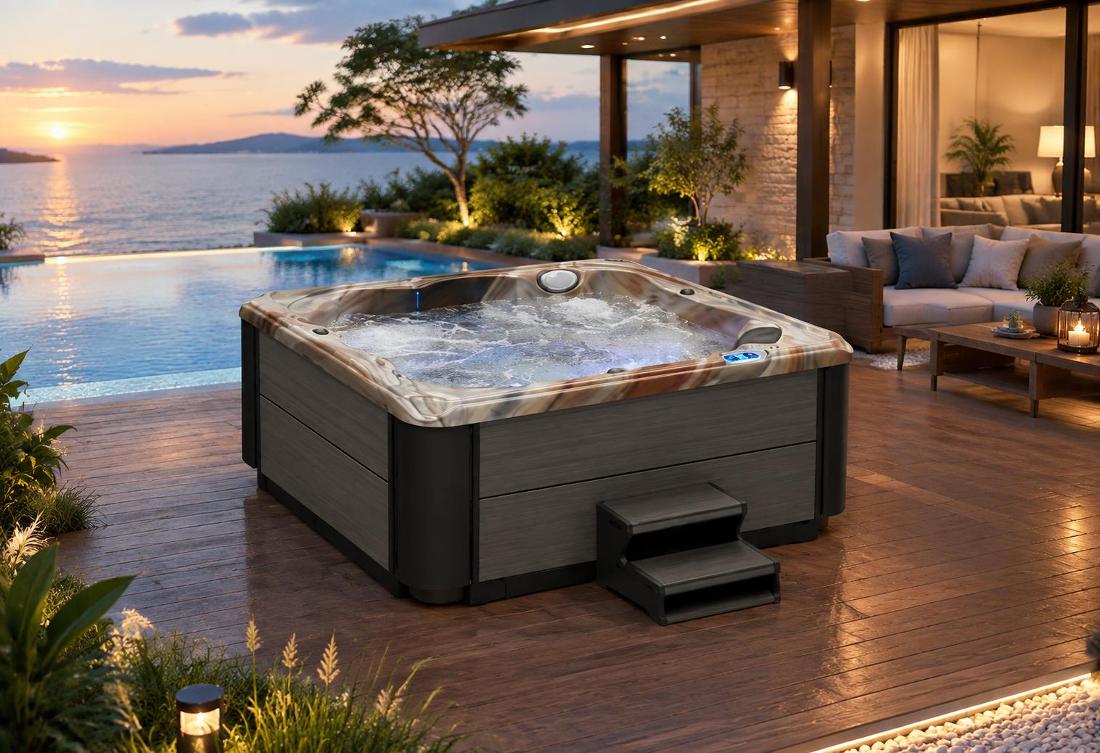
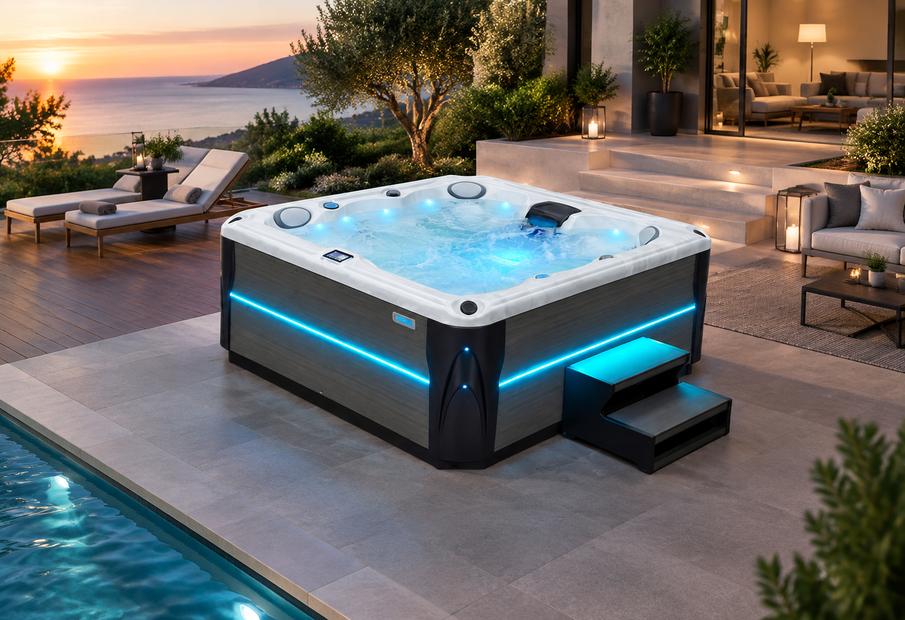
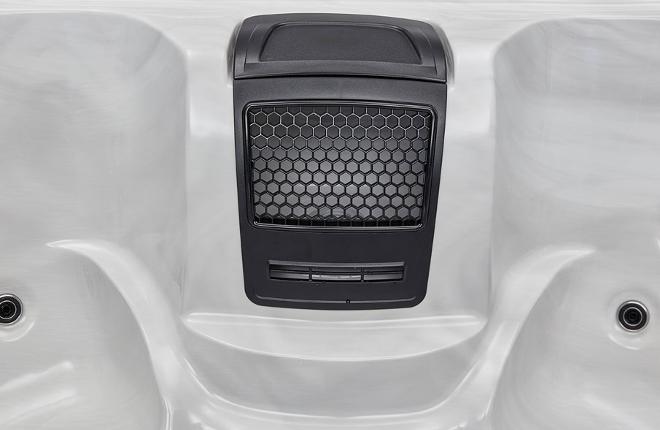
The Real Difference Between a Wine Barrel Cold Plunge and a Hot Tub Setup
Search "wine barrel cold plunge" and you’ll find dozens of rustic-looking tubs promising ice-bath benefits in a charming wooden shell. Before buying one, it helps to understand what these barrels actually do well, where they fall short, and when a different kind of spa setup serves your goals better. Cold exposure and hydrotherapy solve different problems, and mixing up the two leads to disappointing purchases.
A wine barrel cold plunge is a stave-built wooden vessel, often repurposed from actual wine or whiskey barrels, filled with cold or ice water for short-duration immersion. There’s no jet system, no heater, no filtration loop in most basic models. You fill it, chill it, sit in it for a few minutes, then drain or maintain it manually.
The appeal is straightforward. Wood has a warm, artisanal look that plastic or acrylic shells can’t replicate. Round barrel shapes also use less material than square tanks of similar volume, which keeps manufacturing costs lower for smaller producers. That’s part of why these plunges show up so often at boutique gyms and backyard wellness setups.
But simplicity cuts both ways. Without integrated filtration, most wine barrel plunges need manual water changes every few days, more often in warm climates or with frequent use. Owners who skip this step deal with cloudy water and bacterial growth, since stagnant water doesn’t sanitize itself just because it’s cold.
People often ask whether they should buy a cold plunge or a hot tub, as if one replaces the other. They don’t overlap much. Cold plunges target acute recovery, reducing inflammation and numbing soreness after intense training. Hot tubs use warm water and hydrotherapy jets to relax muscles, improve circulation, and ease chronic tension over longer soaks.
Some athletes and wellness facilities run both, alternating between hot and cold for contrast therapy. If your goal is daily relaxation rather than athletic recovery, a heated hydrotherapy spa will likely deliver more consistent value than a barrel that only does cold.
This is where the conversation shifts from rustic charm to practical engineering. A cold plunge barrel without proper filtration is essentially a large cooler you sit in. Compare that to a purpose-built spa pool designed with dedicated filter pumps and ozone treatment systems, and the maintenance gap becomes obvious.
Take the Fspa BD-001 as a reference point for what a fully engineered spa system looks like. It’s not a cold plunge, it’s a 2100x2100x900mm hydrotherapy spa built for up to 6 adults, but its filtration architecture illustrates the standard that basic wine barrels typically lack.
| Feature | Basic Wine Barrel Plunge | Engineered Spa (BD-001 reference) |
|---|---|---|
| Filtration | Manual water changes | Dedicated 0.35kW filter pump plus ozone system |
| Temperature control | None or basic | Digital control panel with 3kW heater |
| Circulation | Static water | 2.2kW massage pump with 31 jets |
| Water capacity | Varies by barrel size | 1000L |
| Total power draw | None | 5.55kW |
| Certifications | Rarely certified | CE, CTUVus, CB, SAA |
The takeaway isn’t that barrels are inferior for cold therapy specifically. It’s that anyone comparing wellness tubs broadly should weigh maintenance burden against upfront cost, not just aesthetics.
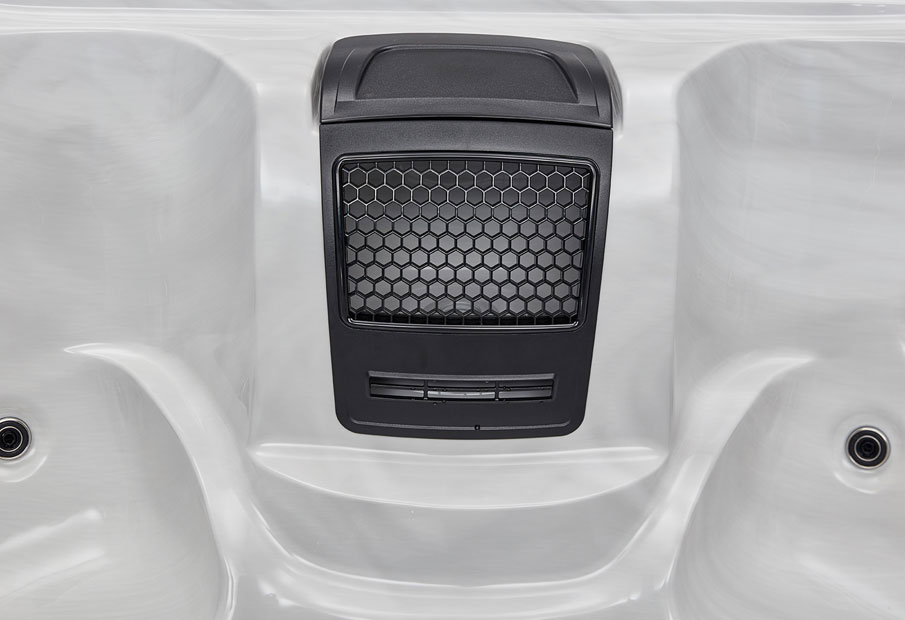
Wood barrels vary wildly in quality. Some manufacturers use food-grade cedar or oak staves sealed with proper liners, while cheaper versions use thin wood prone to leaking within a season. A few questions help separate durable options from short-lived ones.
Skipping these questions is how people end up with a barrel that looks great in photos but leaks by the second month.
Space and water usage matter more than people expect when planning outdoor wellness setups. A cold plunge barrel takes up relatively little footprint, which works well for small patios or gym corners. Larger hydrotherapy spas need more room but serve a broader range of uses.
For colder-climate rehabilitation centers or physiotherapy clinics, a heated spa with adjustable jet intensity often serves treatment goals better than a static cold barrel, since therapists can tailor water temperature and massage pressure to each patient.
Cold plunge barrels are usually built for standing or crouched immersion, not extended seating, since prolonged cold exposure isn’t meant to be comfortable in the traditional sense. Hydrotherapy spas take the opposite approach, prioritizing seated comfort for longer sessions.
Ergonomic design shows up in details easily overlooked during a quick product scan. Integrated headrests that support the neck and align the spine, for example, make a measurable difference during 20-30 minute soaks. Jet placement matters too, since poorly positioned jets miss the shoulders and lower back where tension typically concentrates.
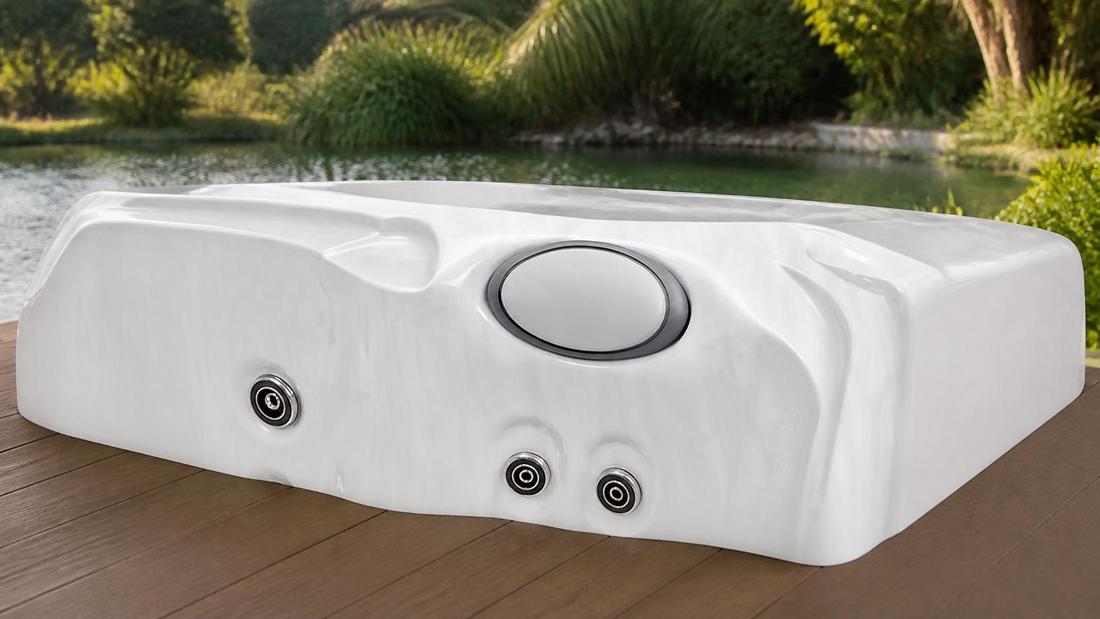
Can I turn a real wine barrel into a cold plunge myself?
Yes, though it requires sealing the interior properly and adding a drainage system. Without a food-safe liner, tannins and residue from the original wine can leach into the water.
How cold does a wine barrel plunge typically get without a chiller?
Without a dedicated chiller unit, water temperature depends entirely on ambient conditions and ice added manually, which makes consistent cold therapy harder to maintain than with temperature-controlled systems.
Is a wine barrel cold plunge sanitary without filtration?
Not reliably. Cold temperatures slow bacterial growth but don’t eliminate it, so manual water changes and regular cleaning remain necessary even in cold water.
Do hydrotherapy spas serve the same recovery purpose as cold plunges?
No. Hydrotherapy spas focus on warm-water muscle relaxation and circulation, while cold plunges target inflammation reduction through cold exposure. They address different phases of physical recovery.
The decision between a wine barrel cold plunge and a full hydrotherapy spa comes down to what problem you’re solving. If short, intense cold exposure for recovery is the goal, a well-built barrel with proper liner and drainage can work fine, provided you accept the manual maintenance involved.
If your priority is relaxation, circulation, and longer soaking sessions, especially in settings like hotels, villas, or wellness centers, a heated spa with proper filtration and ergonomic seating will hold up better over time and require less hands-on upkeep. For us, working across both wellness categories has made clear that the best choice isn’t about which product sounds more premium. It’s about matching water temperature, maintenance tolerance, and session length to what you’re actually trying to achieve, whether that’s a quick wine barrel cold plunge after a workout or a longer soak in a fully equipped hydrotherapy system.

The Infinipool Fspa IP-004 is a luxurious, spacious, and technologically advanced swimming pool.
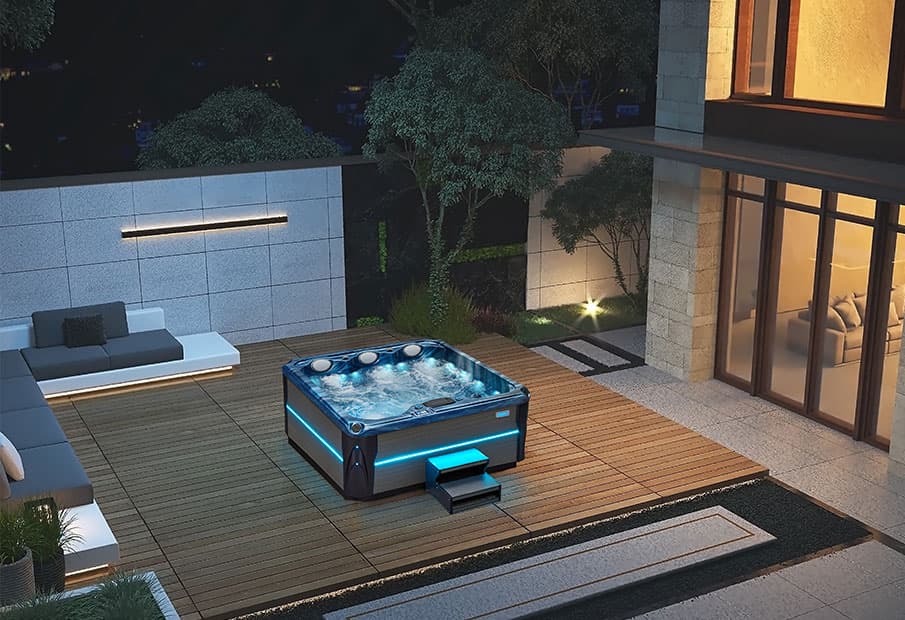
The Fspa BD-013Pro Hot Tub, a spacious and stylish premium spa for residential and commercial use, offers a luxurious and rejuvenating experience with its powerful massage system, pristine water quality, customizable water flow, calming LED lighting, music speakers, and comfort accessories.
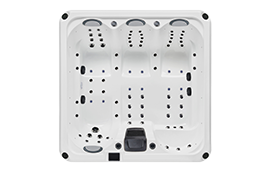
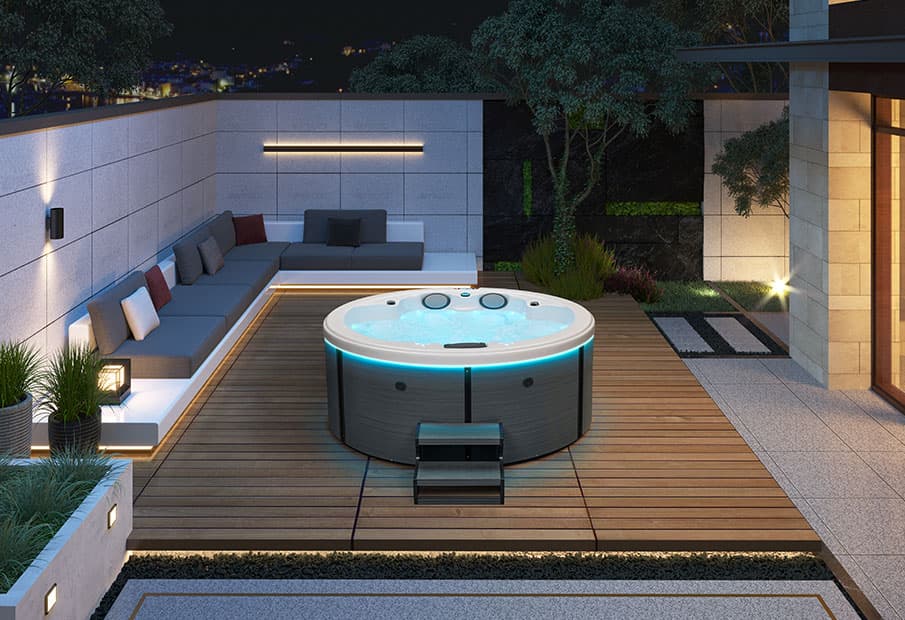
The Fspa BD-010Pro Hot Tub, combines power (8.47kW) and efficiency with luxurious features such as 54 water & 18 air bubble jets, customizable water flow, LED lighting, music speakers, and pillows, making it ideal for both residential and commercial outdoor settings.
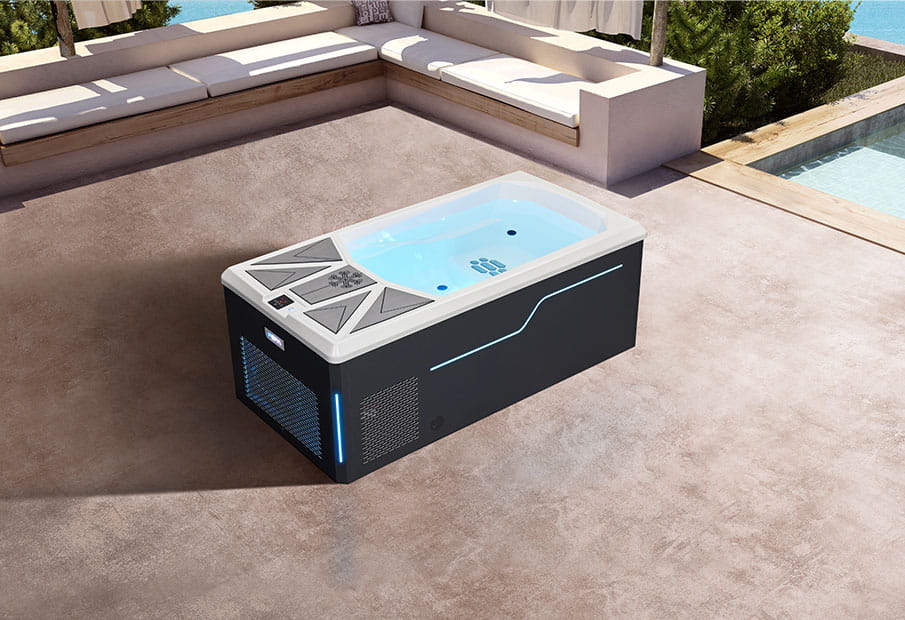
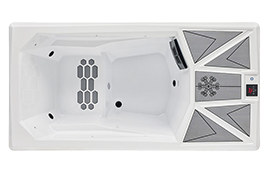
All in one design, plug and play, snowflake pattern, Welcome lights up as you approach Include filter, circuit pump, Ozone, Ice-blue underwater light, and high-efficiency chilling system.
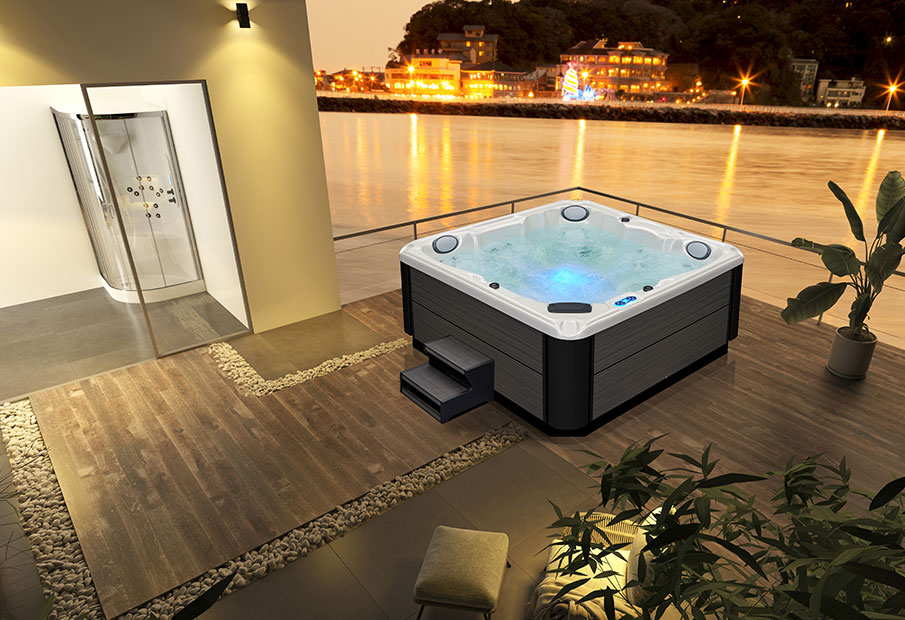
Our premium spa, spacious enough for 5 adults, combines luxury and functionality with a robust control system, high-performance components, advanced filtration and ozone sanitization, 36 jets, adjustable air pillows, and user-friendly controls for ultimate relaxation at home.
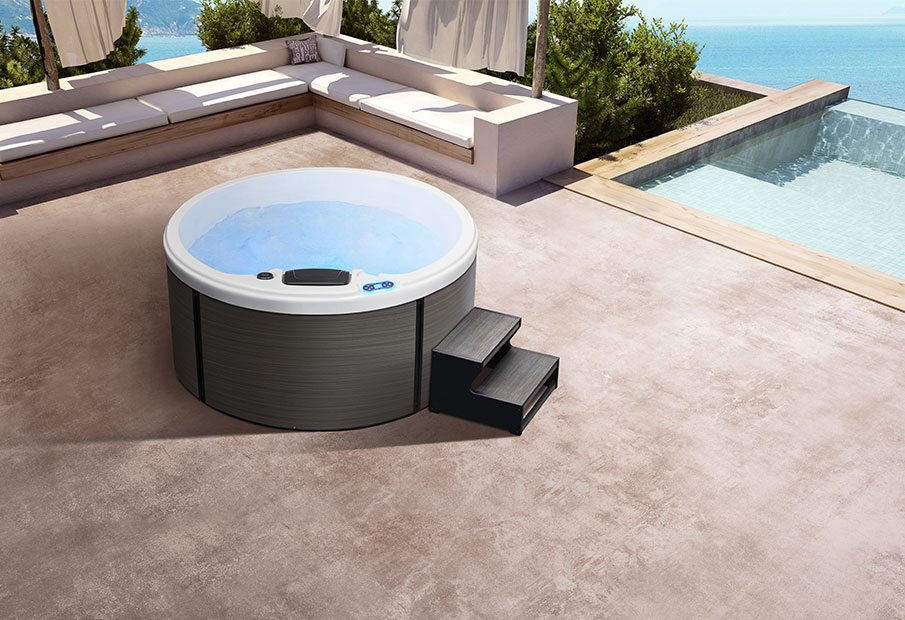
The Fspa BD-018 Hot Tub, designed for 2 adults with spacious dimensions, features a robust control system, 1.5kW massage pump, 0.35kW filter pump, 2kW heater, 14 customizable water jets, LED lighting, ozone sanitation, and a total power of 3.85kW, providing exceptional comfort and relaxation for a luxurious and rejuvenating soak.
PRODUCTS
INQUIRY
Thank you for your message!Our Chinese New Year holiday from 7th Feb to 28th Feb. Apologise to make your inconvenience so that responses may be delayed during this period. We'll back to you with regular service on 2th March .Thank you for understanding.


