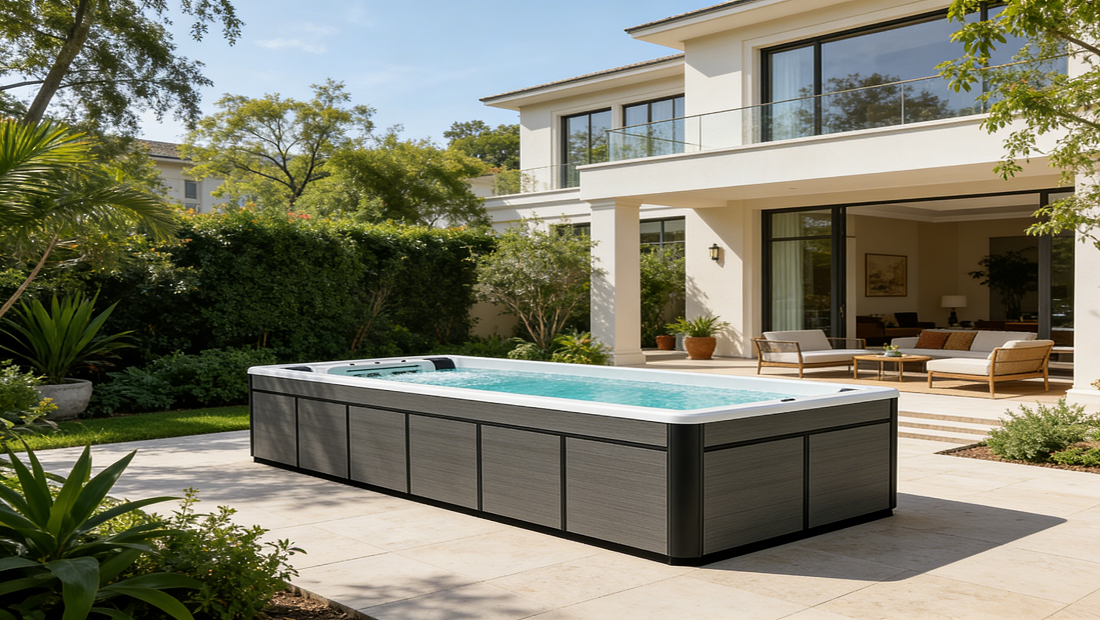
Outdoor wellness has evolved beyond traditional swimming pools. Modern homeowners increasingly invest in a backyard pool spa that combines hydrotherapy with aesthetic design. A well-designed spa environment enhances relaxation, improves mental well-being, and increases property value.
FSPA specializes in premium spa solutions that integrate durability, innovation, and ergonomic comfort. From compact 2 person outdoor spa designs to luxurious round outdoor spa installations, FSPA delivers customized hydrotherapy systems that meet diverse lifestyle needs.
This article explores the advantages of backyard spa solutions, design considerations for small and large installations, and practical insights for selecting the best spa tubs for sale options.
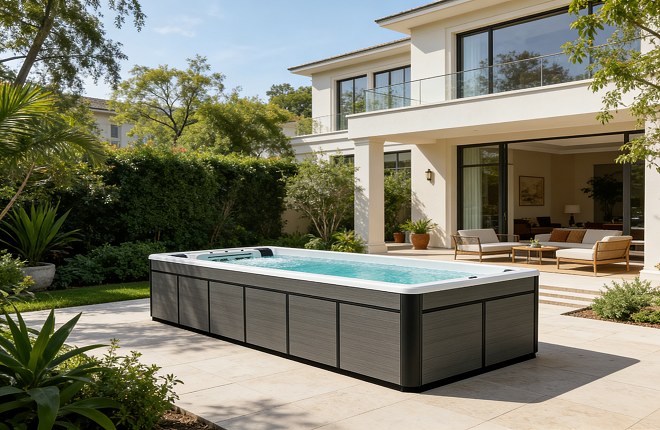
A backyard pool spa provides therapeutic benefits that extend beyond simple relaxation. Hydrotherapy promotes muscle recovery, improves circulation, and reduces stress. Warm water therapy helps alleviate tension, making outdoor spas valuable wellness investments.
The combination of water jets and temperature-controlled environments enhances the therapeutic experience. Unlike traditional bathtubs, spa systems deliver targeted massage effects that support physical and mental well-being. Whether after exercise or a long workday, hydrotherapy creates opportunities for rejuvenation.
Outdoor installations further enhance relaxation. Fresh air and natural surroundings amplify the spa experience, creating a holistic wellness environment. Homeowners can enjoy hydrotherapy while connecting with nature, transforming outdoor spaces into personal sanctuaries.
FSPA designs spa solutions that prioritize performance and comfort. Advanced jet systems and ergonomic layouts ensure effective hydrotherapy experiences. Durable materials and energy-efficient technologies enhance long-term usability, providing value for homeowners.
Beyond wellness benefits, a backyard pool spa enhances property aesthetics and market value. Modern spa installations become focal points of outdoor design, blending functionality with visual appeal. Landscaping elements such as natural stone surrounds and integrated lighting further elevate the spa environment.
Homeowners increasingly view outdoor spas as long-term investments. High-quality installations improve property desirability and provide ongoing recreational value. Whether exploring options for a round outdoor spa or compact hydrotherapy systems, spa solutions contribute to modern lifestyle enhancement.
FSPA specializes in customized designs that complement existing outdoor spaces. From contemporary aesthetics to natural landscaping integration, FSPA solutions ensure that spa installations align with individual preferences and architectural styles.
Selecting the right hydrotherapy solution begins with understanding available options. Spa tubs for sale include various designs, sizes, and features tailored to individual preferences. Professional installation ensures optimal performance and long-term usability.
A 2 person outdoor spa provides space-efficient hydrotherapy for couples or small households. Compact designs emphasize ergonomic comfort and performance, making them ideal for urban environments and smaller backyards. FSPA delivers high-quality solutions that maximize functionality without requiring extensive outdoor space.
Energy efficiency and material quality are critical considerations. Outdoor spa installations must withstand environmental exposure while maintaining performance. FSPA utilizes premium materials and engineering expertise to deliver durable solutions that meet customer expectations.
For homeowners with limited space, a mini jacuzzi outdoor installation offers an ideal solution. Compact spa designs deliver hydrotherapy benefits in smaller layouts, making outdoor relaxation accessible to urban and suburban properties.
Mini jacuzzis emphasize ergonomic comfort and performance. Advanced jet systems provide targeted massage effects, supporting muscle relaxation and stress reduction. Despite their smaller size, these installations deliver premium hydrotherapy experiences.
FSPA specializes in designing space-efficient spa solutions that prioritize quality and usability. Whether selecting a mini jacuzzi or larger spa system, homeowners benefit from customized designs that align with spatial and lifestyle requirements.
A two person outdoor spa offers intimate relaxation and hydrotherapy benefits. Designed for couples or small households, these installations provide efficient wellness solutions without requiring extensive space. Ergonomic layouts and advanced jet systems enhance user comfort and therapeutic performance.
A round outdoor spa combines modern aesthetics with functional hydrotherapy. Circular designs promote social interaction and ergonomic comfort, creating inviting spaces for relaxation. The symmetry of round spas enhances visual appeal, making them popular choices for contemporary outdoor environments.
Round spas also optimize water circulation and jet performance. The design enables efficient hydrotherapy experiences, delivering consistent therapeutic benefits. Whether used for relaxation or social gatherings, round outdoor spas enhance outdoor lifestyle quality.
FSPA offers customized round spa solutions that align with client preferences and spatial requirements. High-quality materials and innovative engineering ensure durability and long-term performance. Homeowners benefit from spa installations that combine style with functionality.
An outdoor round spa transforms gardens and patios into wellness retreats. Outdoor installations allow homeowners to enjoy hydrotherapy while connecting with nature. Fresh air and scenic surroundings enhance relaxation, creating holistic wellness experiences.
Hydrotherapy supports physical and mental well-being. Warm water therapy improves circulation, reduces muscle tension, and promotes stress relief. Outdoor spa solutions deliver therapeutic benefits in environments that encourage relaxation and rejuvenation.
FSPA designs outdoor round spas that integrate seamlessly with landscape aesthetics. Customized solutions complement garden layouts and architectural styles, enhancing outdoor visual appeal. Durable materials and energy-efficient systems ensure long-term usability and performance.
Modern hydrotherapy solutions redefine outdoor relaxation and wellness. A backyard pool spa transforms outdoor spaces into personal sanctuaries, combining therapeutic benefits with aesthetic enhancement. Whether selecting a compact 2 person outdoor spa, round outdoor spa, or mini jacuzzi outdoor installation, homeowners benefit from improved well-being and property value growth.
FSPA leads the industry in premium spa solutions, delivering customized designs that prioritize durability and innovation. From spa tubs for sale options to advanced hydrotherapy systems, FSPA provides tailored solutions for diverse lifestyles and spatial requirements.
Investing in outdoor spa solutions enhances quality of life and modern living standards. Hydrotherapy promotes relaxation and wellness, while contemporary designs elevate outdoor aesthetics. Homeowners who embrace spa installations create environments that support health, happiness, and long-term property value.
A backyard pool spa provides hydrotherapy benefits, including muscle relaxation, stress reduction, and improved circulation. It enhances outdoor aesthetics and property value while supporting wellness.
A 2 person outdoor spa offers space-efficient hydrotherapy for couples or small households, while larger spas accommodate families and social gatherings. FSPA provides customized solutions for diverse preferences.
Spa tubs for sale include various designs and features tailored to individual needs. Professional installation ensures optimal performance and long-term usability. FSPA delivers high-quality solutions for modern hydrotherapy.
A round outdoor spa combines contemporary aesthetics with functional hydrotherapy. Circular designs promote social interaction and ergonomic comfort, enhancing outdoor relaxation experiences.
FSPA specializes in premium spa solutions, offering professional installation, durable materials, and customized designs for long-term performance and customer satisfaction.
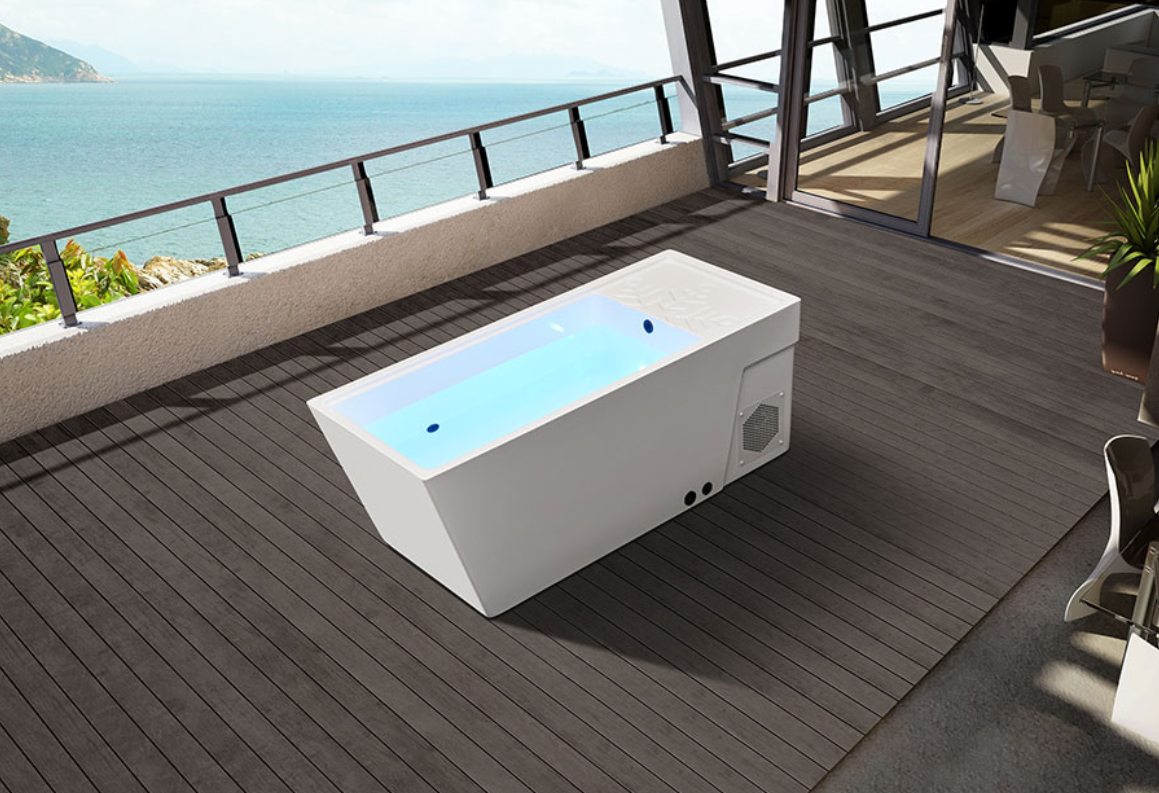
Building a More Sustainable Wellness Routine with Modern Cold Plunge Systems
Wellness is no longer limited to traditional gyms, spas, or fitness centers. Cold-water immersion has become an increasingly popular part of recovery and personal wellness routines, with cold plunge systems offering a convenient way to incorporate controlled cold-water exposure into everyday life.
As interest in wellness grows, consumers are also becoming more conscious of how the products they purchase affect energy consumption, water usage, materials, and the environment. This has encouraged manufacturers to develop cold plunge systems that combine practical performance with more responsible resource management.
Choosing a cold plunge is therefore no longer simply about achieving low water temperatures. Buyers may also consider insulation, cooling efficiency, water circulation, filtration, construction materials, and the overall environmental impact of the product.
An eco-friendly cold plunge is designed with greater attention to resource efficiency and environmental considerations throughout its use. Instead of focusing only on cooling performance, an environmentally responsible system considers how energy, water, materials, and maintenance requirements affect its overall footprint.
One important factor is the construction of the plunge itself. Durable materials can help extend product service life and reduce the need for frequent replacement. A longer-lasting product can potentially reduce material consumption over time, particularly when components are designed to be repaired or replaced individually rather than requiring the entire unit to be discarded.
Water management is another important consideration. Cold plunge systems are typically filled with a fixed volume of water that can be maintained through circulation and filtration. Effective filtration can help users keep the water cleaner for longer periods, potentially reducing unnecessary draining and refilling.
Manufacturers may also incorporate insulated walls, covers, and efficient circulation systems into an eco-friendly cold plunge. These features can help maintain stable water conditions while reducing unnecessary energy or water consumption.
For consumers interested in sustainable living, these characteristics can make a cold plunge a more responsible addition to a home wellness routine without sacrificing everyday convenience.
An eco-conscious cold plunge takes sustainability into account not only during operation but also when selecting materials and designing the product.
Material durability is particularly important for equipment that is continuously exposed to water, moisture, temperature changes, and cleaning processes. Strong and corrosion-resistant materials can help protect the structure and reduce premature deterioration.
A well-designed product can also make maintenance more manageable. Easy-to-access filters, replaceable components, and practical drainage systems can help users perform routine maintenance without replacing major components unnecessarily.
Packaging is another area where manufacturers can make a difference. Responsible packaging design may reduce excessive materials while still providing adequate protection during transportation. For products shipped internationally, optimizing packaging volume can also improve transportation efficiency.
An eco-conscious approach can extend to manufacturing processes as well. Manufacturers may consider material utilization, production efficiency, waste reduction, and responsible sourcing when developing their products.
For buyers, however, sustainability claims should be evaluated carefully. Rather than relying solely on terms such as “green” or “eco,” it is useful to examine specific product characteristics, including material durability, insulation performance, energy consumption, component lifespan, and maintenance requirements.
In this way, an eco-conscious cold plunge becomes part of a broader approach to responsible product design rather than simply a marketing label.
Cooling water to a low temperature requires energy, making efficiency an important consideration for regular users. An energy-efficient cold plunge is designed to minimize unnecessary power consumption while maintaining the desired water temperature.
Insulation plays an important role in this process. Without sufficient insulation, heat from the surrounding environment can continuously enter the water, forcing the cooling system to work harder. A properly insulated tank can reduce heat transfer and help maintain temperature more efficiently.
A high-quality thermal cover can provide another layer of protection when the cold plunge is not being used. By limiting exposure to ambient heat, the cover can help reduce the workload placed on the cooling system.
The cooling unit itself is equally important. Efficient compressors and temperature-control systems can adjust operation according to actual water conditions rather than running continuously at maximum capacity. Intelligent temperature management can therefore contribute to more efficient operation.
The surrounding environment also affects energy consumption. A cold plunge installed in direct sunlight or a very hot location may require more cooling than one positioned in a shaded, well-ventilated area.
For users who plan to operate their plunge frequently, energy efficiency should be considered alongside purchase price. A slightly higher initial investment in better insulation or efficient cooling technology may provide value over a longer period through reduced operating requirements.
Energy is only one part of the sustainability equation. Water management can also influence the environmental performance of a cold plunge.
Regularly replacing large quantities of water can increase consumption, particularly for users who operate their plunge frequently. A reliable filtration and circulation system can help maintain water quality between water changes.
Water treatment requirements should also be considered carefully. Users should follow the manufacturer’s recommendations for filtration, cleaning, sanitation, and water replacement rather than adopting a one-size-fits-all maintenance schedule.
Keeping the plunge covered when it is not in use can also help reduce contamination from leaves, dust, insects, and other outdoor debris. Cleaner water may require less frequent maintenance and can help reduce unnecessary water replacement.
Proper maintenance is essential as well. Dirty filters or poorly maintained circulation systems may force equipment to work harder and can reduce overall efficiency. Regular cleaning and timely replacement of consumable components can help the system operate as intended.
These simple practices demonstrate that sustainability depends not only on product design but also on how the equipment is used and maintained.
When evaluating an eco-friendly cold plunge, buyers should look beyond the initial purchase price and consider the product’s complete operating lifecycle.
Durability should be one of the first considerations. A reliable structure and high-quality components can help extend the product’s usable life. Energy consumption is another major factor, particularly for people who plan to use the plunge several times per week.
Buyers should also examine insulation, cooling technology, filtration, water circulation, and temperature controls. Products that are designed for straightforward maintenance can make it easier to keep the system operating efficiently.
An eco-conscious cold plunge can be particularly appealing to consumers who want wellness equipment that aligns with broader sustainability goals. Meanwhile, an energy-efficient cold plunge can help address the practical issue of ongoing electricity consumption.
Ultimately, the most sustainable cold plunge is not necessarily the one with the most features. It is the system that provides the required performance while using resources responsibly, lasting for a long time, and remaining practical to maintain.
As cold-water wellness continues to develop, sustainability is likely to become an increasingly important part of product design. By considering energy efficiency, water management, durable materials, and responsible maintenance, consumers can enjoy the benefits of a modern cold plunge while making more thoughtful choices for long-term use.
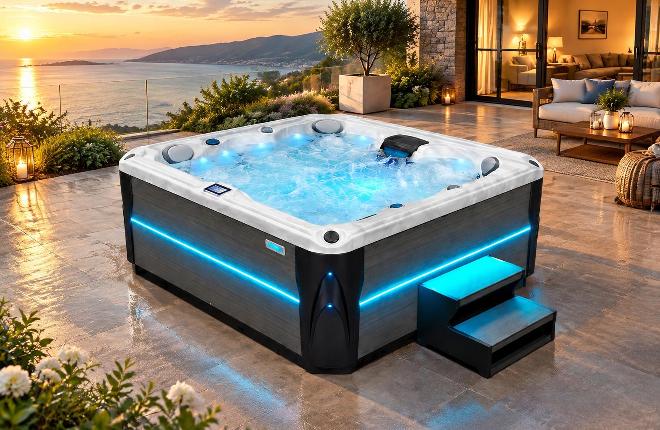
What Makes the Highest Rated Swim Spas Worth the Investment
Shopping for a swim spa often starts with a simple question: which model actually holds up under daily use? The phrase "highest rated swim spas" gets searched by people who already know these units cost real money, and they want proof before they commit. Ratings matter because they reflect how well a spa performs after the novelty wears off, not just how it looks in a showroom.
A swim spa sits in a strange middle ground between a pool and a hot tub, and that hybrid nature is exactly why buyers get confused. This guide breaks down what separates a genuinely well-rated unit from one that just has good marketing photos, using real specifications rather than vague promises.
Two spas can look nearly identical on the outside and perform completely differently once installed. The gap usually comes down to jet count, pump quality, and how the heating system handles temperature swings over months of use.
Ratings also shift depending on what the reviewer values. A physiotherapy center cares about jet placement and hydrotherapy precision. A homeowner cares about noise levels and monthly energy bills. Both groups are rating the same category of product, but they’re measuring different things entirely.
This is why a single star rating rarely tells the full story. A better approach is to look at how a spa performs across a handful of concrete factors:
Massage jets get the most attention in product listings, but raw jet count is a misleading metric on its own. What matters is how jets are distributed across seating positions and whether air flow can be adjusted independently from water pressure.
Some models in the Fspa Hot Tub series, for instance, range from 16 jets on compact units up to 80 jets on larger configurations, paired with customizable air flow for targeted muscle relief. That range matters because a 3-person tub doesn’t need 80 jets, but a 6-person family spa with sparse jet placement will leave someone sitting in a dead zone.
The lesson here is straightforward. Match jet density to how many people will realistically use the spa at once, not just the maximum seating number printed on the spec sheet.
Nobody wants to spend their Saturday manually dosing chemicals into a hot tub. This is where ozone sanitization systems earn their reputation among owners who actually rate their spas highly after a year of ownership.
Ozone systems work by injecting ozone gas into the water, which oxidizes contaminants and reduces the chemical load needed for upkeep. It doesn’t eliminate the need for sanitizer entirely, but it cuts down the frequency and guesswork involved. Several models in the Fspa lineup integrate this system as a standard feature rather than an expensive add-on, which shifts long-term maintenance costs in the owner’s favor.
Water clarity issues are one of the most common complaints in negative spa reviews, and they almost always trace back to inadequate filtration or skipped maintenance rather than a design flaw. A spa with a dedicated filter housing built into the shell layout makes that upkeep less of a chore.
Size decisions trip up more buyers than any other factor, mostly because people underestimate how much deck space a swim spa actually needs once steps and clearance are factored in.
| Feature | Compact Range | Mid-Size Range | Large Range |
|---|---|---|---|
| Capacity | 3 adults | 4-5 adults | 6 adults |
| Typical Dimensions | 1870x1330x800mm | ~2100x2100x850mm | 2530x2300x900mm |
| Heater Output | 2kW | 2.5kW | 3kW |
| Jet Count | 16-20 | 40-60 | 60-80 |
These figures reflect the range found across the Fspa Hot Tub series, and they illustrate a pattern that holds true industry-wide: heater output scales with volume, not luxury tier. A larger tub simply needs more wattage to maintain temperature, which is why total system power on bigger units can reach up to 5.55kW.
Buyers often assume a bigger spa is automatically the better rated one. In practice, an oversized spa for a 2-person household just means higher standby heating costs for space that never gets used.
Shell material and pump reliability rarely show up in the glossy photos, but they’re the reason some spas earn five-star reviews three years in and others get replaced within eighteen months.
Acrylic shells with a marbled finish resist staining better than painted alternatives, and molded seating positions distribute weight more evenly across the shell structure. That matters because uneven load-bearing points are a common cause of stress cracks over time. Pump quality follows a similar logic: a high-performance pump running at moderate load consistently will outlast a cheaper pump pushed to its limit constantly.
Durability also comes down to how a unit handles outdoor exposure. Deck installations, patio placements, and balcony setups all expose the shell to UV, temperature swings, and moisture in different ways. A well-built spa accounts for that in its shell design rather than treating outdoor placement as an afterthought.
Functional performance gets a spa in the door, but ambient features often decide whether an owner actually rates the experience highly. Integrated LED lighting and audio systems don’t affect hydrotherapy outcomes directly, yet they shape how often the spa gets used after the first few months.
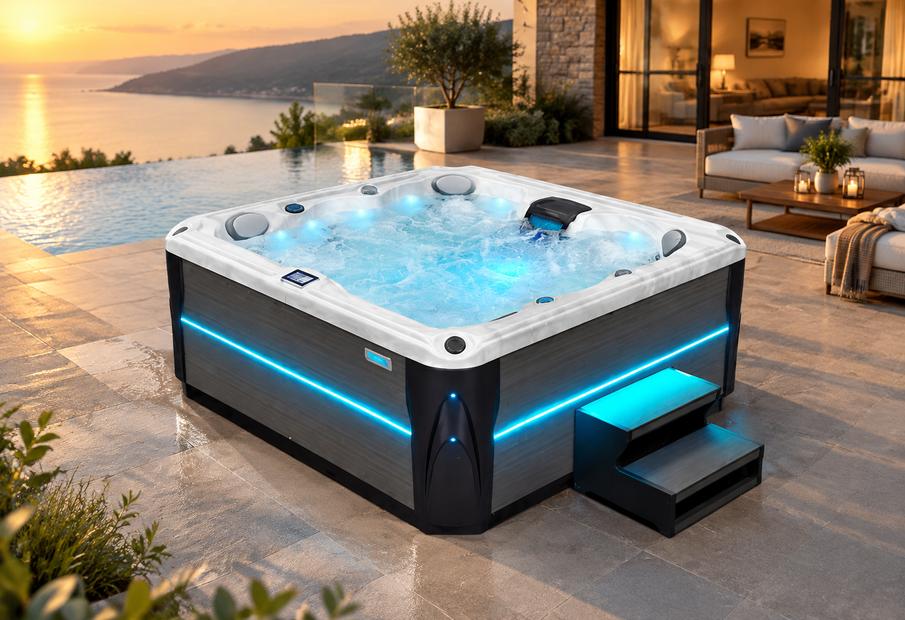
Consider a spa used mostly at night on a balcony overlooking a city skyline. Lighting isn’t decoration in that setting, it’s the difference between a spa that gets used twice a week and one that becomes a storage spot for pool toys. Select models in the Fspa range pair LED lighting with high-fidelity audio, turning a therapeutic session into something closer to a private lounge experience.
Not every high-rated spa fits every setting, and that’s a distinction buyers frequently overlook. A unit praised for hotel amenity use may be overkill for a private backyard, while a compact residential model might undersize a commercial wellness center.
Application scenarios generally break down into a few clear categories:
Matching the spa to its actual use case does more for long-term satisfaction than chasing the highest jet count on paper.
Does a higher jet count always mean better hydrotherapy?
Not necessarily. Jet count matters relative to seating capacity and placement. A spa with fewer jets but better-positioned zones can outperform one with more jets crowded into a single area.
How much maintenance does an ozone sanitization system reduce?
Ozone systems reduce the frequency of manual chemical dosing by continuously treating water, though owners still need to monitor sanitizer levels periodically rather than eliminate testing altogether.
Is a bigger swim spa always the better rated choice?
No. Larger units cost more to heat and take up more deck space. The best rated spa for a given household is the one sized correctly for actual usage, not the largest available model.
What should buyers prioritize when comparing specs?
Heater output relative to volume, jet distribution across seating, and shell construction quality matter more than headline numbers like maximum jet count alone.
Finding the highest rated swim spas comes down to matching real specifications against real usage patterns, not chasing the biggest number on a spec sheet. Buyers who compare jet distribution, heater output, and sanitization systems against their household size tend to end up with a spa they still use years later. For us, that combination of hydrotherapy performance and durable construction is what separates a spa people rate highly from one that just gets a good first impression.
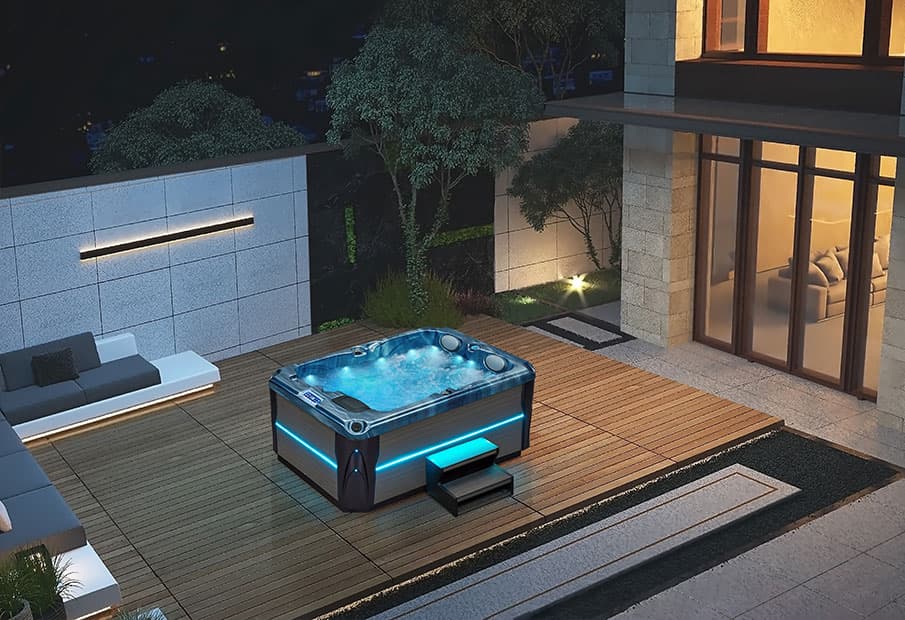
The Fspa BD-011Pro Hot Tub, a 2010x1360x800mm premium spa for 2 adults, combines 7.27kW of power and efficiency with luxurious features like 39 water & 20 air bubble jets, customizable water flow, LED lighting, music speakers, and pillows, making it a stylish and ideal choice for both residential and commercial outdoor relaxation.
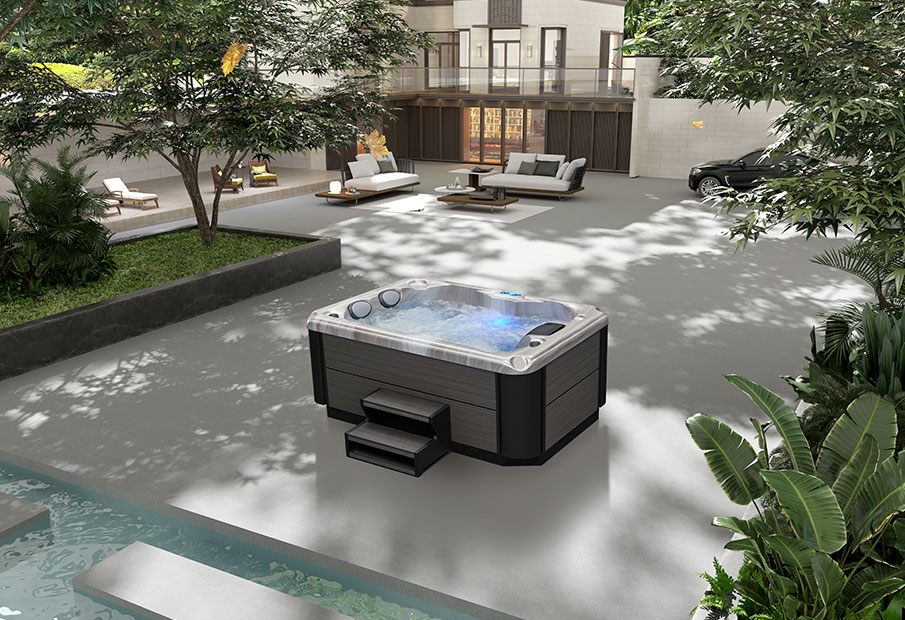
The Fspa BD-015 hot tub, with spacious dimensions for 6 adults, a powerful 2.2kW massage pump, 35 strategic jets, a 3kW heater, serene LED lighting, and a total power of 5.5kW, offers the ultimate experience in relaxation and well-being.
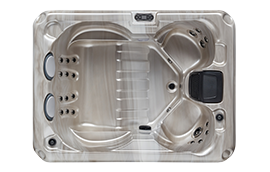
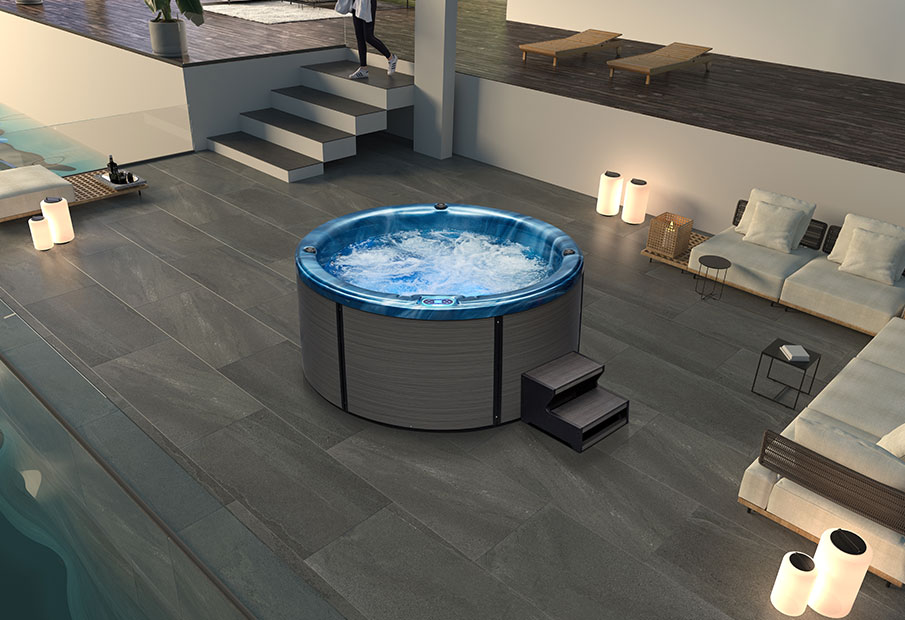
The Fspa BD-009 hot tub, designed for style and functionality, offers unparalleled comfort for up to 6 adults with its spacious size, robust control system, powerful pumps, consistent water temperature, strategic jet placement, and enhanced ambiance and water quality features.
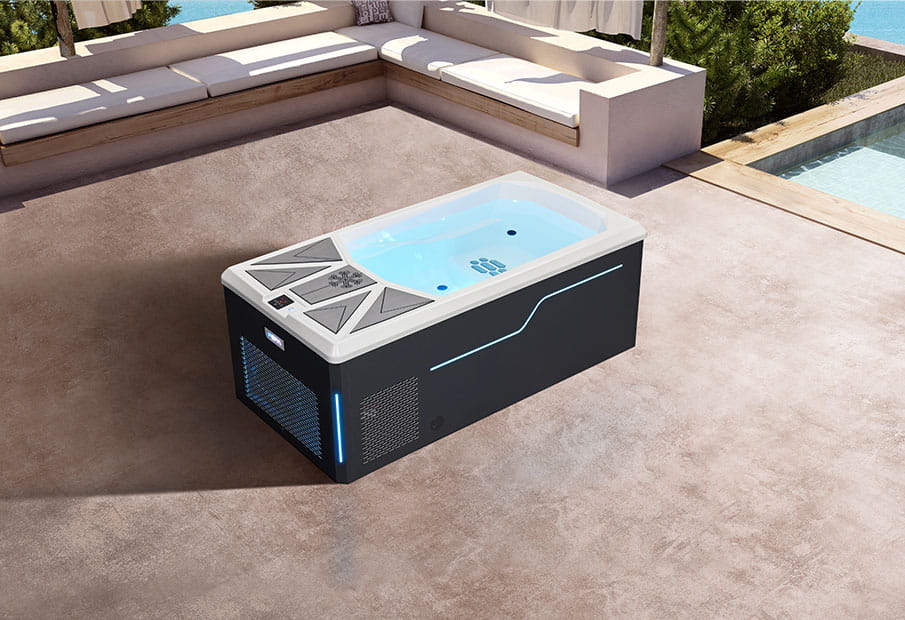
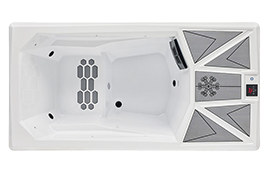
All in one design, plug and play, snowflake pattern, Welcome lights up as you approach Include filter, circuit pump, Ozone, Ice-blue underwater light, and high-efficiency chilling system.
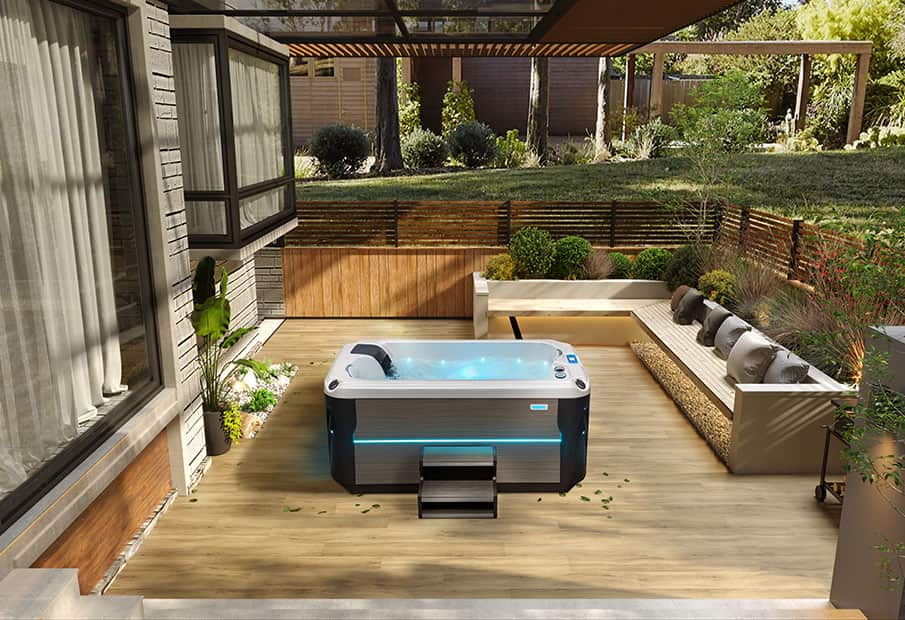
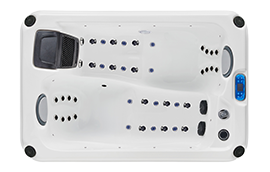
The Fspa BD-016Pro Hot Tub, a compact spa for up to 2 adults, offers a rejuvenating experience with an efficient control system, soothing massage features, consistent water temperature, modern amenities, advanced filtration, and suitability for indoor or outdoor placement.
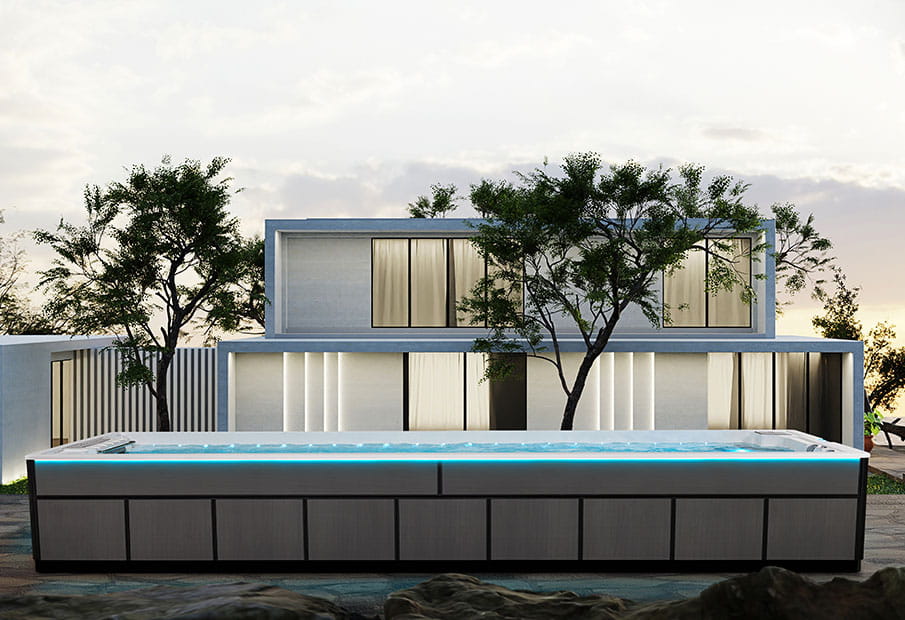
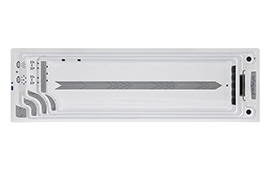
This product is a comprehensive and advanced swimming pool system, equipped with a range of features including a 9950mm x 3000mm x 1430mm size, a powerful Infinipool swimming system of 11kW, multiple water pumps, heaters, filters, and jets for a superior swimming and therapeutic experience, totaling 16.95kW in power, with optional enhancements like energy-saving covers and a 10Hp heat pump available.
PRODUCTS
INQUIRY
Thank you for your message!Our Chinese New Year holiday from 7th Feb to 28th Feb. Apologise to make your inconvenience so that responses may be delayed during this period. We'll back to you with regular service on 2th March .Thank you for understanding.


