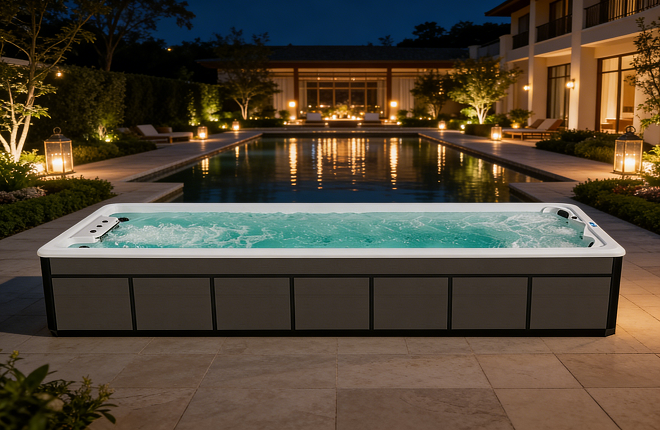
Transforming your backyard into a relaxing oasis has never been easier, especially with the right spa solution. Whether you’re looking to unwind after a long day or create a space for social gatherings, a small round spa offers the perfect combination of style, comfort, and functionality. Compact yet luxurious, these spas are ideal for homeowners who want the benefits of hydrotherapy without taking up excessive space. With guidance from fspa, this article explores the advantages of round spa designs and how to choose the perfect model for your outdoor area.
A small round spa is a versatile option that fits beautifully in a variety of outdoor spaces. Its circular design not only adds aesthetic appeal but also allows for an intimate and comfortable seating arrangement. Round spas are particularly effective for small patios, decks, or garden corners, making them a popular choice for urban and suburban homeowners alike.
One of the major advantages of a round spa outdoor is the even distribution of hydrotherapy jets. This ensures that each occupant can enjoy a relaxing massage experience without feeling cramped. Many models are designed to seat 2–4 people comfortably, making them perfect for couples, small families, or close friends.
For homeowners looking to enjoy year-round relaxation, an outdoor heated spa is an excellent choice. These spas come equipped with energy-efficient heating systems that maintain a consistent water temperature, regardless of the weather. This means you can enjoy a soothing soak even during cooler months, making your backyard retreat usable throughout the year.
A mini outdoor spa also offers the added benefit of lower water and energy consumption compared to larger spas or pools. Despite its smaller size, it provides the same therapeutic benefits, including stress relief, improved circulation, and muscle relaxation. Its compact footprint also allows for more flexibility in landscaping and outdoor design.
Additionally, round spa tubs are easy to maintain. Modern filtration systems and user-friendly controls ensure that water quality remains high and upkeep is minimal. With fspa’s expertise, homeowners can select a round spa tub that combines performance, durability, and elegance.
When selecting a mini pool spa outdoor, there are several factors to consider. Size and capacity are key—while a small round spa is compact, it should comfortably accommodate your intended number of users. Most mini spas are designed for 2–4 people, striking the perfect balance between intimacy and functionality.
The placement of your spa is equally important. A round spa outdoor works best when integrated with your existing landscape, whether it’s a wooden deck, patio, or garden area. Adding elements like ambient lighting, privacy screens, or pergolas can elevate your spa experience and make your outdoor space more inviting.
Another consideration is heating and energy efficiency. An outdoor heated spa requires proper insulation and efficient heating systems to maintain a comfortable temperature without excessive energy costs. Modern mini spas often include advanced insulation, programmable heaters, and energy-saving features that make them cost-effective to run.
Durability is another essential factor. Many round spa tubs are made from reinforced acrylic, high-quality polymers, or weather-resistant materials to withstand outdoor conditions. Selecting a well-built mini outdoor spa ensures that your investment remains functional and visually appealing for years to come.
For those exploring a mini pool spa outdoor, additional features such as adjustable jets, LED lighting, and ergonomic seating can enhance comfort and provide a more personalized spa experience. With fspa’s professional guidance, you can identify the best options that match both your space and your relaxation needs.
A small round spa offers homeowners a luxurious and practical solution for creating a backyard oasis. Whether you choose a round spa outdoor, an outdoor heated spa, or a mini pool spa outdoor, these compact spas provide the perfect blend of comfort, relaxation, and style. Compact yet functional, a mini outdoor spa can fit into a variety of spaces while offering full hydrotherapy benefits for individuals or small groups.
With fspa’s expertise, selecting a durable and efficient round spa tub is easier than ever. Investing in the right spa transforms your outdoor area into a private retreat where you can relax, entertain, and enjoy year-round wellness.
A small round spa is compact, space-efficient, and stylish. It provides a comfortable and intimate seating arrangement while delivering full hydrotherapy benefits.
An outdoor heated spa maintains a consistent water temperature using energy-efficient heating systems. This allows you to enjoy a warm and relaxing soak regardless of the weather.
Yes, a round spa tub is ideal for small patios, decks, or garden corners. Its circular design maximizes seating comfort while minimizing footprint.
A mini outdoor spa is compact, energy-efficient, and easy to maintain. It provides stress relief, improved circulation, and muscle relaxation, all in a smaller, more manageable package.
When selecting a mini pool spa outdoor, consider size, capacity, durability, heating efficiency, and additional features like jets and lighting. fspa can help identify the best options for your space and lifestyle.
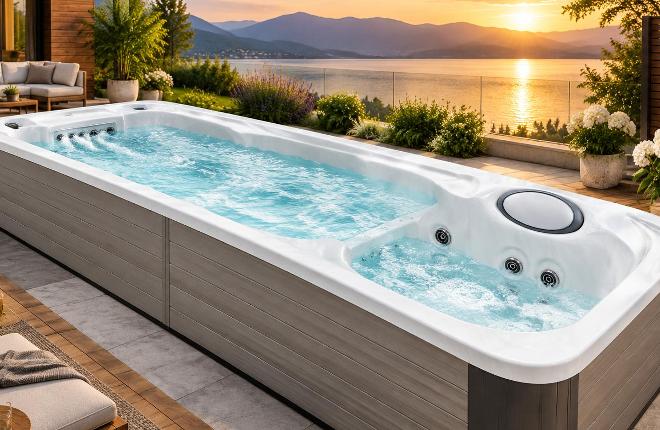
Dual Zone Swim Spa Price: What Actually Drives the Cost
Shopping for a dual zone swim spa means comparing two very different jobs bundled into one tank. One end handles swim currents or exercise resistance, the other holds a hydrotherapy seating area for soaking. That split function is exactly why dual zone swim spa price tags vary so widely, and why buyers often feel lost comparing quotes. This guide breaks down what you’re paying for, so the number on a spec sheet actually means something.
A standard hot tub only needs one pump system and one shell cavity. A dual zone swim spa needs separate plumbing loops, often separate pump groups, and a shell mold large enough to physically fit both an open swim lane and a seated hydrotherapy bay. That’s more acrylic, more structural bracing, and more labor at the factory.
Heater sizing is another cost driver. A single-zone hot tub might run comfortably on a 3kW element. A unit with a larger water volume split across two zones needs either a bigger heater or a longer heat-up cycle, and buyers frequently underestimate this until their utility bill arrives.
Filtration also scales with volume. More water means the filter pump and ozone system have to work harder to keep both zones clear, which is one reason manufacturers spec dedicated filter pumps rather than relying on the main jet pump to double as a filtration engine.
Sellers love listing jet counts and horsepower, but those numbers don’t tell you much on their own. What actually matters is how the power is distributed across the unit and whether the components match the water volume they’re serving.
Take the Fspa BD-001 as a reference point, even though it’s a single-zone hydrotherapy spa rather than a swim spa. It seats 6 adults in a 2100x2100x900mm shell holding 1000L of water, powered by a 2.2kW massage pump running 31 jets, a 0.35kW filter pump, and a 3kW heater. That’s roughly 5.55kW total output for one zone. Scale that logic to a dual zone swim spa, and you start to see why total power specs climb fast once a swim lane is added.
When comparing quotes, check these figures side by side rather than trusting a single "total power" number:
| Component | What to Check | Why It Matters |
|---|---|---|
| Massage/Jet Pump (kW) | Power output per zone | Determines hydrotherapy intensity |
| Filter Pump (kW) | Separate from jet pump or shared | Shared pumps often mean weaker filtration |
| Heater (kW) | Sized to total water volume | Undersized heaters mean slow recovery after refills |
| Water Capacity (L) | Total across both zones | Larger volume raises both price and running cost |
| Jet Count | Placement, not just quantity | Jets clustered wrong waste pump pressure |
Price differences between two dual zone units rarely come down to one factor. It’s usually a stack of smaller decisions that add up.
Buyers who only compare sticker prices without checking this list often end up with a cheaper unit that needs earlier pump replacement or heater upgrades, which erases any upfront savings within a few years.
It’s tempting to treat headrests and seating contours as cosmetic extras. They’re not. Spending 20 minutes in a hydrotherapy seat with a flat backrest feels noticeably different from sitting in one shaped around the spine.
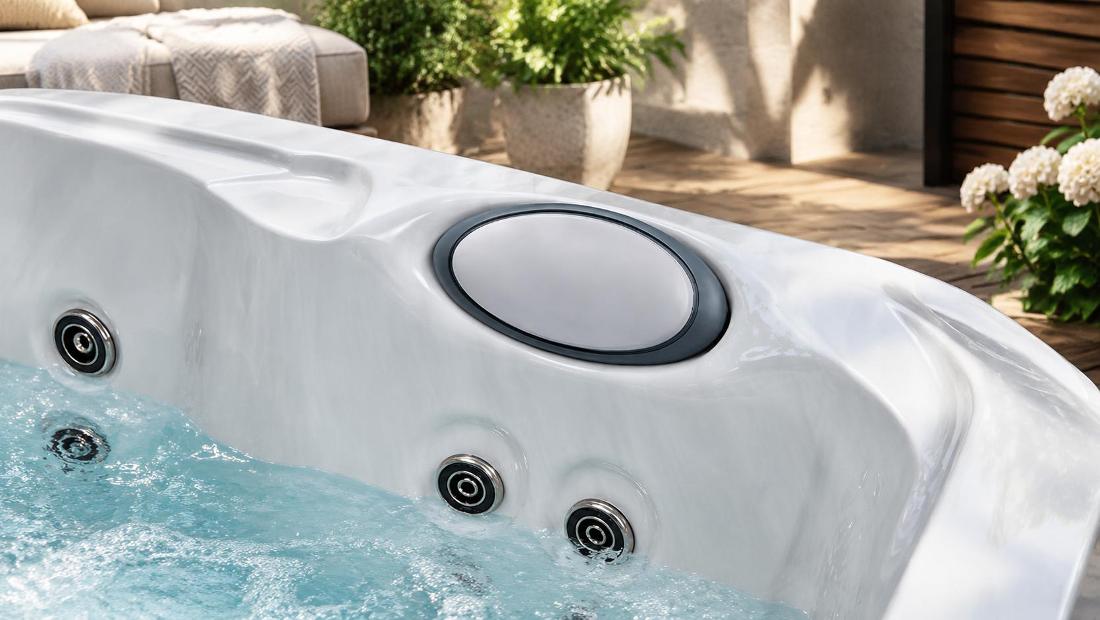
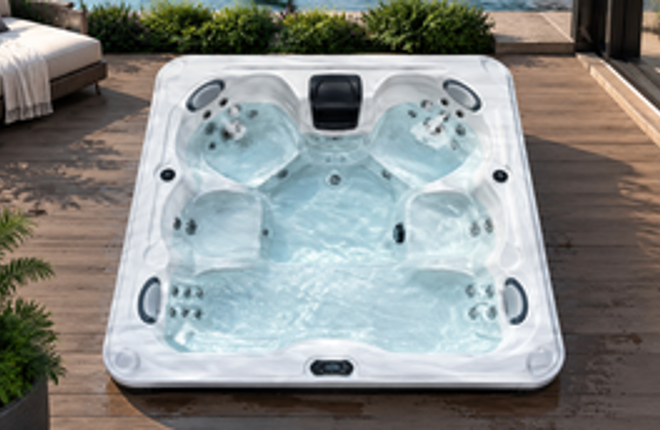
On the BD-001, the four integrated pillows are positioned to support the neck and align the spine, which matters most for anyone using the spa for muscle recovery rather than casual soaking. Dual zone swim spas that skip this detail on the hydrotherapy side often feel like an afterthought bolted onto a swim tank, rather than a properly considered wellness feature.
Ambient lighting doesn’t affect hydrotherapy performance, but it changes how a spa gets used. Blue LED lighting at the base of a shell, paired with a biomagnetic system, creates the kind of evening atmosphere that turns a spa from an exercise tool into a place people actually want to relax in after dark.
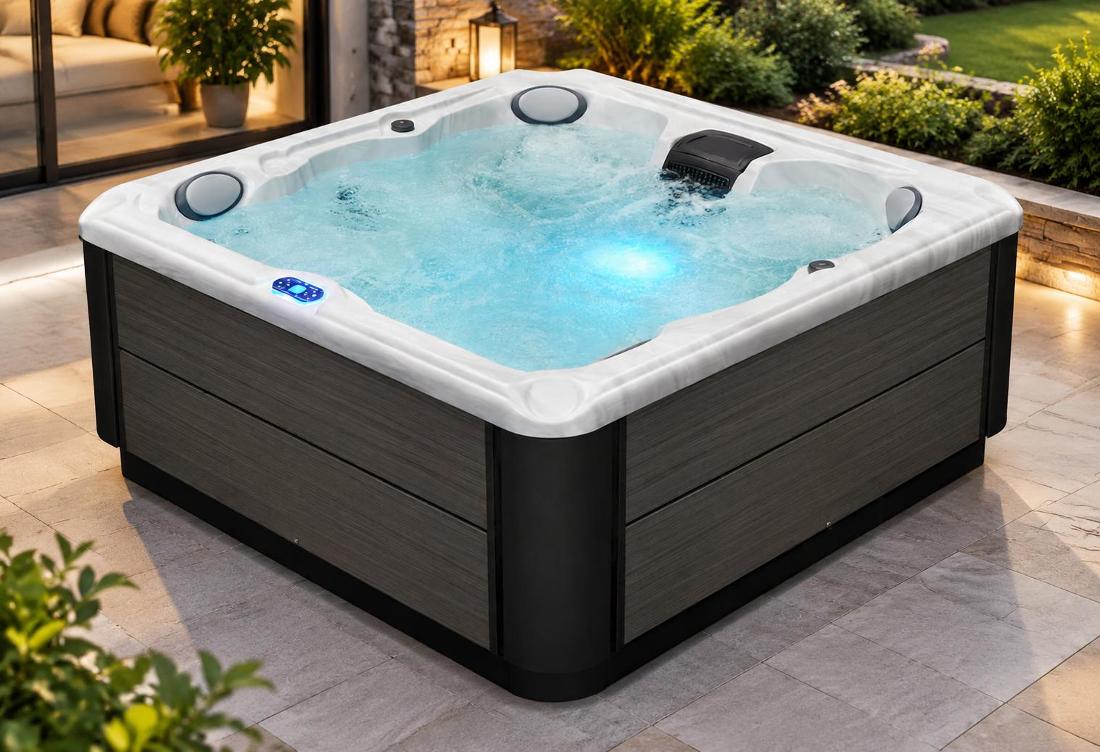
Water clarity is the less glamorous half of this equation. A dedicated filter pump paired with an ozone system, like the 0.35kW setup on the BD-001, keeps water hygienic between full drain cycles. Skipping ozone treatment to cut costs usually means more frequent chemical dosing, which is a hidden running cost that never shows up on the original price tag.
Placement changes which features matter most, and it’s worth thinking through before comparing prices further.
None of these scenarios change the underlying mechanics of a dual zone system, but they do change which upgrades are worth paying for and which ones are wasted money in that specific setting.
Does a bigger jet count always mean better hydrotherapy?
Not necessarily. Thirty jets fed by an undersized pump deliver weaker pressure than fewer jets fed by a properly matched pump. Jet placement around shoulders and lower back matters more than raw count.
Why do two spas with similar dimensions have very different prices?
Usually it comes down to certification scope, cabinet material, and whether the filter pump is dedicated or shared with the jet system. Two units can look identical on a spec sheet and still differ by thousands in build quality.
Is a higher total kW rating always better?
Higher total power usually means faster heating and stronger jets, but it also means higher running costs. The right rating depends on local climate and how often the spa gets used, not just the biggest number available.
Do certifications actually matter for a home buyer?
Certifications like CE, CB, or SAA confirm the unit met specific electrical and safety testing standards during manufacturing. They’re a reasonable proxy for build quality, even if they don’t guarantee performance.
Once the shell size, pump ratings, and certification scope are lined up side by side, dual zone swim spa price comparisons stop being guesswork. The cheapest quote on paper isn’t always the cheapest option once heater recovery time, filtration load, and cabinet durability are factored in over a few years of ownership. For us, and for most manufacturers building both swim spas and hydrotherapy units like the BD-001, the honest advice is the same: match the spec sheet to how the spa will actually be used before locking in on price alone.
Choosing the Right Home Swim Spa for Everyday Use
A home swim spa sits at the intersection of two different goals: fitness and recovery. Unlike a traditional pool, it uses a controlled current to let you swim in place, then shifts into a warm hydrotherapy mode once the workout ends. For homeowners with limited yard space, that dual function often matters more than raw square footage. Understanding how these systems work, and what separates a well-built unit from a mediocre one, makes the difference between years of use and a costly regret.
Most residential lots can’t accommodate a lap pool, and even those that can face high water and heating costs. A swim spa compresses swimming, resistance training, and hot tub therapy into a footprint closer to a large hot tub than a pool. It’s a practical answer for people who want the health benefits of swimming without excavation, fencing permits, or the seasonal draining that in-ground pools often require.
The tradeoff is size. You’re not doing freestyle laps across twenty meters. You’re swimming against a current in a fixed position, which trains cardiovascular endurance and stroke technique without the real estate cost. For rehabilitation patients or older adults, that stationary format is often safer anyway, since a therapist or family member can stay close by the entire time.
Jet count gets thrown around as a marketing number, but placement determines whether therapy actually works. A unit with jets clustered only around the lower back does little for shoulder tension from desk work. Products in this category typically range from 16 jets on compact configurations up to 80 on larger multi-person layouts, and the better designs distribute them across lumbar, calf, and shoulder zones rather than concentrating them in one spot.
Air-adjustable jets add another layer of control. Being able to soften or intensify water pressure without draining the tub matters for households with mixed needs, say, a partner recovering from a knee injury and another who just wants a strong shoulder massage after gym sessions. This flexibility is part of why some manufacturers, including the Fspa Hot Tub series covered here, build customizable air flow into their massage systems rather than fixing jet pressure at a single setting.
Chlorine tablets alone struggle to keep up with a spa that sees daily use from multiple people. Ozone sanitization systems address this by oxidizing organic contaminants in the water before they build up, which reduces how often you need to shock the tub manually. It doesn’t replace sanitizer entirely, but it cuts down on the chemical smell and skin irritation that heavy chlorine use tends to cause.
For a home swim spa running several times a week, this matters practically. Nobody wants to test water chemistry every other day. An ozone-assisted system, paired with a properly sized filter housing, keeps water clearer between manual checks and extends the interval before a full drain and refill is necessary.
Buyers often size up out of caution, then discover a six-person spa heats slower and costs more to run than a household of two actually needs. The better approach is matching capacity to real usage patterns, not hypothetical parties.
| Capacity | Typical Dimensions | Best Fit For |
|---|---|---|
| 3-person | ~1870 x 1330 x 800mm | Couples, small patios, primarily hydrotherapy use |
| 4 to 5-person | ~2100 x 2100 x 850mm | Families, moderate swim training, regular guest use |
| 6-person | Up to 2530 x 2300 x 900mm | Larger households, entertaining, commercial or rental settings |
Smaller shells with fewer jets, generally in the 16 to 20 range, heat faster and suit couples or individual therapy use. Larger configurations with 40 to 80 jets spread across multiple seating zones make more sense for families who want simultaneous swim and massage functions, or for commercial settings like wellness centers where multiple users cycle through daily.
Heater wattage, usually 2kW to 3kW in residential units, determines how quickly the spa recovers temperature after use, not just how hot it can get. A 2kW heater in a colder climate will lag behind demand if the tub is used multiple times a day, since it’s fighting heat loss the whole time it’s trying to raise temperature.
Total system power, which can reach up to 5.55kW when you factor in pumps, jets, and lighting together, is the number that actually shows up on your electric bill. Before buying, it’s worth asking a supplier for real running-cost estimates based on your local climate rather than relying on the heater rating alone. Insulation quality under the shell affects this just as much as the heater itself, though it’s rarely advertised with the same prominence.
A spa in a boutique hotel or physiotherapy center sees far more duty cycles than one in a backyard. That changes what actually breaks first. In commercial settings, pump bearings and filtration media wear out faster, while ozone systems and heaters run closer to constant use.
This is why the same shell design often ships in a standard configuration and a "Pro" variant with reinforced pumps or expanded jet arrays, aimed at the higher-cycle commercial buyer rather than the occasional weekend user.
LED lighting inside a spa isn’t purely aesthetic. Low, warm lighting at night helps signal the body to relax before sleep, which matters for anyone using the spa as an evening wind-down routine rather than a morning workout tool. Some models pair interior LED strips with integrated audio systems, turning the tub into a sensory environment rather than just a heated pool.
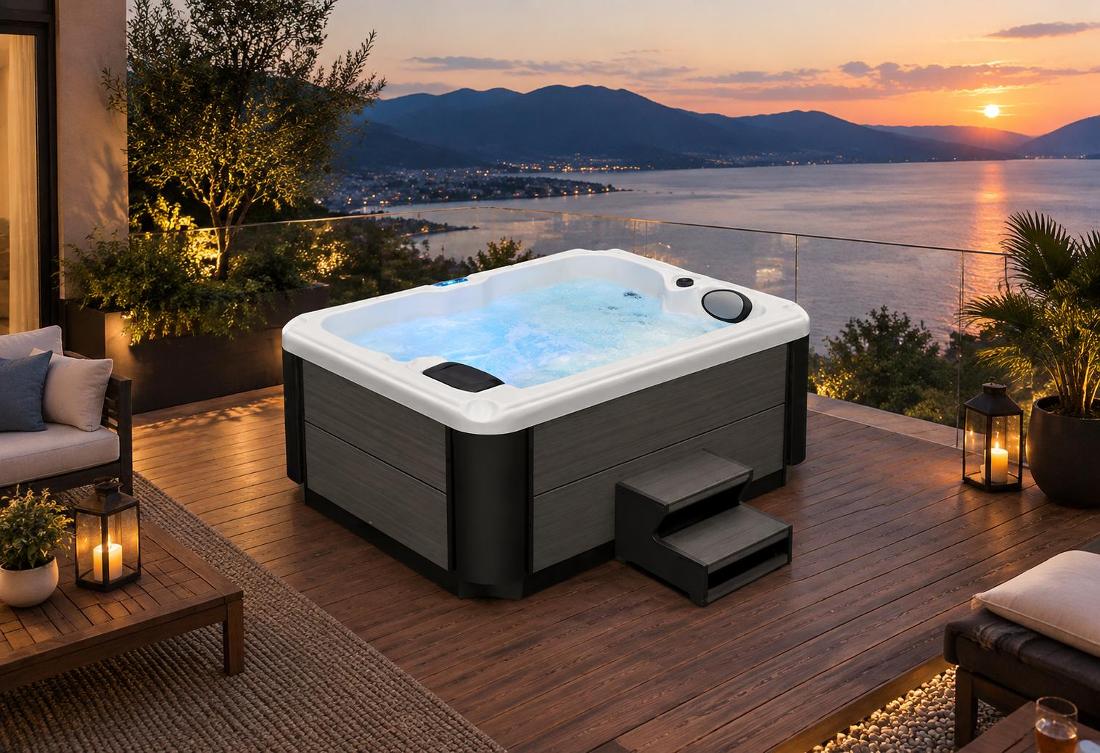
For rehabilitation medical centers, this matters less. For a private backyard used for evening decompression after work, it’s often one of the features people mention most when asked why they chose one model over another.
Does a home swim spa need a permit like an in-ground pool?
Requirements vary by municipality, but many jurisdictions treat swim spas similarly to hot tubs rather than pools, which can mean a simpler permitting process. Check local codes before installation, since electrical and structural requirements still apply.
Can one unit really handle both swimming and hot tub therapy?
Yes, but not simultaneously in most residential-sized units. The current-generation function is typically used first for exercise, then the water temperature and jets are adjusted for a separate relaxation session afterward.
How much deck or foundation support does a swim spa need?
A filled unit is heavy, often several tonnes with water and occupants included. A reinforced concrete pad or engineered deck is standard; check the manufacturer’s load specifications before finalizing deck plans.
Is ozone sanitization enough on its own?
No. Ozone reduces the sanitizer load and improves water clarity, but a residual sanitizer, typically low-dose chlorine or bromine, is still needed as a backup for water safety.
Choosing a home swim spa comes down to matching three things honestly: available space, realistic usage frequency, and climate-driven running costs. A compact 3-person unit with straightforward hydrotherapy jets suits a couple looking for evening recovery. A larger 6-person model with expanded jet arrays and reinforced components suits a family that swims regularly or a small commercial property with daily turnover.
Companies building these systems, including manufacturers like us who develop and customize spa and swim spa products directly, tend to offer both standard and reinforced "Pro" configurations precisely because these use cases diverge so much. Before settling on dimensions or jet count, it’s worth walking through actual weekly usage with whoever will use the spa most, since that pattern, more than any spec sheet, determines whether a home swim spa earns its space in the backyard for years rather than one season.
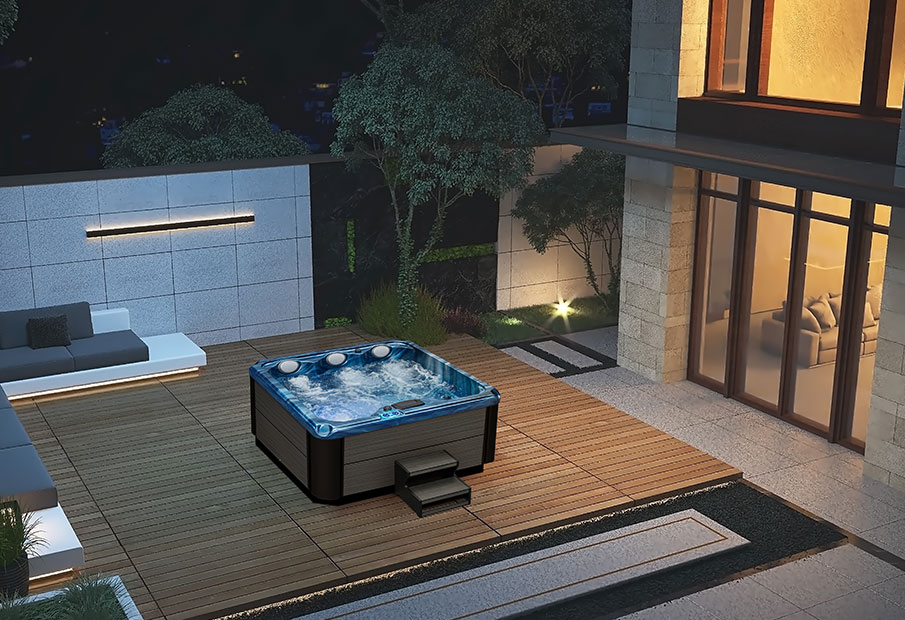
The Fspa BD-013 hot tub, with its spacious design for 6 adults, advanced 2.2kW massage pump with 35 jets, robust 3kW heater, energy-efficient filter pump, ambient LED lighting, and ozone system, offers ultimate relaxation and transforms any space into a private spa retreat, ideal for both residential and commercial use.
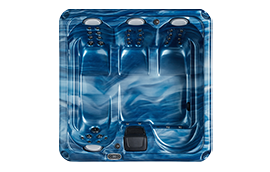
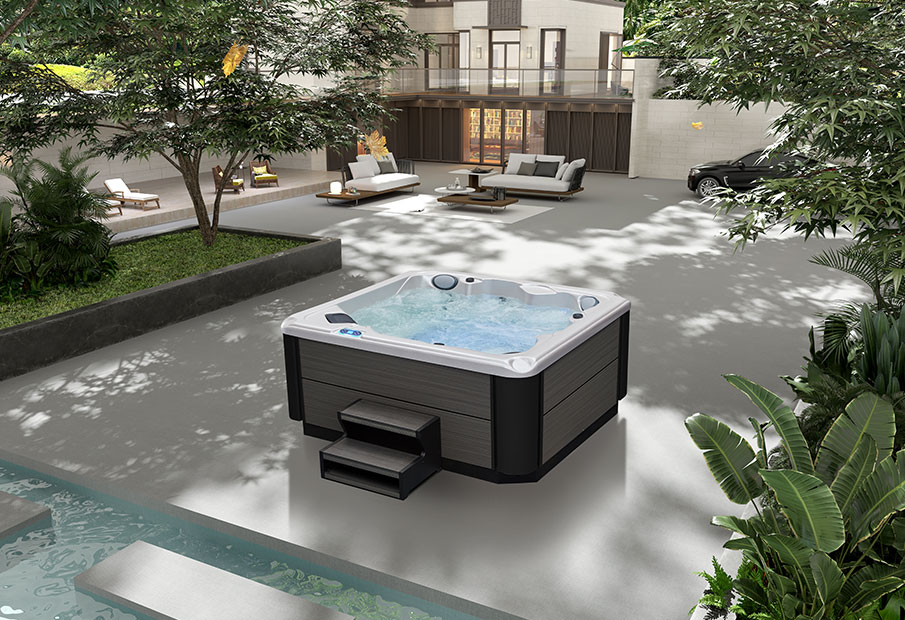
Our Fspa BD-007 Hot tub, measuring 2160x2160x900mm and accommodating 5 adults, combines luxury and comfort with a robust control system, powerful massage jets, sanitized water, ambient LED lighting, adjustable pillows, and energy efficiency, making it perfect for wellness enthusiasts in both residential and commercial settings.
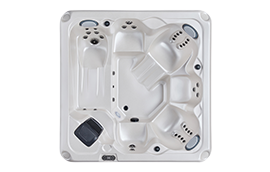
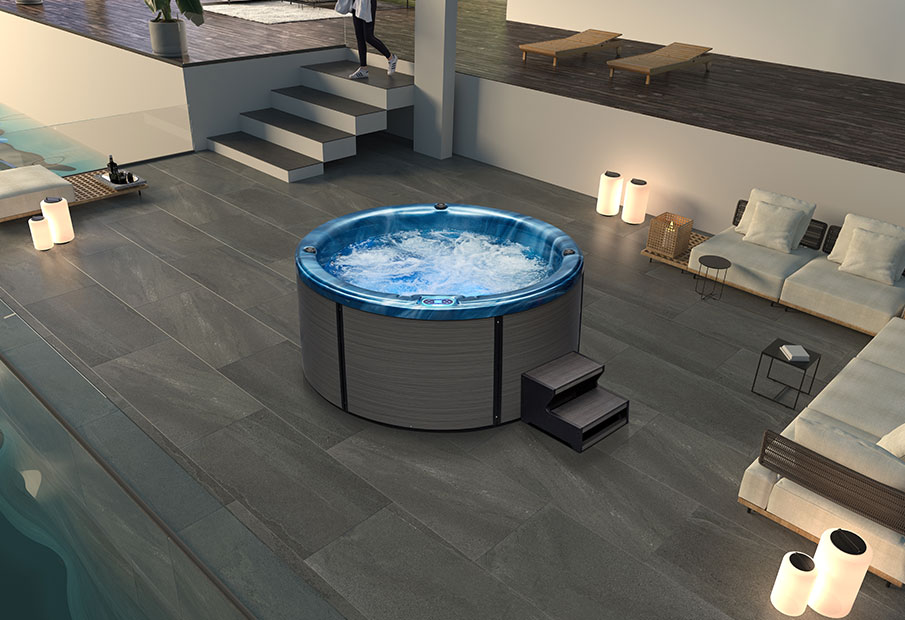
The Fspa BD-009 hot tub, designed for style and functionality, offers unparalleled comfort for up to 6 adults with its spacious size, robust control system, powerful pumps, consistent water temperature, strategic jet placement, and enhanced ambiance and water quality features.
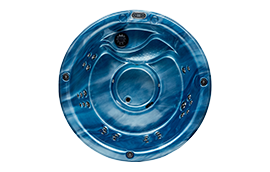
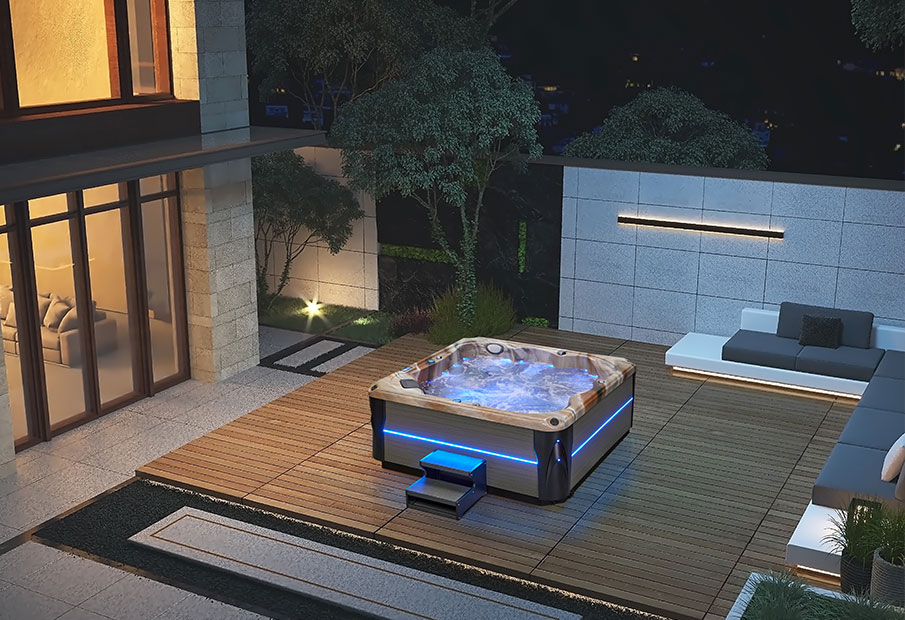
Fspa BD-004Pro Hot Tub, a spacious, powerful, and feature-rich hot tub designed for up to 6 adults, complete with therapeutic massages, clear water circulation, customizable air flow, immersive audio, and sanitization system, ideal for both residential and commercial outdoor settings.
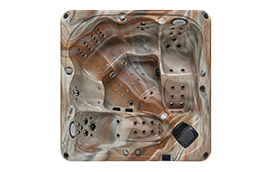
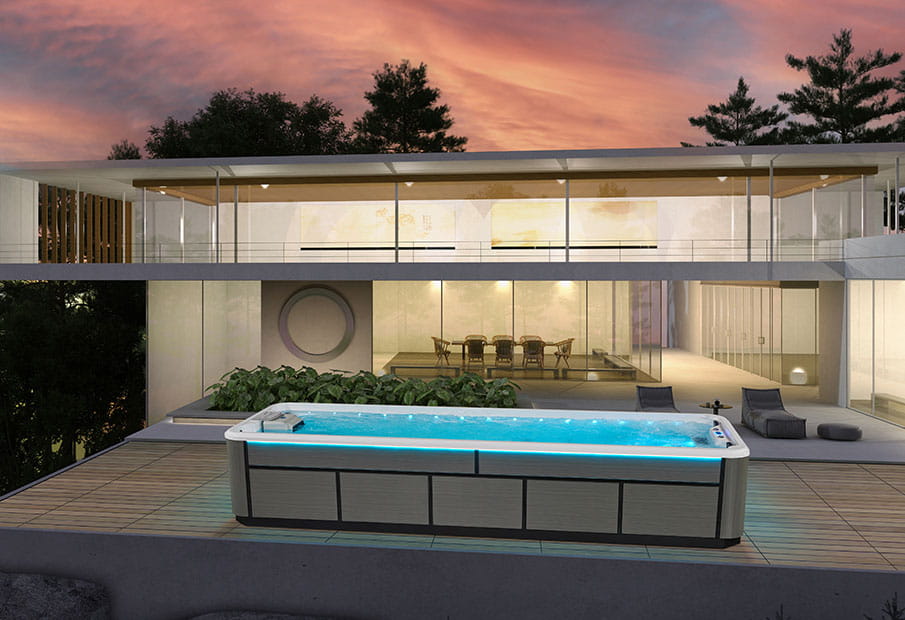
This contemporary infinity pool features dimensions of 7000mm in length, 2200mm in width, and 1335mm in height, highlighting its comprehensive and sophisticated functionality, including a high-efficiency filter pump, a powerful heater, and an advanced ozone system.
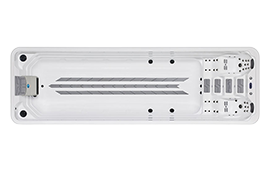
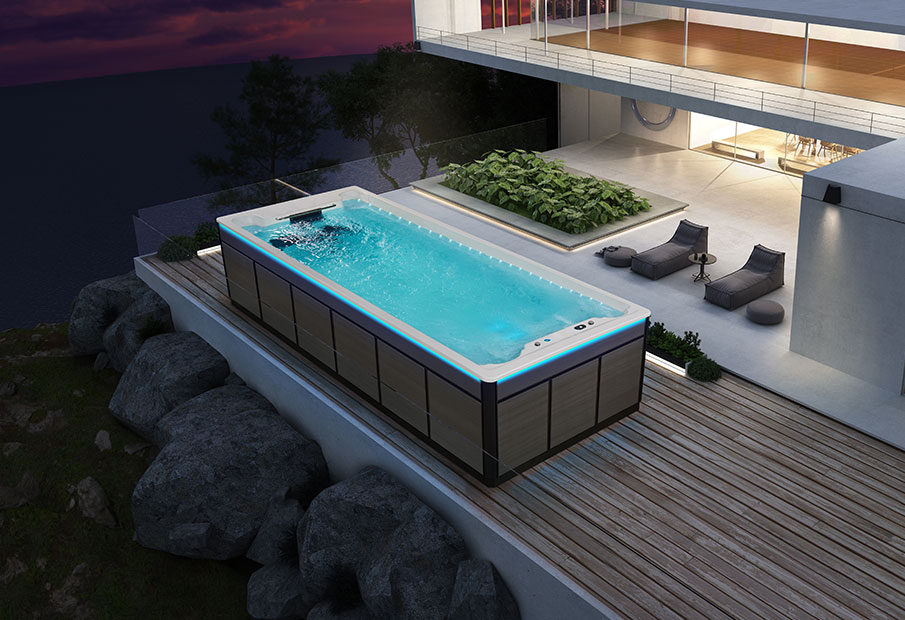
The Infinipool Fspa IP-005Pro is a state-of-the-art, spacious hot tub with advanced features, offering an unparalleled spa retreat for residential and commercial use.
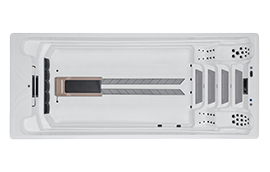
PRODUCTS
INQUIRY
Thank you for your message!Our Chinese New Year holiday from 7th Feb to 28th Feb. Apologise to make your inconvenience so that responses may be delayed during this period. We'll back to you with regular service on 2th March .Thank you for understanding.


