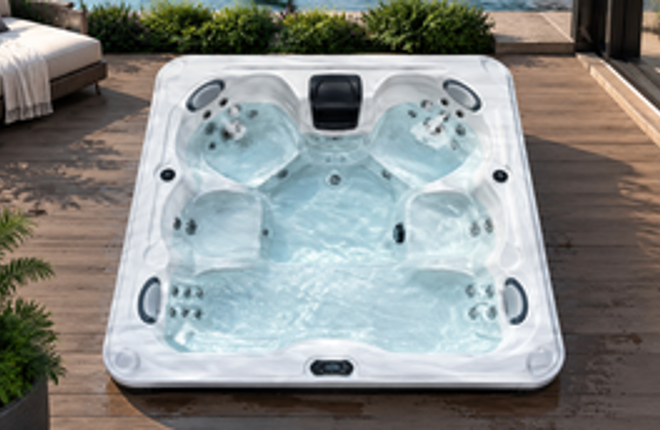
A home swim spa sits at the intersection of two different goals: fitness and recovery. Unlike a traditional pool, it uses a controlled current to let you swim in place, then shifts into a warm hydrotherapy mode once the workout ends. For homeowners with limited yard space, that dual function often matters more than raw square footage. Understanding how these systems work, and what separates a well-built unit from a mediocre one, makes the difference between years of use and a costly regret.
Most residential lots can’t accommodate a lap pool, and even those that can face high water and heating costs. A swim spa compresses swimming, resistance training, and hot tub therapy into a footprint closer to a large hot tub than a pool. It’s a practical answer for people who want the health benefits of swimming without excavation, fencing permits, or the seasonal draining that in-ground pools often require.
The tradeoff is size. You’re not doing freestyle laps across twenty meters. You’re swimming against a current in a fixed position, which trains cardiovascular endurance and stroke technique without the real estate cost. For rehabilitation patients or older adults, that stationary format is often safer anyway, since a therapist or family member can stay close by the entire time.
Jet count gets thrown around as a marketing number, but placement determines whether therapy actually works. A unit with jets clustered only around the lower back does little for shoulder tension from desk work. Products in this category typically range from 16 jets on compact configurations up to 80 on larger multi-person layouts, and the better designs distribute them across lumbar, calf, and shoulder zones rather than concentrating them in one spot.
Air-adjustable jets add another layer of control. Being able to soften or intensify water pressure without draining the tub matters for households with mixed needs, say, a partner recovering from a knee injury and another who just wants a strong shoulder massage after gym sessions. This flexibility is part of why some manufacturers, including the Fspa Hot Tub series covered here, build customizable air flow into their massage systems rather than fixing jet pressure at a single setting.
Chlorine tablets alone struggle to keep up with a spa that sees daily use from multiple people. Ozone sanitization systems address this by oxidizing organic contaminants in the water before they build up, which reduces how often you need to shock the tub manually. It doesn’t replace sanitizer entirely, but it cuts down on the chemical smell and skin irritation that heavy chlorine use tends to cause.
For a home swim spa running several times a week, this matters practically. Nobody wants to test water chemistry every other day. An ozone-assisted system, paired with a properly sized filter housing, keeps water clearer between manual checks and extends the interval before a full drain and refill is necessary.
Buyers often size up out of caution, then discover a six-person spa heats slower and costs more to run than a household of two actually needs. The better approach is matching capacity to real usage patterns, not hypothetical parties.
| Capacity | Typical Dimensions | Best Fit For |
|---|---|---|
| 3-person | ~1870 x 1330 x 800mm | Couples, small patios, primarily hydrotherapy use |
| 4 to 5-person | ~2100 x 2100 x 850mm | Families, moderate swim training, regular guest use |
| 6-person | Up to 2530 x 2300 x 900mm | Larger households, entertaining, commercial or rental settings |
Smaller shells with fewer jets, generally in the 16 to 20 range, heat faster and suit couples or individual therapy use. Larger configurations with 40 to 80 jets spread across multiple seating zones make more sense for families who want simultaneous swim and massage functions, or for commercial settings like wellness centers where multiple users cycle through daily.
Heater wattage, usually 2kW to 3kW in residential units, determines how quickly the spa recovers temperature after use, not just how hot it can get. A 2kW heater in a colder climate will lag behind demand if the tub is used multiple times a day, since it’s fighting heat loss the whole time it’s trying to raise temperature.
Total system power, which can reach up to 5.55kW when you factor in pumps, jets, and lighting together, is the number that actually shows up on your electric bill. Before buying, it’s worth asking a supplier for real running-cost estimates based on your local climate rather than relying on the heater rating alone. Insulation quality under the shell affects this just as much as the heater itself, though it’s rarely advertised with the same prominence.
A spa in a boutique hotel or physiotherapy center sees far more duty cycles than one in a backyard. That changes what actually breaks first. In commercial settings, pump bearings and filtration media wear out faster, while ozone systems and heaters run closer to constant use.
This is why the same shell design often ships in a standard configuration and a "Pro" variant with reinforced pumps or expanded jet arrays, aimed at the higher-cycle commercial buyer rather than the occasional weekend user.
LED lighting inside a spa isn’t purely aesthetic. Low, warm lighting at night helps signal the body to relax before sleep, which matters for anyone using the spa as an evening wind-down routine rather than a morning workout tool. Some models pair interior LED strips with integrated audio systems, turning the tub into a sensory environment rather than just a heated pool.
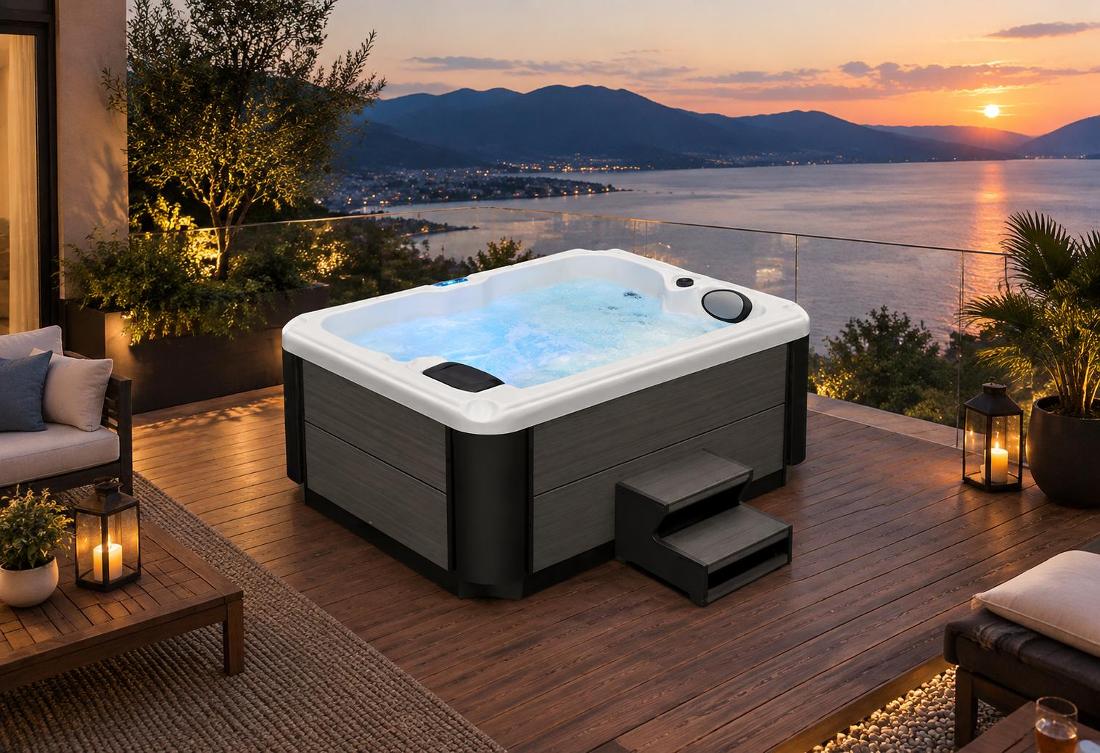
For rehabilitation medical centers, this matters less. For a private backyard used for evening decompression after work, it’s often one of the features people mention most when asked why they chose one model over another.
Does a home swim spa need a permit like an in-ground pool?
Requirements vary by municipality, but many jurisdictions treat swim spas similarly to hot tubs rather than pools, which can mean a simpler permitting process. Check local codes before installation, since electrical and structural requirements still apply.
Can one unit really handle both swimming and hot tub therapy?
Yes, but not simultaneously in most residential-sized units. The current-generation function is typically used first for exercise, then the water temperature and jets are adjusted for a separate relaxation session afterward.
How much deck or foundation support does a swim spa need?
A filled unit is heavy, often several tonnes with water and occupants included. A reinforced concrete pad or engineered deck is standard; check the manufacturer’s load specifications before finalizing deck plans.
Is ozone sanitization enough on its own?
No. Ozone reduces the sanitizer load and improves water clarity, but a residual sanitizer, typically low-dose chlorine or bromine, is still needed as a backup for water safety.
Choosing a home swim spa comes down to matching three things honestly: available space, realistic usage frequency, and climate-driven running costs. A compact 3-person unit with straightforward hydrotherapy jets suits a couple looking for evening recovery. A larger 6-person model with expanded jet arrays and reinforced components suits a family that swims regularly or a small commercial property with daily turnover.
Companies building these systems, including manufacturers like us who develop and customize spa and swim spa products directly, tend to offer both standard and reinforced "Pro" configurations precisely because these use cases diverge so much. Before settling on dimensions or jet count, it’s worth walking through actual weekly usage with whoever will use the spa most, since that pattern, more than any spec sheet, determines whether a home swim spa earns its space in the backyard for years rather than one season.
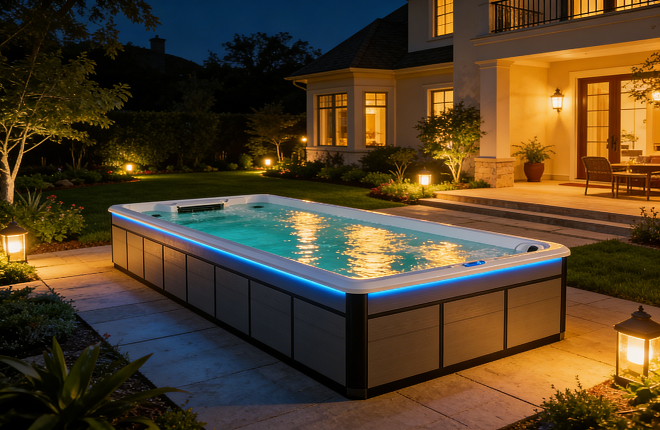
The Decision-Making Process of a Family Choosing an Acrylic Integrated Swimming Pool
The Johnson family’s journey to choosing an acrylic integrated pool began with a summer barbecue where their neighbors showcased their sleek, modern pool. Intrigued by its crystal-clear transparency and seamless design, Mr. Johnson started researching options, comparing traditional concrete pools with newer acrylic models.
Initial concerns centered on durability and cost. Mrs. Johnson, a design enthusiast, was drawn to the acrylic pool’s ability to create visually stunning water features and its light transmission properties that enhanced their backyard’s ambiance. Their teenage children prioritized safety and maintenance, appreciating the non-porous surface that resisted algae growth and reduced chemical usage.
After consulting three pool contractors, the Johnsons learned that acrylic pools offered faster installation—typically 4-6 weeks compared to 3-6 months for concrete. The material’s flexibility also meant better resistance to ground shifts, a crucial factor in their region with seasonal temperature fluctuations. While the upfront cost was 15% higher, long-term savings on maintenance and repairs balanced the budget over time.
A key deciding factor came during a visit to a local showroom, where they witnessed the acrylic pool’s clarity firsthand. Unlike concrete’s rough texture, the smooth acrylic surface felt safer for their youngest child and more comfortable for swimming. The manufacturer’s 20-year warranty further reassured them of the investment’s security.
Six weeks after installation, the Johnsons hosted their first pool party. Guests marveled at how the acrylic walls made the water appear to flow seamlessly into the landscape. Mr. Johnson noted, “We didn’t just buy a pool; we transformed our home’s living space.” As their children splashed safely in the crystal-clear water, the family agreed their decision had turned their backyard into a year-round retreat that combined aesthetics, functionality, and peace of mind.
Cleaning Your Hot Tub During Water Replacement
Regular water replacement is essential for maintaining the cleanliness and hygiene of your hot tub. Every three months, when it’s time to change the water, it’s also an opportunity to perform thorough cleaning and maintenance tasks to ensure your hot tub remains in optimal condition. Here’s a guide on what to do during the water replacement process:
1. Draining the Hot Tub: Begin by draining the hot tub completely. Use the drain valve or pump system according to manufacturer instructions. Allow all the water to drain out completely to prepare for cleaning.
2. Cleaning the Interior: Once drained, thoroughly clean the interior surfaces of the hot tub. Use a non-abrasive, mild cleaner suitable for acrylic material. Avoid harsh chemicals that could damage the surface. Scrub the walls, seats, and floor to remove any buildup of oils, dirt, and residue.
3. Cleaning Filters: Remove and clean the hot tub filters. Rinse them thoroughly with water to remove debris and buildup. If necessary, soak the filters in a filter cleaning solution recommended by the manufacturer to remove oils and minerals. Rinse again and allow them to dry completely before reinstalling.
4. Inspecting and Cleaning Jets: Check the jets for any clogs or debris. Use a small brush or a specialized jet cleaner tool to clean out any buildup inside the jet nozzles. This ensures the jets function properly and provide effective hydrotherapy during use.
5. Checking and Refilling Chemicals: Before refilling the hot tub with fresh water, check and adjust the water chemistry. Test the pH and sanitizer levels using a reliable test kit. Balance the pH to the recommended range (typically 7.2 – 7.6) and adjust sanitizer levels (chlorine, bromine) as needed to ensure safe and clean water for bathing.
6. Refilling the Hot Tub: Once cleaning and chemical adjustments are complete, refill the hot tub with fresh water. Use a clean garden hose and allow the tub to fill to the appropriate level, typically above the jets. Avoid using hot water from the tap as it can affect water chemistry and foam formation.
7. Running the System: After refilling, run the hot tub system to circulate the water and ensure proper mixing of chemicals. Allow the system to run for at least 15-30 minutes to achieve proper water circulation and filtration.
8. Final Checks: Finally, perform a final check of water chemistry levels to confirm they are within recommended ranges. Adjust as necessary. Inspect the hot tub cover, clean it if needed, and ensure it is properly secured to maintain water temperature and cleanliness.
Regularly scheduled water changes and thorough cleaning not only extend the life of your hot tub but also ensure a safe and enjoyable soaking experience. By following these steps every three months, you can maintain clean, clear water and a well-functioning hot tub for years to come.
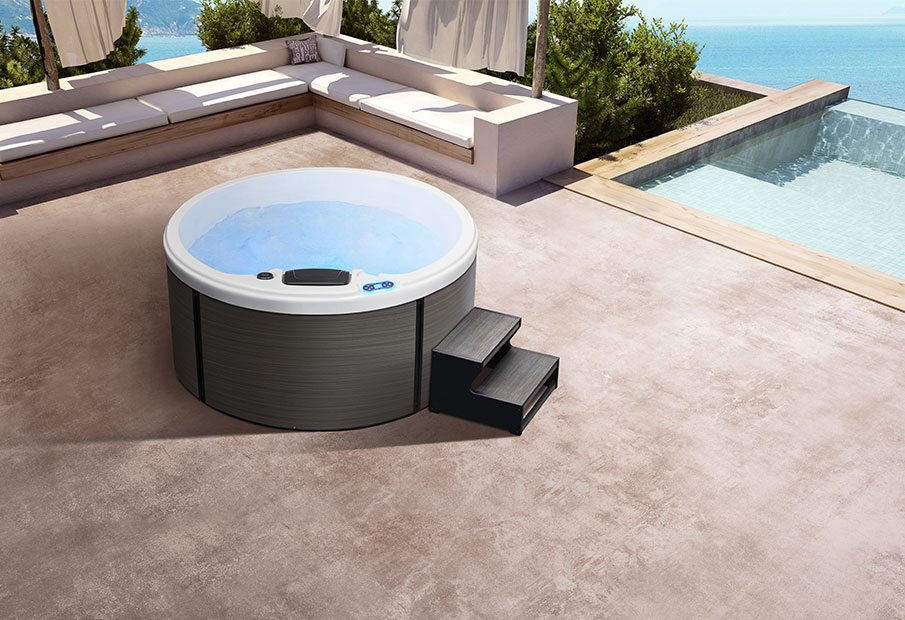
The Fspa BD-018 Hot Tub, designed for 2 adults with spacious dimensions, features a robust control system, 1.5kW massage pump, 0.35kW filter pump, 2kW heater, 14 customizable water jets, LED lighting, ozone sanitation, and a total power of 3.85kW, providing exceptional comfort and relaxation for a luxurious and rejuvenating soak.
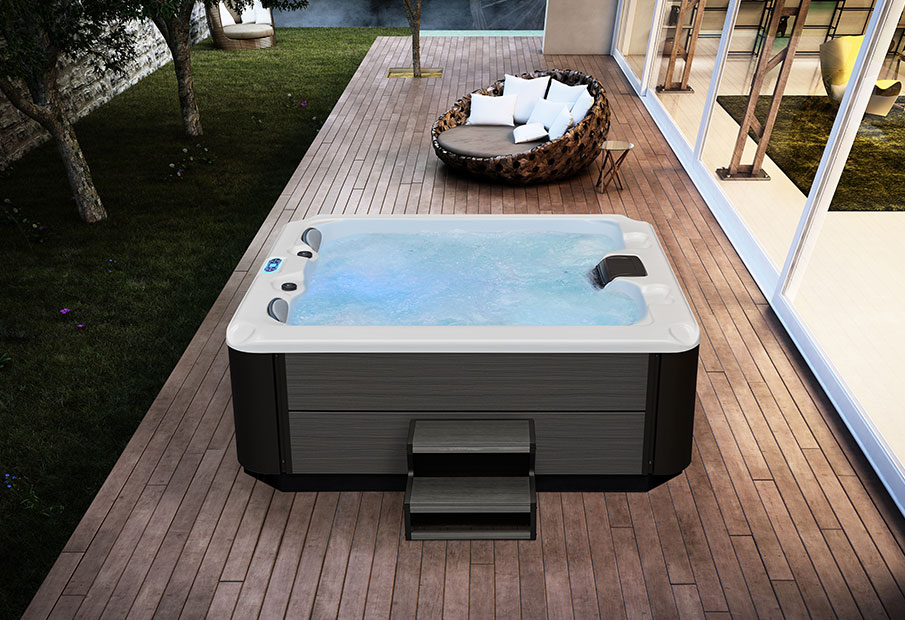
The Fspa BD-014 hot tub, designed for ultimate relaxation and luxury, offers a spacious interior for 4 adults, a powerful 2.2kW massage pump, 35 strategically placed jets, a 3kW heater, calming LED lighting, and an ozone system for clean water, making it the perfect choice for tranquility in your home.
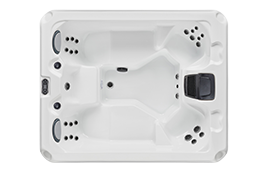
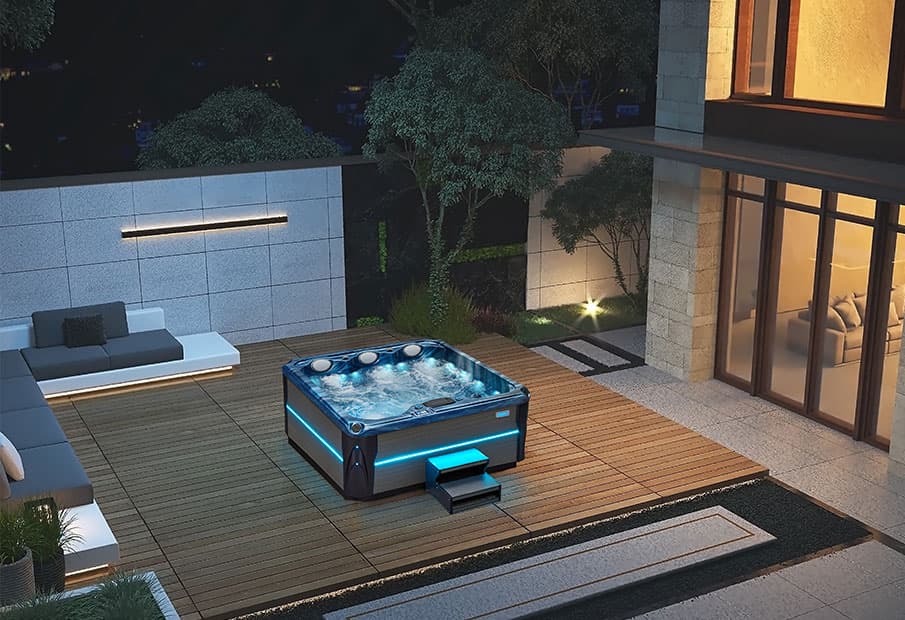
The Fspa BD-013Pro Hot Tub, a spacious and stylish premium spa for residential and commercial use, offers a luxurious and rejuvenating experience with its powerful massage system, pristine water quality, customizable water flow, calming LED lighting, music speakers, and comfort accessories.
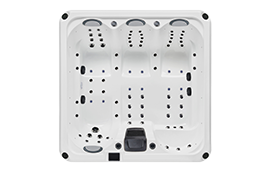
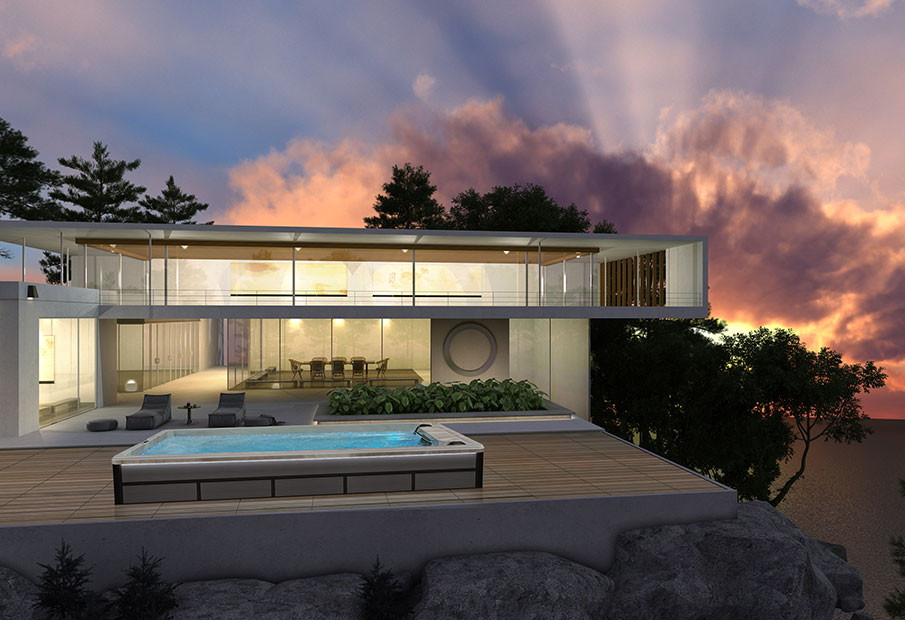
The Infinipool Fspa IP-002Pro is a luxurious and versatile hot tub, featuring a powerful filtration system, 28 massage jets, ozone sanitization, insulation, and optional accessories, designed to provide a soothing and rejuvenating experience in any outdoor space.
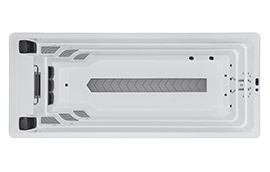
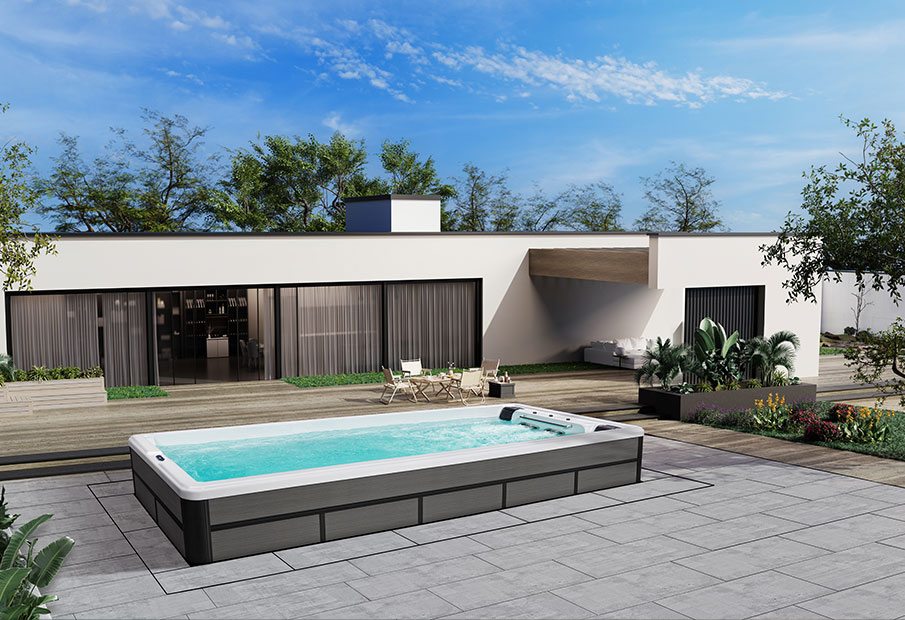
The Infinipool Fspa IP-002 offers a premium swimming experience ideal for residential and commercial use.
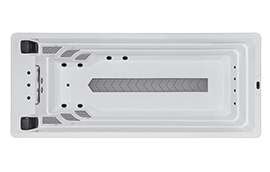
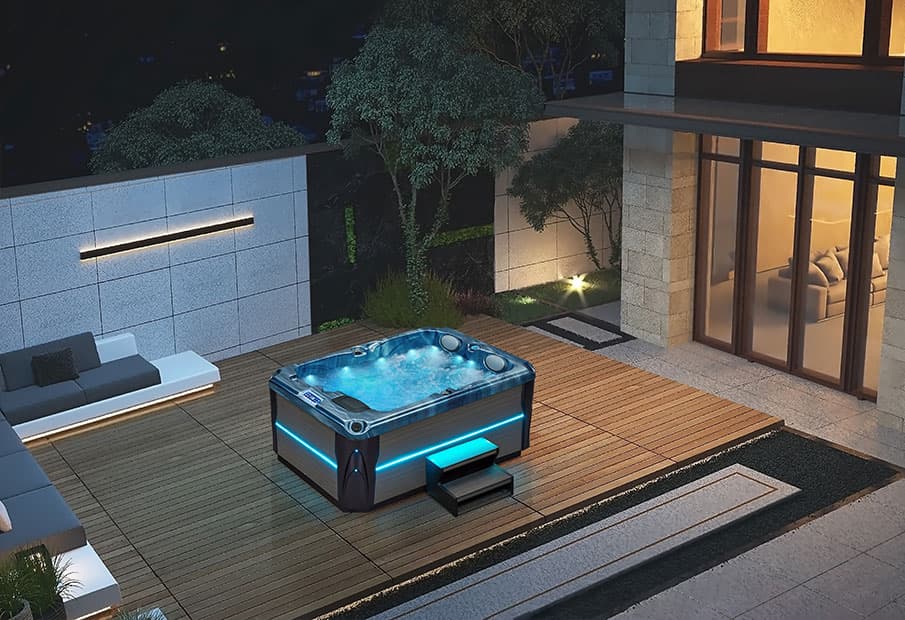
The Fspa BD-011Pro Hot Tub, a 2010x1360x800mm premium spa for 2 adults, combines 7.27kW of power and efficiency with luxurious features like 39 water & 20 air bubble jets, customizable water flow, LED lighting, music speakers, and pillows, making it a stylish and ideal choice for both residential and commercial outdoor relaxation.
PRODUCTS
INQUIRY
Thank you for your message!Our Chinese New Year holiday from 7th Feb to 28th Feb. Apologise to make your inconvenience so that responses may be delayed during this period. We'll back to you with regular service on 2th March .Thank you for understanding.


