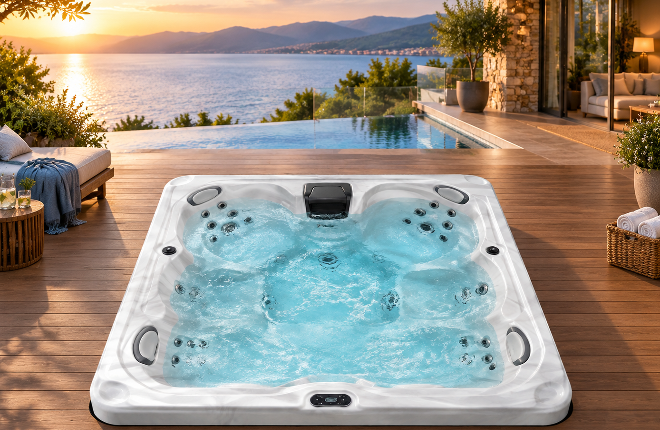
Hot tubs with swim jets sit at an odd intersection between two categories that used to stay separate. One side is relaxation, the warm water, the massage, the evening soak after a long day. The other is exercise, resistance training, and the kind of cardio you’d normally drive to a gym for. Swim jet systems merge both into a single footprint, and that shift is exactly why the search interest around this term keeps growing.
Anyone researching hot tubs with swim jets is usually trying to solve a space problem, a time problem, or both. A lap pool needs real square footage and a real budget. A spa alone gets boring if you’re trying to stay active. Swim jets close that gap by generating a current strong enough to swim against, inside a shell no bigger than a standard hot tub.
The mechanism is simpler than it sounds. A dedicated pump forces water through a nozzle at high velocity, creating a steady countercurrent in one section of the tub. You swim into that current, and the water pushes back. Distance becomes irrelevant. You’re not covering meters, you’re holding position against resistance, the same principle a rowing machine uses with water instead of a flywheel.
This differs from a standard massage jet in purpose, not just intensity. Massage jets are aimed at specific muscle groups, usually the lower back, shoulders, or calves, for therapeutic pressure. Swim jets are aimed at open water space, built to sustain a continuous flow rather than a pulsing one. Some tubs run both systems independently, so you can swim for twenty minutes and then switch to a seated massage cycle once the pump load shifts.
Not everyone needs a countercurrent system, and it’s worth being honest about that before spending on one. It tends to make the most sense for a few specific situations.
Sizing a swim spa comes down to balancing how many people will use it against how much open water you actually need for the current to feel usable. A tub built for six adults to sit and soak isn’t automatically good for swimming, because seating often eats into the clear swim lane.
Manufacturers address this in different ways. Some models pack in a dense jet array purely for hydrotherapy, favoring seat count over open water. Others reduce seating to widen the swim channel. Fspa’s hot tub lineup, for example, ranges from compact 3-person units around 1870x1330mm up to 6-person spas near 2530x2300mm, which gives buyers a spread between a tight therapeutic soak and a larger multi-use footprint.
| Model Tier | Typical Capacity | Jet Count | Heater Output | Best Fit |
|---|---|---|---|---|
| Compact | 3 adults | 16 jets | 2kW | Small patios, couples |
| Mid-size | 4-5 adults | 30-50 jets | 2-2.5kW | Family use, moderate space |
| Large | 5-6 adults | Up to 80 jets | 3kW | Multi-user households, rehab use |
Jet count alone doesn’t tell the full story. Eighty jets spread across a seated hydrotherapy layout does something entirely different from a smaller, concentrated swim current. Before comparing numbers, it helps to ask what the jets are actually positioned to do.
Running a swim spa harder and more often changes the water chemistry demands compared to a tub used mainly for evening soaks. More activity means more organic load entering the water, from sweat to skin oils, and that load needs consistent oxidation to keep things clear.
Ozone sanitization systems are the standard response here. According to Fspa’s product documentation, their hot tub series integrates ozone systems specifically to maintain water clarity and reduce the manual maintenance burden. Ozone works by oxidizing contaminants rather than relying solely on chlorine or bromine, which can lower the amount of chemical you need to add by hand, though it typically works alongside a residual sanitizer rather than replacing it outright.
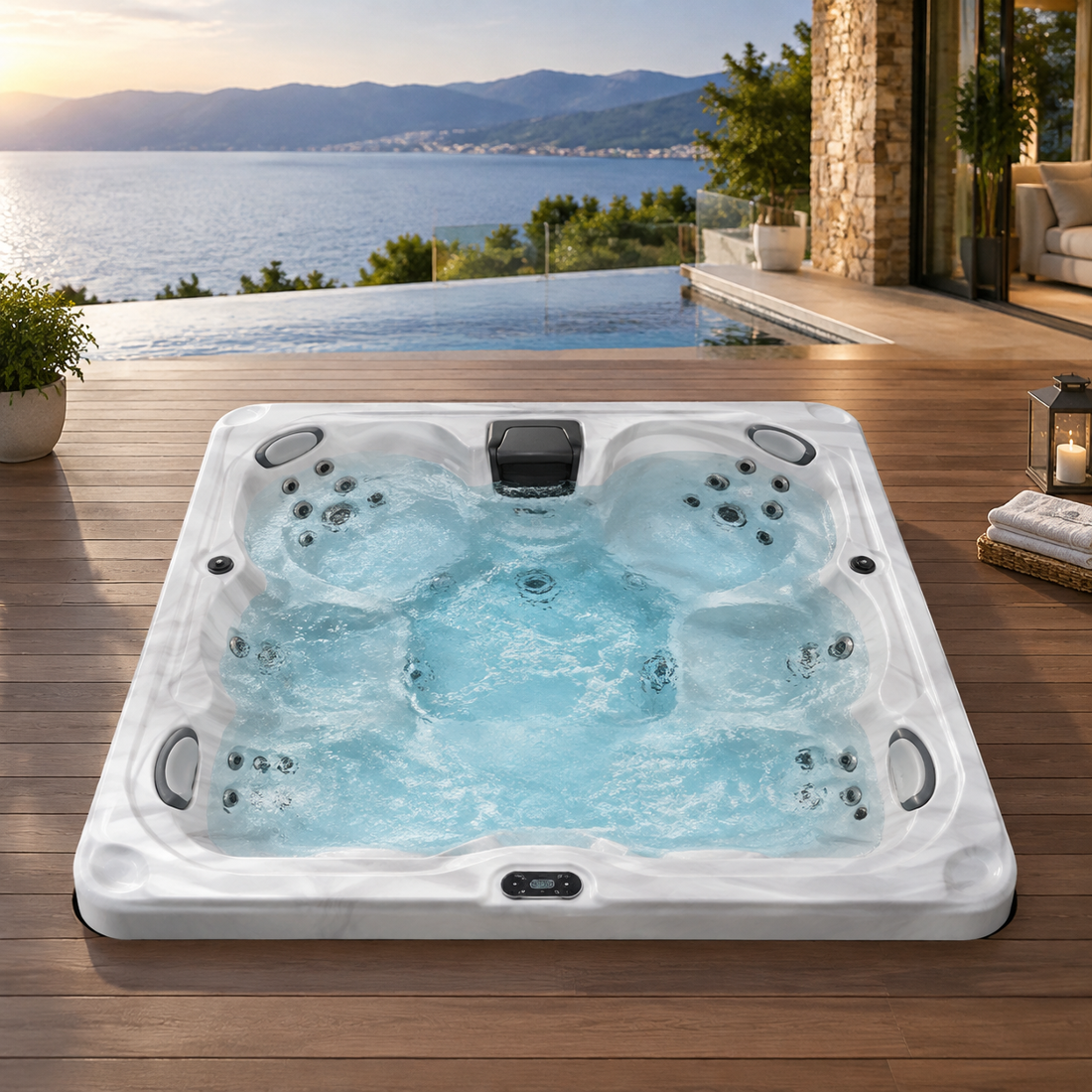
A swim jet pump pulls noticeably more power than a standard circulation pump, since it has to move a large volume of water fast enough to create resistance. That has a direct effect on your heater sizing and your electrical planning, and it’s worth checking before installation rather than after.
Across the Fspa range, total system power reaches up to 5.55kW, with heaters specified between 2kW and 3kW depending on the model. Larger tubs generally need the higher end of that range, particularly in colder climates where the heater has to fight ambient heat loss while the swim pump is also running. If you’re on a standard residential circuit, this is exactly the kind of detail to confirm with an electrician before committing to a model.
Rather than comparing every spec side by side, it helps to work through a short sequence of questions.
Can you actually get a real workout in a swim jet hot tub?
Yes, within limits. The resistance is adjustable on most systems, and swimming against a countercurrent engages similar muscle groups to lap swimming. It won’t replicate open-water distance training, but for cardio and resistance work in a small footprint, it holds up.
Do swim jets and massage jets run at the same time?
On most dual-zone systems, no, they run on separate pump circuits so you can use one without overloading the system. Check the specific model’s plumbing layout, since some smaller units share a single pump across both functions.
How much space does installation actually require?
Beyond the tub’s footprint, you need clearance for the equipment bay, drainage access, and usually a reinforced pad or deck section to handle the added weight of water and the swim pump. A mid-size unit around 2000x2200mm typically needs a few hundred additional millimeters of clearance on the service side.
Is ozone sanitization enough on its own?
Not typically. It reduces the sanitizer load significantly, but most systems still call for a low residual level of chlorine or bromine to handle contaminants between ozone cycles.
The appeal of hot tubs with swim jets isn’t really about novelty. It’s about compressing two separate purchases, a spa and some form of home cardio equipment, into one installation that fits a backyard instead of a renovation project. That’s a meaningful trade-off for households short on space or short on time to maintain two separate systems.
We work across residential, hotel, and rehabilitation settings, and the pattern holds across all three: the buyers who end up satisfied are the ones who sized the swim zone to their actual routine, not just their guest count. If you’re comparing hot tubs with swim jets for a home installation, spend more time on the swim lane dimensions and pump specs than on jet count alone. That’s where the real difference in daily use shows up.
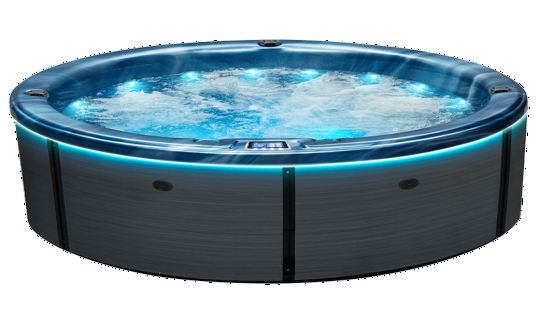
Round Hot Tub or Square Spa? Choosing the Right Shape for an Outdoor Relaxation Area
Hot tub shape is often treated as a style decision, yet it changes the way people use the water. Square tubs organize users into corners and clearly defined seats. Round tubs feel less directional; people naturally face one another, which can suit social evenings and relaxed garden settings. They can also soften a patio dominated by rectangular walls, paving, and furniture.
A circular footprint does not automatically save space. The diameter, access route, surrounding step zone, and cover handling still need to be measured. In a narrow courtyard, a rectangle may use the available width more efficiently. In an open lawn or broad terrace, a round form can become a deliberate centerpiece rather than a compromise.
FSPA’s BD-009Pro is listed at approximately 2000 mm in diameter and 900 mm high. The specification includes 50 water jets, 20 air-bubble jets, two massage pumps, a 3 kW heater, filtration, ozone support, speakers, and lighting. The curved shell gives it a very different visual character from the company’s square family spas.
For buyers planning a round outdoor spa, the key is to check where users step in and how they circulate around the perimeter. A circular tub beside a curved deck edge or planted island can look integrated, while the same tub pushed tightly into a square corner may create unusable wedges of space.
The strongest setting is often one where the shape is allowed to be visible. A pool deck, garden pavilion, roof terrace, or open patio can give the tub enough breathing room. In these spaces, an round hot tub can act almost like a piece of outdoor furniture, defining a gathering zone without the rigid orientation of a square shell.
Privacy screening should follow the user experience rather than the outline of the tub. People seated around a circle may face several directions, so one tall screen on a single side is not always enough. A combination of planting, slatted panels, and carefully placed lighting can create privacy without enclosing the whole area.
Water chemistry, filtration, heating, and routine cleaning remain important whether the shell is circular or rectangular. What changes is the way the cabinet meets surrounding construction. Curved cabinetry can be awkward to box into straight decking, so removable access should be planned from the beginning.
An outdoor spa tub also needs a stable foundation and drainage that moves splash water away from the base. If the spa is partially recessed, the installer should still be able to reach pumps, controls, and plumbing. Attractive hardscaping becomes expensive very quickly if it has to be dismantled for routine service.
Couples who normally sit side by side may prefer a compact rectangular spa. Larger groups who talk across the water may enjoy the more communal feeling of a circle. Some buyers want a jacuzzi spa that visually disappears into a minimalist terrace; others want it to become the focal point of the garden.
There is no universal winner between round and square. The better choice is the one that fits the site’s geometry, the number of regular users, maintenance access, and the atmosphere the owner wants. Shape should be selected early enough that paving, screens, steps, and lighting can be designed around it rather than added after delivery.
Cover design is worth checking carefully on a circular spa. A large round cover can be more awkward to handle than a folding rectangular one, particularly when the tub is close to a wall or planting bed. Buyers should ask how the cover is divided, where it rests when removed, and whether one person can manage it comfortably. If opening the spa feels like a chore, even a beautiful installation may be used less often than expected.
Furniture placement also changes around a circle. Straight benches and dining tables can create tight corners if they are pushed too close to the tub, while movable lounge chairs and small side tables usually work better. Allowing a little open deck around the spa makes the curved form easier to appreciate and gives wet users a safer route to towels, robes, or the house. In hospitality settings, that extra circulation space also helps staff clean the area without moving heavy furniture.
Finally, think about the view when the spa is not operating. For much of the day it may be covered, so the cabinet, cover color, and relationship with the landscape remain visible even when the water is hidden. A round spa that echoes a circular fire pit, planting bed, or pavilion can make the entire design feel coordinated. This is a small architectural decision, but it often has more lasting visual value than adding another decorative accessory.
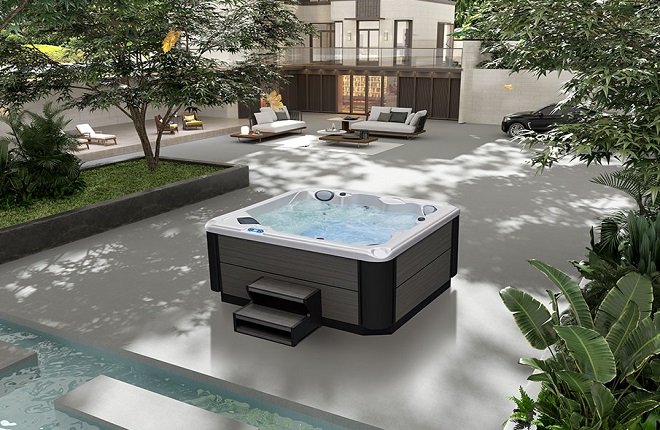
A Day at FSPA: Explore the Outdoor Hot Tub Paradise as a Guest
The crisp morning air in Gaoming , Foshan, carried a hint of greenery as I pulled up to FSPA’s factory gate—my first visit to the brand I’d researched for months to find the perfect outdoor hot tub for my villa. As a buyer who values both quality and aesthetics, I’d heard FSPA’s acrylic products stood out, but seeing them up close felt like stepping into a world where functionality meets luxury.
My tour began in the brand showcase hall, where natural light streamed through floor-to-ceiling windows, illuminating a stunning lineup of product .There were compact hot tubs designed for cozy backyard gatherings, sleek swim spas that doubled as fitness spaces, and spacious outdoor pools—their acrylic surfaces glistening like polished marble.
What impressed me most was the attention to user comfort: the hot tubs featured ergonomic seats that hugged the body, adjustable jets positioned to target tight muscles, and hidden LED strips that cast soft, warm light after dark. When I ran my hand over the acrylic, it felt smooth yet sturdy—nothing like the flimsy materials I’d seen in cheaper models.
The staff explained that FSPA uses high-quality, UV-resistant acrylic, built to withstand years of sun, rain, and heavy use. “We test each batch for scratch resistance and color fastness,” they said, pulling out a sample that had been exposed to harsh weather for two years—still as vibrant as new.
Next, we headed to the production workshop, a 30,000-square-meter space where order and precision reigned. Unlike chaotic factories I’d visited before, FSPA’s floor was spotless, with each station labeled clearly: acrylic cutting, thermoforming, assembly, and quality control.
I watched as workers used computer-controlled machines to mold an acrylic hot tub shell, heating the material to an exact temperature to avoid bubbles or uneven edges. At the quality check station, a technician ran a digital caliper along every curve, ensuring measurements matched the design down to 0.1mm.
“Every product goes through three inspections before leaving the factory,” the guide told me. I even saw a team testing a hot tub’s water circulation system, running it for 24 hours straight to check for leaks—a level of thoroughness that made me trust FSPA’s craftsmanship even more.
The day’s highlight was the outdoor demonstration area, tucked away among palm trees and potted flowers. Several hot tubs were filled with warm, bubbling water, and I couldn’t resist slipping into one. The jets kicked in gently, easing the tension in my shoulders, and the water stayed consistently warm—no sudden drops in temperature like in the hot tub I’d owned before.
As I relaxed, the staff brought over refreshments and talked me through customization options: I could choose the acrylic color to match my backyard decor, add a built-in sound system, or even opt for a smart control panel that let me adjust settings from my phone. By the time I climbed out, I’d already jotted down the model number I wanted.
As I drove back, I thought about how FSPA had turned a simple factory visit into a memorable experience. It wasn’t just the beautiful products—it was the care in every step, from the materials they chose to the way they listened to my needs. For anyone looking for an outdoor hot tub that’s built to last and designed to delight, FSPA isn’t just a factory—it’s a place where “paradise” is crafted with purpose. I left knowing my backyard would soon have the perfect centerpiece—and that I’d found a brand I could rely on for years to come.
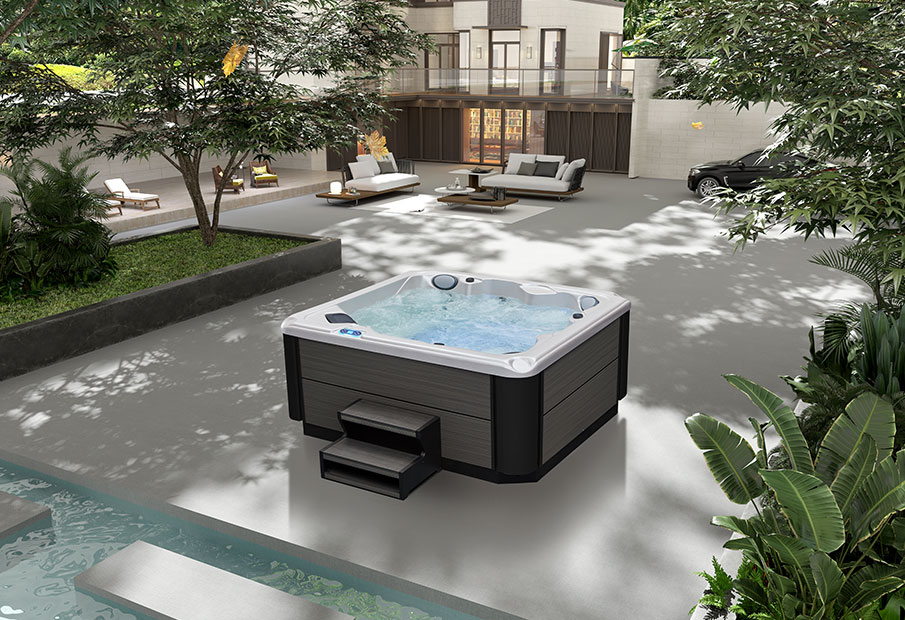
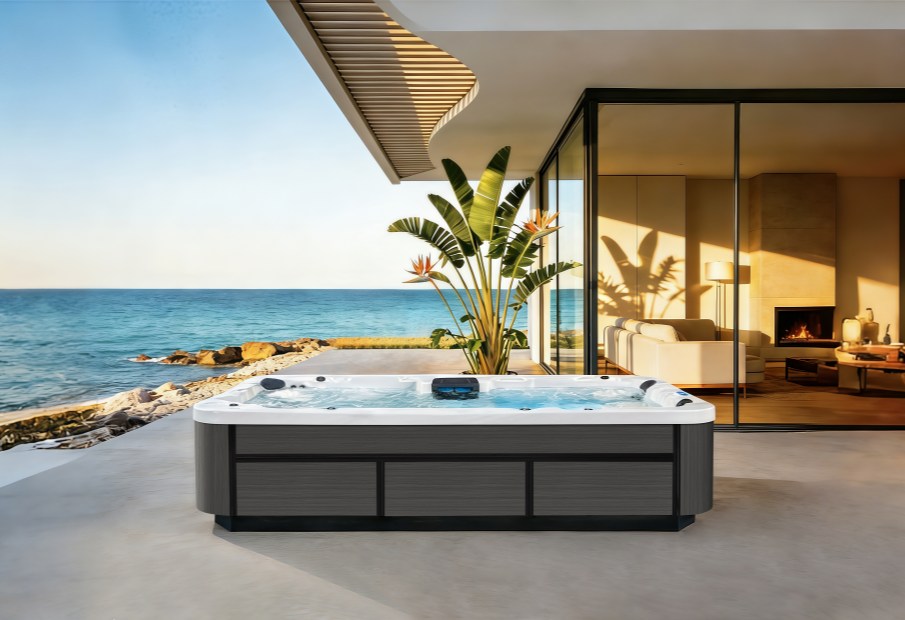
The Fspa BD-020 Hot Tub, designed for 5 adults with spacious dimensions and powered by a 4.85kW system, includes a 1.5kW massage pump, 0.35kW filter pump, 3kW heater, 28 customizable water jets, LED lighting, an ozone sanitation system, and easy maintenance features, providing unparalleled relaxation and comfort.
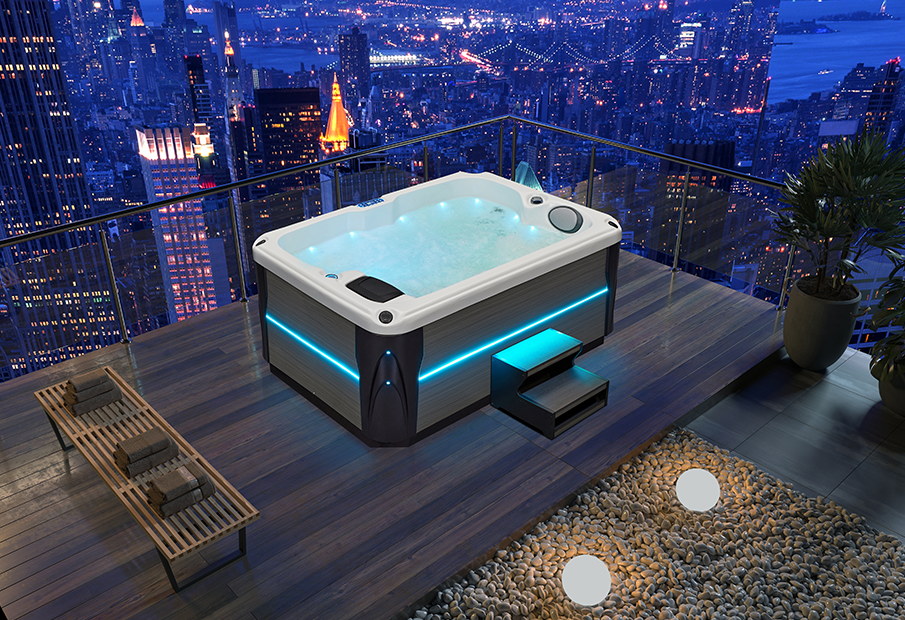
The Fspa BD-002Pro Hot Tub, boasts a powerful massage system, crystal-clear water filtration, customizable water flow, luxurious features, an ozone sanitization system, and immersive audio for the ultimate relaxation experience.
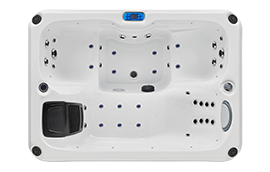
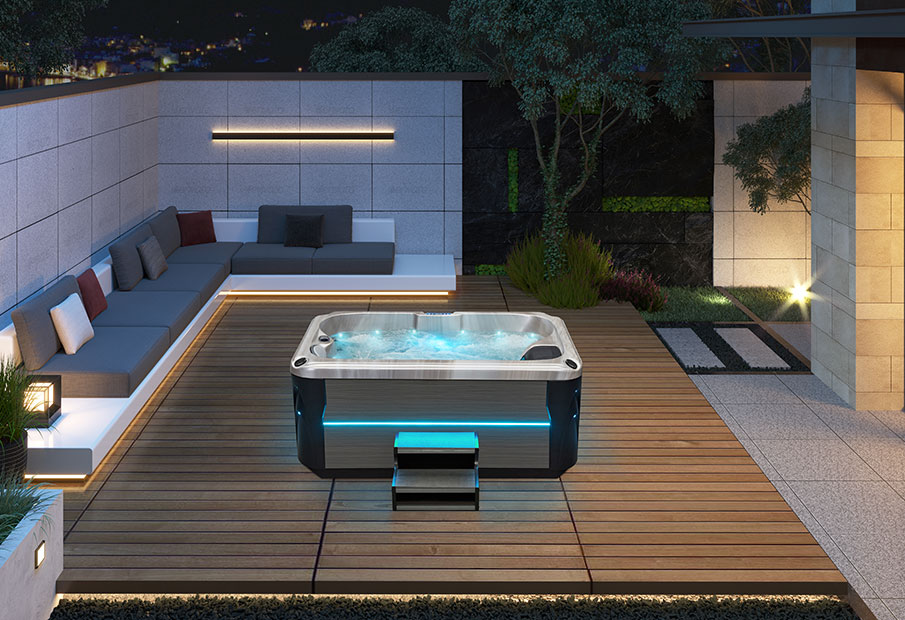
The Fspa BD-003Pro Hot Tub, offers ultimate relaxation with a robust 1.85kW massage system, pristine water filtration, 28 water & 14 air bubble jets, customizable air flow, ozone sanitization, 4 speakers, and a sleek design perfect for outdoor settings.
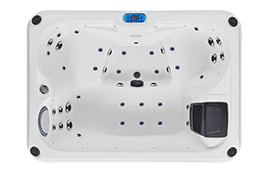
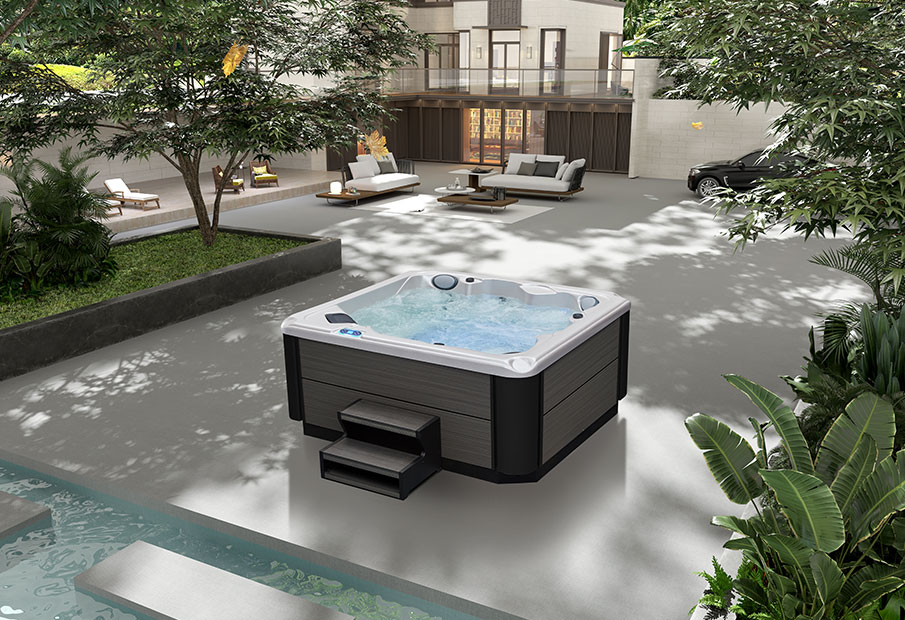
Our Fspa BD-007 Hot tub, measuring 2160x2160x900mm and accommodating 5 adults, combines luxury and comfort with a robust control system, powerful massage jets, sanitized water, ambient LED lighting, adjustable pillows, and energy efficiency, making it perfect for wellness enthusiasts in both residential and commercial settings.
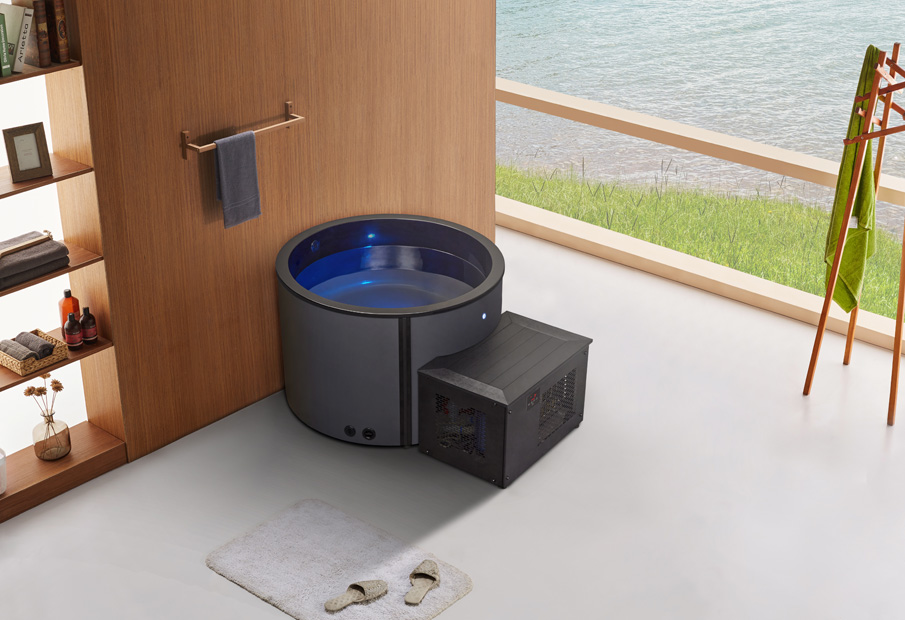
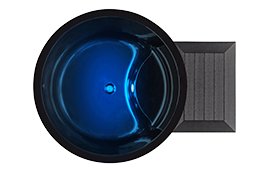
Combined design, plug and play, Include filter, circuit pump, Ozone, Ice-blue underwater light, and high-efficiency Chilling system.
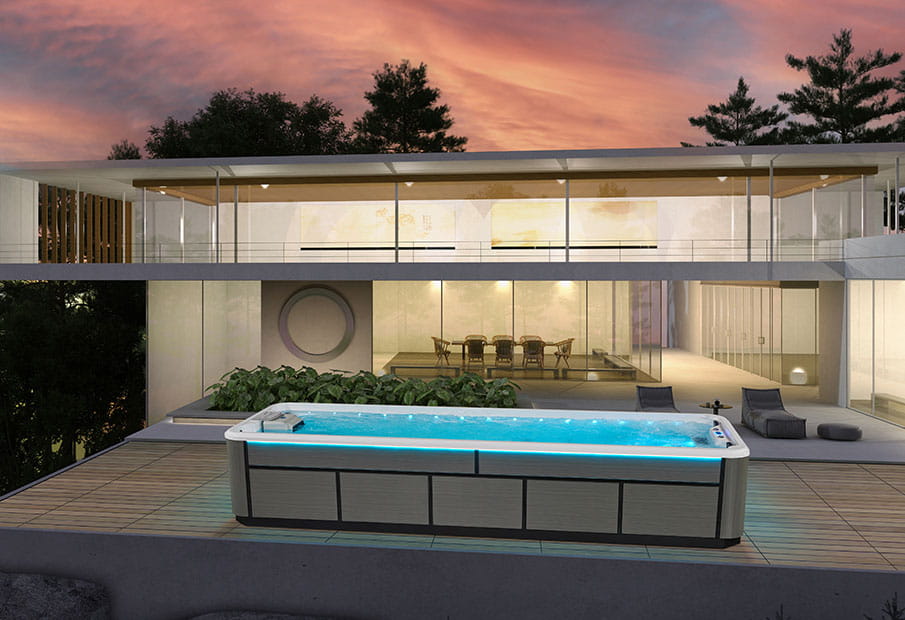
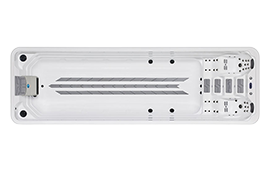
This contemporary infinity pool features dimensions of 7000mm in length, 2200mm in width, and 1335mm in height, highlighting its comprehensive and sophisticated functionality, including a high-efficiency filter pump, a powerful heater, and an advanced ozone system.
PRODUCTS
INQUIRY
Thank you for your message!Our Chinese New Year holiday from 7th Feb to 28th Feb. Apologise to make your inconvenience so that responses may be delayed during this period. We'll back to you with regular service on 2th March .Thank you for understanding.


